
A relaxed two-week India itinerary should focus on four or five destinations, not trying to see the entire country. For first-time visitors, 14 days covering Delhi, Agra, Jaipur, Jodhpur and Udaipur offers a practical balance of heritage, cultural experiences and luxury accommodation. The key is allowing realistic travel times, staying several nights in each city and keeping some afternoons free.
Quick Answer: Key Takeaways
- Recommended route: Delhi → Agra → Jaipur → Jodhpur → Udaipur.
- Trip duration: 14 days and 13 nights, including arrival and departure.
- Best pace: Three nights in most cities, with one night in Agra.
- Road transfers: Allow approximately four to seven hours between destinations.
- Best travel season: October to March, with seasonal variations.
- Departure planning: Fly from Udaipur rather than returning to Delhi by road.
What Can You Realistically See in India in Two Weeks?
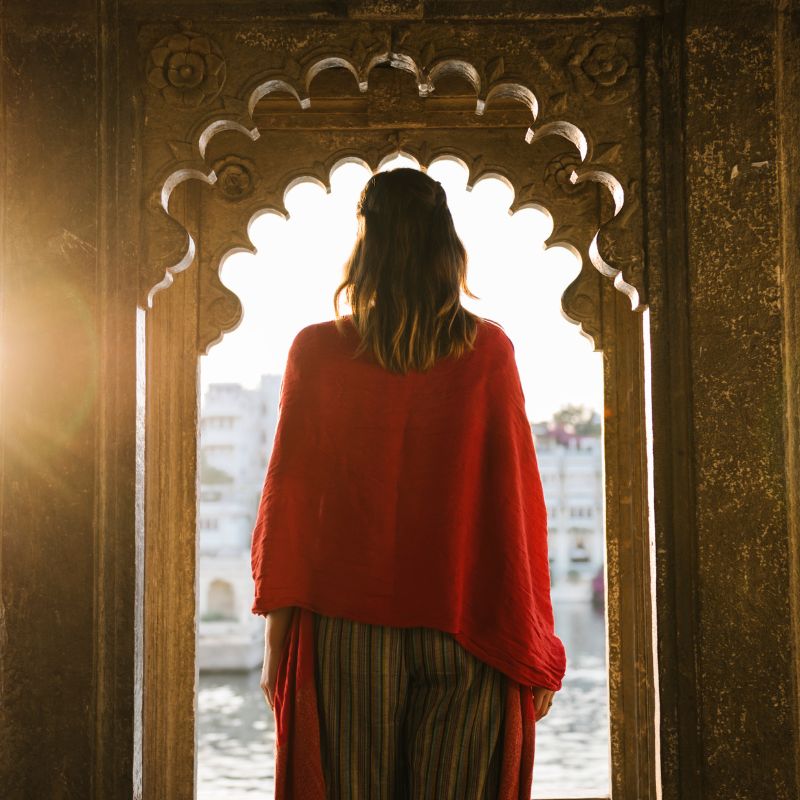
Fourteen days is enough to experience the Golden Triangle and selected Rajasthan destinations without changing hotels every night.
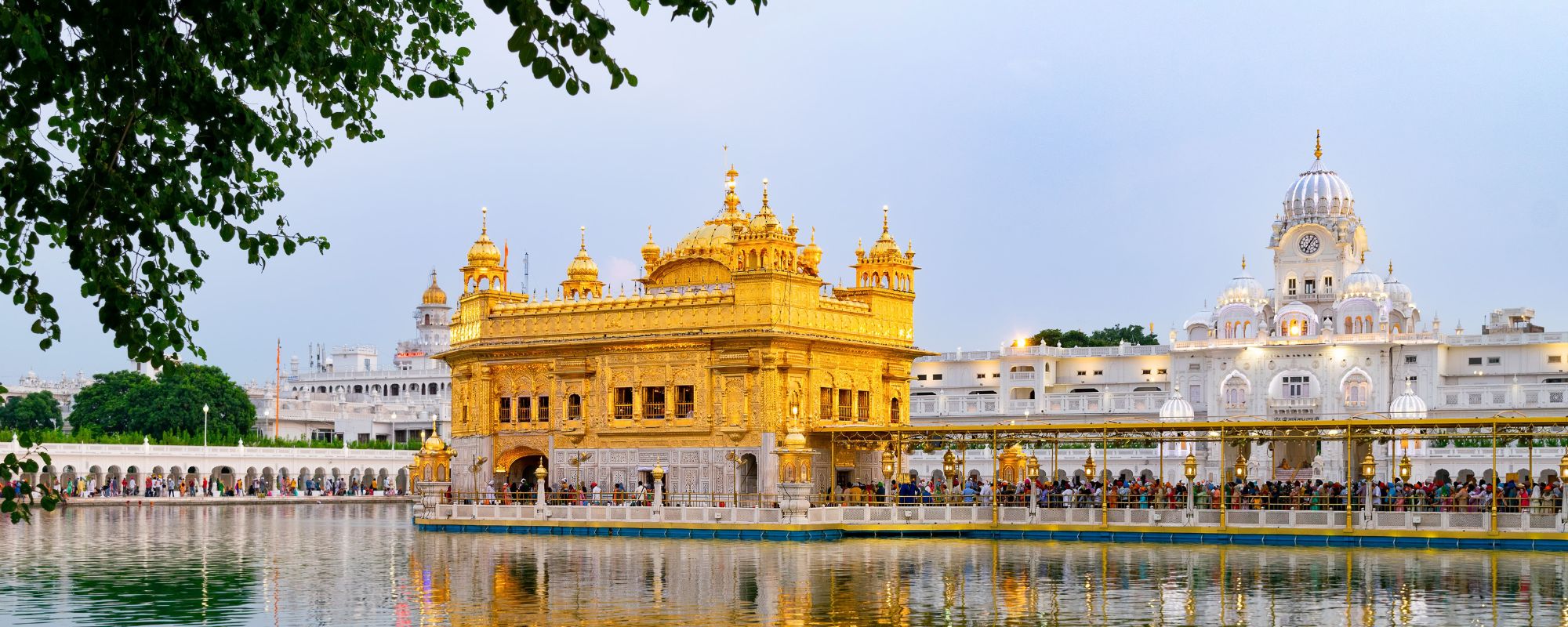
Delhi introduces India's capital and its layered history. Agra offers the Taj Mahal and Mughal architecture, while Jaipur, Jodhpur and Udaipur showcase Rajasthan's forts, palaces and regional traditions.
This route works because the destinations follow a logical geographical sequence.
It also leaves time for experiences beyond monuments, including local food, crafts, heritage walks and relaxed evenings at your hotel.
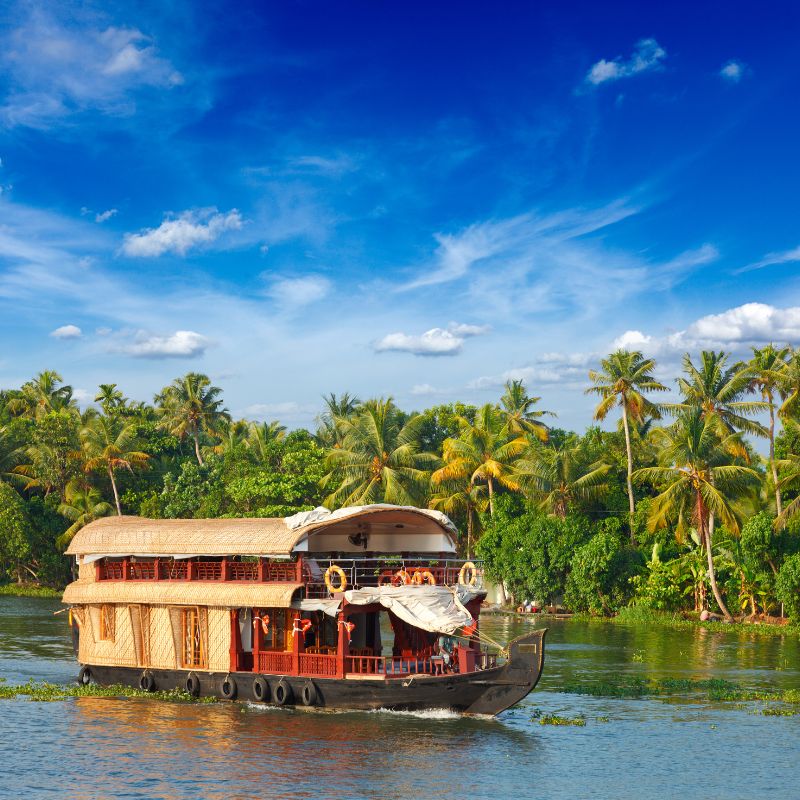
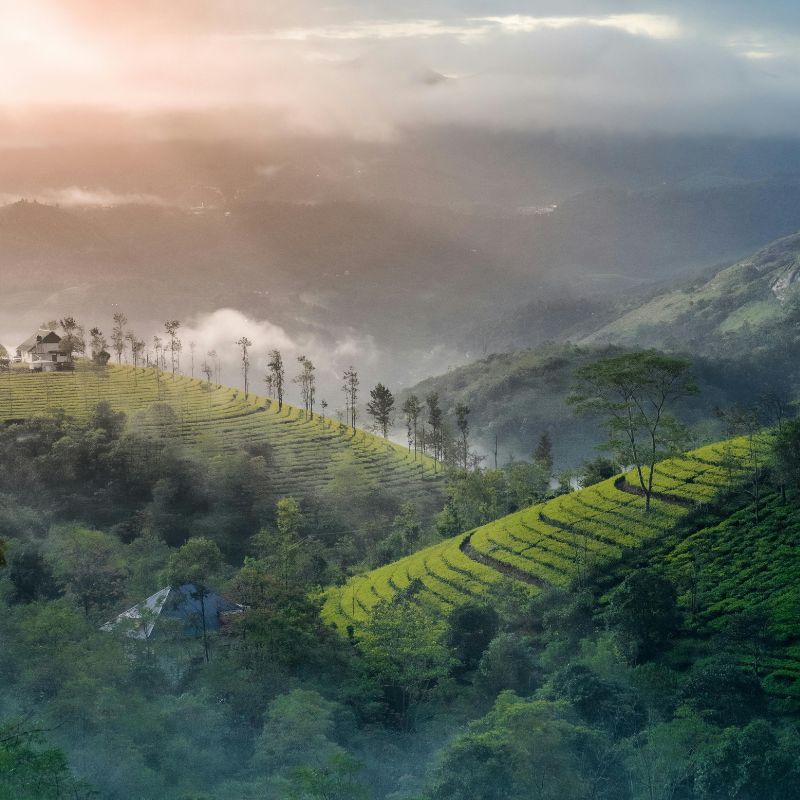
Trying to include Varanasi, Ranthambore and Kerala within the same fortnight would require compromises.
What Is the Best 14-Day India Itinerary for First-Time Visitors?
This 14-day India itinerary follows a one-way route through northern India and Rajasthan, avoiding unnecessary backtracking.
|
Day |
Destination |
Suggested experience |
|---|---|---|
| 1 | Delhi | International arrival and rest |
| 2 | Delhi | Old Delhi and selected historic attractions |
| 3 | Delhi | Cultural experiences and leisure |
| 4 | Agra | Drive to Agra and visit Agra Fort |
| 5 | Jaipur | Sunrise Taj Mahal visit, then drive to Jaipur |
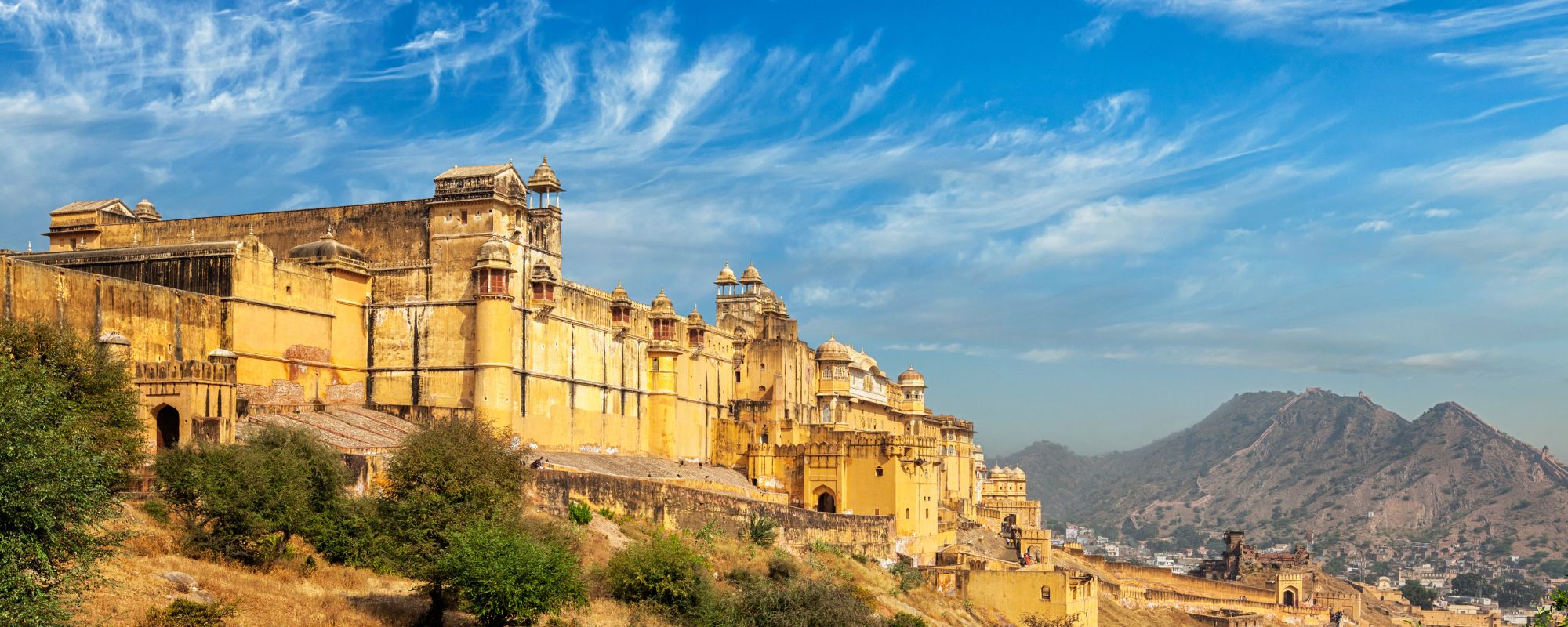
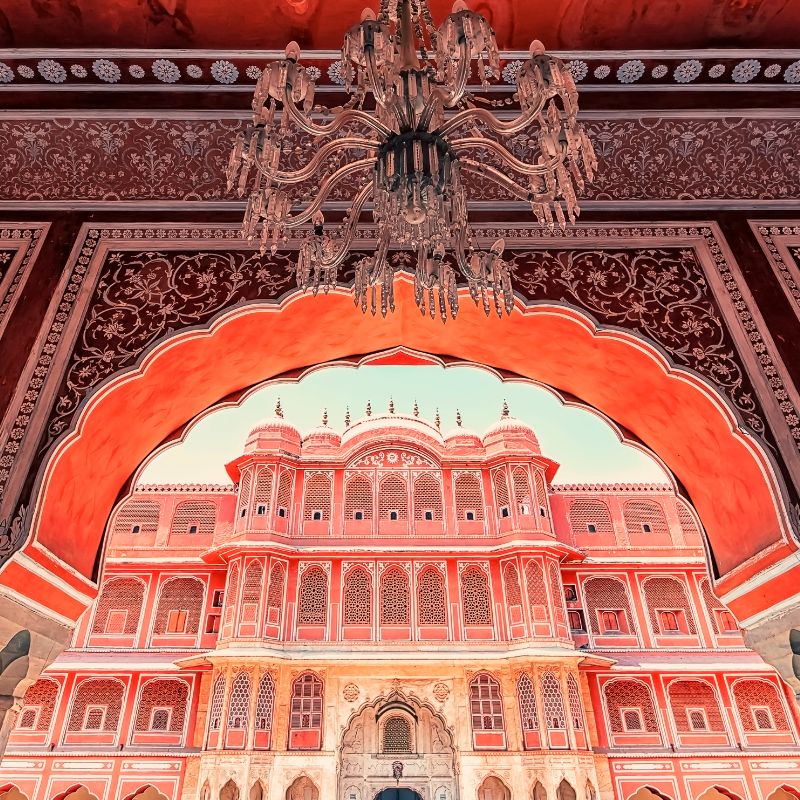
| 6 | Jaipur | Amer Fort, City Palace and historic attractions |
| 7 | Jaipur | Local crafts, markets and free time |
| 8 | Jodhpur | Drive to Jodhpur and enjoy a relaxed evening |
| 9 | Jodhpur | Mehrangarh Fort and old-city experiences |
| 10 | Jodhpur | Cultural activities and leisure |
| 11 | Udaipur | Transfer via Ranakpur, if suitable |
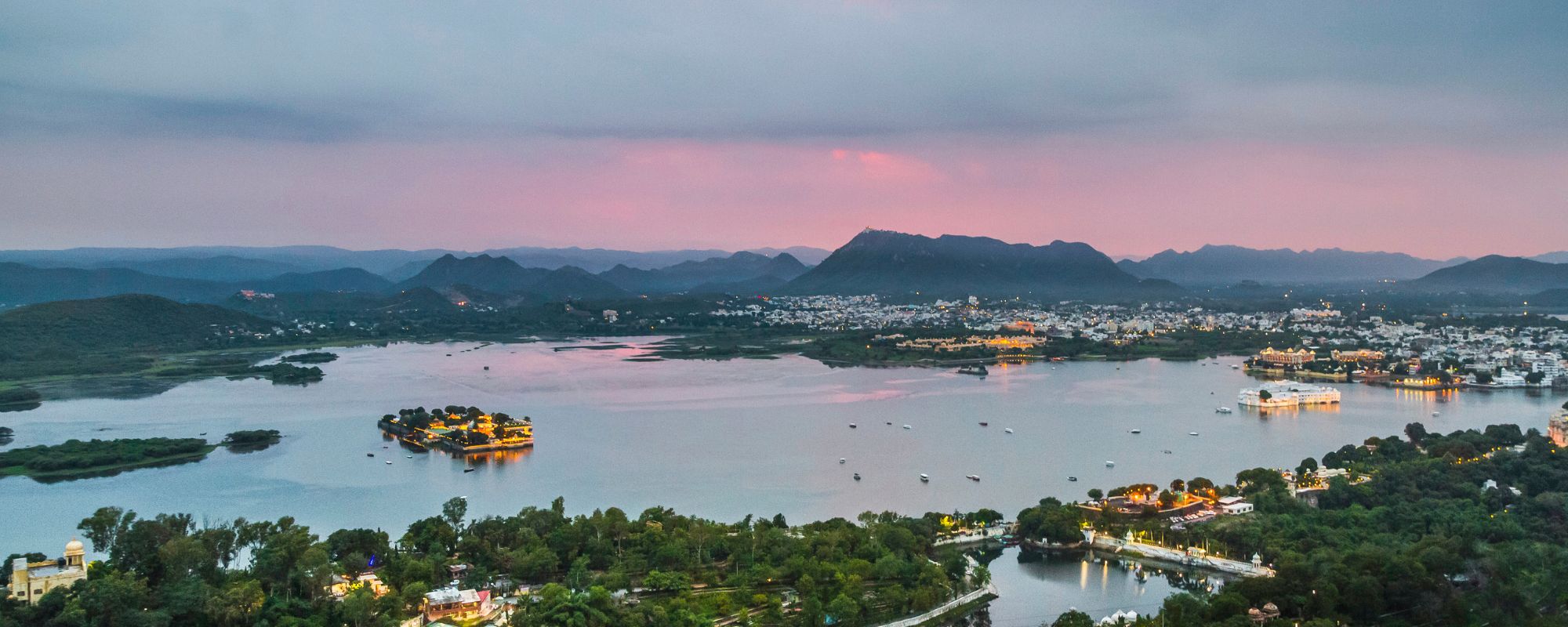
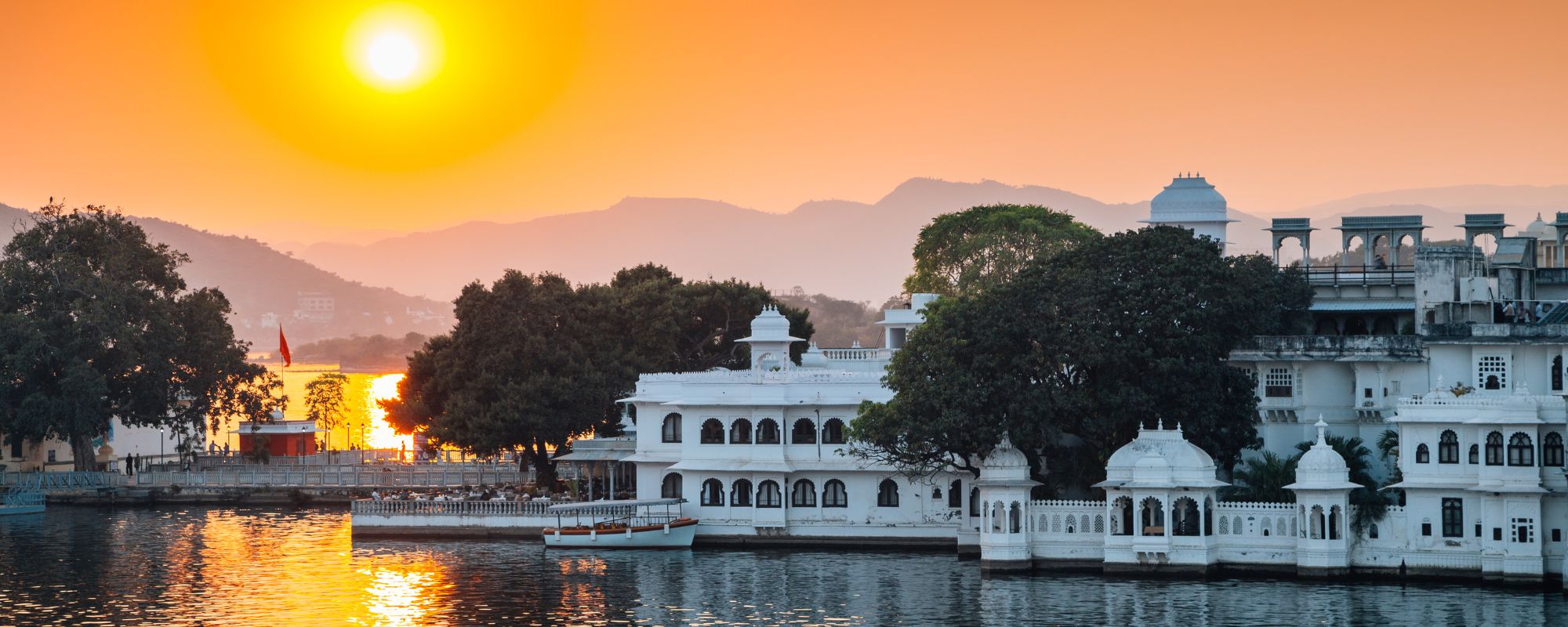
| 12 | Udaipur | City Palace and Lake Pichola |
| 13 | Udaipur | Heritage experiences and relaxation |
| 14 | Departure | Flight from Udaipur and onward journey |
Days 1–3: Delhi
Begin with three nights in Delhi.
After an international flight, keep the arrival day free for airport transfers, hotel check-in and rest.
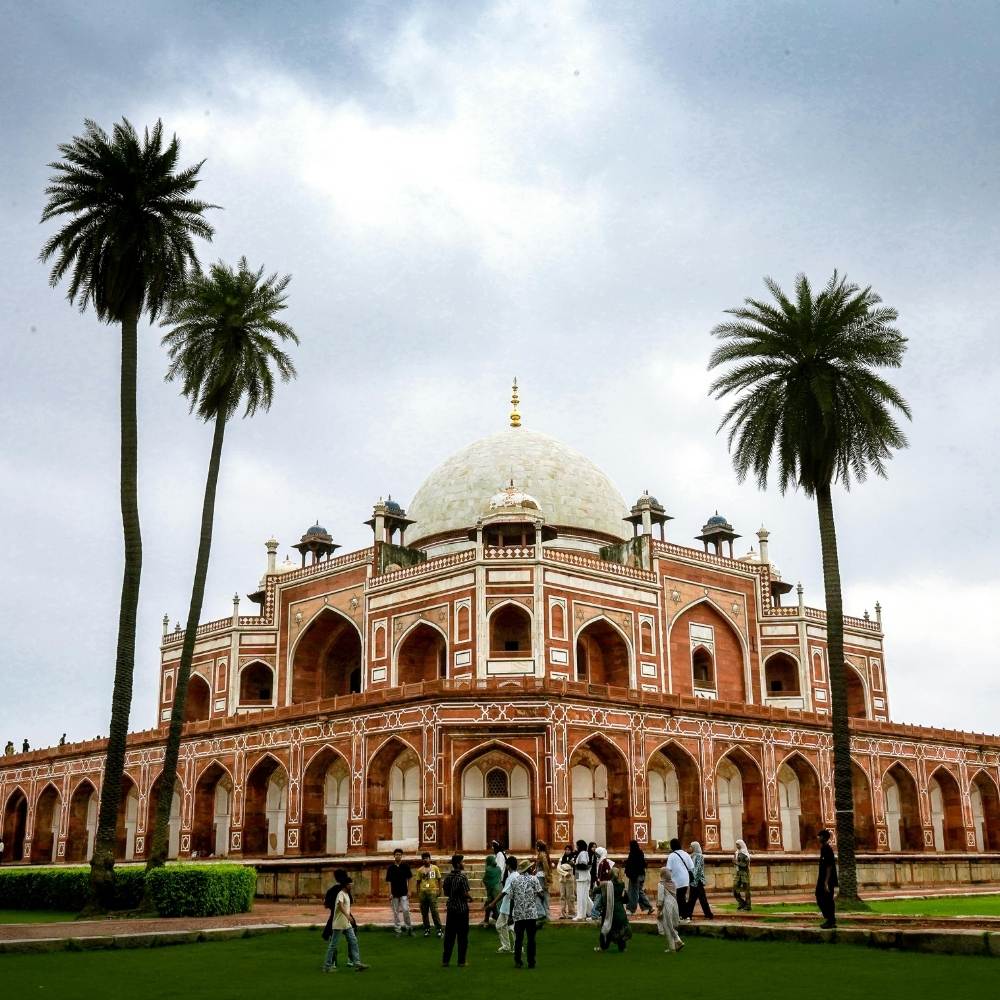
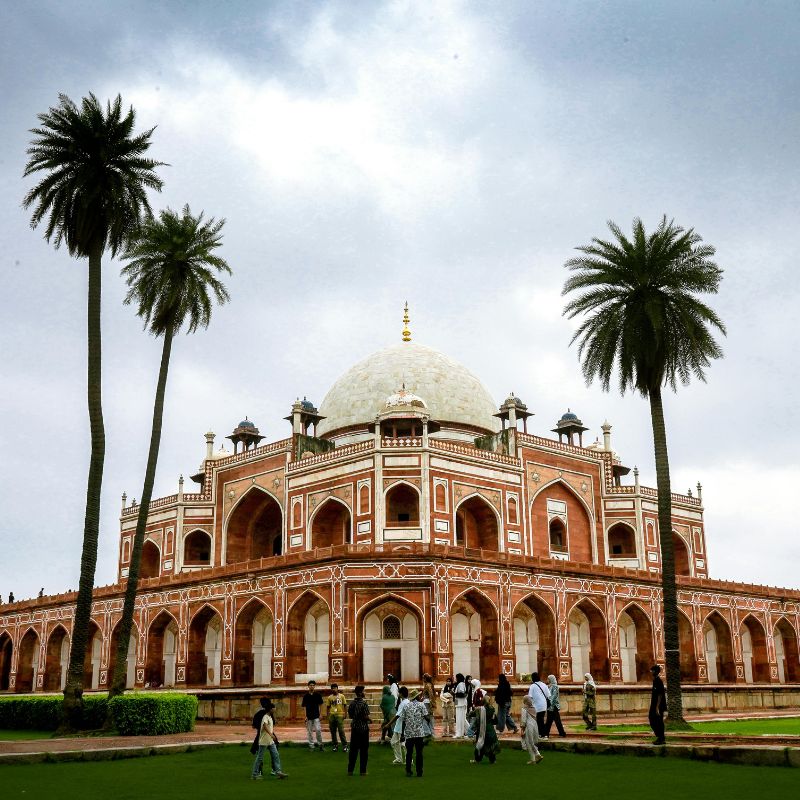
Over the following two days, explore selected attractions such as Humayun's Tomb, Qutub Minar, Jama Masjid and Chandni Chowk.
A private guide can organise sightseeing around traffic and your interests.
Avoid visiting every monument. Delhi is best appreciated through a mix of history, neighbourhoods, and everyday cultural experiences.
Day 4: Agra
Travel to Agra by private vehicle, which takes about four hours under normal conditions.
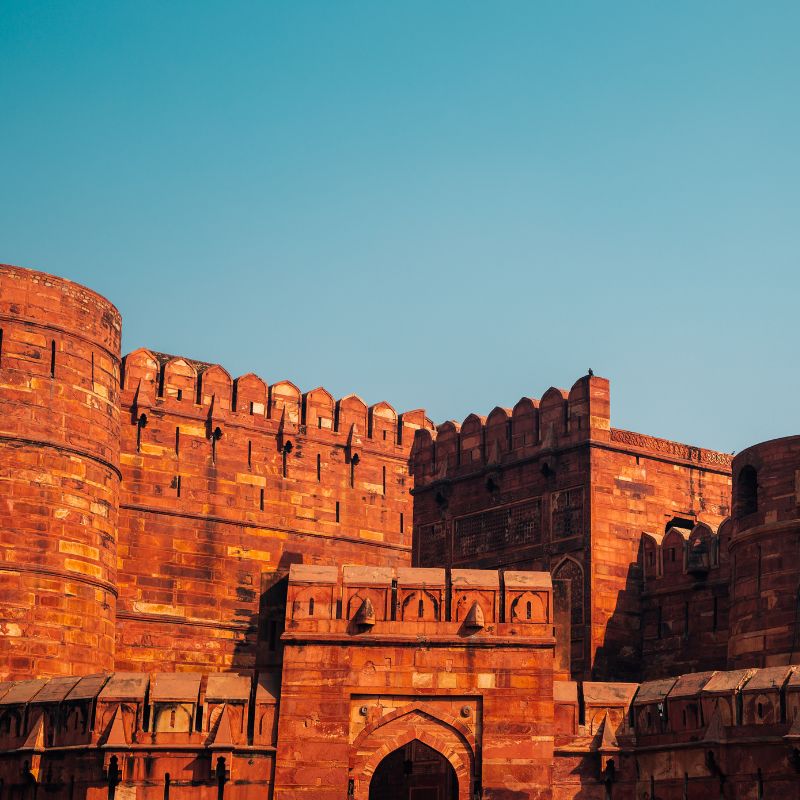
Visit Agra Fort and enjoy a quieter evening.
One night is generally enough because the Taj Mahal and Agra Fort can be covered across two days.
Days 5–7: Jaipur
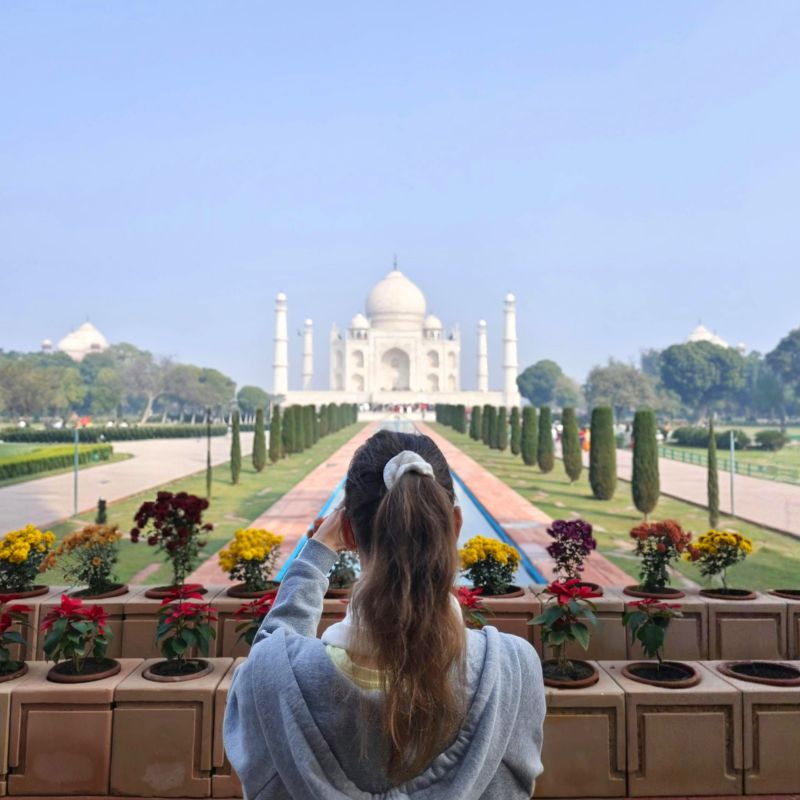
Visit the Taj Mahal early before travelling to Jaipur.
The Taj Mahal is closed to general sightseeing every Friday. Arrange the Agra portion of your itinerary accordingly.
The journey to Jaipur takes about six hours, including a stop at a place like Chand Baori.
Spend the next two days exploring Amer Fort, City Palace and selected heritage attractions.
Keep time available for crafts, shopping, or simply enjoying your hotel.
Days 8–10: Jodhpur

Drive to Jodhpur, allowing around six hours.
The following day, visit Mehrangarh Fort and explore selected areas of the old city.
Three nights allow for a slower cultural experience, perhaps including local cuisine, traditional crafts, or a relaxed afternoon.
Jodhpur is particularly appealing for travellers interested in architecture and Rajasthan's regional history.
Days 11–13: Udaipur
The journey from Jodhpur to Udaipur can include Ranakpur Jain Temple, depending on visitor access and timing.
This is a substantial transfer day, so avoid scheduling extensive sightseeing after arrival.
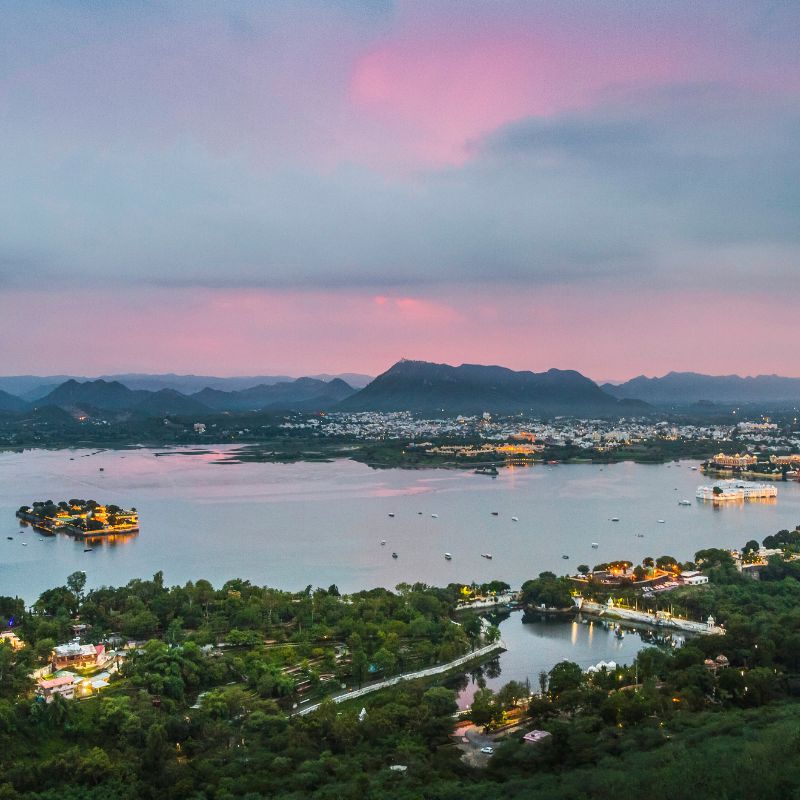
Spend the following days exploring City Palace, Lake Pichola and selected heritage sites.
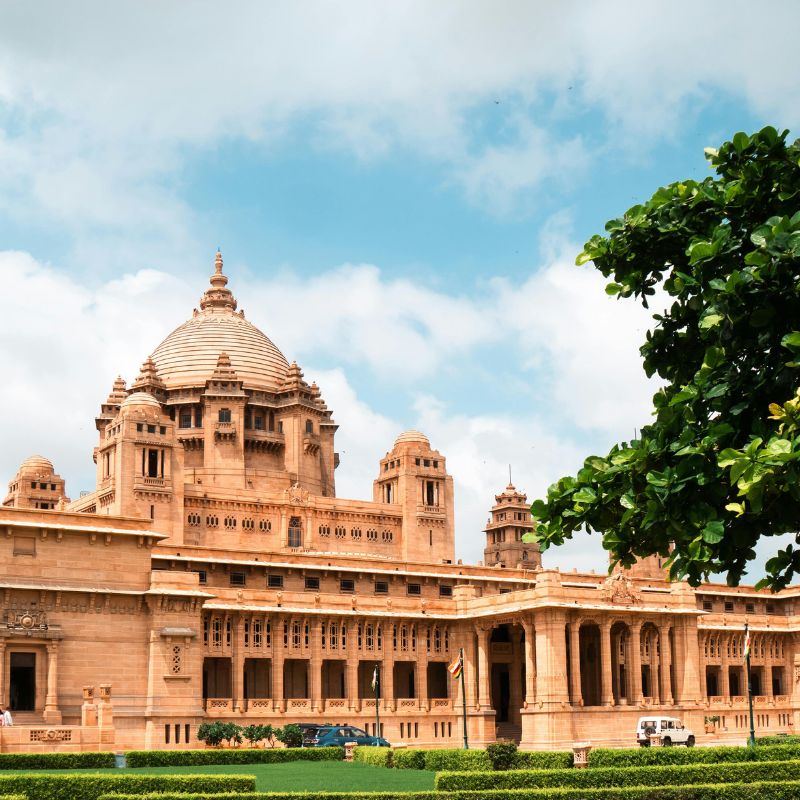
Udaipur is a suitable final stop because its lakeside hotels and slower atmosphere provide a comfortable finish.
Day 14: Departure
Fly from Udaipur to Delhi or another suitable international gateway, depending on available connections.
Avoid booking a tight onward international flight.
If your departure from Delhi is early or the connections are unsuitable, arrange an additional overnight stay near Delhi Airport or adjust the itinerary accordingly.
How Long Are the Drives Between Delhi, Agra and Rajasthan?
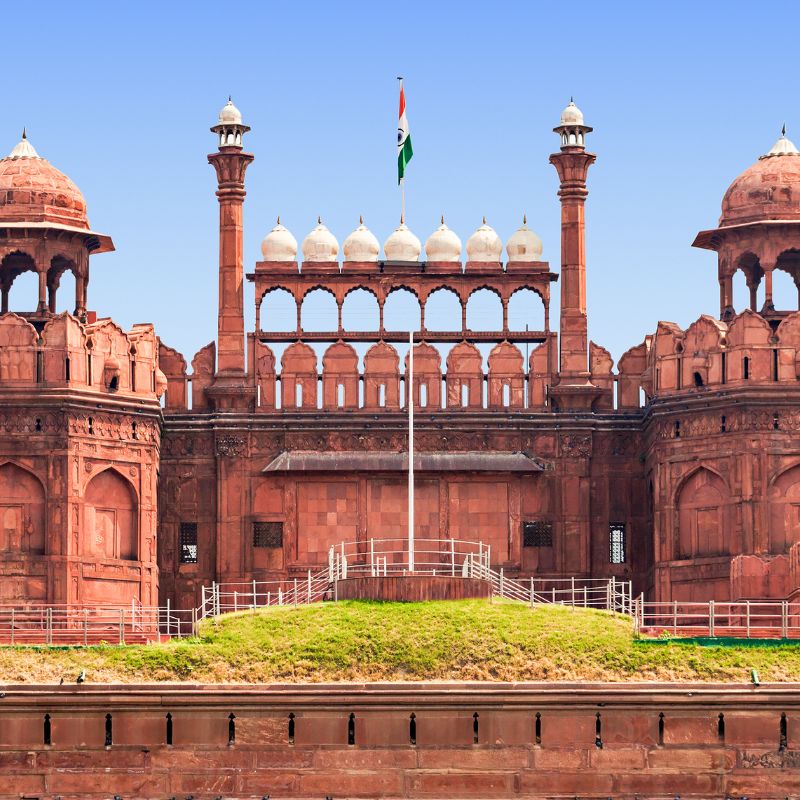
Road journeys can take longer than mapping applications suggest, especially when you include meals, sightseeing, and city traffic.
|
Route |
Approximate driving time |
|---|---|
| Delhi to Agra | 4 hours |
| Agra to Jaipur, with a stop | 6 hours |
| Jaipur to Jodhpur | 6 hours |
| Jodhpur to Udaipur via Ranakpur | 7 hours |
These figures are based on our published route-planning estimates.
The Jodhpur–Udaipur journey deserves particular attention. Although the distance is shorter than Jaipur–Jodhpur, temple visits, hill roads and lunch stops can make it the longest transfer.
Start early and treat it primarily as a travel day.
For further guidance, read our Golden Triangle and Rajasthan driving-times guide.
How Many Nights Should You Spend in Each City?
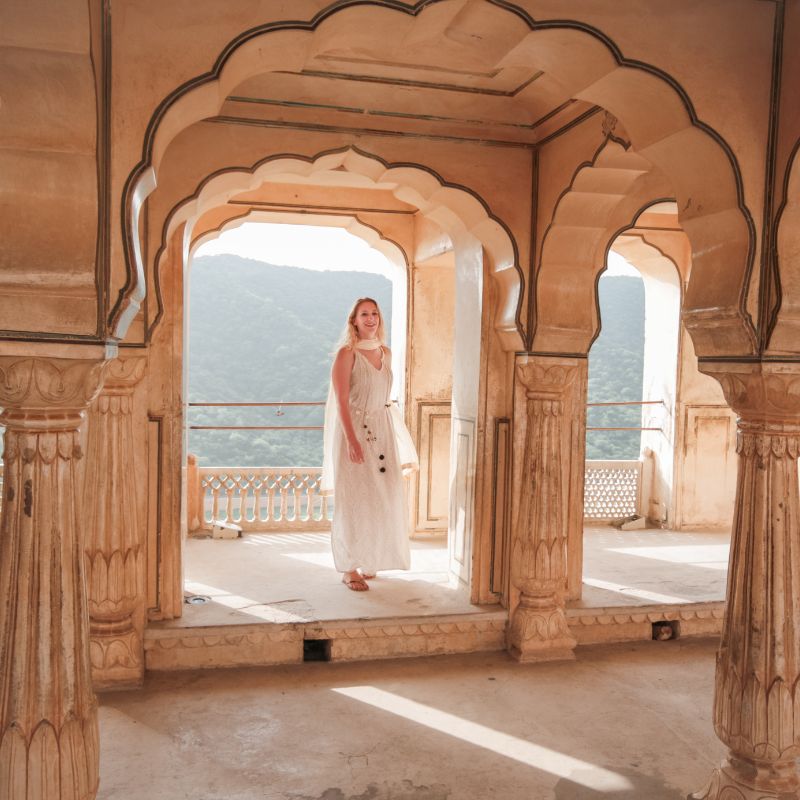
For this route, we recommend three nights each in Delhi, Jaipur, Jodhpur, and Udaipur, plus one night in Agra. Our 10-day Golden Triangle route uses two nights in most cities, and the extra four days here become a third night in each.
That totals 13 nights across 14 calendar days.
Three-night stays generally provide two full days in a destination without repeatedly packing and checking in and out of hotels.
Agra is the exception because you can explore its main attractions in a shorter visit.
Longer stays also allow flexibility if you feel tired, want to return to a favourite location or prefer a quiet afternoon.
Should You Add Ranthambore, Varanasi or Kerala?
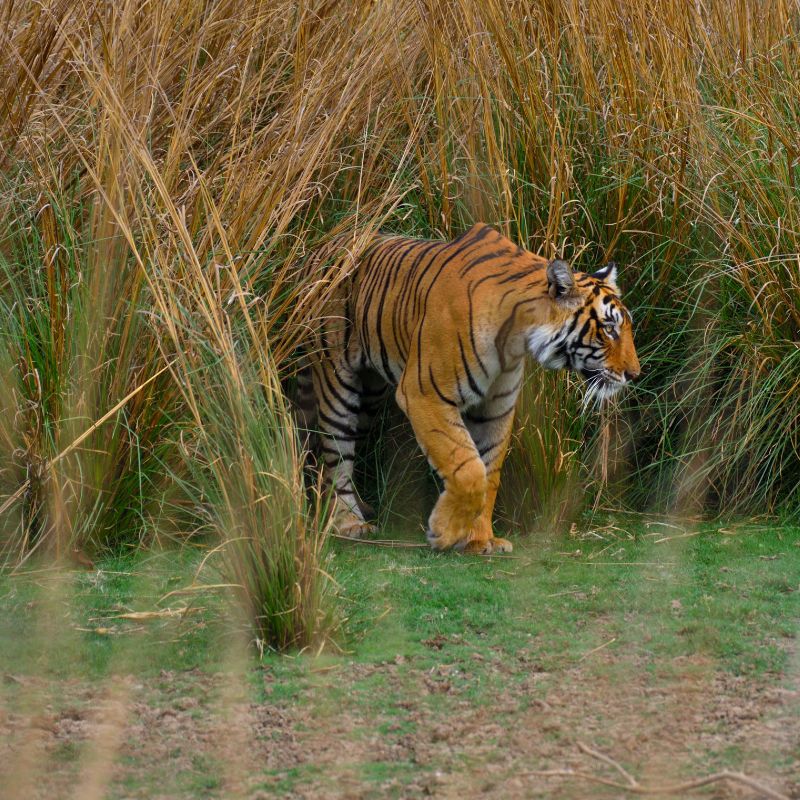
These destinations can be worthwhile, but adding them requires adjusting the route.
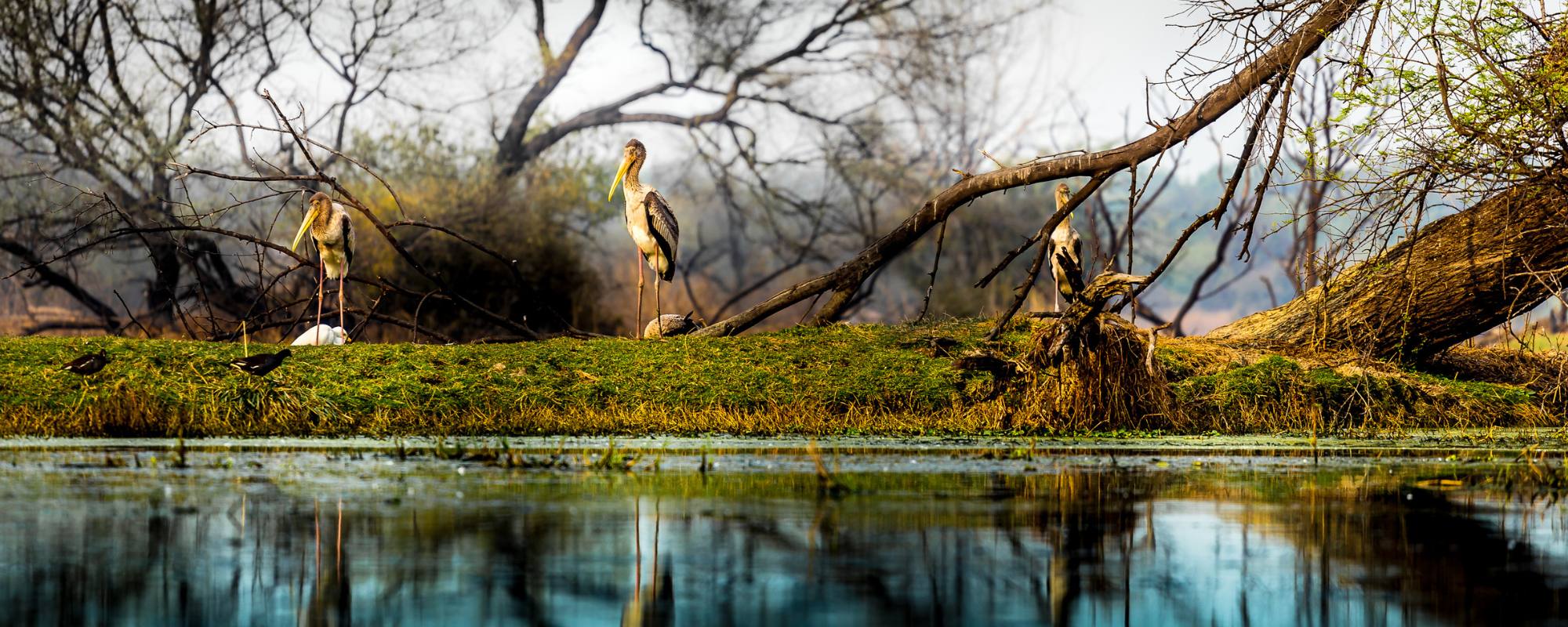
- Ranthambore: A wildlife-focused extension usually needs at least two nights to allow meaningful safari opportunities. Remove another destination or shorten Rajasthan sightseeing rather than squeezing it into an already full programme. Sightings are never guaranteed.
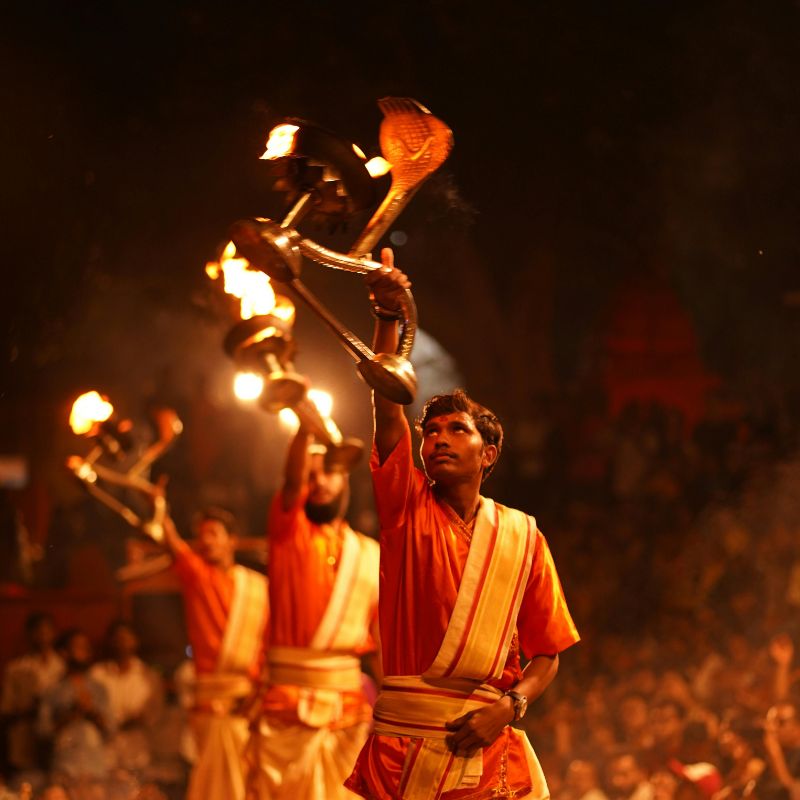
- Varanasi: The city deserves sufficient time for its riverfront traditions and cultural experiences. Adding it usually means another flight or a longer travel day.
- Kerala: Combining North and South India in two weeks is possible, but it reduces time in each region. For a relaxed trip covering both, approximately 17–21 days is usually preferable.
The better approach is to choose the experiences that matter most and build the itinerary around them.
How Can You Make a Luxury India Trip Feel Less Rushed?
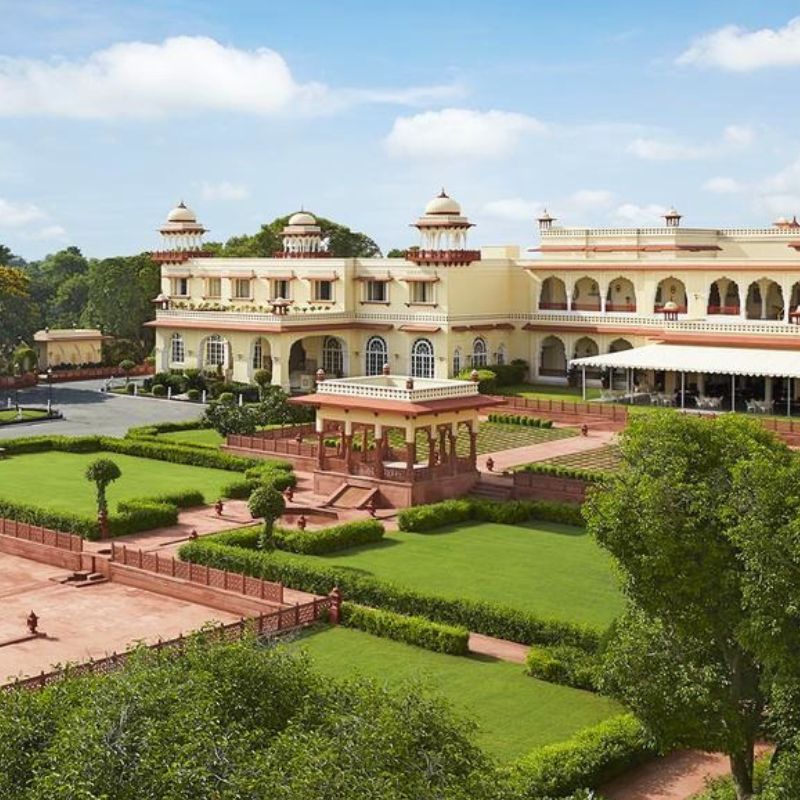
Comfortable travel depends on more than booking premium hotels.
A private chauffeur-driven vehicle allows flexible departure times, planned stops and direct transfers between destinations.
However, private transport cannot eliminate traffic or shorten long distances.
Choose hotels with convenient locations and facilities you'll actually enjoy.
A heritage property can become part of the experience, not just somewhere to sleep.
Schedule major sightseeing during comfortable hours, especially in warmer weather, and avoid early starts every morning.
Most importantly, keep some afternoons unplanned.
A well-paced luxury holiday should include time to relax, not just move between attractions.
When Is the Best Time for a Relaxed Two-Week India Tour?
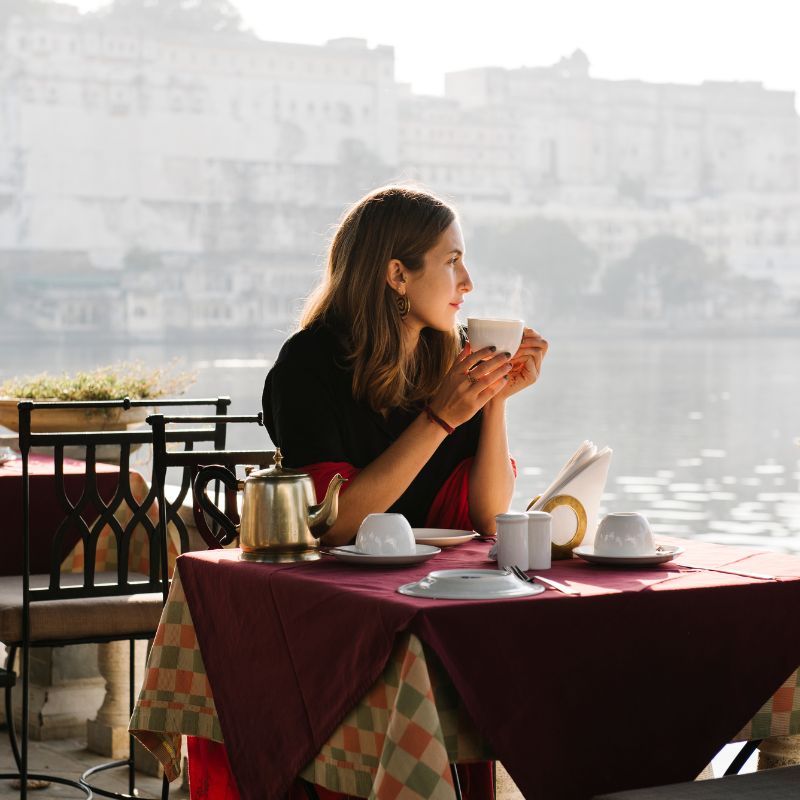
October to March is generally the most comfortable period for Delhi, Agra and Rajasthan.
November and February can be particularly appealing for sightseeing.
December and January bring cooler weather, but northern India may experience fog and air-quality problems.
Christmas and New Year can also increase hotel demand and prices. Christmas Day 2026 and New Year's Day 2027 both fall on Fridays, when the Taj Mahal is closed to sightseeing, so plan your Agra night around them.
From April onwards, temperatures rise considerably across Rajasthan and northern India.
During the hottest months, outdoor sightseeing may become uncomfortable.
Choose your travel dates based on the activities you want, not just hotel availability.
What Mistakes Make a 14-Day India Itinerary Exhausting?

The most common mistake is adding too many destinations.
Other problems include scheduling major sightseeing immediately after international arrival, changing hotels every night and planning demanding activities after long road transfers.
Don't assume a late flight connection will always run smoothly.
Allow sufficient time between domestic and international flights, especially when travelling on separate tickets.
Finally, avoid treating every day as a full sightseeing day.
Some of the most enjoyable travel experiences happen when there is no strict timetable.
Is a Private India Tour Better for Slow-Paced Travel?
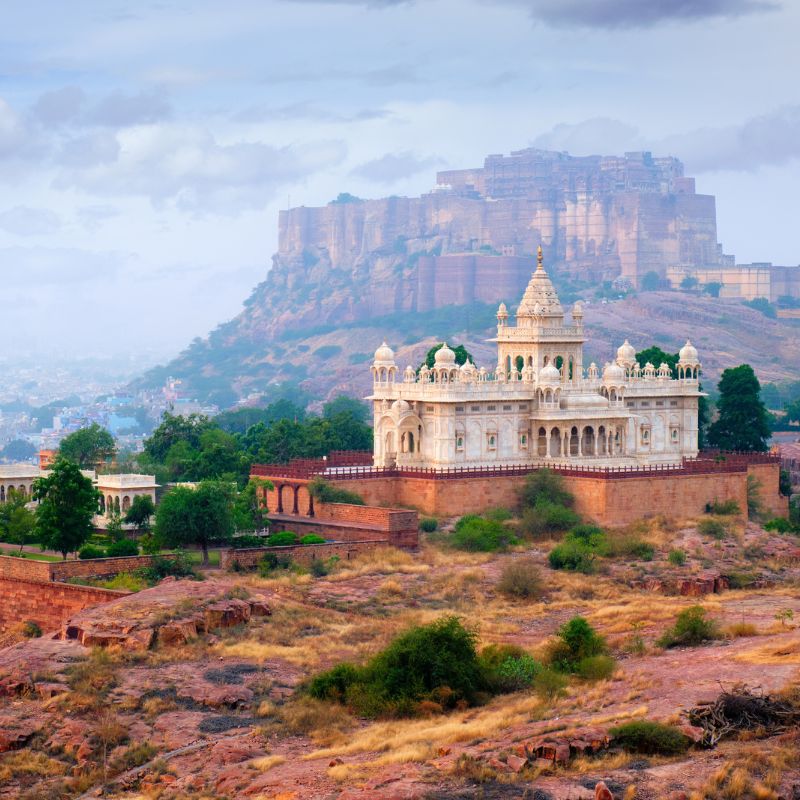
A private tour offers greater flexibility than a fixed group itinerary.
You can choose hotels, adjust sightseeing schedules, and spend extra time in places you particularly enjoy.
Local guides can provide cultural context without requiring you to keep up with a large group's pace.
For travellers who prioritise comfort, privacy and personalised experiences, this can be especially valuable.
However, careful routing remains essential.
A private tour is most effective when it combines suitable accommodation with realistic transfers and enough time at each destination.
Planning Tip From Our Team: Plan Around Nights, Not a List of Cities
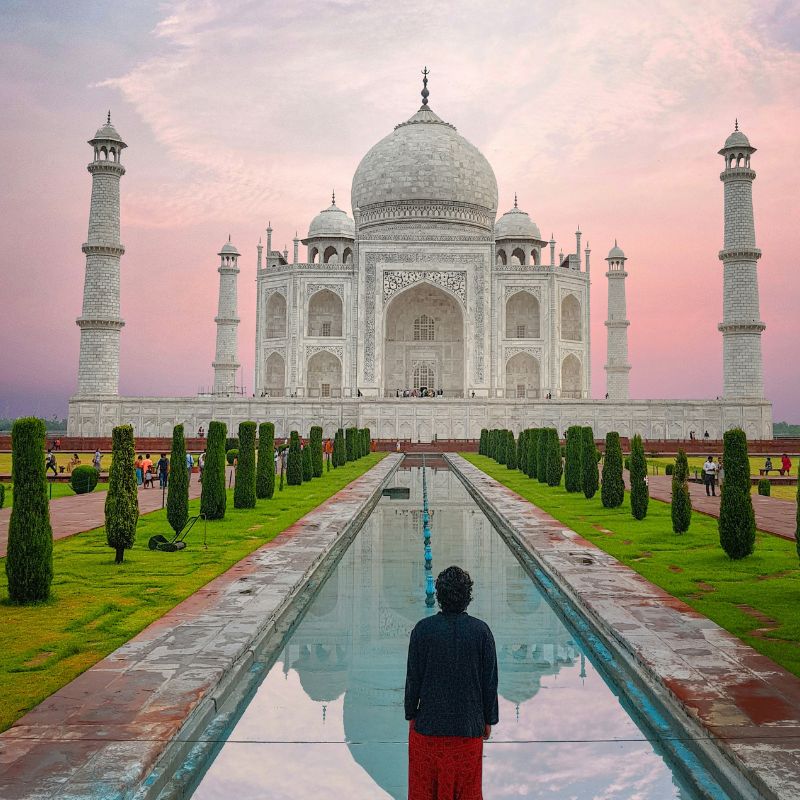
When organising a two-week India holiday, begin with your available nights rather than a list of attractions.
Fourteen calendar days usually mean 13 hotel nights when arrival and departure occur on separate days.
Allocate those nights before adding sightseeing.
For this route, three nights in most destinations creates a good balance between cultural experiences and relaxation.
If one location is particularly important, consider extending that stay rather than adding another city.
The goal is not to see as much of India as possible. It's to enjoy the places you've chosen.
Plan Your Relaxed Two-Week India Trip With Bout India
A memorable India holiday doesn't need to include every famous destination.
Delhi, Agra, Jaipur, Jodhpur and Udaipur offer a rich introduction to northern India's architecture, history and regional culture.
We have created tailor-made private journeys since 2013, helping international travellers choose destinations, hotels, and experiences that suit their preferred pace.
Explore our private India tour packages or plan your personalised two-week India trip.
The right itinerary gives you enough time to experience India without spending every day travelling.