




Choosing an India tour operator comes down to twelve checkable things: government recognition, what their IATA code actually means, where your money sits, written cancellation terms, whether those terms worsen through a reseller, named hotels, licensed guides, on-ground escalation, honest drive times, permits, a real per-person-per-day band, and verifiable reviews. India's Ministry of Tourism runs a voluntary recognition scheme for Inbound Tour Operators and explicitly warns consumers about the risk of using unapproved providers. Get these answers in writing before you pay a deposit.
A good India tour operator answers all twelve questions below in writing, before you pay anything. The Ministry of Tourism, Government of India, states in its Inbound Tour Operator guidelines that consumers need education "against the potential risk" of using unapproved service providers, which shows the government treats operator selection as a consumer protection matter. Bout India, a Jaipur-based inbound operator founded in 2013, publishes its answers below because most are checkable against government registers.
1. Are you recognised by India's Ministry of Tourism, and what is your certificate number?
The Ministry of Tourism runs a voluntary recognition scheme for Inbound Tour Operators, revised with effect from 18 July 2011, granting recognition for an initial five years. An operator outside the North East must hold a minimum paid-up capital of Rs 3 lakh and show at least Rs 25 lakh in foreign exchange earnings from inbound operations in the preceding financial year, certified by its statutory auditor. A committee comprising the relevant Regional Director and a member of the Indian Association of Tour Operators approves it after inspection.
Ask for the certificate. Paragraph 15 makes it mandatory to display it prominently in the office, so it should be available. Bout India is registered under the Ministry of Tourism and trades as Bout India Tours Private Limited.
2. What does your IATA number actually mean?

IATA runs two separate things, and operators blur them. Full IATA Accreditation lets an agency issue airline tickets through the Billing and Settlement Plan. The Travel Industry Designator Service, or TIDS, does not.
TIDS gives sales intermediaries a unique code so suppliers can recognise their bookings. It is free, granted in three to five business days, and IATA's own terms state that holding it does not entitle a company to represent itself as an IATA Accredited Agent. Bout India holds a TIDS code, not full accreditation, and says so. You can validate either code at CheckACode.com. If an operator implies TIDS is airline accreditation, you have learned how they describe everything else.
3. Where does my money sit if you stop trading?

The UK Civil Aviation Authority states that the ATOL Regulations apply equally to businesses established outside the UK that advertise and sell to UK consumers, covering flight-inclusive packages regardless of the flight's departure point.
The consequence is specific. If an India-based operator sells you a land-only arrangement and you book your own international flights, no ATOL certificate applies. That is a different structure, not a red flag, but it changes where protection comes from. Bout India excludes international flights as standard. On a direct international booking, your strongest protection is the card you pay with, not a logo on the website. Pay the deposit by credit card and buy supplier-failure insurance the same day.
4. What are your payment and cancellation terms, in exact language?

Vague terms predict difficult refunds. Bout India publishes its full schedule on its booking and cancellation policy page.
A 30 per cent advance confirms the booking; the balance is due 30 days before travel. Card payments carry a 3.5 per cent processing fee; refunds take at least 20 days.
|
Cancellation window |
Refund (direct booking). |
| 30 days or more |
95% (5% fee) |
| 15 to 30 days |
70% |
| 7 to 14 days |
40% |
| Within 7 days or no-show |
None |
Three carve-outs: safari charges are non-refundable, Christmas and New Year blackout bookings are non-refundable, and domestic flights are only partially refundable subject to airline policy.
5. Do those terms change if I book through a third party?

Almost nobody asks, and the gap is large. Bout India's published third-party schedule refunds 80 per cent at 60 days, 60 per cent between 28 and 59 days, 30 per cent between 15 and 27 days, and nothing inside 14 days, while a direct booking still returns 40 per cent.
Bout India runs roughly 90 per cent of its enquiries direct. Its own estimate is that going direct to the India-based operator, rather than through a foreign reselling agency, removes a markup layer worth 15 to 30 per cent of the trip cost.
6. Which hotels, by name, and why those?

"Luxury 5-star" is not an answer. A named list is, because you can check the property, its rate and its recent reviews before committing.
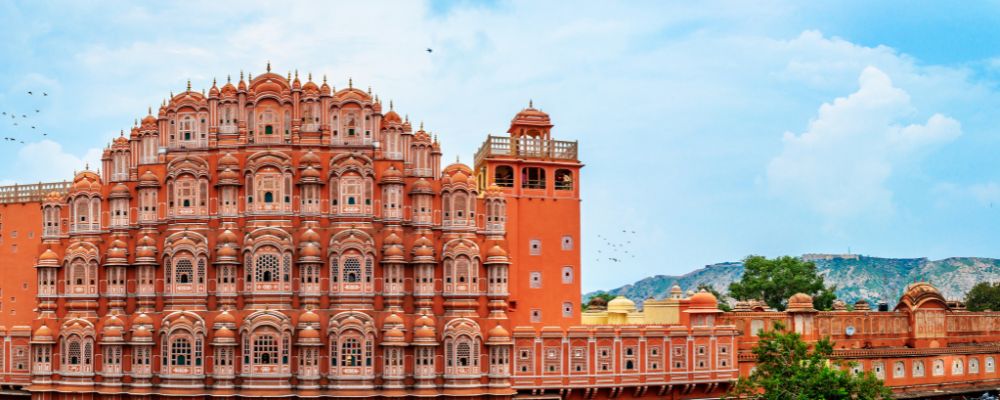
Bout India maintains a ranked list of preferred properties across 48 Indian destinations. In Jaipur, that means Rambagh Palace, the former principal residence of Maharaja Sawai Man Singh II, is in the top tier. Samode Haveli covers sightseeing proximity, and Shahpura House, a nineteenth-century royal palace, sits at the comfort tier. In Jodhpur, it means Umaid Bhawan Palace, one of the world's largest private residences. The 10-day Golden Triangle and Bequest Rajasthan itinerary names its properties and states nine breakfasts, two lunches, all monument entry fees, and a private Toyota Innova Hycross with driver.
7. Who guides me at the monuments, and are they licensed?
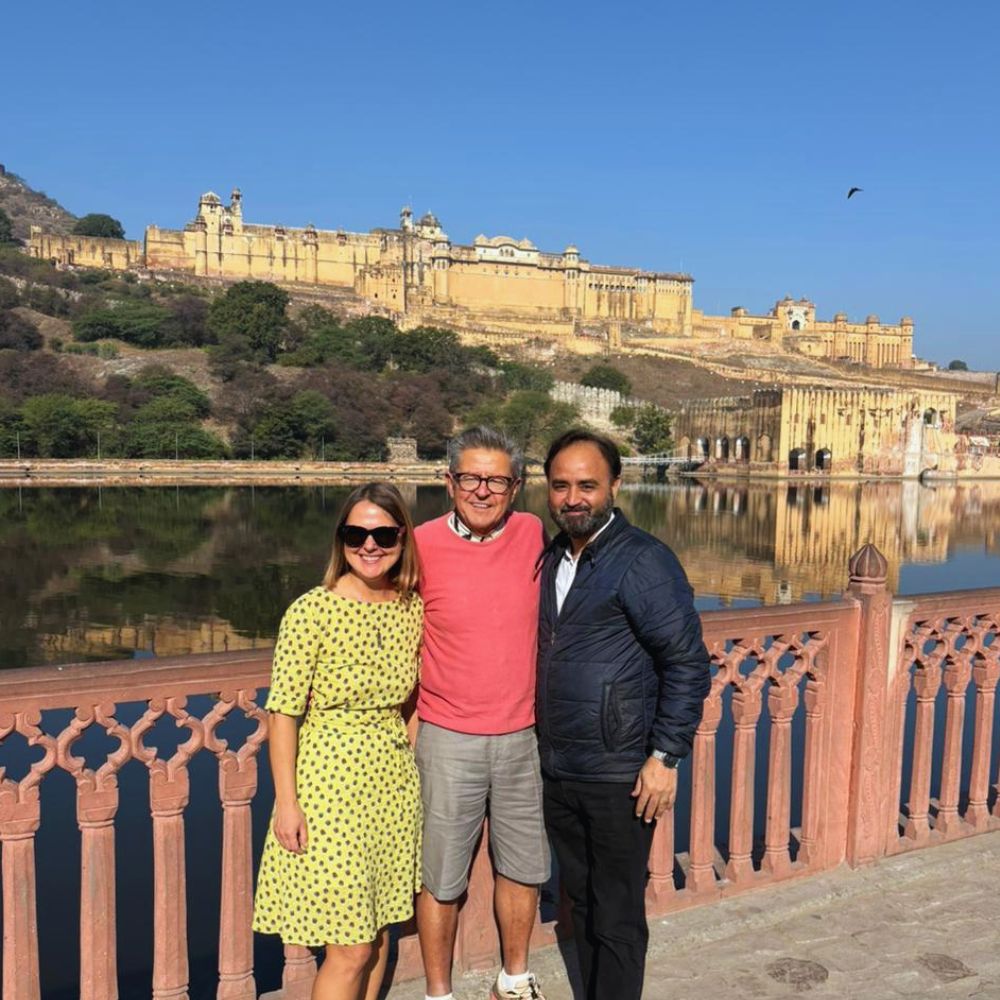
At monuments protected under the Ancient Monuments and Archaeological Sites and Remains Act, 1958, Ministry of Tourism guidelines require a recognised operator to deploy Regional Level Tourist Guides trained and licensed by the Ministry. That is a condition of recognition, not a courtesy.
Ask separately about drivers and city guides, who fall outside that rule. Bout India interviews every driver and guide personally, validates documentation, stores their IDs in its booking system, and collects client feedback after every trip.
8. Who is on the ground when something goes wrong?

Ask for two real incidents with resolutions attached. Reassurance costs nothing to give.
Bout India runs a 50-person office team, including 13 in sales and 10 in operations, supported by more than 100 ground-handling staff across states. When an airline cancelled a client's domestic flight and the distance couldn't be driven that day, Bout India recalled the driver, arranged accommodation near the airport, and secured the next available flight. When a guest declined a boutique Himalayan property on arrival, Bout India moved them to upgraded luxury accommodation at no additional cost.
9. What are the real drive times, and how many nights per stop?
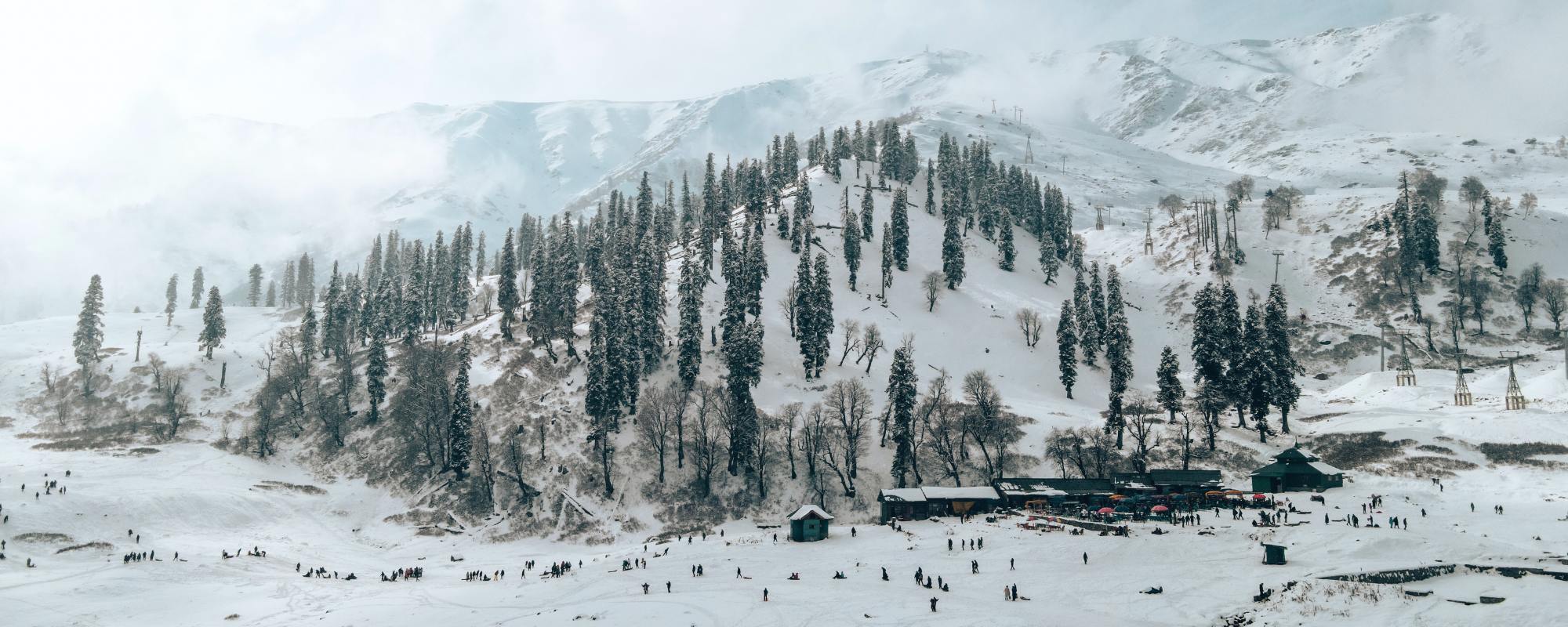
Google Maps is roughly right in the plains and badly wrong in the mountains. Bout India's operational experience is that plains transfers run 30 to 40 minutes over estimate, while a Himalayan journey mapped at three hours regularly exceeds six.
Two nights per location is the sensible default, with one night sufficient in Agra. Trains work for scenic legs up to six or seven hours; flights are preferred once a road leg would exceed eight or nine hours. Between 20 December and 10 January, quality hotels and guides in Udaipur, Jodhpur, and Jaisalmer sell out, and festival pricing runs 25 to 40 per cent higher.
10. Which permits does my trip need, and does my e-Visa cover it?

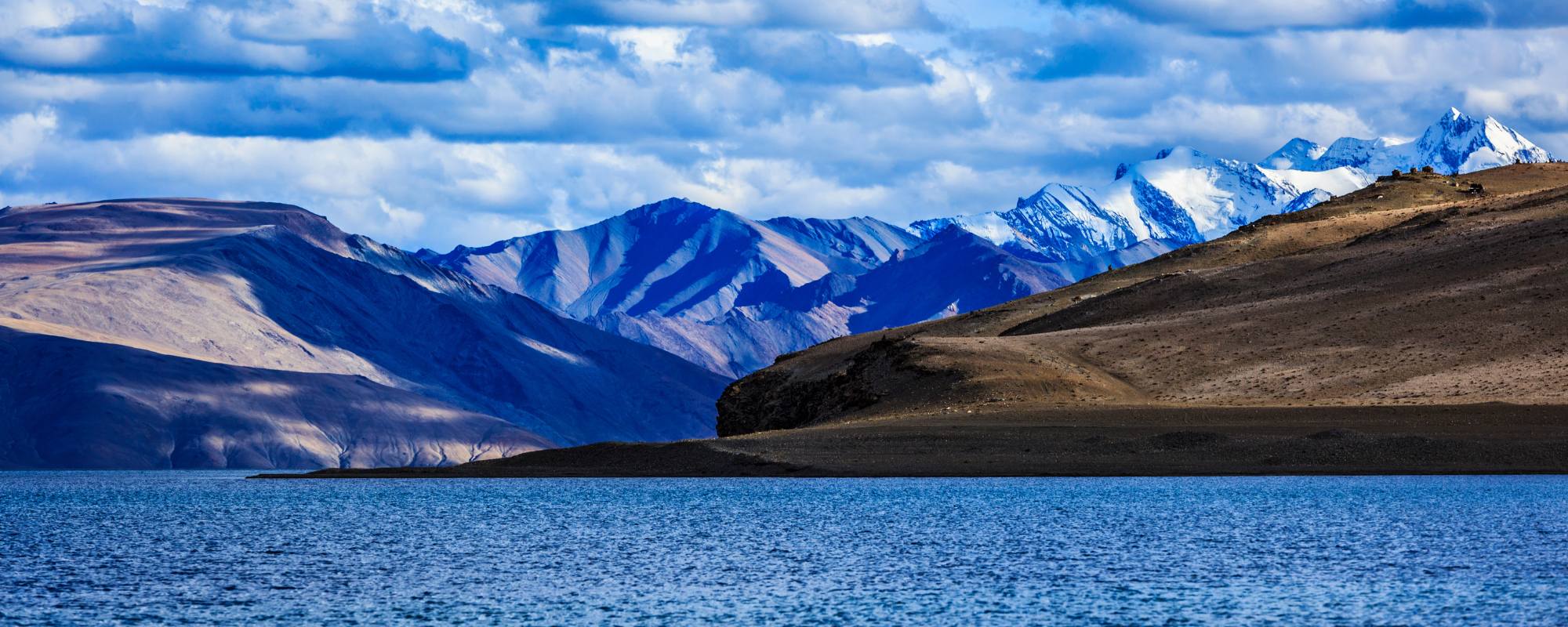
This is the trap that catches independent planners. The Indian e-Visa is non-extendable, non-convertible and not valid for visiting Protected, Restricted or Cantonment Areas, which require prior permission from the Civil Authority. This affects itineraries touching Ladakh, Sikkim, Nagaland, and the Andaman Islands.
Applications must be filed at least four and up to 120 days before arrival; the fee is non-refundable whether granted or rejected, and applicants with a defence, military, security, or police background are ineligible. The Government of India makes no provision for emergency or express e-Visa fees. Bout India does not process visas and says so.
11. What is your per-person-per-day band?

An operator who cannot give a band before designing an itinerary is guessing or planning to anchor you high.
|
Tier |
Accommodation |
Per person, per day (two sharing) |
|---|---|---|
| Comfort | Mix of 4-star and 5-star | USD 100 to 150 |
| Luxury | 5-star only | USD 250 to 500, no upper limit |
October to March is the main season; December and January peak, and April to September is soft. Standard quotes include accommodation, transport with driver, activity passes, monument entry, private guides, local taxes, and some meals; they exclude international flights, visas, insurance, and tipping.
12. Are your reviews verifiable, and where?

Check the source, not the screenshot. Tripadvisor's Travellers' Choice award recognises the top 10 per cent of listings, judged on quality and quantity of reviews over 12 months. Eligibility requires 12 months listed, a threshold review count and a minimum bubble rating, and Tripadvisor withholds awards over fraudulent submissions.
Bout India holds Travellers' Choice awards for 2024, 2025 and 2026, and has hosted around 4,000 travellers across roughly 1,200 bookings in three years. Its client reviews are published by name, country and trip month.