


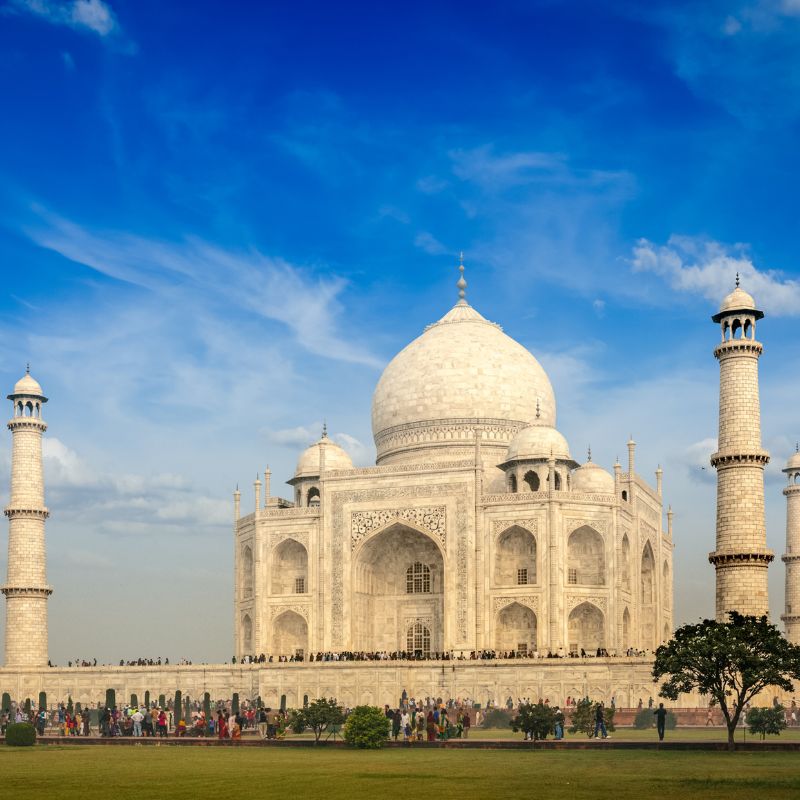
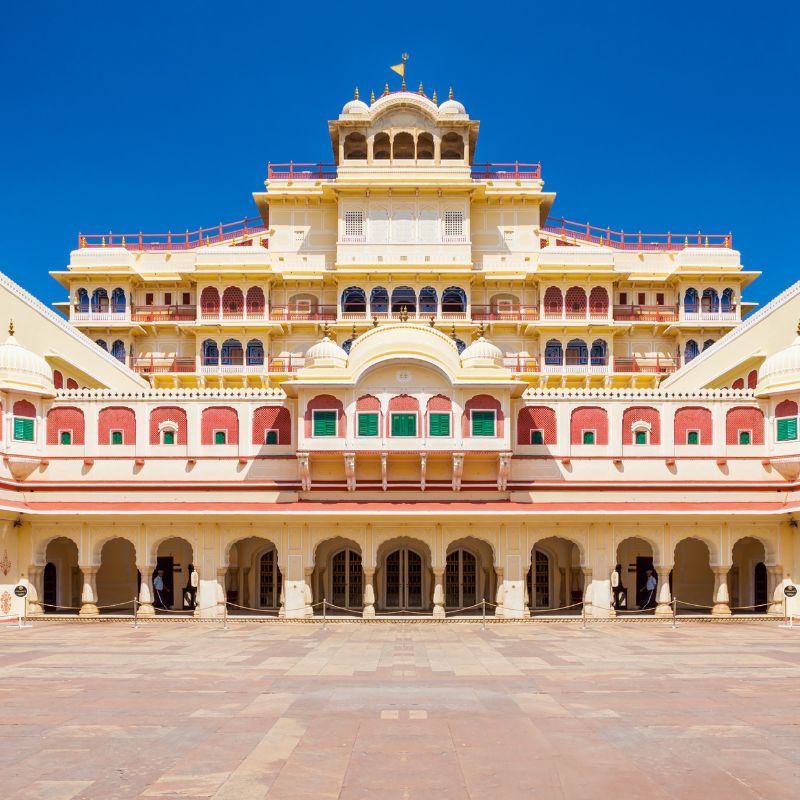
For most international corporate MICE groups, 4–7 days is the ideal duration for a trip to India. This gives enough time to combine meetings, conferences or business sessions with incentive experiences, cultural activities and leisure without making the itinerary feel rushed.
But the right answer depends on what you want the trip to achieve.
A three-day executive meeting in Delhi is very different from a seven-day incentive programme covering Agra, Jaipur and the rest of Rajasthan. The number of delegates, their country of origin, the season, the number of destinations and the amount of travel involved can all change the ideal itinerary length.
For companies planning corporate MICE travel in India, the most important thing is not simply adding more destinations. It is creating the right balance between business, travel, experiences and downtime.
So, how many days should you actually plan?
The Short Answer: 4–7 Days

For most corporate groups, this is a useful starting point:
- 2–3 days: Meetings, conferences or executive offsites
- 4–5 days: Business programme plus incentive experiences
- 5–7 days: Full incentive programme with cultural and leisure activities
- 7–10 days: Multi-city incentive programme within one region
- 10+ days: Two-region journey, or a conference combined with leisure
A shorter itinerary works when business is the primary objective. A longer itinerary becomes more valuable when the destination itself is part of the incentive.
India is a large and diverse country, so travel time needs to be treated as part of the programme. A journey that looks short on a map can take several hours once airport transfers, check-in, security and group logistics are considered.
3 Days: Best for a Focused Corporate Meeting
A three-day MICE trip can work very well when the primary objective is business.
It is suitable for:
- Executive meetings
- Leadership offsites
- Board meetings
- Sales kick-offs
- Training programmes
- Strategy sessions
- Small corporate retreats
The key is to stay in one destination.
A three-day programme could look like this:
Day 1: Arrival and welcome dinner
Day 2: Full-day meetings or conference
Day 3: Morning business session, afternoon activity and departure
This keeps the programme efficient and minimises time spent travelling between cities.
However, there is one limitation: delegates will have very little time to experience India beyond the meeting venue.
That may be perfectly fine for an executive meeting. But if the trip is being positioned as an incentive or reward, three days can feel too short.
4–5 Days: The Business and Experience Balance
For many companies, four or five days offers the best balance between business and leisure.
A typical five-day corporate programme might include:
Day 1: Arrival and welcome evening
Day 2: Conference or meetings
Day 3: Business sessions and team activity
Day 4: Cultural experience or incentive activity
Day 5: Departure
This gives planners enough room to add something memorable without overloading the itinerary.
That experience could be a private heritage dinner, a curated food experience, a palace visit, a cultural performance, a guided market walk or a team-building activity.
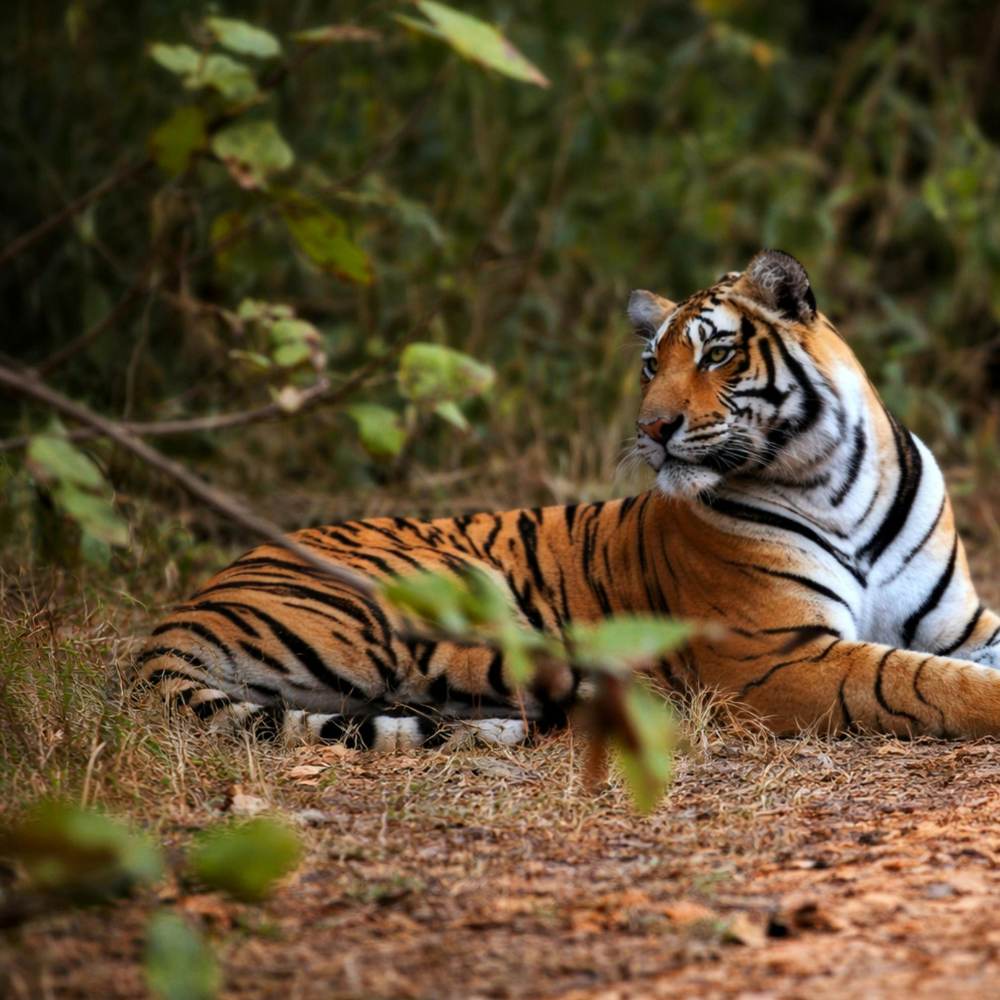
Our MICE and Events services include customised corporate programmes combining meetings with experiences such as palace events, private monument visits, desert experiences and wildlife activities.
The important point is that the experience should support the purpose of the trip. A corporate incentive programme should feel curated rather than like a checklist of tourist attractions.
5–7 Days: When the India Experience Matters
If delegates are travelling internationally to India, five to seven days often creates a much more comfortable pace.
International travel itself takes time. Delegates flying from Europe, North America or Australia may arrive after a long journey, which makes the first day unsuitable for an intensive business schedule.
A seven-day programme could look like:
- Day 1: Arrival and relaxed welcome
- Day 2: Meetings or conference
- Day 3: Meetings and networking dinner
- Day 4: Business session and cultural activity
- Day 5: Destination experience
- Day 6: Team activity or leisure
- Day 7: Departure
This structure allows the business objective to remain central while giving delegates enough time to actually enjoy the destination.
For companies looking for luxury incentive travel programmes, the additional days can be used for private experiences, heritage properties, curated dining and destination-specific activities.
Golden Triangle: How Many Days Do You Need?
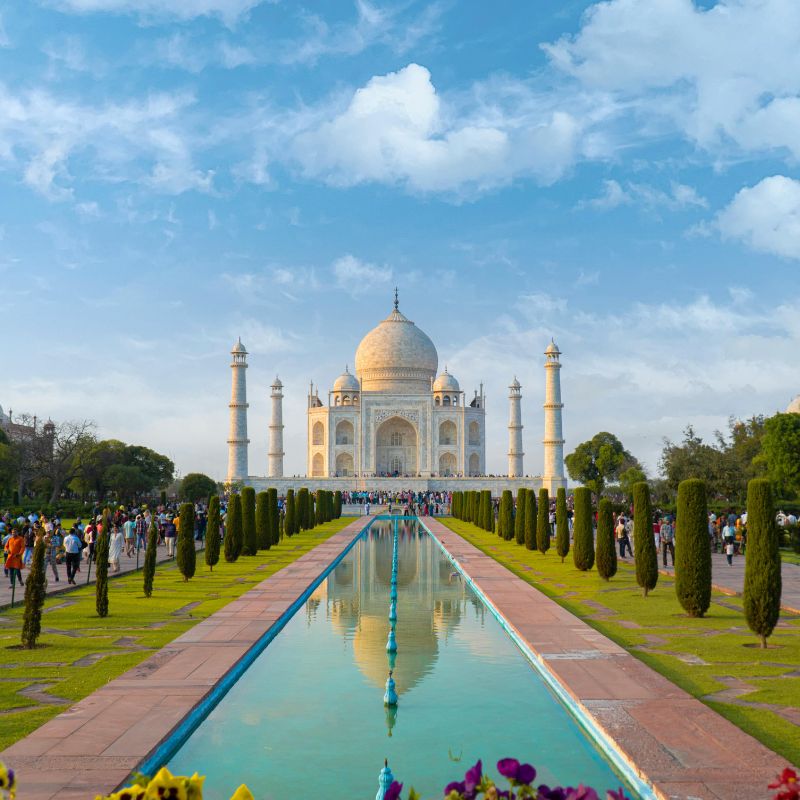
The Golden Triangle, covering Delhi, Agra and Jaipur, is one of the most practical options for a short corporate incentive programme in India.
The three cities offer different experiences without requiring an extremely long itinerary.
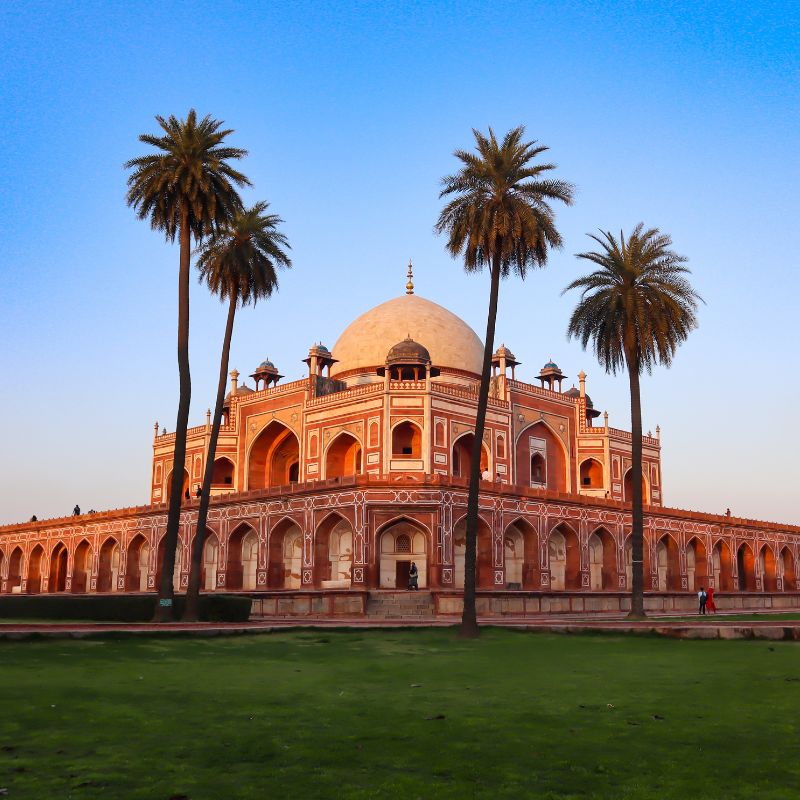
Delhi provides a combination of business infrastructure, history and modern hospitality.
Agra adds the Taj Mahal and Mughal heritage.
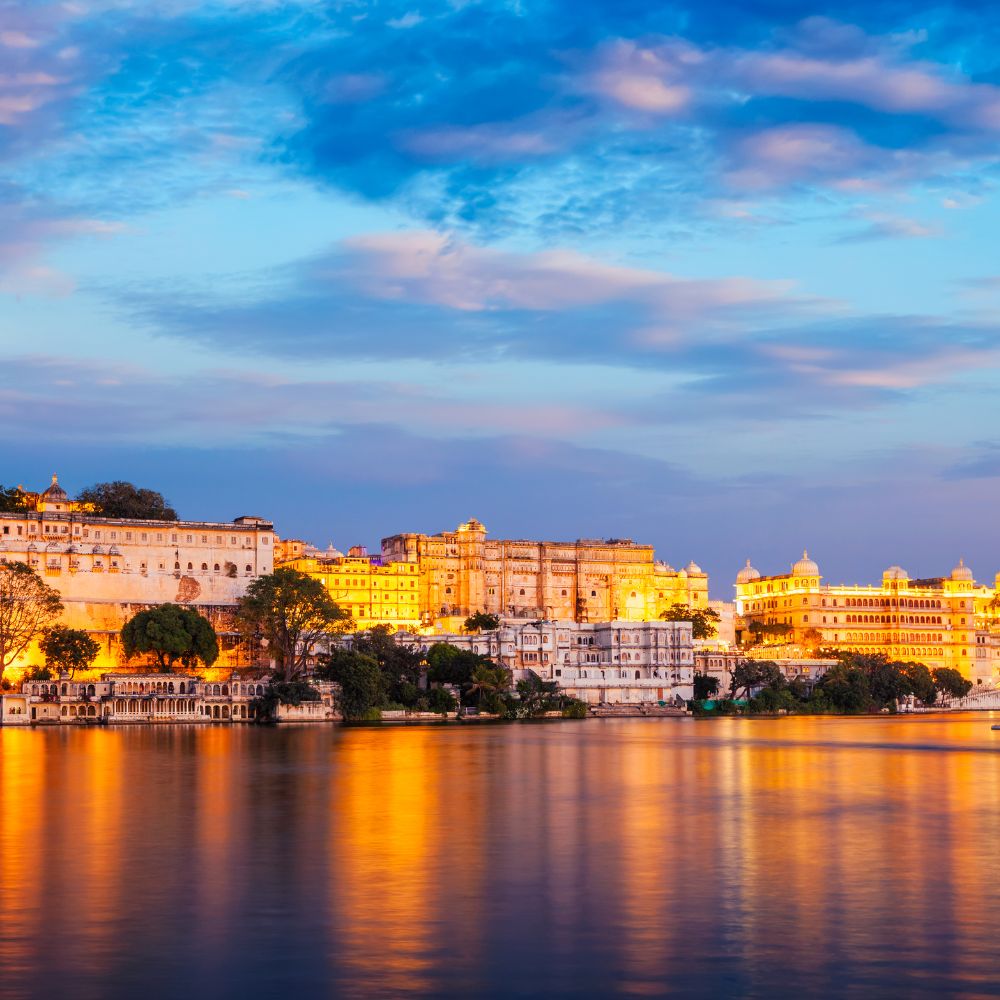
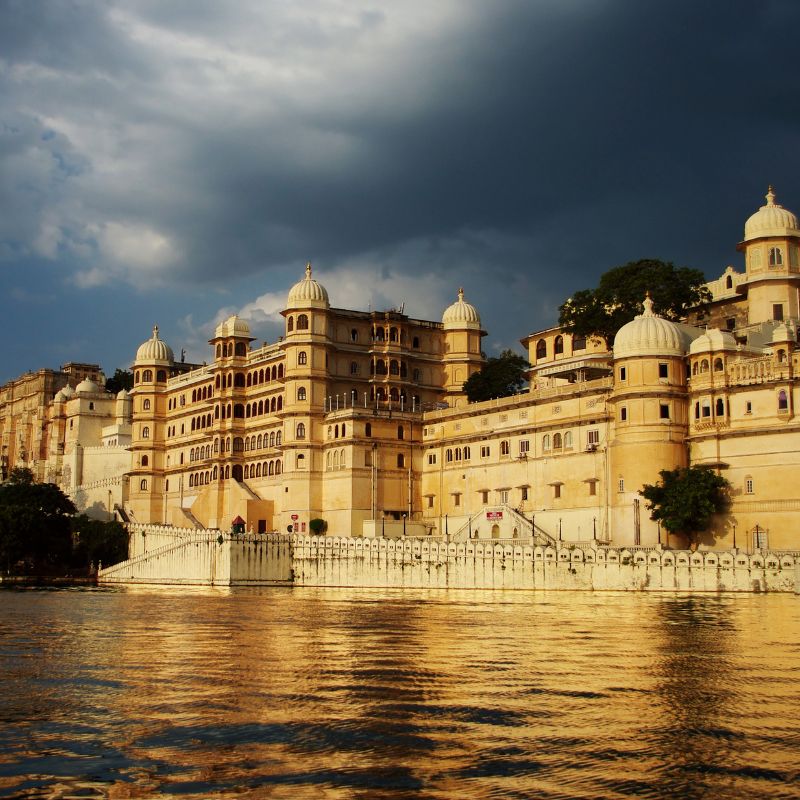
Jaipur brings Rajasthan's forts, palaces, markets and royal traditions.
For corporate groups, five to six days can provide enough time to combine these destinations with meetings, dinners and incentive activities.
A useful reference is this 6-day Golden Triangle itinerary, which demonstrates how Delhi, Agra and Jaipur can be connected within a compact India journey.
For a MICE programme, the sightseeing schedule can then be adjusted according to the business agenda.
Rajasthan Incentive Trips Need More Time
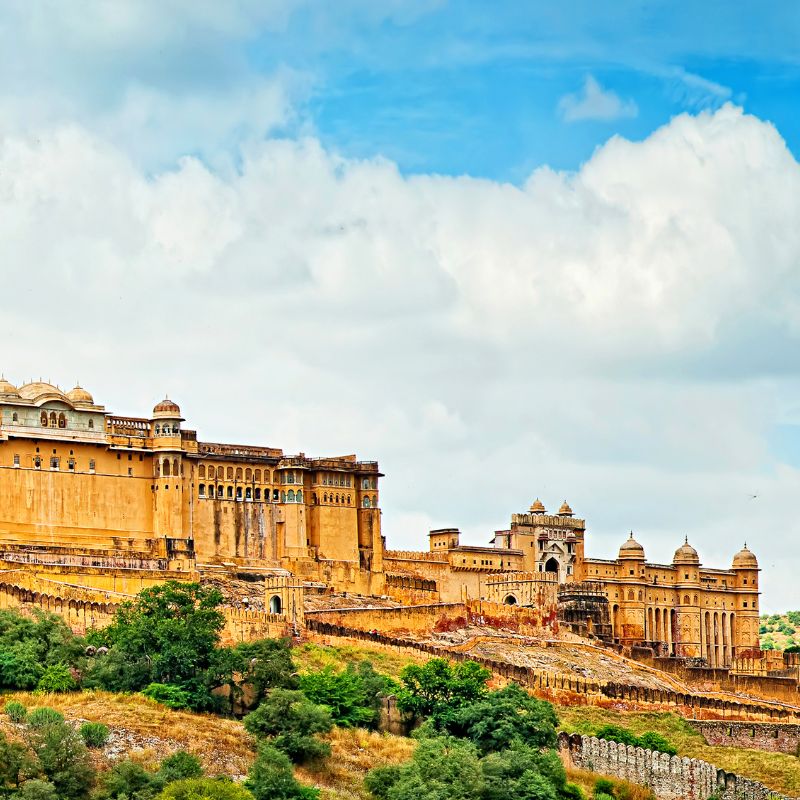
Rajasthan is where corporate planners often try to fit too much into too little time.
Jaipur, Jodhpur and Udaipur all offer excellent incentive possibilities, but moving between them takes time.
If you also add Delhi and Agra, the number of transfers increases significantly.
For a more comprehensive Rajasthan programme, 7–10 days is a more realistic duration.
Our Golden Triangle and Rajasthan in 10 days itinerary is a useful example because it accounts for the driving time between Delhi, Agra, Jaipur, Jodhpur and Udaipur.
For MICE planners, the lesson is simple:
Don't add destinations faster than you can move a group.
Every additional hotel change means packing, luggage handling, check-out, transfers and check-in. What looks like a small addition to the itinerary can consume half a day.
Arrival Day Should Not Be a Full Programme Day

One of the most common mistakes in corporate travel planning is treating arrival day like a normal programme day.
For international groups, it is usually better to keep the first day light.
Use arrival day for:
- Airport transfers
- Hotel check-in
- Welcome refreshments
- Informal networking
- A relaxed dinner
- Optional light sightseeing
This gives delegates time to recover from their journey and prepare for the main programme.
The same principle applies to departure day.
If the international flight leaves in the morning, don't schedule an important meeting or major sightseeing activity immediately before it.
A successful MICE itinerary should leave delegates feeling engaged, not exhausted.
Season Changes: What the Programme Can Include
The best duration also depends on when you travel.
India does not have one universal travel season. Different regions have different weather patterns.
For classic northern circuits such as Delhi, Agra and Rajasthan, October to March is generally the main travel season. Other parts of India have different ideal travel windows.
Before finalising an itinerary, check when to visit India by region so that outdoor events, sightseeing and incentive activities are planned around suitable weather.
Seasonality can affect:
- Outdoor dinners
- Heritage sightseeing
- Road journeys
- Wildlife activities
- Team-building experiences
- Delegate comfort
- Hotel availability
For example, an outdoor gala or desert experience requires a very different approach during Rajasthan's hotter months than during the cooler season.
Should You Add a Second Region?
Seven days can work very well for one strong regional programme.
Trying to combine North India and South India in five days, however, can make the itinerary unnecessarily rushed.
For example, Delhi, Agra and Jaipur already provide a substantial northern India programme.
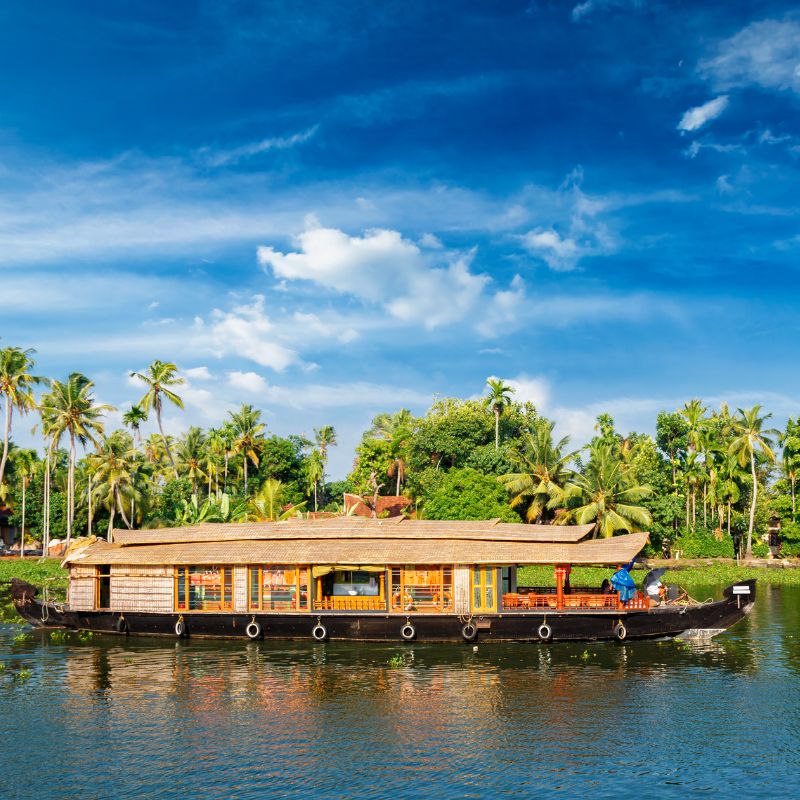
Adding Kerala would require another flight and additional airport logistics.
If the company genuinely wants to combine both regions, extending the trip is usually the better approach.
Our Golden Triangle and Kerala itinerary is an example of how these two very different regions can be combined into a longer journey.
The principle is simple:
Add destinations because they improve the experience, not simply because they are available.
How Many Days Should Different MICE Trips Be?

| MICE Trip Type | Recommended Duration | Typical Programme |
|---|---|---|
| Executive meeting | 2–3 days | Meetings + networking |
| Leadership offsite | 3–4 days | Strategy + team activities |
| Corporate conference | 3–5 days | Conference + events |
| Short incentive trip | 4–5 days | Business + cultural experiences |
| Full incentive programme | 5–7 days | Experiences + leisure |
| Multi-city incentive | 7–10 days | Several cities within one region |
| Conference + extended leisure | 7–10+ days | Conference + post-event travel |
These are planning guidelines rather than fixed rules.
The final duration should depend on the group's objectives, destination, origin, budget, season and tolerance for travel.
The Longest MICE Trip Isn't Always the Best
More days do not automatically mean a better corporate trip.
A carefully planned five-day programme can be much more effective than a rushed eight-day itinerary.
The difference is usually pace.
Delegates need time to:
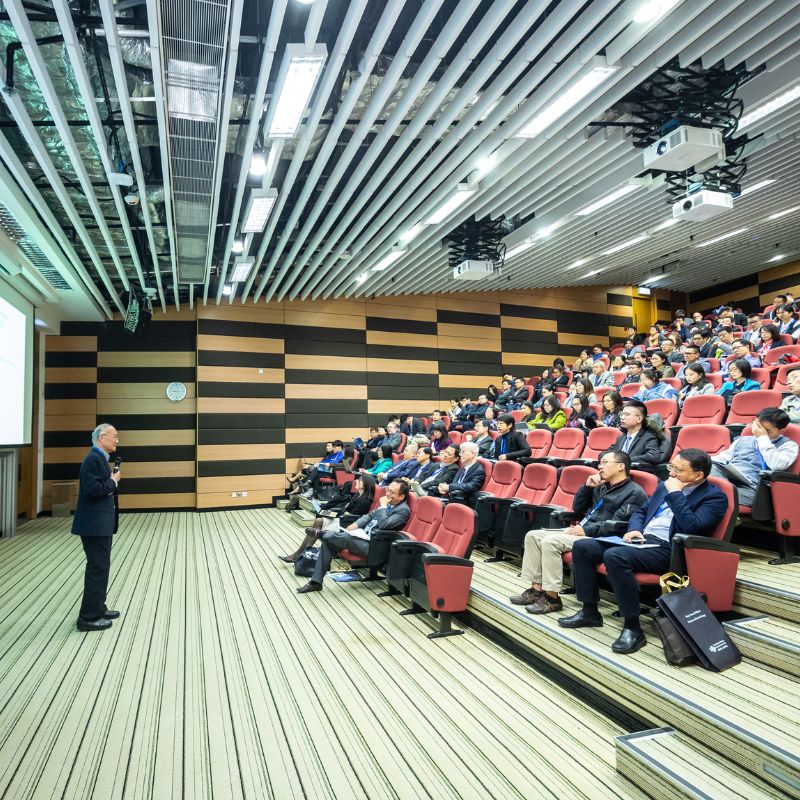
- Attend meetings
- Network
- Rest
- Explore
- Enjoy meals
- Socialise
- Experience the destination
If every day starts at 6 a.m. and ends at midnight, the itinerary may cover more places, but delegates may remember the exhaustion more than the destination.
The goal should be to create a programme where the business objectives and destination experiences complement each other.
A Simple Formula for Planning Your India MICE Trip

If you are starting from a blank itinerary, this is a useful framework:
Meeting only: 2–3 days
Meeting + incentive experience: 4–5 days
International incentive programme: 5–7 days
Two-region incentive programme: 10+ days
Conference + extended leisure: 7–10+ days
Then adjust the duration according to the destination.
A single-city Delhi or Mumbai meeting can be relatively short.
A Delhi–Agra–Jaipur programme needs more time.
A Rajasthan circuit covering Jaipur, Jodhpur and Udaipur needs longer.
And a programme combining Rajasthan with Kerala should be treated as an extended India journey rather than a short corporate trip.
Final Takeaway
For most corporate groups, 4–7 days is the right starting point for a MICE trip to India.
Choose three days when the objective is a focused meeting in one city.
Choose four or five days when you want to combine business with a meaningful incentive experience.
Choose five to seven days when the destination experience is an important part of the reward.
And move towards 7–10 days when you want to combine several cities, and beyond 10 days when you add a second region.
Ultimately, the question isn't simply, "How many days should we spend in India?"
It is:
How much time do our delegates need to achieve the business objective, enjoy the destination and return home without feeling rushed?
That number should determine your itinerary.
For companies planning a meeting, incentive trip, conference or executive offsite, Bout India's MICE and Events team can help build a customised programme around group size, dates, destinations, business objectives and desired experiences.