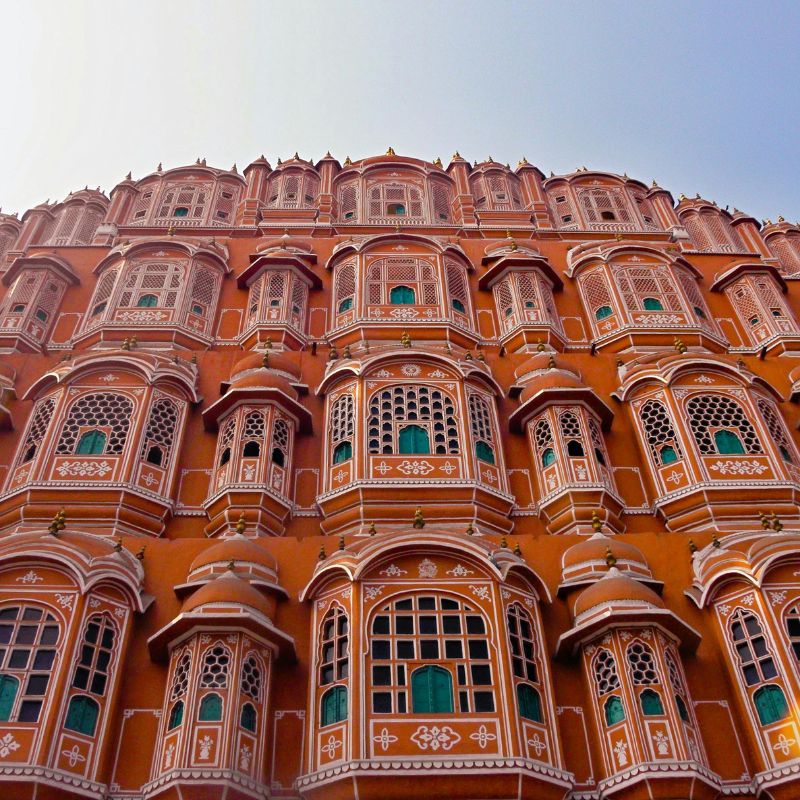
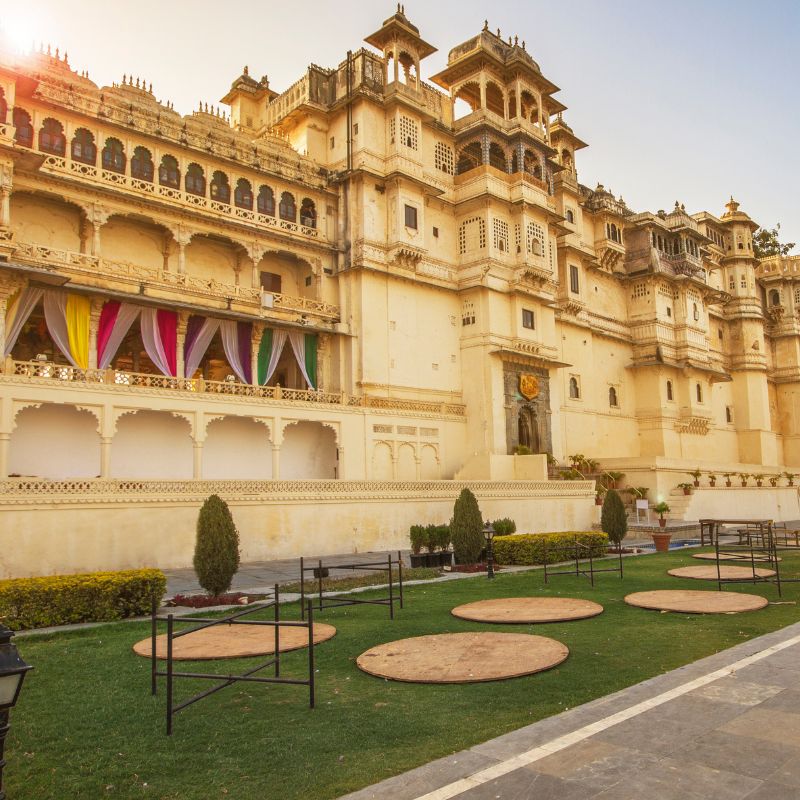
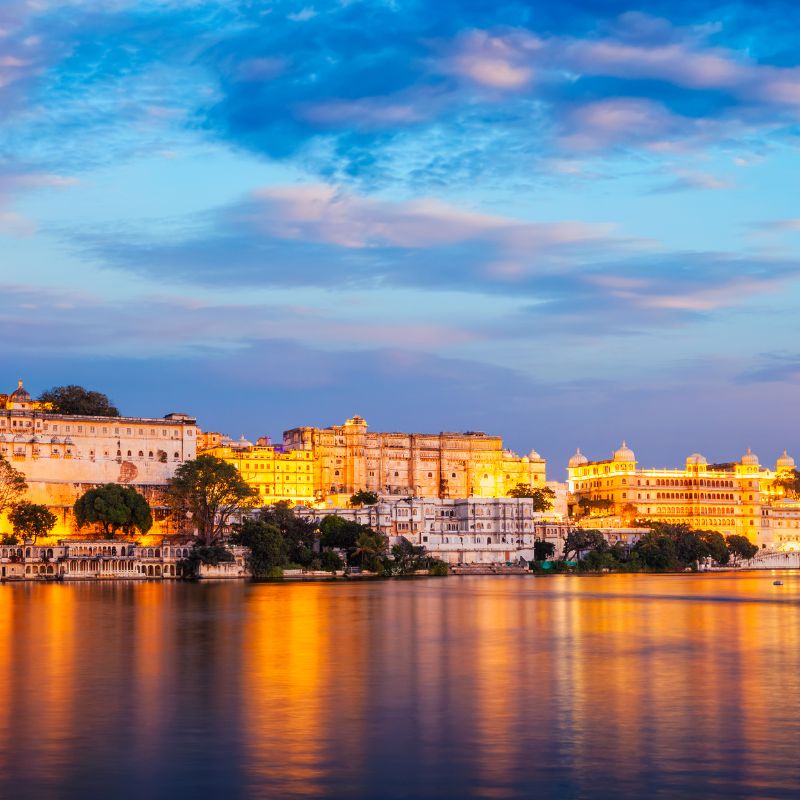
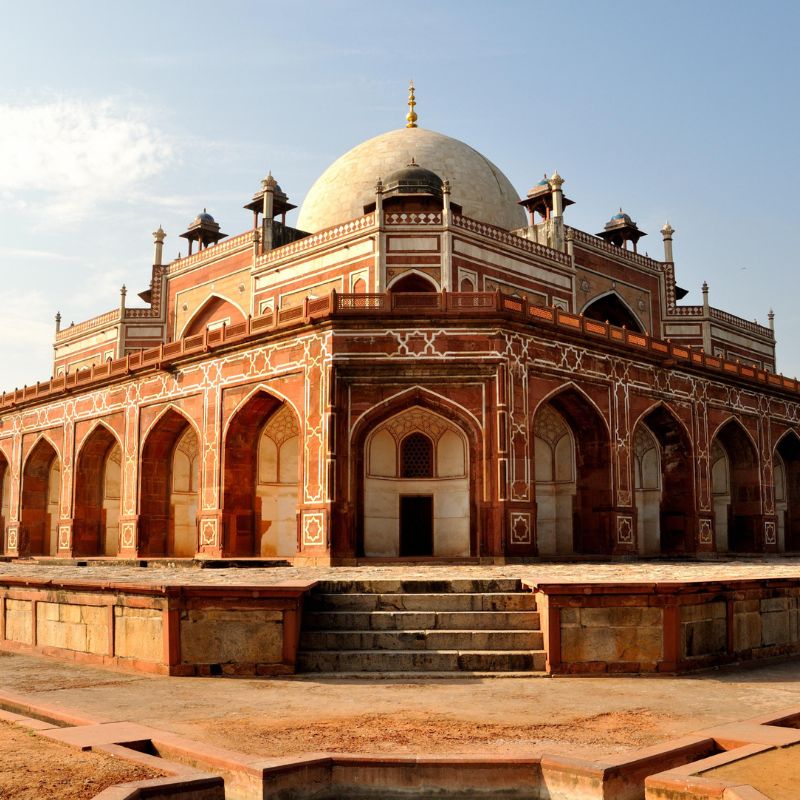
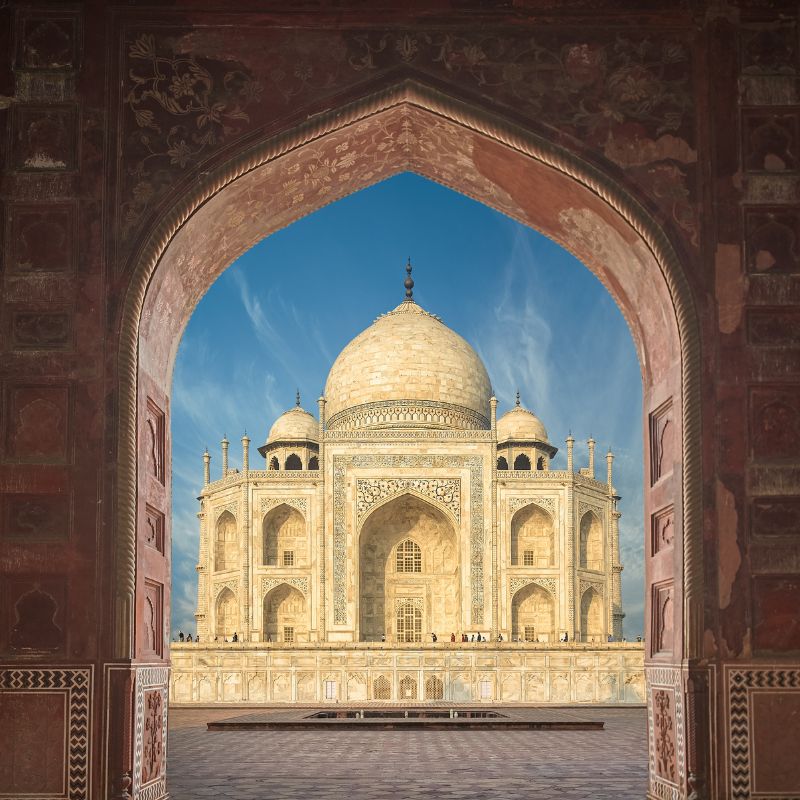
If a large share of your company works in India, the cheapest and fastest place to hold the company retreat is usually India itself. Flying Indian employees to a US offsite means a B1/B2 visa interview, and the US State Department currently lists the next available appointment at 11 months in New Delhi and 12 months in Mumbai. Head-office staff from the US or UK, by contrast, can get an Indian e-Business visa online in days. We are Bout India, a Jaipur-baseddestination management company for corporate travel and events, and we run these retreats, usually four to seven days, within a short drive of Delhi, Jaipur or Bengaluru.
TL;DR
- Move the smaller group. If more of the team is in India than at head office, fly head office in. Fewer long-haul tickets, fewer visas, one domestic journey for everyone else.
- US visas are the bottleneck. B1/B2 appointments currently run 7.5 to 12 months ahead across the five US posts in India, per the US State Department.
- UK and Schengen are faster but not instant. The UK quotes three weeks for a Standard Visitor visa; the Schengen rule is 15 days, extendable to 45.
- Head office travels on an e-Business visa. US$140 for US passports and US$242 for UK passports on the official schedule, applied online at least four days ahead.
- This is a large audience. India hosts 2,117 Global Capability Centres employing 2.36 million people, per the Nasscom-Zinnov 2026 report.
- Budget for GST. Hotel rooms above ₹7,500 a night carry 18 per cent, and an overseas company without Indian registration generally cannot recover it.
- Hold it between October and March, avoiding 20 December to 10 January.
Why the retreat should come to India, not the other way round

A company retreat, sometimes called an offsite, is a multi-day gathering away from the office that combines strategy sessions with shared experiences. For a company with a large India team, the location decision is mostly a question of who has to travel.
India now hosts 2,117 Global Capability Centres (GCCs), the in-house technology, operations and research hubs run by multinationals, across 3,728 units, employing 2.36 million people, according to the Nasscom-Zinnov India GCC Landscape Report 2026. For many of those parent companies, the India team is larger than any single head-office location.
The arithmetic is simple: every person you move costs a long-haul ticket and, for Indian passport holders going abroad, a visa with a lead time you do not control. Moving 15 leaders to Jaipur is a different project from moving 120 engineers to Lisbon.
What the visa queue looks like from India
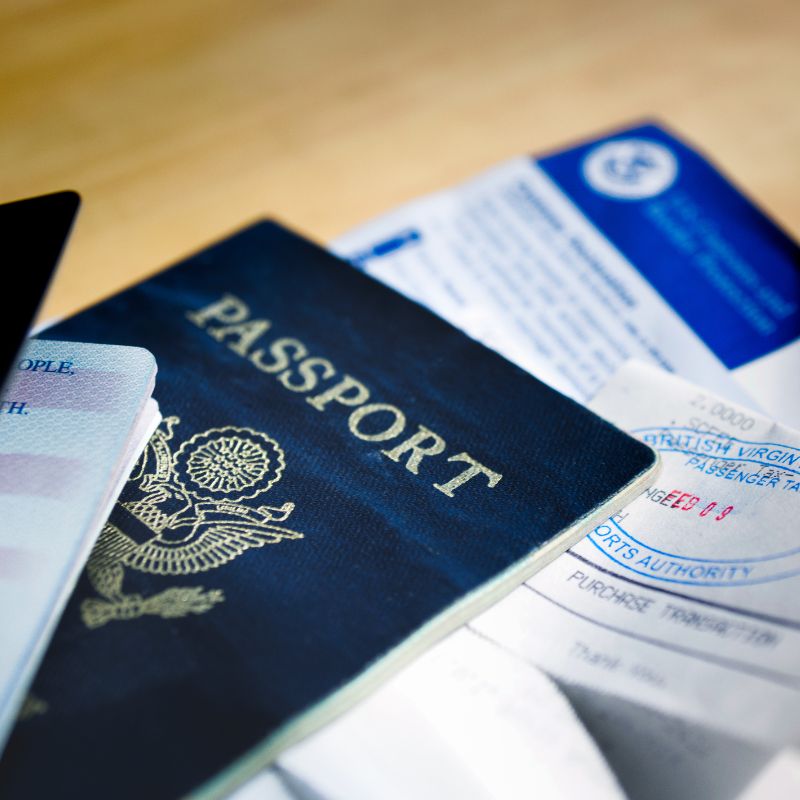
The visa is the part that decides the calendar, and the numbers below are what an Indian employee faces for a trip to the US, the UK or Europe.
|
Destination |
What an Indian employee needs |
Official timing |
|---|---|---|
| United States | B1/B2 visa with interview | Next available appointment: 11 months (New Delhi), 12 (Mumbai), 10.5 (Hyderabad), 7.5 (Chennai), 8.5 (Kolkata) |
| United Kingdom | Standard Visitor visa | 3 weeks processing, per UK Visas and Immigration |
| Schengen Area | Short-stay Schengen visa | 15 days, extendable to 45; apply at least 15 days and no more than 6 months ahead |
The US State Department notes that new appointments are added regularly and that employees who already hold valid visas are unaffected. But a US retreat for a mixed team realistically has to be fixed a year in advance, and anyone refused or still waiting stays at home, which defeats the point of an all-hands retreat.
Travelling the other way is lighter. Head-office staff attending a retreat with business sessions need India's e-Business visa. The official e-Visa fee schedule, checked on 23 October 2026, lists it at US$140 for US passport holders and US$242 for UK passport holders, plus a 3 per cent bank charge. It is valid for a year with multiple entries, and the official e-Visa portal asks you to apply at least four days before arrival and no more than 120 days ahead. Our e-Visa guide covers the application process.
How long a retreat in India should run

Most corporate programmes we run last four to seven days: two to three days of sessions, then two to four days of shared experience. That split matters more for a long-haul group than for anyone else, because head-office attendees lose most of the first day to the flight.
- Four days suits a leadership retreat of 10 to 30 people at one venue. Arrive, sleep, two full working days, one evening that people remember.
- Five to six days suits an all-hands of 60 to 150, with sessions in the morning and team activities in the afternoon.
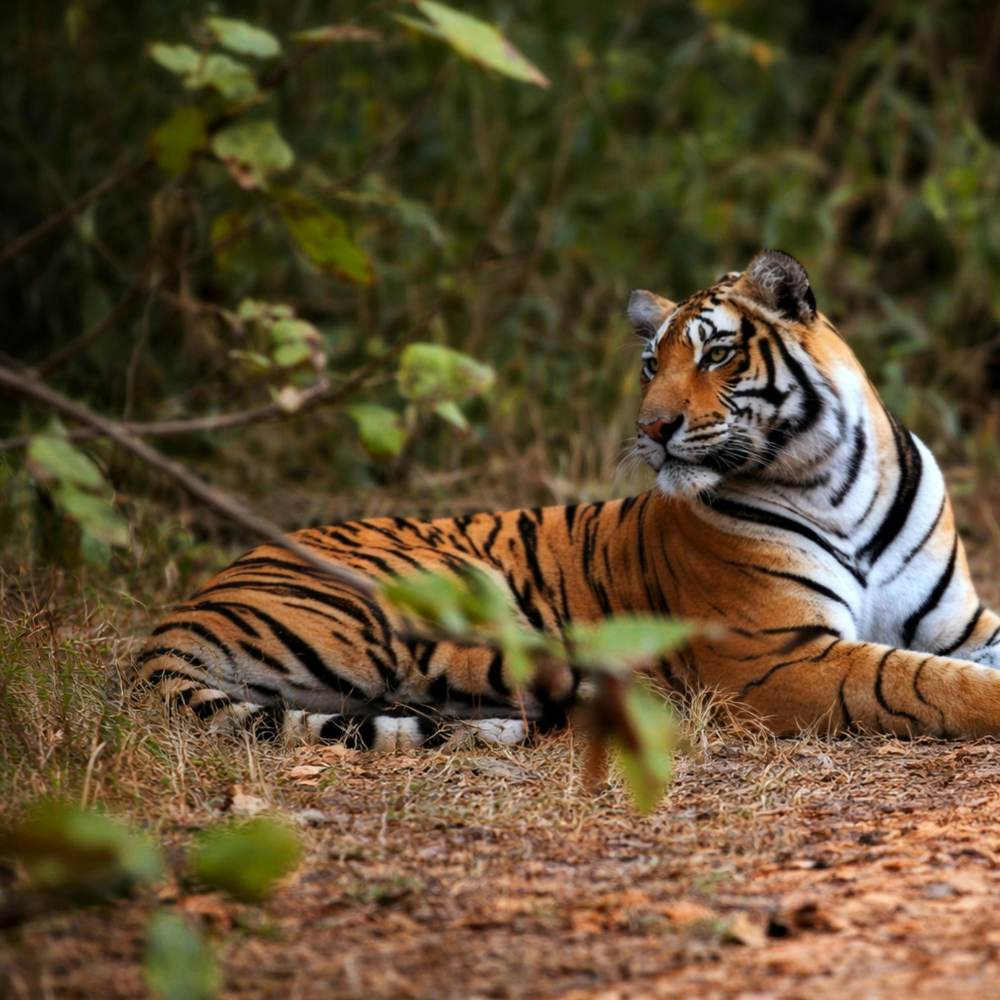
- Seven days makes sense when the retreat doubles as a reward for the India team, with a second location such as the Taj Mahal or a tiger reserve.
The Indian team usually arrives on domestic flights from Bengaluru, Hyderabad, Pune, Chennai or Gurugram, so we stagger airport transfers around the head-office arrival rather than the other way round.
Where to hold it: venues within reach of Delhi, Jaipur and Bengaluru
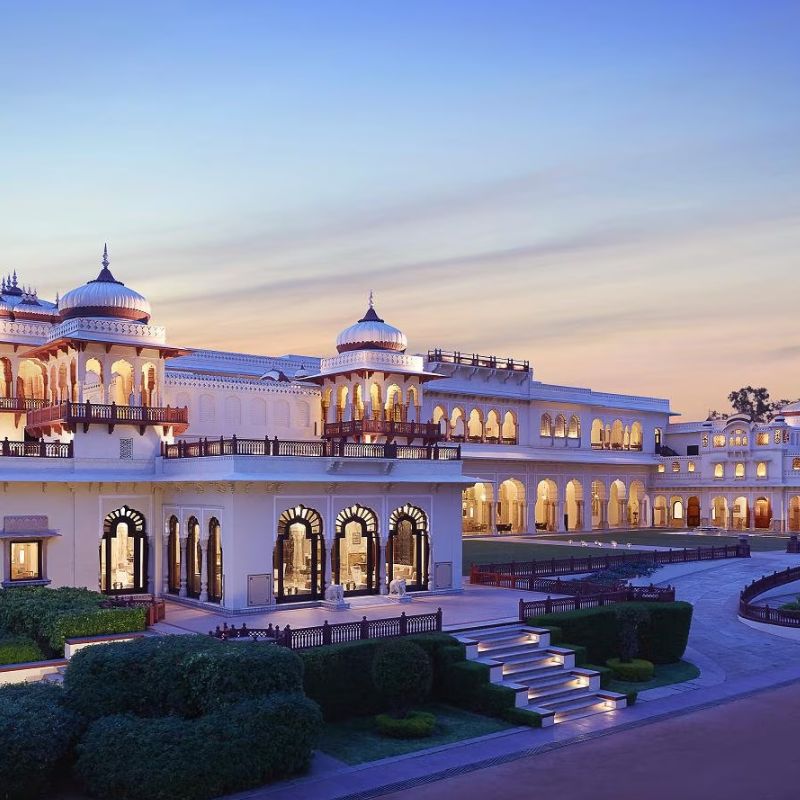
Pick the venue by the flight, not the brochure. A retreat loses its first half-day to travel either way, so the useful rule is to stay within a few hours of an international airport.
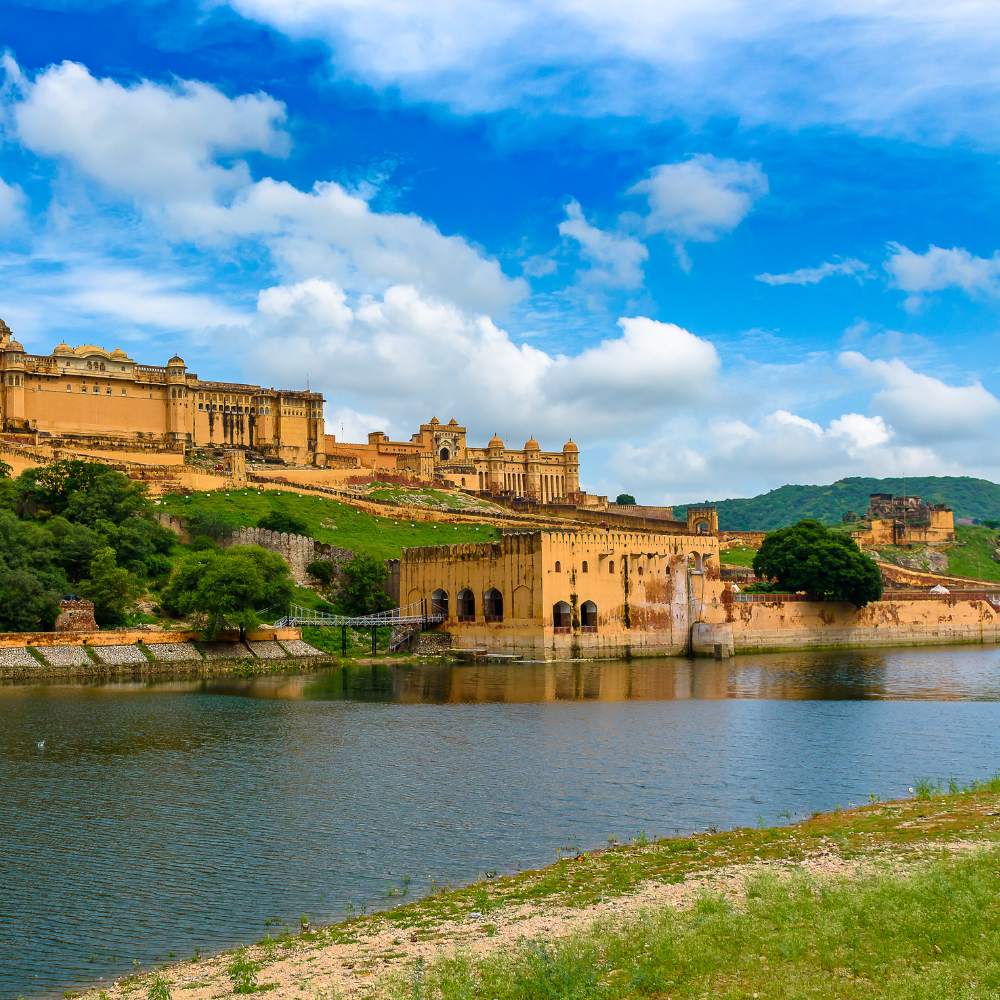
From Delhi. Delhi, like Mumbai and Bengaluru, has non-stop flights from North America and Europe, and three venues we work with sit within a few hours of it. ITC Grand Bharat, in Gurugram district, suits a conference-led retreat. Neemrana Fort Palace sits on the Delhi-Jaipur highway, about 120 km from Delhi. Alila Fort Bishangarh, a converted fort, is about 198 km by road from Delhi airport.
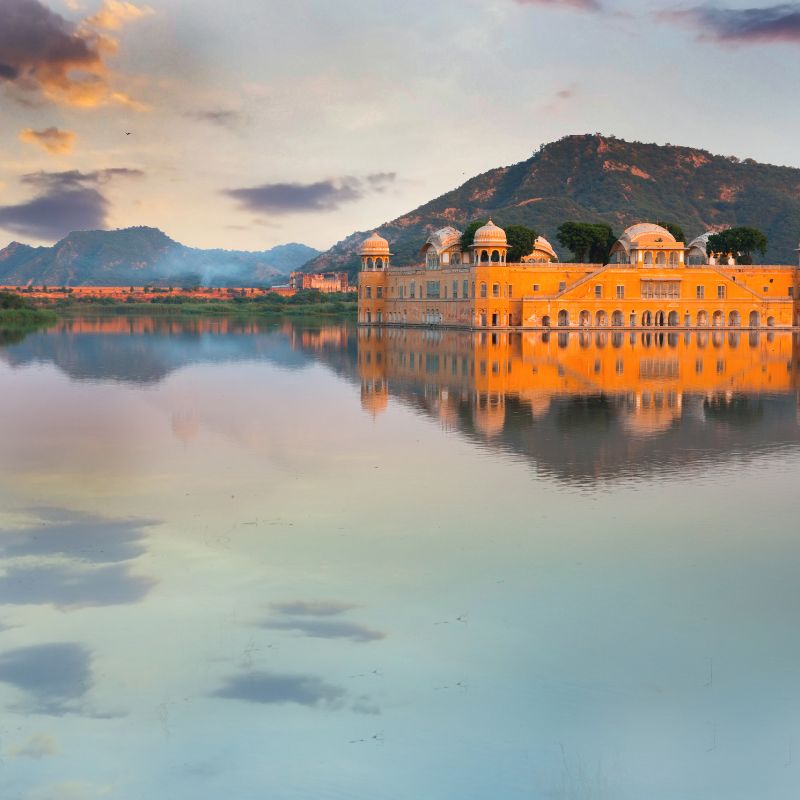
From Jaipur. Jaipur has its own airport and works well when the retreat includes a palace evening. Rambagh Palace and Samode Palace take corporate groups, and our guide to palace, heritage and boutique hotels explains what each type can absorb.
From Bengaluru. Karnataka, whose capital is Bengaluru, holds about 35 per cent of India's GCC workforce, according to the Government of Karnataka. The Leela Palace Bengaluru handles a city-based retreat, while Kabini, 223 km away according to Jungle Lodges, suits a smaller leadership group at Evolve Back or The Serai Kabini.
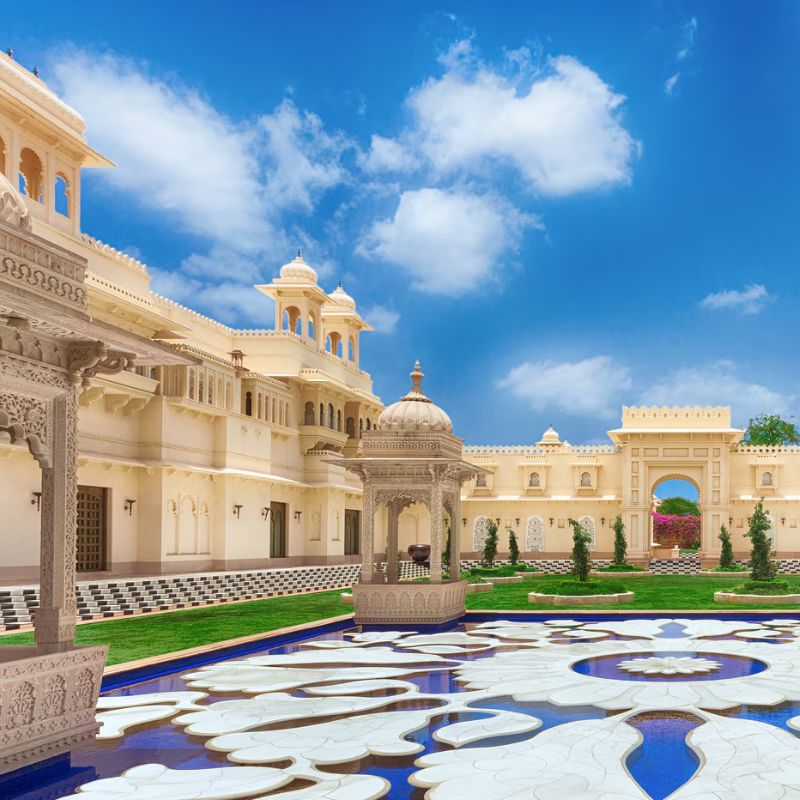
By air. For a group spread across several Indian cities, a short flight to Udaipur (Taj Lake Palace, The Oberoi Udaivilas) or Goa (Taj Exotica) puts everyone on neutral ground.
What a retreat in India costs, and the tax most budgets miss
Nobody can give you a credible per-head figure without a brief. The same 80-person retreat varies several times over depending on city, season, venue category and how much of it is exclusive use. What you can budget for before asking for a quote is the tax.
Following the 56th GST Council meeting, effective 22 September 2025, hotel rooms in India priced above ₹7,500 (about US$79) a night carry 18 per cent GST, and rooms between ₹1,001 and ₹7,500 carry 5 per cent. Venue hire without catering is 18 per cent. An overseas company without Indian GST registration generally cannot recover that 18 per cent, so for a foreign payer it is a cost, not a credit. If your Indian subsidiary can contract the retreat instead, take tax advice before deciding which entity signs.
Our 2026 cost bands show what luxury accommodation runs per person per day, and every proposal we issue itemises taxes line by line.
When to hold it
October to March is the season across the north and west, and ourmonth-by-month calendar sets out the regional detail. Three windows need care.
- Diwali. Sunday 8 November 2026. Your India team will want to be home, and hotels fill with domestic travellers.
- 20 December to 10 January. Rates run 25 to 40 per cent above shoulder season, and our booking policy makes Christmas and New Year week non-refundable.
- Late December to mid-January in Delhi. Fog disrupts flights most years, and our winter planning guide explains how to build in a buffer.
February and early March avoid all three, which is why we recommend them.