There is a verse, centuries old, that every traveller to Kashmir seems to encounter sooner or later. The 13th-century poet Amir Khusrau wrote it in Farsi — "Agar firdaus bar roo-e zameen ast, hameen ast-o, hameen ast-o, hameen ast" — which translates to: "If there is a paradise on earth, it is this, it is this, it is this." Seven hundred years later, the words still feel embarrassingly accurate.
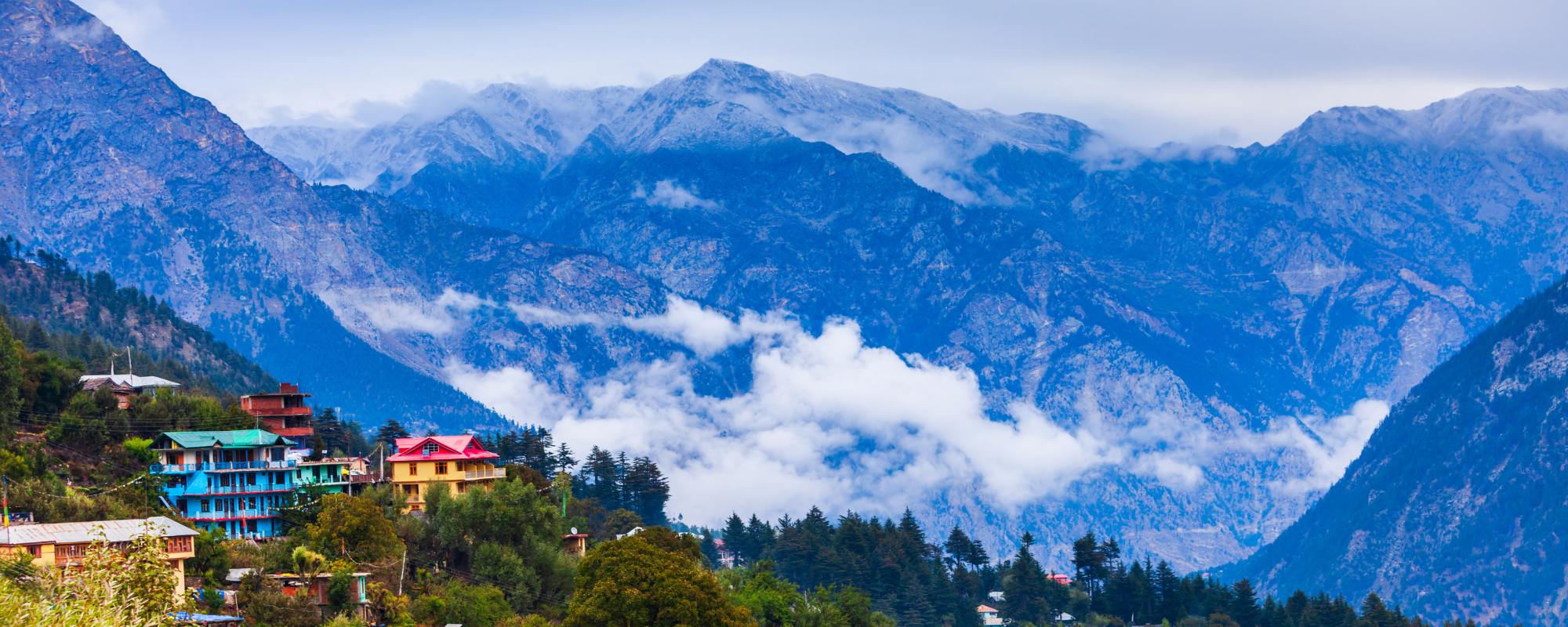
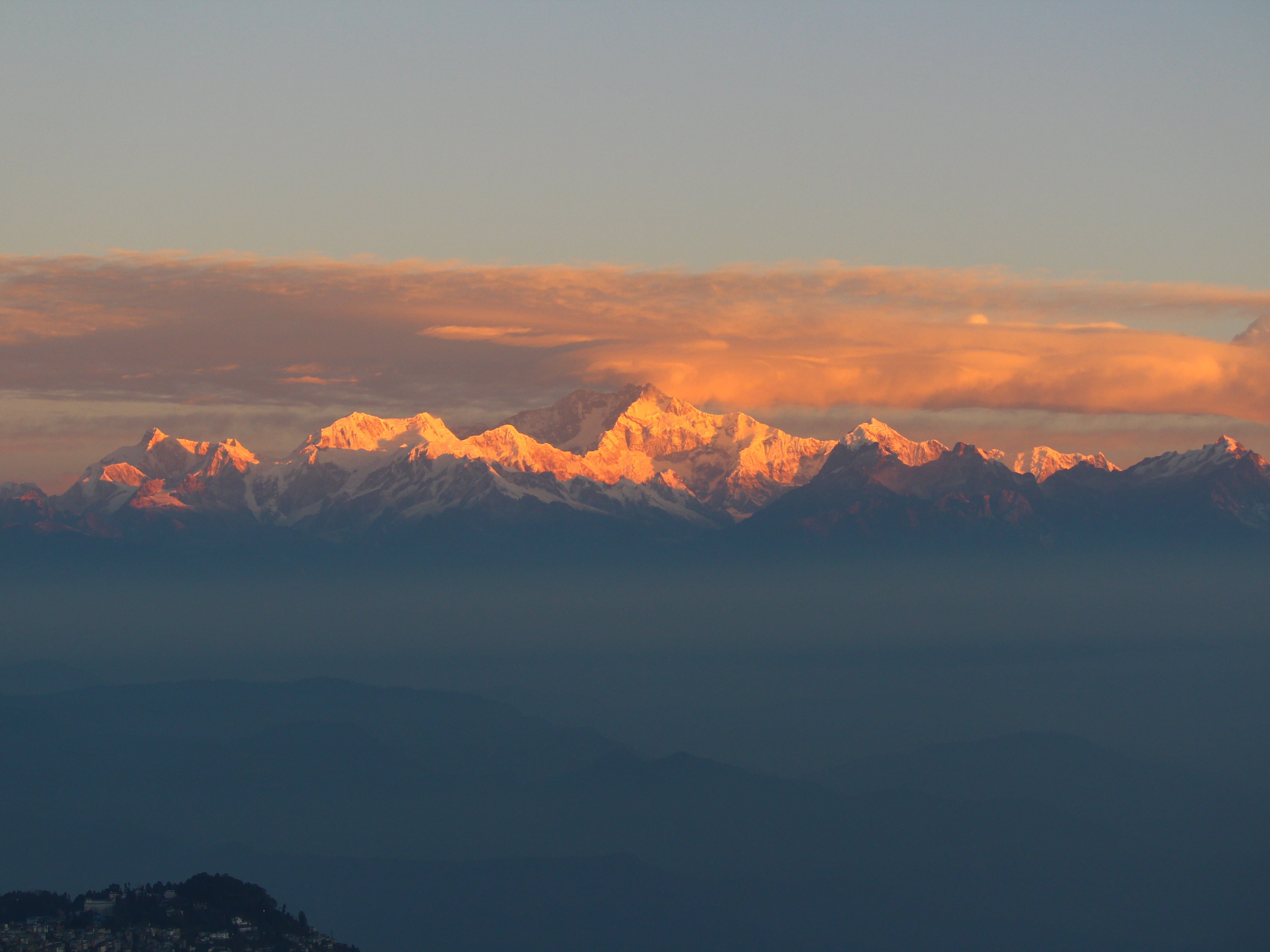
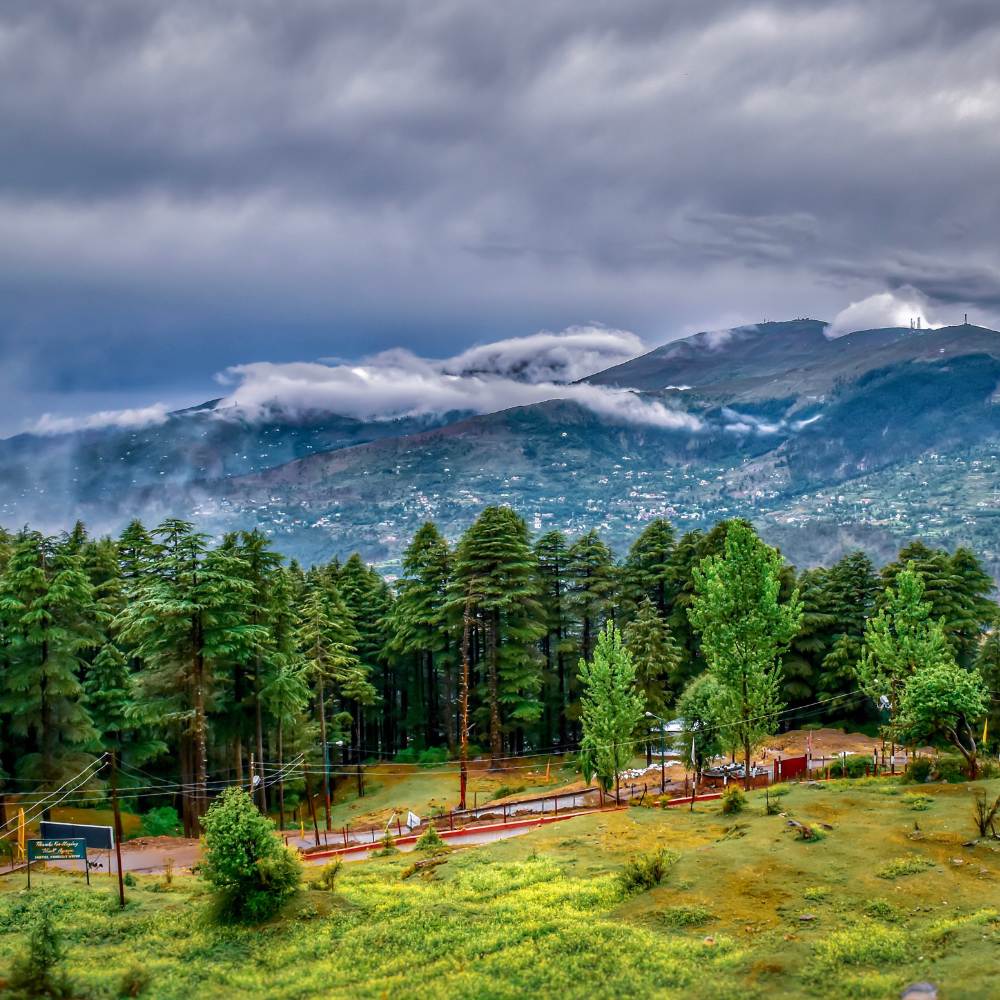
Kashmir is one of those rare places that exceeds expectations. Its landscape moves between snow-capped Himalayan peaks, mirror-still lakes, saffron fields, and meadows so green they look digitally enhanced. Add a culture that is warm, ancient. Unlike anything else in India, and you begin to understand why this destination sits at the top of nearly every Indian traveller's bucket list.
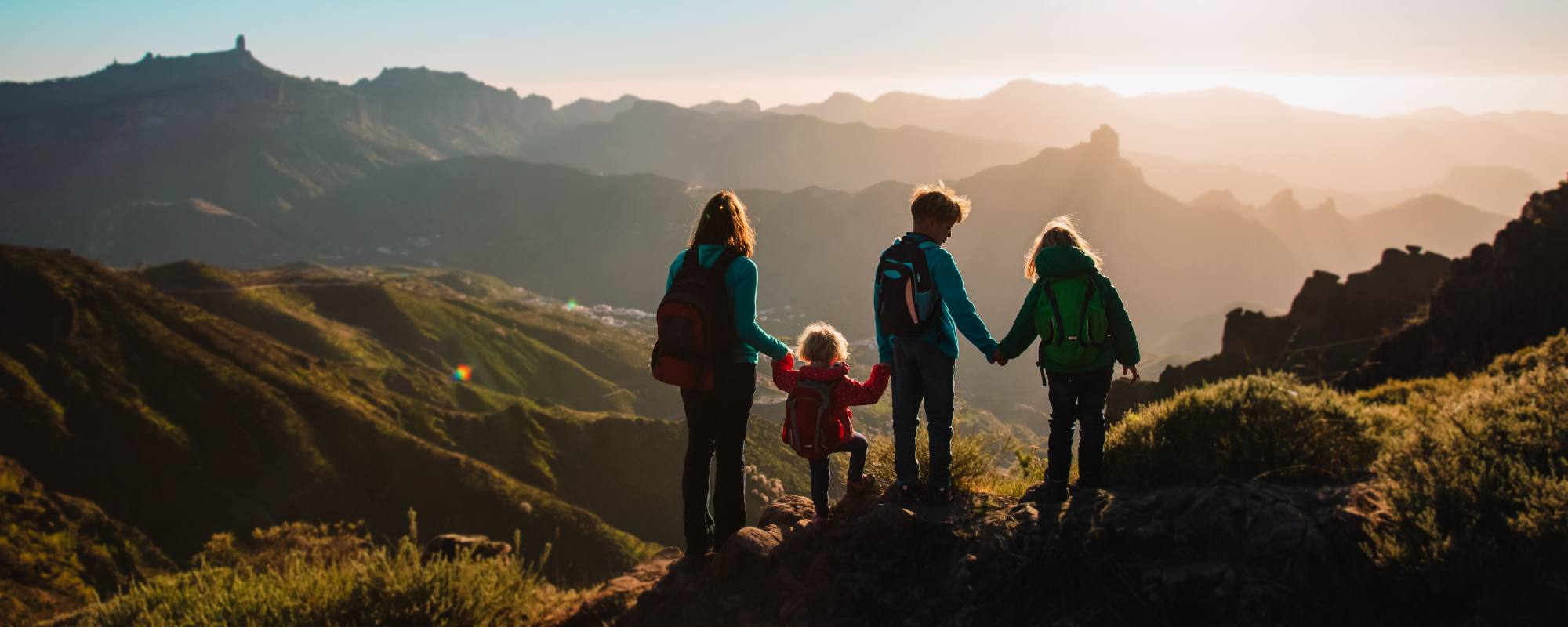
Summer, broadly April to September, is when Kashmir is at its most welcoming. Mountain passes that lie buried in snow through winter begin to open up. The valleys turn a vivid green. Gardens burst into bloom. And the weather, hovering between a pleasant 15°C to 30°C, makes exploration a genuine joy rather than an endurance test. Whether you are a family seeking a relaxed holiday, a couple on honeymoon, or a solo trekker hungry for altitude, Kashmir in summer has something built just for you.
This guide covers the seven best places to visit, a day-by-day itinerary, what to eat, where to shop, and everything practical you need to know — drawn from real traveller experiences and on-the-ground knowledge.
Is Kashmir Safe? Let's Address This First
It is the question every first-timer asks, and it deserves an honest, direct answer: yes, Kashmir is safe for tourists. Not in a dismissive, glossed-over way — but genuinely, based on the experience of hundreds of thousands of visitors who travel there every year without incident.
Kashmiris are, by nature and tradition, exceptionally hospitable people. Tourism is the backbone of the local economy, and locals go to great lengths to ensure visitors feel welcome and protected. Many travellers describe their interactions with Kashmiri hosts — from drivers and hotel owners to shopkeepers and shepherds encountered on a meadow — as among the warmest they have experienced anywhere in India.
Political complexity exists in the region, and it would be dishonest to pretend otherwise. But tourist-facing violence is extraordinarily rare. The advice from the Jammu & Kashmir police is straightforward: carry your identity documents, keep location services active on your phone, avoid political debates, and follow local news before and during travel. Beyond these standard precautions — the same ones you would take in any unfamiliar city — there is little to worry about.
Quick Safety Checklist
- Carry a government-issued photo ID at all times
- Keep emergency contacts saved: J&K Police Helpline 112
- Register your travel dates with your hotel
- Avoid venturing into remote areas alone after dark
- Follow local news — conditions can change seasonally
The 7 Best Places to Visit in Kashmir in Summer
Kashmir rewards the curious traveller. Each destination described below has its own distinct character — together, they cover the full range of what this extraordinary valley has to offer.
1. Srinagar — The Soul of Kashmir
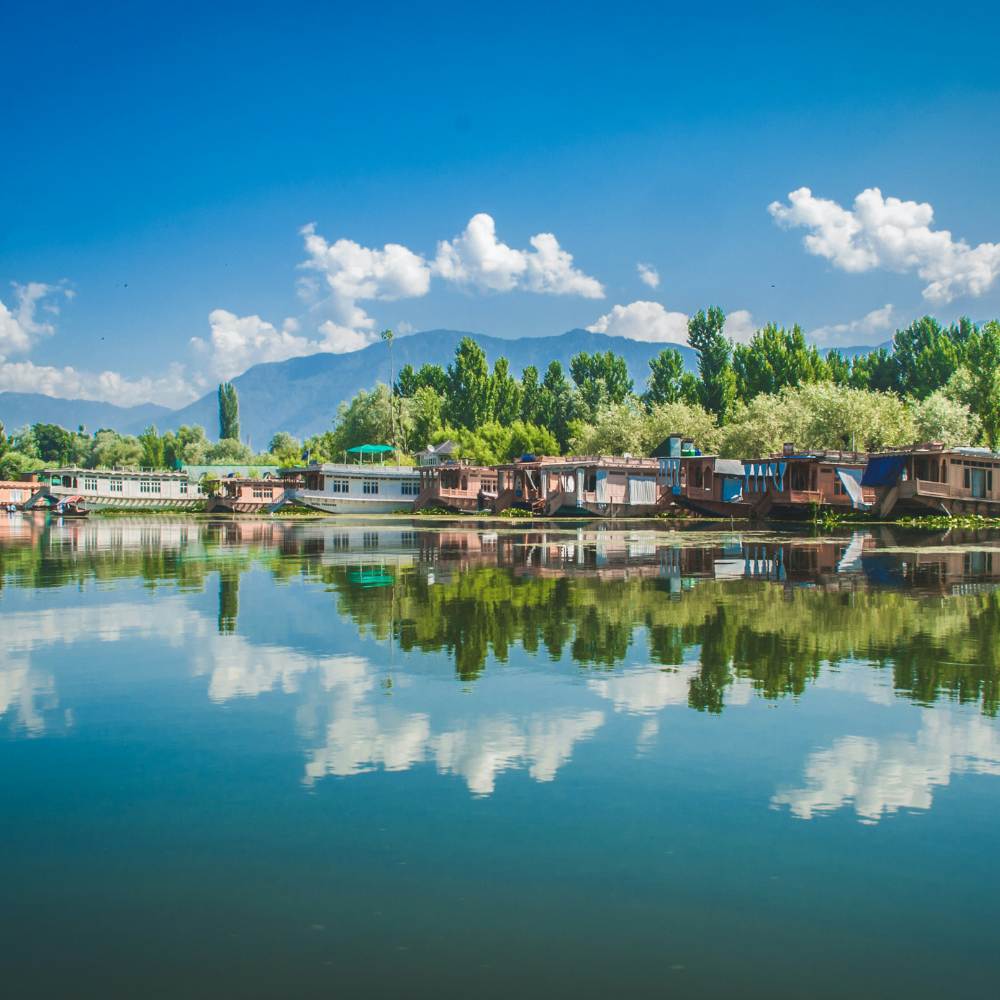
Every Kashmir trip begins and ends in Srinagar, the capital city, and there is good reason for that. Nestled along the banks of the Jhelum River and surrounded by the Himalayas, Srinagar is India's most beautiful city — a place where Mughal history, Islamic architecture, and natural splendour exist in easy conversation with each other.
Dal Lake and the Shikara Ride
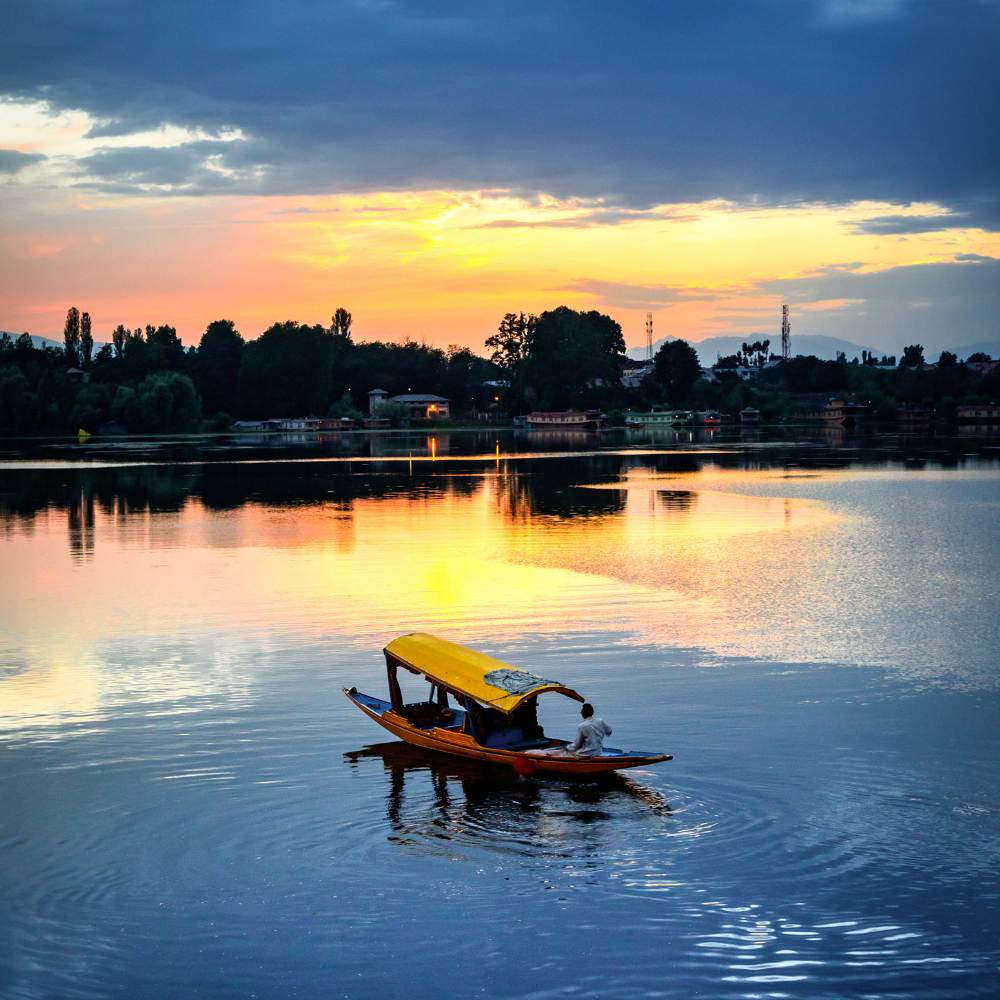
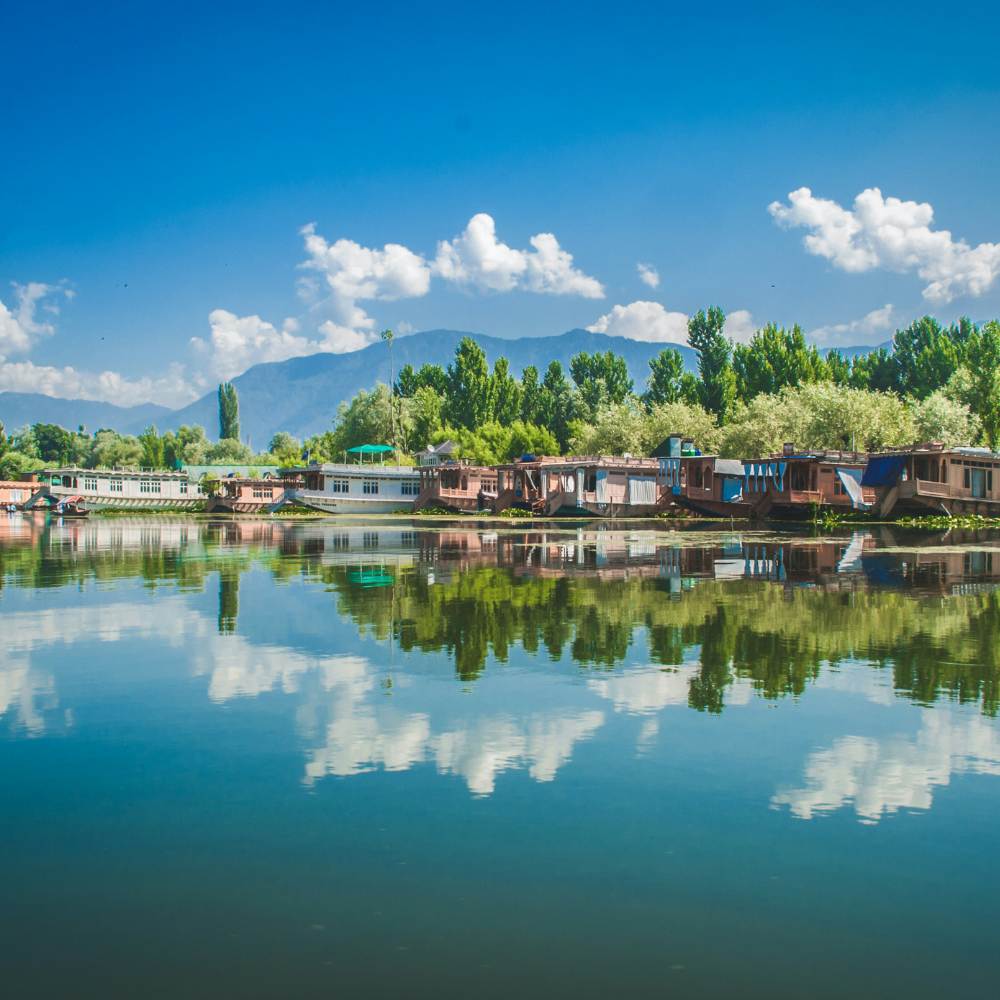
Dal Lake is not just a lake — it is an entire ecosystem of life. Colourful wooden shikaras ferry passengers past floating vegetable gardens, lotus blooms, and a market that has been trading since 1854. The experience of gliding across its calm blue waters, with the Himalayan peaks rising dramatically behind, is something photographs simply cannot do justice to. Go at dusk for the golden hour light. Go at dawn if you want the lake almost entirely to yourself.
Houseboats — Sleep on the Water
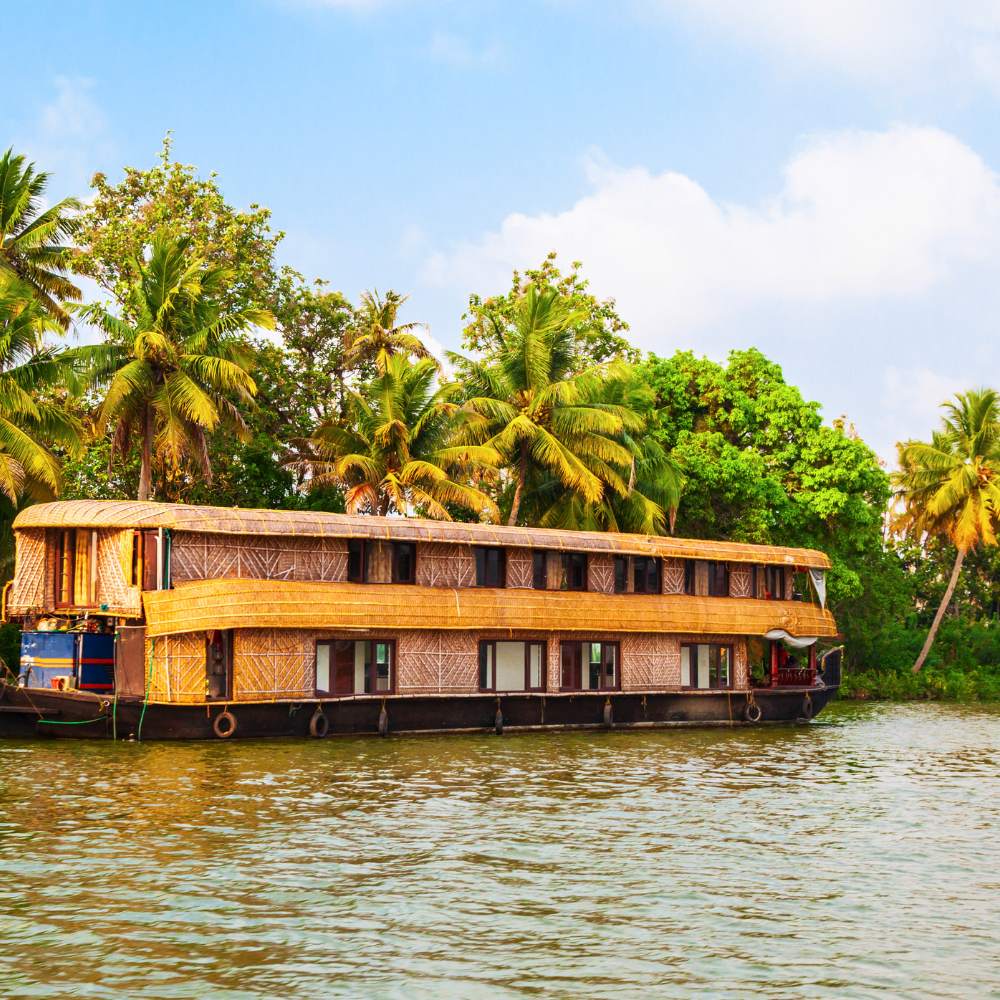
Staying on one of Dal Lake's famous houseboats is an experience unique to Srinagar. These handcrafted wooden residences — carved with intricate walnut detailing and often furnished with antique Kashmiri pieces — offer all the comforts of a hotel room alongside the extraordinary experience of falling asleep to the sound of lapping water. Budget and luxury options are both available.
The Mughal Gardens
Three gardens, built centuries apart, make Srinagar arguably the most beautifully gardened city in India. Nishat Bagh, the Garden of Bliss, stretches up twelve terraces from Dal Lake to the foot of the Zabarwan range — established in 1633, it remains breathtaking. Shalimar Bagh, the Abode of Love, was Jahangir's gift to his wife Noor Jahan, and its fountains and Chinar trees still cast a romantic spell. Chashme Shahi, the Royal Spring, is the most intimate of the three, fed by a natural spring with reported medicinal properties.
Hazratbal Shrine and Jamia Masjid
Srinagar's mosques and shrines are architectural and cultural landmarks that deserve a visit regardless of your faith. The Hazratbal Shrine, overlooking Dal Lake, is one of India's most significant Islamic sites. The Jamia Masjid, first built in 1402, stuns visitors with its unusual pyramidal towers — a style more Persian and Buddhist than the domed mosques of North India — and has capacity for over 33,000 worshippers.
Indira Gandhi Memorial Tulip Garden
A special note for visitors arriving in late March or April: Asia's largest tulip garden opens its gates for just a few weeks each spring. Spread across 30 hectares with over 15 lakh tulips in 68 varieties, it is a genuinely world-class spectacle, set against the backdrop of the Zabarwan Hills and Dal Lake.
2. Pahalgam — The Valley of Shepherds
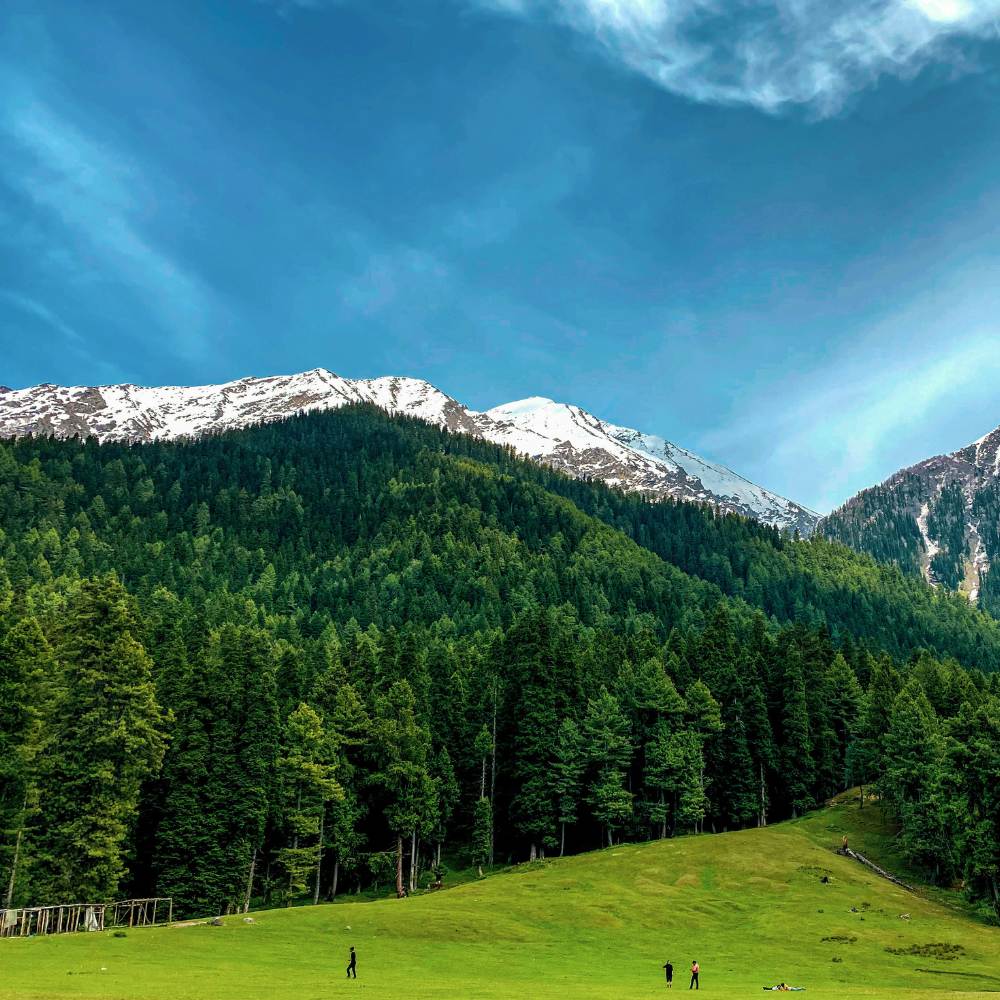
Pahalgam sits 90 kilometres from Srinagar, at an altitude of around 2,130 metres, in the Anantnag district. Known as the Valley of Shepherds, it is where the landscape graduates from beautiful to genuinely jaw-dropping. The Lidder River rushes through it, apple orchards line the roads, and soaring pine forests frame every view. It is also the base for the annual Amarnath Yatra pilgrimage.
Baisaran Valley — Mini Switzerland
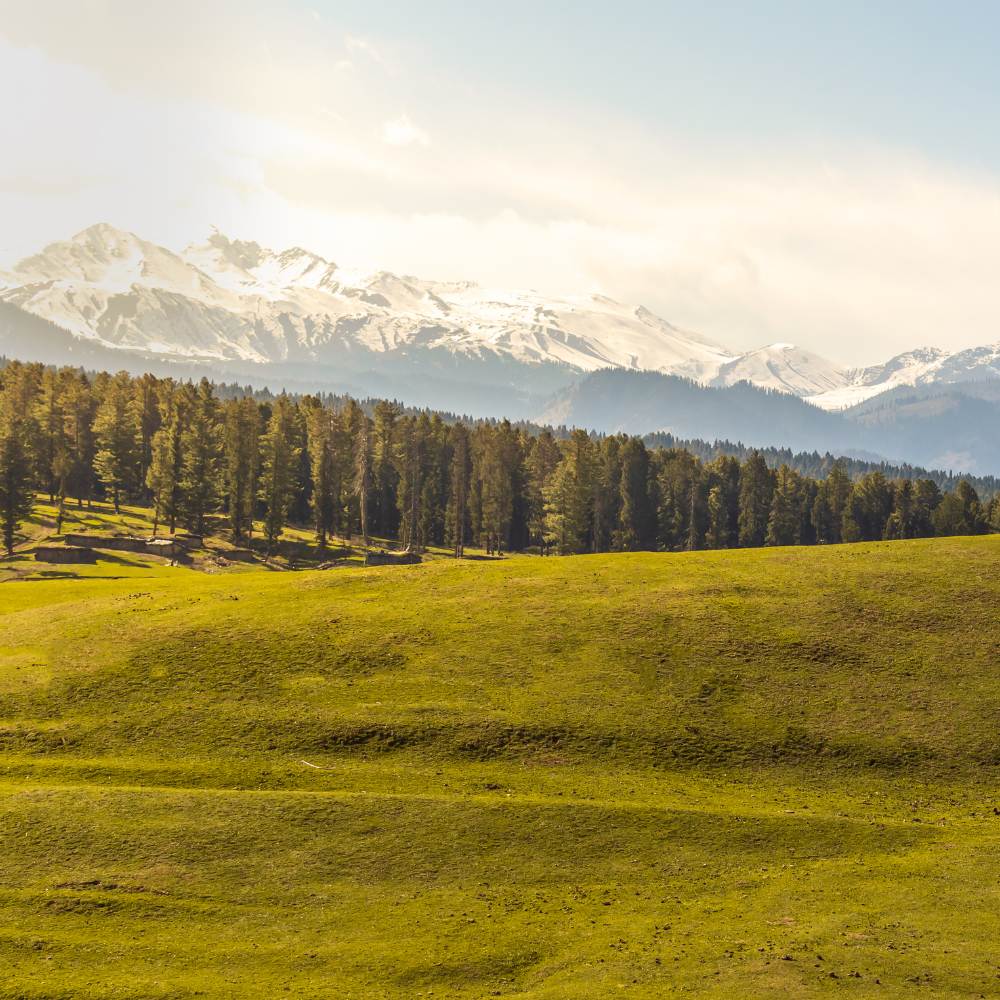
The prize of Pahalgam is Baisaran Valley, reachable only by pony ride up a narrow hillside trail. That effort — and it does require some effort — is repaid spectacularly. At the top, a broad meadow opens out, ringed by snow-dusted Pir Panjal peaks and dark pine forests. The locals call it India's Mini Switzerland, and for once, the comparison does not feel like an overstatement.
Betaab Valley and Aru Valley
Betaab Valley, named after the 1983 Bollywood film shot here, is more accessible by road and rewards visitors with green meadows, crystal streams, and the Lidder River flowing alongside. Aru Valley, 12 km from Pahalgam, is beloved by serious trekkers as the base camp for the Tarsar Lake and Kolahoi Glacier expeditions. Even non-trekkers will love its wide alpine meadows and horse-riding options.
3. Gulmarg — The Meadow of Flowers
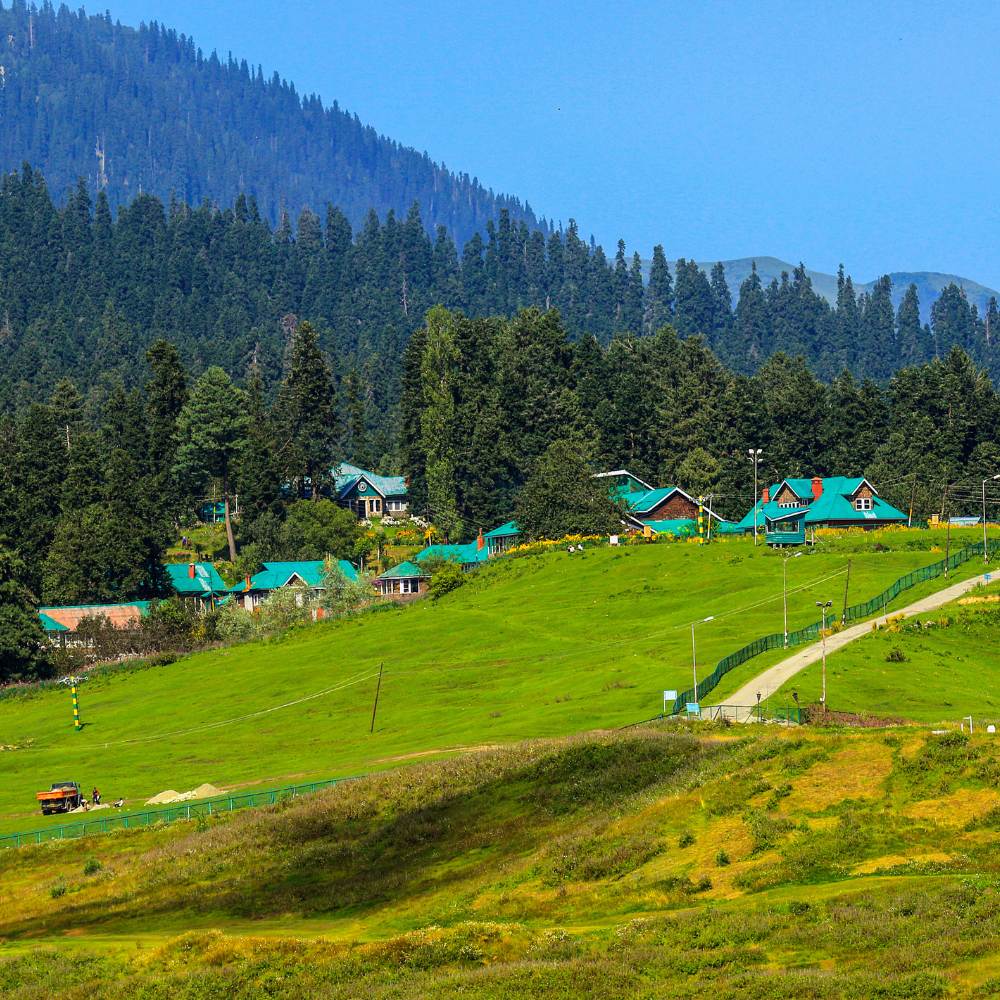
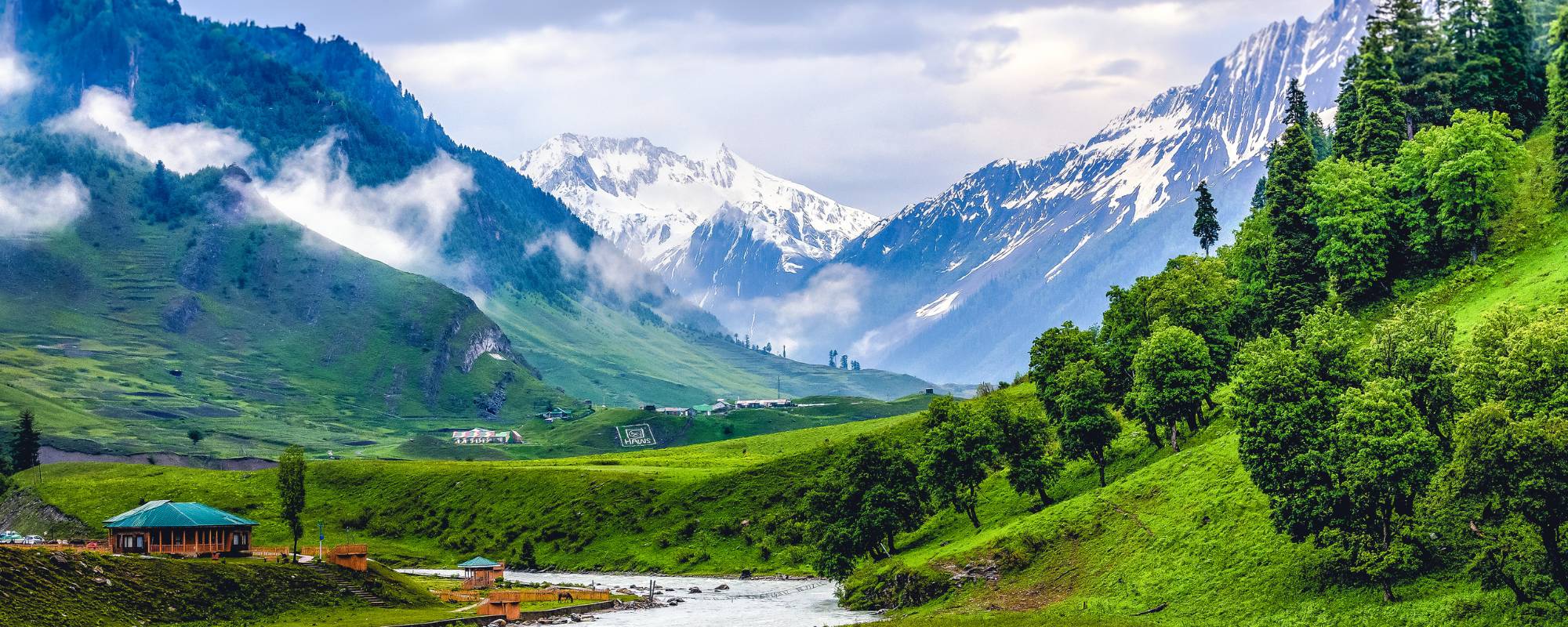
The name says it all. Gulmarg — from the Persian words for flower (Gul) and meadow (Marg) — sits in a cup-shaped valley in the Pir Panjal range, 50 kilometres from Srinagar. In winter, it is India's premier ski destination. In summer, it transforms into one of the most scenic meadows on earth, with wildflowers carpeting the ground and snow still very much visible on the surrounding peaks.
The Gondola Ride — Do Not Miss This
The Gulmarg Gondola is Asia's largest and highest cable car system — and the second highest in the world. Phase 1 carries you from the Gulmarg resort up to Kongdori Station at 2,600 metres in nine minutes. Phase 2 continues to the Apharwat Peak at 3,747 metres. At the top, even in summer, you walk on snow. The views from the gondola and from the summit of glaciers, alpine peaks, and the green valley far below are extraordinary. Book tickets online in advance to avoid long queues.
The World's Highest Golf Course
Established in 1911 during the British era, the Gulmarg Golf Course is the highest green golf course in the world at 2,650 metres. It is an 18-hole course measuring 7,505 yards, and it comes with perhaps the most dramatic natural backdrop any golfer will ever encounter. Even non-golfers tend to wander through simply for the views.
4. Sonamarg — The Meadow of Golden Light
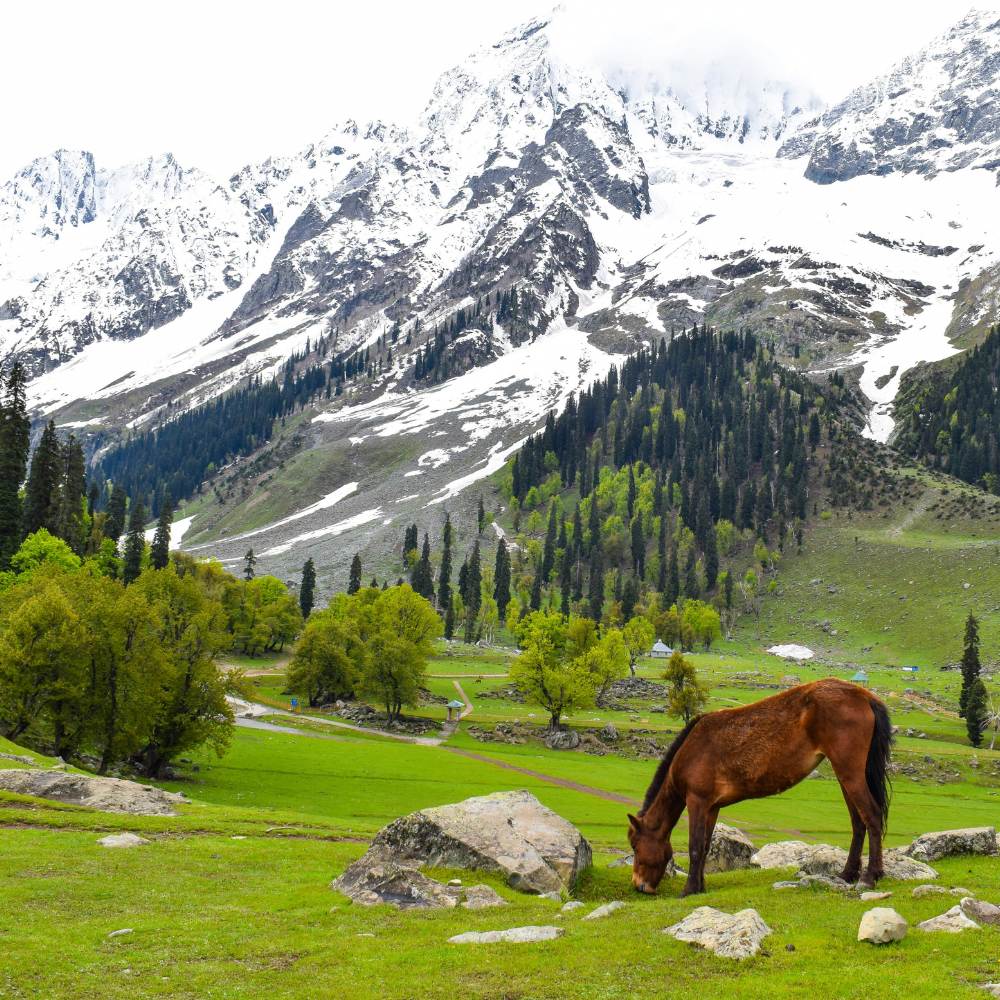
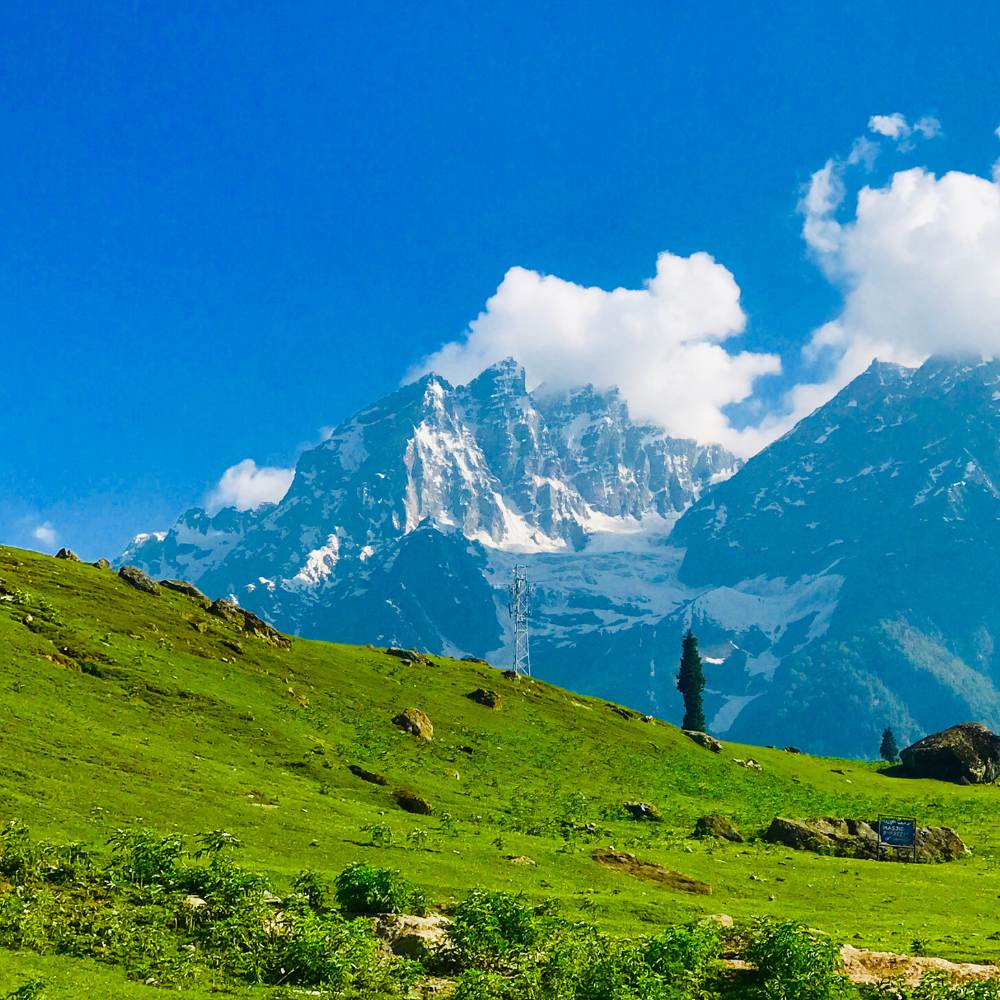
Sonamarg — Meadow of Gold — earns its name at sunrise, when the light catches the valley in a way that genuinely turns everything amber. Located 90 kilometres from Srinagar on the highway to Ladakh, Sonamarg sits at around 2,740 metres and was historically part of the ancient Silk Route connecting India with Tibet and Central Asia. Today, it is a gateway to some of Kashmir's finest adventure experiences.
Thajiwas Glacier
The most popular activity in Sonamarg is the hike or pony ride up to the Thajiwas Glacier at 9,186 feet — the source of the Sind River. Surrounded by meadows and conifer trees, the glacier is genuinely awe-inspiring in scale. Sledging rides are available on the snow. The route is beautiful even before you arrive, passing through alpine meadows and beside several waterfalls.
Adventure and Trekking Hub
For trekkers, Sonamarg is a dream base. The legendary Kashmir Great Lakes Trek begins here, taking experienced hikers across six high-altitude lakes — Vishansar, Krishansar, Gadsar, Satsar, Gangabal, and Nandkol — over seven to eight days. The Zoji La Pass, just beyond Sonamarg at 11,575 feet, offers dramatic mountain scenery and marks the boundary between the Kashmir Valley and the high-altitude desert of Ladakh.
5. Doodhpathri — The Hidden Gem
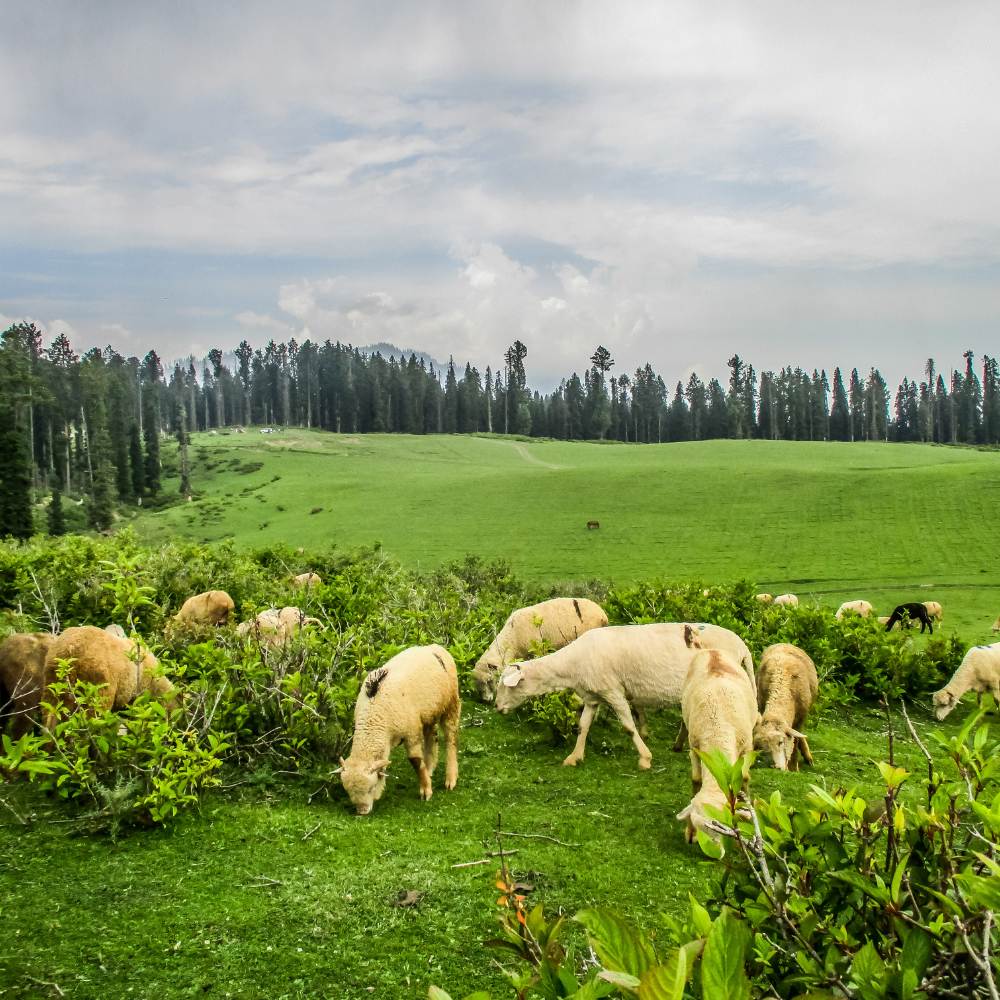
If you travel to Kashmir and skip Doodhpathri, you will have missed the valley's best-kept secret. Just 45 kilometres from Srinagar — a comfortable day trip — Doodhpathri (Valley of Milk) is named for the milky-white appearance of its rock beds, over which the River Shaliganga tumbles through dense pine forests.
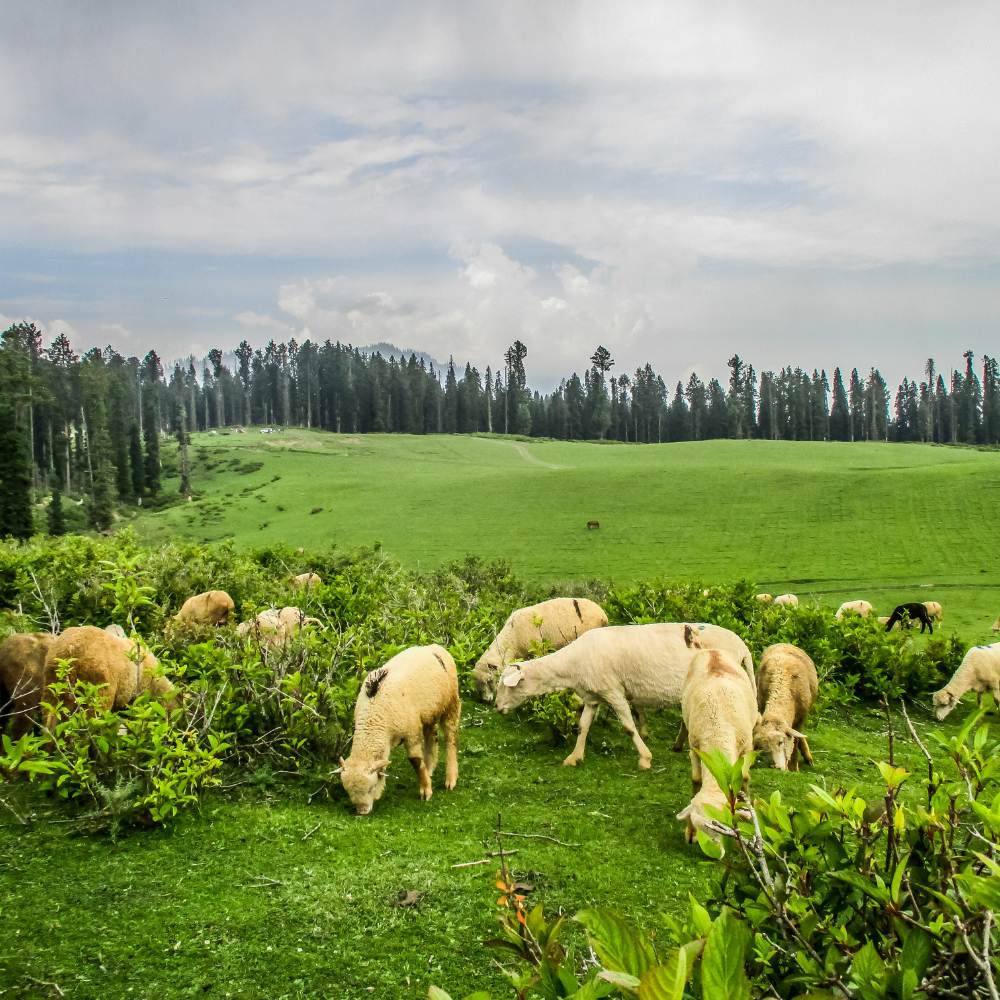
What makes Doodhpathri special is precisely what most tourists overlook: the absence of crowds. While Srinagar and Gulmarg bustle, Doodhpathri remains quiet, pastoral, and profoundly peaceful. Shepherds graze their flocks on broad green meadows. Families picnic by the river. The pace of life slows to something manageable.
There are two main draws: the river point, where you can cross a small wooden bridge to see the white rock bed up close, and the meadows, where you can simply sit, breathe, and remind yourself that not every beautiful place needs to be busy to be worthwhile.
6. Gurez Valley — The Offbeat Paradise
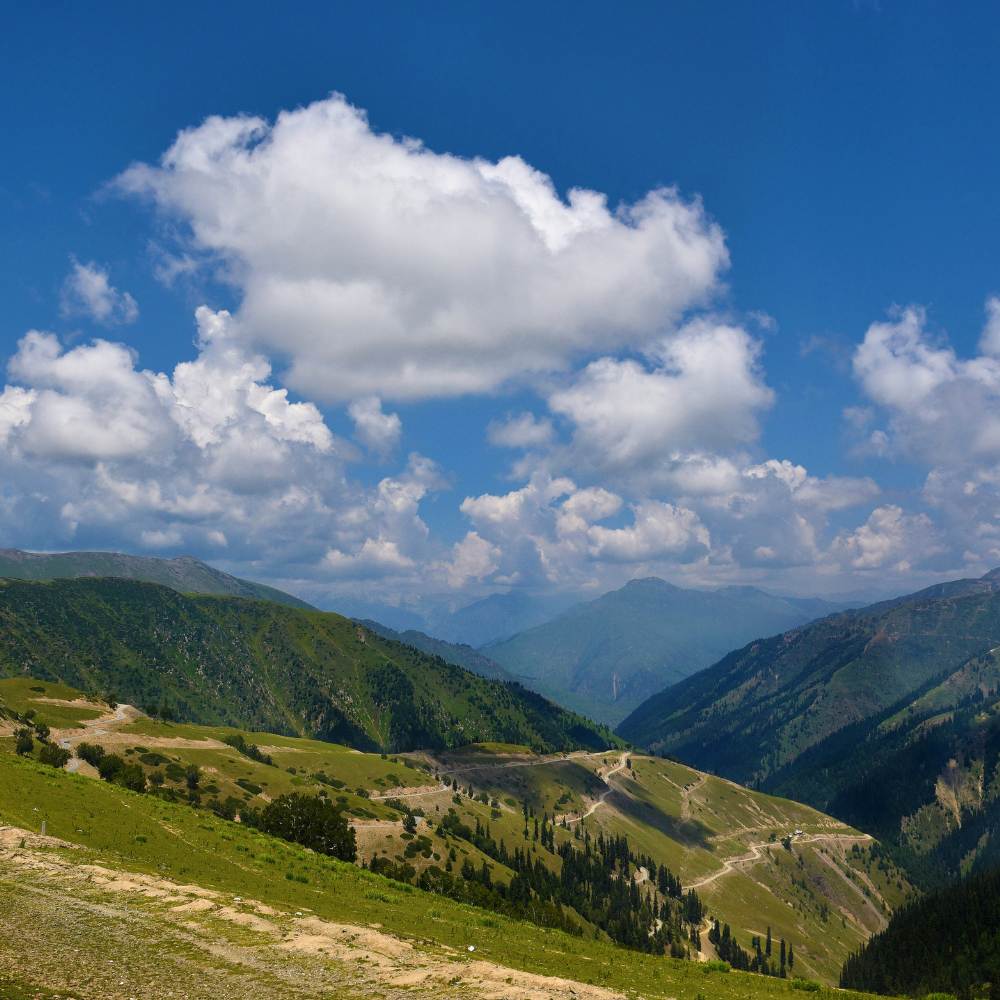
Gurez Valley is not on every tourist's radar, and that is exactly what makes it so special. Located at an altitude of 2,400 metres and around 133 kilometres from Srinagar, Gurez is accessed via the dramatic Razdan Pass, and the journey alone is worth the trip. The valley is accessible from April to October; snow closes the roads completely in winter.
Gurez offers a landscape of sparkling rivers, dense forests, and mountains that have barely changed in centuries. The Dard tribe, indigenous to the region, maintains a unique culture and dialect distinct from the rest of Kashmir. The valley is also home to rare wildlife, including the Himalayan brown bear and snow leopard.
Key attractions include the fierce and beautiful Kishanganga River (ideal for rafting and camping), the vast Wular Lake — one of Asia's largest freshwater lakes — and the pyramid-shaped Habba Khatoon Peak, named after a celebrated 16th-century Kashmiri poetess. For travellers who prefer depth over Instagram moments, Gurez delivers.
7. Yusmarg — The Meadow of Jesus
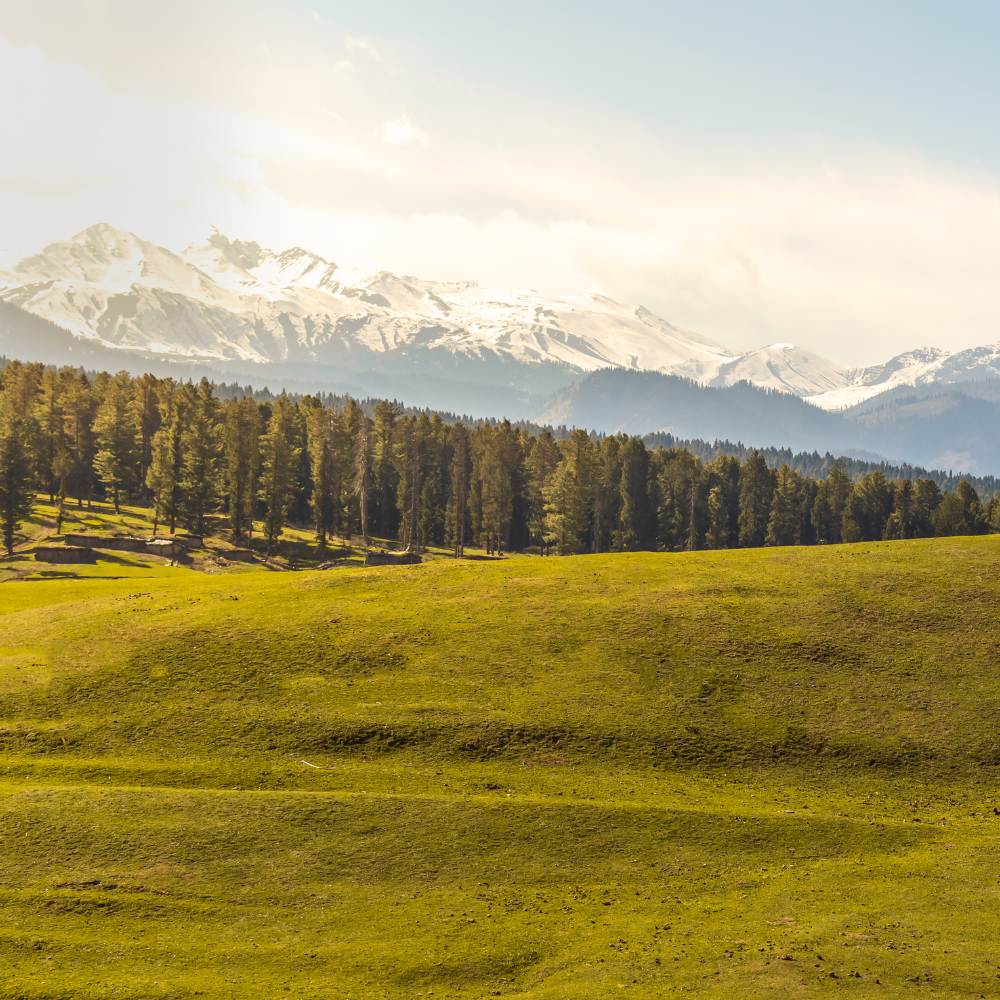
Yusmarg sits at 7,861 feet in the Budgam district, about 44 kilometres from Srinagar. Known as the Meadow of Jesus — local legend holds that Jesus spent time here during his travels — this valley looks, quite literally, like a page torn from a fairy tale. Broad green pastures roll between forests of fir and pine, nomads graze their cattle on the higher reaches, and the whole place hums with a quiet that increasingly few corners of the world offer.
The Doodh Ganga River, which flows milky-blue through the valley, is a starting point for several trekking expeditions and a wonderful fishing destination. The Nilnag Lake, a 13-kilometre uphill trek through pine forest, rewards those who make the journey with vivid blue water and absolute silence. For travellers who want to experience Kashmir beyond the postcard shots, Yusmarg is essential.
Explore Kashmir: Heavenly Kashmir | 8 Day Luxury Trip to Kashmir
What to Eat in Kashmir
Kashmiri cuisine is rich, slow-cooked, and deeply aromatic. It deserves more than a single meal — plan to eat well throughout your trip. The cuisine blends Persian and Central Asian influences with local mountain ingredients, and the result is something entirely its own.
The Dishes You Must Try
- Rogan Josh — Slow-braised lamb in a complex sauce of Kashmiri dried red chilies, fennel, and aromatic spices. The dish most people know, and for good reason.
- Dum Aloo — Potatoes slow-cooked in yoghurt and spices. One of the finest vegetarian dishes in Indian cuisine.
- Wazwan — The grand Kashmiri feast: a multi-course ceremonial meal of 30+ dishes. Yakhni (lamb in yoghurt gravy), Goshtaba (pounded meatballs in cream sauce), and Tabak Maaz (fried ribs) are highlights. Wazwan is hospitality made edible.
- Kahwa — Traditional green tea brewed with cinnamon, cardamom, saffron, and almonds. Served hot, it is warming, fragrant, and deeply comforting.
- Noon Chai — The iconic pink Kashmiri tea, salted and made with baking soda that gives it its striking rose colour. An acquired taste — but very much worth acquiring.
Where to Eat in Srinagar
- Golden Chinar — reliable Kashmiri classics, great for Wazwan
- Gulshan Cafe — books, ambience, and excellent local food
- Tao Cafe — modern setting, good for groups
- Lhasa Restaurant — Tibetan and Kashmiri menu near Dal Lake
- Polo View Market bakeries — walnut pastries, local breads
Shopping in Kashmir — What to Buy and Where
Kashmir has been a centre of fine craft for centuries, and its artisans remain among the best in the world. Shopping here is not just a transaction — it is a cultural encounter.
What to Buy
- Pashmina shawls — The real thing: hand-woven from the fleece of Changthangi goats. Warm, light, and genuinely luxurious. Always buy from certified shops.
- Handwoven carpets and rugs — Kashmiri carpets are world-famous for their intricate knotting and vegetable dyes. A good piece is an investment.
- Papier-mâché artefacts — Bowls, jewellery boxes, decorative pieces hand-painted by local artisans. Affordable and beautiful.
- Kashmiri saffron — Among the finest saffron in the world, grown in Pampore. Buy from reputable shops; avoid suspiciously cheap versions.
- Walnuts, dried fruits, and Kahwa — Excellent edible souvenirs, widely available at good prices.
Where to Shop
- Lal Chowk — The bustling heart of Srinagar's commercial life. Wide variety, good for browsing and bargaining.
- Polo View Market — More curated, slightly less frenetic. Strong on handicrafts and textiles.
- Dal Lake floating market — Unique experience; smaller range but memorable setting.
Travel Tips and Practical Information
Best Time to Visit
- April–June: Gardens in bloom, Tulip Garden open, mountain passes opening up. Ideal for families.
- July–August: Lush green peak season. Warmer, more crowded, some rain. Great for trekking.
- September: Autumn approaches, crowds thin, golden light. Wonderful photography month.
- December–March: Snow season. Gulmarg skiing. Roads to northern Kashmir close. Cold but magical.
How to Reach Srinagar
- By Air: Srinagar International Airport has direct flights from Delhi, Mumbai, Bengaluru, Chandigarh, and Amritsar. This is the most practical option.
- By Train: The nearest major railway stations are Jammu Tawi (270 km) and Udhampur (200 km). From there, take a cab or bus to Srinagar.
- By Road: National Highway 44 connects Jammu to Srinagar. Regular deluxe buses and shared cabs operate from Jammu, Delhi, and Chandigarh.
Where to Stay
- Houseboats (Dal Lake): Young Manhattan, Jewel in the Crown, Young Goodluck — budget-to-mid range. Book ahead in season.
- Hotels (Budget): Dal View Resort, Aala Residency, Pacific, Green Ville
- Hostels: Zostel Srinagar, GoStops, Urban Den — popular with solo travellers
Getting Around
- Rent a private cab for inter-city travel — comfortable and efficient
- Shared taxis operate on fixed routes at lower cost
- Local auto-rickshaws and shikaras for short distances in Srinagar
- Book Gondola tickets online at gulmarggondola.com to avoid queues
Essential Packing List
- Warm layers — even in summer, evenings, and high altitudes get cold
- Waterproof jacket — summer showers are common
- Good walking/hiking shoes — many sites involve uneven terrain
- Sunscreen and sunglasses — UV exposure is high at altitude
- Government-issued photo ID — required for some sites and checkpoints
- Offline maps — network can be patchy in remote areas
Go Before You Run Out of Reasons Not To
Kashmir has a way of staying with you long after you leave. It is in the smell of Kahwa on a cool morning, the memory of a shikara gliding past lotus blooms, the unexpected conversation with a shepherd on a high meadow who insists you share his lunch. The landscape is extraordinary — but it is the people who make the experience unforgettable.
There will always be a reason to postpone: the news cycle, the logistics, the uncertainty. But the travellers who go almost universally say the same thing: why didn't I come sooner? The meadows are green for only so long. The passes open and close with the seasons. The best time to visit Kashmir is usually right now.
And when you come back — and most people do — you will already be planning where to go next: Gurez Valley, perhaps, or the Kashmir Great Lakes Trek. There is always more of this place to discover, and it never disappoints.
Frequently Asked Questions (FAQs)
Q1. What is the best time to visit Kashmir in summer?
The sweet spot is May to July. By May, mountain roads have reopened after winter snowfall, the valleys are a vivid green, and the weather is ideal — warm enough to explore comfortably (15–28°C in the valley) but cool and fresh at higher altitudes. June brings the most visitors, but the landscape is at peak of beauty. July offers continued greenery with slightly fewer crowds. If you prefer cooler temperatures and lower prices, late August and September are excellent alternatives as autumn begins to set in.
Q2. Is Kashmir safe for solo female travellers?
Yes, and many solo female travellers report very positive experiences in Kashmir. Kashmiris are known for their genuine hospitality and respectful treatment of visitors. As with any travel destination, standard precautions apply: dress modestly, particularly near religious sites, avoid isolated areas at night, share your itinerary with someone you trust, and keep the local emergency number (112) saved on your phone. Staying at well-reviewed hotels or hostels with good reputations adds a layer of security and local support.
Q3. How many days are enough for a Kashmir trip?
A minimum of 5 days is recommended to cover the core highlights: Srinagar, Doodhpathri, Pahalgam, Gulmarg, and Sonamarg. Seven to eight days allows you to explore more comfortably, add an offbeat destination like Gurez Valley or Yusmarg, and avoid feeling rushed. For trekkers doing the Kashmir Great Lakes Trek, plan for at least 12–14 days in total. Kashmir rewards slow travel — the more time you give it, the more it gives back.
Q4. Can I visit Gulmarg and Pahalgam on the same day?
Technically possible, but not advisable. Gulmarg and Pahalgam are in opposite directions from Srinagar — Gulmarg is 50 km northwest, and Pahalgam is 90 km southeast. Combining both in a single day would mean several hours of driving with very little time at either destination. Each place genuinely merits a full day of exploration. If you are short on time, prioritise based on your interests: Gulmarg for the Gondola ride and snow experience; Pahalgam for valley scenery and trekking.
Q5. What should I pack for a summer trip to Kashmir?
Pack for variety. The valley can be warm (25–30°C) during the day, but temperatures drop significantly at night and at altitude — thermal underlayers and a fleece or warm jacket are essential even in June and July. A waterproof outer layer is important as summer showers are common. Good walking shoes (ideally waterproof) will serve you well across meadows and trails. Don't forget high-SPF sunscreen and UV-protective sunglasses — the sun at altitude is significantly stronger than at sea level. And carry your government-issued photo ID at all times.