You can go to a festival, or you can end up changing how you look at a place.
Dev Deepawali in Varanasi does the second one.
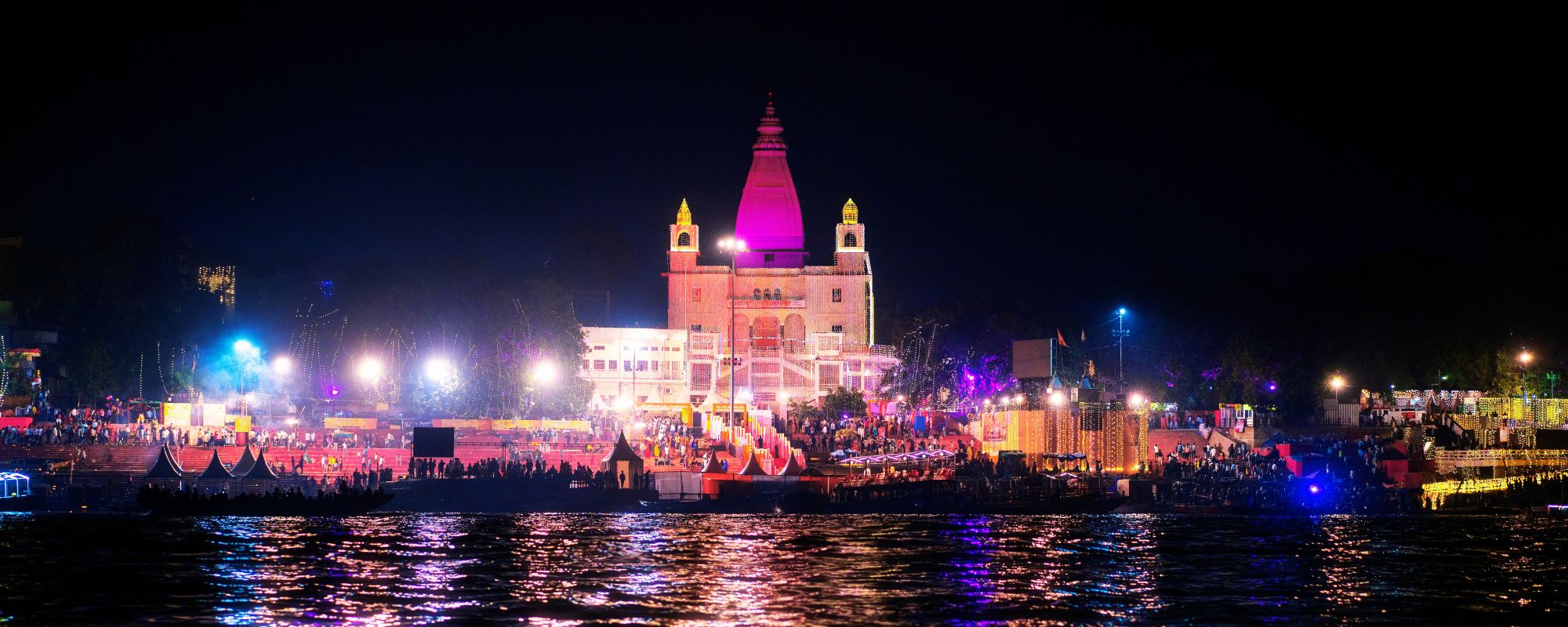
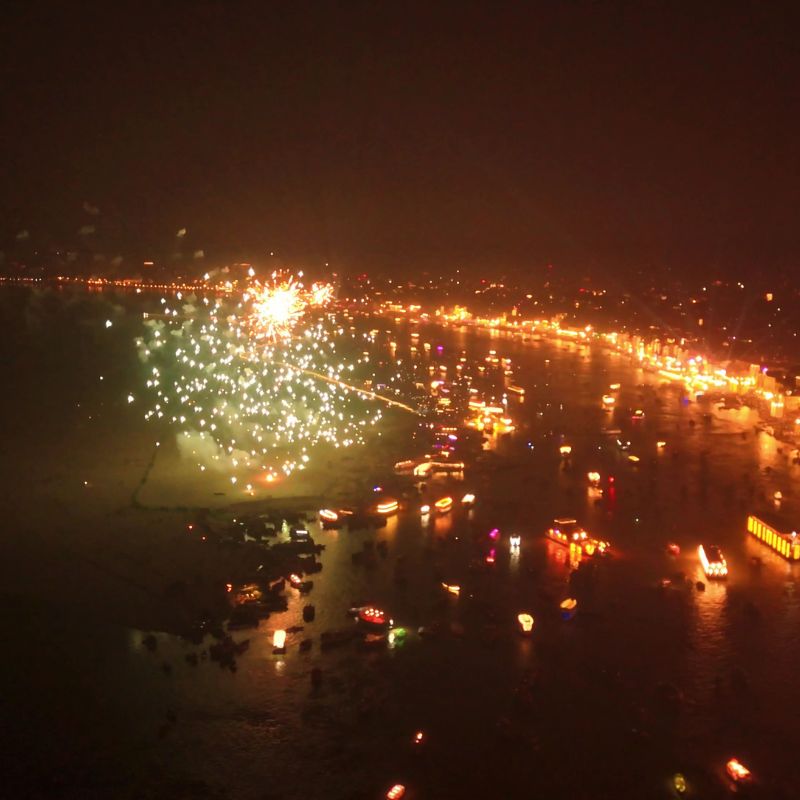
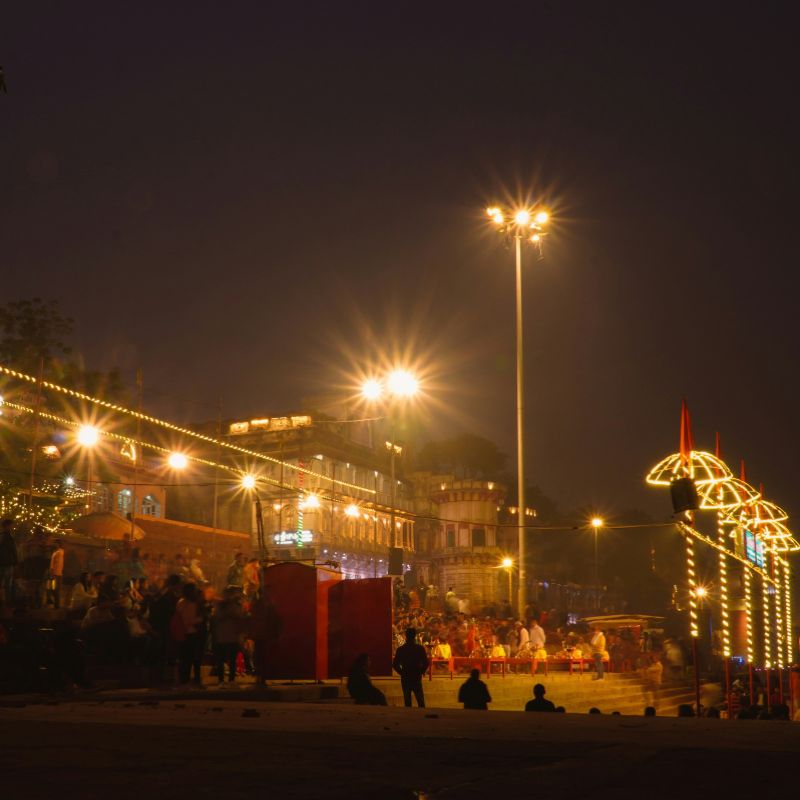
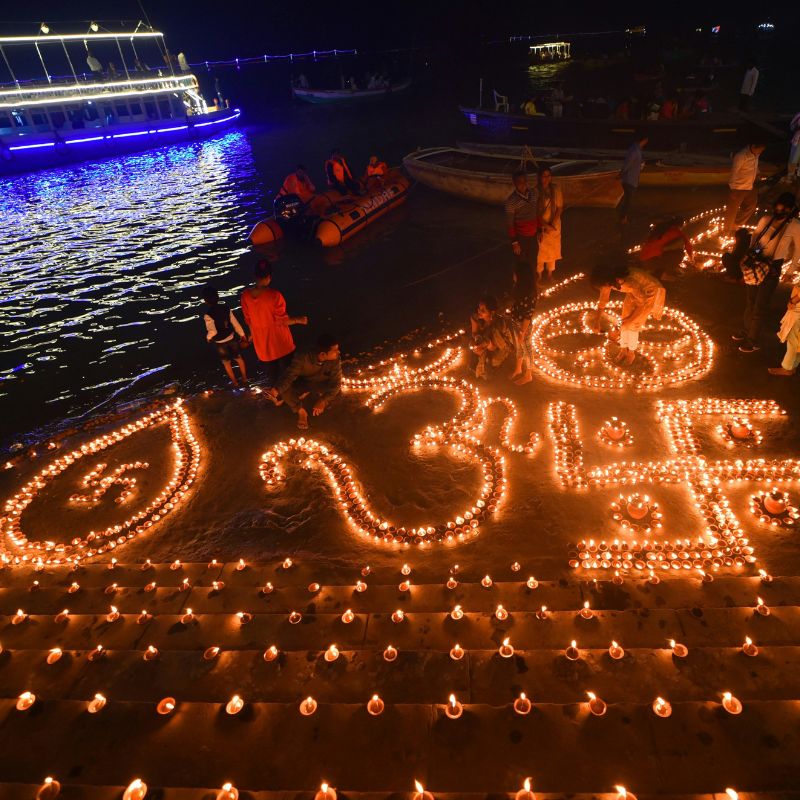
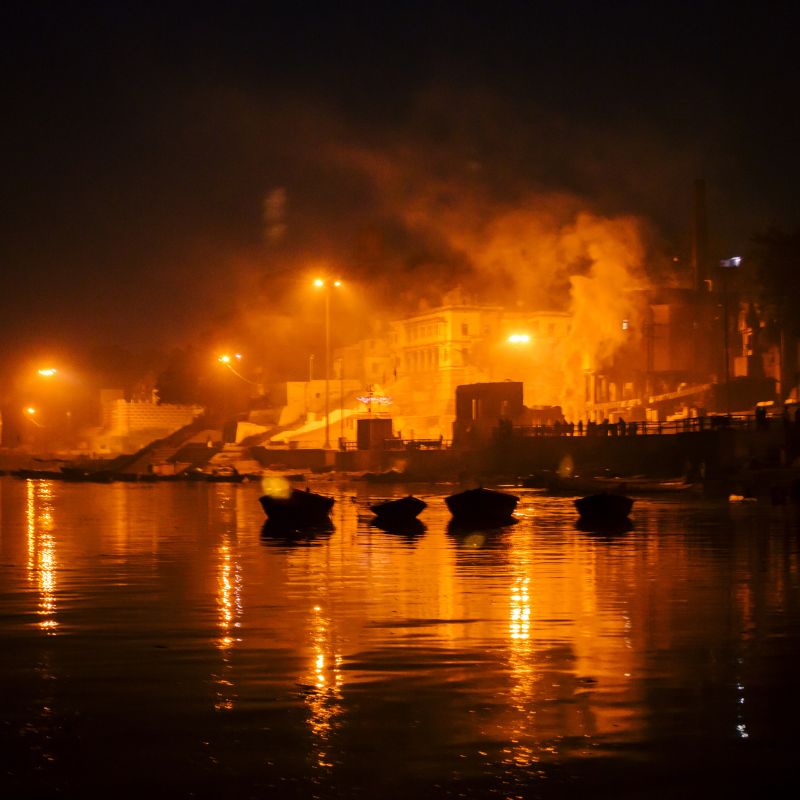
Around Kartik Purnima, just about two weeks after Diwali, the river steps begin to shine. People place small clay lamps along the ghats. They line them up in tidy rows. When the light hits the Ganga, it turns into long bright bands, like tiny lights hovering over the water. The nearby temples also seem to brighten right away. After that, devotional songs drift down the lanes. Even the boats move at a slow pace, as if everyone is letting the moment stretch. For many locals and for visitors, that river stretch can feel like it has stepped out of time.
In 2026, Dev Deepawali falls on 24 November. The Government of India lists it on the Incredible India tourism page.
That said, travellers usually ask a simple question. Should you build your whole trip around this day?
If you care about spirituality and want small daily actions that don't feel forced, this may work well for you. It also works well for travellers who care about photography, local history, and time spent with people as they go about their day. When that happens, the timing may fall into place. The event is already special, so the main thing is what you hope to get from the trip.
Before you lock in plans, keep this in mind.
What Is Dev Deepawali in Varanasi?
Dev Deepawali is often called the Diwali of the Gods. It falls on Kartik Purnima. Many people in the Hindu faith connect it to Lord Shiva. They say it relates to his victory over the demon Tripurasura.
In Varanasi, many folks turn up to worship. They light small lamps throughout the day. Many also take part in rituals close to the Ganga River.
This day is different from Diwali.
Diwali is celebrated across India. It is often tied to Lakshmi Puja. Many families spend time together, and fireworks are common. Dev Deepawali in Varanasi has its own feel. Most activities centre near the river edge. The ghats are where the main celebration takes place.
India’s Ministry of Tourism says the event lights up the ghats. It mentions prayers, music, and cultural shows along the way.
What you see in person is hard to capture in photos. You really have to watch it as the sun fades. The first lamps start to glow. Then the Ganga slowly turns into a strip of reflected light.
Why Varanasi Is So Special During Dev Deepawali
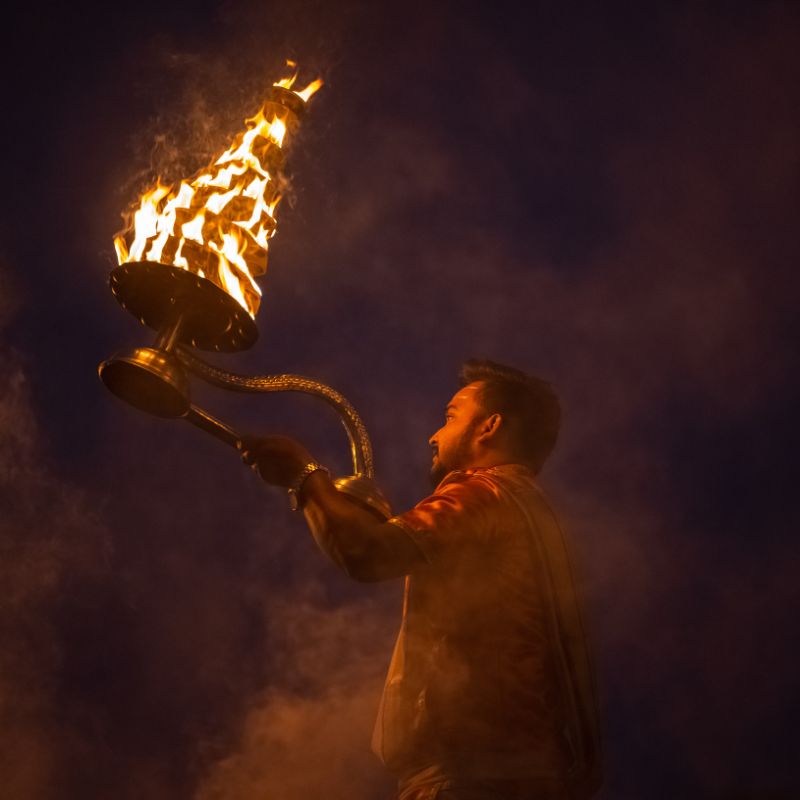
Varanasi feels like it grew out of rituals.
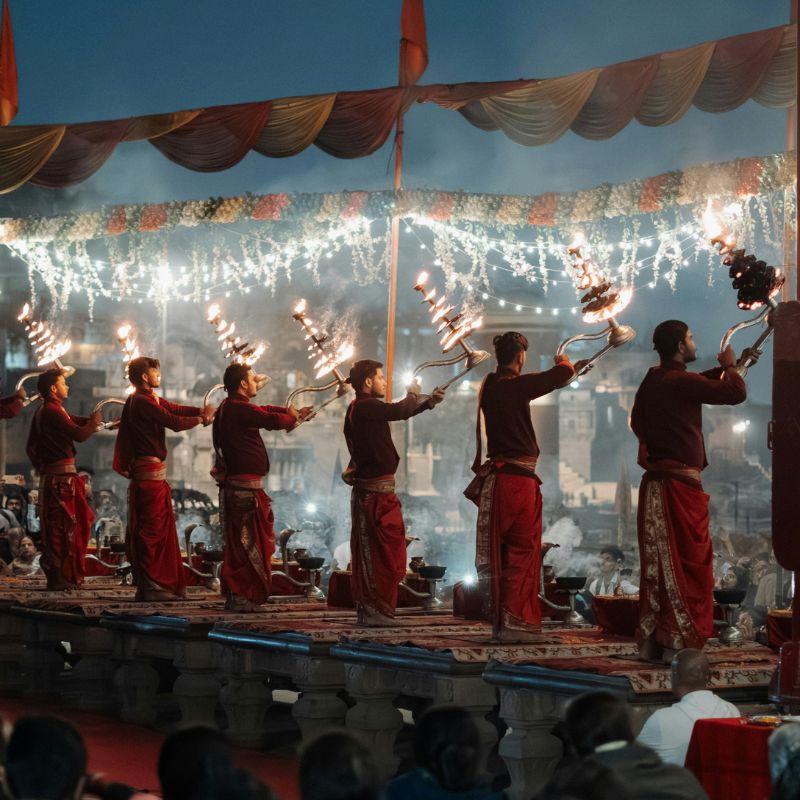
People start showing up early, while the sky is still pale. They stand by the Ganga and watch the water. Later, priests do their work at the steps. Flower sellers weave between crowds. You can hear music in the lanes, and visitors move from one temple to the next. When evening arrives, the Ganga Aarti draws everyone to the riverbank. Lamps flare up, and the whole place seems to glow.
Dev Deepawali builds on what's already there, then turns it up.
India’s tourism site says the ghats light up with countless clay lamps. It also notes that the glow mirrors the Ganga. The event adds more than lamps, too. Performances include classical music, traditional dance, and folk acts.
For a first-time visitor, this means you can combine several quintessential Varanasi experiences into one journey:
- Watching the sunrise over the Ganga
- Exploring the historic ghats
- Visiting Kashi Vishwanath Temple
- Experiencing the evening Ganga Aarti
- Taking a boat ride on the river
- Exploring the lanes of the old city
- Visiting Sarnath
- Experiencing Dev Deepawali after sunset
- Discovering Varanasi's famous silk and food traditions
Bout India also highlights experiences such as the Ganga Aarti, sunrise boat rides, ghat walks, Dev Deepawali and Varanasi's silk industry among the city's key experiences.
The Best Way to Experience Dev Deepawali
If there is one piece of advice worth remembering, it is this:
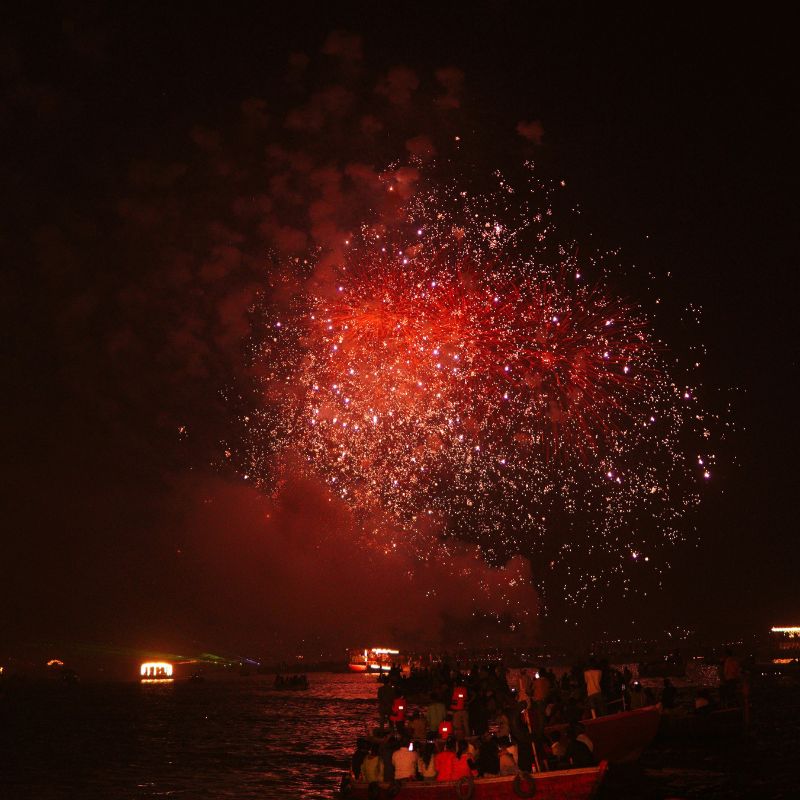
Don't experience Dev Deepawali only from the street. See it from the Ganga.
A riverboat offers a completely different perspective.
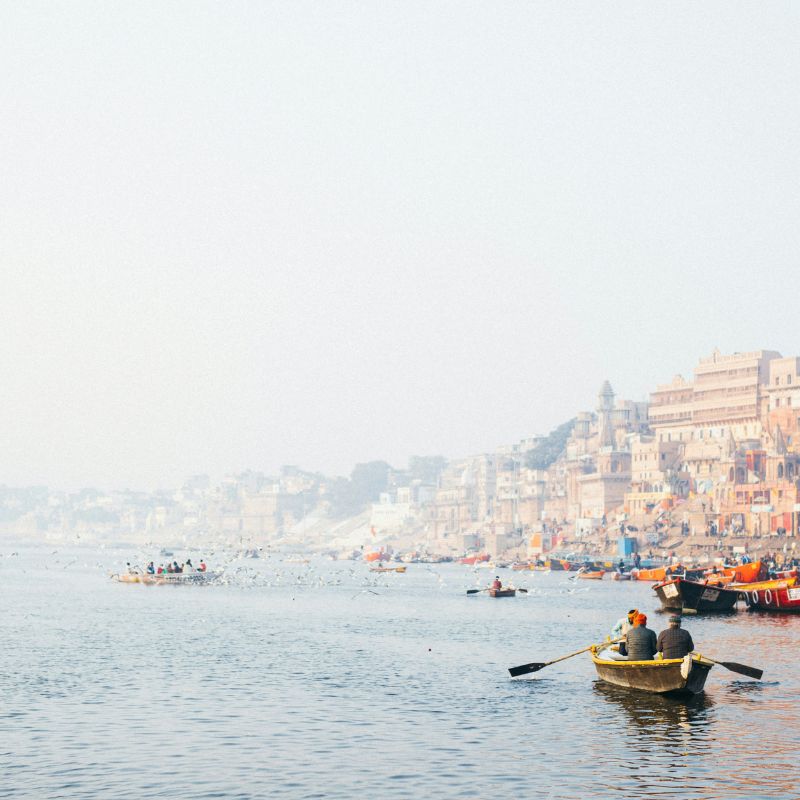
From the river, the ghats seem to spread out like a huge lit stage. You are not stuck with just one stretch to look at. As the lamps go on, you can sense how large the celebration is across the whole edge of the water.
Dusk is when the view feels best. The sky still has a bit of colour, and the lamps start to take over the scene. Their glow shows up in the water too, so the reflections look very calm and bright.
If you prefer, take a boat ride. That way you can see the riverfront from a distance. You do not have to spend the whole evening pushing through tight crowds along the ghats.
For travellers interested in a more curated Varanasi experience, Bout India's Golden Triangle & Holy Ganges tour combines Delhi, Agra, Jaipur and Varanasi, including a morning Ganges boat ride and evening Aarti.
If you are planning your trip for Dev Deepawali, talk to your travel planner about adjusting the part in Varanasi. Ask them to add the festival evening.
Which Ghats Should You Explore?
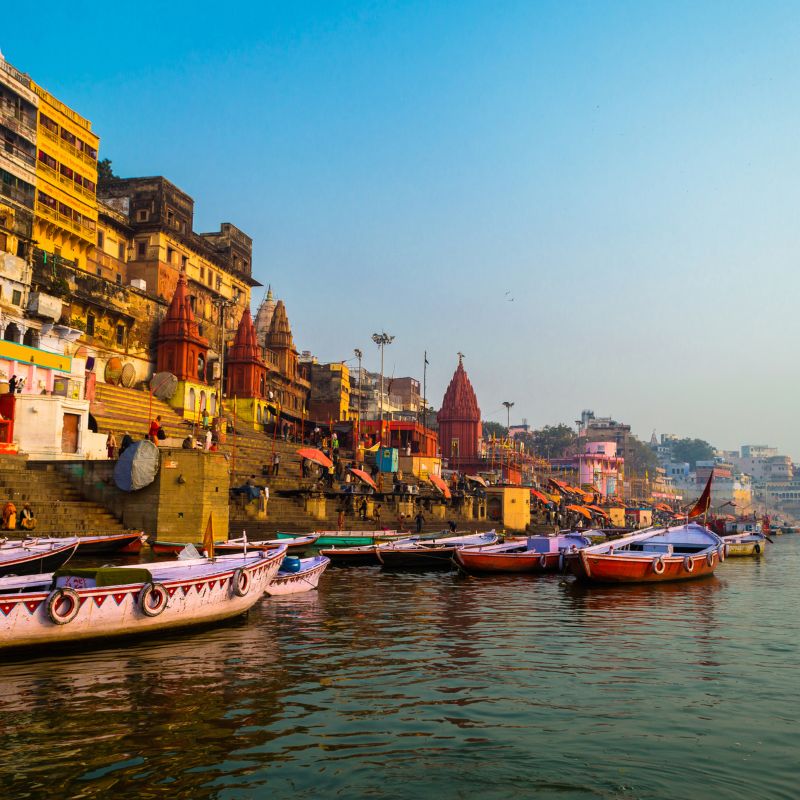
Varanasi has many ghats. Each one feels different, and each has its own past.
Dashashwamedh Ghat stands out as a major spot for the Ganga Aarti. During Dev Deepawali, it also tends to get very crowded.
Assi Ghat feels a bit unlike the others. It is worth visiting if you want to see the southern end of the central ghats area.
Manikarnika Ghat is one of the key cremation ghats in Varanasi. Go there with care and respect. It is not really a place for casual sightseeing.
Kedar Ghat and Shivala Ghat give more views along the river. They may be good choices for travellers who want to look beyond the best-known spots.
Bout India's Varanasi destination guide covers these ghats alongside Kashi Vishwanath Temple, Sarnath, Ramnagar Fort and other places worth including in a Varanasi itinerary.
Is Dev Deepawali Too Crowded?
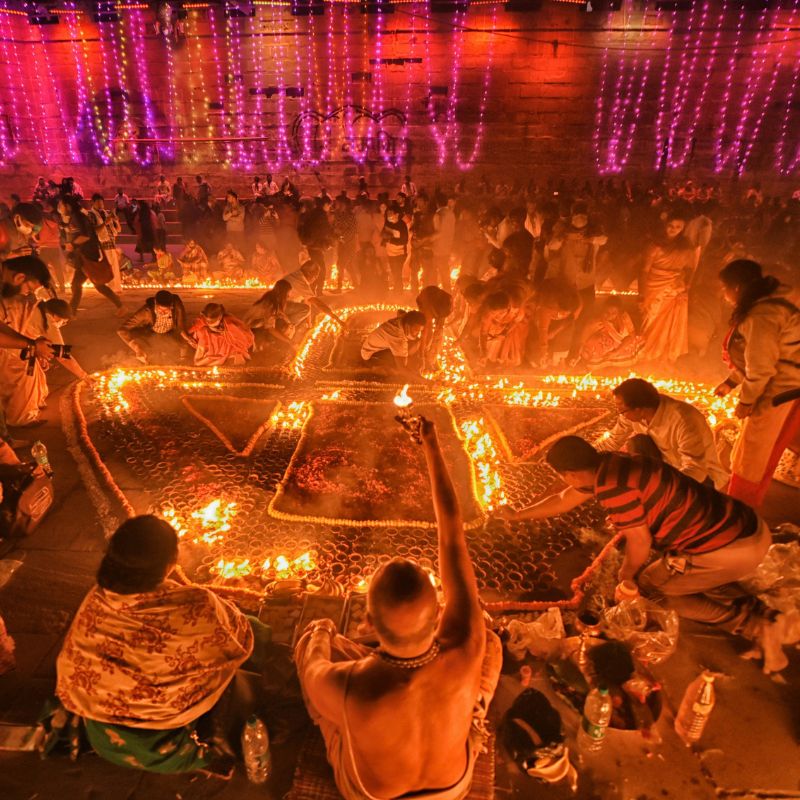
This is the biggest drawback, and one travellers should take seriously.
Dev Deepawali is not a quiet, intimate festival.
Many pilgrims, visitors from other parts of the country, tourists from abroad, photographers, and residents gather along Varanasi’s riverside. The lanes near the ghats can get packed fast. If you travel by road, your trip may take longer than usual.
That doesn't mean you should skip the festival.
It just means you need to expect big crowds. If you go in with that mindset, it will feel less stressful.
Try to lock in your stay and your transport ahead of time. Give yourself extra time for each leg of the journey. Also, do not try to rush through too many spots on the same festival night.
A simple plan helps. Spend the afternoon at an easy pace. Go to your chosen viewing spot earlier. Then stay there for the evening instead of trying to move across town when things are at their busiest.
How Many Days Do You Need for a Dev Deepawali Trip?
You don't need a two-week holiday to experience the festival properly.
For most travellers, 3 to 4 nights in Varanasi provides a comfortable introduction.
A sample itinerary could look like this:
Day 1: Arrive in Varanasi
Check into your hotel and keep the evening relaxed. If you have the energy, take an introductory walk around the ghats.
Day 2: Sunrise, Old City and Sarnath
Start with a sunrise boat ride on the Ganga. After breakfast, explore the old city, then visit Sarnath in the afternoon.
Bout India's itineraries similarly combine a morning Ganges boat ride with Sarnath and the city's silk traditions.
Day 3: Dev Deepawali
Keep the daytime relatively easy.
Visit a temple or explore the local markets, return to your hotel to rest and head towards the riverfront well before sunset.
Then experience the lamps, rituals and illuminated ghats.
Consider arranging a boat experience for the evening.
Day 4: Slow Varanasi
Use the final day to explore anything you missed, shop for Banarasi textiles, or walk along the river.
This slower final day is useful because Dev Deepawali itself can be an intense experience.
Don't Stop at the Festival: Explore Sarnath
One mistake visitors can make is treating Varanasi as nothing more than a festival destination.
The city deserves more time.
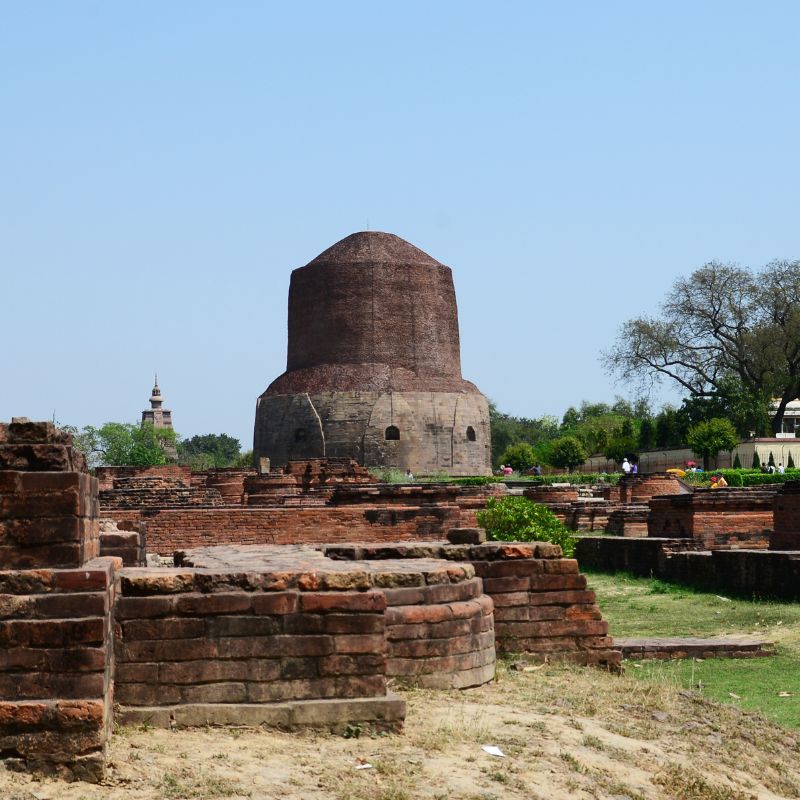
Sarnath sits just beyond Varanasi. A lot of visitors come here because it is tied to early Buddhism. Many people connect the place with the time not long after Gautama Buddha reached enlightenment. There are stories that his first sermon took place there.
In Sarnath, you can visit the Dhamek Stupa. You can also walk around and see older ruins nearby. The place feels calmer than the busy ghats back in Varanasi.
Bout India's Divine Heritage Streets itinerary includes Varanasi experiences such as the ghats, a sunrise boat ride, Sarnath, and the city's silk traditions.
Staying in Varanasi for longer near Dev Deepawali helps because the festival becomes the main moment. You do not have to plan the whole trip around one night.
What Else Should You Experience in Varanasi?
Dev Deepawali is the headline, but Varanasi's appeal extends far beyond the festival.
Sunrise on the Ganga
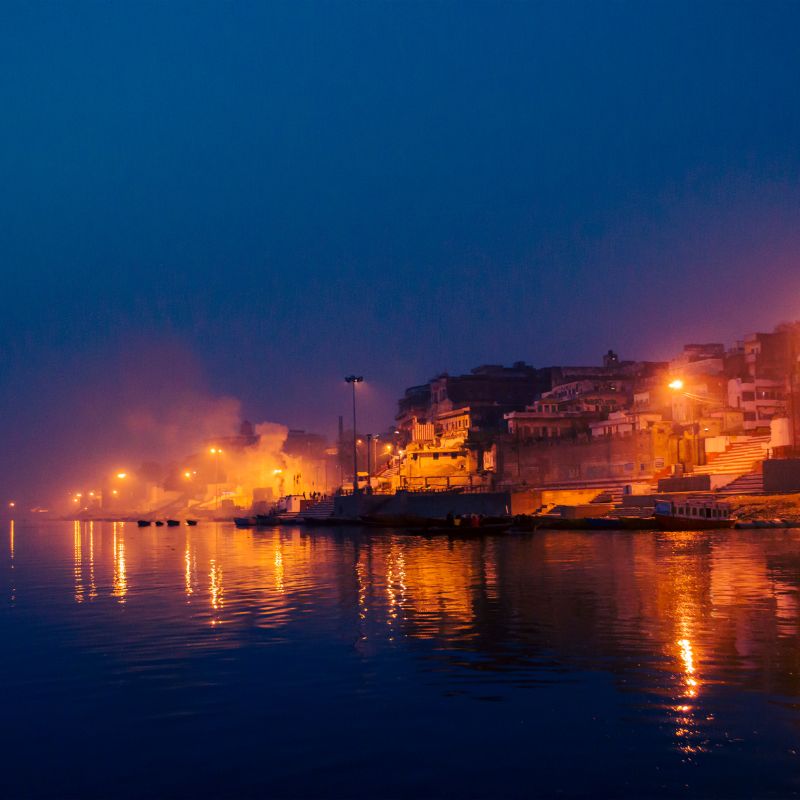
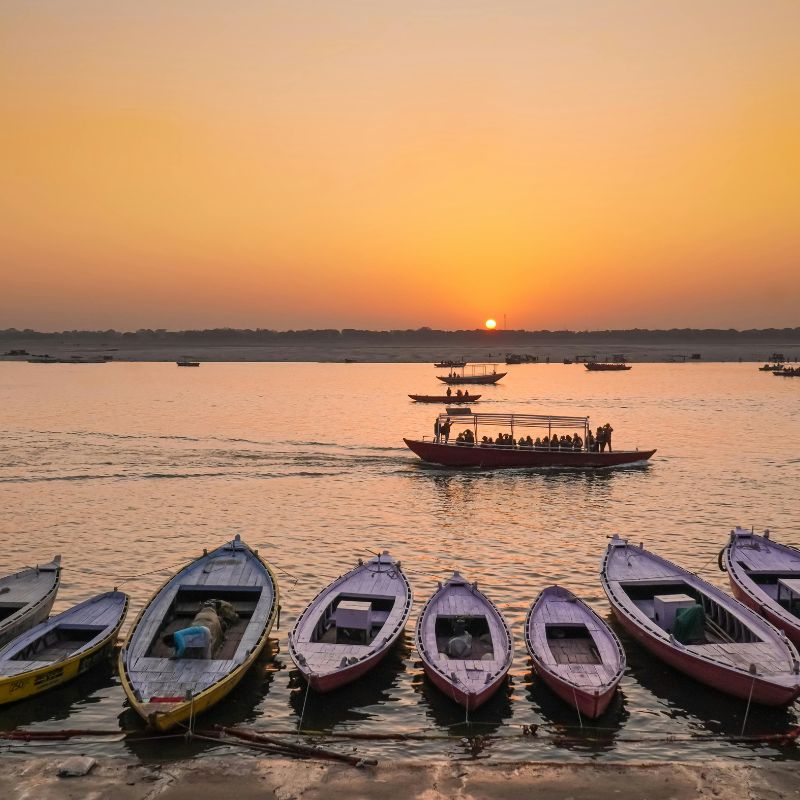
If Dev Deepawali is Varanasi at full volume, then sunrise is Varanasi at a softer hour. The river feels stiller then. The light keeps shifting, and people start their daily routines along the ghats.
Bout India recommends early-morning boat rides as one of the city's defining experiences, with its Varanasi itineraries commonly scheduling them around the early morning hours.
Ganga Aarti
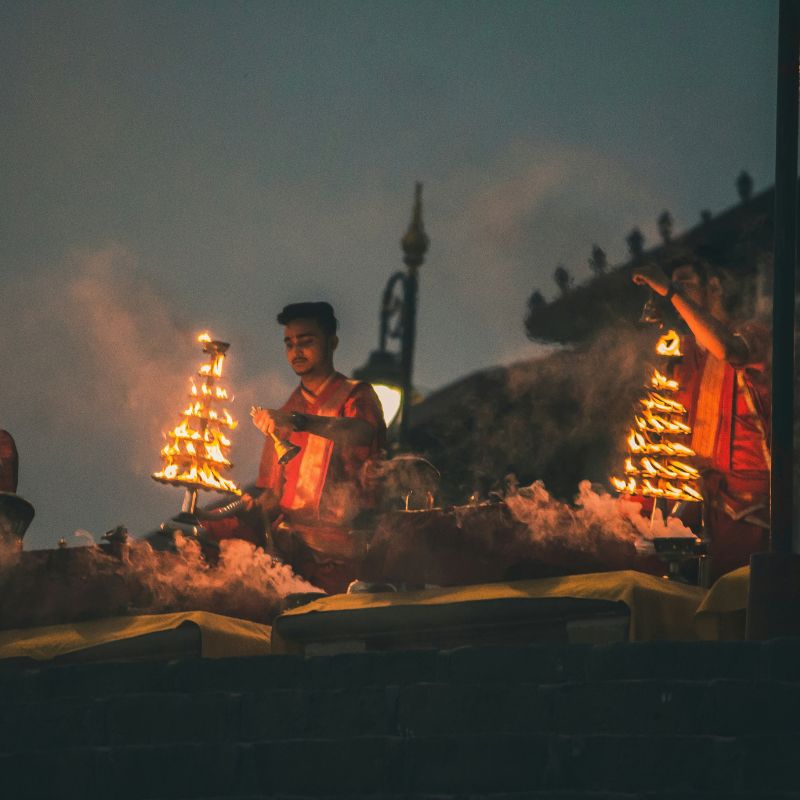
The evening Aarti at Dashashwamedh Ghat is something you should not miss. On Dev Deepawali, the whole place feels more alive. You can already see the city getting set for the lights and the festival.
Kashi Vishwanath Temple
If you are travelling in India and you care about spiritual history, the Kashi Vishwanath Temple is a key stop in Varanasi. Before you go, confirm the latest visitor rules and how entry works. Also review the security checks. These details can change, so it is best to look them up right before your trip.
Banarasi Silk
Varanasi also has a strong textile tradition. Go to a well-known weaving centre, or ask for a local guide. This will help you see how Banarasi silk is made. Try to learn the process instead of only buying ready-made items.
When Should You Book a Dev Deepawali Trip?
As early as possible.
Dev Deepawali in Varanasi feels rushed and crowded. A lot of visitors want to stay close to the ghats. But travel help is not easy to lock in. Finding a way around and booking guides can take more effort than people expect.
In 2026, Dev Deepawali falls on 24 November. If you are going for the festival, do not wait until the final days to sort out flights, hotels, and local plans.
If you are planning a longer trip across India, Varanasi can fit in with Delhi, Agra, and Jaipur.
Bout India's 8-day Golden Triangle & Holy Ganges itinerary is one example of this combination, while its broader North and Central India tours can be useful starting points for travellers who want a longer cultural journey.
Practical Tips for Visiting Varanasi During Dev Deepawali
A little preparation can make a major difference.
- Book early: Hotels and popular experiences can fill quickly around the festival.
- Stay strategically: Staying reasonably close to the ghats can reduce unnecessary transportation during the busiest hours.
- Arrive early: Don't expect to reach a prime viewing location immediately before sunset.
- Consider a boat: The river provides one of the most expansive views of the illuminated ghats.
- Wear comfortable footwear: You'll likely walk considerably, particularly around the old city and ghats.
- Dress respectfully: Varanasi is a major pilgrimage destination, and many spaces are religious rather than conventional tourist attractions.
- Respect photography boundaries: Always ask before photographing people participating in private or sacred rituals.
- Allow extra travel time: Festival crowds can significantly affect road movement.
- Check local arrangements: Boat operations, access restrictions and event logistics can vary from year to year.
- Don't over-plan the festival evening: Leave room to experience the atmosphere.
So, Is Dev Deepawali Worth Planning a Trip Around?
Yes, if you are the right traveller.
Dev Deepawali is not only a big show of lights. What draws people in is the mix of the Ganga, the temples, the daily rituals, the music, the history, and the way people carry on their traditions.
The ghats look stunning when they are lit. Still, the lights are only part of it. The true pull is what surrounds them.
You can see the city come alive near the river in the morning. Later, you can walk through old lanes. In the afternoon, you can head to Sarnath. Then, after sunset, you can watch Varanasi change its mood.
That is why Dev Deepawali feels strong for travellers who want something more than a list of sites.
Also, be ready for the real festival side of it. It is a major event. Expect crowds and tight logistics. Prices and availability can be harder. If you want quiet streets and little planning, a different season may fit you better.
On the other hand, if you like travelling when a place shows itself in full colour, planning your trip around Dev Deepawali can make Varanasi feel even more alive. It can turn a good visit into something you remember for a long time.
That may be the simplest reason.
The lamps are lovely.
The river feels endless.
After the last diya goes dark, the scene lingers. Travellers who have stood by the water as the lights came alive across the city often say it's the moment they remember longest.