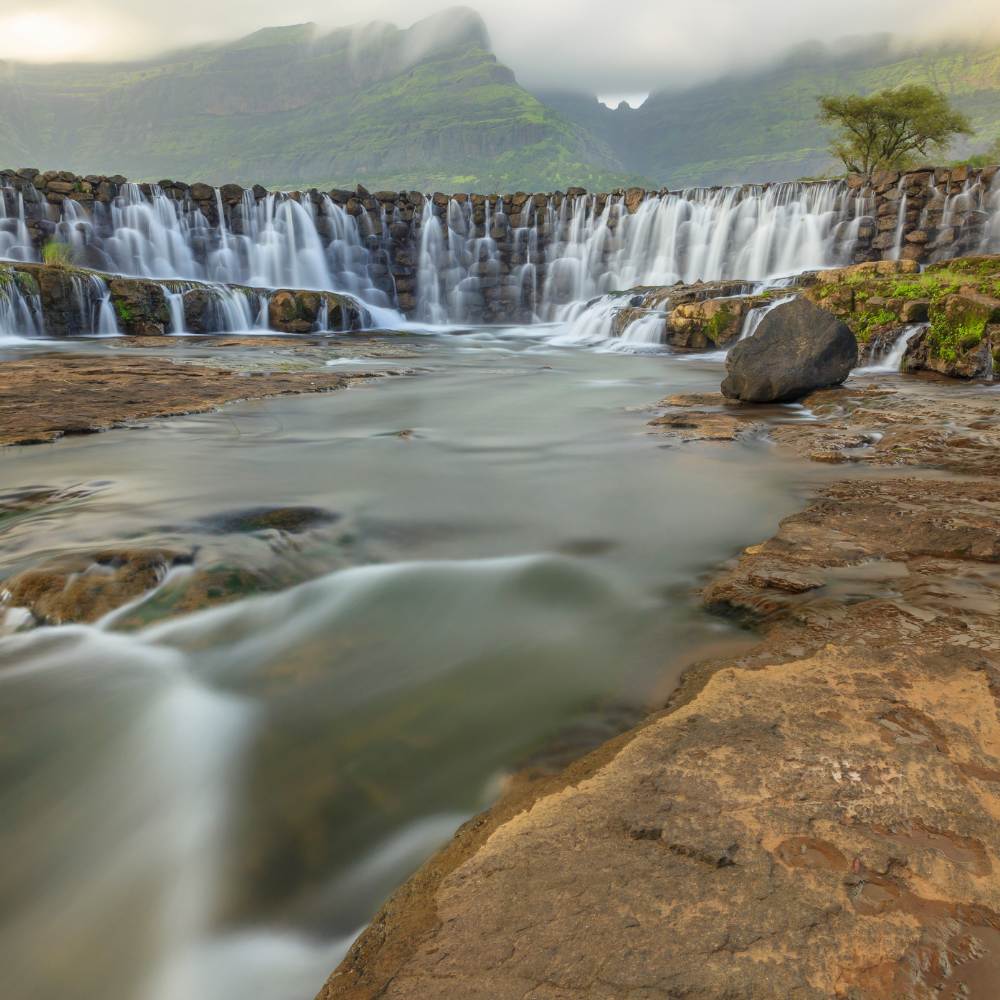
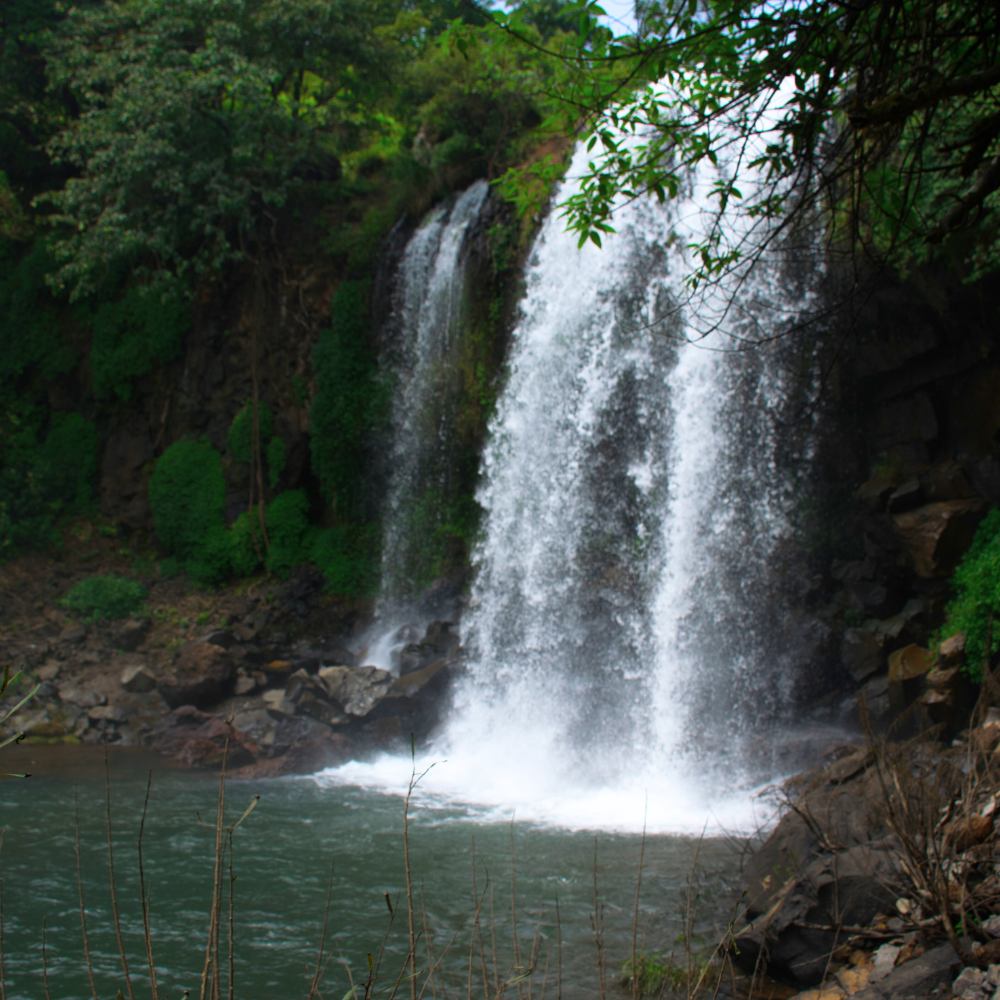
There's something genuinely magical about waterfalls. The sound of cascading water, the mist that lingers in the air, and the raw power of nature make them one of the most mesmerizing sights in the world. In India, a land blessed with incredible natural diversity, waterfalls are scattered across its vast landscape, from the lush Western Ghats to the misty hills of the Northeast.
Whether you're a seasoned traveler, a nature photographer, or someone simply seeking a moment of awe, these ten breathtaking waterfalls in India deserve a spot on your bucket list. Each one offers more than just scenic beauty; it's an experience of India's untamed wilderness, culture, and adventure.
1. Bhagsu Waterfall – Himachal Pradesh
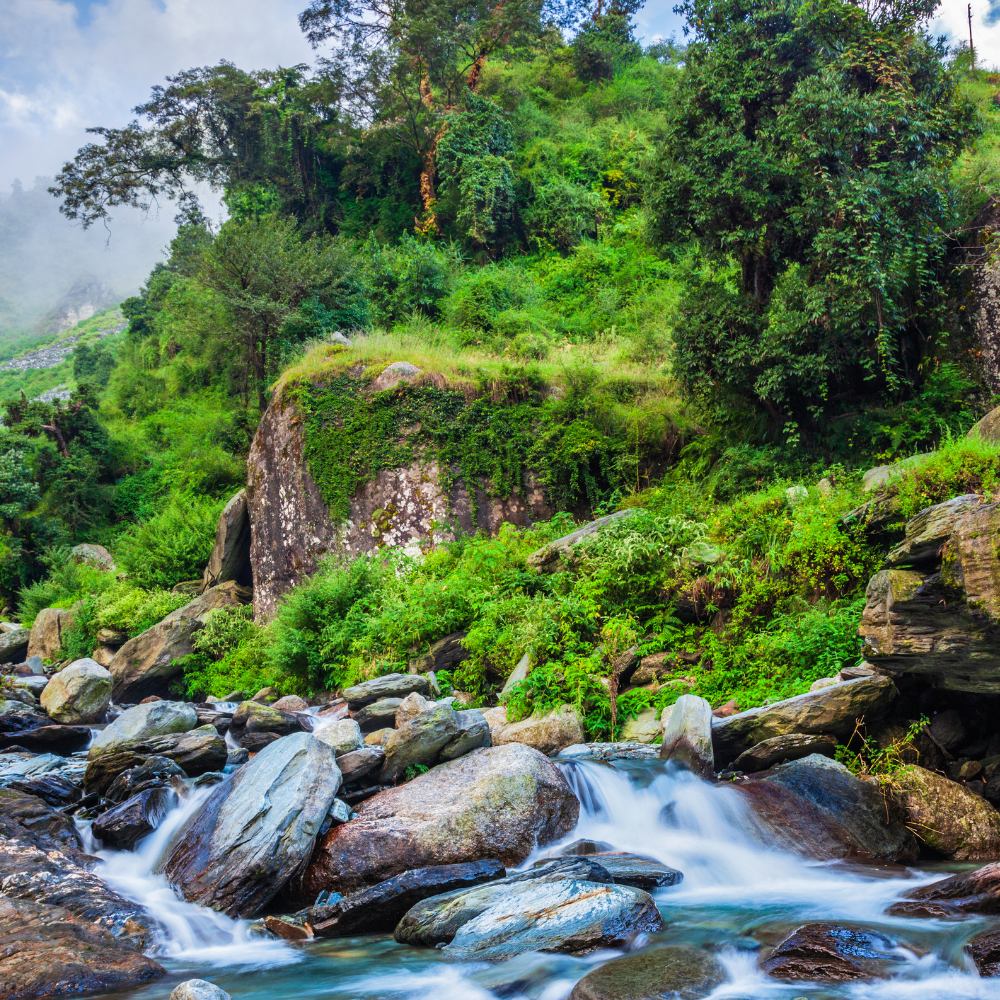
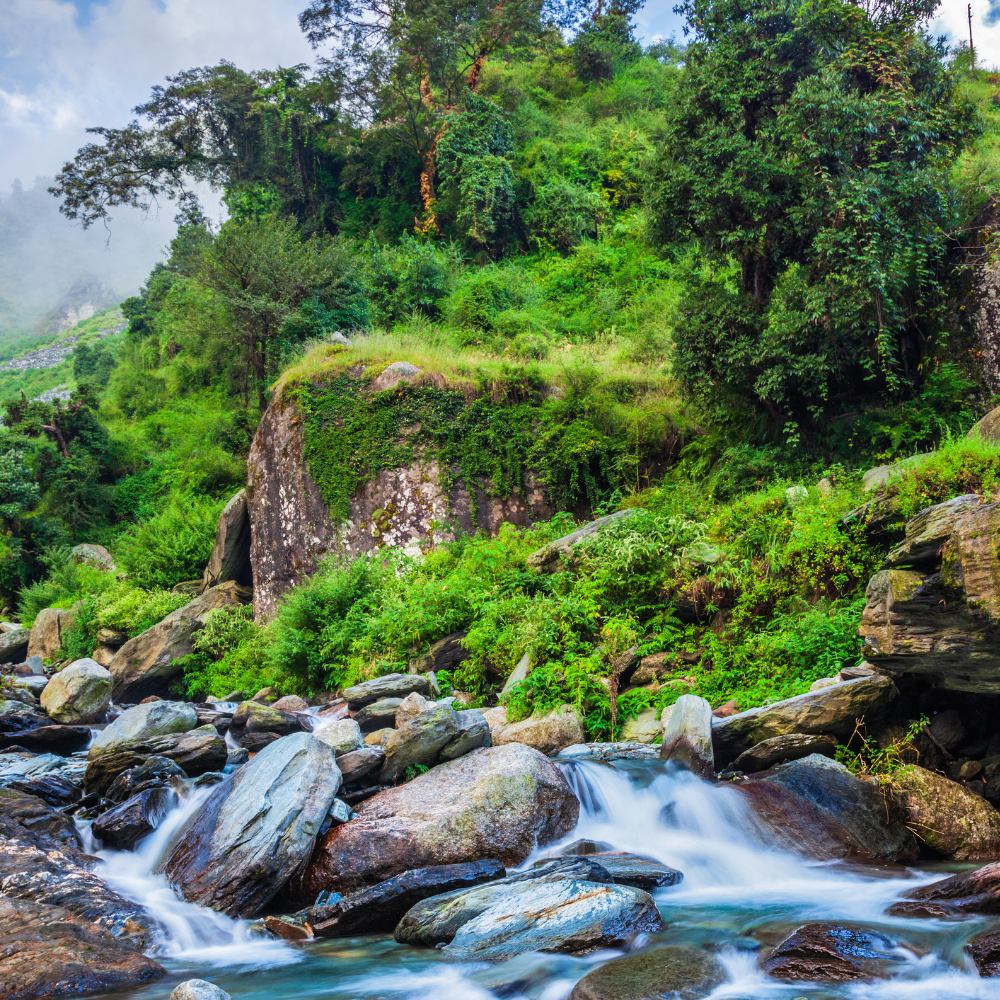
Tucked away in the scenic town of McLeod Ganj near Dharamshala, Bhagsu Waterfall is a hidden gem in the Himalayas. Popular among backpackers and spiritual seekers alike, the waterfall cascades down from a height of about 30 feet, offering a serene escape amidst rugged mountain terrain.
A short trek from Bhagsunath Temple leads you to the falls, with charming cafes and Tibetan stalls dotting the path. Visit in the monsoon to see the waterfall at its most majestic, or come in early autumn for clearer skies and quieter trails.
The pool at the base is popular for a quick dip during summer. Many travelers combine their visit with a hike to Triund, offering sweeping views of the Dhauladhar range.
2. Vasudhara Falls – Uttarakhand
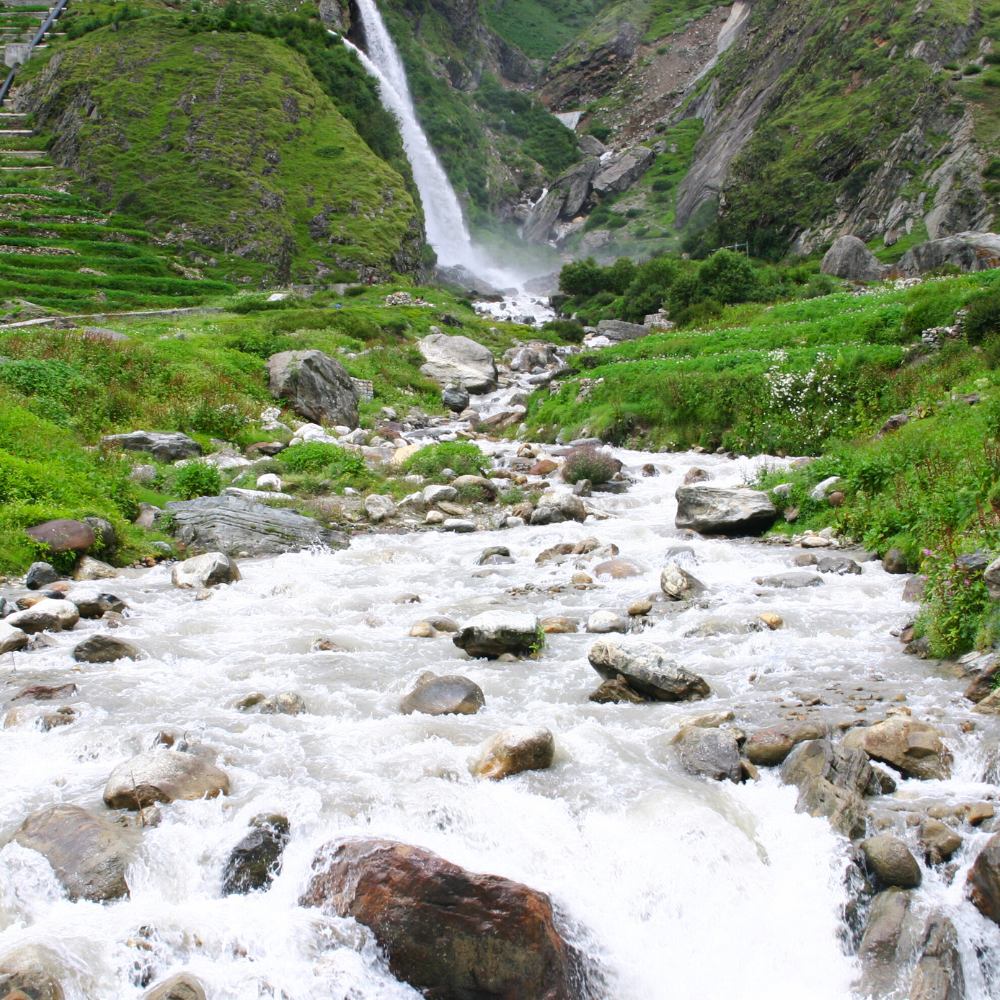
Rising from the glaciers near Badrinath, Vasudhara Falls plunges dramatically into the rocky valley below, surrounded by towering peaks and spiritual lore. At nearly 400 feet high, it's one of the tallest and most picturesque waterfalls in Uttarakhand.
Accessible via a 5-km trek from Mana village—the last inhabited village before the Indo-China border—Vasudhara is both a natural wonder and a spiritual journey. Legend has it that the water turns away from the impure, adding a mystical element to your visit.
The trek offers panoramic views of the Alaknanda River and snow-capped Himalayan peaks. Carry water and snacks as there are limited facilities along the route.
3. Dudhsagar Falls – Goa/Karnataka Border
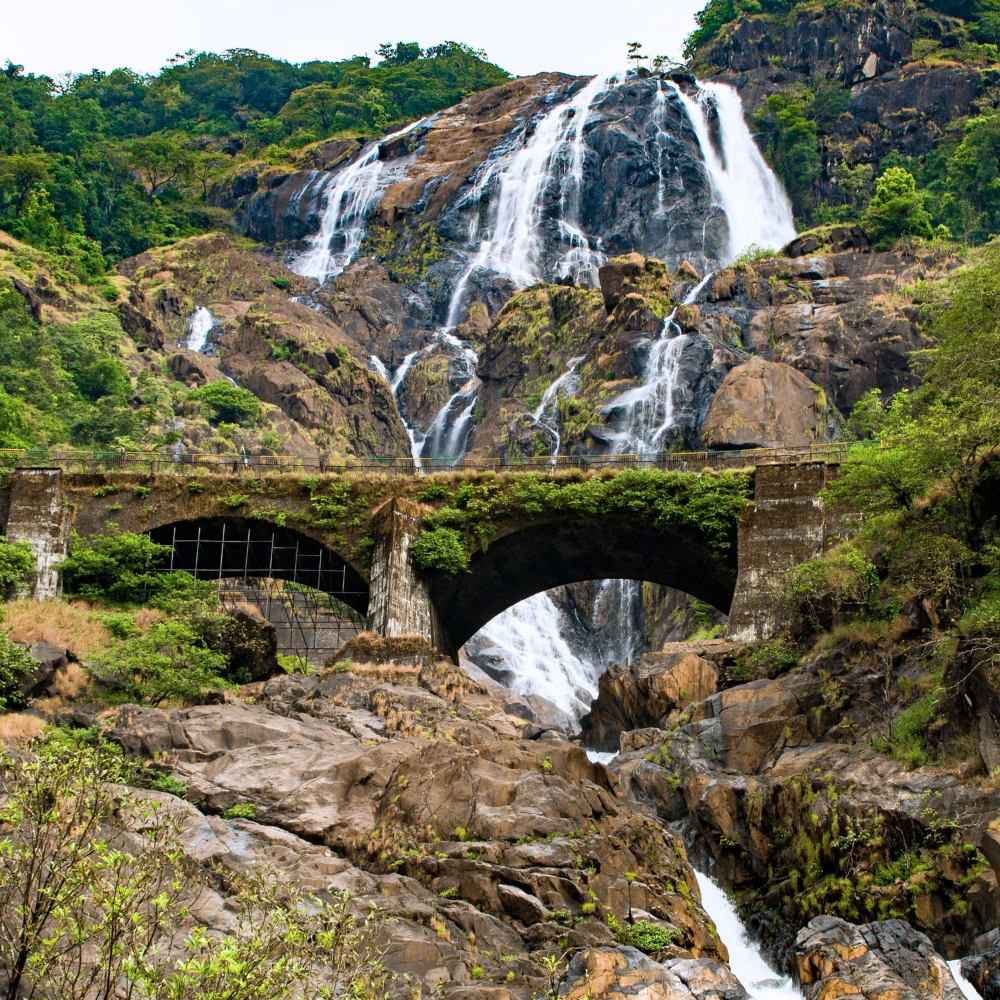
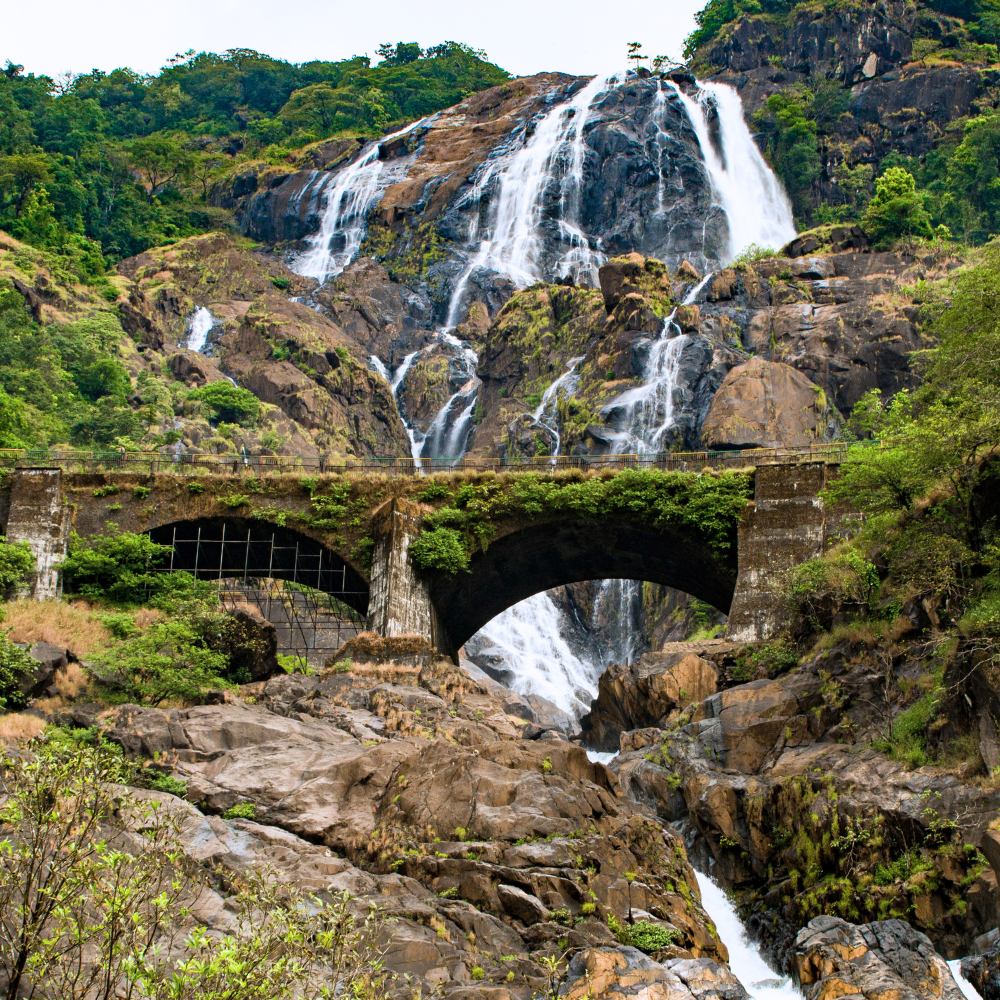
A sight that needs no filter, Dudhsagar Falls lives up to its name—"Sea of Milk." This four-tiered waterfall plunges over 1,000 feet and is best viewed during the monsoon when the Mandovi River swells into a thunderous display.
Accessible by train (with iconic views from the bridge) or by a thrilling jeep ride through Bhagwan Mahaveer Sanctuary, Dudhsagar is both an adventure and a visual spectacle. The surrounding jungle adds to its drama, making it a favorite among trekkers and Instagrammers alike.
The nearest railway station is Castle Rock, and the jeep rides begin from Collem village. A permit is required to enter the protected forest area.
Read also: Top 10 Offbeat Monsoon Destinations in India
4. Thoseghar Waterfalls – Maharashtra
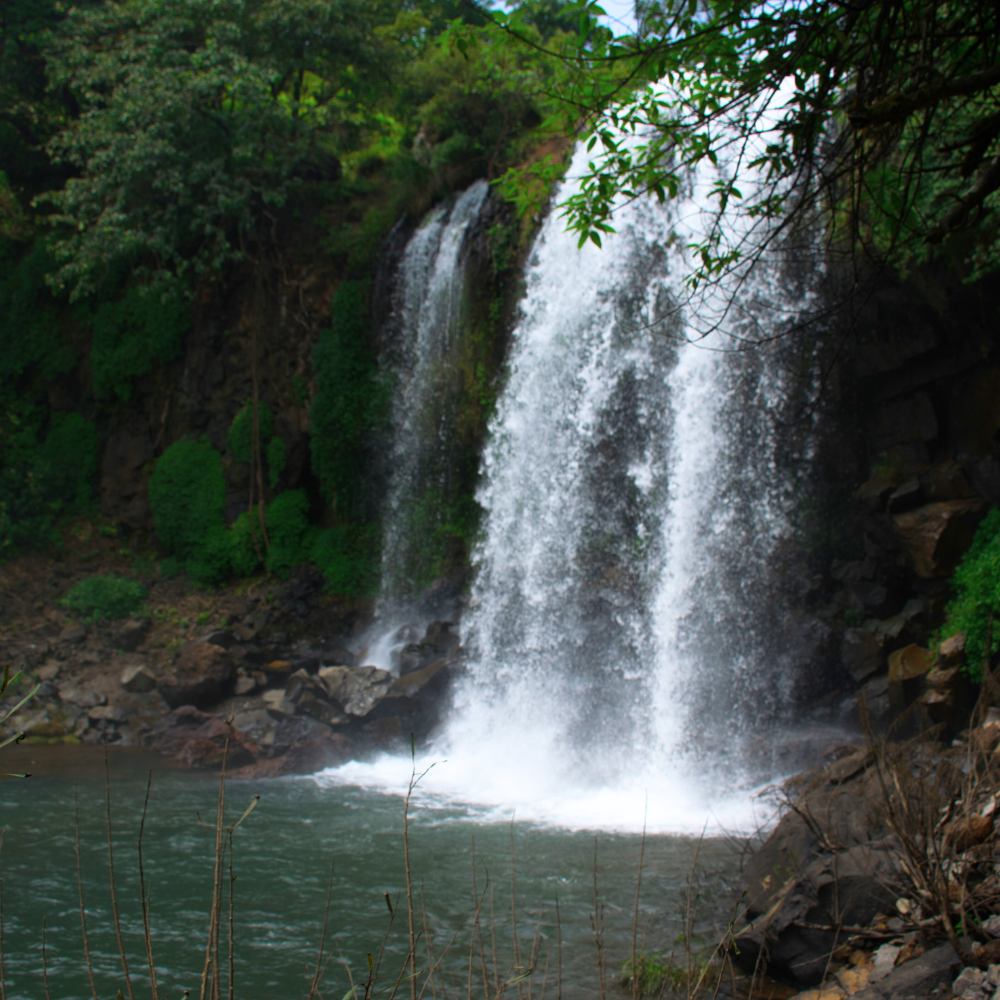
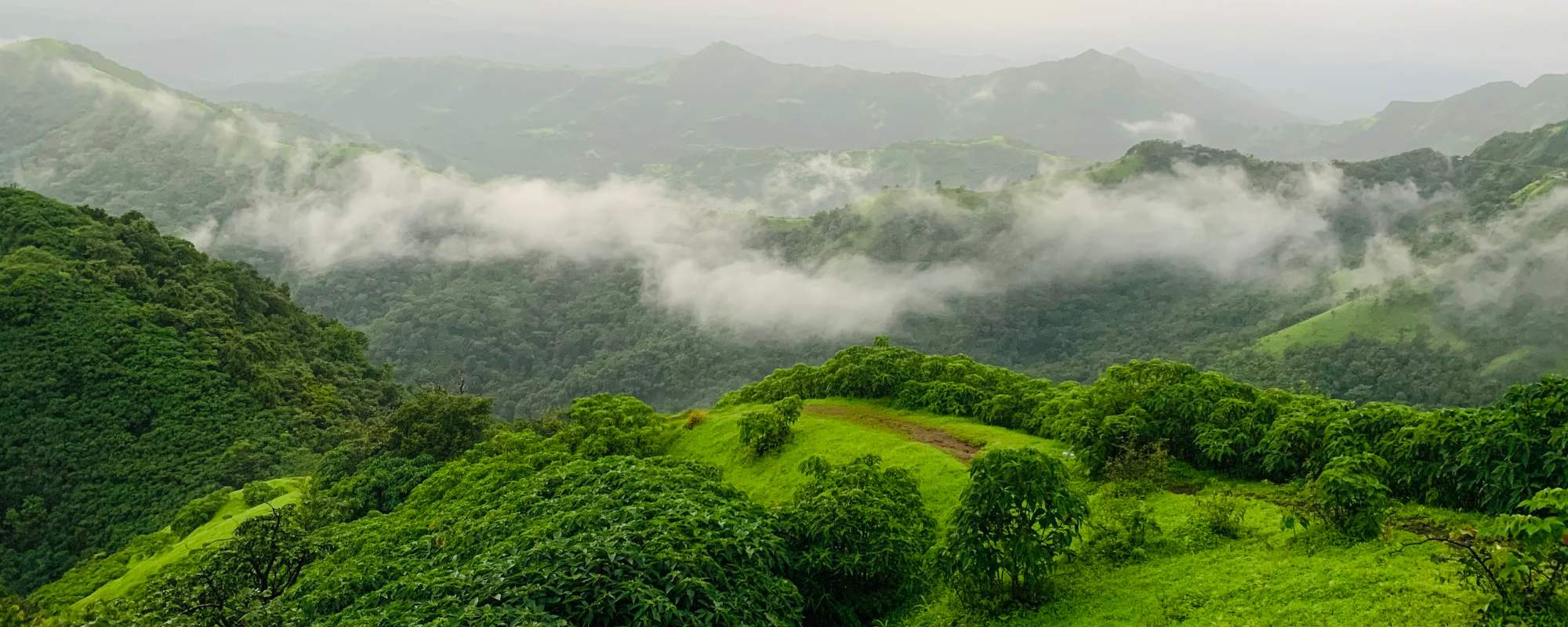
Located near Satara, Thoseghar is a series of plunging waterfalls set in a tranquil valley that bursts to life during the monsoon. The main fall drops nearly 1,000 feet, creating a breathtaking scene against a backdrop of green hills and swirling mists.
Unlike the more crowded spots in the Western Ghats, Thoseghar remains relatively quiet and uncrowded. Ideal for couples, families, or solo travelers looking to reconnect with nature without the chaos.
A well-maintained viewing platform offers a safe and scenic vantage point. Nearby attractions include the Chalkewadi Windmill Farm and Kaas Plateau, a UNESCO-listed biodiversity hotspot.
5. Athirappilly Falls – Kerala
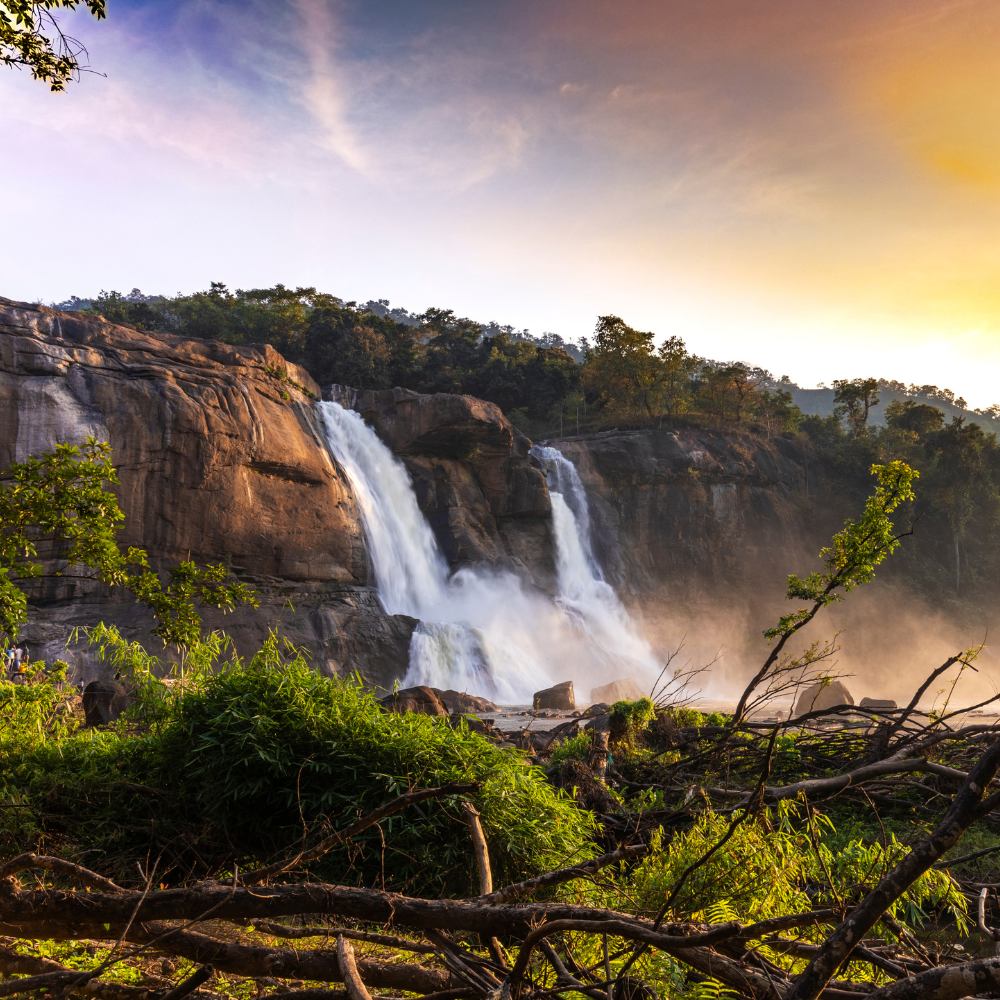
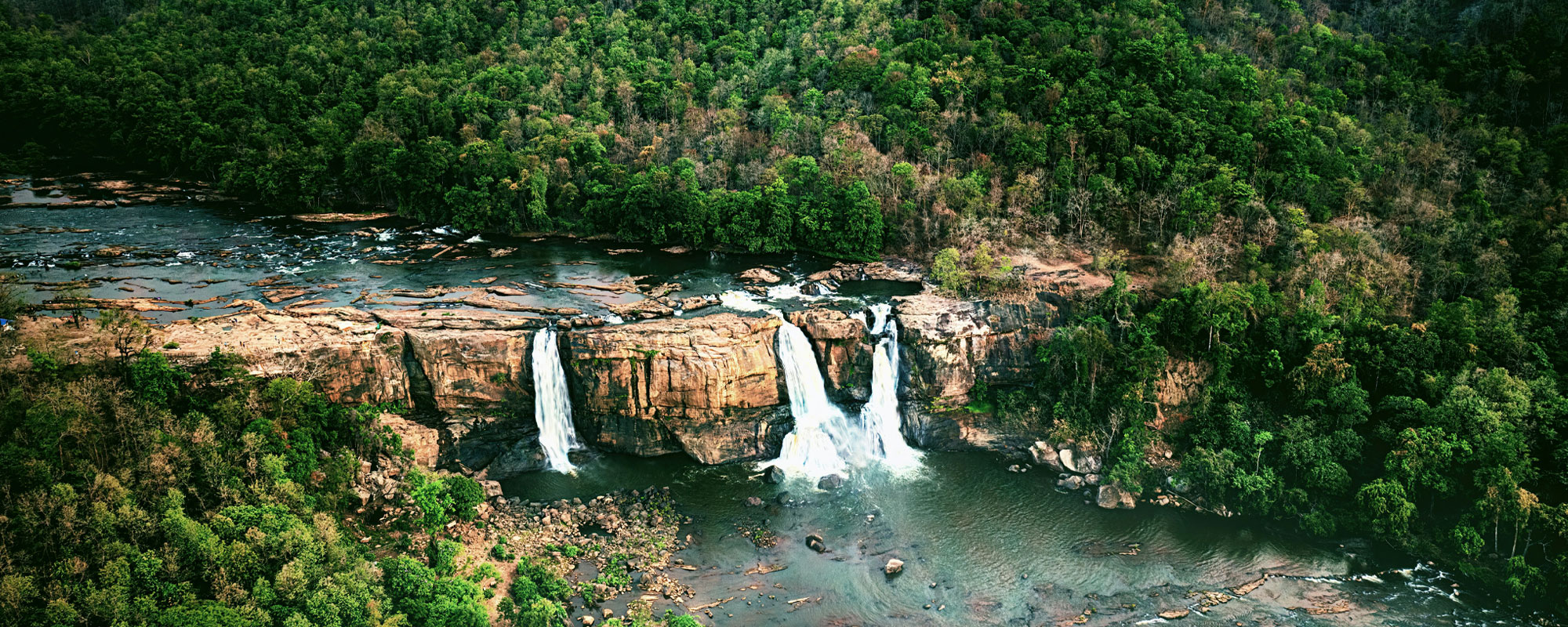
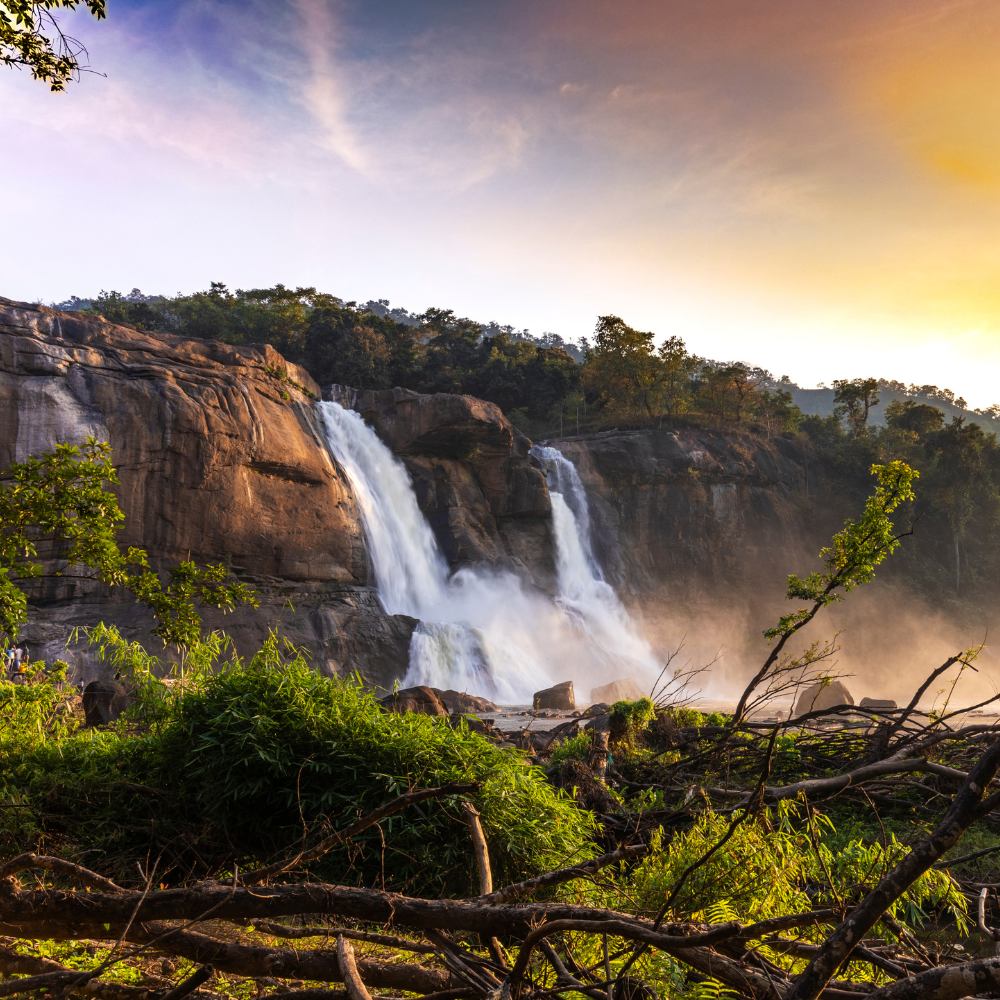
Often dubbed the "Niagara of India," Athirappilly is Kerala's largest waterfall and arguably one of the most cinematic. Located in the Thrissur district and surrounded by the Sholayar forests, it drops 80 feet into a foaming pool, with lush rainforests on either side.
The waterfall is awe-inspiring during the monsoon, but even in the drier months, it's a popular filming location for South Indian movies. Combine your visit with nearby Vazhachal Falls and a drive through the Western Ghats for an unforgettable journey.
The area is part of the Western Ghats, a UNESCO World Heritage site, and home to endangered species like the Great Hornbill and Lion-tailed macaque.
6. Jog Falls – Karnataka
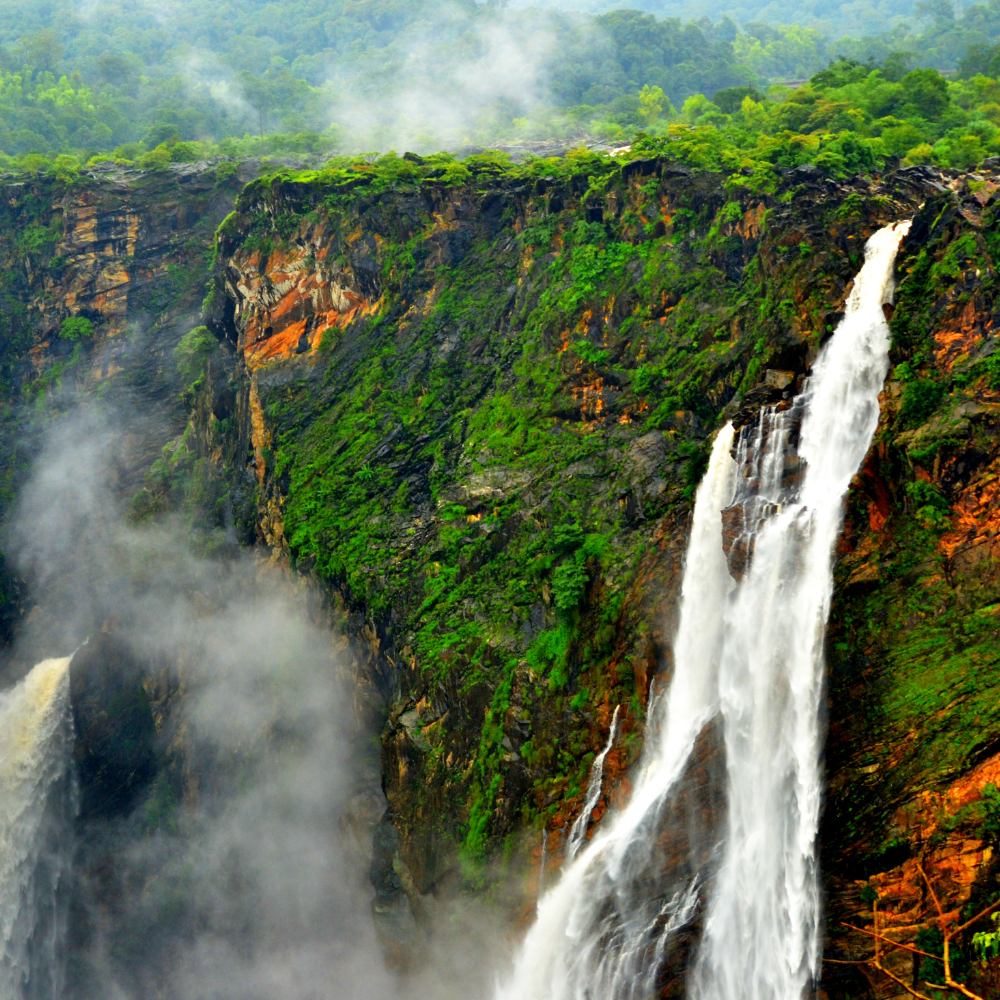
Formed by the Sharavathi River, Jog Falls is India's second-highest plunge waterfall at an impressive 830 feet. Unlike most segmented waterfalls, Jog's waters fall in a sheer drop when in full force, especially during monsoon months.
The four distinct streams—Raja, Rani, Roarer, and Rocket—create a dramatic composition against a deep gorge. A staircase leads you down to the base, offering a full frontal view of the waterfall's majestic height.
The viewpoint from the top offers a panoramic look at the massive gorge. Nearby, Linganamakki Dam and Sharavathi Valley Wildlife Sanctuary add more to explore.
7. Hogenakkal Falls – Tamil Nadu
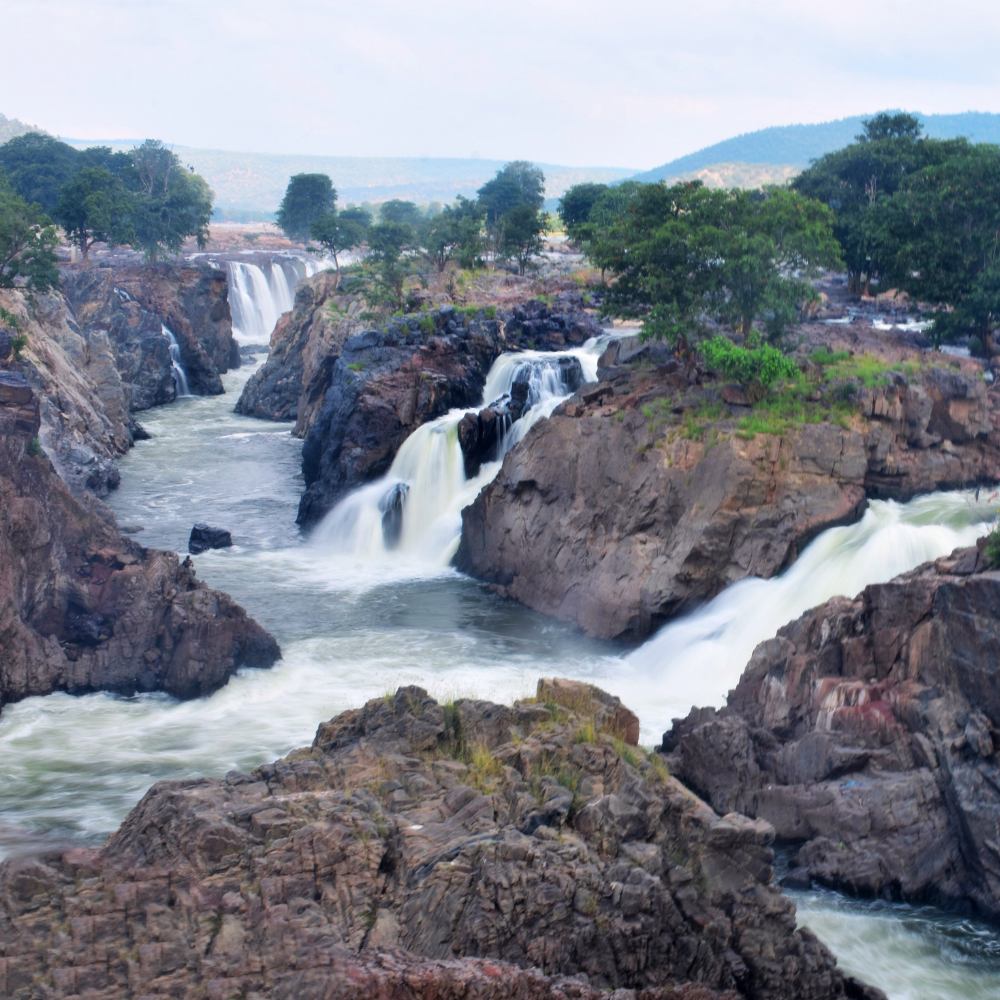
Flowing from the Kaveri River, Hogenakkal offers a unique experience: carbonated water tumbling over rugged rocks, often compared to Niagara for its breadth and spectacle. But what makes it truly special are the circular coracle boat rides that take you alarmingly close to the roaring waters.
The therapeutic properties of the water (due to dissolved minerals) are locally famed, and fish fry vendors nearby make the experience a feast for all senses.
The area is a favorite for Ayurvedic oil massages by the riverside. Boat rides are generally available in the dry season (Feb–June) and restricted during peak monsoon for safety.
Read also: Explore the backwaters of Kerala during monsoon
8. Nohkalikai Falls – Meghalaya
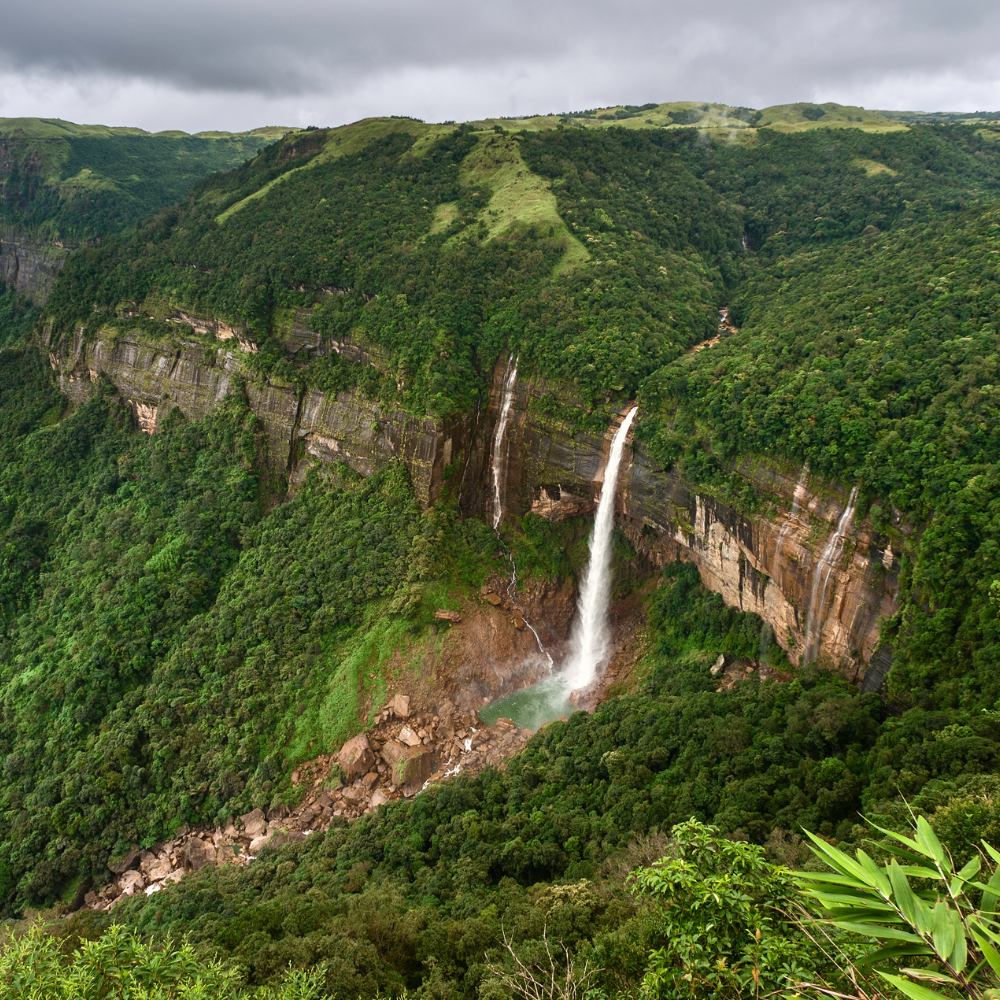
Towering at 1,115 feet, Nohkalikai is India's tallest plunge waterfall and a crown jewel of Meghalaya. Located near Cherrapunji—one of the wettest places on Earth—it often plunges through clouds into a turquoise pool, offering a surreal view.
The waterfall's name comes from a tragic local legend of a woman named Ka Likai. The story adds a haunting backdrop to an already mystical landscape, especially when seen through drifting mists and echoing silence.
Visitors can enjoy a panoramic view from the edge of the cliff, with small shops nearby selling local cinnamon, bay leaves, and handmade pickles.
9. Barehipani Falls – Odisha
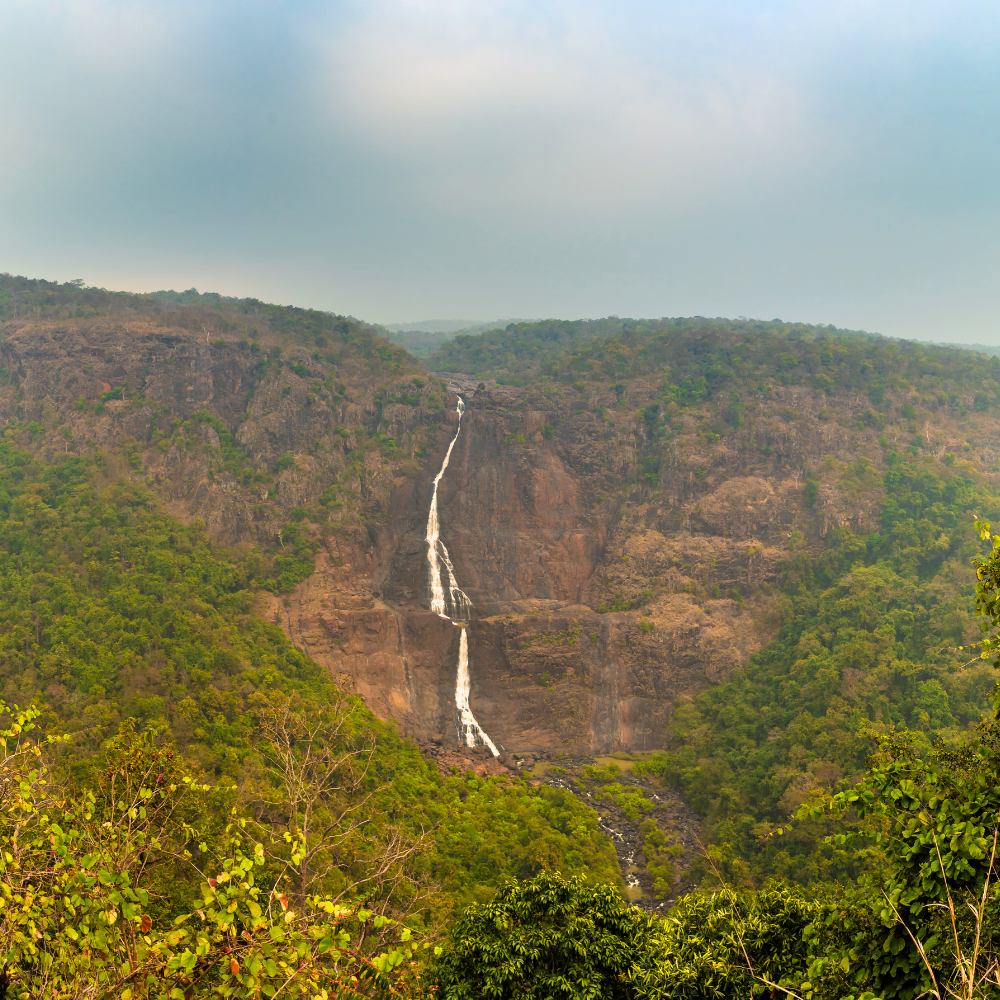
Tucked inside the Simlipal National Park, Barehipani is a two-tiered waterfall that drops from nearly 1,300 feet. It's not only one of the tallest in India but also one of the most biodiverse surroundings you'll find in eastern India.
Dense forests, elephant herds, and lush greenery make the journey to Barehipani an adventure in itself, best visited post-monsoon, when the Simlipal region is lush and vibrant.
The national park is home to Bengal tigers and over 230 bird species. Permission from the Forest Department is needed to enter Simlipal, and guides are highly recommended.
10. Chitrakote Falls – Chhattisgarh
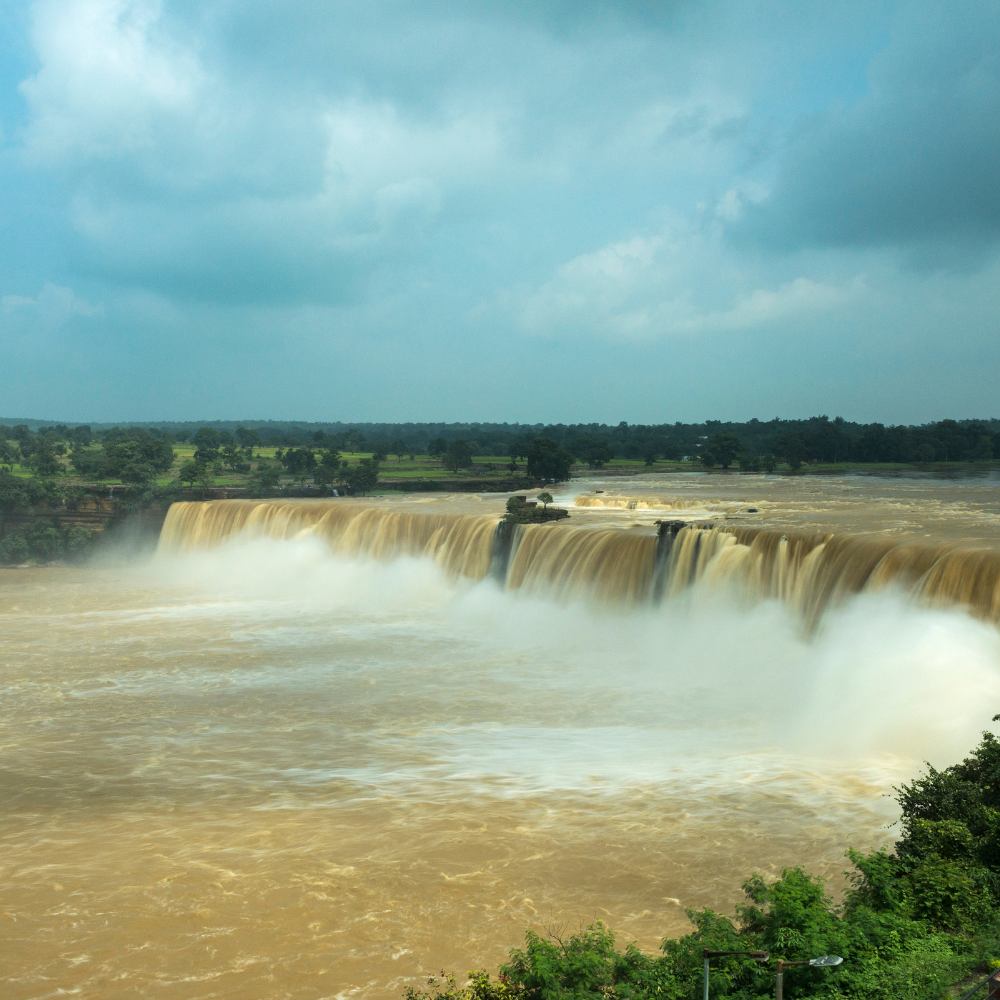
Also known as the "Niagara Falls of India" for its wide horseshoe shape, Chitrakote is located near Jagdalpur in Bastar district. It plunges over 90 feet but spreads wide across the Indravati River, making it visually arresting, especially during peak monsoon.
What sets Chitrakote apart is its unspoiled setting, still largely off the mainstream tourist radar. Illuminated at night and surrounded by tribal culture, it's one of India's most soulful waterfall experiences.
The area has basic accommodation, and tribal markets nearby offer unique handicrafts. Boating near the falls is available in the drier months, adding a thrilling touch.
Bonus Tips: When and How to Visit
-
Best Time: June to October (monsoon and post-monsoon) is ideal for full flow, though some waterfalls are accessible year-round.
-
What to Pack: Comfortable walking shoes, rain gear, camera, eco-friendly toiletries, and drinking water.
-
Stay Safe: Watch for slippery rocks and avoid venturing too close to strong currents.
-
Respect Nature: Carry back all waste, avoid plastic, and stick to marked trails.
For photographers, early morning light or just after rain offers the best natural drama. Many waterfalls also serve as habitat for endemic flora and fauna, so keep your eyes open and tread lightly.
Conclusion
From thunderous giants to graceful plunges, waterfalls in India offer a diverse showcase of the country's natural beauty. Each one has its rhythm, legend, and landscape, reminding us of how much magic is tucked away in the folds of this vast nation.
Whether you're seeking spiritual solace, photographic gold, or just a splash of adventure, these 10 waterfalls promise moments of pure, unfiltered wonder.