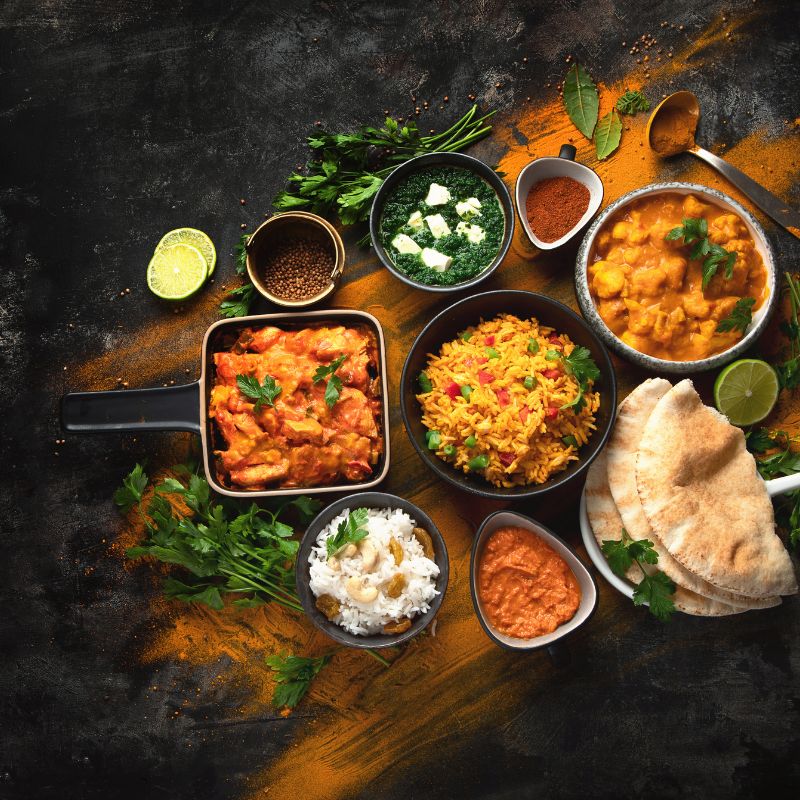
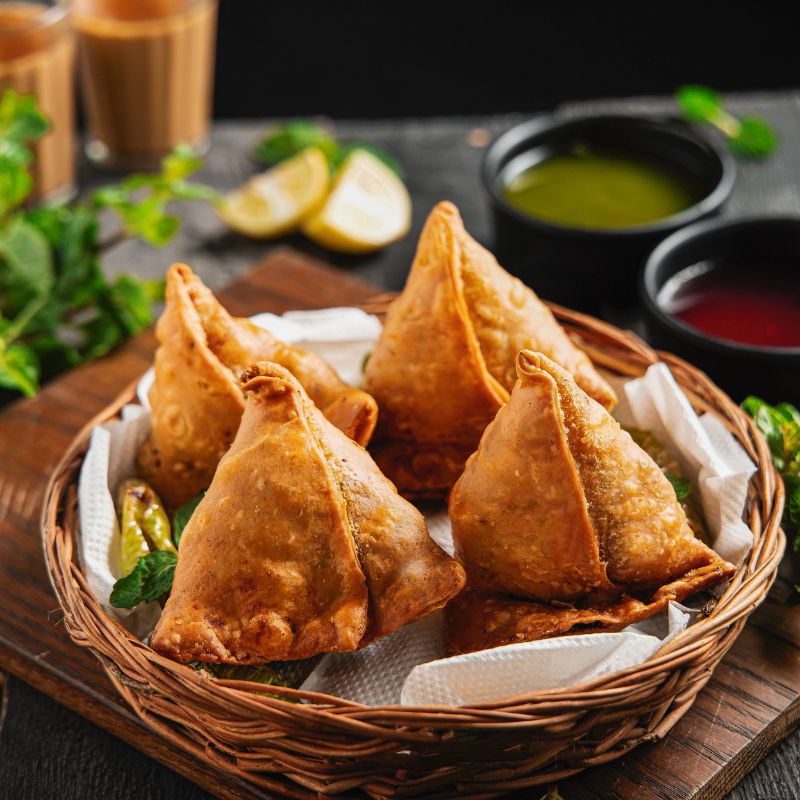
India is one of those rare countries where a change of region can completely change what is on your plate.
Just several hundred kilometres in, the spices are different, the style of cooking varies, the staple food is distinct, and even what you refer to as a celebratory meal can be different. The food in Rajasthan reflects a dry landscape and wise preservation methods. In Lucknow, slow cooking indicates Nawabi elegance. In Kerala, tropical influence and ancient spice trade practices colour the cuisine, while Hyderabadi dishes reflect the Nizams’ kitchen legacies.
For a food lover, this makes India much more than a destination with good restaurants.
It is a country where cuisine can become the reason for the journey itself.
Instead of asking, “What should I see in India?”, a culinary traveller can ask a more interesting question: “What do I want to eat, and where should I go to experience it properly?”
That approach can transform a conventional holiday into a deeply personal culinary journey.
Why Build an India Trip Around Food?
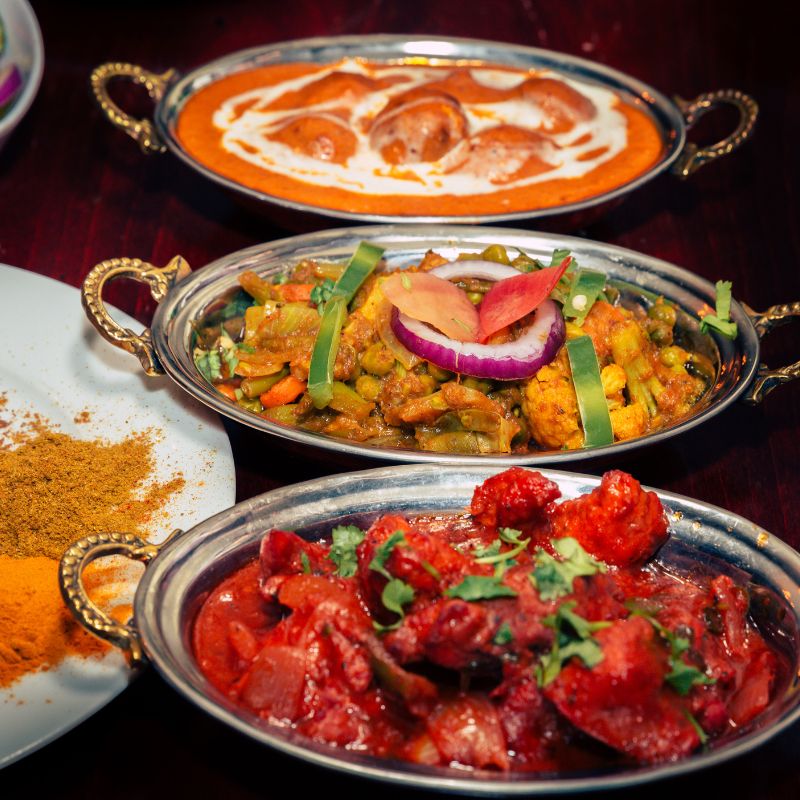
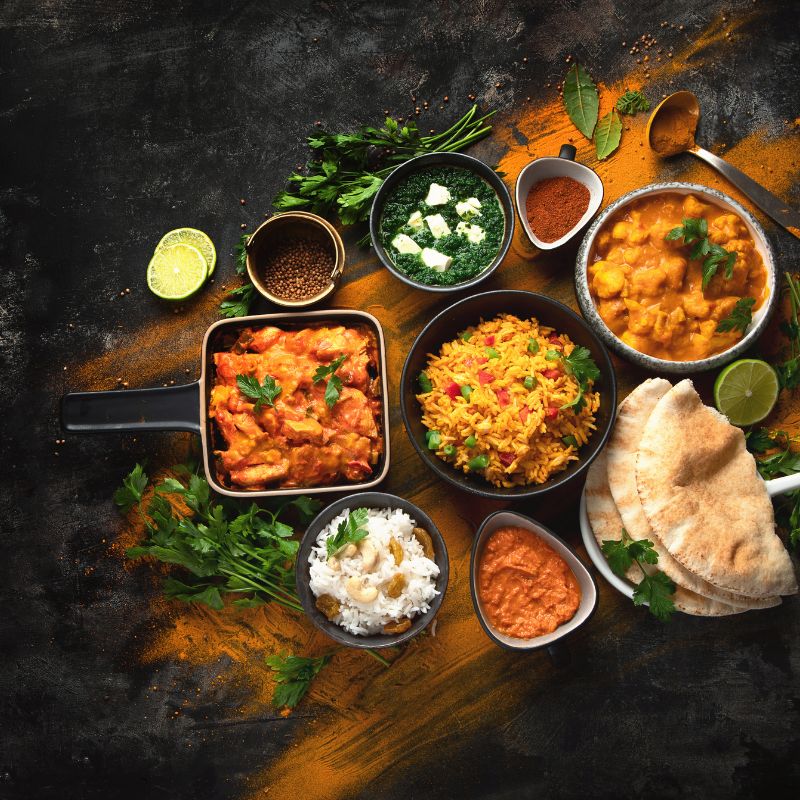
Indian cuisine isn't one dish but a collection of regional food cultures shaped by land, creed, climate, trade, royal houses, and family traditions.
This variety lets you craft a journey through vastly different culinary experiences.
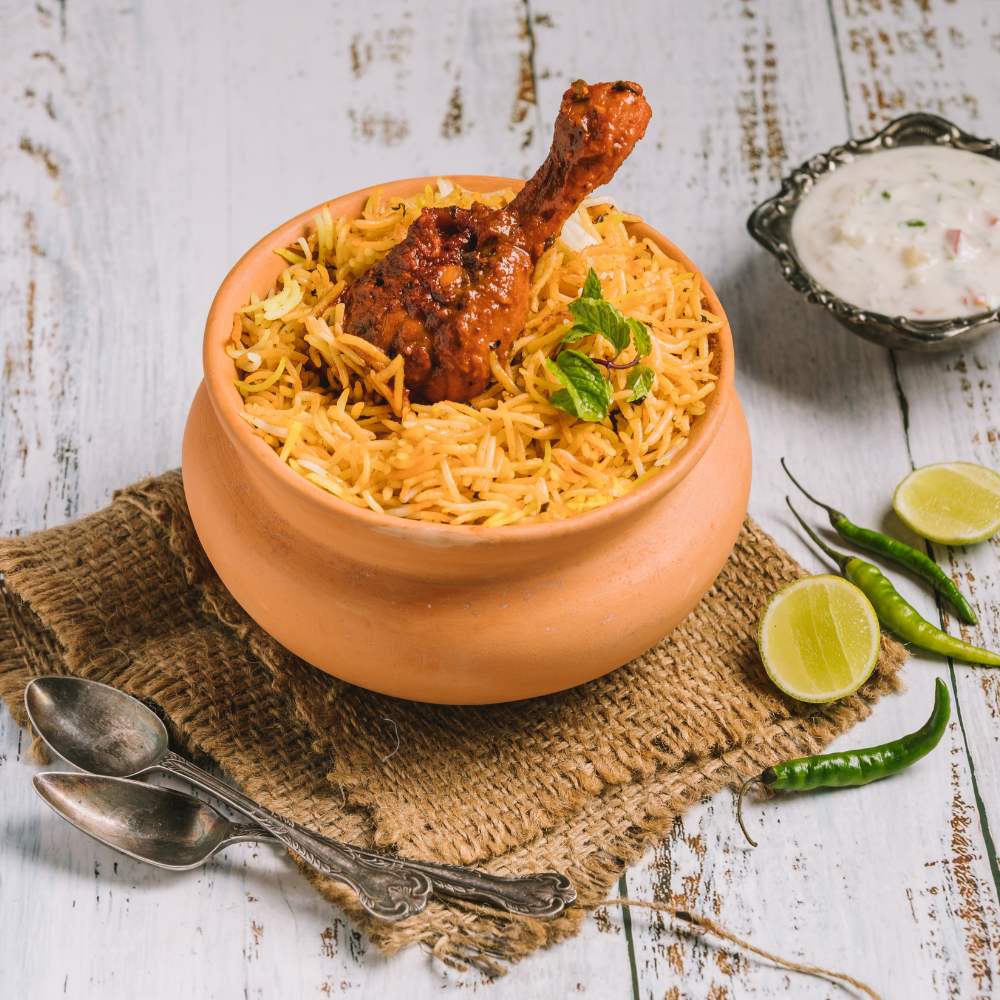
You can start with Mughlai cuisine in Delhi, move to the royal kitchens of Rajasthan, Awadhi cuisine in Lucknow, head south to taste the coastal delicacies of Kerala, and end in Hyderabad, which offers brilliant biryanis and Nizam traditions.
The food should never be seen as something that will be done between two sights of your tour.
Instead, make food part of the itinerary architecture.
Choose destinations because of their cuisine, allow enough time for markets and cooking experiences, and mix refined dining with authentic local food.
Bout India's existing culinary journey across India takes a similar experience-led approach, exploring India’s regional food traditions from royal kitchens to street-food markets.
Delhi: Begin With India’s Culinary Crossroads
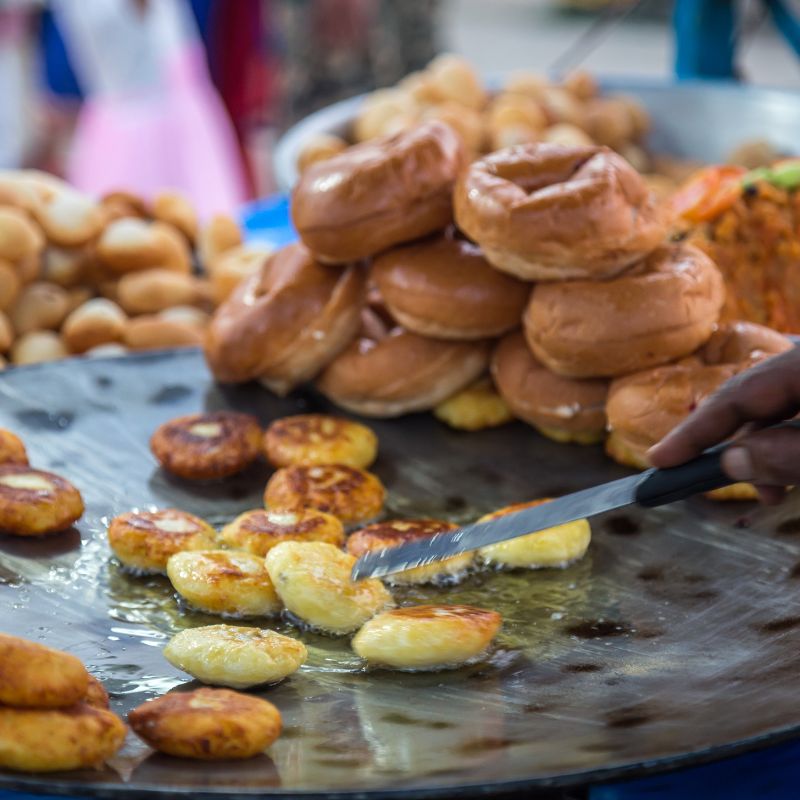
Delhi is an excellent starting point for any food itinerary because its cuisine has absorbed the flavours of centuries of migration, empires, and trade.
Within the city limits, Old Delhi is where the story of Delhi’s cuisine comes alive. In the winding lanes around the Jama Masjid and Chandni Chowk, delicious breads and succulent kebabs, curries and sweets are being conjured up constantly, filling the air with heady scents.
However, Delhi’s food itinerary does not consist solely of street food, though street food plays a hugely important role.
The interplay of time-honoured Mughlai flavours and increasingly prominent contemporary Indian cuisine in Delhi is what makes it so fascinating. An effective culinary tour of Delhi would include a food tour of Old Delhi, contrasted with a sophisticated dining experience, a visit to a specialised spice bazaar, and maybe a private cookery class.
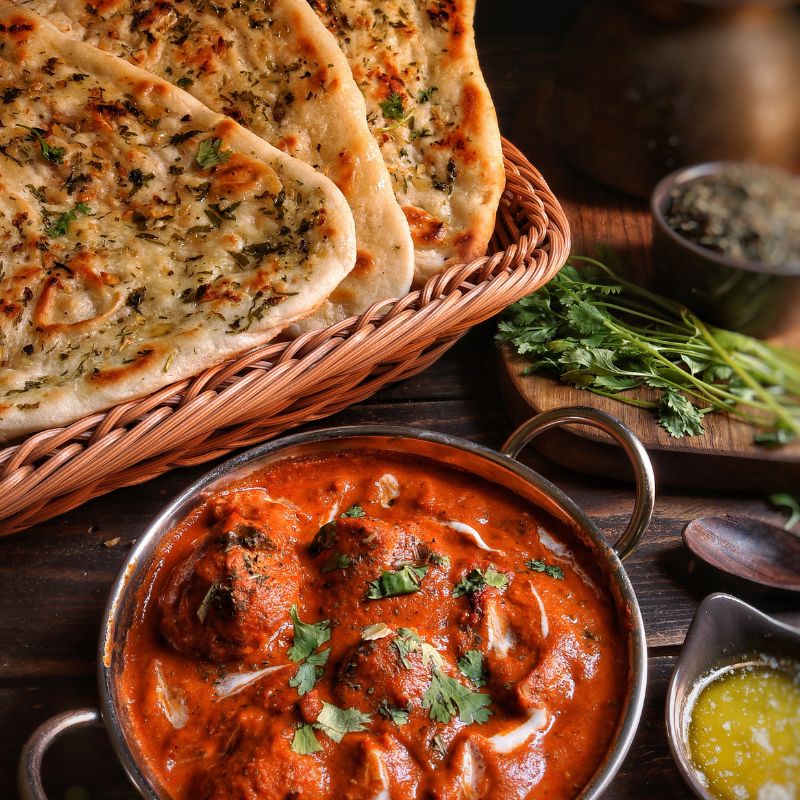
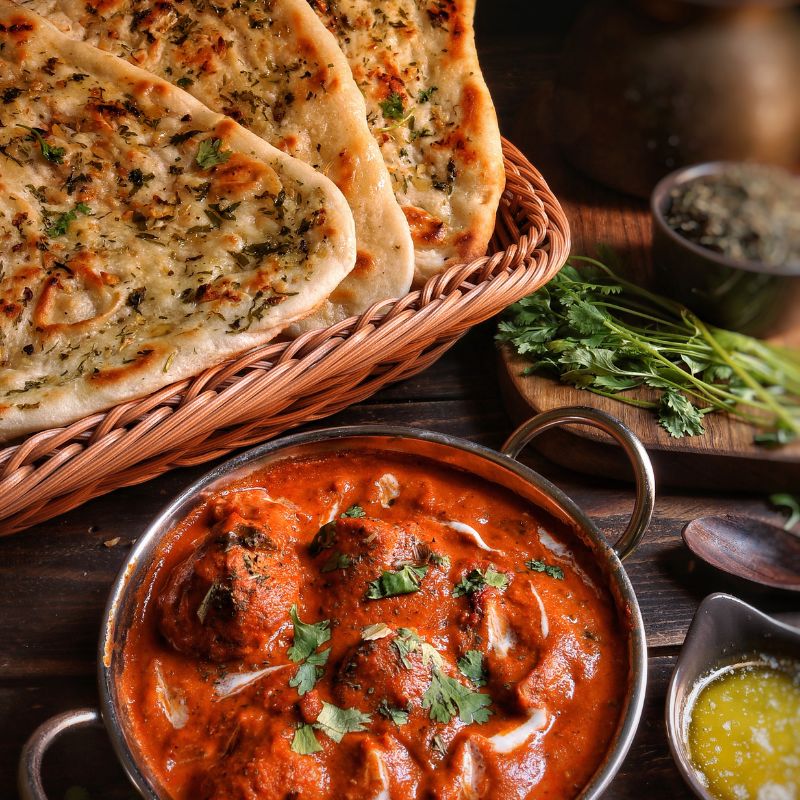
Be sure to try staples such as butter chicken, nihari, kebab, and chole bhature alongside stuffed parathas and heavy Mughlai fare, and also try things that aren't already household names.
The real pleasure is understanding why Delhi tastes the way it does.
How long will it take?
Allow at least two to three nights if food is one of your primary reasons for visiting.
That gives you enough time for both exploration and leisurely meals without turning the trip into a checklist.
Rajasthan: Discover the Food of Royal Kitchens and the Desert
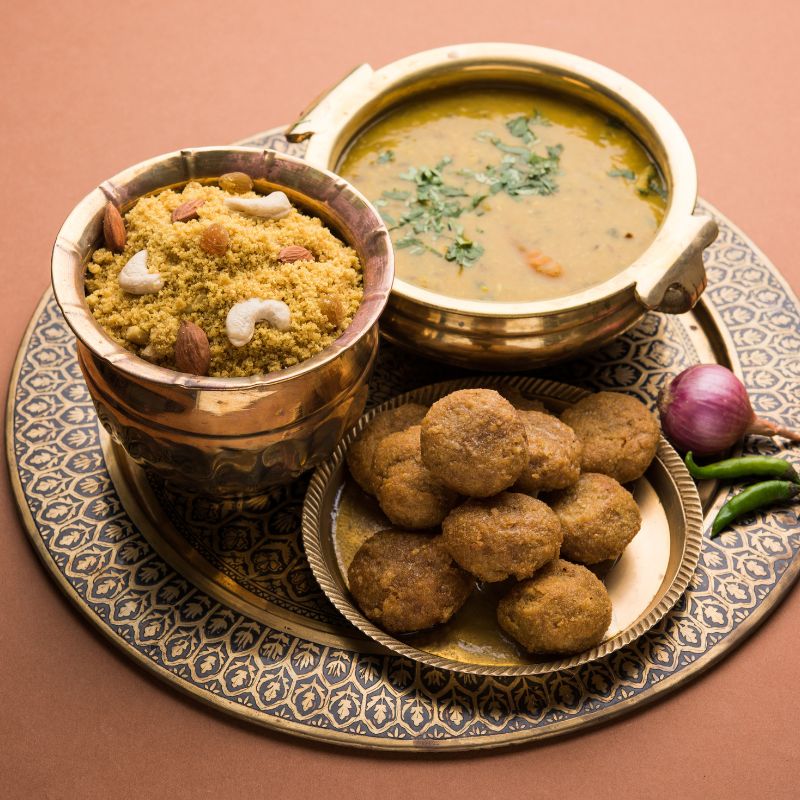
Although Rajasthan is extremely famous for forts and palaces, its food surely deserves equal attention. The state's conditions were severe; lacking natural produce, Rajasthan's cooks developed methods and dishes to preserve food and withstand the desert's extremes. This history is certainly still felt.
Beyond the famous dal baati churma, culinary tourists can feast on gatte ki sabzi, ker sangri, laal maas, bajre ki roti, pyaaz ki kachori, and the region's sweet dishes.
The food of Rajasthan becomes really interesting when it is visualised with the history of royalty in Rajasthan, be it dining at the palaces, personal dining at heritage mansions, or cooking with a local family.
Explore these cities of Rajasthan for a tour that rolls food, architecture, history and hospitality into one journey.
For travellers seeking a more immersive approach, Bout India’s royal and luxury Rajasthan experiences provide additional inspiration.
A food lover’s Rajasthan itinerary
Consider spending time in Jaipur, Jodhpur and Udaipur, with meals and culinary experiences deliberately built into each stop.
The goal is not to eat the same Rajasthani thali three times.
It is to discover how the cuisine changes from one setting to another.
Lucknow: Follow the Flavours of Awadh
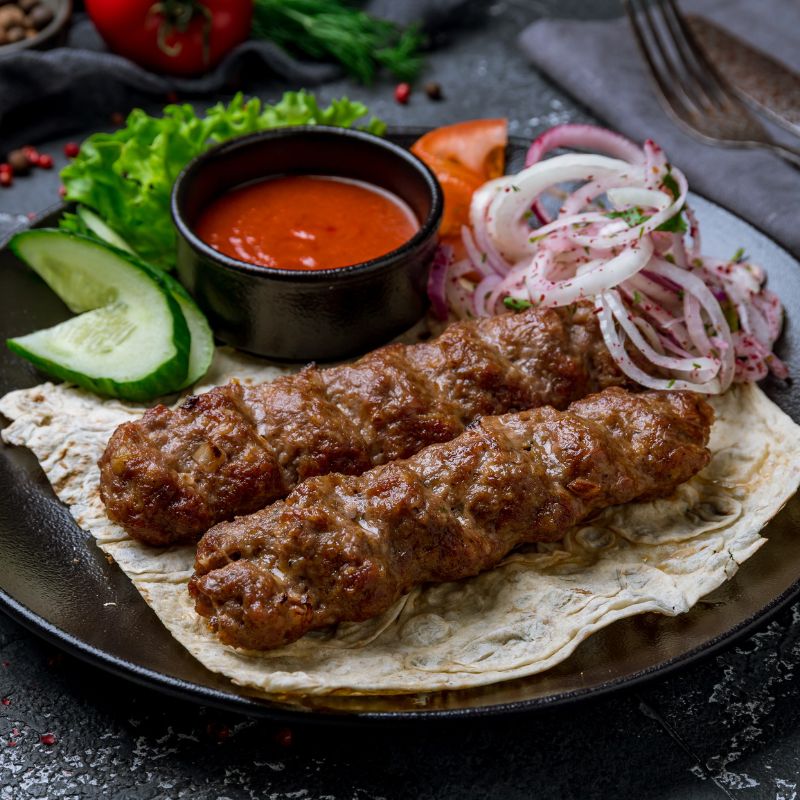
While Rajasthan may welcome you with regal food, Lucknow takes you into the exquisite realm of Awadhi cuisine.
The city is celebrated for its kebabs, biryanis, bread, and slow-cooked recipes, but the real charm of Lucknowi cuisine lies in its cooking methods.
Dum cooking, a process of slow-cooking under a tightly covered vessel, is integral to the city's cuisine.
This is best explored at a leisurely pace; savour the flavours in the old city, frequent age-old eateries, and sample kebabs like galouti and kakori before leaving space for breads, biryanis, and desserts.
A stroll through Chowk can be an exhaustive dining affair altogether, especially with someone explaining how a dish came to be.
The luxury way to experience Lucknow
Rather than simply restaurant-hopping, arrange a private Awadhi dining experience or cooking demonstration.
This creates an opportunity to understand how ingredients, techniques, and recipes developed within Nawabi kitchens.
The difference is subtle but important: you are no longer simply consuming food. You are learning its story.
Hyderabad: Eat Your Way Through Nizami Heritage
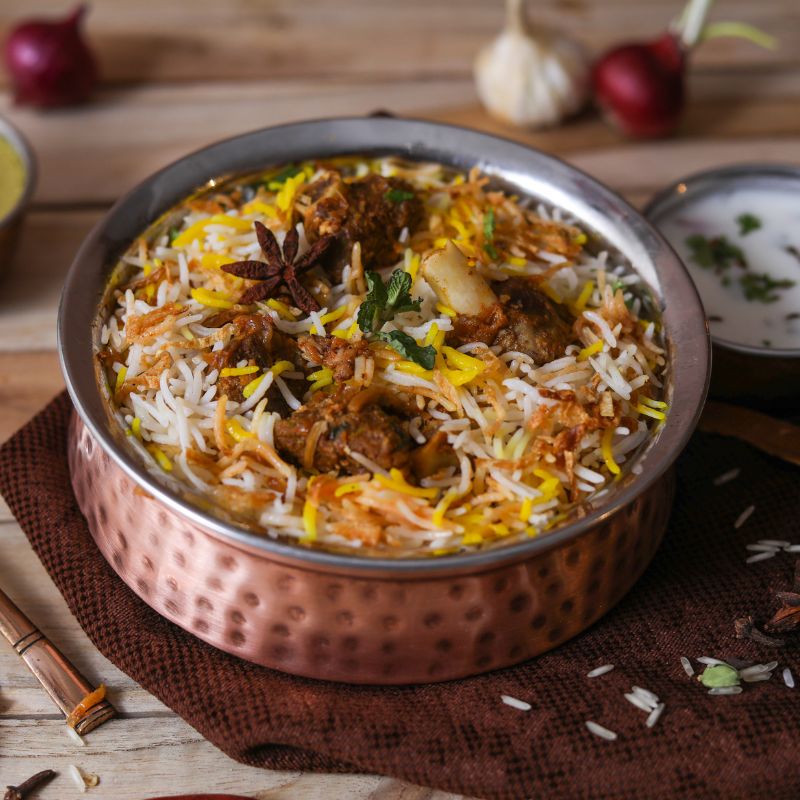
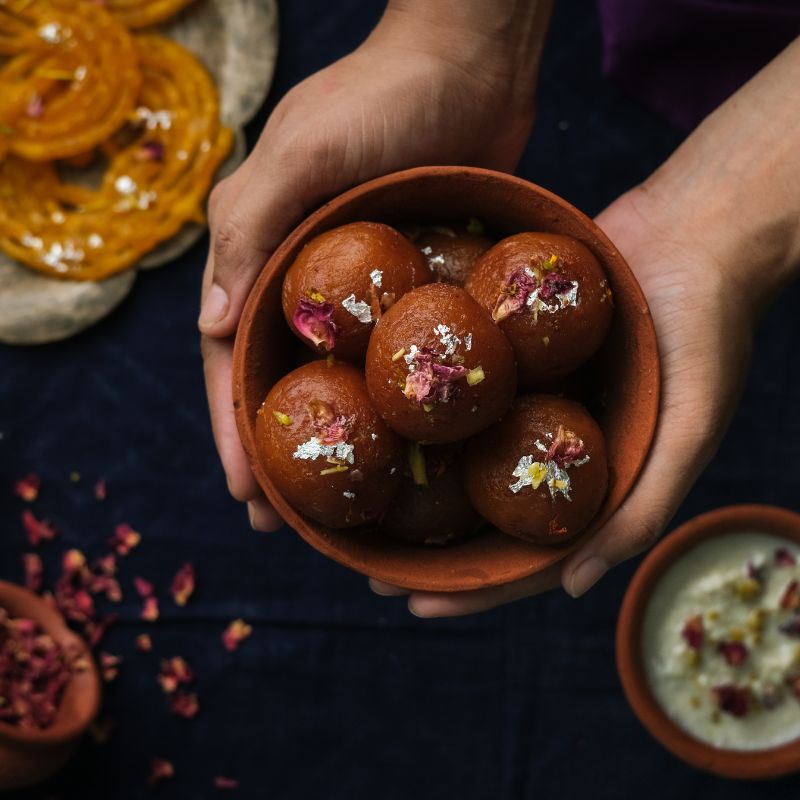
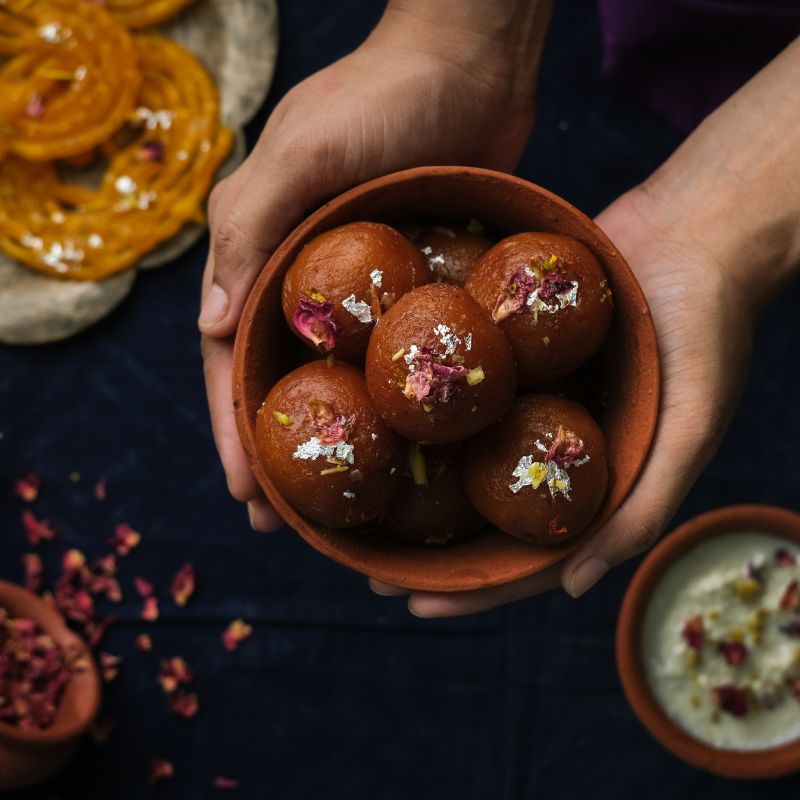
Anyone travelling to India who wishes to trace how royal kitchens have moulded cuisine can hardly do without a trip to Hyderabad. A biryani is a first choice, but you won't get to the heart of the city's culinary persona until you have sampled others. Sample its haleem, mirchi ka salan, kebabs, double ka meetha, and of course, its signature Irani chai.
The environs of Charminar, the city’s historical heart, are a perfectly atmospheric way to begin a journey through its cuisine.
Those interested in blending royal history with food can experience both through heritage dining, spending an evening in a palace where food, architecture and history come together. This is one of the basic tenets of crafting a foodie journey through India:
Choose experiences where the food and the destination tell the same story.
Kerala: Follow India’s Spice Route
Then comes Kerala, and the entire flavour profile changes.
Coconut, curry leaves, black pepper, cardamom, seafood, and rice become central to the culinary experience.
Kerala’s location between the Western Ghats and the Arabian Sea, along with its history of maritime trade, has helped shape a cuisine influenced by both local traditions and centuries of interaction with traders and visitors.
For food lovers, Kerala offers enormous variety.
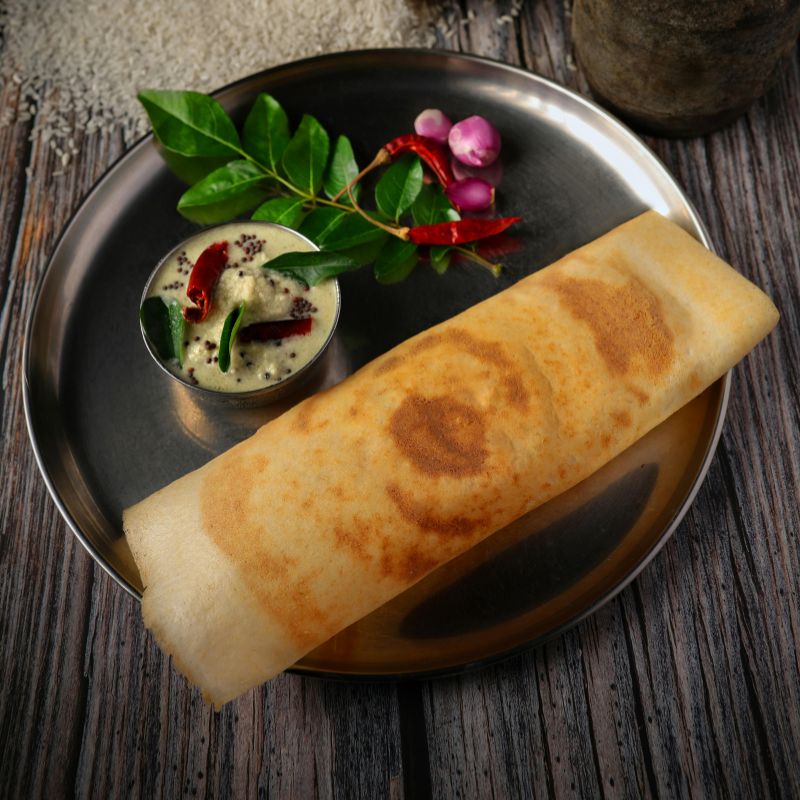
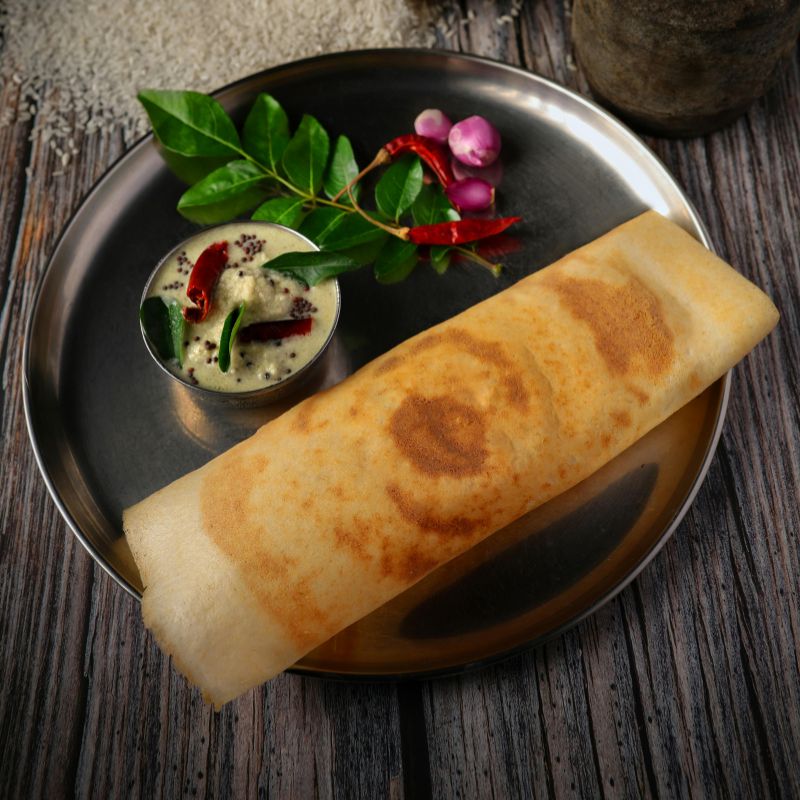
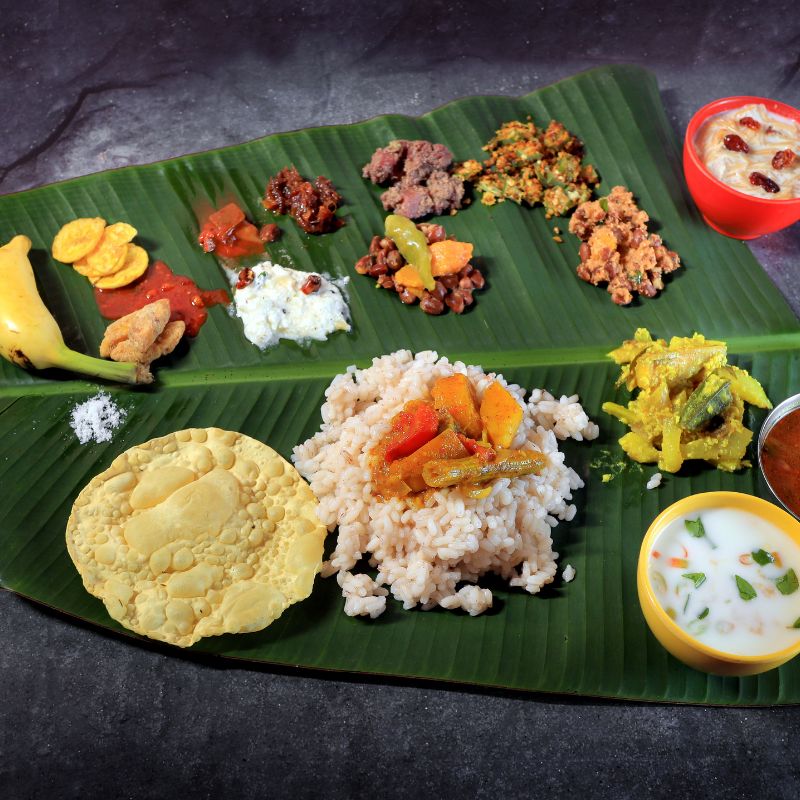
Try appam with stew, karimeen preparations, seafood curries, thoran, avial and the elaborate vegetarian Sadya served on a banana leaf.
But some of the best experiences happen away from formal restaurants.
Visit a spice plantation, learn about pepper and cardamom cultivation, take part in a traditional cooking session, or enjoy freshly prepared seafood aboard a private houseboat.
Bout India Kerala destination experiences can be incorporated into a broader culinary itinerary, while its Splendours of Kerala journey offers inspiration for combining the region’s landscapes and immersive experiences.
The Kerala experience food lovers should not miss
Spend a morning exploring a spice-growing area, followed by a local lunch.
Then finish the day on the backwaters.
Few culinary experiences explain the relationship between landscape and food better.
Don’t Forget the Street Food
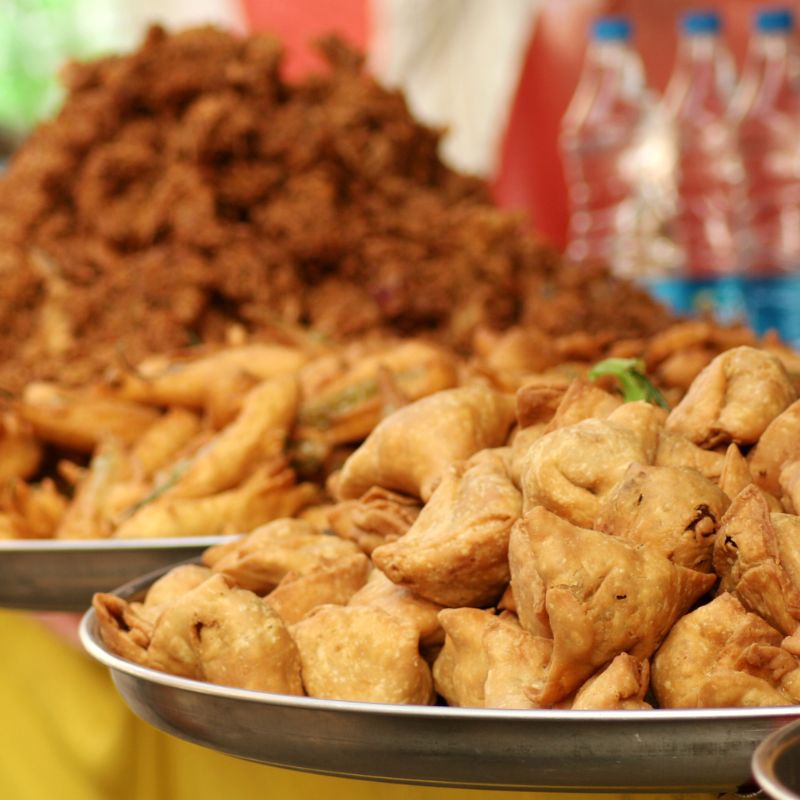
Enjoying a luxury food tour of India is not restricted to restaurants in five-star hotels.
Some of the most delicious and vibrant food experiences will arise from the bustling streets, humble dhabas, and family-run outlets located in residential areas.
The key to street food is an informed choice.
Having an informed guide who will take you to credible, often very busy food stalls, where and what to order, and, most importantly, can enrich it with its social and cultural context, far more than any prescribed list of restaurants you might be trawling online, is essential.
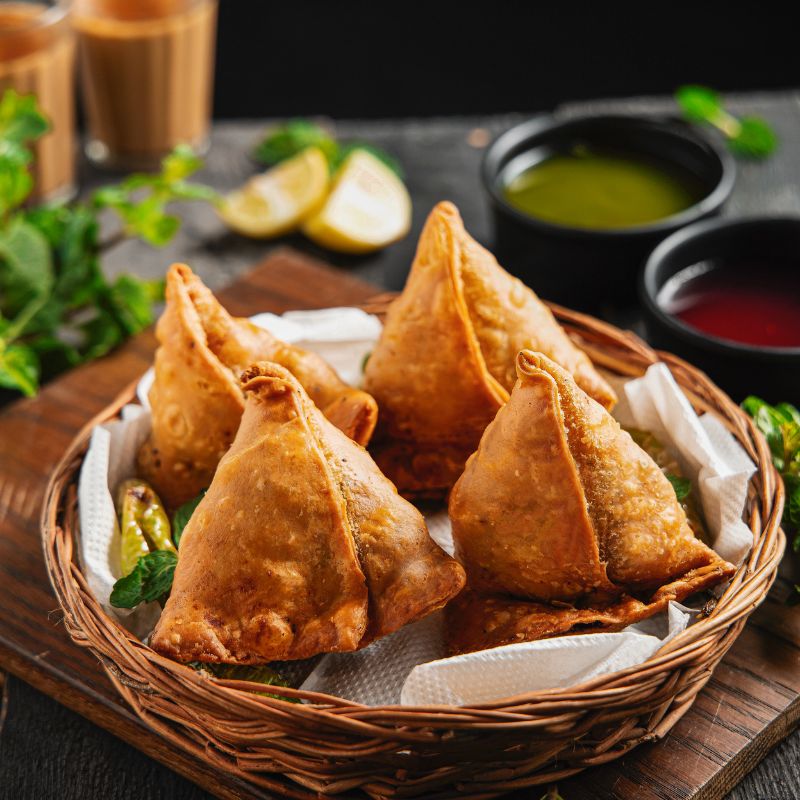
Delhi’s chaat, Jaipur’s kachori, Lucknow’s kebabs, Hyderabad’s Irani chai and Mumbai’s snacks can all become part of the story.
Bout India food and culinary travel content is a useful starting point for travellers interested in exploring India’s food traditions and seasonal specialities.
And if you’re travelling during the monsoon, even seasonal foods can become part of the experience, from pakoras and bhutta to kachoris and chai. Bout India's Indian monsoon food guide explores these seasonal traditions in more detail.
Build the Itinerary Around Flavours, Not Just Cities
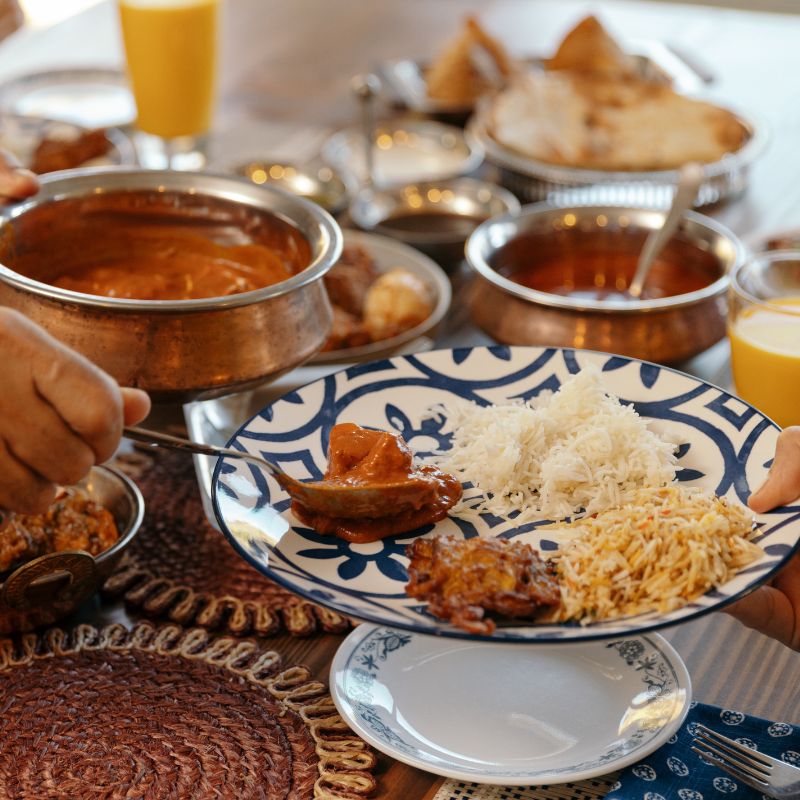
The biggest mistake food-focused travellers make is trying to fit too much into too little time.
India is vast. A culinary journey works best when you accept that you cannot experience every regional cuisine in one trip.
Instead, choose a culinary theme.
Option 1: The Royal Kitchens Journey
Delhi → Jaipur → Jodhpur → Udaipur → Hyderabad
Focus on Mughlai, Rajasthani, and Nizami culinary traditions, combined with palace stays and heritage dining.
Option 2: North to South
Delhi → Agra → Lucknow → Hyderabad → Kerala
This route creates a dramatic progression from North Indian and Awadhi flavours to Deccani and South Indian cuisine.
Option 3: Rajasthan and Kerala
Jaipur → Jodhpur → Udaipur → Kochi → Kerala Backwaters
This is ideal for travellers who want to combine royal cuisine with coastal and spice-driven cooking.
The key is to leave breathing room between food experiences.
A cooking class in the morning followed by a long lunch and an afternoon of sightseeing can be far more enjoyable than three restaurants squeezed into one day.
Add Experiences That Take You Behind the Plate
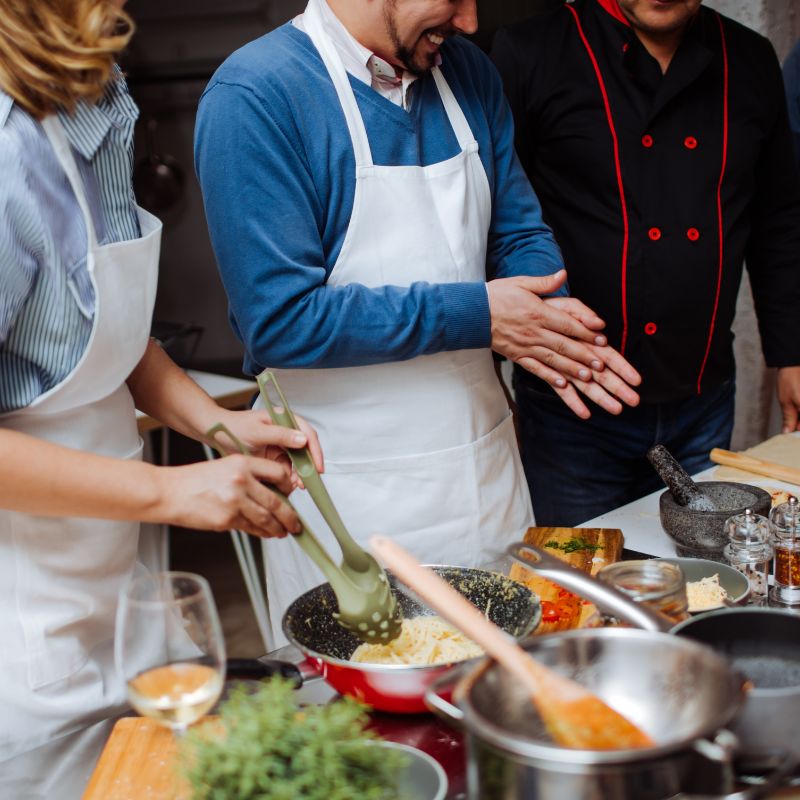
The most memorable culinary journeys usually include experiences beyond eating.
Consider adding:
- A private cooking class
- A visit to a spice plantation
- A guided food walk
- A local market tour
- A private family meal
- A palace dinner
- A regional wine or beverage experience
- An artisan visit connected to traditional food culture
- A visit to a traditional sweet or bread maker
These experiences answer a question that restaurants alone cannot:
Where does this food come from?
That question can lead you into India’s farms, markets, homes, royal histories, and religious traditions.
How to Plan a Luxury Culinary Trip to India
A successful food-focused itinerary needs the same attention as any other luxury journey.
Start by identifying your interests.
Are you fascinated by royal cuisine? Street food? Vegetarian cooking? Spices? Seafood? Regional desserts? Traditional cooking techniques?
Then choose destinations accordingly.
Bout India specialises in completely customised India holidays, allowing travellers to build journeys around specific interests rather than simply selecting a fixed itinerary. The company describes its approach as bespoke travel supported by destination experts and personalised experiences.
This is particularly useful for culinary travel because the best food experiences are often highly specific to a destination and may require advance arrangements.
The Best Way to Taste India Is to Travel Through It
A food-focused journey through India is ultimately a journey through its history.
You taste the desert in Rajasthan’s preserved ingredients. You taste royal refinement in Lucknow. You taste the influence of trade in Kerala’s spices. You taste the Nizams' legacy in Hyderabad. And in Delhi, you encounter layers of culinary traditions that have travelled, adapted, and evolved over centuries.
That is why food deserves more than a place on the itinerary.
It can be the itinerary.
Instead of travelling from monument to monument and stopping for meals along the way, build your journey around the flavours you want to understand. Give yourself time for markets, kitchens, local conversations and long lunches. Combine India’s celebrated luxury hotels with experiences that take you beyond their dining rooms.
Because the most memorable Indian meal is rarely just about what was on the plate.
It is about where you ate it, who prepared it, how it was made, and the story you discovered with every bite.
For travellers ready to turn their love of food into a personalised journey, explore Bout India’s customised India travel experiences and begin building an itinerary where India’s regional cuisine is not an afterthought, but the reason you came.