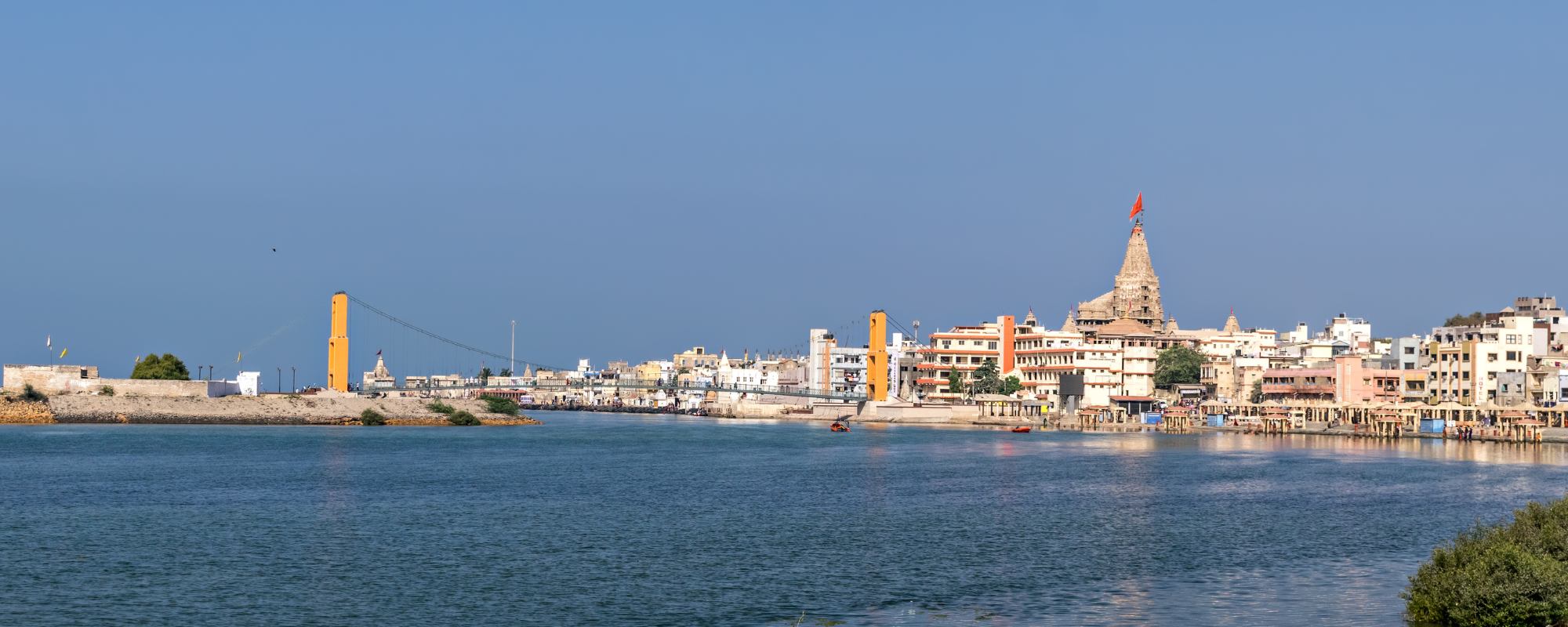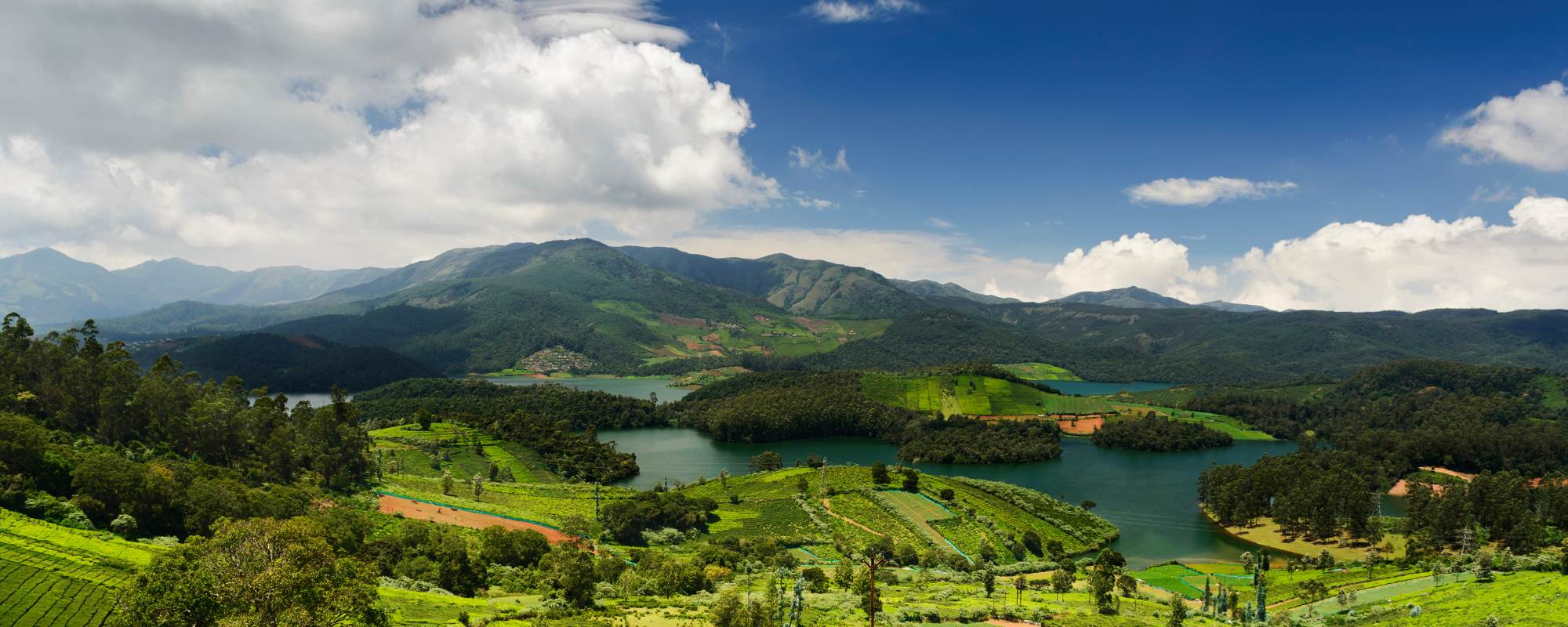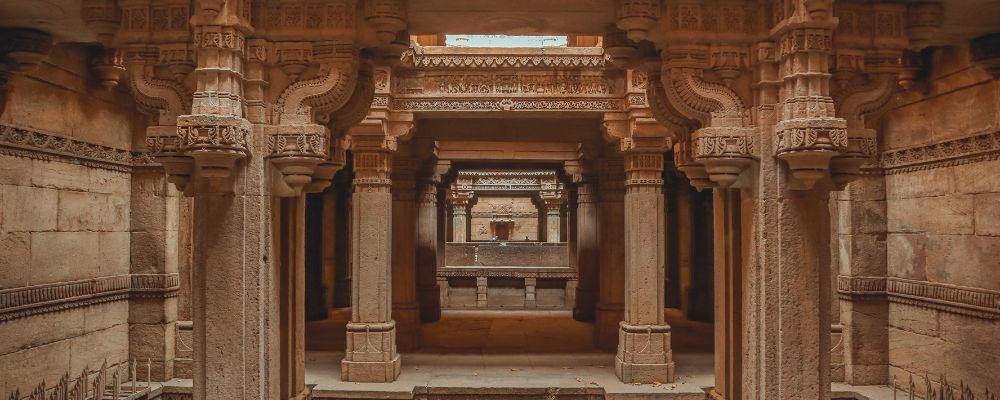
India is home to some of the world’s oldest religious traditions, and nowhere is this continuity more visible than in the temples of South India. Across Tamil Nadu, Karnataka, Andhra Pradesh, Telangana, and Kerala, thousands of temples continue to function as active centers of worship, culture, and community life. Many of these sites are among the oldest temples in India, with histories stretching back more than a thousand years.
For international travelers and cultural enthusiasts, South Indian temples in India offer something rare: ancient monuments that are not relics of the past, but living institutions. Daily rituals, annual festivals, music, dance, and pilgrimage continue much as they did centuries ago. This continuity is what sets the southern temples of India apart from temple traditions elsewhere in the world.
This article provides reliable, well-researched South Indian temples information, explaining why South India is considered the spiritual heartland of Hinduism, how its temples were built, which gods are worshipped, and which temples are considered the most important today.
Why South India Has the Highest Number of Temples in India
South India has more temples than any other region of the country. Tamil Nadu alone has tens of thousands of registered temples, which is why it is often called the temple state of India or the city of temples in India. Cities such as Madurai, Kanchipuram, Thanjavur, and Srirangam are structured entirely around temple complexes.
Several historical factors explain this concentration:
- Long periods of stable rule under temple-supporting dynasties
- Strong traditions of Shaivism and Vaishnavism
- Use of granite and hard stone allows structures to survive for centuries
- Temples acting as economic, educational, and social centers
Because of these factors, many ancient India temples have survived in South India in remarkable condition.
South Indian Temple Architecture: Built for Time
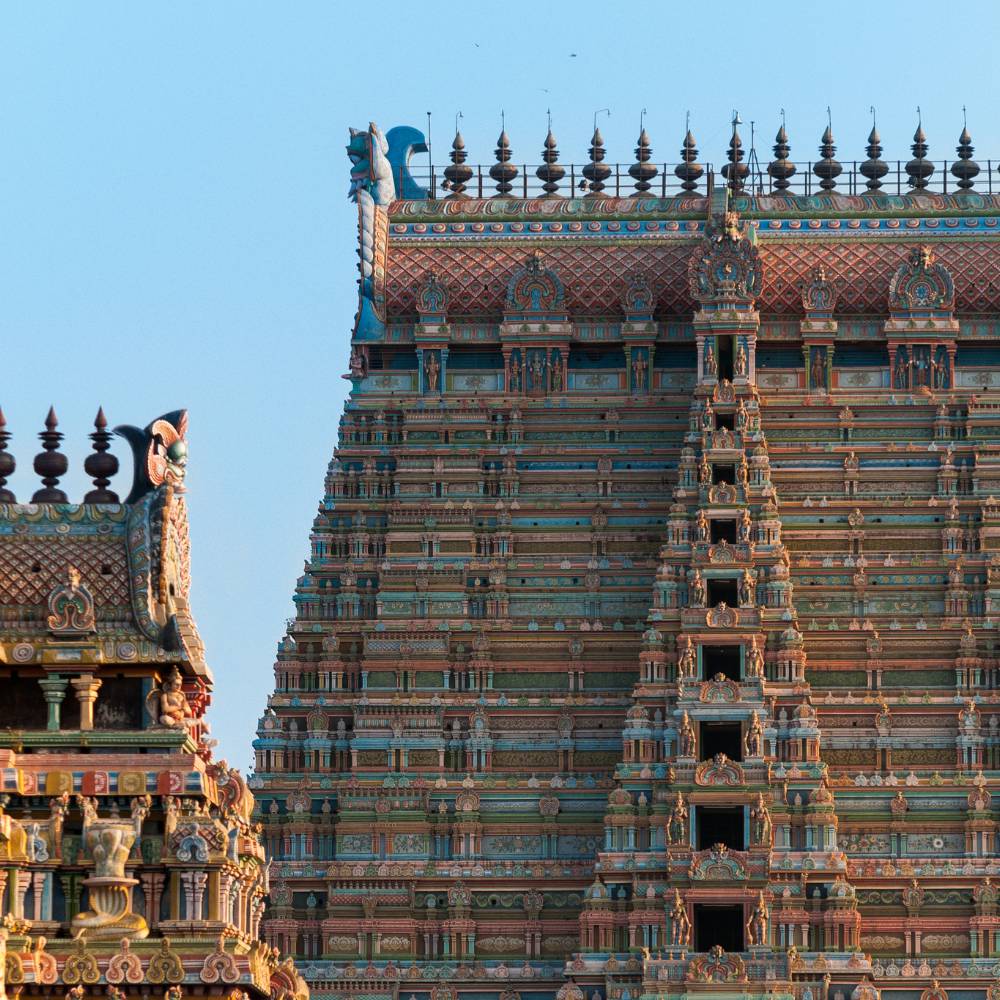
The defining architectural style of South Indian temples is known as Dravidian architecture. This style is immediately recognizable and very different from North Indian temple forms.
Key features include:
- Gopurams: Monumental gateway towers, often taller than the sanctum itself
- Vimana: The tower above the main deity’s shrine
- Mandapams: Pillared halls used for rituals, assemblies, and festivals
- Temple tanks: Sacred water bodies used for ritual purification
- Axial planning: Temples aligned with cosmic and cardinal directions
These structures were not only religious spaces but also scientific achievements. Builders used principles of geometry, acoustics, drainage, and astronomy. This is why South Indian temple architecture remains a subject of academic study worldwide.
South India Gods and Worship Traditions
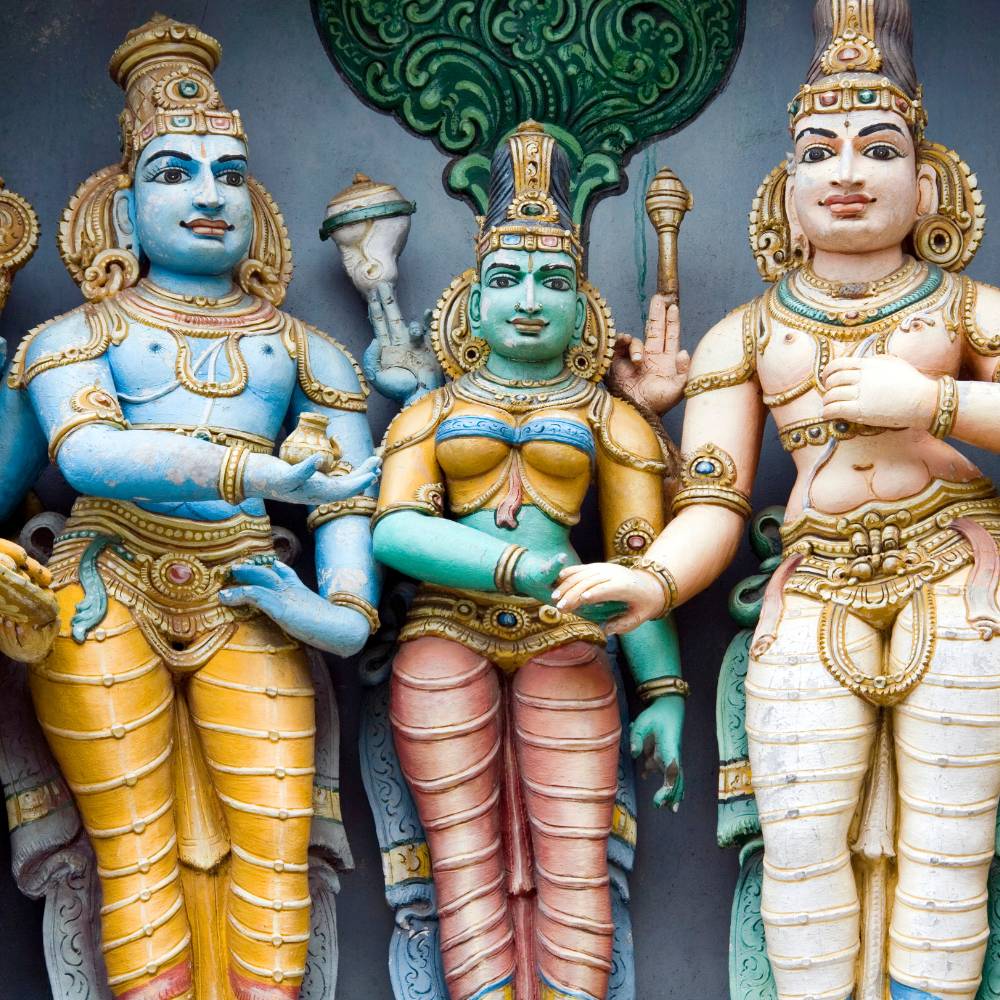
South India reflects a balanced and inclusive form of Hindu worship. The primary South India gods worshipped include:
- Lord Shiva is especially prominent in Tamil Nadu and Karnataka
- Lord Vishnu, central to Vaishnavite traditions in Tamil Nadu, Andhra Pradesh, and Kerala
- Goddess Shakti, worshipped as Meenakshi, Kamakshi, Durga, and other forms
- Local village deities, deeply connected to regional identity
This diversity makes Hindu temples in India, particularly in the south, philosophically rich and socially inclusive.
Tamil Nadu: The Core of Ancient Indian Temples
Tamil Nadu contains many of the most important temples in India and is often regarded as the heart of South India Tamil Nadu temple culture.
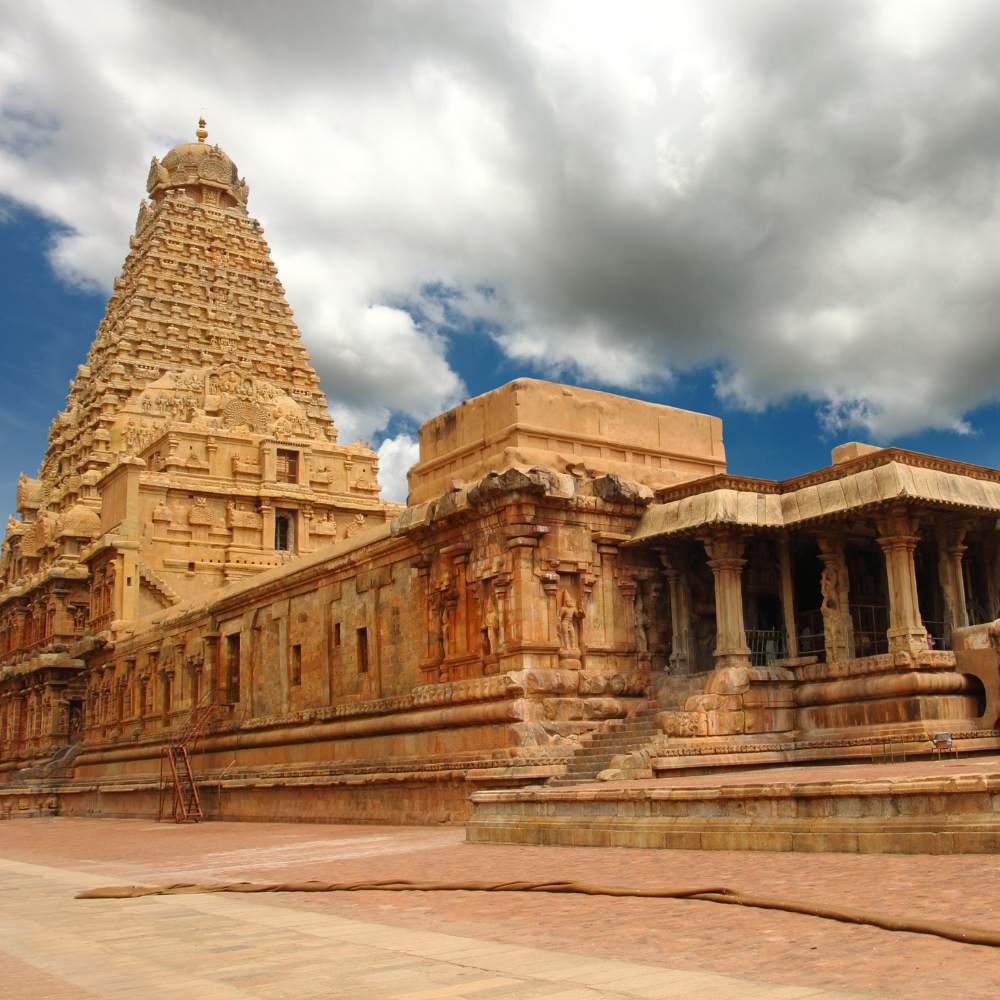
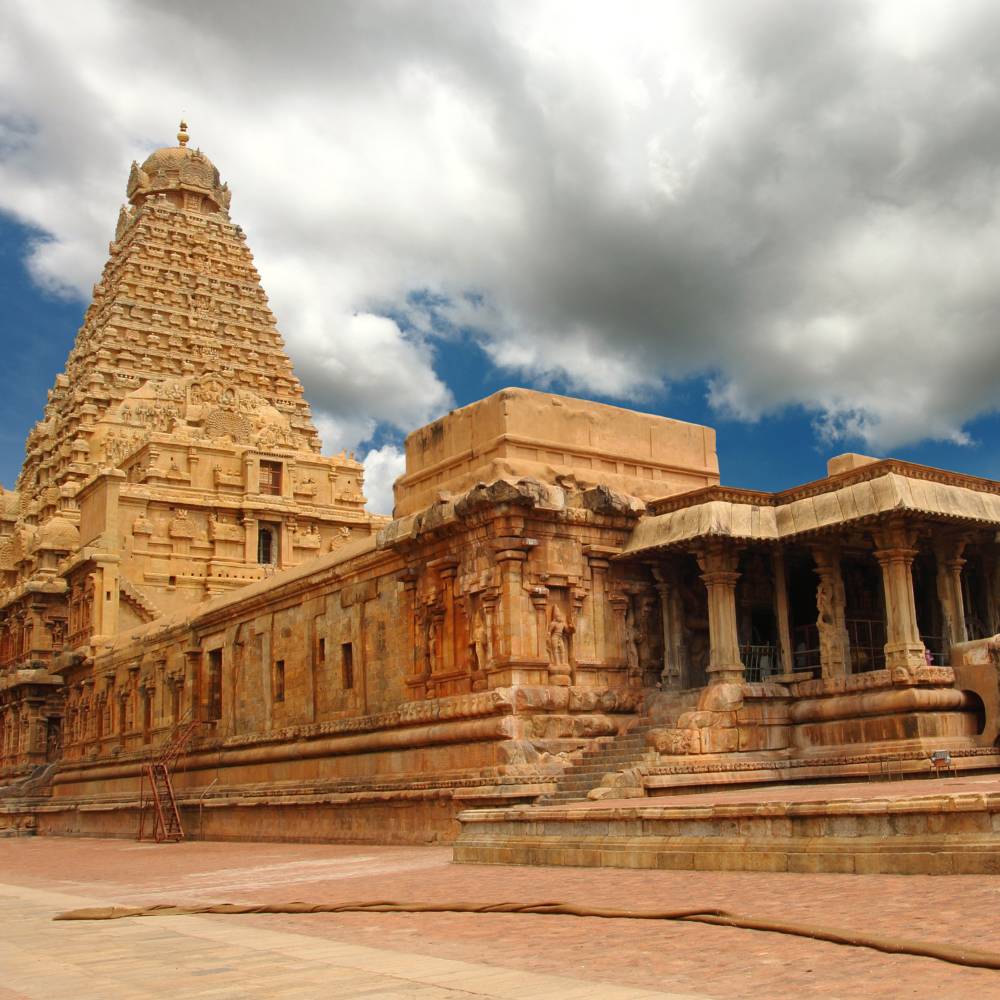
Brihadeeswarar Temple, Thanjavur
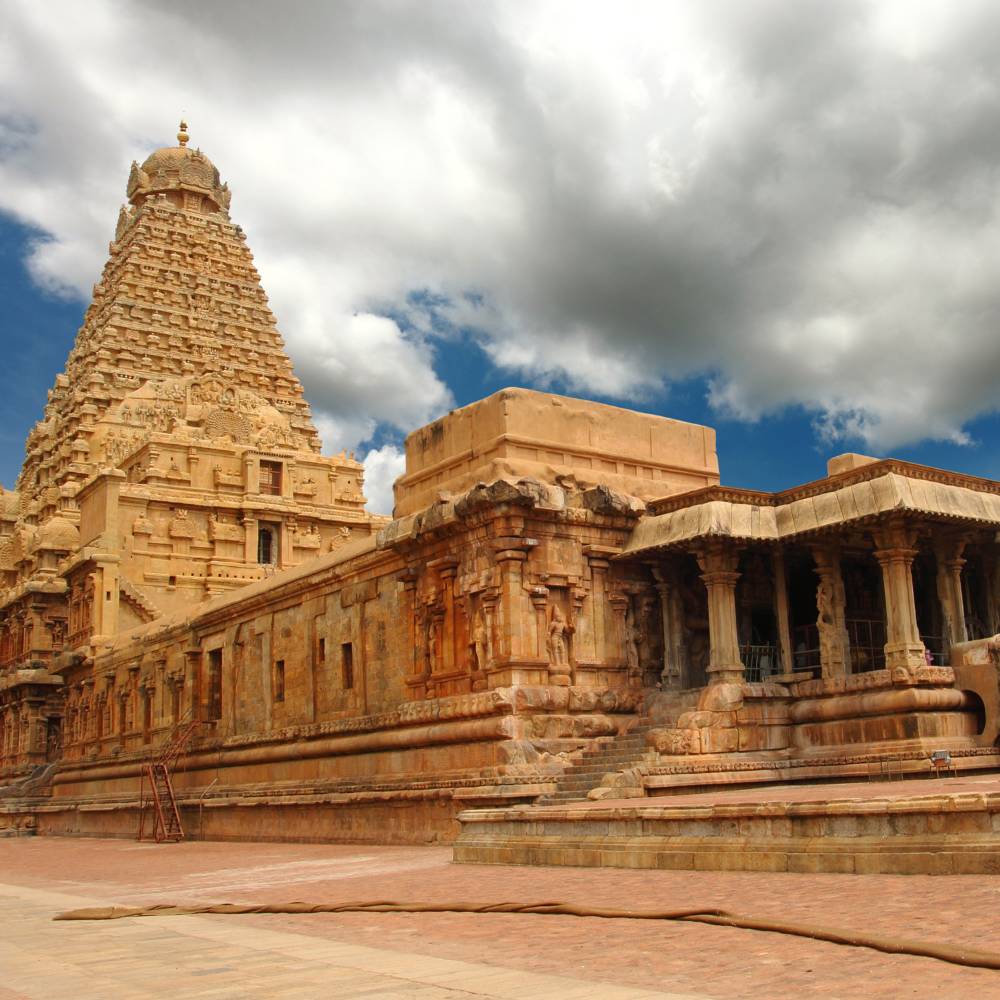
The Brihadeeswarar Temple, also known as the Big Temple of Thanjavur, is one of the most extraordinary examples of ancient temple construction in the world. Built in 1010 CE by the Chola emperor Raja Raja Chola I, this temple is often referenced when discussing the biggest temple in India and is officially recognized as a UNESCO World Heritage Site under the “Great Living Chola Temples.”
Historical inscriptions found on the temple walls provide rare, reliable records of:
- Land grants
- Temple administration
- Salaries of priests, dancers, and musicians
- Donations made by merchants and kings
These inscriptions make the temple one of the most important sources of South Indian historical documentation, reinforcing its value beyond its religious significance.
Meenakshi Amman Temple, Madurai
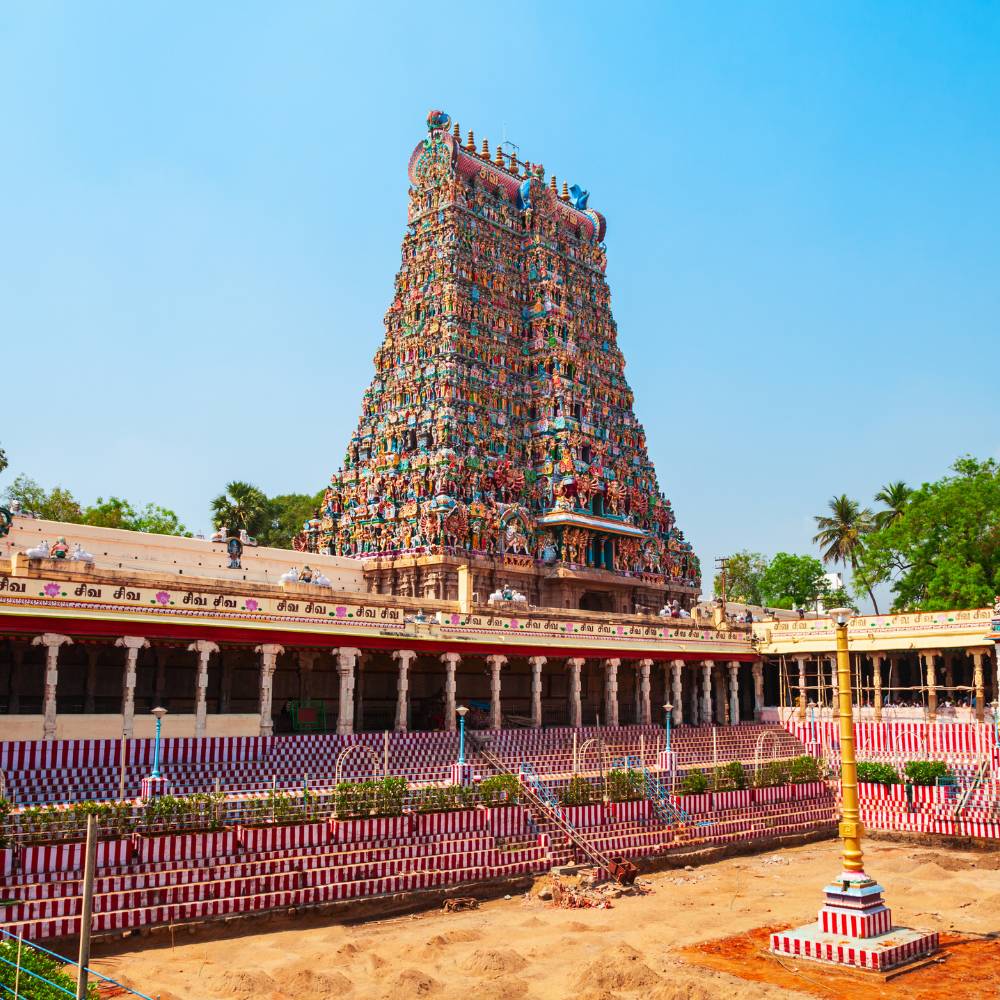
The Meenakshi Amman Temple in Madurai is one of the most iconic South Indian temples in India and a defining landmark of Tamil Nadu. The city of Madurai itself is often described as a city of temples in India, with this temple at its spiritual and geographic center.
Dedicated to Goddess Meenakshi (a form of Parvati) and Lord Sundareswarar (Shiva), the temple is unique because the goddess is the primary deity, a relatively rare feature among famous Hindu temples. The present structure largely dates from the 16th–17th centuries, built under the Nayak rulers, though the site has been a place of worship for much longer.
Architecturally, the temple is famous for its:
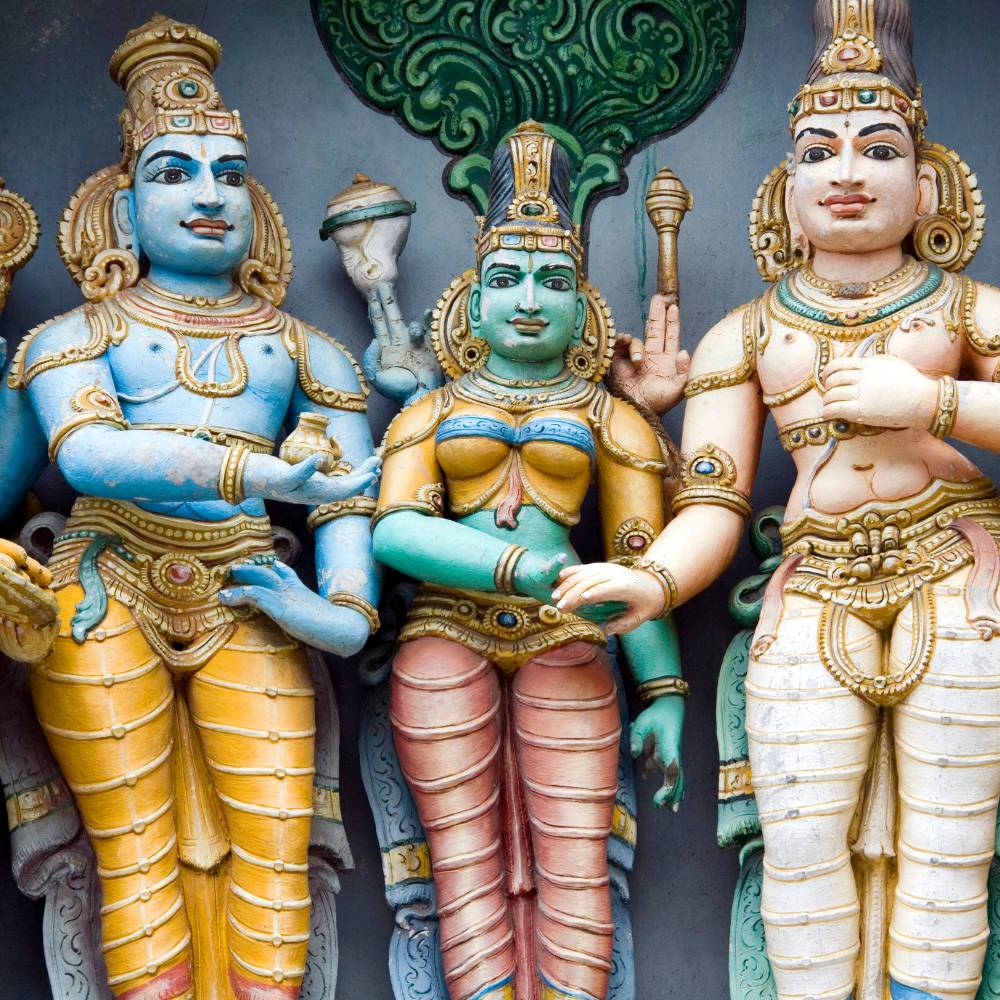
- Towering gopurams covered in thousands of colorful sculptures
- The Thousand Pillar Hall, showcasing sculptural and geometric precision
- Sacred temple tanks used for rituals
Ramanathaswamy Temple, Rameswaram
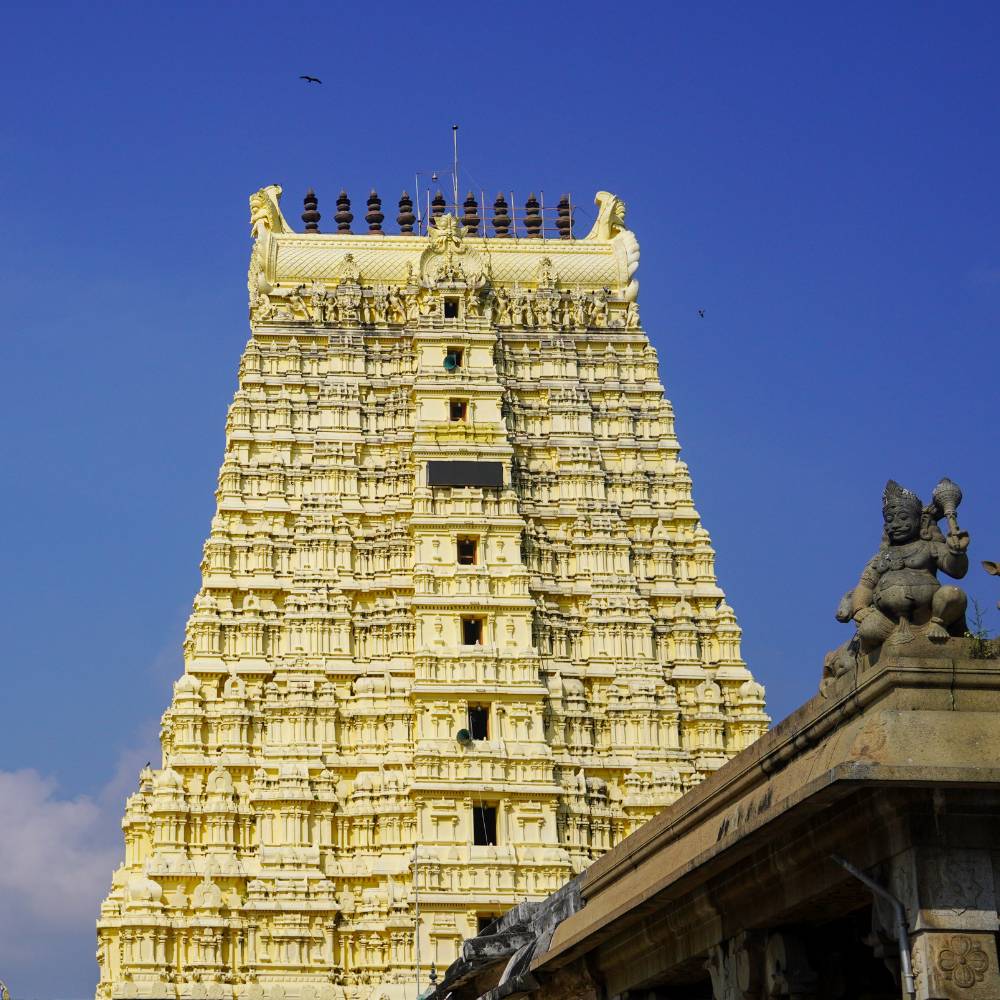
The Ramanathaswamy Temple at Rameswaram is one of the most important temples in India and holds exceptional significance among South Indian temples. Dedicated to Lord Shiva, it is one of the 12 Jyotirlinga temples, making it a major pilgrimage site for Hindus worldwide.
Geographically, the temple is located on Pamban Island, close to the southern tip of India, and is closely linked to the epic Ramayana. According to tradition, Lord Rama worshipped Shiva here before crossing to Lanka, which elevates the temple’s importance among both Shaivite and Vaishnavite devotees.
Architecturally, the temple is best known for its:
- Longest temple corridors in the world, stretching over 1,200 meters
- Tall granite pillars with precise symmetry
- Sacred water bodies, including 22 holy wells used for ritual bathing
The Ramanathaswamy Temple is also part of the Char Dham pilgrimage circuit, placing it among the most sacred temples of India. As an active place of worship with daily rituals, it stands as a powerful example of how ancient temples in India continue to function in modern times.
Read Also: Top 10 Tourist Places in Ooty for a Scenic Holiday
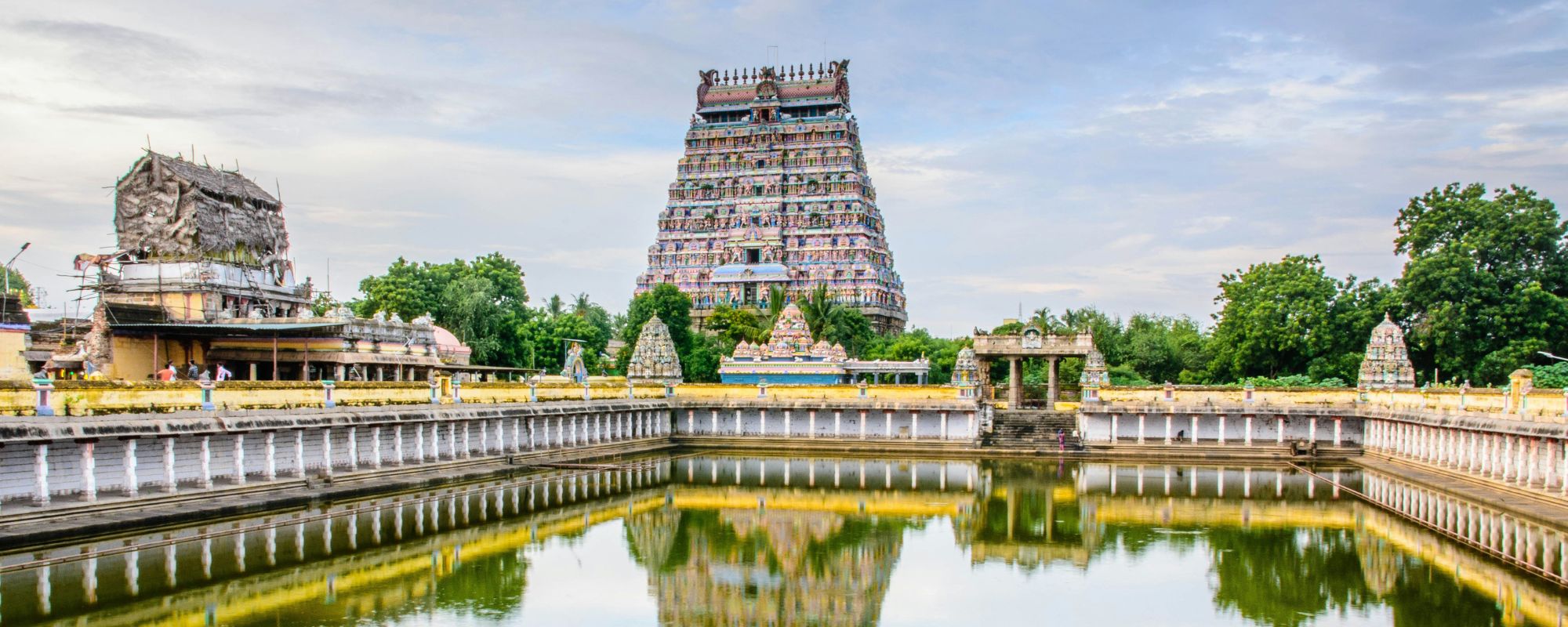
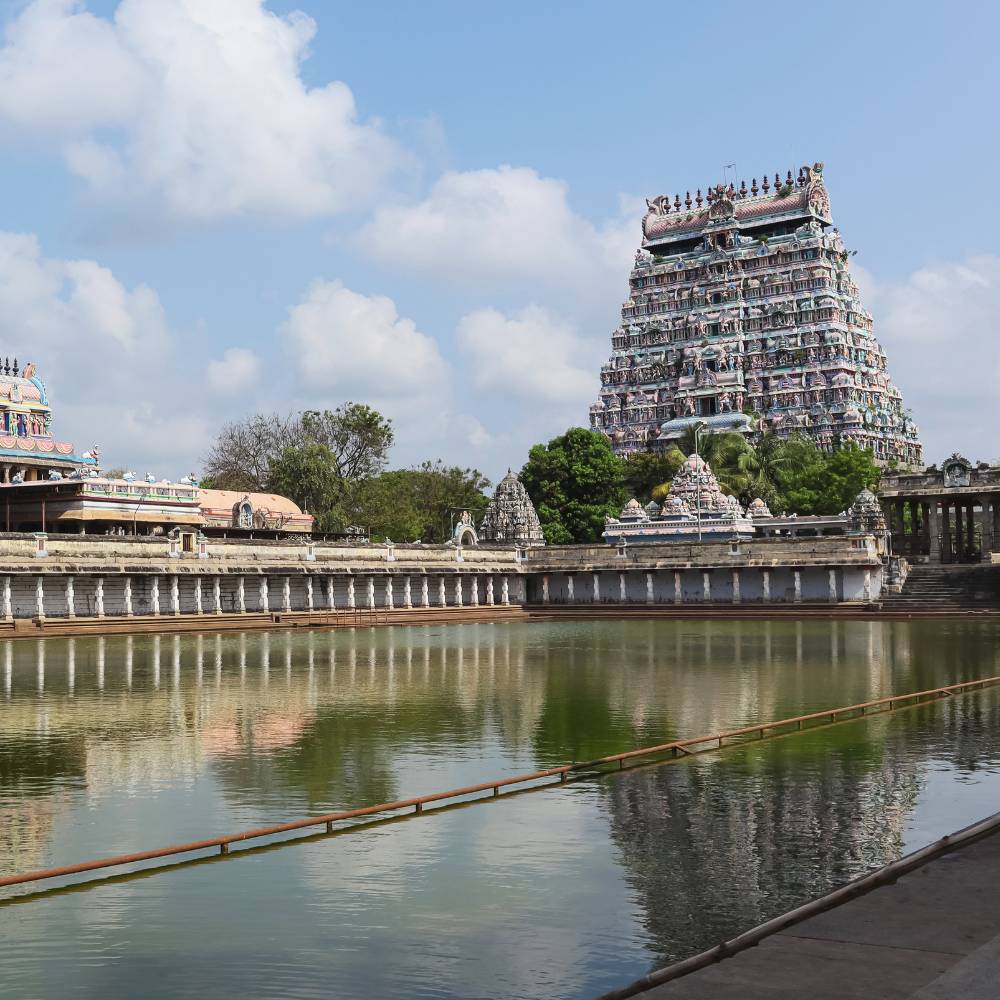
Chidambaram Nataraja Temple
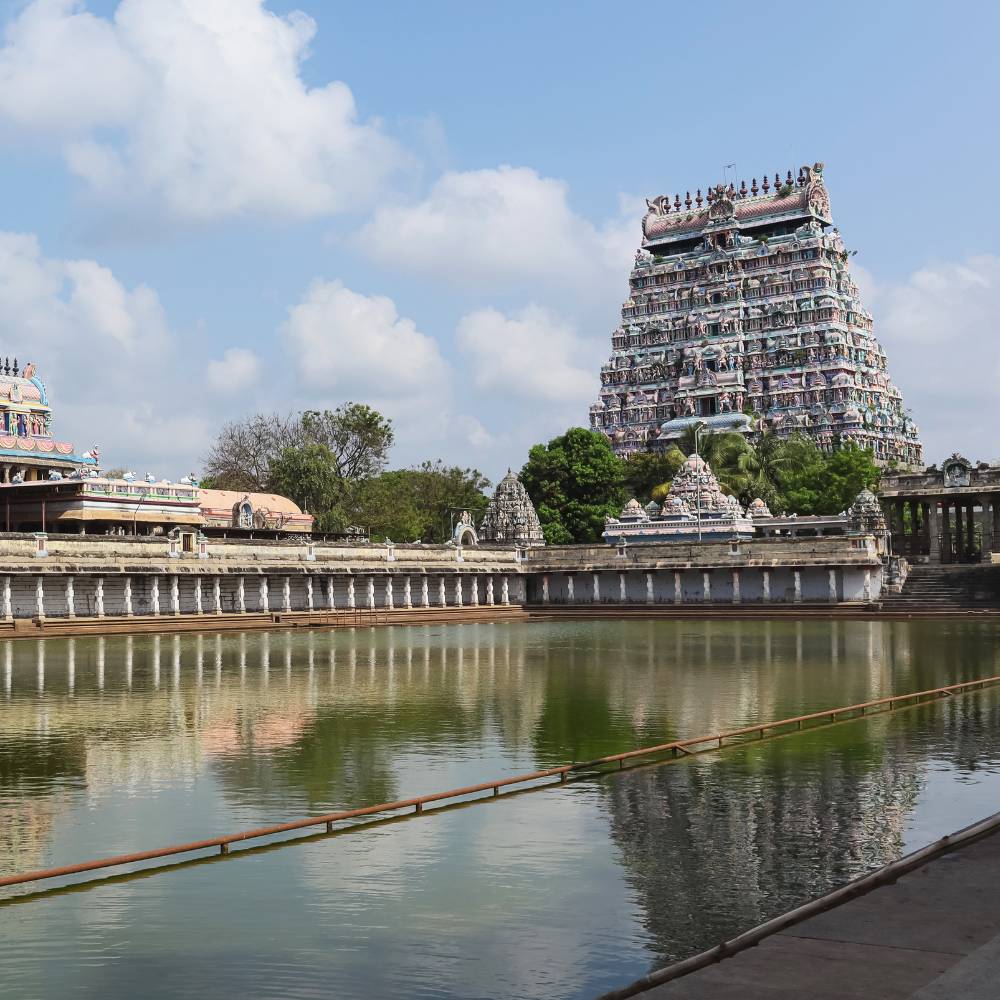
The Chidambaram Nataraja Temple is one of the most philosophically significant South Indian temples and among the oldest temples in South India. Dedicated to Lord Shiva in his form as Nataraja, the cosmic dancer, the temple represents the idea of creation, preservation, and destruction through movement.
Unlike most Hindu temples in India, Chidambaram emphasizes the formless divine. The temple is famous for the Chidambara Rahasyam, meaning “the secret of Chidambaram,” symbolized by a space behind a curtain, representing the universe and consciousness rather than a physical idol.
Architecturally, the temple blends:
- Dravidian temple design with symbolic elements
- A gold-plated roof over the sanctum
- Multiple halls associated with classical dance traditions
Chidambaram is closely linked to Bharatanatyam, one of India’s oldest classical dance forms, and continues to host the Natyanjali festival, where dancers perform as an offering to Shiva. This temple stands out among ancient temples in India for seamlessly combining spirituality, philosophy, science, and art.
Karnataka: Sculpture and Innovation
Karnataka is renowned for artistic detail and narrative sculpture.
Virupaksha Temple, Hampi
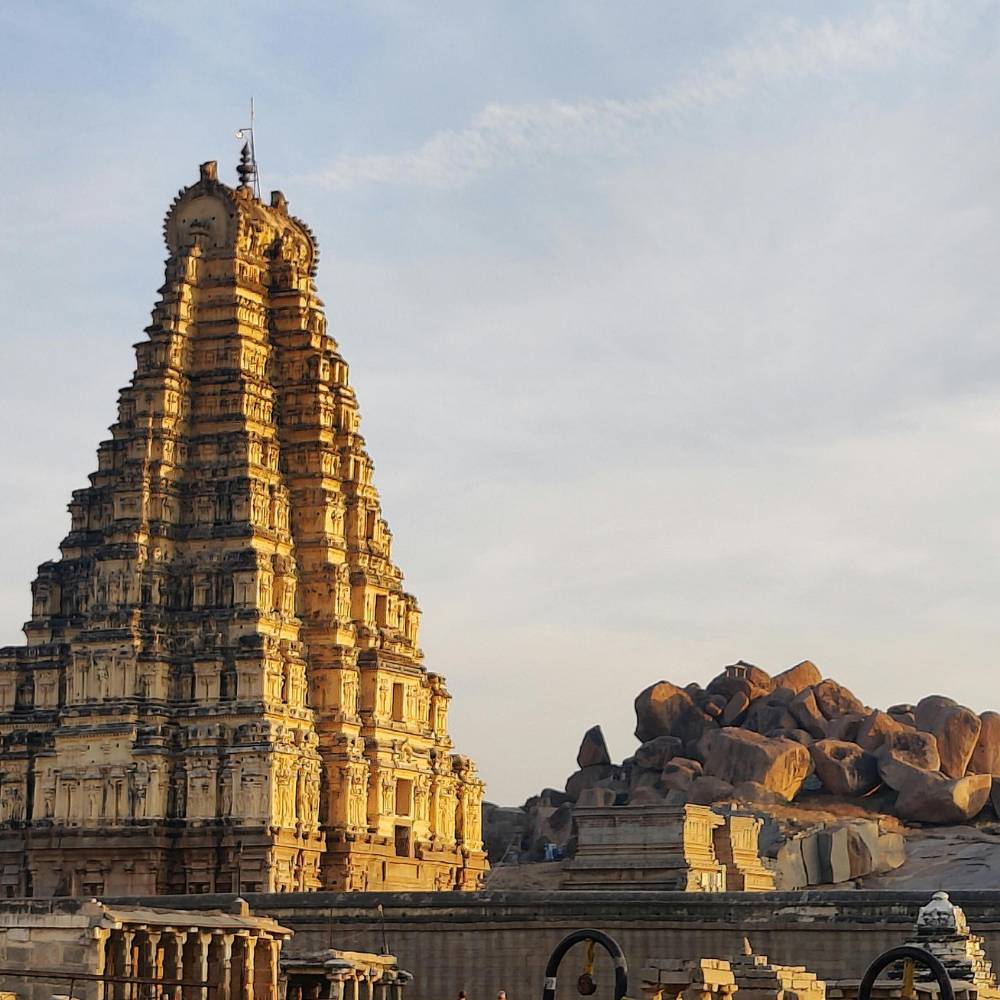
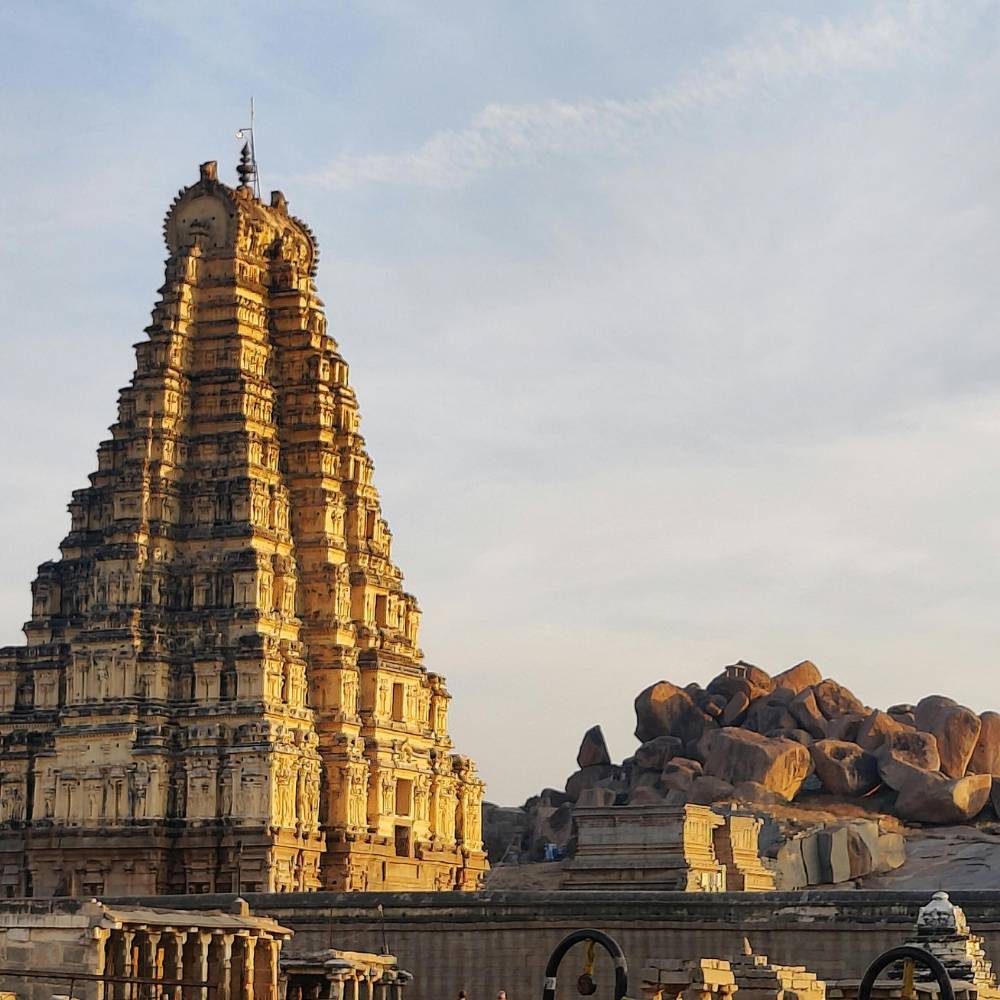
The Virupaksha Temple in Hampi is one of the oldest continuously functioning Hindu temples in India and a major landmark among South Indian temples. Dedicated to Lord Shiva as Virupaksha, the temple predates the Vijayanagara Empire and later became its ceremonial and religious center.
Located on the banks of the Tungabhadra River, the temple is part of the UNESCO World Heritage Site of Hampi. While much of the surrounding city lies in ruins, the Virupaksha Temple remains an active place of worship, highlighting the living nature of ancient temples in India.
Key features of the temple include:
- A towering nine-storey gopuram that dominates the Hampi skyline
- Spacious pillared halls built during the Vijayanagara period
- Precise axial alignment and natural light play within the sanctum
The temple has witnessed uninterrupted rituals for over a thousand years, making it one of the most important temples in South India, both historically and spiritually. For visitors exploring famous temples in South India, Virupaksha offers a rare combination of archaeological heritage and living faith.
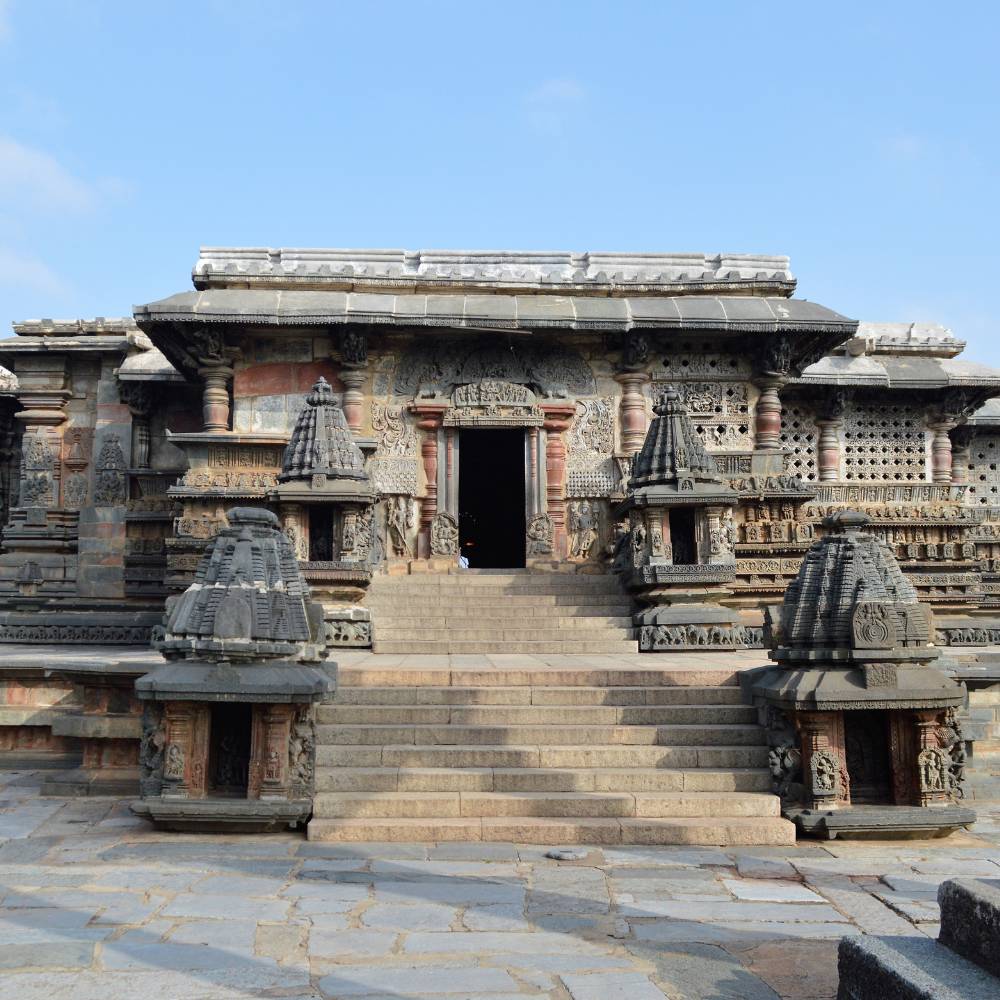
Chennakeshava Temple, Belur
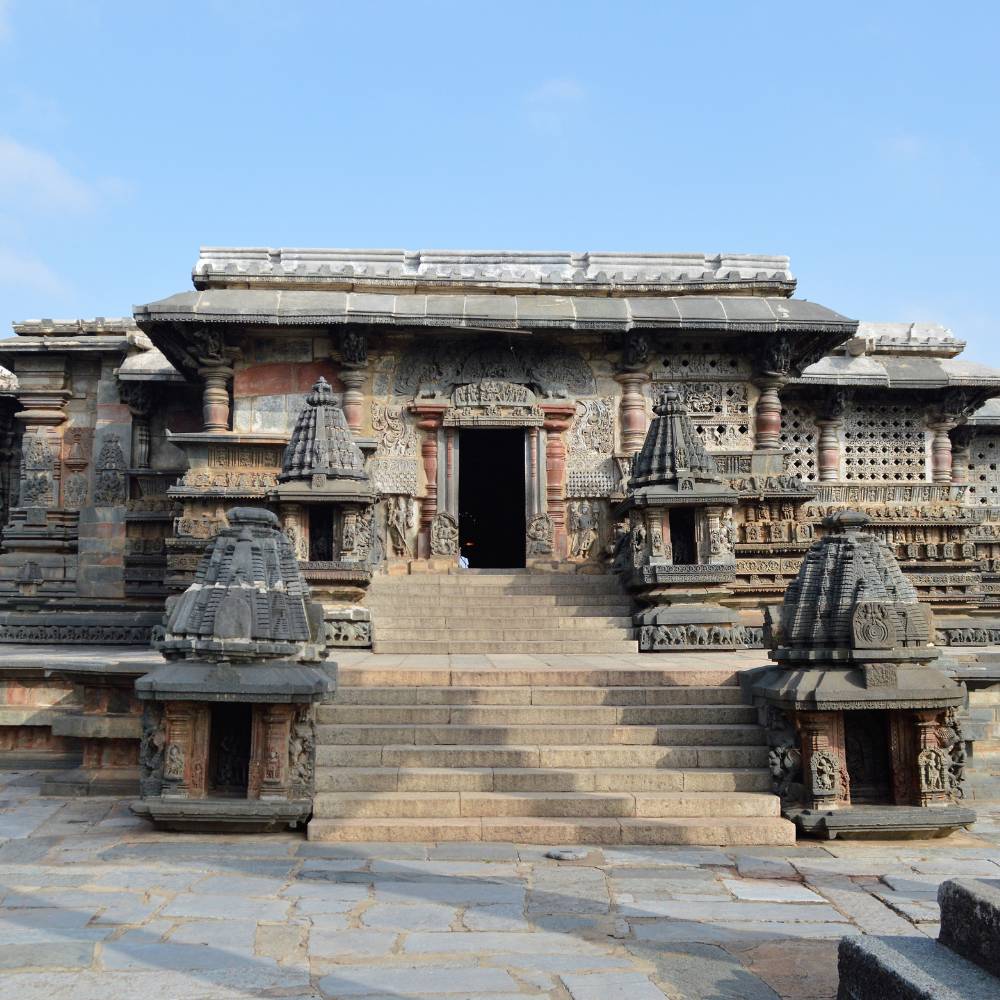
The ChennakeshavaTemple at Belur is one of the finest examples of South Indian temple architecture and a landmark of the Hoysala dynasty. Dedicated to Lord Vishnu, the temple was built in the early 12th century to commemorate a military victory, reflecting how ancient Indian temples also served as symbols of royal power and devotion.
Unlike the towering gopurams seen in Tamil Nadu, Chennakeshava is known for its horizontal emphasis and sculptural detail. Every surface of the temple is covered with carvings depicting scenes from Hindu epics, celestial dancers, animals, and everyday life, making it one of the most beautiful temples in India.
Notable architectural features include:
- A star-shaped platform, characteristic of Hoysala design
- Highly polished stone pillars with intricate lathe work
- Detailed narrative sculptures that function like stone manuscripts
The Chennakeshava Temple is often ranked among the most important temples in Karnataka and is part of the UNESCO-listed Hoysala temple group. For visitors interested in art and craftsmanship, it represents the artistic peak of South Indian temples in India.
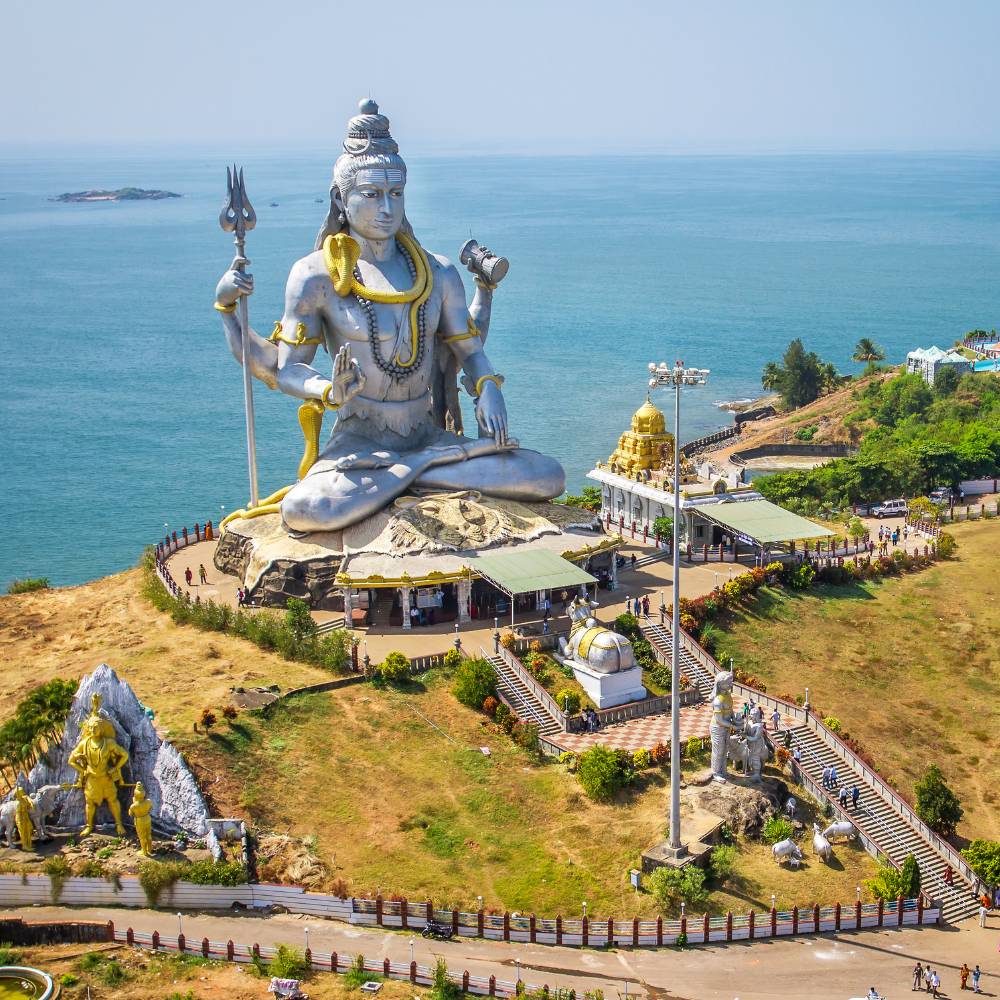
Murudeshwar Temple
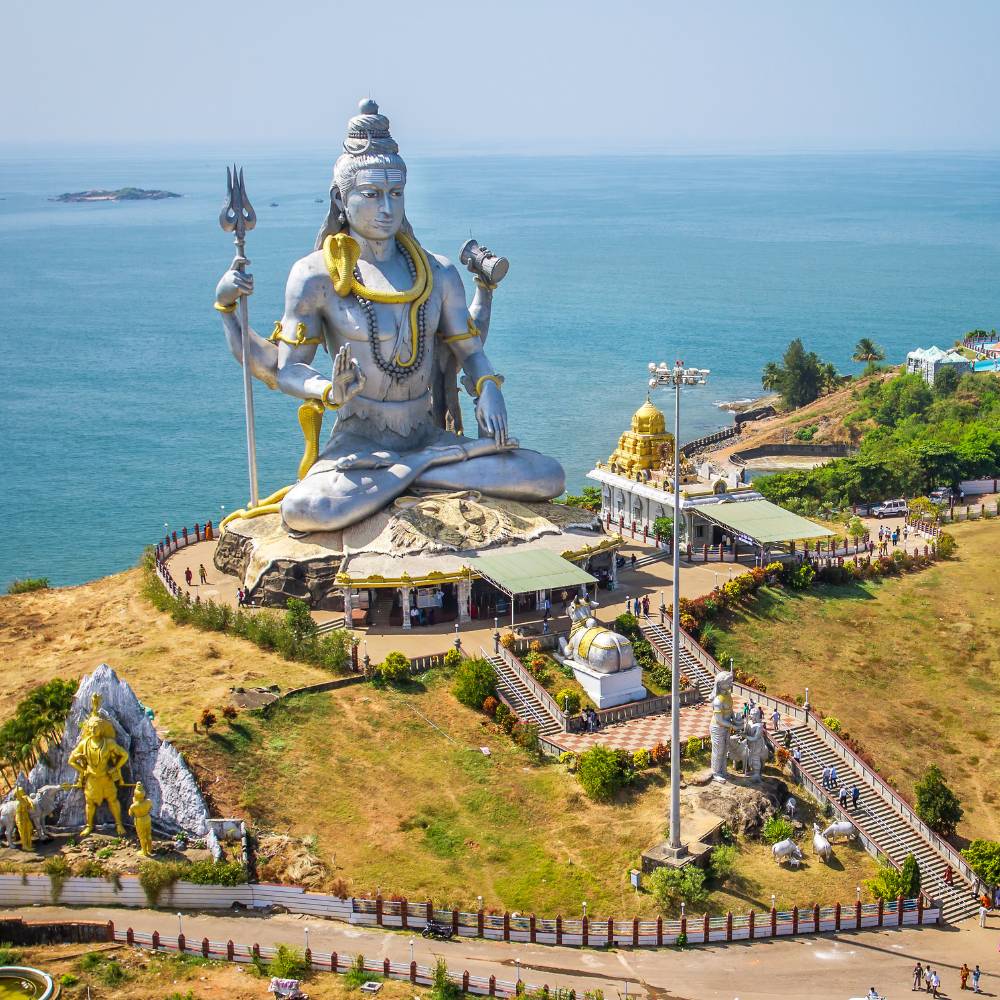
The Hoysaleswara Temple at Halebeedu is one of the most detailed and artistically refined South Indian temples in India. Built in the 12th century during the reign of the Hoysala dynasty, the temple is dedicated to Lord Shiva and is widely regarded as a masterpiece of stone sculpture.
Unlike many large temple complexes, Hoysaleswara is admired not for its size but for its extraordinary level of detail. The outer walls are covered with thousands of finely carved figures depicting Hindu gods, mythological scenes, animals, dancers, and musicians. These carvings are arranged in horizontal bands, allowing visitors to “read” stories as they walk around the temple.
Key features include:
- A twin-shrine layout, both dedicated to Shiva
- Soapstone construction, allowing intricate carving
- Sculptural panels illustrating the Ramayana, Mahabharata, and Puranas
Although the capital city of Halebeedu declined, the temple remains one of the most important ancient temples in India from an artistic perspective. It is also part of the UNESCO-recognized Hoysala temple group, reinforcing its global significance among famous temples in South India.
Andhra Pradesh and Telangana: Major Pilgrimage Centers
Tirupati Balaji Temple
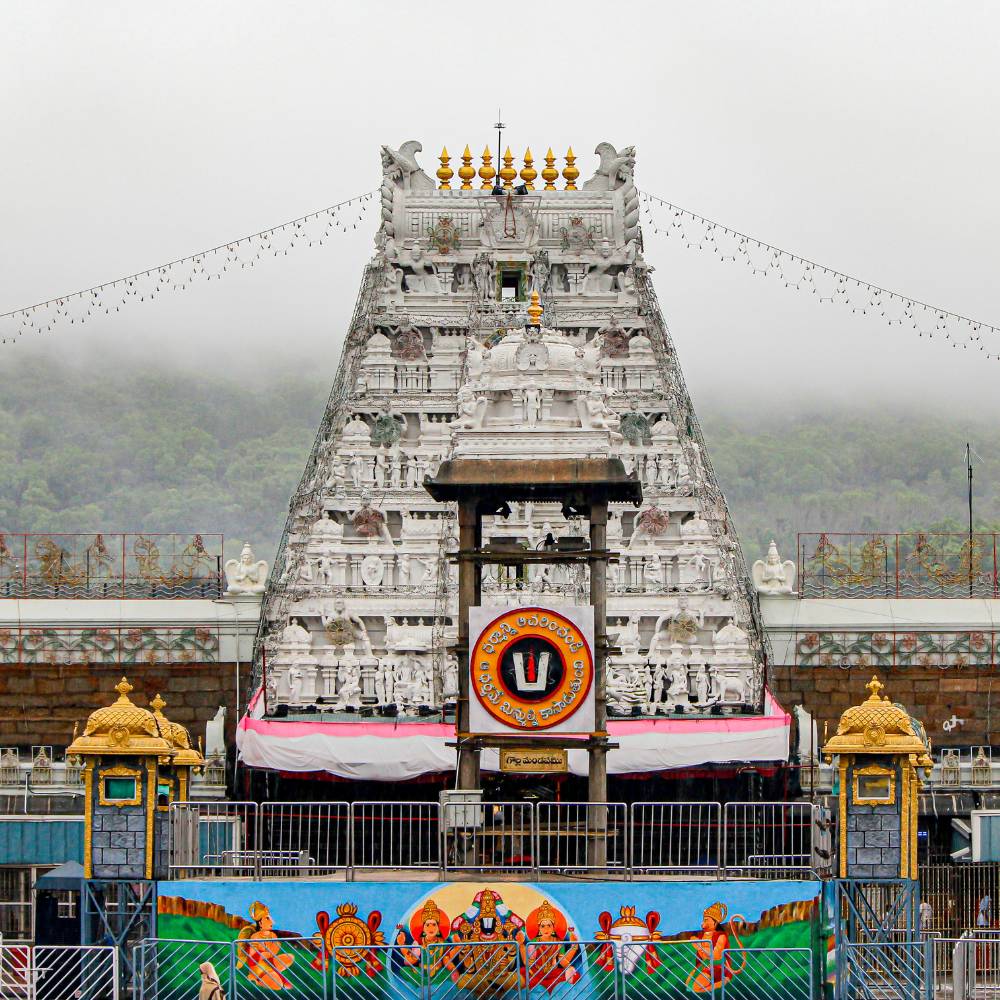
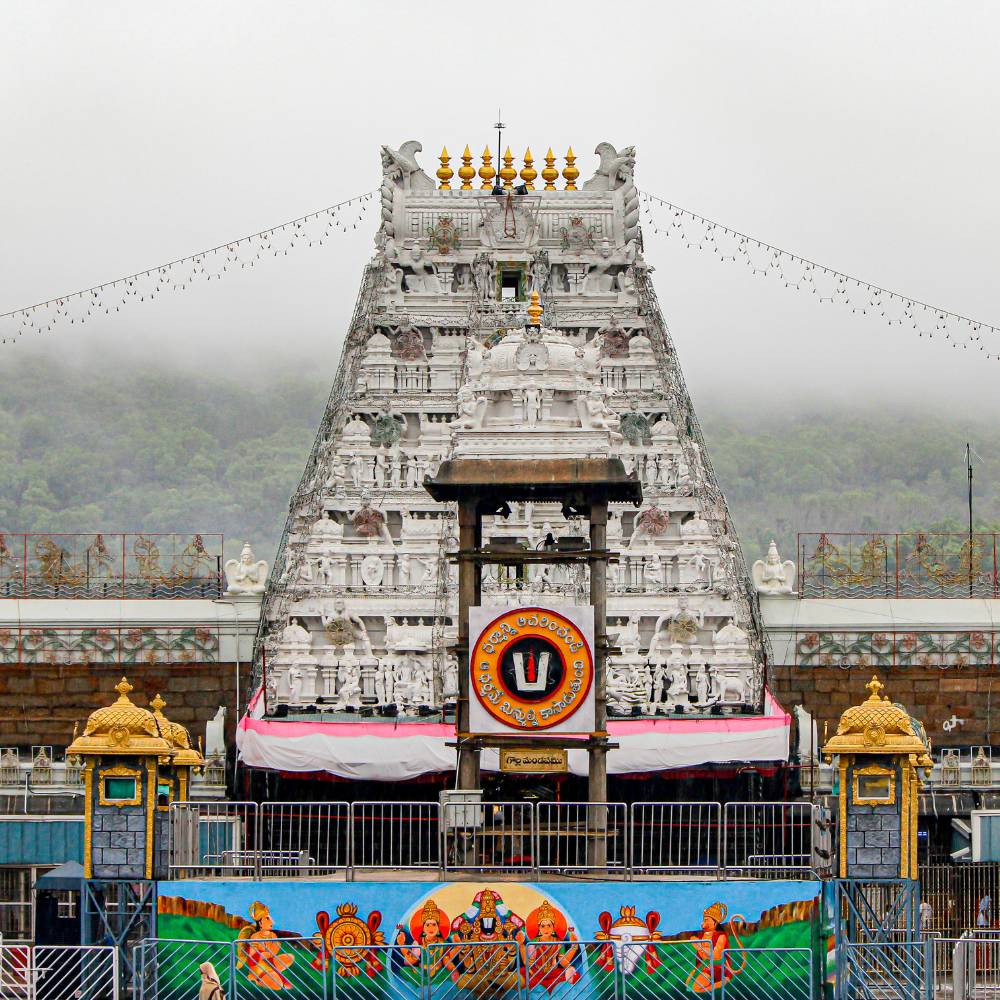
The Venkateswara Temple at Tirumala, commonly known as Tirupati Balaji Temple, is one of the most famous temples in India and among the most visited religious sites in the world. Dedicated to Lord Venkateswara, a form of Vishnu, the temple holds immense importance within the Vaishnavite tradition.
Situated atop the Tirumala Hills, this is one of the most prominent temples on the hills in South India. Pilgrims traditionally reach the temple on foot via ancient forest pathways, a practice that continues today alongside modern access routes.
The temple is widely known for:
- Receiving the highest number of pilgrims annually in India
- Its structured darshan system, designed to manage massive crowds
- A centuries-old tradition of hair offerings, symbolizing humility and devotion
Tirupati is also one of the richest temples in India, with donations supporting large-scale charitable activities, including hospitals, education, and free meals. As an active place of worship, it stands as one of the most important temples in South India and a must-visit site for anyone exploring the major temples of India.
Mallikarjuna Temple, Srisailam
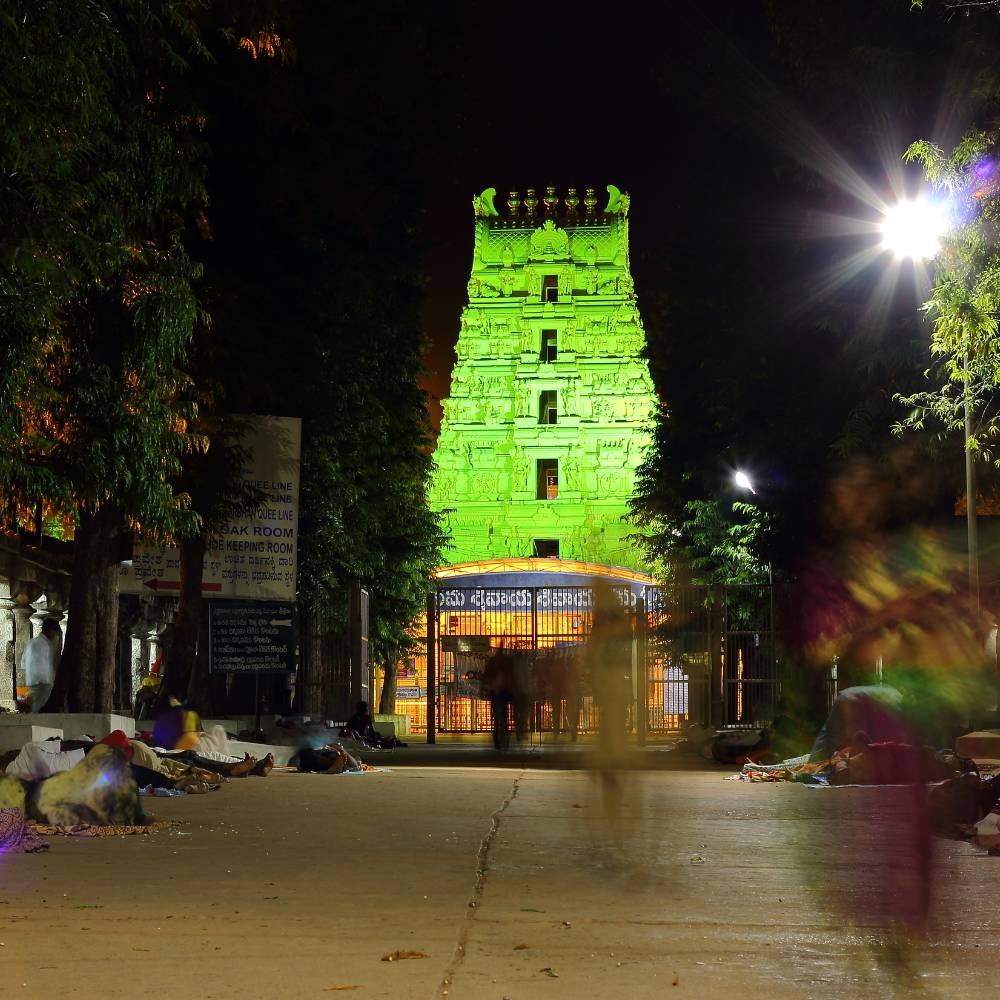
The Mallikarjuna Temple at Srisailam is one of the most spiritually significant South Indian temples in India. Dedicated to Lord Shiva as Mallikarjuna and Goddess Parvati as Bhramaramba, it holds a rare distinction of being both a Jyotirlinga and a Shakti Peetha, placing it among the most important temples in India.
The temple is located on the Nallamala Hills, overlooking the Krishna River, making it one of the most scenic temples in South India. Its remote setting historically enhanced its spiritual importance, attracting sages, scholars, and pilgrims for centuries.
Key highlights include:
- Stone architecture influenced by Chalukya and Vijayanagara styles
- Ancient inscriptions documenting royal patronage and temple rituals
- Continuous worship traditions are followed according to Agama principles
Mallikarjuna Temple is also one of the twelve Jyotirlingas of India, making it a major pilgrimage destination for Shaivites. Despite its historical depth, it remains an active place of worship and continues to draw devotees from across India and abroad, reinforcing its status among the major temples of India.
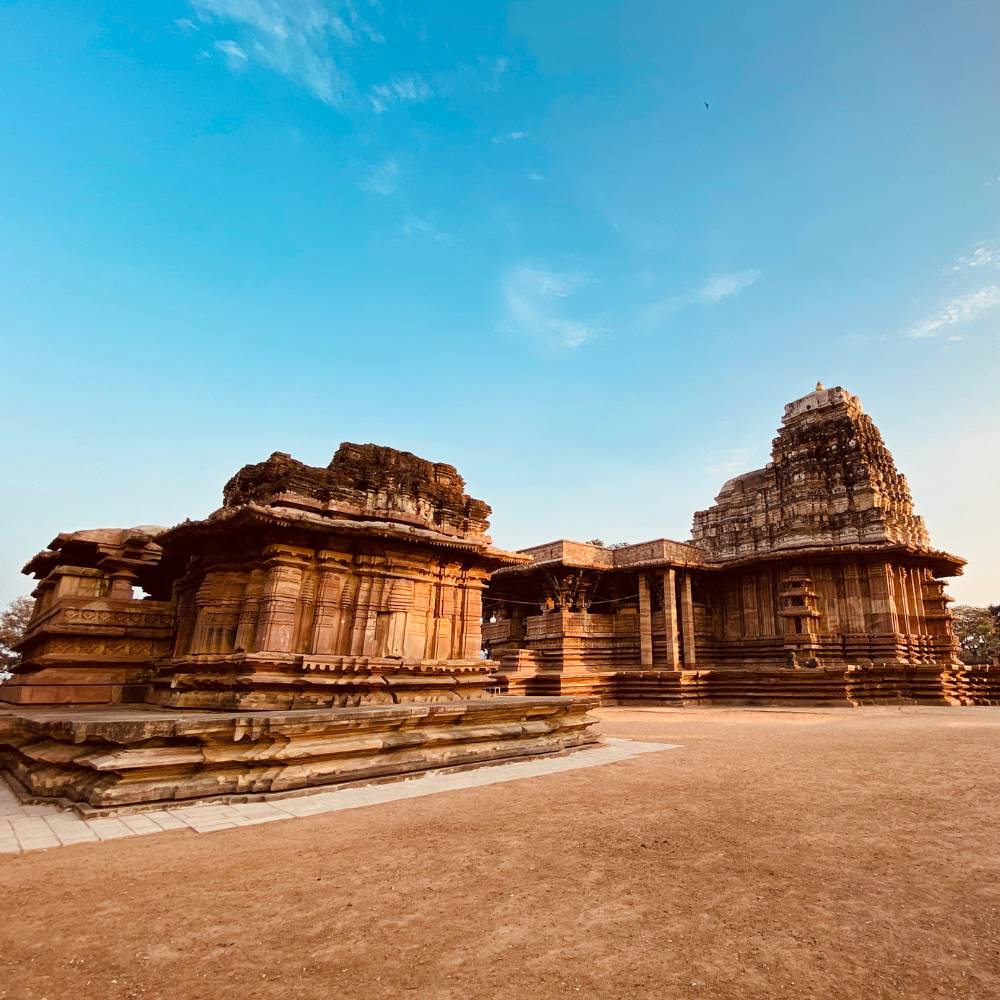
Ramappa Temple, Telangana
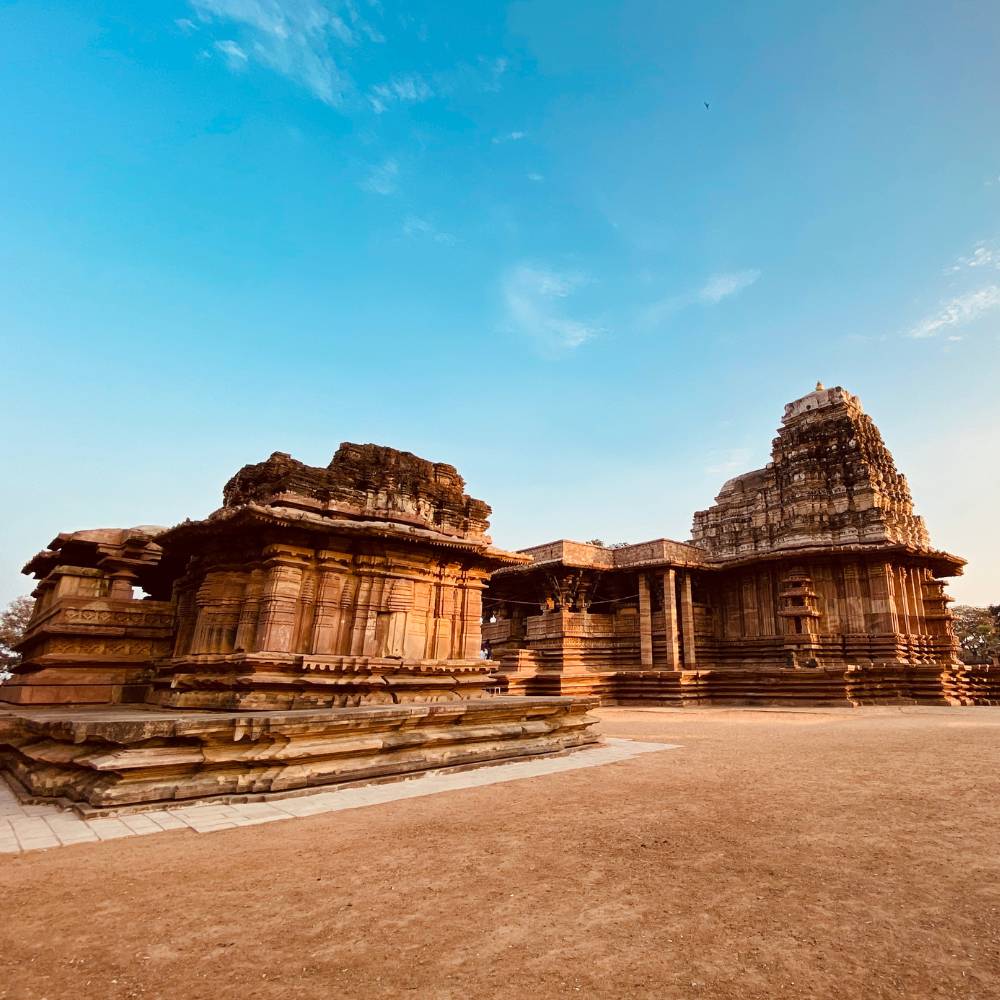
The Ramappa Temple, also known as the Rudreshwara Temple, is one of the most architecturally advanced South Indian temples in India and a UNESCO World Heritage Site. Built in the early 13th century during the Kakatiya dynasty, the temple is named after its chief sculptor, Ramappa — a rare honor in Indian temple history.
Dedicated to Lord Shiva, the temple is set on a raised, star-shaped platform, a defining feature of Kakatiya architecture. One of its most remarkable innovations is the use of lightweight “floating bricks” in the roof, which reduced structural load and improved stability — an engineering technique far ahead of its time.
Notable features include:
- Highly detailed sandstone carvings of dancers and musicians
- Granite pillars with precise jointing and balance
- Strategic placement within a landscaped temple complex
Ramappa Temple is widely regarded as one of the most beautiful temples in India and an outstanding example of medieval South Indian engineering. Its UNESCO recognition has firmly placed it among the most important ancient temples in India, attracting scholars, architects, and travelers from around the world.
Read Also: Ultimate Golden Triangle India Tour Guide for US Travelers
Kerala: Temples in Harmony with Nature
Kerala’s temples are architecturally simpler but ritually rich.
Padmanabhaswamy Temple
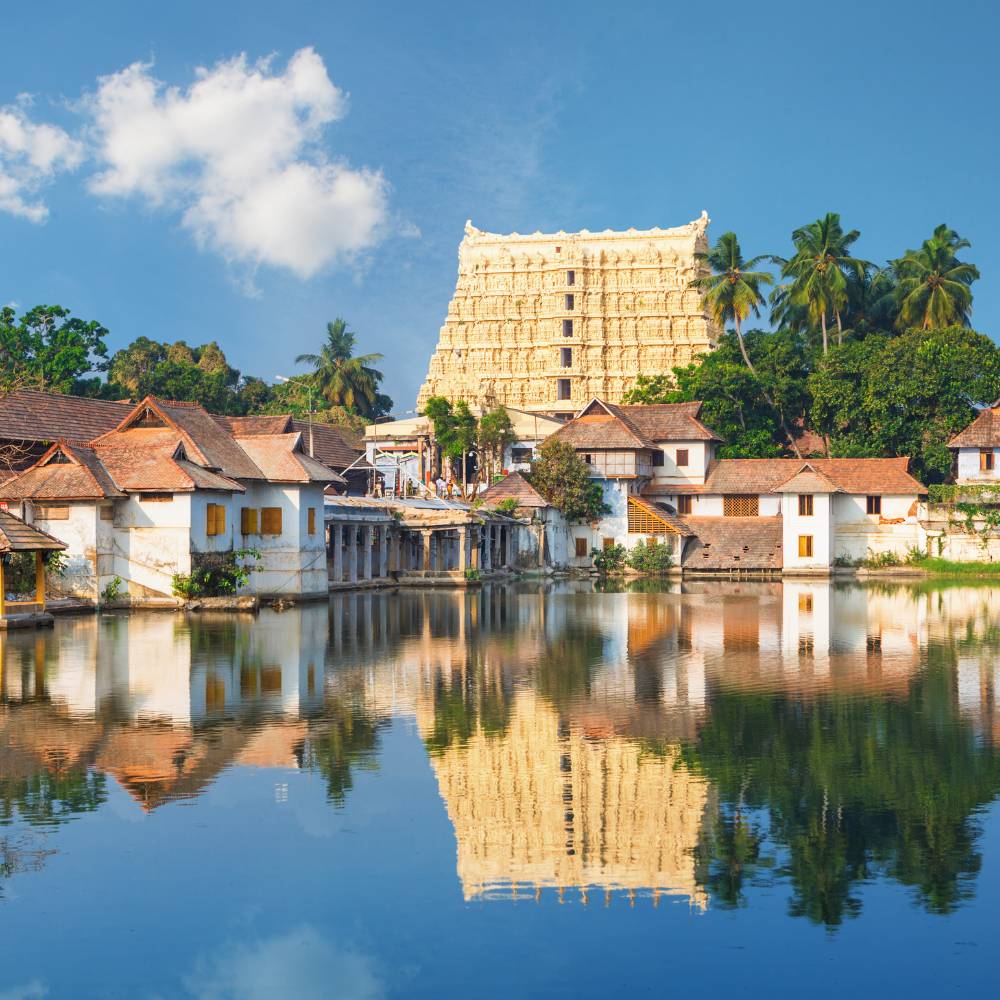
The Padmanabhaswamy Temple in Thiruvananthapuram is one of the most distinctive South Indian temples in India, known for its unique blend of Kerala and Dravidian architectural styles. Dedicated to Lord Vishnu in the Anantha Shayana (reclining on the serpent Ananta) posture, the temple is considered one of the most important Vishnu temples in South India.
Historically, the temple was closely associated with the former royal family of Travancore, which ruled the region for centuries and served as the temple's trustees. This long-standing royal connection helped preserve ancient rituals and temple traditions, which continue today according to strict Agama practices.
Key features of the temple include:
- A reclining Vishnu idol viewed through three separate doorways
- A richly decorated sanctum with murals and stone carvings
- A towering gopuram influenced by Tamil temple design
The Padmanabhaswamy Temple has gained global attention in recent years due to the discovery of vast historical treasures, but it remains, first and foremost, a living Hindu temple. Its spiritual importance, architectural uniqueness, and cultural continuity place it firmly among the most famous temples in South India.
Guruvayur Temple
The Guruvayur Temple in Kerala is one of the most revered South Indian temples in India and among the most important Krishna temples in the country. Dedicated to Lord Krishna, worshipped here as Guruvayurappan, the temple is a major center of Vaishnavite devotion and attracts millions of pilgrims every year.
Unlike the grand stone temples of Tamil Nadu, Guruvayur follows the traditional Kerala temple style, characterized by sloping tiled roofs, wooden structures, and a strong connection to ritual purity. The temple’s origins are believed to date back over a thousand years, making it one of the oldest temples in South India still in active worship.
Key aspects of the temple include:
- Strict adherence to traditional rituals and dress codes
- Daily worship cycles that follow ancient temple manuals
- Strong cultural association with classical music and devotional chanting
Guruvayur is also known for its large temple elephant community and vibrant festivals, particularly Ekadasi, which draws massive crowds. As a living spiritual center rather than a monument, Guruvayur Temple stands out among famous temples in South India for its intense devotion and continuity of tradition.
Which Is the Biggest Temple in India?
The answer depends on the criteria:
- Largest temple complex: Srirangam (Tamil Nadu)
- Largest structural volume: Brihadeeswarar Temple
- Tallest temple tower: Rajagopuram at Srirangam
All are located in South India, reinforcing the region’s importance in India big temple rankings.
Oldest and Most Ancient Temples in India
South India contains many of the most ancient temples in India, including:
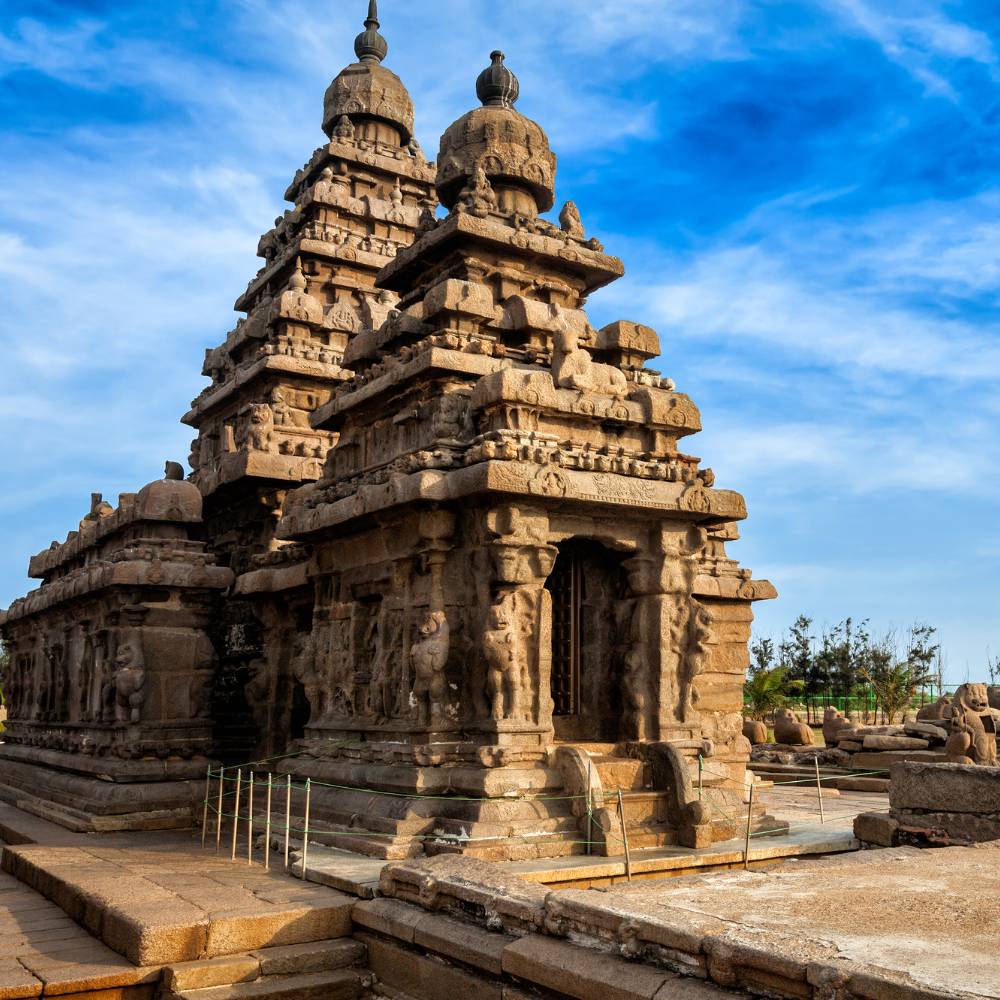
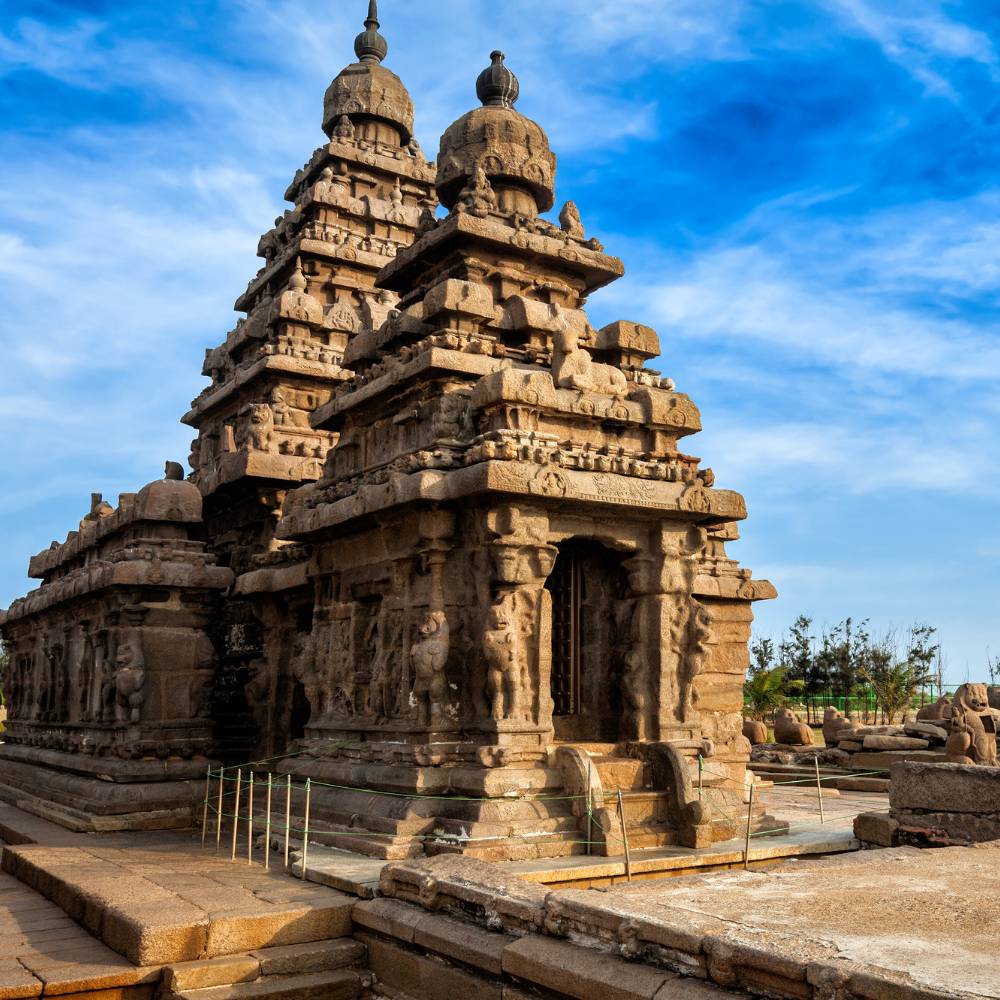
- Shore Temple, Mahabalipuram (7th century)
- Chidambaram Nataraja Temple
- Ekambareswarar Temple, Kanchipuram
These sites confirm that old temples of India remain active, not abandoned.
Why South Indian Temples Matter Today
South Indian temples continue to function as:
- Living religious institutions
- Centers for classical music and dance
- Major pilgrimage destinations
- Symbols of cultural continuity
They are not preserved ruins, but active spaces shaping daily life.
Practical Tips for Visiting South Indian Temples
- Dress modestly and respectfully
- Expect crowds at major pilgrimage temples
- Follow photography restrictions
- Early morning visits offer the best experience
Conclusion
The temples of South India represent one of the world’s longest uninterrupted religious traditions. From the largest temple in India to some of the oldest temples on earth, they combine devotion, architecture, science, and community in a way few cultures can match.
For anyone researching or visiting famous temples in India, South India offers unmatched depth, authenticity, and spiritual heritage.