
A Golden Triangle tiger safari combines Delhi, Agra and Jaipur with wildlife experiences at Ranthambore National Park in Rajasthan. Plan for around 9–10 days, including two nights near the reserve and at least two safari drives. Confirm permits before booking, allow time for road transfers and remember that tiger sightings are never guaranteed.
Quick Answer: Key Takeaways
- Best route: Delhi → Agra → Ranthambore → Jaipur → Delhi, with an optional overnight stay at Ramathra.
- Recommended duration: Nine to ten days, including two nights in Ranthambore.
- Best season: October to February for comfortable sightseeing; March to May for hotter, drier wildlife conditions.
- Safari arrangements: Confirm permits, zones, vehicle type and entry times before finalising the itinerary.
- Realistic expectations: Multiple drives offer more opportunities to see tigers, but sightings depend on wildlife movements and luck.
Why Is Ranthambore the Most Practical Tiger Safari Addition to the Golden Triangle?
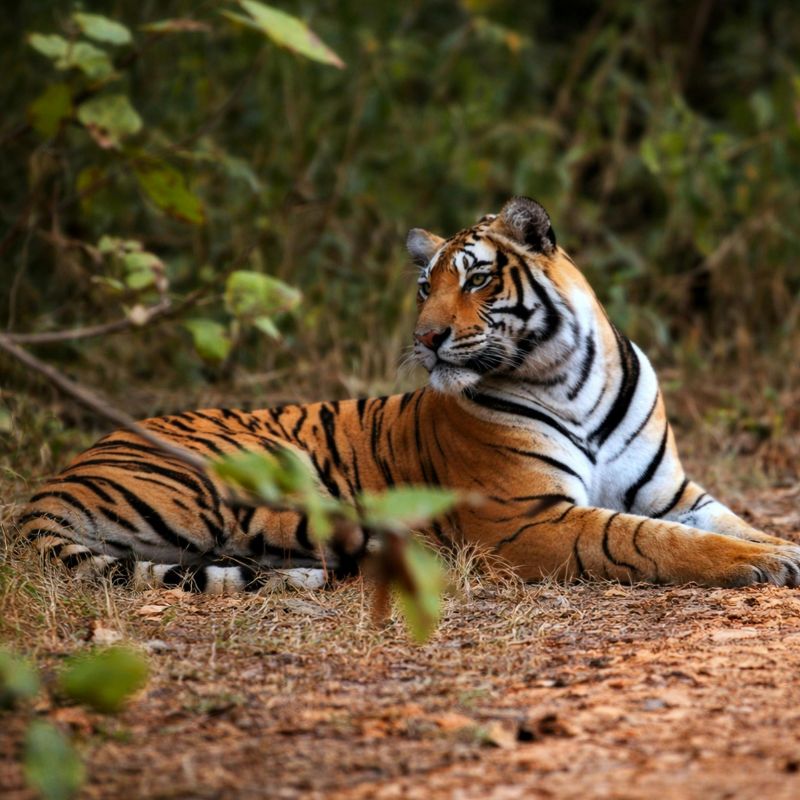
Ranthambore is a convenient wildlife extension because you can include it between Agra and Jaipur without another domestic flight. It offers a contrasting experience to the forts, palaces and historic monuments of the Golden Triangle.
The Golden Triangle refers to the popular travel circuit connecting Delhi, Agra and Jaipur.
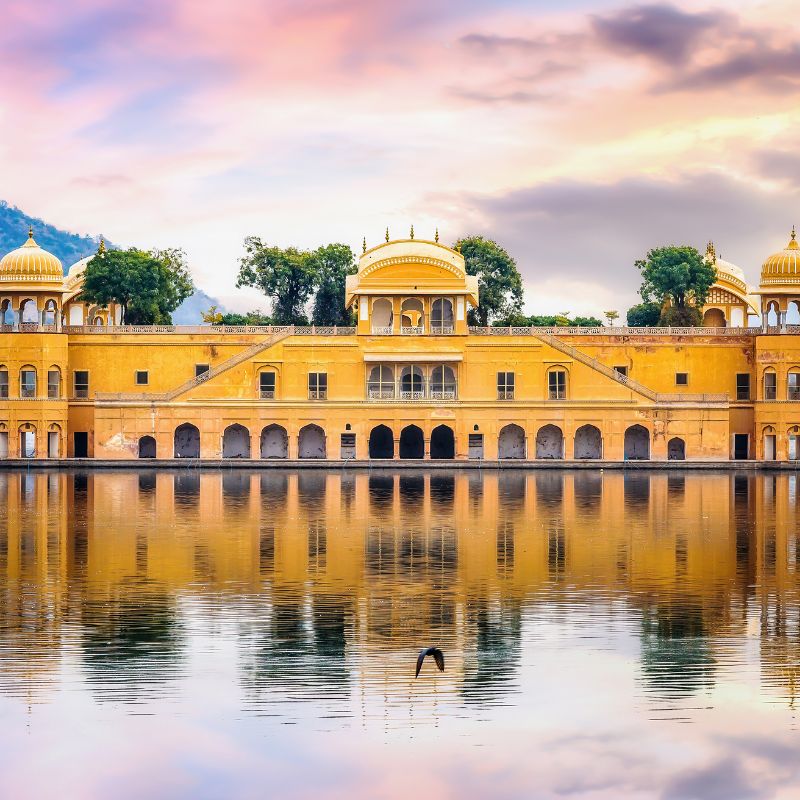
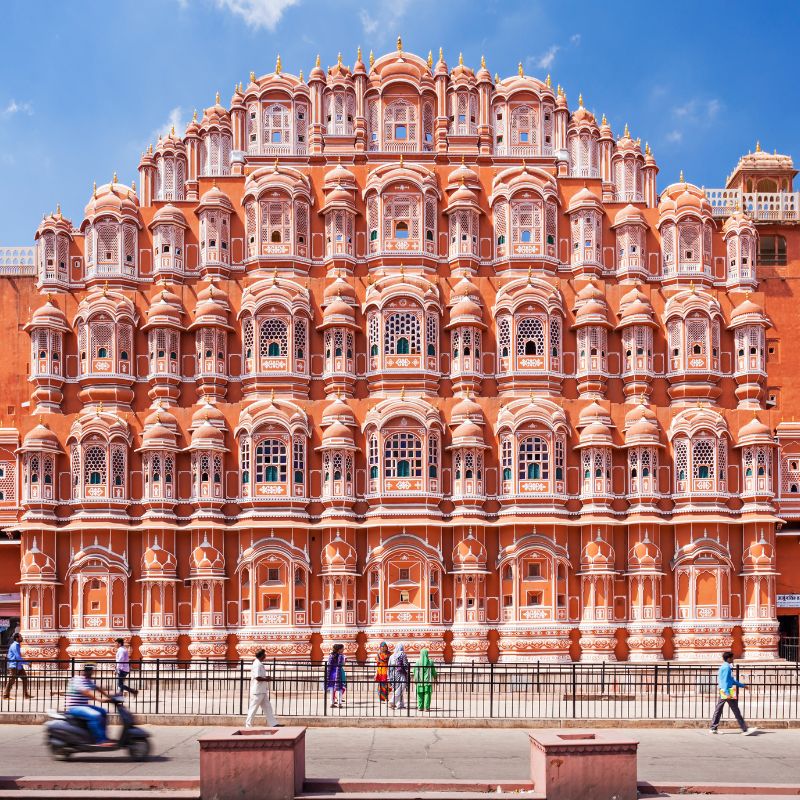
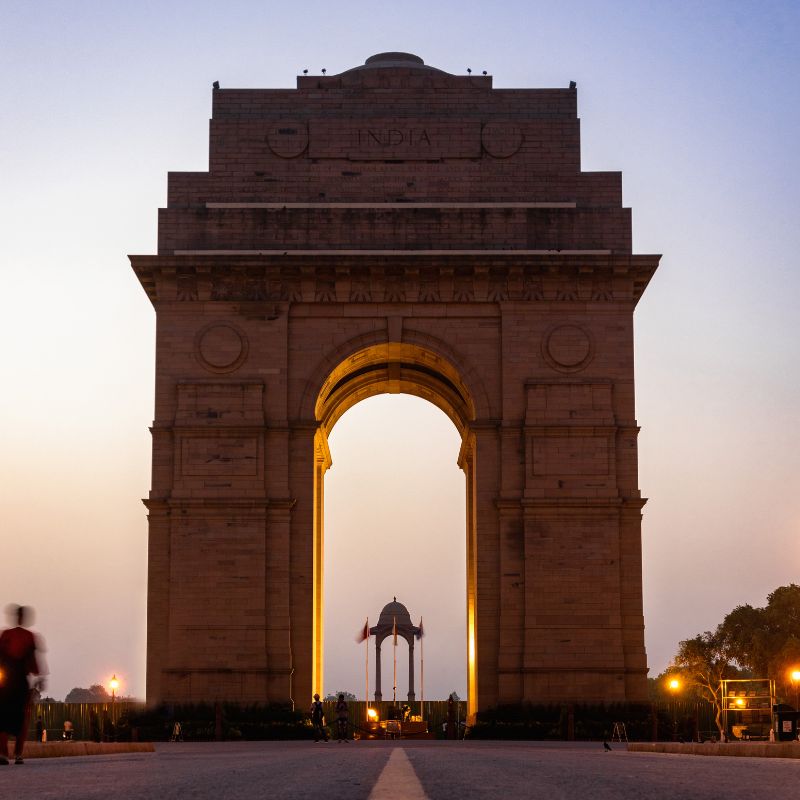
Delhi introduces visitors to India's Mughal history and everyday city life. Agra is home to the Taj Mahal, while Jaipur offers royal architecture, traditional crafts and heritage accommodation.
Ranthambore brings you into a different landscape.
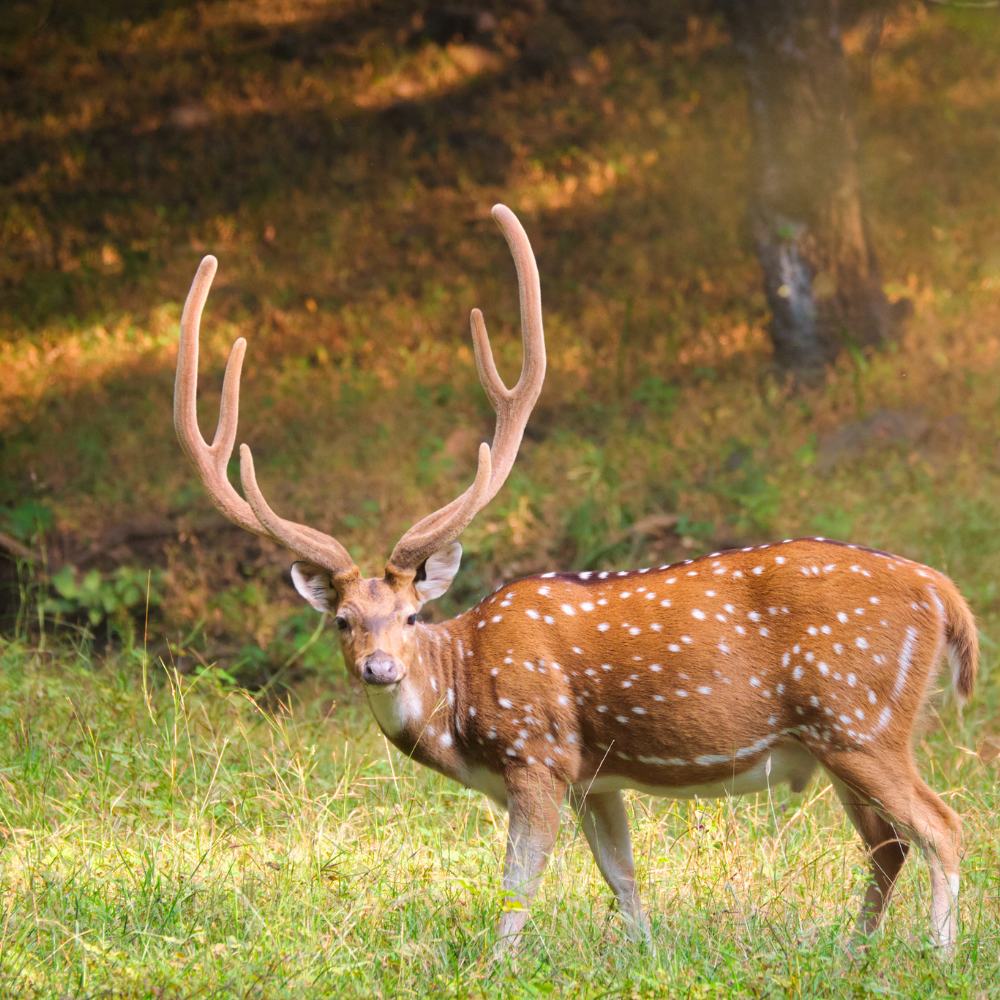
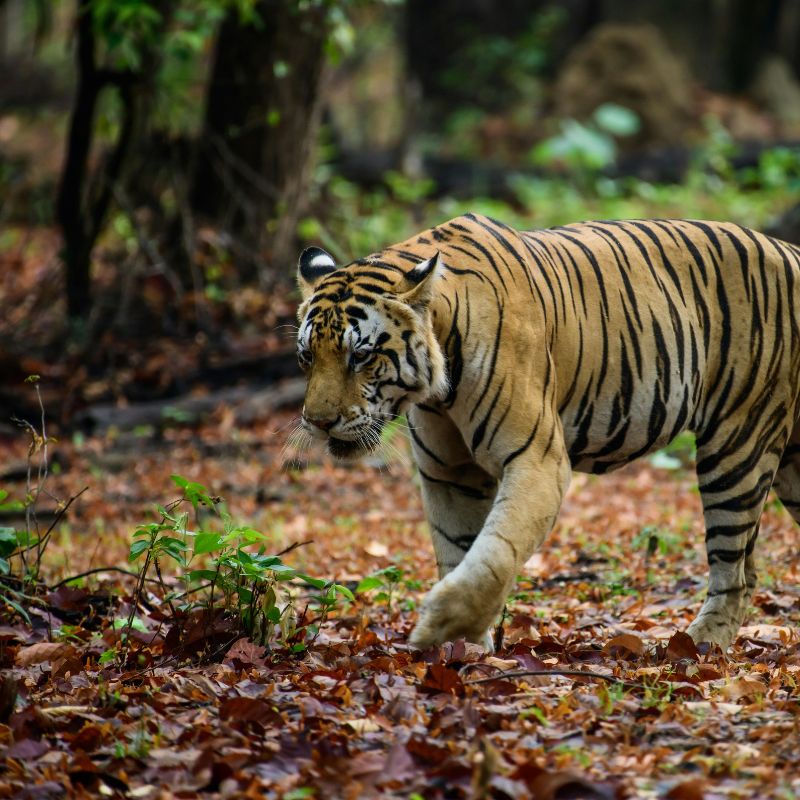
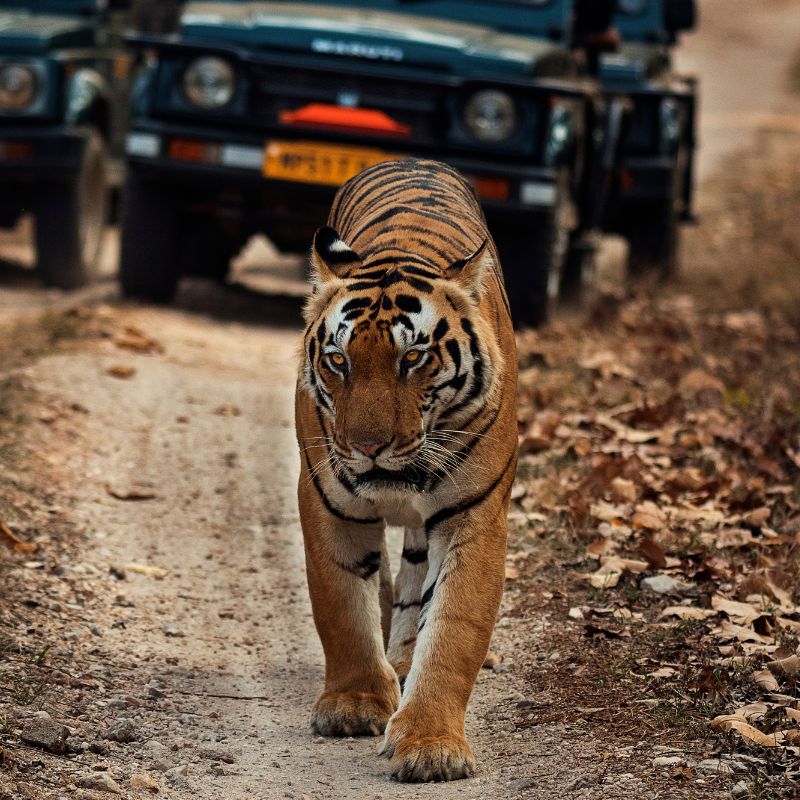
The reserve is known for Bengal tigers, deer, crocodiles, birdlife, lakes and historic ruins.
Imagine spending one morning admiring the Taj Mahal and, two days later, sitting quietly in a safari jeep while your naturalist listens for animal alarm calls.
That contrast makes an India Golden Triangle and wildlife safari particularly appealing to first-time international visitors.
Ranthambore is roughly three and a half to four and a half hours from Jaipur by road, depending on the chosen route, hotel and traffic.
Our private tour packages include itineraries combining Rajasthan's heritage attractions with wildlife experiences.
However, adding Ranthambore shouldn't mean squeezing one safari between two long transfers. Allowing sufficient time at the reserve makes the experience considerably more enjoyable.
How Many Days Do You Need for a Golden Triangle Tour with a Tiger Safari?
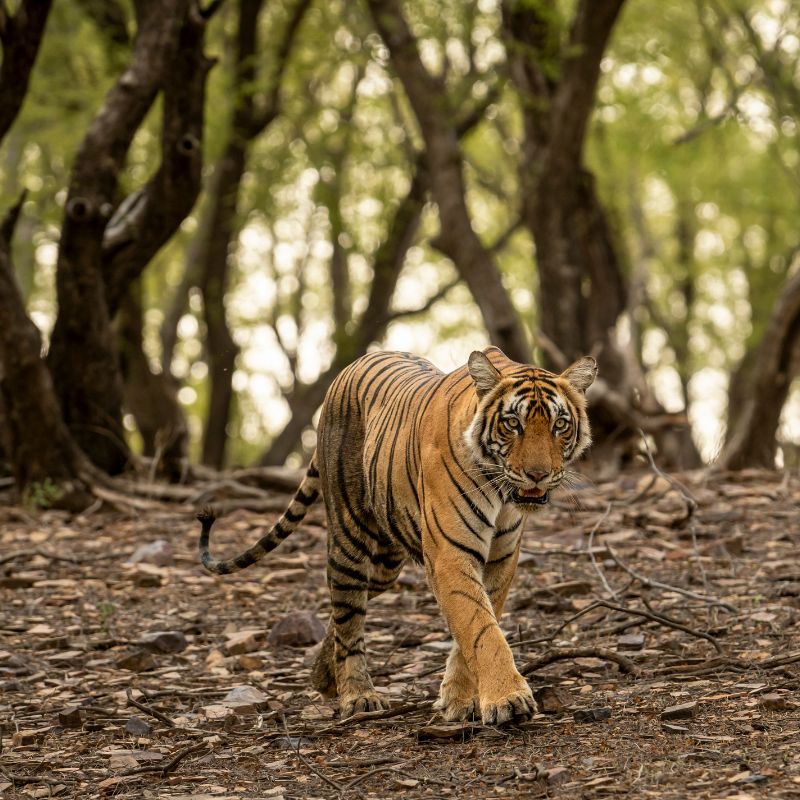
A Golden Triangle tour with a tiger safari generally needs nine to ten days. Nine days is a practical starting point for travellers who want the major cultural attractions and two wildlife drives without spending their entire holiday moving between hotels.
|
Trip duration |
Suggested experiences |
Travel pace |
|---|---|---|
| 7 days | Golden Triangle and brief Ranthambore visit | Busy |
| 8–9 days | Delhi, Agra, Ranthambore and Jaipur | Moderate |
| 10–11 days | Same route with heritage and relaxation time | Comfortable |
| 12–14 days | Golden Triangle, Ranthambore and additional Rajasthan destinations | Flexible |
Seven days can work for travellers with limited leave, but it involves compromises.
International visitors may need time to recover from overnight flights. Road journeys also take longer than expected once you factor in meals, traffic, and hotel check-ins.
Safari days present another challenge.
Morning drives start early, while afternoon safaris can leave relatively little time for rest.
For couples and families travelling from the USA, UK, Canada or Australia, nine or ten days provides a more manageable pace.
Wildlife photographers may prefer an additional night near Ranthambore, allowing more safari sessions rather than adding another city.
What Is the Best Route for a Golden Triangle and Ranthambore Tour?
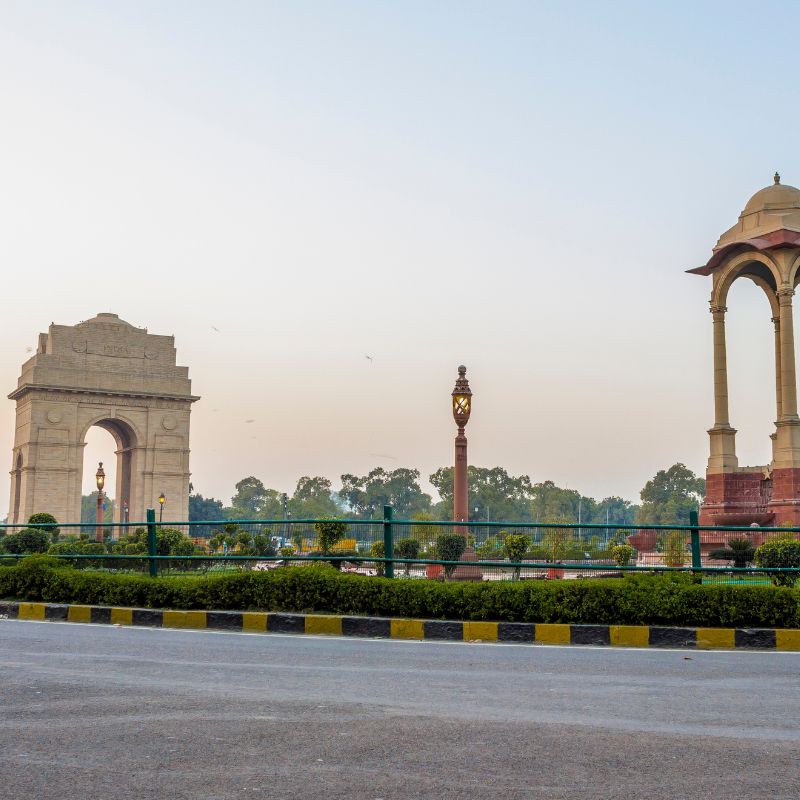
The most straightforward route is Delhi → Agra → Ranthambore → Jaipur → Delhi. An overnight stop in Ramathra can break up the longer transfer between Agra and the reserve.
Our published 9-day Golden Triangle and Ranthambore tiger safari tour follows:
Delhi → Agra → Ramathra → Ranthambore → Jaipur → Delhi
Ramathra Fort provides a quieter heritage experience away from Rajasthan's main tourist centres.
Instead of completing the Agra-to-Ranthambore transfer in one day, travellers stay overnight at Ramathra before continuing towards the national park.
This also offers a chance to experience a different side of Rajasthan beyond its famous cities.
A direct transfer may be possible for shorter itineraries.
However, reaching Ranthambore after a long drive and immediately attempting an afternoon safari can feel rushed. A better approach is to arrange your first drive after a comfortable arrival.
What Does a Realistic 9-Day Golden Triangle Tiger Safari Itinerary Look Like?
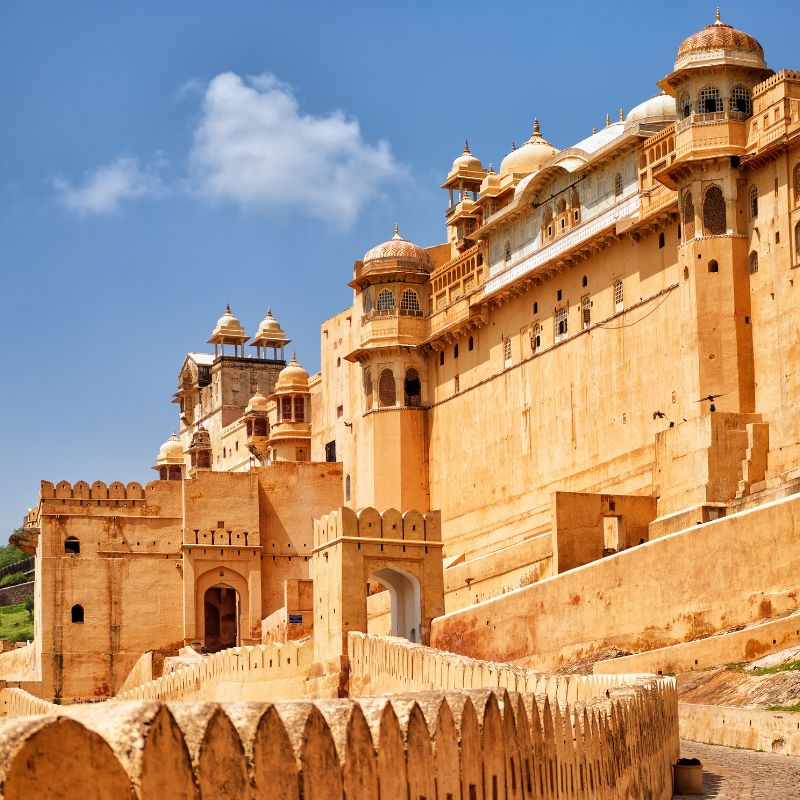
A nine-day itinerary can include guided sightseeing in Delhi, Agra and Jaipur, a heritage stay at Ramathra and two safari drives at Ranthambore. Our published programme uses an air-conditioned train between Delhi and Agra, followed by private road transport.
|
Day |
Destination |
Suggested plan |
|---|---|---|
| 1 | Delhi | International arrival, airport transfer and rest |
| 2 | Delhi | Selected sightseeing in Old and New Delhi |
| 3 | Agra | Train to Agra, visit Agra Fort |
| 4 | Ramathra | Early Taj Mahal visit, road transfer to Ramathra Fort |
| 5 | Ranthambore | Drive to Ranthambore, hotel check-in and leisure |
| 6 | Ranthambore | Morning and afternoon jeep safaris |
| 7 | Jaipur | Drive to Jaipur, cultural experiences and markets |
| 8 | Jaipur | Amer Fort, City Palace and selected attractions |
| 9 | Delhi | Private transfer to Delhi airport for departure |
The itinerary includes several travel days, so avoid adding sightseeing merely because an afternoon appears free.
The Taj Mahal is closed to general sightseeing on Fridays. Day 4 must fall on an operating day, or you must rearrange the Agra programme.
Day 6 is devoted to wildlife, leaving time between drives for meals and rest.
How Should You Plan Your International Departure on Day 9?
Day 9 involves travelling from Jaipur to Delhi's Indira Gandhi International Airport by private car.
Allow about five to six hours for the drive, potentially longer depending on traffic, stops, and conditions.
International flights require additional time for check-in, security and immigration.
A morning or early-afternoon flight from Delhi generally won't work after a same-day departure from Jaipur.
A late-evening departure may be possible if you have enough time.
For earlier flights, consider returning to Delhi on Day 8 or adding an overnight airport-hotel stay.
Your flight timing should determine the final day's arrangements, not the other way around.
How Many Nights Should You Spend in Ranthambore?
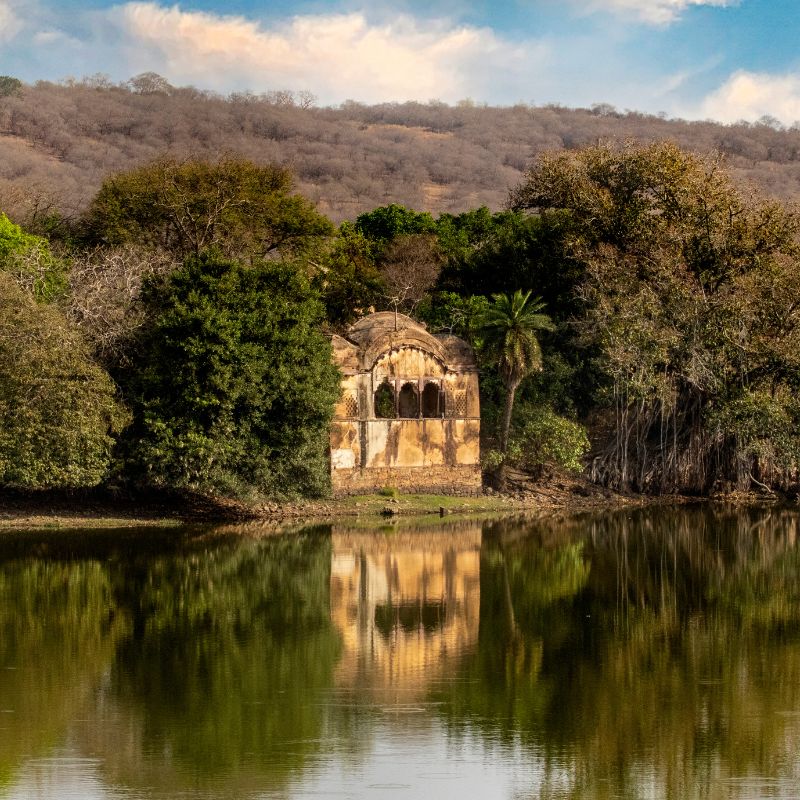
Two nights is a sensible minimum for Ranthambore. This usually allows an arrival day, a full day for two wildlife drives and departure the following morning.
Our nine-day itinerary includes two private jeep safaris, one morning and one afternoon.
Visitors primarily interested in wildlife photography may prefer three nights.
More time lets you spread drives across different days instead of packing the experience into one busy schedule.
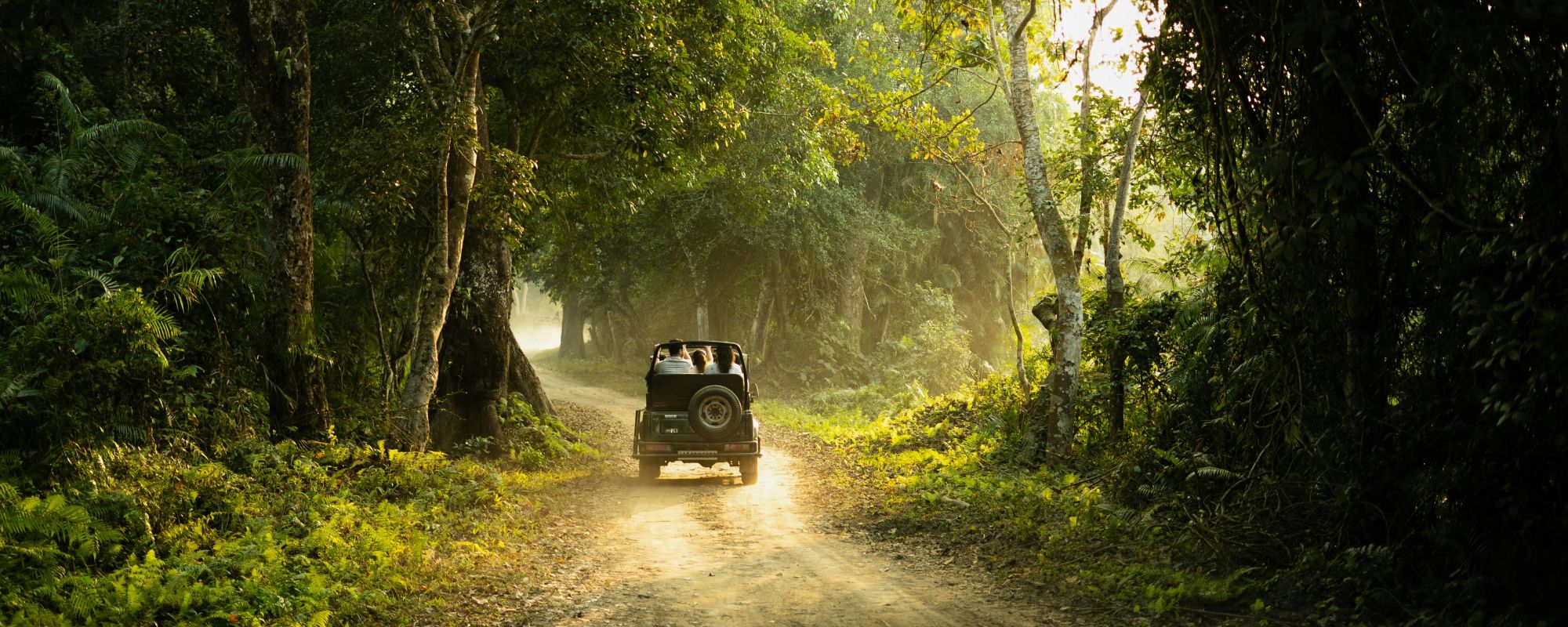
Safaris involve several hours in open vehicles, often travelling over uneven forest tracks.
Winter mornings can be surprisingly cold. Summer afternoons may be extremely hot and dusty.
What Time Does a Morning Safari Start?
Morning safaris generally operate around sunrise, but official entry and exit times vary by season.
Hotel pickup may be earlier than park entry to allow for travel to the assigned gate, permit verification and boarding.
Our published itinerary mentions an early-morning departure, but that shouldn't be interpreted as a fixed year-round entry time.
Your coordinator should confirm the official safari slot and hotel pickup schedule before arrival.
What Are Your Chances of Seeing a Tiger in Ranthambore?
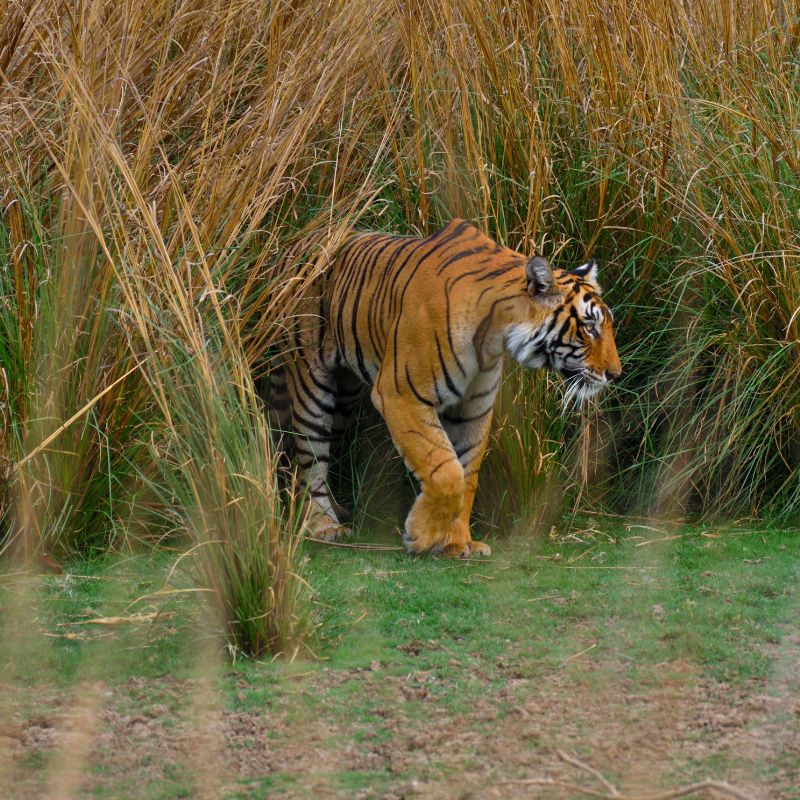
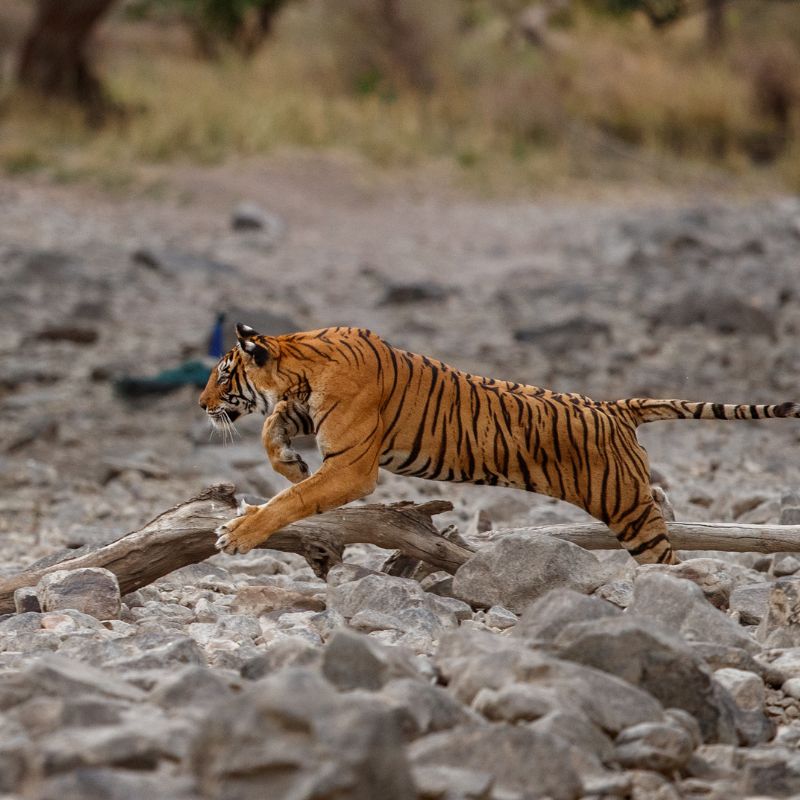
Ranthambore is known for Bengal tiger sightings, but no tour operator can guarantee an encounter. Sightings depend on the tiger's movements, weather, vegetation, the allocated safari zone and luck.
You might spend an entire drive following tracks without seeing a tiger.
Another group may encounter one shortly after entering the forest.
That's part of wildlife travel.
Multiple drives offer more opportunities, but they don't guarantee a sighting.
Ranthambore also supports deer, crocodiles, birds and other wildlife.
An experienced naturalist can explain animal behaviour, forest habitats, and signs that wildlife may be nearby.
Even without a tiger sighting, the reserve can still be memorable to observe.
For travellers planning a Golden Triangle tour with a wildlife safari, it's better to appreciate the complete forest experience than judge the visit by one photograph.
When Is the Best Time for a Golden Triangle Tour with a Tiger Safari?
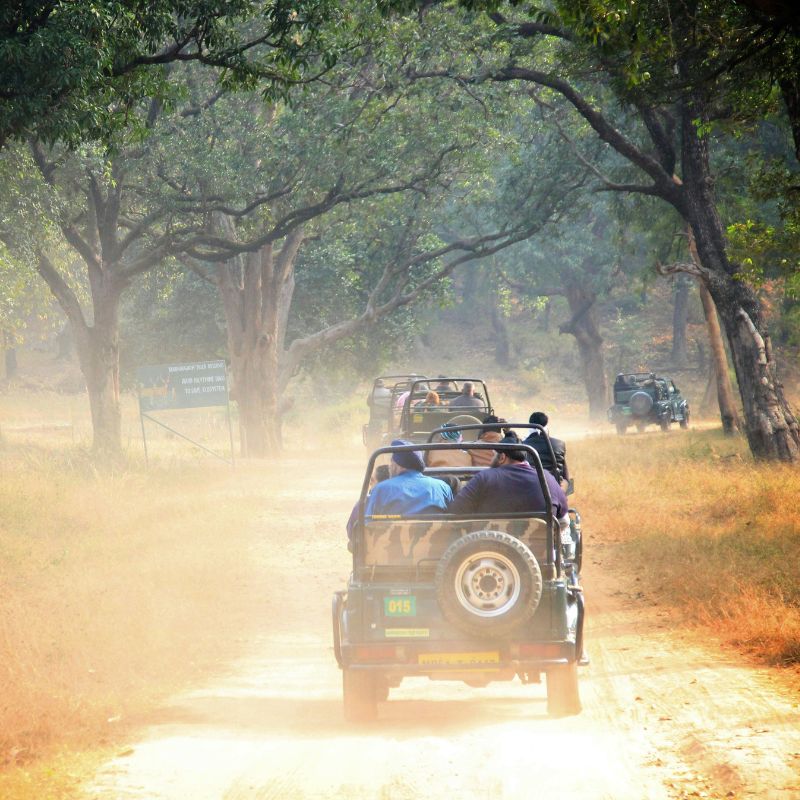
October to February generally provides a comfortable balance between Golden Triangle sightseeing and Ranthambore safaris. March to May brings hotter, drier conditions that can improve wildlife visibility but make afternoon drives demanding.
|
Season |
Conditions |
Planning advice |
|---|---|---|
| October–November | Generally pleasant weather | Suitable for heritage and wildlife |
| December–February | Cool days, cold safari mornings | Pack warm layers |
| March–May | Hotter, drier conditions | Prepare for afternoon heat |
| June | Intense heat and approaching monsoon | Confirm park operations |
| July–September | Monsoon restrictions in core zones | Check available safari zones |
Our tiger safari planning guide explains seasonal closures, booking arrangements and safari-zone considerations.
October to February generally suits travellers prioritising comfortable sightseeing.
March to May may appeal to wildlife enthusiasts prepared for higher temperatures.
Neither period guarantees a sighting.
What Should You Know About Ranthambore Safari Permits, Zones and Vehicles?
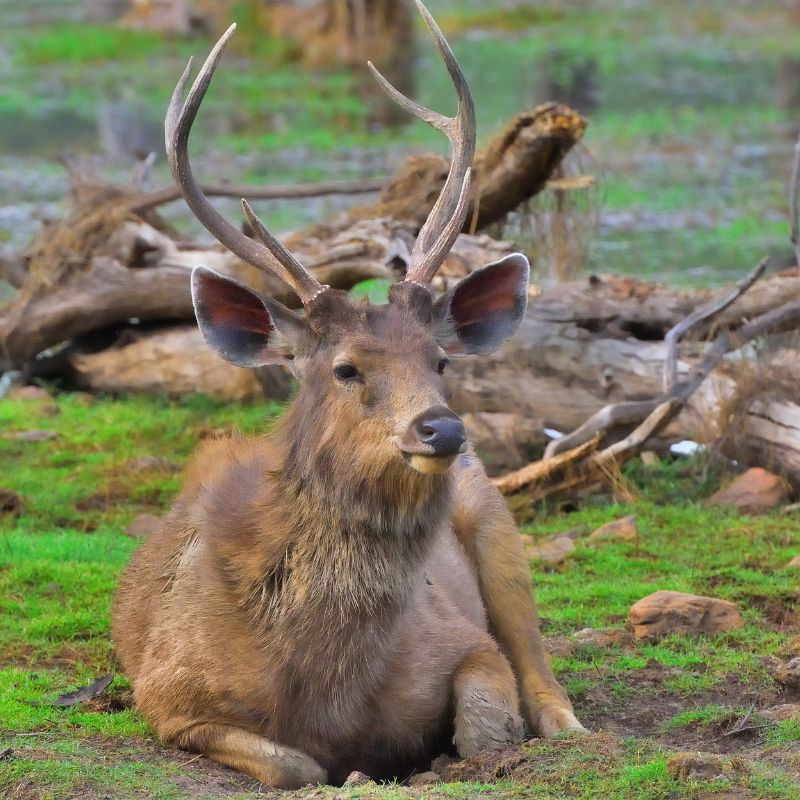
Ranthambore safaris operate through authorised permits, designated zones and regulated entry times. Travellers need confirmed reservations and identification matching their booking details.
How Far in Advance Should You Book?
Arrange permits as soon as your travel dates are firm.
Popular dates and zones can fill well in advance, particularly around major holidays.
Our wildlife guidance recommends planning several months in advance where possible.
Booking windows and permit rules may change, so confirm the arrangements applicable to your travel dates.
A frequent mistake is booking luxury accommodation first and leaving safari permits until later.
A hotel reservation doesn't guarantee entry into your preferred zone.
Where Can You Check Official Safari Bookings?
The Rajasthan Forest Department regulates Ranthambore safari permits.
Travellers can check booking procedures through the Rajasthan Forest Department's official safari booking page.
If we are arranging your holiday, ask your destination expert to confirm the safari date, session, allocated zone, vehicle arrangement and identification requirements.
Be cautious of unofficial websites that resemble government booking portals.
Carry the identification document used for your reservation.
What's the Difference Between an Exclusively Booked Jeep and a Shared Safari?
An exclusively booked jeep is reserved for your travelling party. A shared vehicle carries other visitors.
Ranthambore commonly uses six-passenger Gypsy vehicles and larger Canters, subject to official arrangements.
Our nine-day package lists two private jeep safaris.
Before booking, confirm whether the vehicle is exclusively reserved for your group or whether additional passengers will share it.
A private jeep offers a more personal experience, especially for couples, families and photographers.
However, it doesn't guarantee a particular zone, unrestricted movement or tiger sightings.
Are All Safari Zones Open Throughout the Year?
No. Ranthambore's safari zones operate under seasonal restrictions and Forest Department decisions.
Zones 1–5 generally close during the monsoon period from July to September.
Zones 6–10 may remain accessible, subject to official orders, rainfall and road conditions.
Temporary restrictions can affect access even when a zone is normally operational.
Confirm current availability before finalising travel.
Where Should You Stay for a Luxury Tiger Safari in Ranthambore?
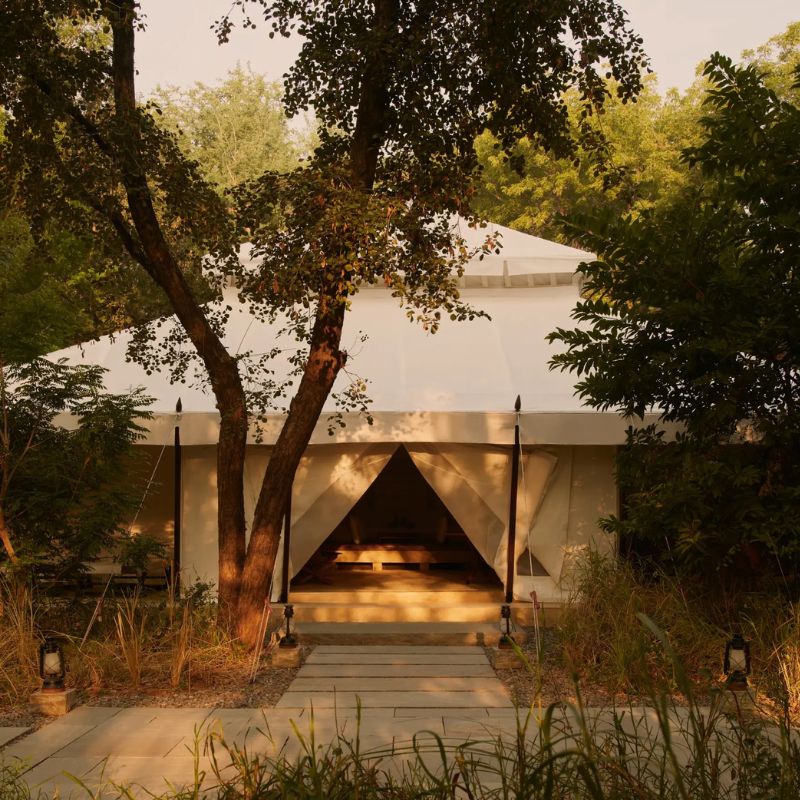
Choose accommodation based on comfort, proximity to the allocated safari gate and the experience you prefer. A convenient lodge location can make early departures considerably easier.
Our wildlife content references premium properties around Ranthambore, including The Oberoi Vanyavilas and Aman-i-Khás.
These are examples of luxury accommodation, not guaranteed inclusions in every tour.
One detail visitors often overlook is the distance between their hotel and assigned entry gate.
A beautiful property can become inconvenient if it requires an extra-long transfer before sunrise.
Ask about vehicle pickup arrangements, meal timings and the hotel's location.
For a luxury Golden Triangle tour with safari, these practical details matter almost as much as room category.
Travellers interested in exploring other parts of Rajasthan can browse our India destinations guide.
How Much Does a Golden Triangle Tour with a Tiger Safari Cost?
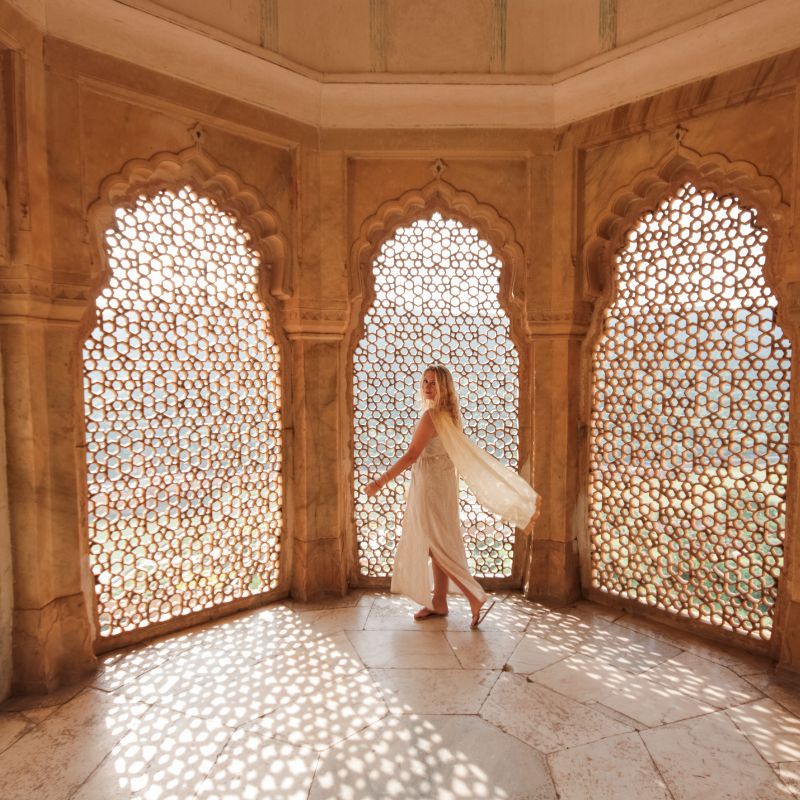
The price depends on travel dates, accommodation category, group size, transport and safari arrangements. A personalised quotation is more reliable than a general daily estimate.
Our published nine-day tour includes eight nights of accommodation at five-star or heritage hotels, or similar properties.
The package also lists selected meals, English-speaking sightseeing guides, monument entrance fees, private transport, Delhi-to-Agra air-conditioned train tickets and two private jeep safaris.
Flights, visas, travel insurance and personal expenses are excluded.
When comparing India tiger safari tour quotations, check whether the jeep is exclusively booked or shared.
Also review the number of drives, hotel category, included meals, guide services and permit cancellation terms.
A cheaper itinerary may include fewer wildlife experiences or different accommodation.
What Common Mistakes Should First-Time Safari Travellers Avoid?
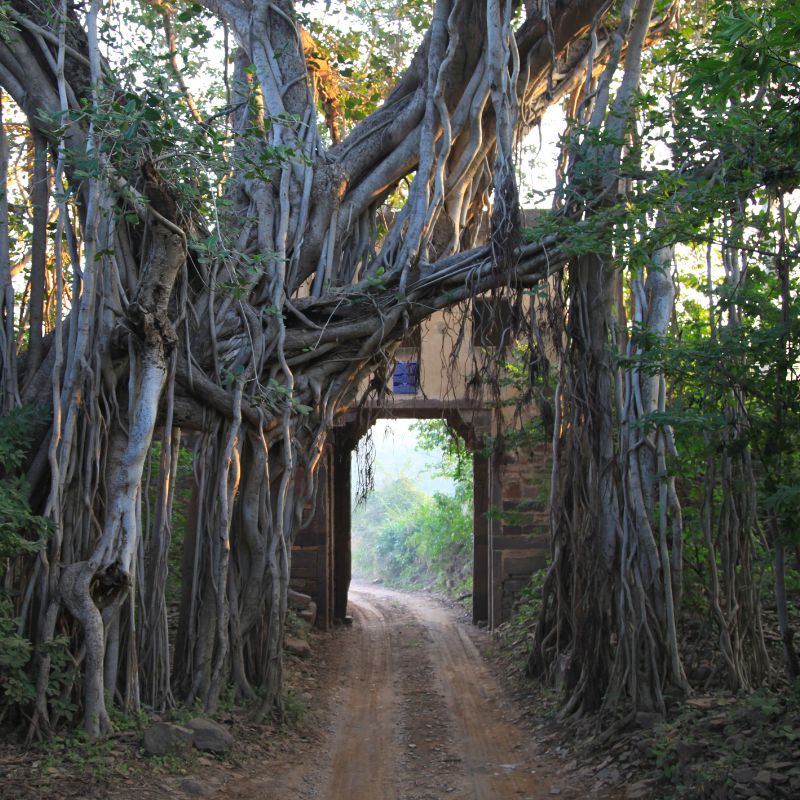
The most common mistakes are booking permits too late, spending too little time in Ranthambore, and expecting a guaranteed tiger sighting.
Another problem is arranging too many activities around safari days.
Imagine having a late dinner and waking before sunrise to spend several hours in an open vehicle.
Doing that repeatedly can become tiring.
Wear comfortable, neutral-coloured clothing, carry warm layers when necessary and follow your naturalist's instructions.
Never approach, feed or disturb wildlife for photographs.
Our guest reviews and testimonials can also help travellers understand previous guests' experiences with guides, accommodation and travel arrangements.
The safari should be worthwhile even when a tiger doesn't appear.
Confirm Safari Dates Before Finalising Your Route
When arranging a Golden Triangle tour with a tiger safari, we recommend checking Ranthambore permits before finalising the rest of the itinerary.
Begin with the season and available safari sessions.
Then decide how many drives you'd prefer and select accommodation that suits your entry arrangements.
Once you confirm the wildlife portion, organise Delhi, Agra, and Jaipur around it.
Remember the Taj Mahal's Friday closure when planning Agra.
Finally, confirm that the Jaipur-to-Delhi road transfer works with your international flight schedule.
These decisions matter more than adding another destination just because it's nearby.
Plan Your Golden Triangle and Tiger Safari Trip with Bout India
Combining the Golden Triangle with Ranthambore offers two very different experiences of India.
Delhi, Agra and Jaipur introduce you to architecture, royal history and local culture. Ranthambore adds time in nature, where every safari is different.
We have been creating tailor-made private tours since 2013. Our published nine-day Golden Triangle and Ranthambore itinerary combines luxury accommodation, guided sightseeing, private transport and wildlife experiences.
If you're considering a Golden Triangle tour with a tiger safari, you can plan your private India trip with a Bout India destination expert.
Discuss your travel dates, preferred accommodation, safari interests, and international flights so we can plan your itinerary around them.
A carefully organised holiday should give you enough time to enjoy both India's cultural heritage and its wildlife without rushing from one experience to the next.