India's most popular summer destinations — Shimla, Manali, Nainital, Munnar — fill up weeks in advance. These 10 destinations offer comparable scenery, cooler temperatures, and far fewer crowds. All are family-friendly, road-accessible, and have reliable accommodation.
Quick Reference
- Tirthan Valley, Himachal Pradesh
- Khajjiar, Himachal Pradesh
- Chail, Himachal Pradesh
- Mukteshwar, Uttarakhand
- Bhaderwah, Jammu and Kashmir
- Cherrapunji, Meghalaya
- Araku Valley, Andhra Pradesh
- Yercaud, Tamil Nadu
- Wayanad, Kerala
- Gurez Valley, Jammu and Kashmir
1. Tirthan Valley, Himachal Pradesh — The UNESCO-Adjacent Valley Nobody Talks About
Quick facts:
- Adjacent to the Great Himalayan National Park — UNESCO World Heritage Site since 2014
- Best months: April to June, before the heavy monsoon sets in
- How to reach: Fly to Bhuntar (Kullu-Manali Airport), drive 50 km to Gushaini; or train to Pathankot, then taxi
- No permit required
- Accommodation: River-facing homestays and guesthouses along the Tirthan River
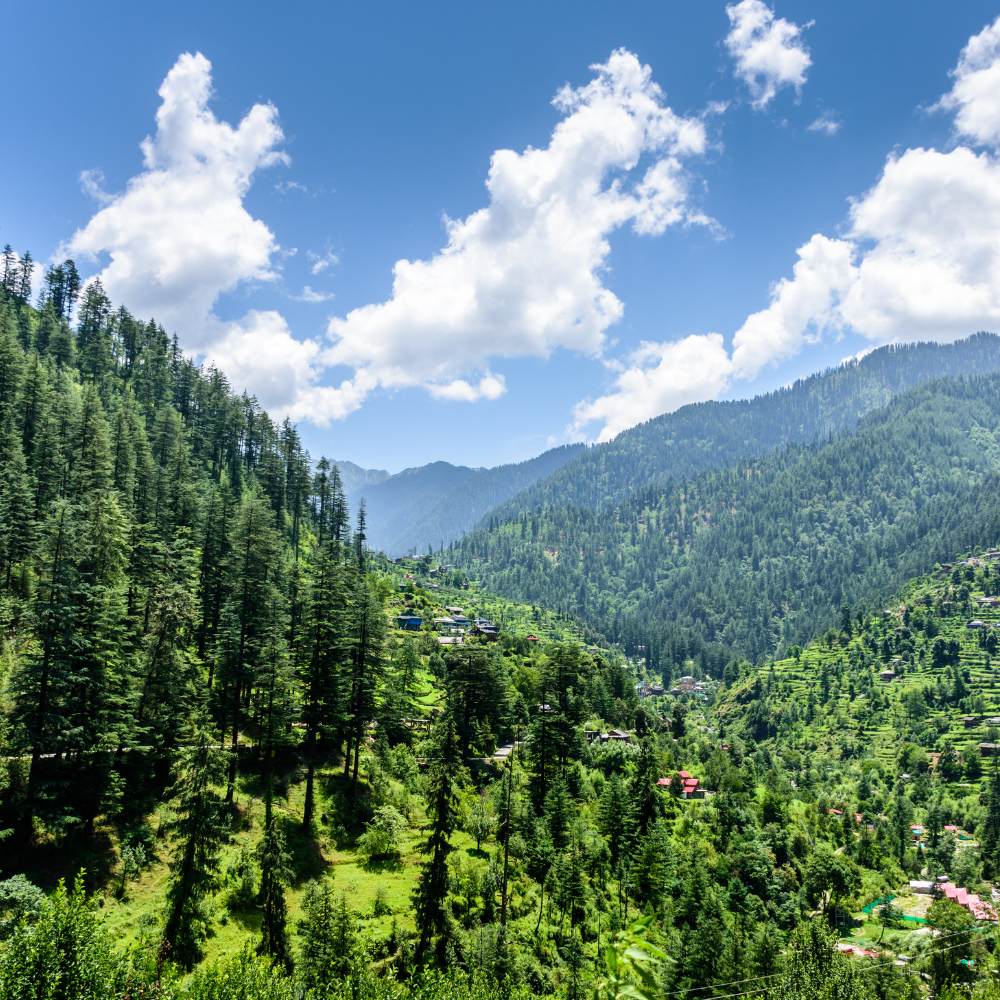
Tirthan Valley sits in Kullu district beside the Great Himalayan National Park, one of the most biodiverse protected areas in the western Himalayas. The Tirthan River, which runs through it, is one of the best trout-fishing streams in Himachal Pradesh. Summer brings green forest, mild temperatures, and trails into the park’s buffer zone that are manageable for children and older family members.
The valley is genuinely quiet compared to Kasol or Manali — no large resort clusters, no commercial strip. Gushaini and Bathad are the main villages, connected by a good road off the Chandigarh-Manali highway near Aut. Serolsar Lake, a three-hour trek from Jalori Pass, is the main high-altitude excursion and accessible to most fitness levels.
2. Khajjiar, Himachal Pradesh — India’s Own Little Switzerland
Quick facts:
- Altitude: ~1,920m | 24 km from Dalhousie
- Best months: May–June, September–October
- How to reach: Drive from Dalhousie (45 mins) or Pathankot (approximately 3.5 hours); no direct public bus to Khajjiar
- No permit required
- Works best as a day trip from Dalhousie, which has wider accommodation options
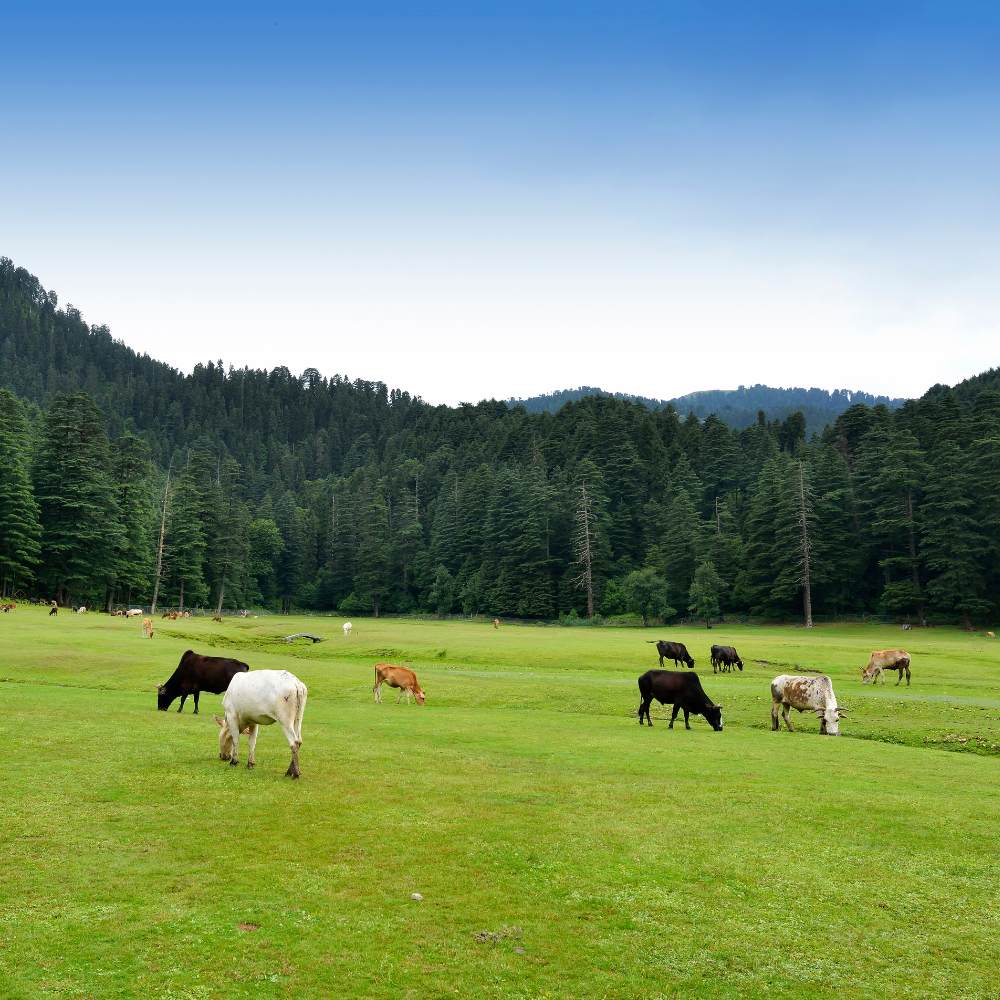
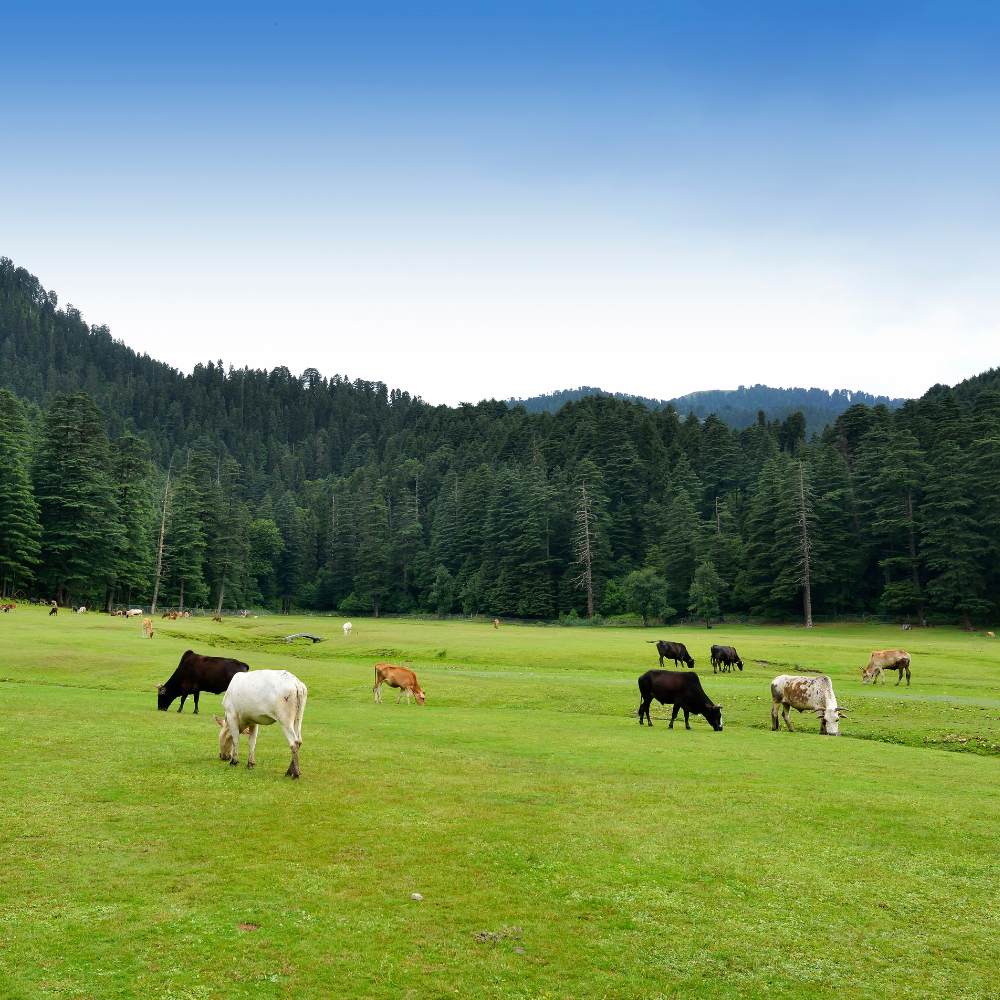
Khajjiar is a saucer-shaped meadow ringed by deodar forest with a small lake at its centre. In 1992, a Swiss diplomatic representative visited and erected a signboard calling it the “Switzerland of India.” The Khajjinag temple at the meadow’s edge dates to the 12th century.
The meadow itself is flat and easy to walk in — suitable for young children and elderly family members. Summer temperatures range from 15°C to 22°C. Because most visitors come as day-trippers from Dalhousie, the meadow is quietest early morning and late afternoon. Dalhousie, 24 km away, is the base with a better range of hotels and restaurants.
3. Chail, Himachal Pradesh — A Palace, a Forest and One of the Highest Cricket Grounds in the World
Quick facts:
- Altitude: ~2,250m | 45 km from Shimla, approximately 100 km from Chandigarh
- Best months: May–June, September–October
- How to reach: Drive via Kandaghat on the Chandigarh-Shimla highway; no direct train
- No permit required
- Accommodation: Chail Palace heritage hotel (HPTDC) is the anchor stay; additional guesthouses are available
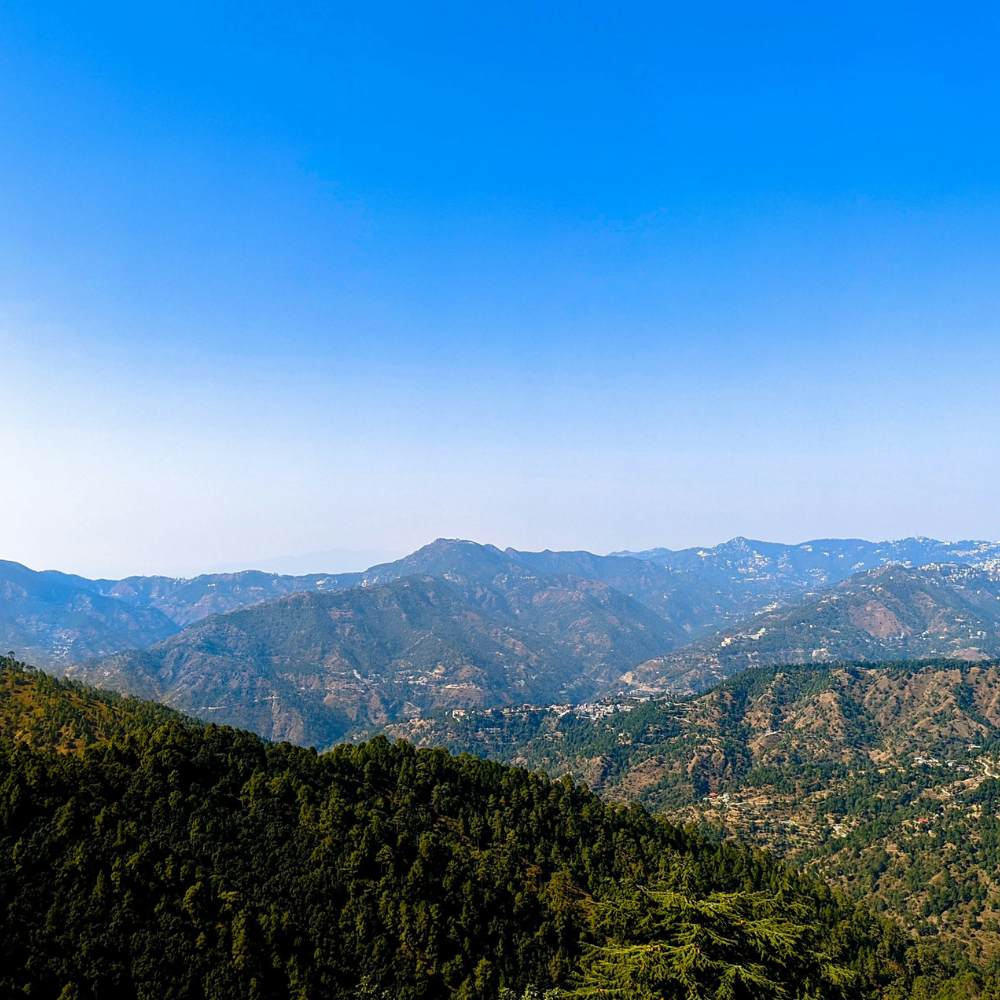
Chail was built by Maharaja Bhupinder Singh of Patiala as a summer retreat after he was exiled from Shimla by the British. The cricket ground on the estate, established in the late 19th century, sits at approximately 2,444 metres — among the highest cricket grounds in the world. The setting alone makes Chail worth the drive.
The Chail Palace operates as a heritage hotel and is open to guests. The surrounding Chail Wildlife Sanctuary has short walking trails through dense deodar and pine forest that work well for families. Shimla is 45 km away for medical or banking needs.
4. Mukteshwar, Uttarakhand — Orchards, Altitude and Nanda Devi on the Horizon
Quick facts:
- Altitude: ~2,286m | 51 km from Nainital, 93 km from Pantnagar Airport
- Best months: April–June, September–October
- How to reach: Drive from Kathgodam railhead (~72 km) or Nainital (51 km)
- No permit required
- Accommodation: A growing range of resorts and homestays, better than most Uttarakhand offbeat destinations
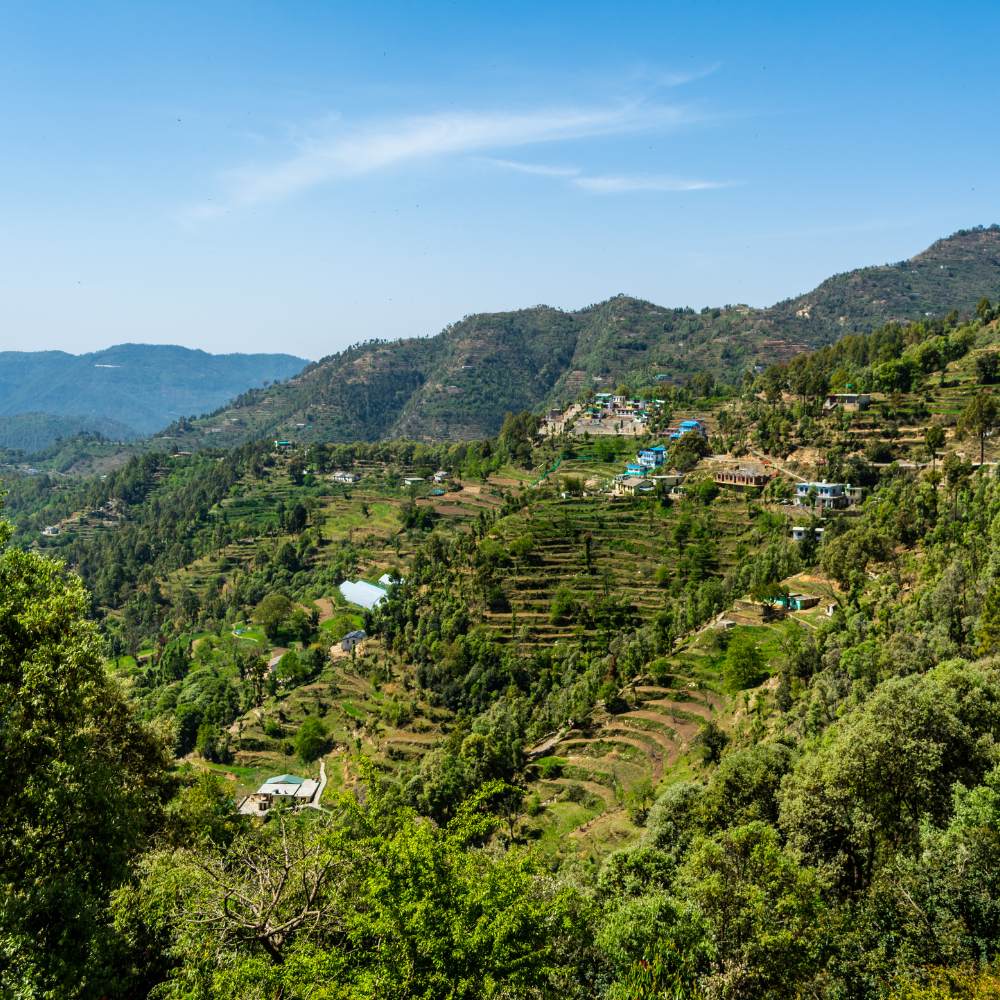
Mukteshwar is in Nainital district and offers clear views of the Nanda Devi massif on clear days. The town is named after Mukteshwar Dham, a Shiva temple perched on a rocky outcrop above the valley. Apple and pear orchards cover the hillsides around the town, and the Indian Veterinary Research Institute — established in the late 19th century — occupies an atmospheric colonial-era campus worth walking through.
Chauli ki Jali, a natural limestone rock formation on the ridge above town, is a short walk from the main road and one of the better viewpoints in the Kumaon Himalayas. Bhalu Gaad Waterfall, about 3 km by trail, is accessible to most family groups. Nainital is close enough for a day trip or medical backup.
5. Bhaderwah, Jammu and Kashmir — J&K’s Lavender Valley Beyond the Tourist Circuit
Quick facts:
- Altitude: 1,600–2,000m | ~230 km from Jammu via NH44 and Batote
- Best months: May–September; lavender blooms June–July
- How to reach: Drive from Jammu via Batote — good road, no permit required
- No permit required
- Accommodation: Hotels and guesthouses available; standards improving steadily
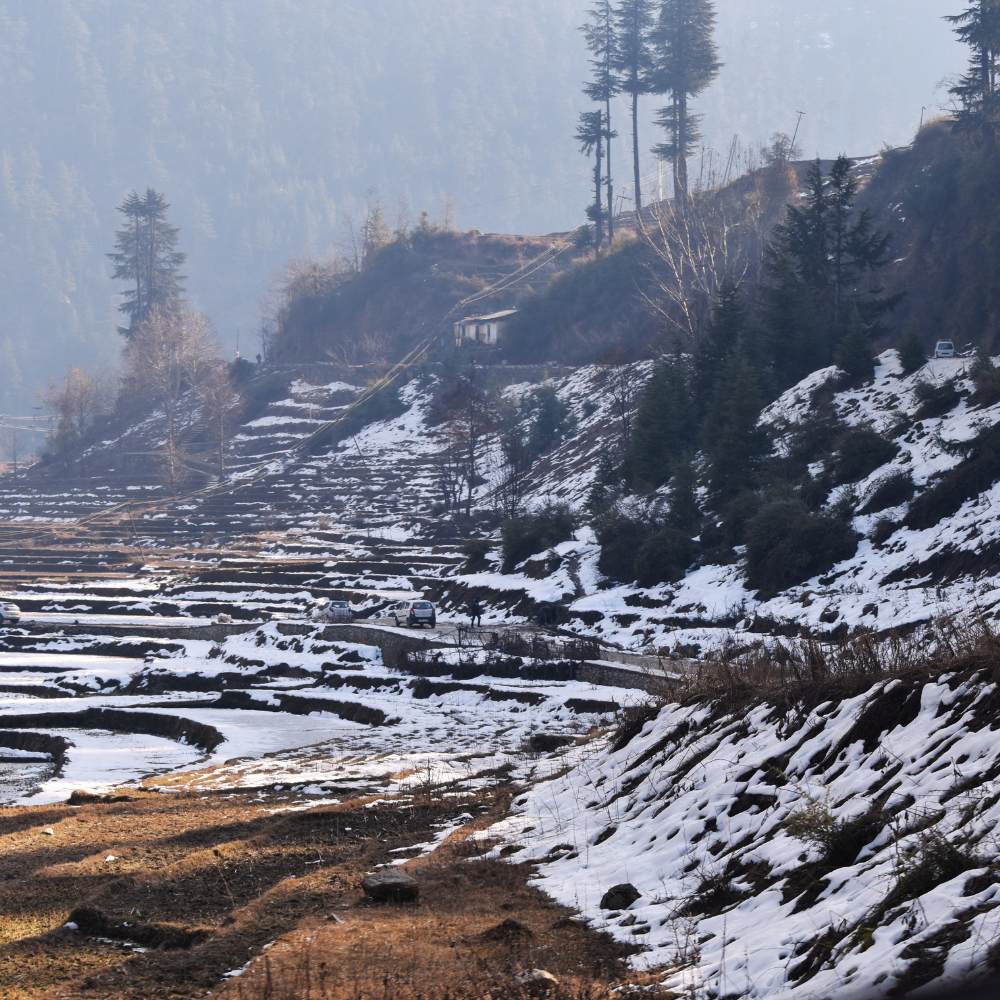
Bhaderwah is in Doda district and is not on the main Jammu and Kashmir tourist track, which is centered on Srinagar, Gulmarg, and Pahalgam. It is surrounded by meadows and mixed forests, with Jai Valley and Chinta Valley offering easy family walks. Kailash Kund, a high-altitude lake 17 km from the town, requires a more strenuous excursion.ion.
The most distinctive summer flower is lavender. Bhaderwah is one of the key growing areas under India’s government-backed Aroma Mission, which has established lavender cultivation across Doda district. Fields bloom purple through June and July, and a Lavender Festival has been held here in recent years around peak bloom.
6. Cherrapunji, Meghalaya — Where Indian Waterfalls Are at Their Most Dramatic
Quick facts:
- Altitude: ~1,484m | 53 km from Shillong
- Best months: May–July when waterfalls are at peak volume
- How to reach: Drive from Shillong — well-maintained road, 90 minutes
- No permit required
- Accommodation: Several hotels and guesthouses — better range than Mawlynnong
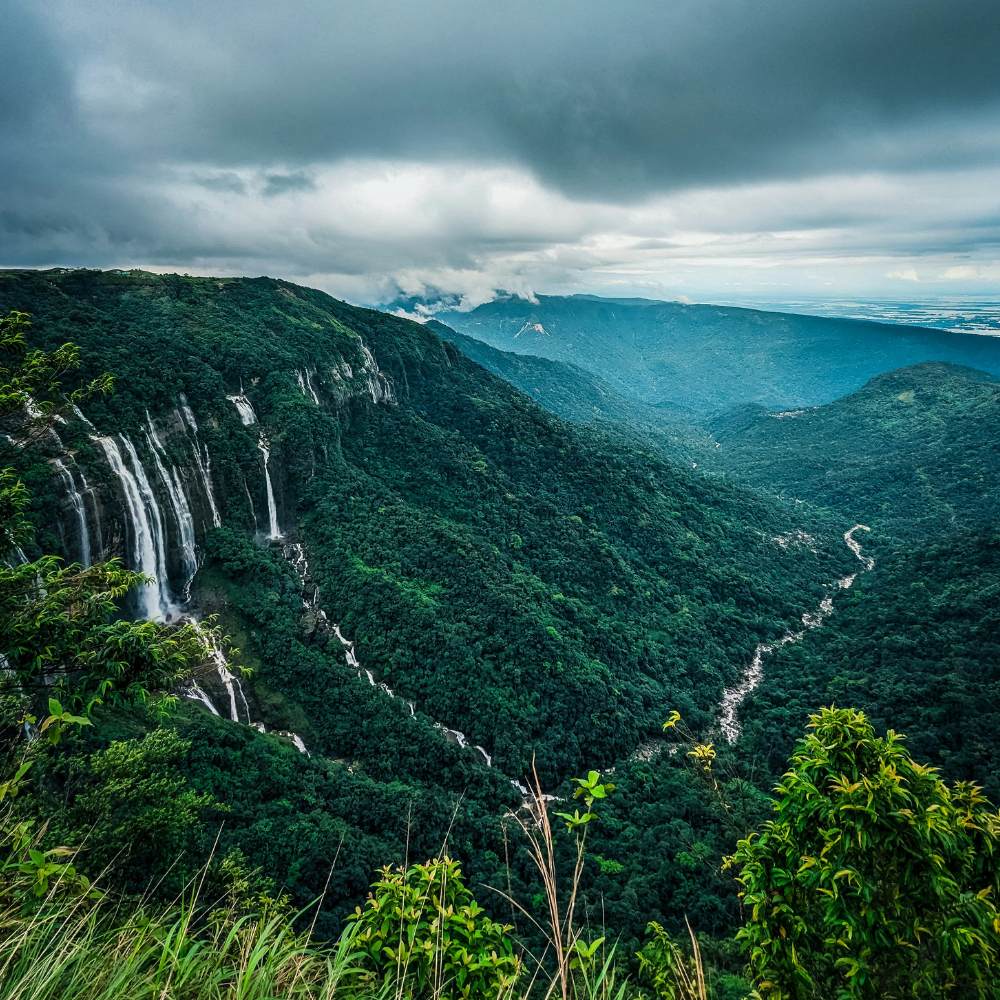
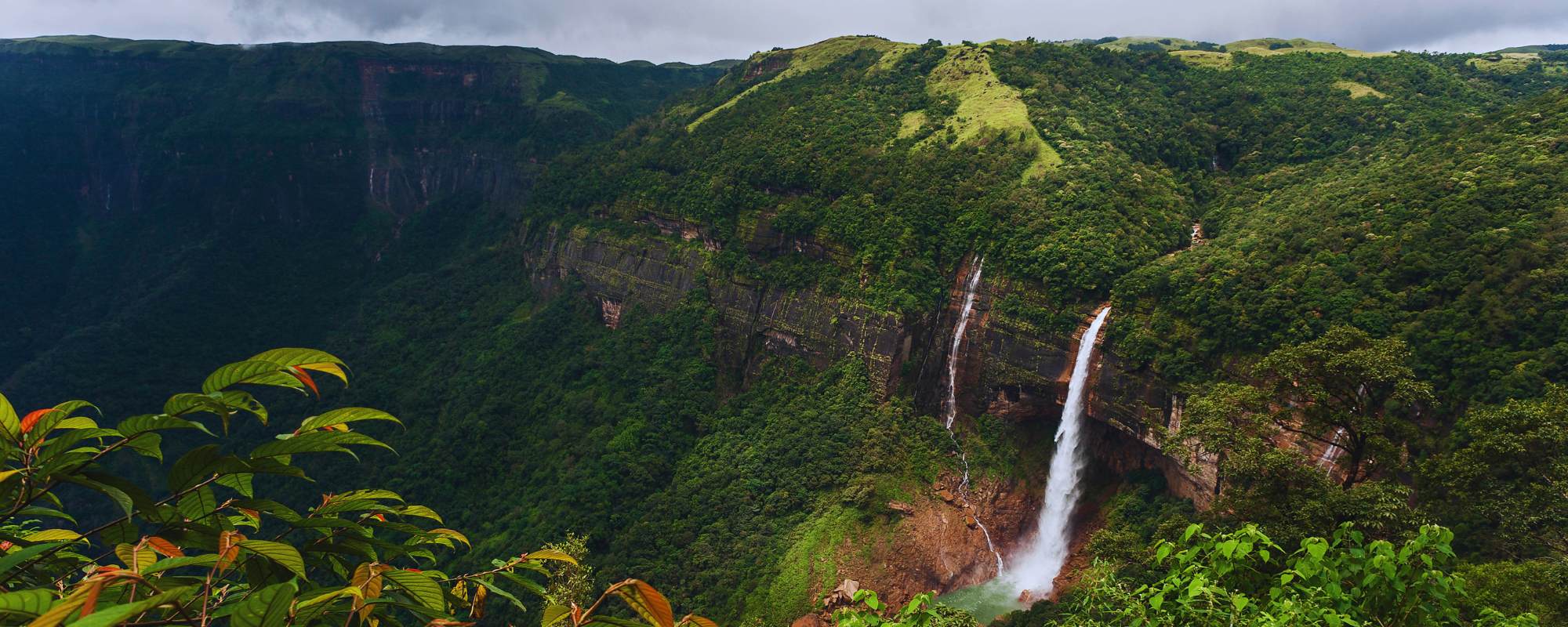
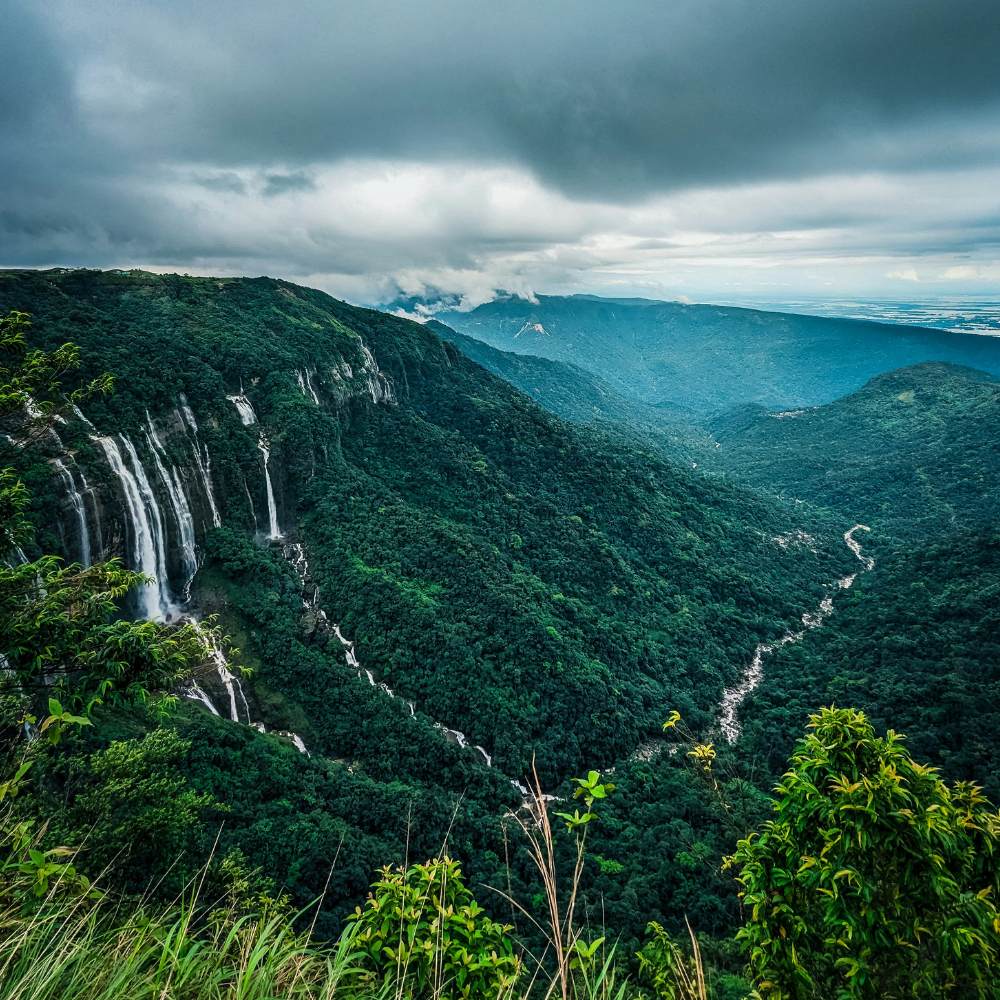
Cherrapunji, officially known as Sohra, is one of the wettest places on Earth and holds multiple rainfall records. Nohkalikai Falls — at approximately 340 metres — is one of the tallest plunge waterfalls in India and is most powerful between June and August. The Seven Sisters Falls (Nohsngithiang), a seven-segmented cascade visible from the roadside viewpoint, is another landmark unique to this area.
Mawsmai Cave, a short walk from the main road, is a family-friendly limestone cave with a lit walkway. The famous double-decker living root bridge at Nongriat requires descending roughly 3,500 steps — challenging for young children and elderly visitors. The accessible viewpoints, caves, and waterfalls around the main town are sufficient for a full day without that trek.
7. Araku Valley, Andhra Pradesh — India’s Best Scenic Train Journey Ends Here
Quick facts:
- Altitude: ~910m | 115 km from Visakhapatnam
- Best months: October–May; summer (March–May) is cool at altitude
- How to reach: Kirandul Express from Visakhapatnam — passes through 58 tunnels and numerous bridges across the Eastern Ghats; also accessible by road via NH516
- No permit required
- Accommodation: APTDC Haritha Hotel plus private resorts; reliable options
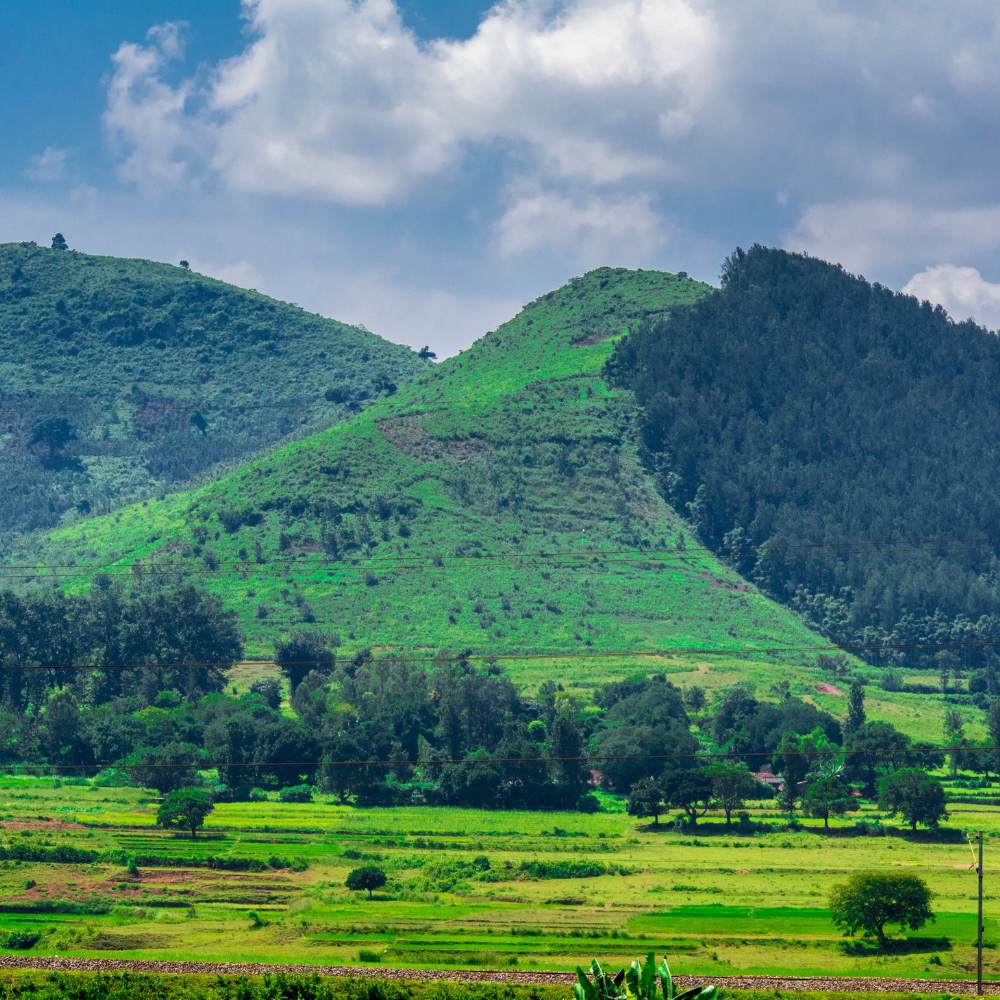
The train journey from Visakhapatnam to Araku is consistently listed among India’s most scenic rail routes — five to six hours through the Eastern Ghats, tunnels, bridges, and forested gorges. Araku Valley itself is a plateau surrounded by tribal villages and coffee plantations. Araku coffee has won international recognition in recent years and is available directly from growers and the APTDC outlet in the valley.
Borra Caves — a large limestone cave system approximately 35 km from Araku — is family-friendly and well-lit. The Tribal Cultural Museum at Araku documents the traditions of the Kondh, Koya, and other communities of the Eastern Ghats. The valley is significantly cooler than coastal Visakhapatnam in summer.
8. Yercaud, Tamil Nadu — The Shevaroy Hills Hill Station Most Travellers Drive Past
Quick facts:
- Altitude: ~1,515m | 30 km from Salem, ~340 km from Chennai, ~215 km from Bengaluru
- Best months: March–June; temperatures stay between 13°C and 30°C year-round
- How to reach: Drive from Salem; accessible from Chennai and Bengaluru via NH44 to Salem, then the Yercaud Ghat Road
- No permit required
- Accommodation: Budget to mid-range hotels — good range for its size
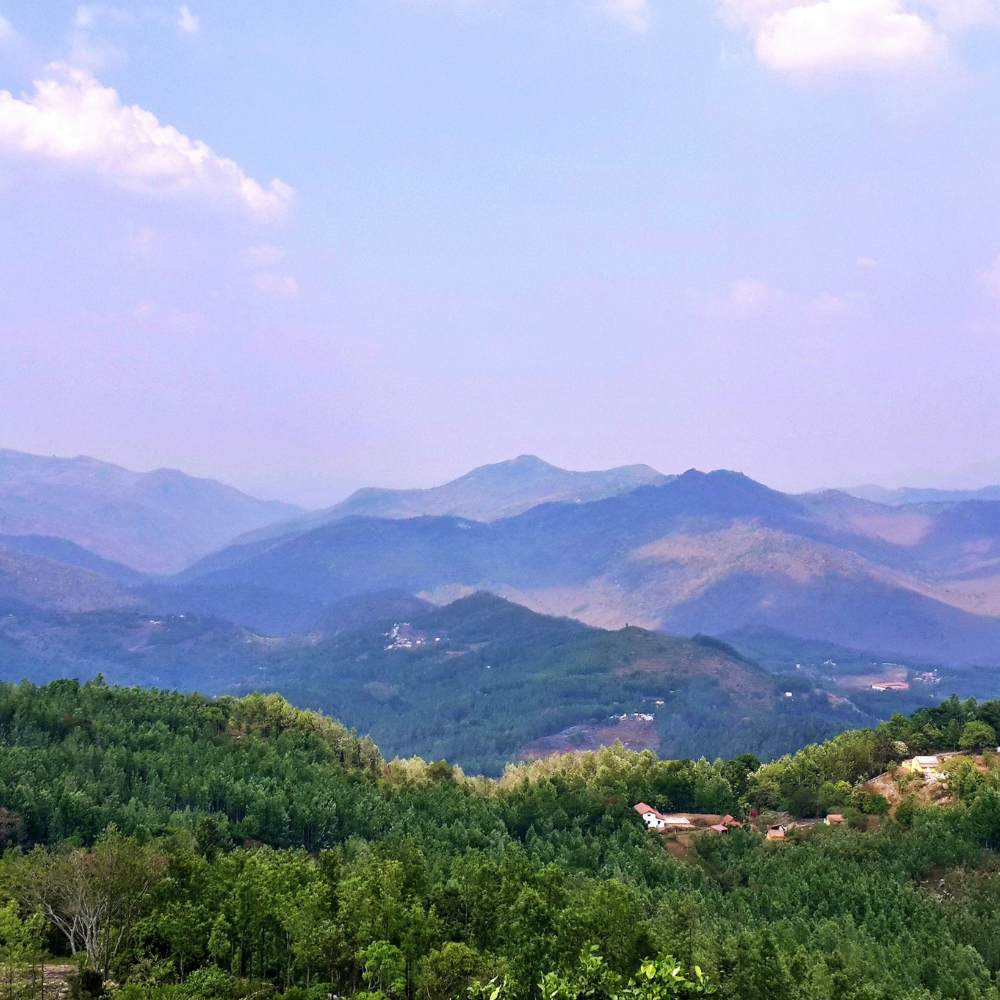
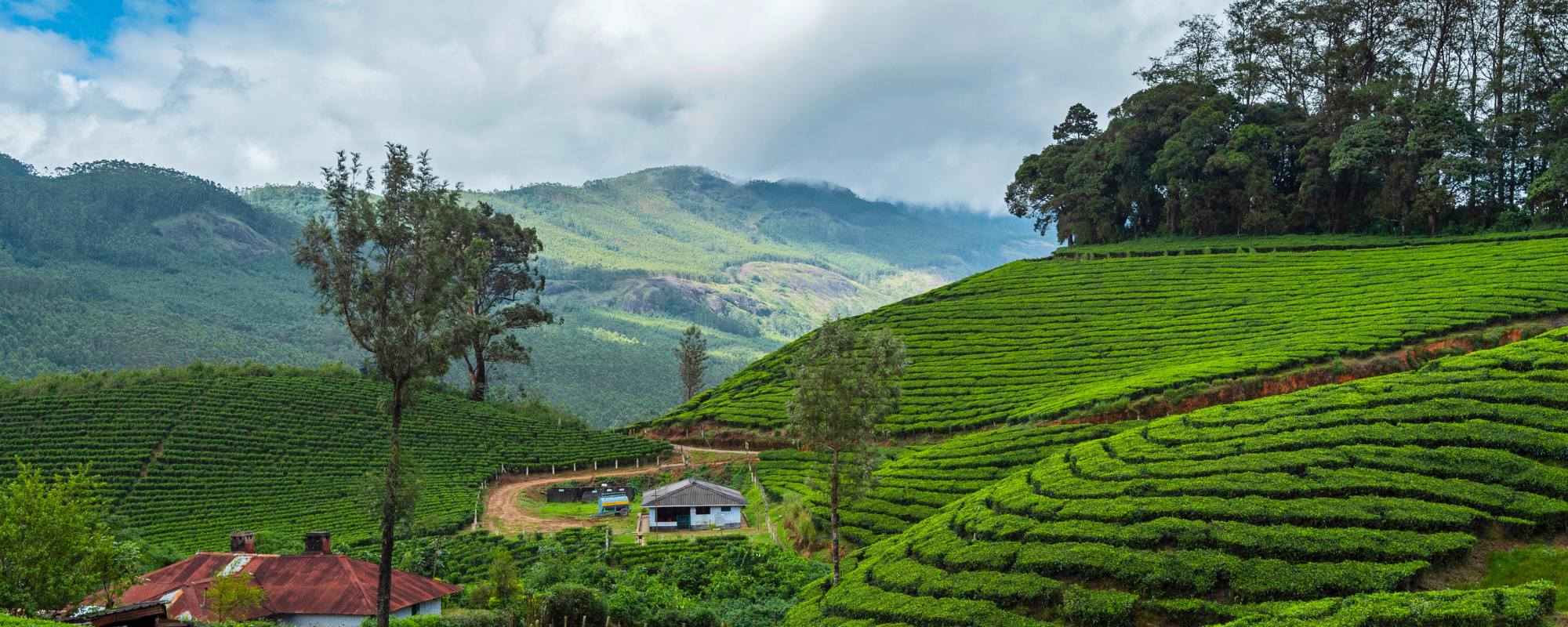
Yercaud, in the Shevaroy Hills of Salem district, is consistently overshadowed by Ooty despite being at a similar altitude with comparable scenery. Coffee, pepper, and orange plantations cover the surrounding hills. Yercaud Lake offers boating and is the central point for the main town. The Shevaroyan Temple, on the highest point of the range at ~1,623 metres, is reached by a short drive and walk.
Lady’s Seat viewpoint offers views over the Salem plains and the Mettur Dam reservoir on clear mornings. The Big Waterfall, a few kilometres from town, is a short walk from the road. Salem — 30 km downhill — provides full medical facilities, ATMs, and supplies. Yercaud is one of the most undervalued hill stations in South India, given its accessibility.
9. Wayanad, Kerala — Wildlife, Ancient Caves and Misty Forest Before the Monsoon Arrives
Quick facts:
- Altitude: 700–2,100m | 80 km from Calicut International Airport
- Best months: April–May (pre-monsoon); October–March also excellent
- How to reach: Drive from Calicut via NH766 — good road; no permit required to enter Wayanad
- Accommodation: Wide range — estate bungalows, resorts, and homestays across all budgets
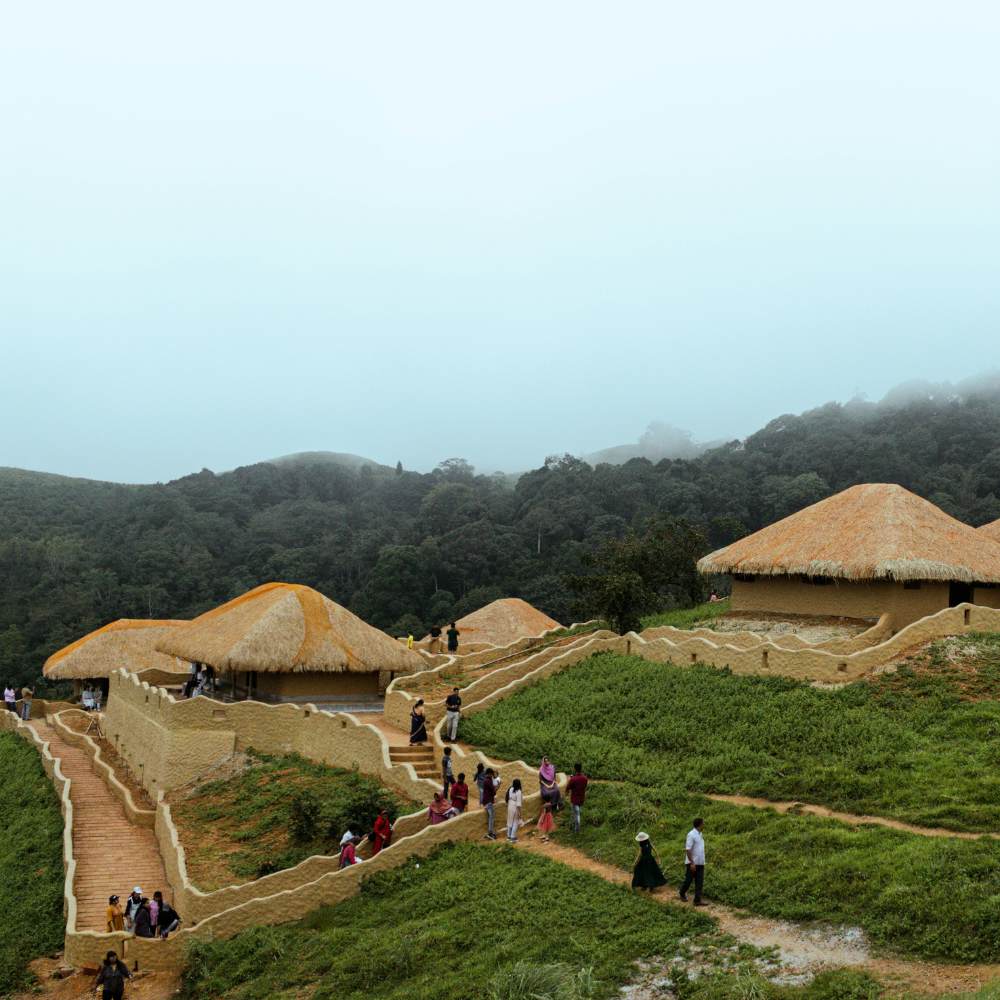
Wayanad is significantly less crowded than Munnar and Coorg despite a comparable landscape. The district sits on the edge of the Nilgiri Biosphere Reserve and borders both Karnataka and Tamil Nadu. Edakkal Caves, containing ancient rock engravings believed to date back several thousand years, are a 20-minute walk from a road-accessible car park and are suitable for most family groups.
Chembra Peak at 2,100 metres requires a permit from the Forest Department — straightforward to obtain locally. Banasura Sagar Dam, one of the largest earth dams in India, features a reservoir and a popular boat ride for families. Soochipara Falls is a three-tier cascade about 20 km from Kalpetta with a short forest trail to the base.
10. Gurez Valley, Jammu and Kashmir — Kashmir’s Least Visited Summer Valley
Quick facts:
- Altitude: ~2,400m | 123 km from Srinagar via Bandipora, 4–5 hour drive
- Best months: June–September only — road closed in winter
- How to reach: Drive from Srinagar via Bandipora; no rail or air access to the valley
- Restricted Area Permit required for all visitors — Indian nationals apply via the J&K e-permit portal (jkgov.in); foreign nationals must verify current permit requirements and travel advisories before booking
- Accommodation: JKTDC tourist huts in Dawar, local homestays — basic but functional
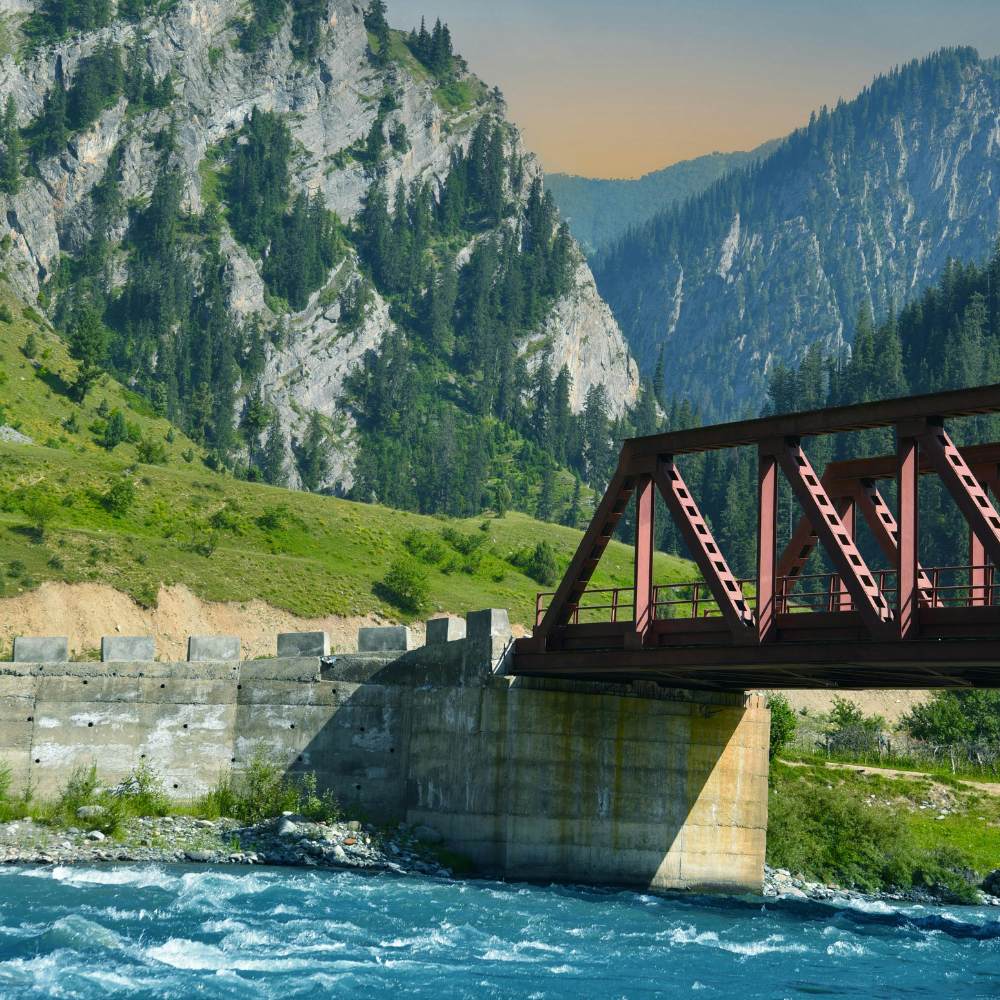
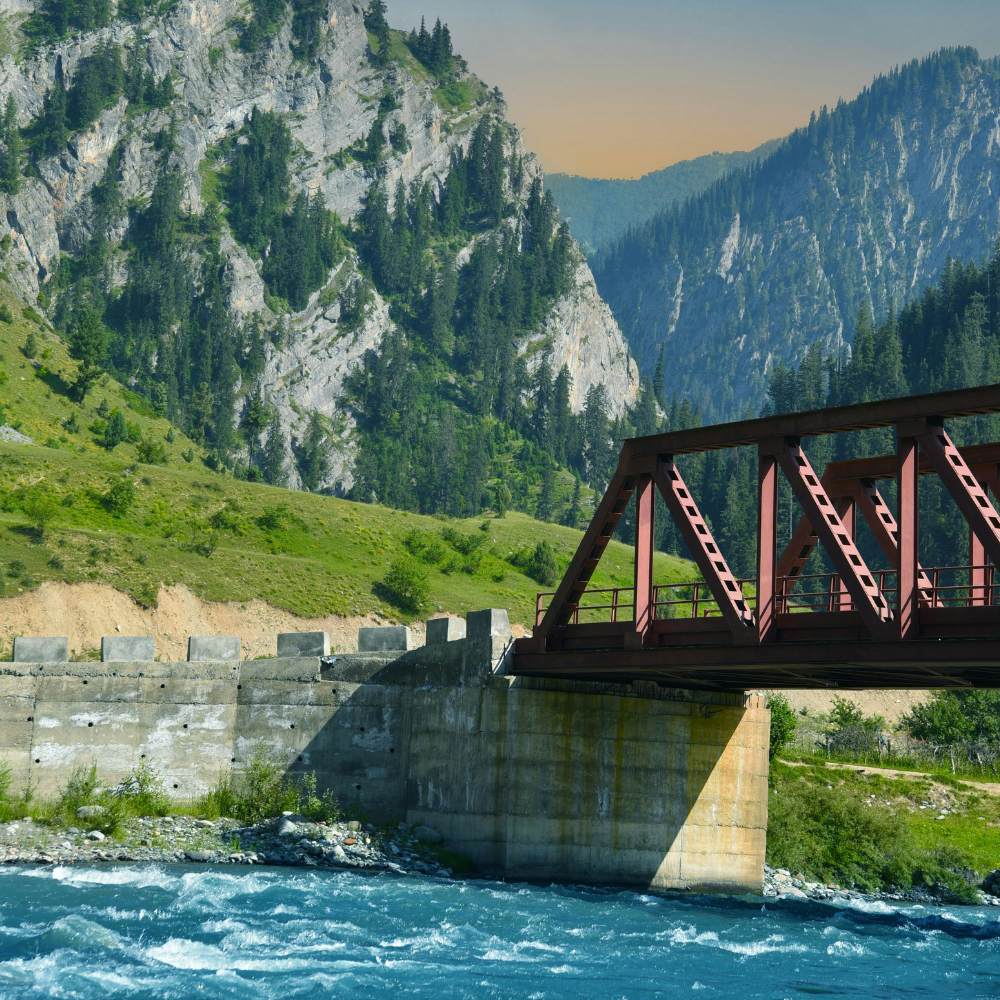
Gurez Valley sits in Bandipora district on the banks of the Kishanganga River, enclosed by steep ridgelines and accessible only in summer. It is one of the least commercially developed valleys in Kashmir — no resort clusters, no cable cars, and visible military presence due to its proximity to the Line of Control. The main village of Dawar serves as the base, with the valley’s meadows and river accessible on foot.
Habba Khatoon Peak, rising above Dawar, is named after the revered 16th-century Kashmiri poetess. The Tulail sub-valley, further along from Dawar, is even quieter and offers straightforward walks through high-altitude terrain. Gurez sees a fraction of the visitors that Pahalgam and Sonamarg receive — the permit requirement keeps casual footfall low, which is precisely what makes it worth the paperwork.
Frequently Asked Questions
Which of these destinations is best for a family with young children?
Yercaud and Khajjiar are the easiest for families with young children — flat terrain, short distances between attractions, and good road access. Araku Valley is excellent if the train journey is part of the plan.
Do any of these require permits?
Gurez Valley requires a Restricted Area Permit for all visitors — Indian nationals apply via the J&K e-permit portal. Tawang requires an ILP for Indian nationals and a Protected Area Permit for foreign nationals arranged through a registered tour operator. All other destinations on this list are permit-free. Chembra Peak in Wayanad requires a local Forest Department permit obtainable on arrival.
Which destinations work in June and July despite the monsoon?
Cherrapunji is at its most spectacular in June and July — waterfalls are at full volume. Mawlynnong is accessible but wet. Tirthan Valley is manageable in light rain. Wayanad and Yercaud see monsoon from June — still functional, but expect rain.
What is the closest offbeat destination to Delhi?
Khajjiar (approximately 570 km via Pathankot) and Chail (approximately 370 km via Chandigarh) are the closest on this list. Both are reachable in a single day’s drive.
Are any of these suitable for senior travellers?
Yercaud, Khajjiar, and Araku Valley are the most senior-friendly — good roads, short walking distances, reliable accommodation, and medical facilities within reach. Wayanad also works well with a base near Kalpetta.