India is not difficult to photograph. The real challenge is knowing where to be, when to be there, and what kind of story you want the image to tell.
A sunrise above the Taj Mahal. A blue lane in Jodhpur catching the morning shade. Pilgrims near the Ganges turning toward prayer. A tiger slipping up through tall grass in Ranthambore. A fisherman working across Kerala’s backwaters. These moments can lead to photographs that feel alive. Still, the best frames rarely happen by pure luck. They come after careful thinking about light, how people move, changing weather, local routines, and the patience to wait.
In India, travel for photography often works best when you slow down. Do not force yourself to “cover” the whole country. Pick a few places that look strong on camera. Then plan your days so you can go back to the same spots at different times, when the colour and shadows shift.
Start with the Golden Triangle and Rajasthan, then add Varanasi, Kerala, and India’s wildlife areas. Follow this kind of route if you want more than quick tourist shots.
What is the best time of year for photography in India?
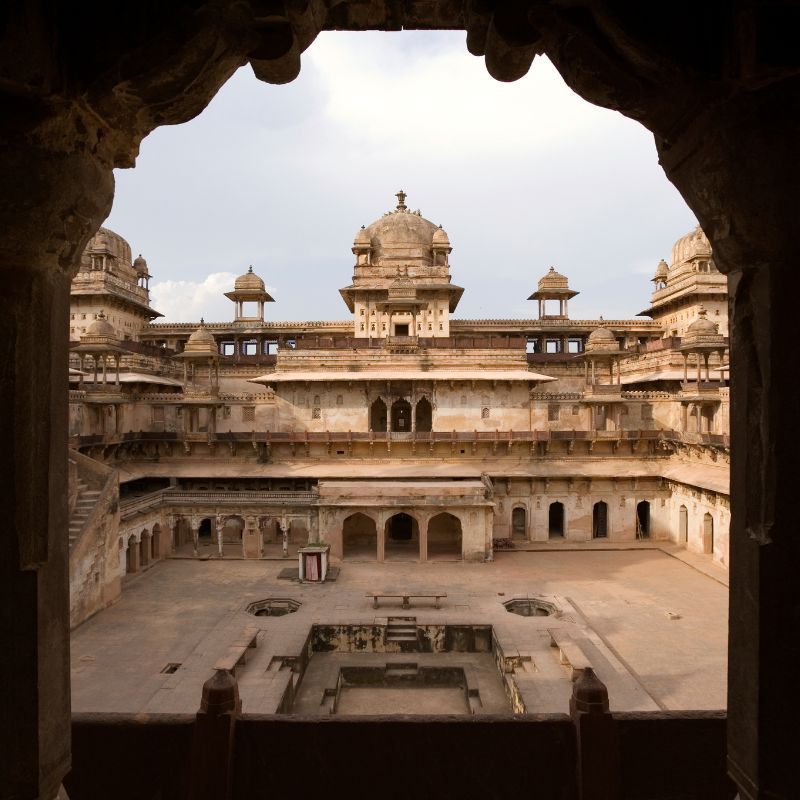
Planning a wide photography trip in India is usually easiest from October to March, especially if you are working around North India. The weather is cooler then, so it is easier to start early for photos. Skies are often clearer too, which helps a lot for shots of buildings, open scenes, and street life.
Rajasthan feels best in the cooler months. During that time, the forts are simpler to visit, the desert views are more comfortable in the heat, and the towns with their bright colours are easier to move through in a single day. Bout India’s overview of the best places to visit in Rajasthan also highlights the variety available across Jaipur, Udaipur, Jodhpur, Jaisalmer and other destinations.
That said, no single month is “best” for every photographic subject.
- October to March: excellent for Rajasthan, Delhi, Agra and Varanasi.
- November to February: particularly comfortable for North Indian heritage and street photography.
- Winter months: strong for wildlife photography in many central and northern parks.
- Post-monsoon: Kerala and other parts of South India can be exceptionally green and atmospheric.
- Summer: challenging in many areas, but potentially rewarding for wildlife photography because animals often gather around water sources.
Choose the right season based on your photographic priority, not just the weather.
Plan around light, not sightseeing hours.
A common problem for photographers in India is thinking of the work as something you do only while you are moving between tourist spots.
Try a different order.
Pick the place first. Then decide what light will work best.
If you shoot buildings, aim for early morning or late afternoon more often than midday. Strong noon sun can be unforgiving. In Rajasthan, Rajasthan Tourism points to about 8–10 AM and 4–6 PM as better times for photos.
This matters a lot in Jaipur, Jodhpur, and Udaipur. There you will see sandstone, painted fronts, carved balconies, and palace walls. Side light can make these details stand out.
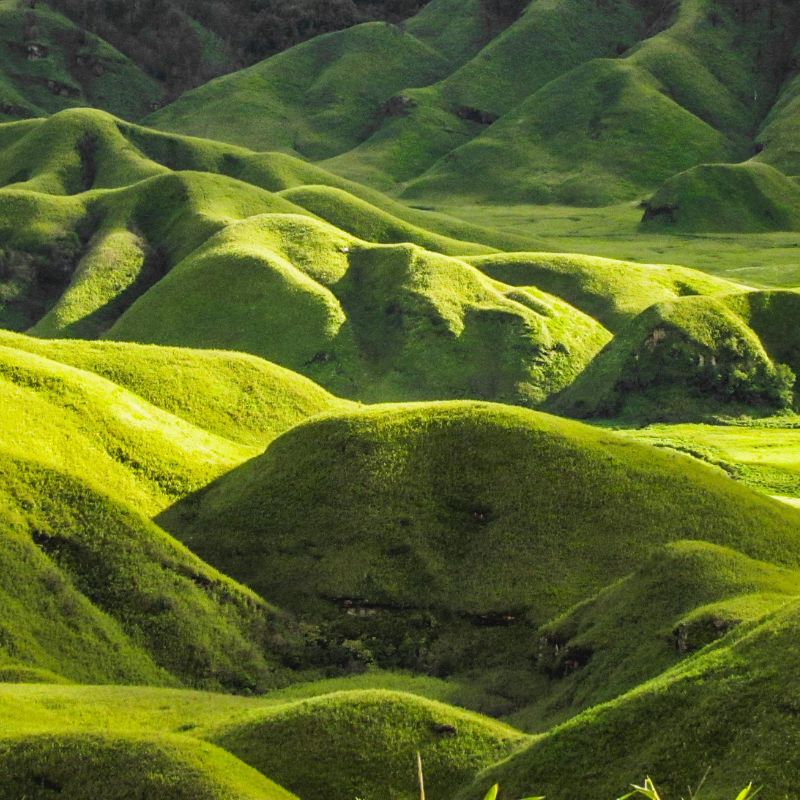
Landscapes follow the same idea too. At sunrise, you often get gentle contrast, cooler shadows, and fewer crowds. At sunset, you usually see richer colours and longer shadows.
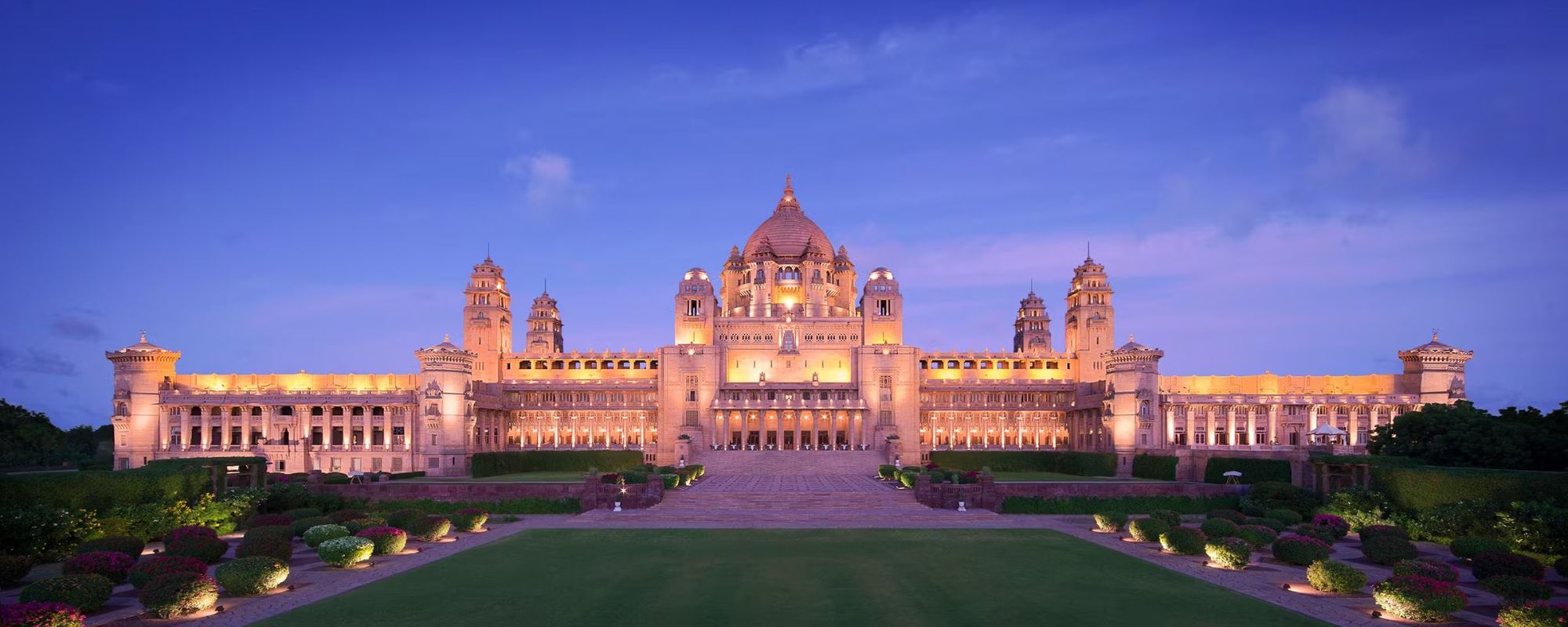
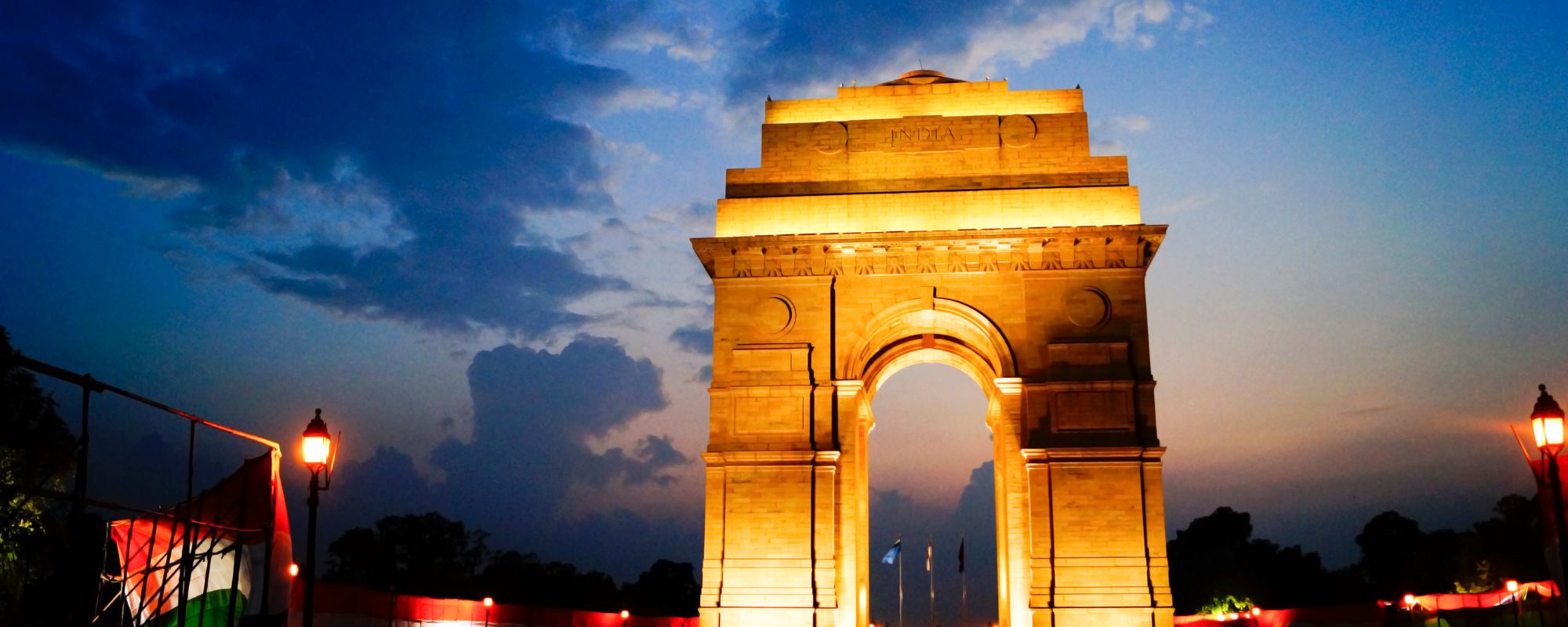
Also, keep an eye on the blue hour. Those 15–30 minutes near twilight can be a good window for bright lights on buildings against a deep blue sky.
The Taj Mahal: arrive before the day begins
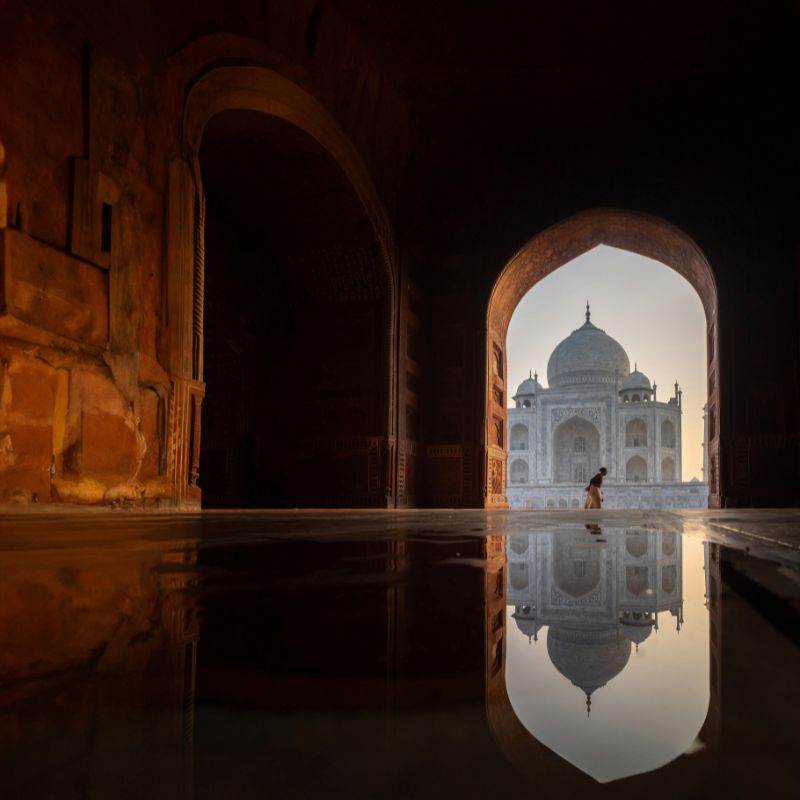
Few photographic subjects in India are as familiar as the Taj Mahal, which means your challenge is not simply getting a sharp photograph of it. It is finding a perspective that feels personal.
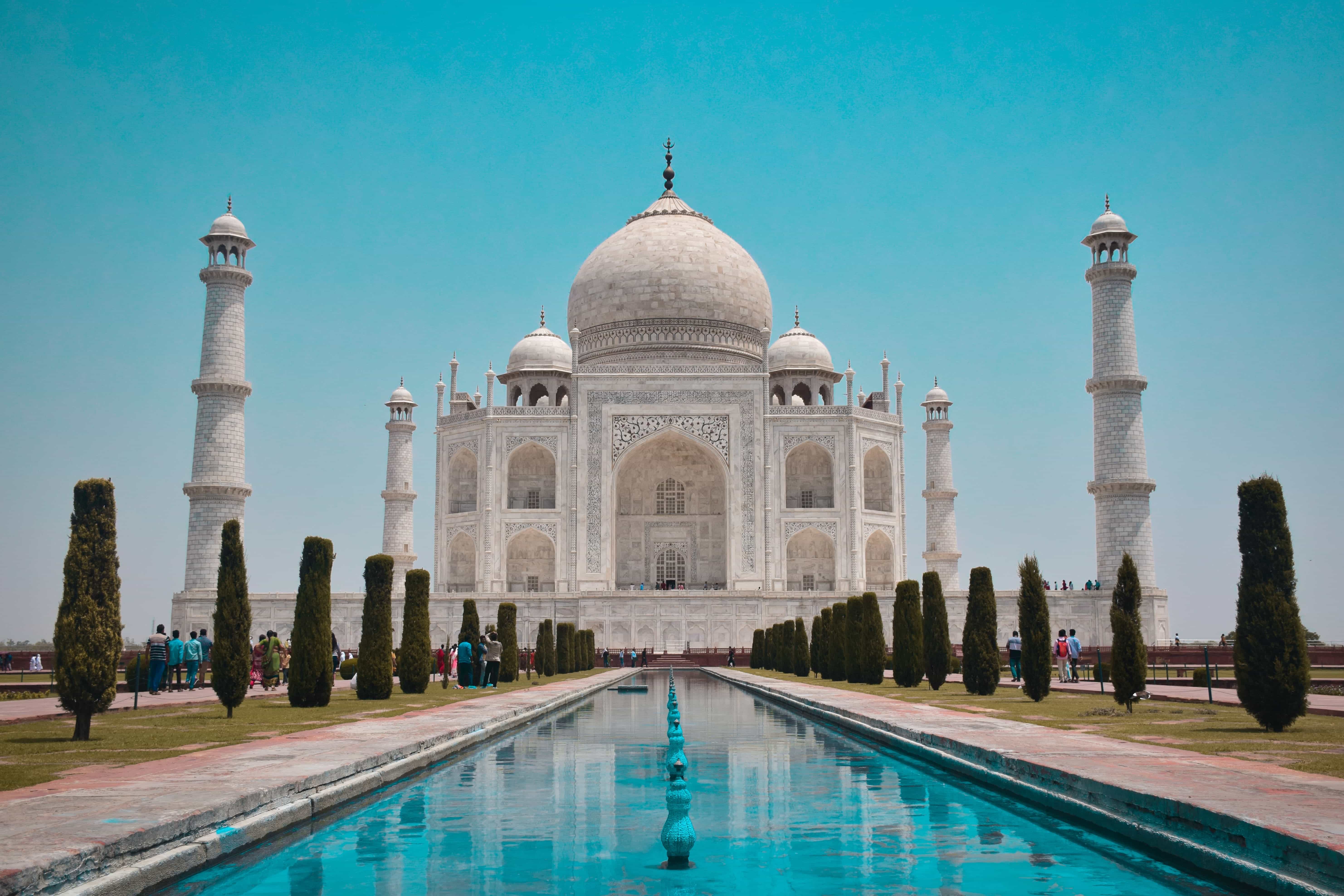
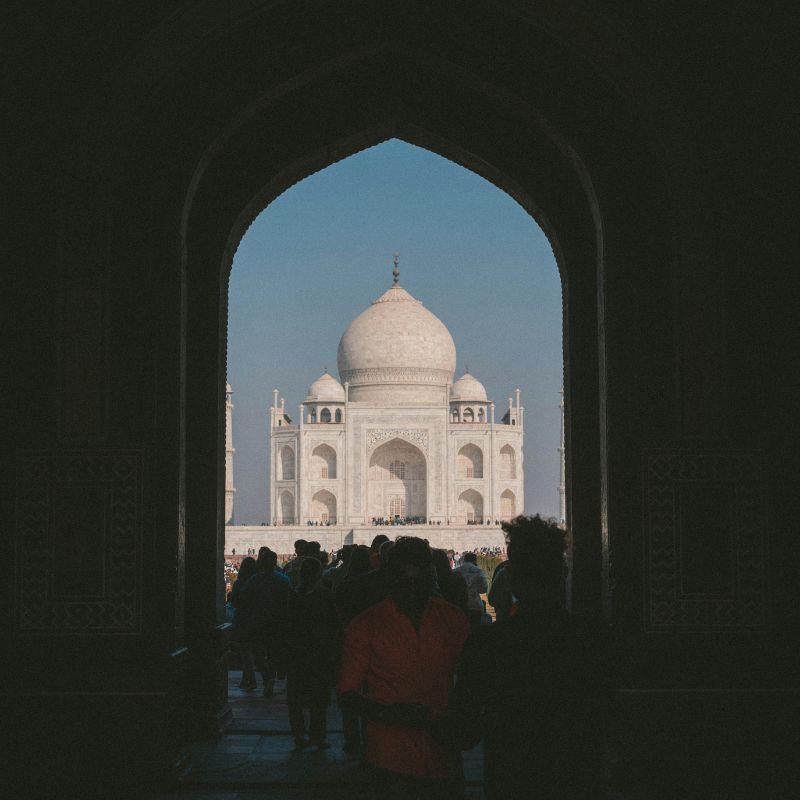
Sunrise is one of the best times to photograph the Taj Mahal. The official Taj Mahal website notes that early morning light can give the monument a soft pink glow while also helping photographers avoid some of the day’s heat and crowds.
Plan to arrive early enough to be in position rather than walking through the gate as the sun rises.
Give yourself multiple compositions:
- A wide architectural frame showing the reflecting pool.
- Symmetrical compositions through the entrance.
- Close details of marble inlay and carved surfaces.
- Environmental photographs including visitors.
- Longer-lens images isolating architectural details.
- A late-afternoon view from across the Yamuna.
The Taj View Point near Mehtab Bagh can also provide a different perspective, with the monument changing from warmer tones in morning and evening light to a brighter appearance during the day.
One practical point is essential: check current monument rules before packing your photography equipment. The official Taj Mahal guidance states that tripods and drones are prohibited, and photography is not permitted inside the main mausoleum.
For photographers planning a Golden Triangle itinerary, Bout India’s Golden Triangle tour packages can be adapted around preferred shooting times rather than treating every city as a fixed sightseeing checklist.
Jaipur: photograph the city before it gets busy
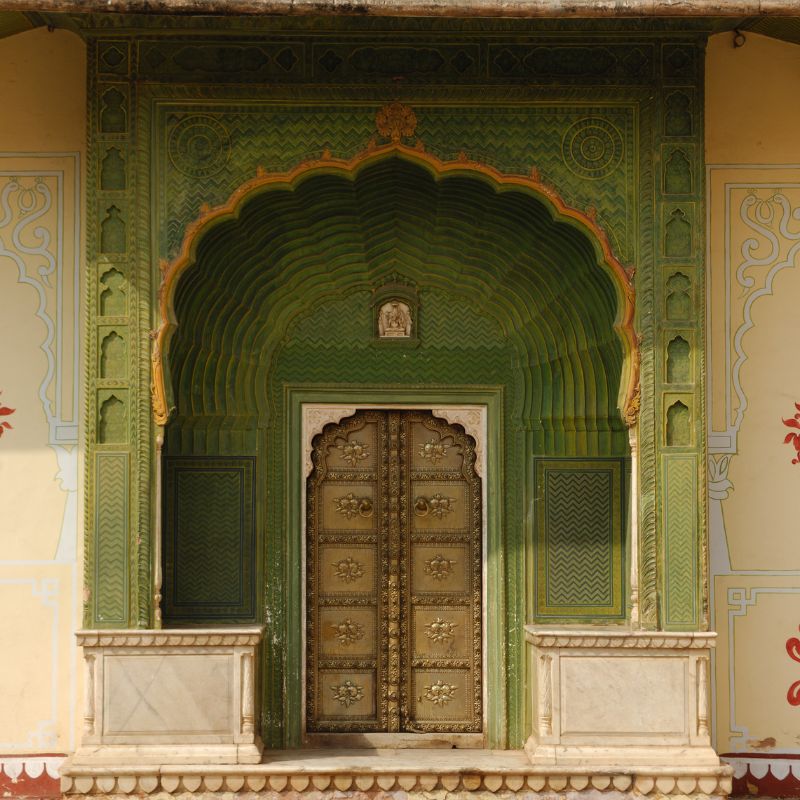
Jaipur is one of India's most rewarding cities for photographers. You can move through many different looks without going far.
In the old city, the pink buildings catch the morning sun. Hawa Mahal is the first stop for most people. Still, try not to shoot only the usual straight-on view. Look for mirror-like surfaces, repeating lines, and the dark lines made by shadows. Watch how the palace wall and the street life line up as people walk by.
At Amber Fort, slow down and notice the shapes. Notice the courtyards, the rough stone, and how daylight shifts inside. The sandstone tones and the painted rooms change as the hours move on.
Jal Mahal gives you a different scene. Rajasthan Tourism calls it one of the most photographed spots in Jaipur. The main draw is the mix of the sandstone building, Man Sagar Lake, and the surrounding land.
For a photo trip, plan for at least two nights in Jaipur. Put one morning toward buildings. Use another morning for bazaars, crafts, and smaller street views in quieter parts of town.
If you want help planning, check Bout India’s Jaipur tour options for a private photography-focused schedule.
Rajasthan: go beyond the postcard
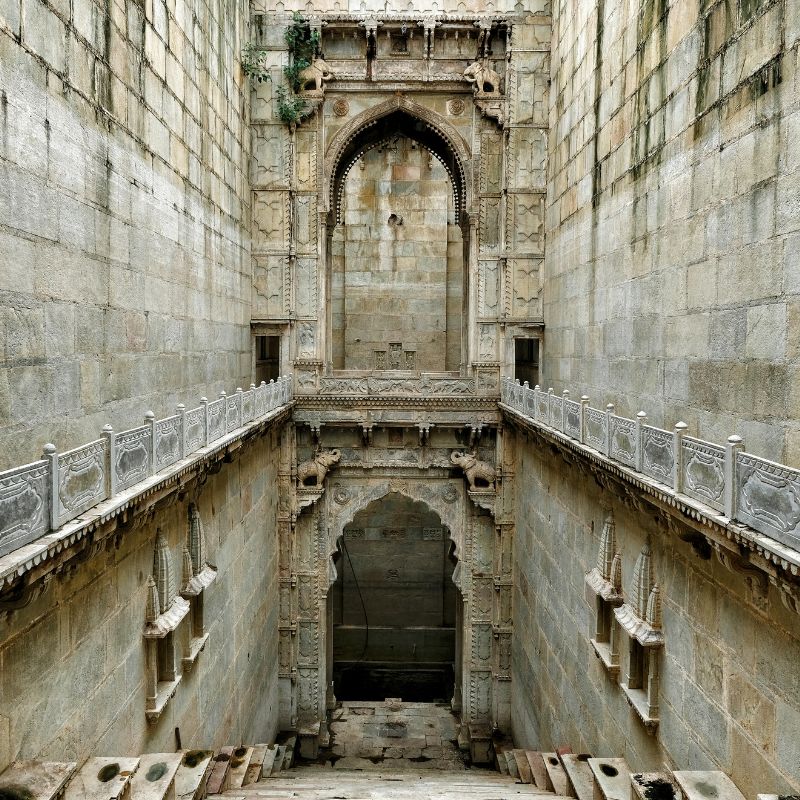
Rajasthan is a great choice if you shoot travel photos.
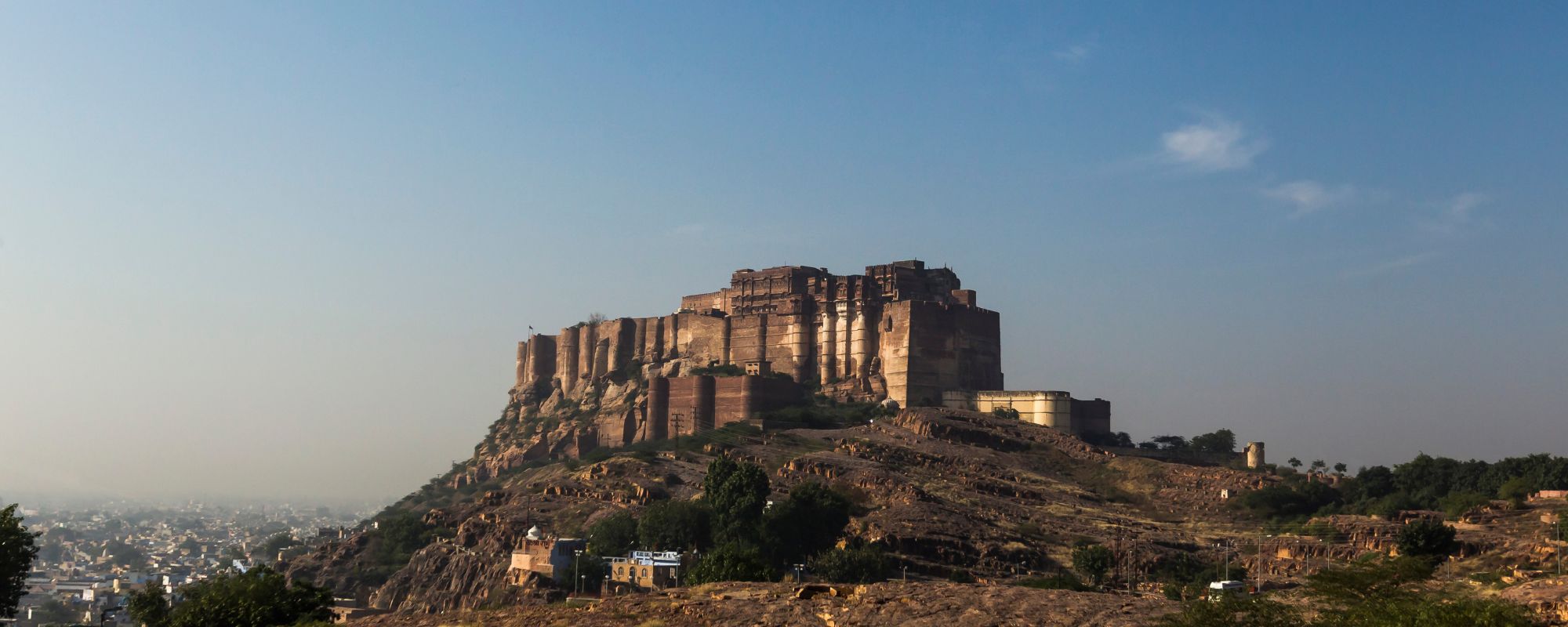
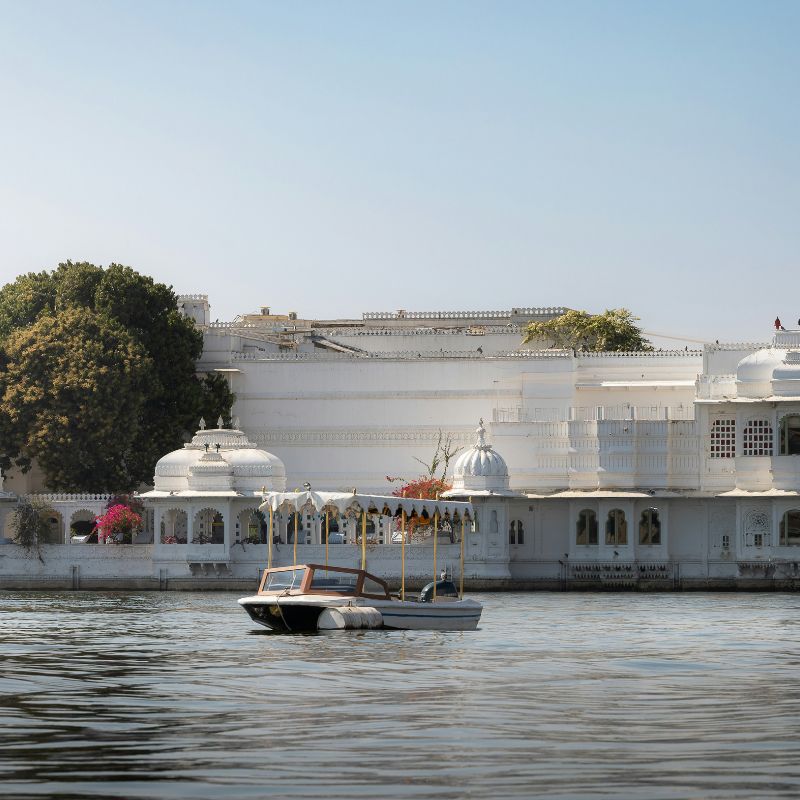
In Jaipur, you will notice clean shapes and bright tones. In Jodhpur, the blue lanes stand out, and Mehrangarh Fort anchors the frame. Udaipur offers palaces, water, and calm reflections. In Jaisalmer, the warm sandstone look and the Thar Desert can take over the whole view.
Still, the best shots often come when you mix well-known buildings with real street moments.
Go to the markets and spend time there. Ask before you photograph artisans as they work. Keep your eyes on repeating details, like cloth designs, food stalls, building trims, and daily outfits. Choose smaller towns along the way. Do not feel forced to bounce only between big cities.
If you are carrying camera gear and have a plan, a car you can use on your own helps. It also gives you time to wait for light and people. Sometimes a roadside scene turns out better than the main monument you planned to reach.
With the right tour options, you can shape these Rajasthan days around this slower way of travelling.
Varanasi: photograph moments, not performances
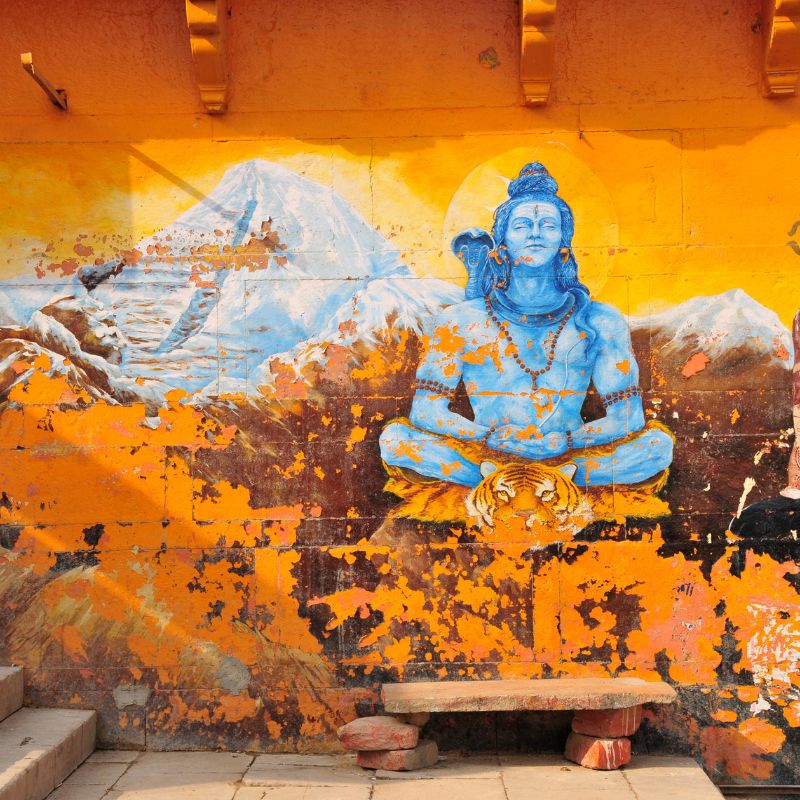
Varanasi requires a different photographic approach.
The ghats along the Ganges offer extraordinary opportunities at sunrise, when the first light gradually reaches the riverfront and boats begin moving across the water. Later, the narrow lanes provide an entirely different visual experience of shadows, textures, faces, architecture, and daily life.
For documentary photography, patience is more valuable than expensive equipment.
Instead of photographing every ritual from the first minute, observe first. Understand what is happening. Ask permission before making intimate portraits. Avoid treating religious ceremonies as staged performances simply because they look visually compelling.
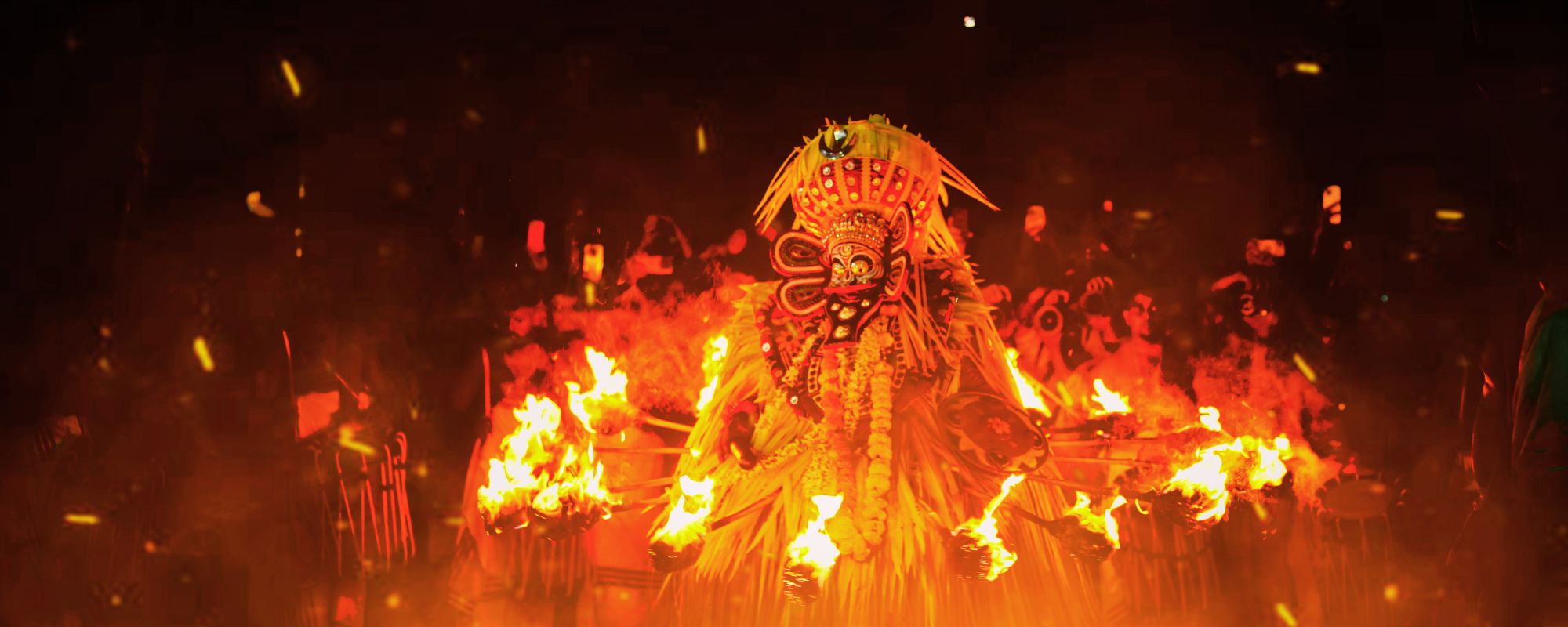
A strong Varanasi itinerary should ideally include both early mornings and evenings. Sunrise provides softer natural light, while evening ceremonies introduce firelight, smoke, and dramatic movement.
Bout India’s Varanasi travel options can be useful for photographers who want to combine the city with Agra and Rajasthan.
Ranthambore: allow time for wildlife photography
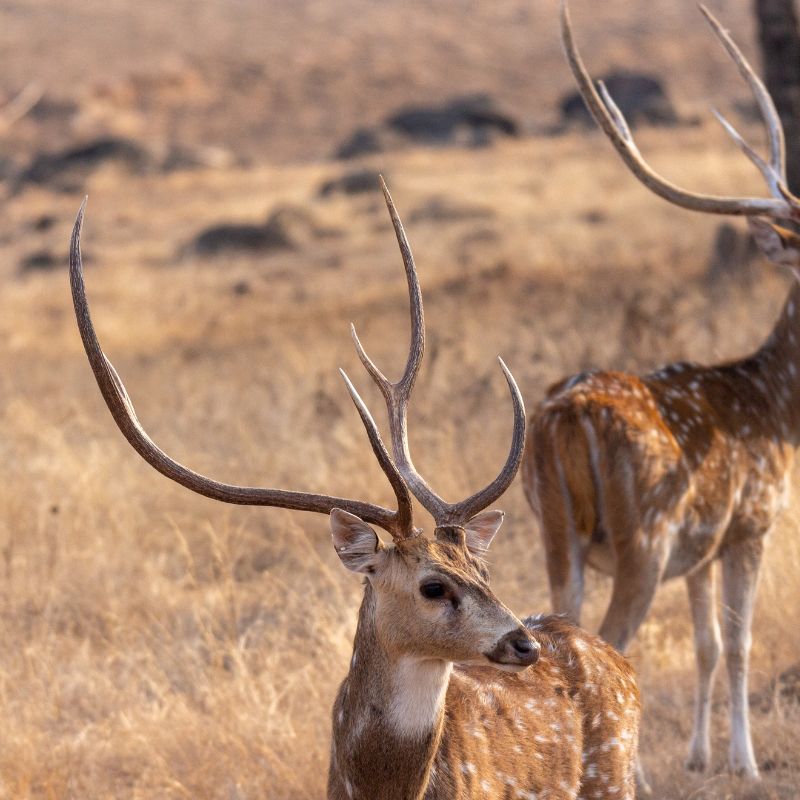
Wildlife photography is fundamentally different from architectural or street photography.
You cannot schedule a tiger.
What you can schedule is time in the habitat.
Ranthambore is particularly valuable because it combines wildlife with an unusually strong historical landscape. Bout India describes the region as a destination for wildlife photographers, with the national park, Ranthambore Fort, hills and valleys creating a diverse photographic environment.
Plan multiple safari drives rather than expecting one outing to produce your best image.
Carry a suitable telephoto lens, but don’t become obsessed with portraits of animals. Environmental images can be more powerful: a tiger framed by ancient ruins, deer against golden grass, or birds reflected in a waterhole can tell a much stronger story.
Bout India’s wildlife and nature tours can also be incorporated into a broader Golden Triangle and Rajasthan itinerary.
Build your itinerary around photographic energy.
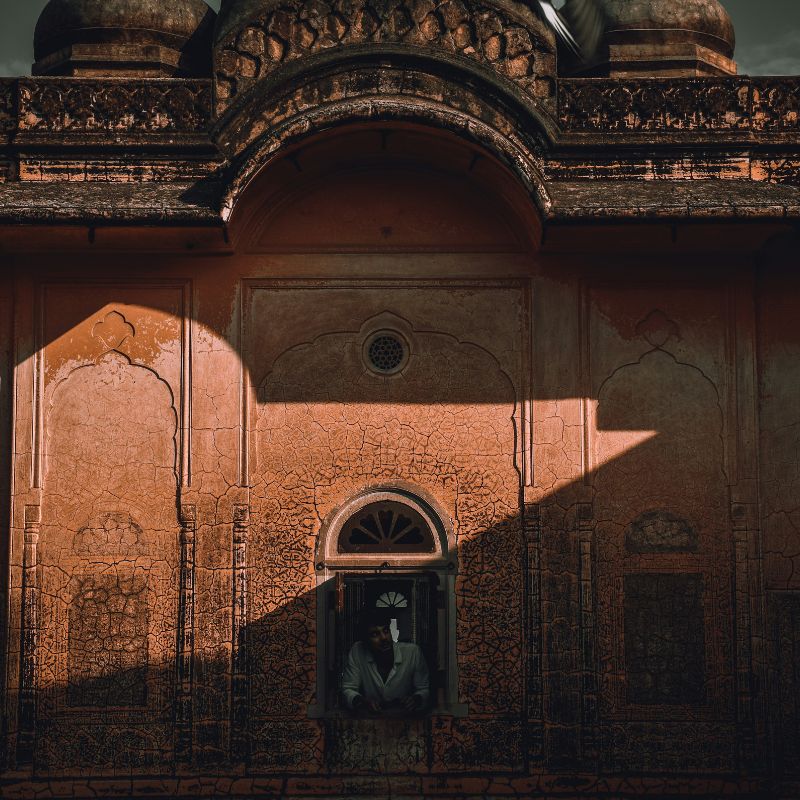
A good photography itinerary is not simply a list of destinations. It should have a rhythm.
For example:
Days 1–2: Delhi
Street life, historic architecture and old neighbourhoods.
Days 3–4: Agra
Taj Mahal at sunrise, Agra Fort and alternative views of the Taj.
Days 5–7: Jaipur
Hawa Mahal, Amber Fort, markets, artisans and old-city streets.
Days 8–9: Ranthambore
Multiple wildlife drives and landscape photography.
Days 10–12: Jodhpur
Blue City, Mehrangarh Fort and surrounding rural landscapes.
Days 13–14: Udaipur
Lakes, palace architecture, reflections and sunset photography.
This route is only a framework. Bout India’s recently published guidance on combining the Golden Triangle and Rajasthan similarly recommends allowing enough time in major cities rather than squeezing too many destinations into a short itinerary.
The key principle is simple: two good mornings in one place are usually worth more than one rushed morning in two places.
Photography etiquette matters in India
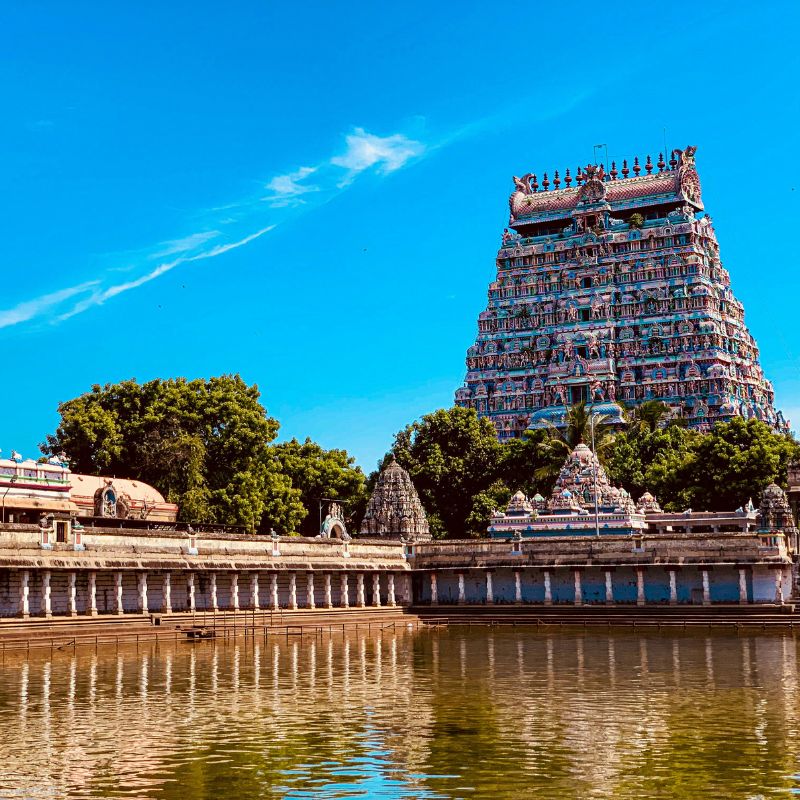
A technically perfect photograph is never worth compromising someone’s dignity.
Ask before making close-up portraits, especially when photographing people in intimate, religious, or private situations. Rajasthan Tourism specifically advises photographers to respect people’s sentiments and seek permission before photographing women, festivals, and family celebrations.
At religious sites, follow local instructions. At wildlife reserves, never pressure guides to approach animals too closely for a photograph.
The best documentary photographs often happen when people forget about the camera, not when they are made uncomfortable by it.
What camera gear should you take to India?
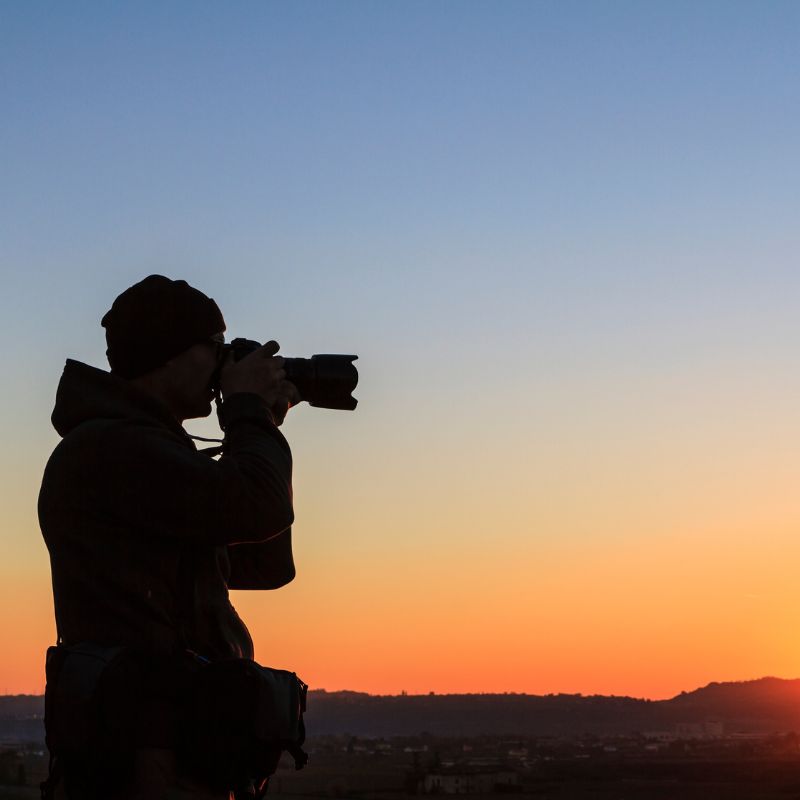
You do not need a huge kit.
A practical setup could include:
- A versatile 24–70mm or equivalent zoom.
- A 70–200mm or longer lens for wildlife and compressed architectural perspectives.
- A fast prime for low-light streets and portraits.
- Extra batteries and memory cards.
- A lightweight cleaning kit.
- Polarising filter for landscapes and architecture.
- Weather protection for monsoon or humid regions.
Most importantly, carry less than you think you need.
You will walk through crowded streets, climb forts, enter markets, and spend long periods in vehicles. A lightweight camera bag will let you stay observant instead of constantly managing equipment.
How to plan the perfect India photography trip
A strong India photo route usually comes down to three basics: good light, enough days, and moments that feel real.
First, think about what you want your pictures to communicate. If you care more about buildings, plan around Delhi, Agra, Jaipur, and the Rajasthan region. If you like documentary work, include Varanasi plus some life in the countryside. If animals are the goal, add more than one safari trip and do not treat Ranthambore like a quick one-night stop. If you want wider scenes, look beyond the north and add Kerala or Ladakh, or other areas that fit your taste.
Also, plan with room for what you cannot predict.
Some of the best images from India are not the ones you had in mind at the start. You might catch a beam of light cutting into a blue doorway. Or you may notice a chai vendor as he opens up at first light. A calm reflection in a palace pond can also stop you. Sometimes it is just a brief second on a dusty road.
That is why India works so well for photographers. The place is not only about pretty views. It gives you layers of light and colour, real motion, and human stories, sometimes all at once in a single shot.
If you want to build a photography-focused journey around these experiences, plan a customised India trip with Bout India and shape the itinerary around your preferred destinations, photographic interests, pace, and style of travel.