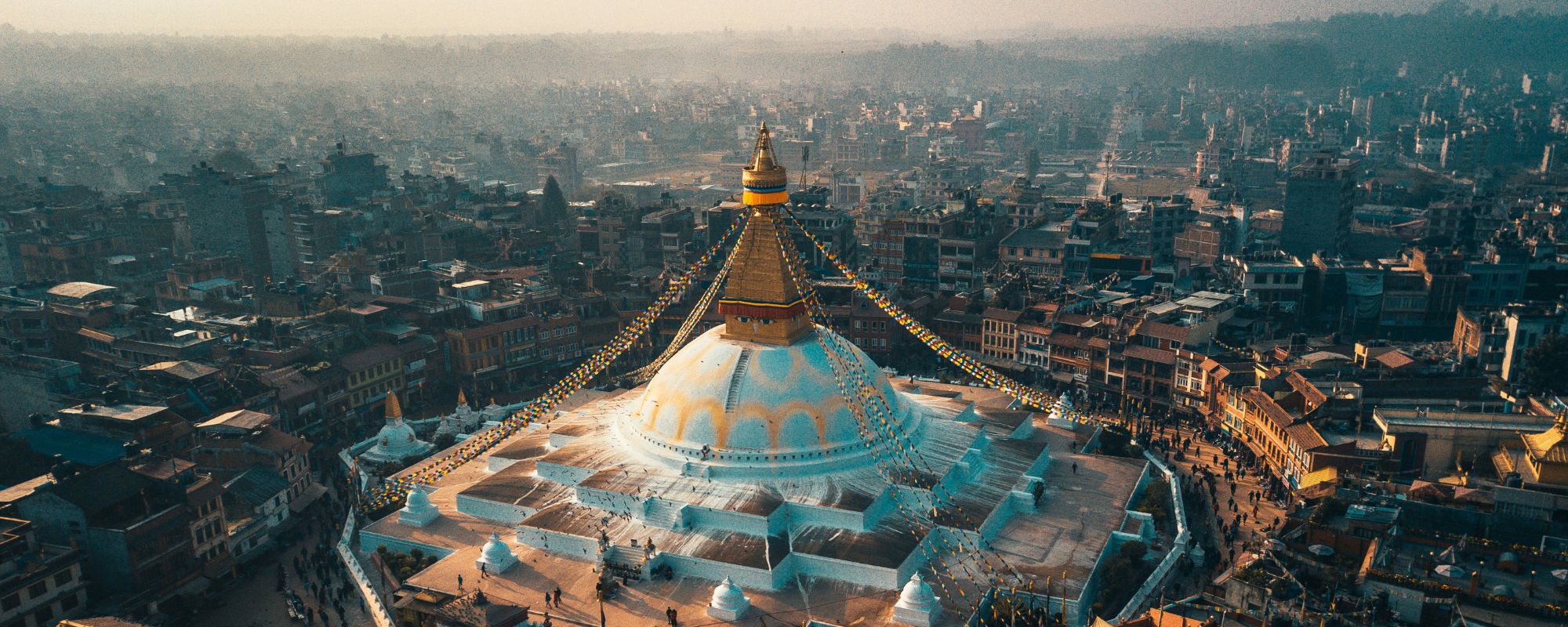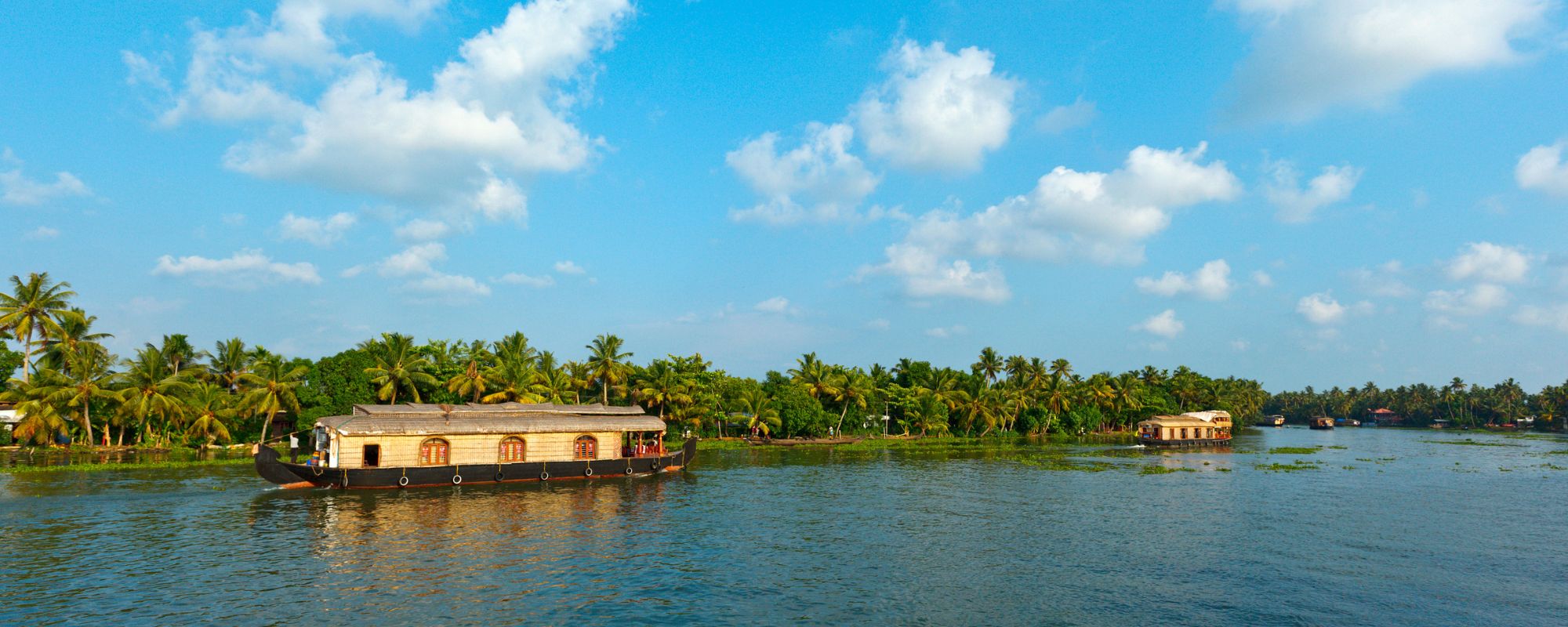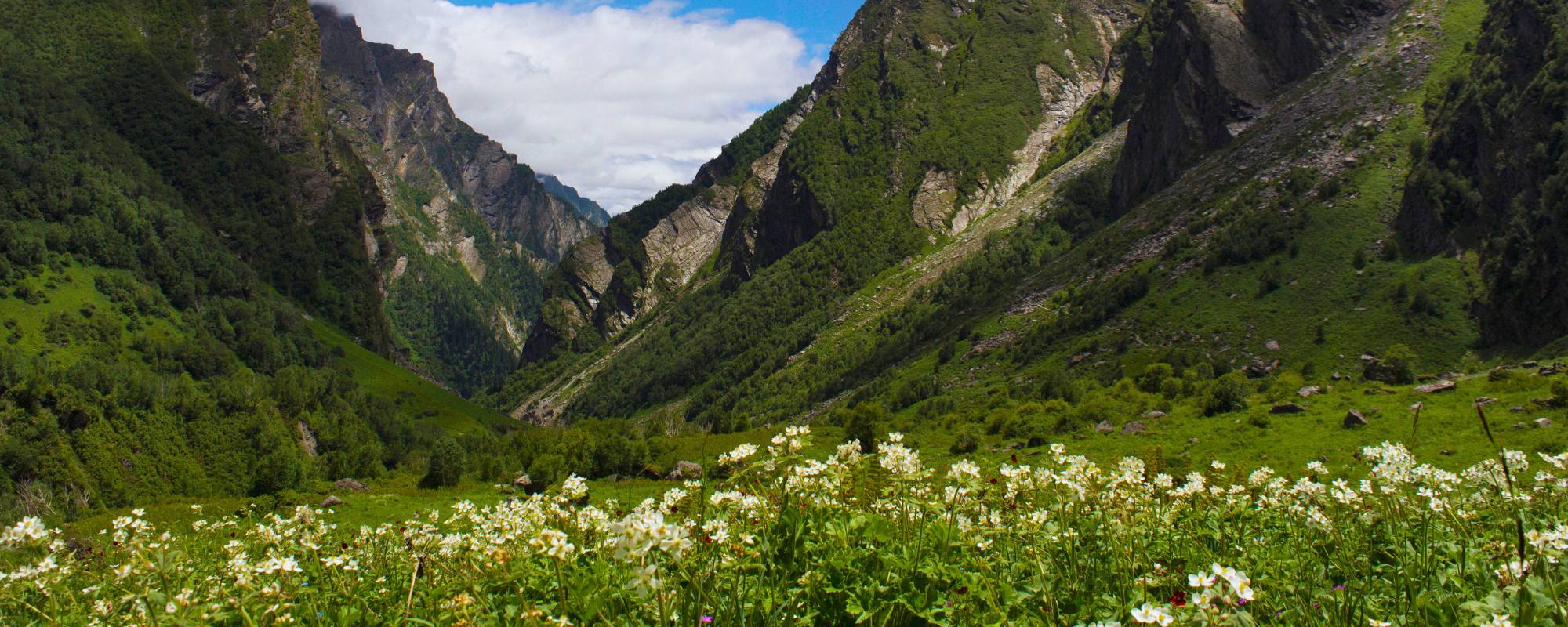
The best months to host a MICE event in India are generally October to March for heritage incentives, outdoor corporate activities and conferences in northern and western India. However, no single month works for the entire country. Summer suits Himalayan retreats, while major cities can host indoor conferences year-round. The right dates depend on your destination, event format and delegates.
Quick Answer: Key Takeaways
- October–March: Generally the strongest window for Rajasthan, Delhi, Goa and many classic incentive destinations.
- February to early March: Often a useful balance between favourable weather and avoiding the Christmas–New Year booking rush.
- April–June: Consider hill destinations and indoor-focused programmes; avoid strenuous outdoor events in hot northern cities.
- July–September: Indoor conferences remain possible, but monsoon conditions require stronger transport and weather contingencies.
- For large events: Hotel room blocks, venue availability, delegate flights, and major local events matter as much as seasonal weather.
Why Does Seasonality Matter for Corporate Events in India?
Seasonality affects far more than the temperature. For a MICE event, the weather influences delegate comfort, transportation, activity choices, venue layouts and the overall event budget.
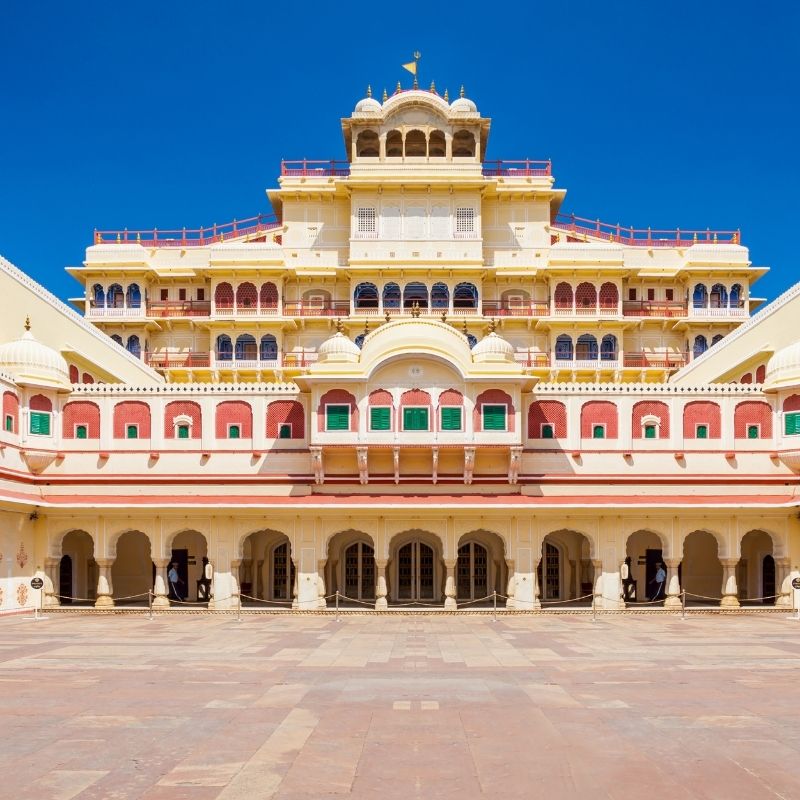
A palace dinner in Jaipur during November can be memorable. The same outdoor arrangement in May may be uncomfortable or unsuitable.
Similarly, a summer leadership retreat in a mountain destination might work well, but monsoon rainfall can create access problems later in the season.
For background on the different event formats, see our guide to Meetings, Incentives, Conferences and Exhibitions.
India MICE Seasonality Calendar: January to December
India's climate differs considerably by region. This calendar gives planners a starting point for comparing months, suitable destinations and the main operational risks.
|
Month |
Destinations worth considering |
Suitable event formats |
Main consideration |
|---|---|---|---|
| January | Jaipur, Udaipur, Goa, Kerala | Incentives, conferences, gala dinners | Peak demand; northern fog |
| February | Rajasthan, Delhi NCR, Goa | Conferences, incentives, exhibitions | Popular venues may fill early |
| March | Rajasthan, Delhi, Bengaluru | Meetings, team-building, incentives | Rising heat; festival dates |
| April | Bengaluru, Shimla, Mussoorie | Leadership offsites, indoor meetings | Heat in northern plains |
| May | Selected hill destinations | Executive retreats, small offsites | Mountain access; holiday demand |
| June | Hill destinations, major-city venues | Indoor conferences, retreats | Monsoon onset; travel disruption |
| July | Delhi, Bengaluru, Hyderabad | Indoor conferences and meetings | Heavy rain in many regions |
| August | Major cities with indoor venues | Exhibitions, workshops, meetings | Monsoon and localised flooding |
| September | Delhi, Hyderabad, Bengaluru | Conferences, product launches | Rain may continue |
| October | Jaipur, Delhi, Goa later in the month | Incentives, conferences, celebrations | Regional rain; festival demand |
| November | Rajasthan, Goa, Delhi, Kerala | Luxury incentives, outdoor events | Strong demand and higher rates |
| December | Rajasthan, Goa, Kerala | Incentives, gala dinners, executive gatherings | Holiday premiums and limited inventory |
This is a planning guide rather than a prediction. Check weather, festival dates, venue demand, and transport conditions for the actual event year.
Which Months Are Best for MICE Events in India?
October to March is generally the most versatile period for corporate events across many established Indian destinations. However, each part of this window has different benefits and limitations.
October–November: Heritage Incentives and Outdoor Events
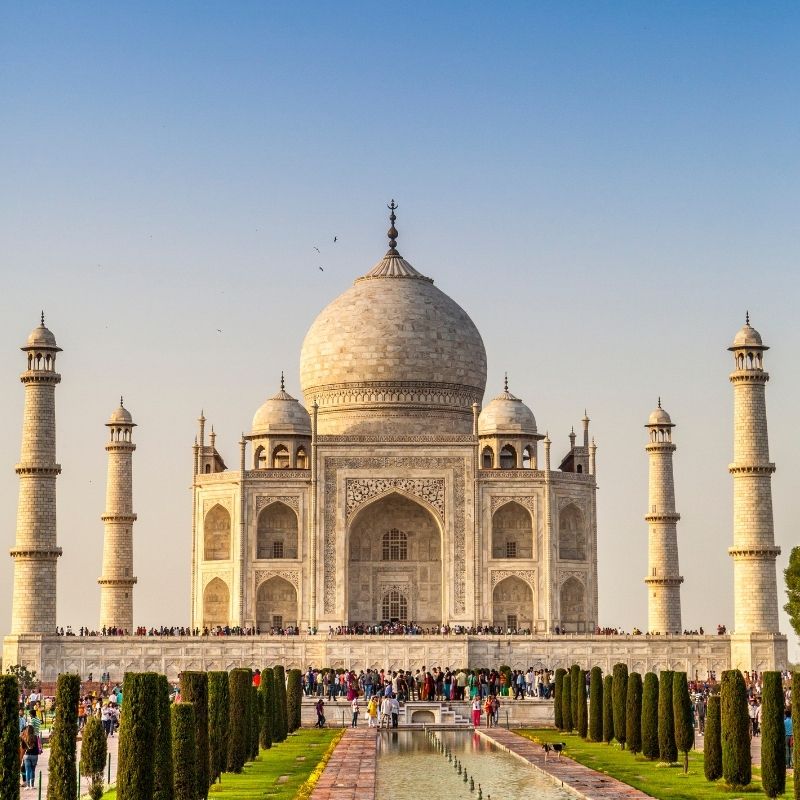
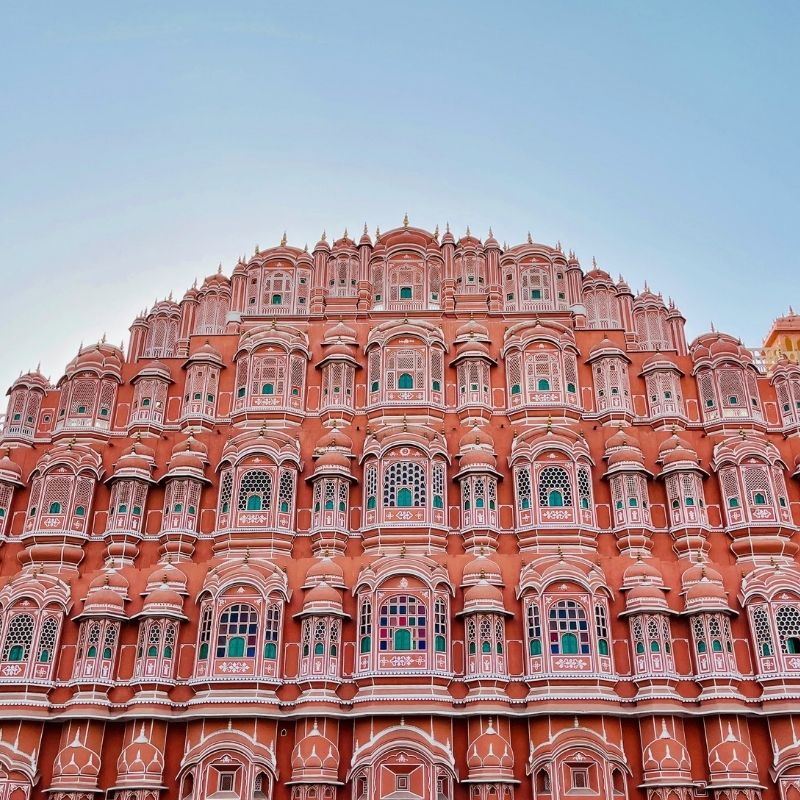
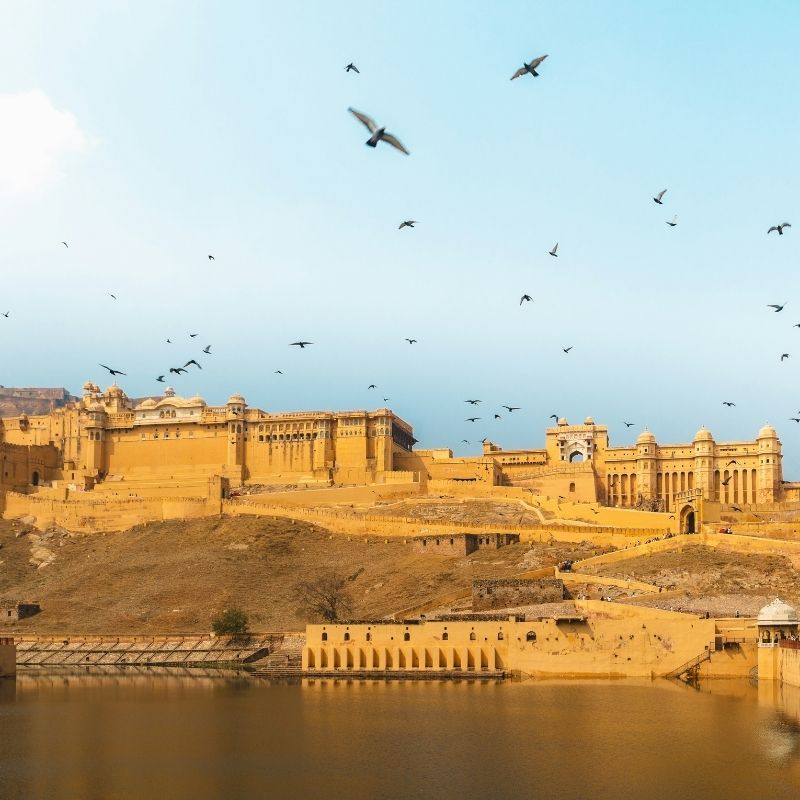
October and November are attractive for corporate incentive programmes featuring Rajasthan's forts, palaces and heritage hotels.
Outdoor receptions, guided cultural experiences and city sightseeing become more practical as the intense summer heat subsides.
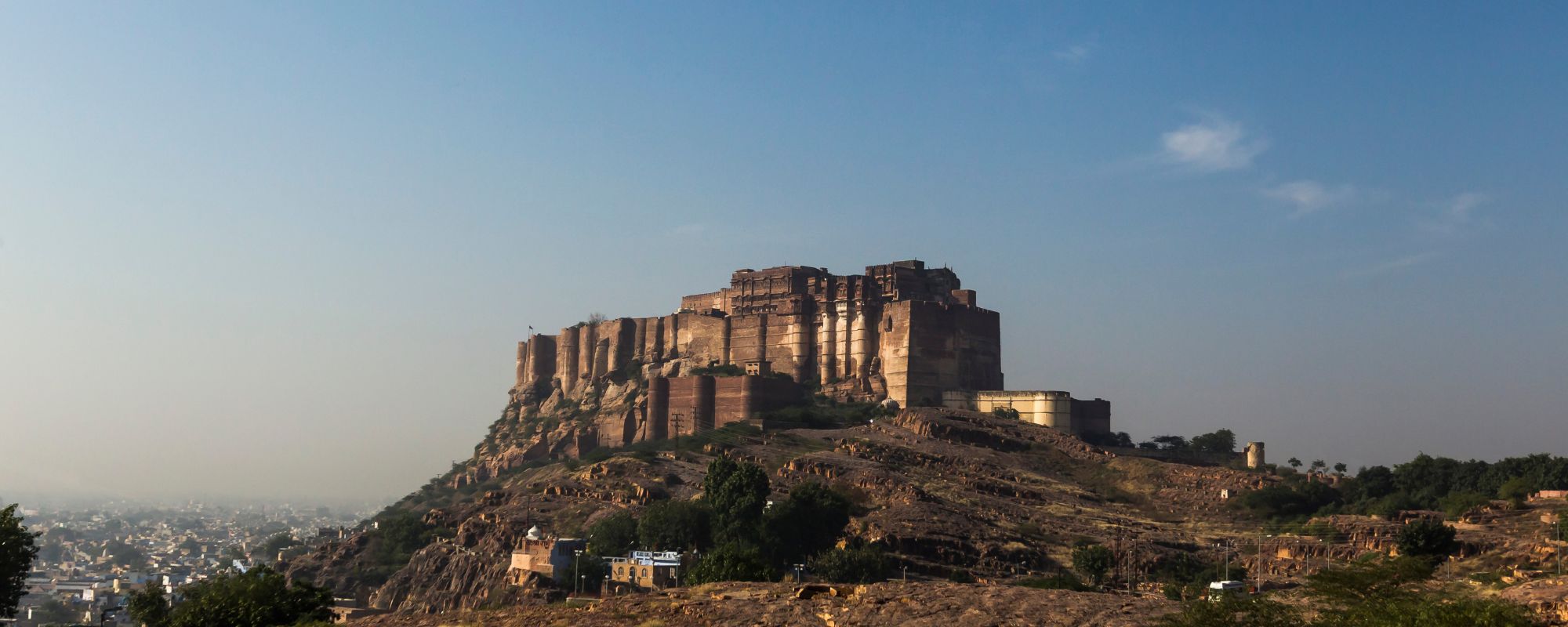
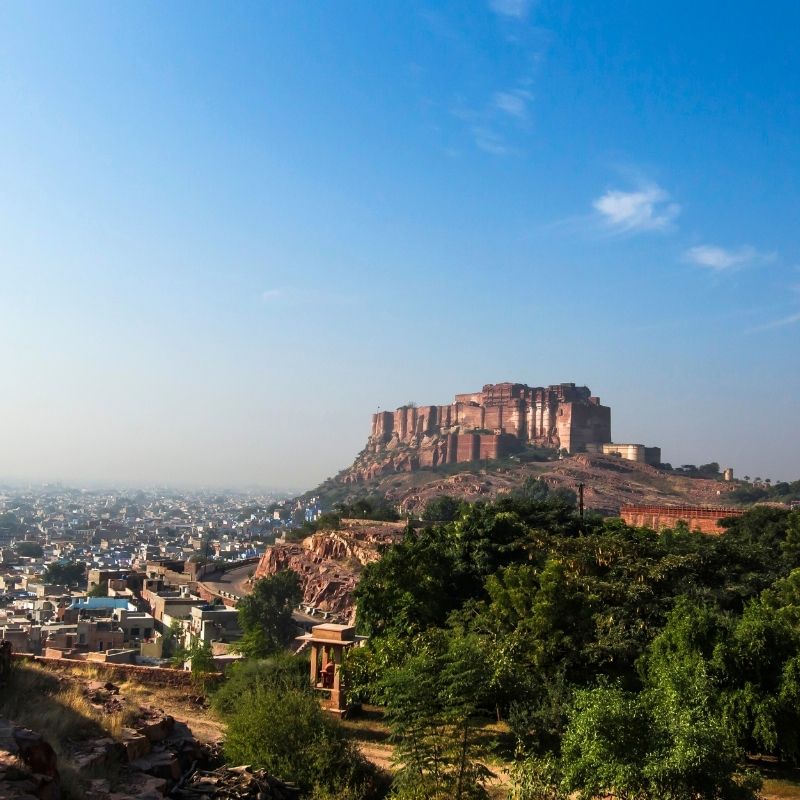
November is particularly appealing for Jaipur, Udaipur and Jodhpur.
However, October is not uniformly dry throughout India. The west coast may still experience rain, and southern India can receive rainfall from the northeast monsoon later in the year.
Festival dates also require attention.
Diwali and other major celebrations can affect hotel demand, transport arrangements and access to particular venues. Festival dates and impacts vary from year to year, so use an event-specific calendar rather than assuming that the same dates will always be suitable.
For international groups, these months work especially well when the programme combines business sessions with cultural experiences.
December–February: Conferences, Incentives and Gala Dinners
December to February is a popular period for northern and western Indian leisure destinations.
Comfortable daytime conditions can support outdoor sightseeing, networking receptions and incentive activities.
Goa is also attractive for beachside corporate programmes, while Kerala offers opportunities for wellness-oriented retreats.
However, favourable weather does not automatically mean easy availability.
Christmas and New Year are particularly busy periods for leisure hotels.
Corporate planners should also consider winter fog in Delhi and other northern transport hubs, which can disrupt flights and road journeys.
February can be a useful alternative for teams seeking comfortable weather without depending on year-end holiday dates.
March–April: A Transition Period
March and April require more selective destination planning.
Early March can still be pleasant in parts of Rajasthan and northern India, but daytime temperatures increase as summer approaches.
April is less suitable for demanding outdoor activities in Delhi, Jaipur and several central Indian destinations.
Indoor meetings remain possible where suitable cooling and event facilities are available.
Bengaluru and selected higher-altitude destinations may offer more comfortable alternatives, depending on local conditions.
May–June: Hill Retreats and Indoor Programmes
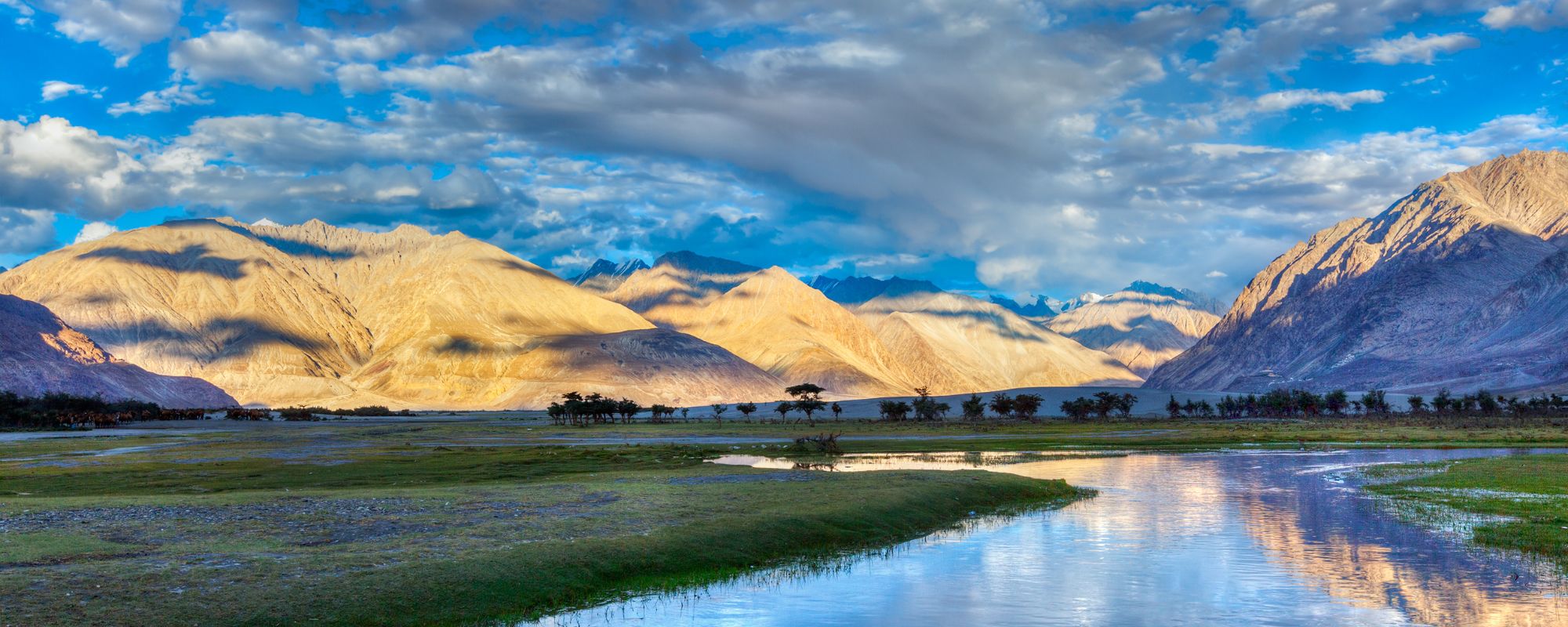
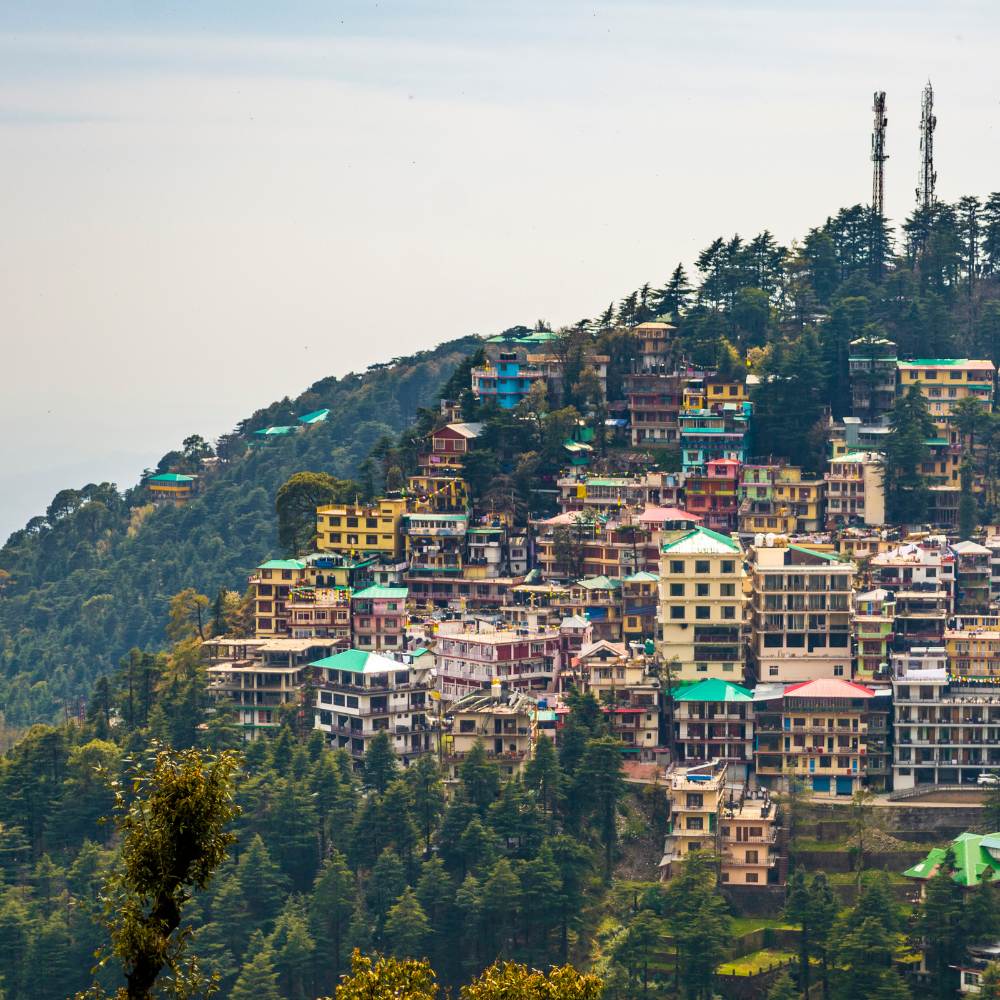
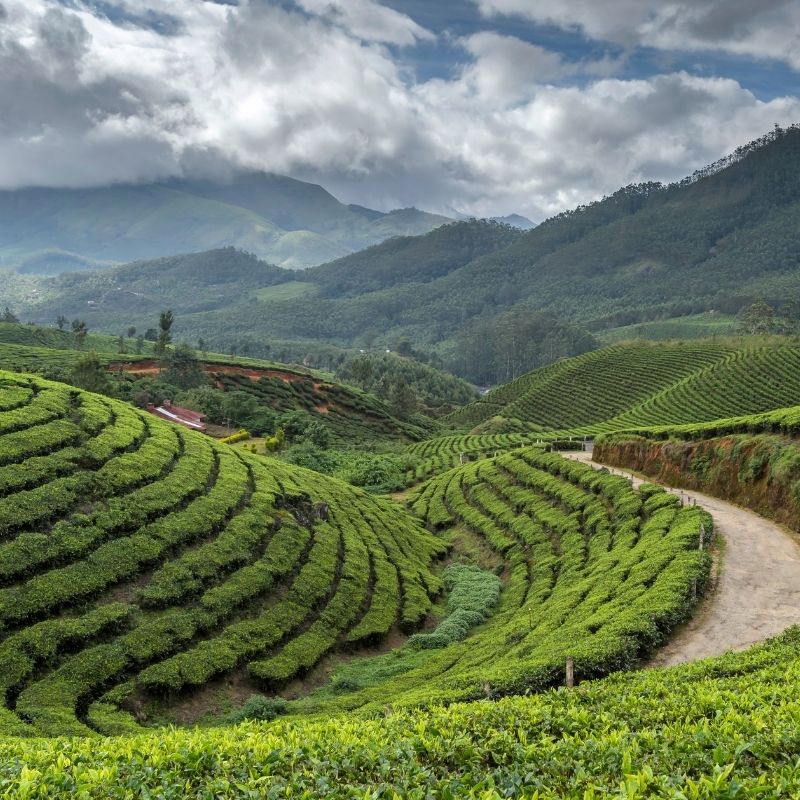
May and early June can work for corporate retreats in selected Himalayan and hill-station destinations.
Locations around Shimla or Mussoorie may provide a change of setting for leadership teams seeking time away from large metropolitan offices.
However, mountain destinations are not automatically convenient.
Road journeys can be long, popular hill towns attract holiday traffic, and venues may have limited large-group infrastructure.
June also brings the onset of the southwest monsoon to parts of India.
Organisers should assess access roads, airport connections and weather exposure before confirming mountain activities.
July–September: Indoor-First MICE Events
Monsoon months are not automatically unsuitable for MICE travel.
Major cities such as Delhi, Hyderabad and Bengaluru continue hosting business meetings, exhibitions and conferences.
A well-equipped indoor venue with reliable transport access can support events year-round.
The main challenge is planning around rainfall.
Heavy rain can affect local roads, airport transfers and outdoor installations.
A July conference in Hyderabad may be workable, while an outdoor gala on the Kerala coast would require a much stronger contingency plan.
The distinction is the event format, not simply the month.
Which Indian Destinations Work Best in Each Season?
The right destination depends on the number of delegates, venue requirements, accessibility and the experiences planned outside formal sessions.
Jaipur, Udaipur and Jodhpur: Heritage Events
Rajasthan is particularly attractive between October and March.
Jaipur offers heritage venues alongside modern conference facilities and relatively convenient access from Delhi.
Udaipur suits executive gatherings and luxury incentive programmes built around its lakeside setting.
Jodhpur offers distinctive fort and palace surroundings.
However, not every heritage property can accommodate large conference setups.
For sound restrictions, accessibility and technical facilities, read our guide to palace venues for corporate events.
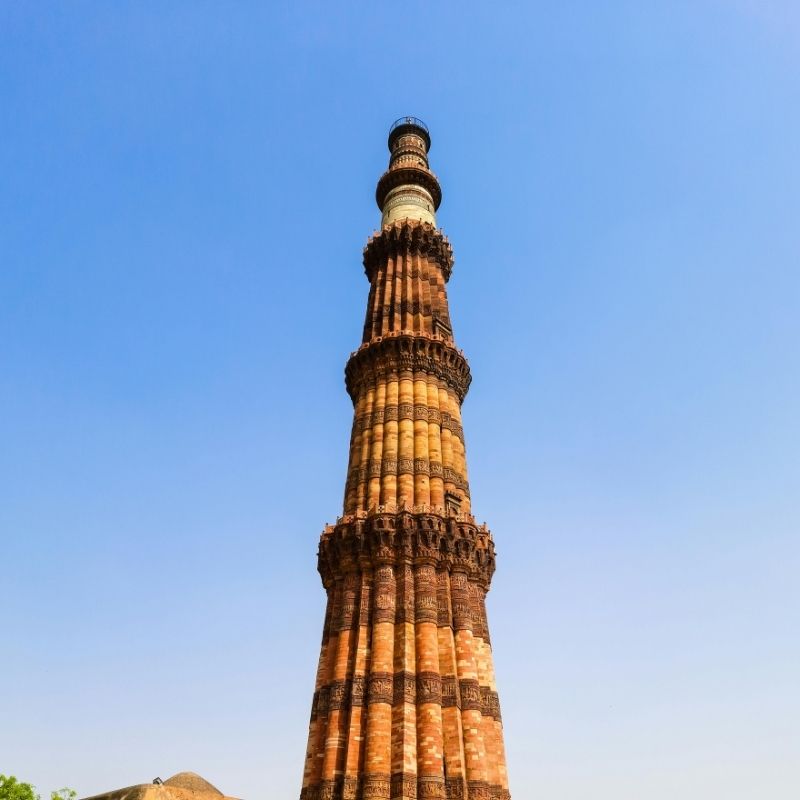
Delhi NCR: Large Conferences and Exhibitions
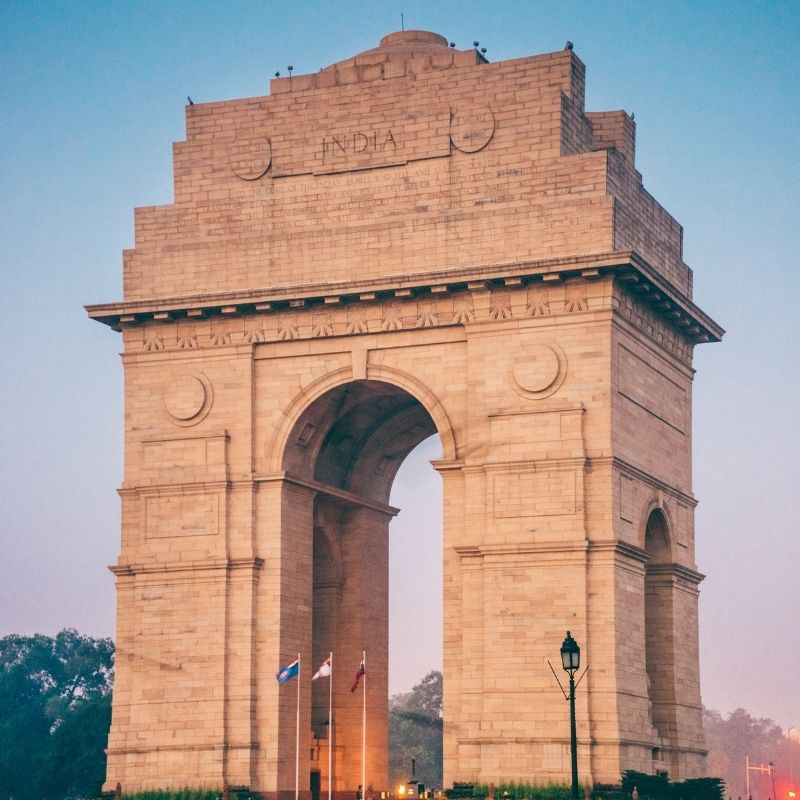
Delhi NCR can support conferences and exhibitions year-round. October to March is generally more comfortable, but winter fog and air quality need planning, and air quality is often at its poorest from late October to January.
Mumbai, Bengaluru and Hyderabad: Business Meetings
These metropolitan destinations are practical for corporate meetings, product launches and large indoor events.
Venue capacity, flight connectivity, and the corporate calendar may matter more than leisure-season demand.
Mumbai's monsoon requires particular attention because heavy rainfall can disrupt local transport.
Bengaluru and Hyderabad also experience seasonal rain, making sheltered access and indoor backup arrangements important.
Goa: Beachside Corporate Incentives
Goa is particularly appealing from November to February for corporate celebrations, incentive groups and beachside gatherings.
March may also work, although temperatures rise.
During the monsoon, outdoor programmes face greater weather uncertainty, and some coastal activities may be restricted or unavailable.
For larger groups, check resort capacity, beach-event permissions and the availability of suitable indoor alternatives.
Kerala: Wellness and Leadership Retreats
Kerala can work well for smaller leadership groups and wellness-oriented offsites, but do not assume it is dry from October, as parts of the state continue receiving rain during the northeast monsoon.
Himalayan Destinations: Summer Offsites
Selected hill destinations suit smaller executive retreats in summer, but limited road access and hotel inventory make them less suitable for very large groups.
What Is the Best Time for Different Types of MICE Events?
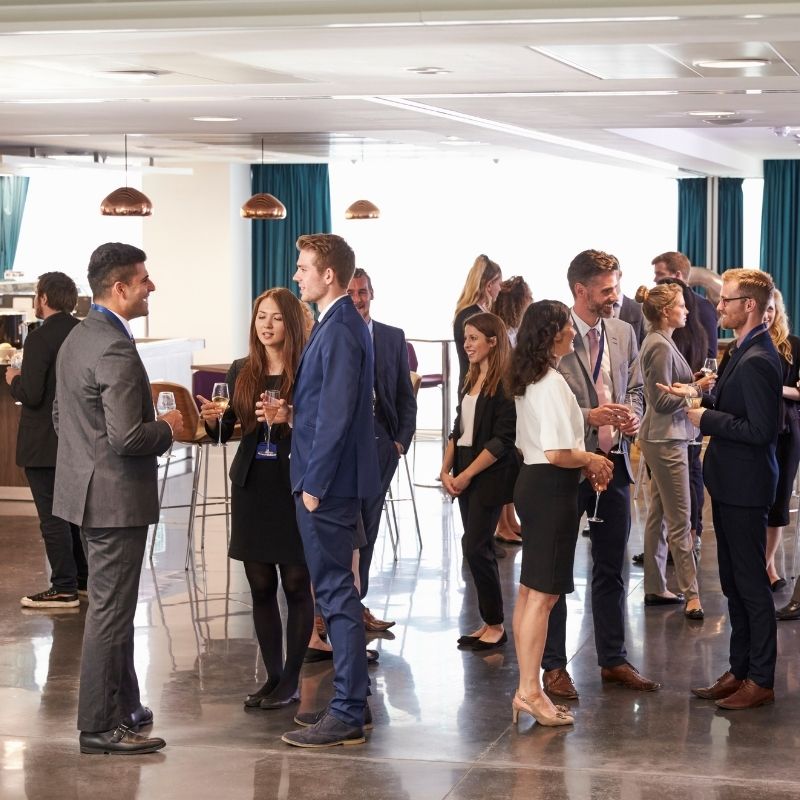
The same month may suit one corporate event but not another. Match your calendar to the programme rather than choosing the destination solely for its weather.
|
Event format |
Generally suitable timing |
Main planning priority |
|---|---|---|
| Executive meetings | Year-round in major cities | Venue infrastructure and flight access |
| Luxury incentives | October–March in many classic destinations | Weather, hotels and experiences |
| Large conferences | Year-round, venue-dependent | Capacity and delegate logistics |
| Trade exhibitions | Industry-calendar dependent | Exhibition venue and supplier availability |
| Outdoor team-building | Regional dry season | Heat, rainfall and safety |
Hill-station offsites
Spring to early summer
Road access and group size
A 30-person leadership retreat can be organised very differently from a 500-person annual conference.
Smaller groups may have more flexibility to use boutique properties or remote destinations.
Larger programmes usually need stronger airport connections, meeting infrastructure and room inventory.
Our article on how many days a corporate MICE trip should last provides additional guidance on balancing business and leisure activities.
How Do Seasonal Hotel Rates Affect MICE Budgets?
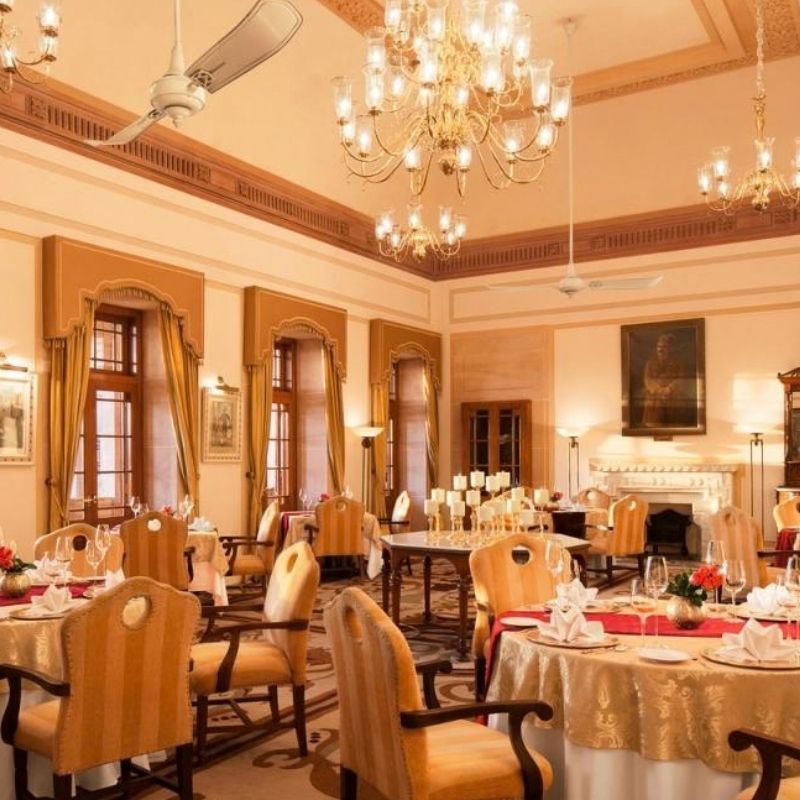
Hotel pricing depends on much more than the weather. Peak tourist periods, holidays, trade fairs, weddings and major local events can all affect availability.
For example, Rajasthan's popular heritage hotels may experience strong leisure demand during the winter season.
Goa also becomes especially busy around Christmas and New Year.
That can reduce negotiating flexibility for corporate room blocks.
On the other hand, travelling outside the main tourist season may create pricing opportunities, particularly for events that are mainly indoors.
However, do not evaluate lower accommodation costs in isolation.
Additional transport buffers, weather backup venues or changes to outdoor programming can offset apparent savings.
For accurate budgeting, request quotations that separate accommodation, conference facilities, meals, transport, activities, production and taxes.
Do not assume that every shoulder-season booking will receive a discount.
How Far in Advance Should You Book a MICE Event in India?

For a large international programme, beginning planning six to twelve months in advance is a useful working guideline. Smaller meetings may need less time, while major exhibitions or exclusive venue buyouts can require considerably longer.
The appropriate lead time depends on the group size and complexity.
A 40-person corporate offsite at a business hotel differs from a 600-person conference requiring multiple venues, room blocks, and technical production.
Peak-season palace events and large incentive groups may also need early confirmation because certain properties have limited inventory.
Before paying deposits, establish the venue's room capacity, cancellation terms and payment milestones.
Keep dates provisional until the key components are confirmed.
How Should International Delegates' Calendars Affect Your Dates?
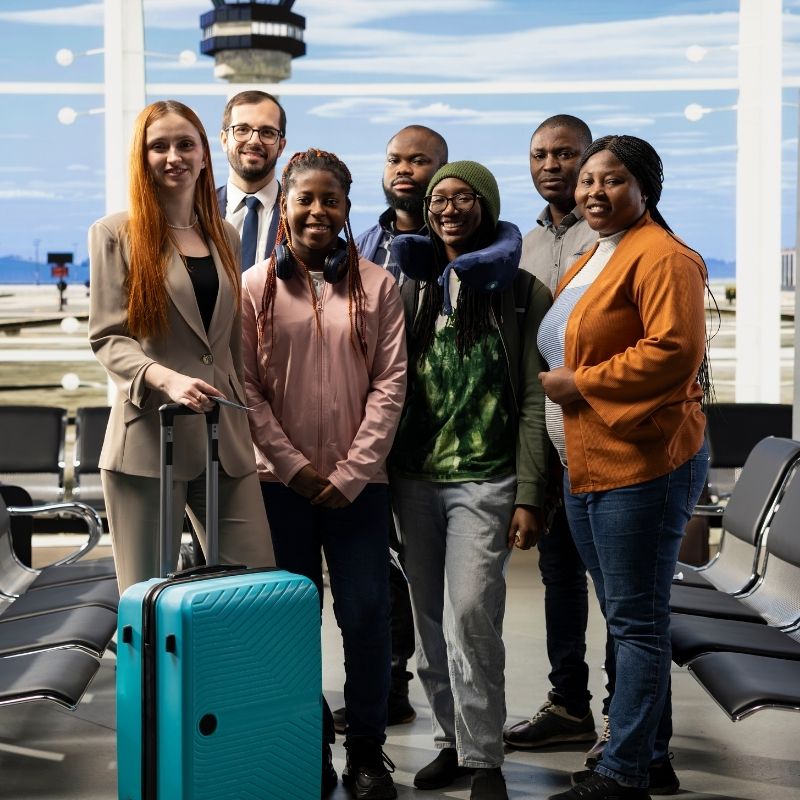
International corporate events should account for both Indian holidays and the business calendars of the delegates' home countries.
For example, a programme involving European and North American delegates may face year-end leave restrictions.
Other groups may need to avoid important regional holidays, annual reporting periods or major industry conferences.
Diwali, Holi and other Indian festivals can offer cultural opportunities, but they may also increase demand and operational complexity.
Corporate organisers should therefore compare the proposed dates against flight availability, public holidays, internal business commitments and venue calendars.
A suitable weather window is only one part of successful scheduling.
What Should Be Included in a Seasonal MICE Contingency Plan?

Every major programme should have a written contingency plan appropriate to its destination and season.
At minimum, it should cover:
- Weather alternatives: Indoor venues or revised activities if rain, heat or strong winds affect the original programme.
- Travel disruptions: Backup transport arrangements and realistic airport transfer buffers.
- Medical support: Emergency contacts, nearby medical facilities and suitable response procedures.
- Supplier coordination: Clear responsibilities for venues, transport providers and production partners.
- Communication: A reliable way to update delegates quickly if schedules change.
For outdoor events, confirm which weather conditions would trigger a change of venue.
For mountain retreats, identify alternative arrangements if road access is disrupted.
A contingency plan is most useful when you agree on decisions and responsibilities before guests arrive.
Planning Tip From Our Team: Choose the Event Format Before the Month

When planning an international MICE programme, we recommend defining the event requirements before selecting the season.
Only after those requirements are clear should you shortlist destinations and months.
This approach also leaves room to consider a different region when the preferred travel dates are fixed.
Plan Your Corporate MICE Event in India With Bout India
India offers corporate event planners a wide range of possibilities, from palace gatherings in Rajasthan to large conferences in metropolitan cities and leadership retreats in quieter destinations.
However, the right location depends on when your delegates can travel and what the event needs to achieve.
We work with international groups planning private travel and MICE programmes across India, helping coordinate destinations, venues, accommodation, transport and experiences according to the brief.
Explore our MICE services in India or share your event requirements to discuss a suitable destination and programme.
The best month for your MICE event is the one that supports your objectives, protects delegate comfort and allows the event to operate reliably.