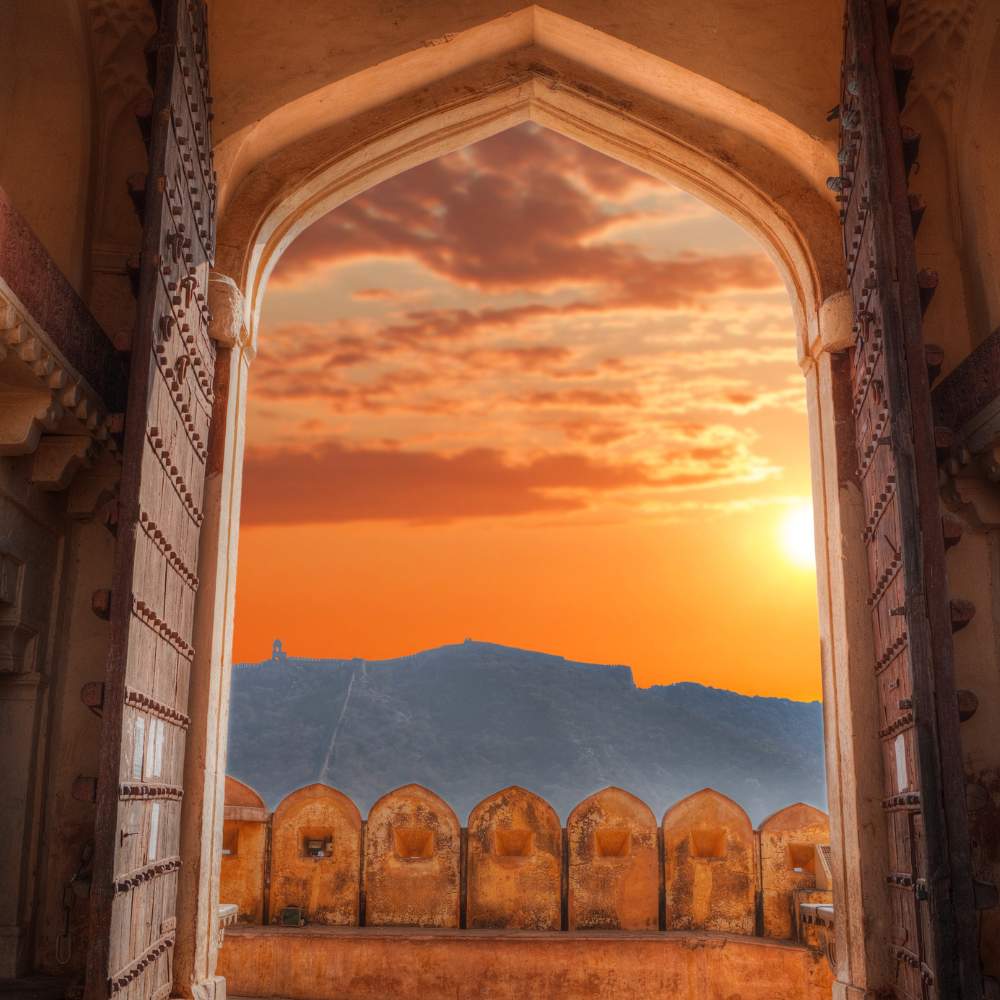
Rajasthan, India's largest state by area, is a legendary travel destination. It boasts imposing forts, opulent palaces, vibrantly painted havelis, the stark Thar Desert, and four-storied cities, each defined by a distinct colour: pink Jaipur, white Udaipur, blue Jodhpur, and golden Jaisalmer. The Rajput dynasties, rulers for over a thousand years, created one of the world's densest concentrations of fortified architecture, with six hill forts jointly inscribed on UNESCO's World Heritage List.
First-time travellers experience Rajasthan best as a circuit. The classic route connects Jaipur, Pushkar, Udaipur, Jodhpur, and Jaisalmer over ten to fourteen days, with optional forays to Ranthambore National Park and Kumbhalgarh. Each city reveals a singular character, cuisine, and Rajput legacy. Routes cross the ancient Aravalli Range and the western desert, where craftspeople still weave, dye, and embroider with ancestral techniques.
This guide details the top places to visit in Rajasthan, essential forts, wildlife experiences, festivals, and practical information a first-time visitor needs to shape a meaningful trip.
Rajasthan at a Glance
- Location: Northwestern India, bordering Pakistan to the west, with Gujarat, Madhya Pradesh, Uttar Pradesh, Haryana, and Punjab as neighbouring Indian states.
- Capital: Jaipur, founded in 1727 by Maharaja Sawai Jai Singh II.
- Best time to visit: October to March, when temperatures are comfortable and the festival season is vibrant.
- UNESCO heritage: Six Rajput hill forts (Amber, Chittorgarh, Gagron, Jaisalmer, Kumbhalgarh, and Ranthambore) jointly inscribed in 2013, plus the Jantar Mantar in Jaipur (2010).
- Recommended stay: 10 to 14 days for a meaningful first visit covering the four colour cities and one or two additional sites.
- Languages: Hindi and Rajasthani are widely spoken. English is common in hotels, restaurants, and tourist areas.
The Cities Every First-Time Visitor Should See
Rajasthan is best explored city by city. The four "colour cities" lie roughly at the state's corners, and a well-structured itinerary connects them by road, train, or short domestic flight.
1. The pink city of Jaipur
Jaipur was founded in 1727 by Maharaja Sawai Jai Singh II as one of the first planned grid cities in India. It was painted its signature pink in 1876, when Maharaja Sawai Ram Singh II ordered every old city building repainted to welcome the visiting Prince of Wales. A royal decree the following year made the colour mandatory, and that law still stands today.
Jaipur serves as the gateway to Rajasthan and is best explored over three to four days, allowing time to experience its major sights, bustling markets, and distinct cuisine.
Places to see in Jaipur, Rajasthan:
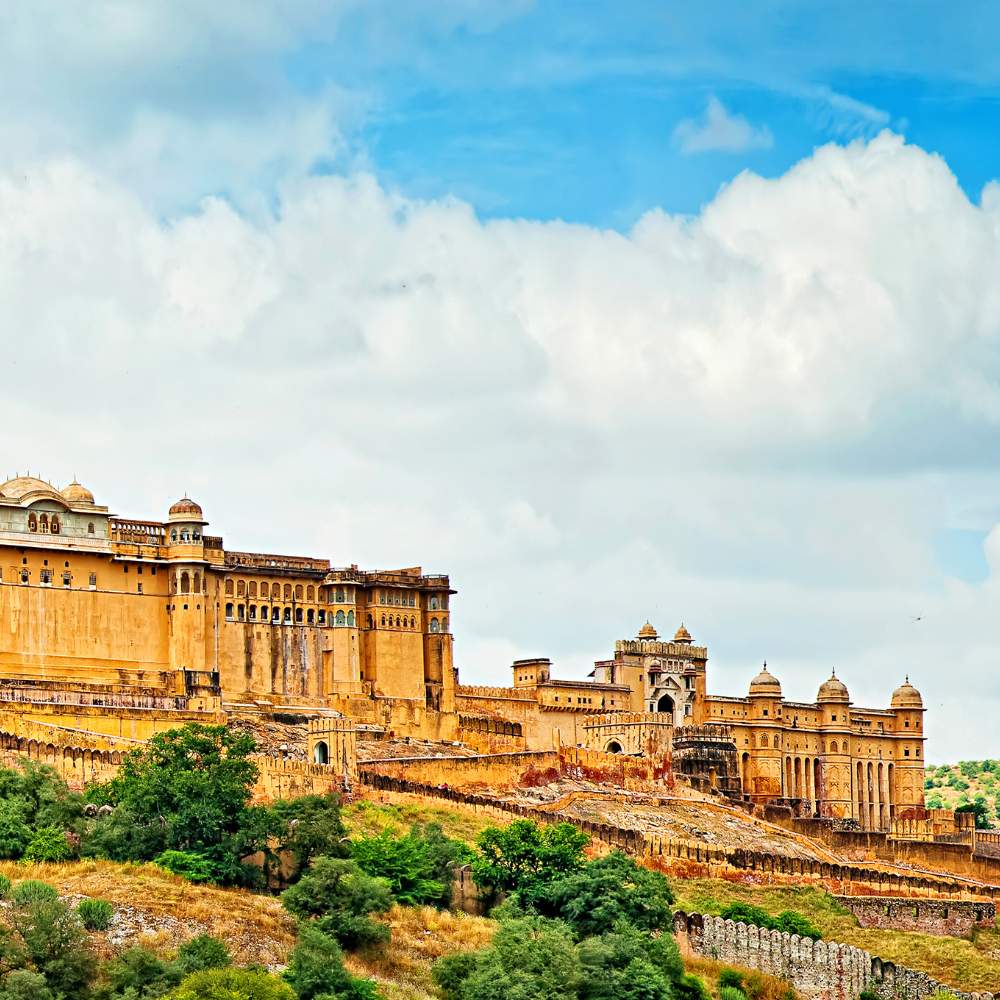
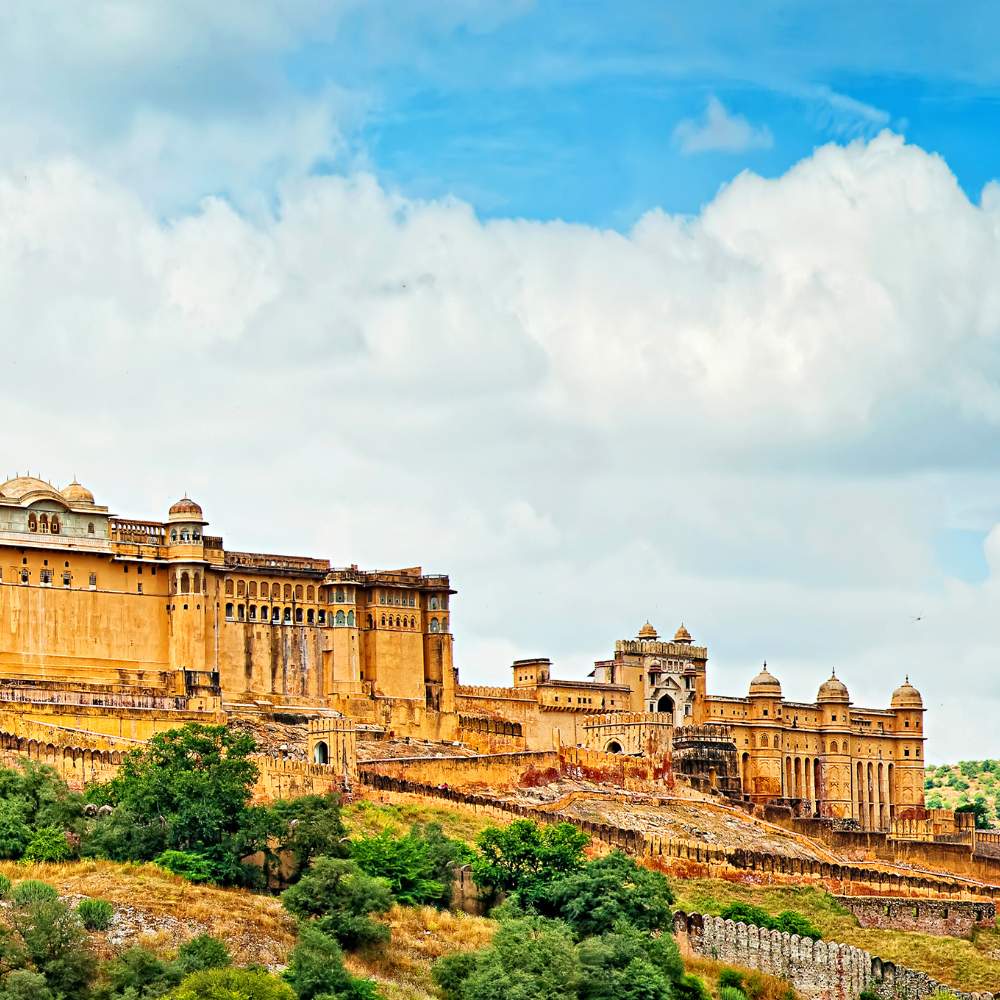
- Amber Fort is a sandstone and marble palace-fort 11 km north of the city, built in the late 16th century by Raja Man Singh I. Visitors can choose to ascend on foot along the cobbled ramp (about 15 minutes) or by jeep. The Sheesh Mahal, the mirror palace, stands out as a key feature.
- Hawa Mahal, the five-storey "Palace of the Winds," was built in 1799 by Maharaja Sawai Pratap Singh. It features 953 small windows designed for royal women to observe street processions discreetly. The rooftop cafes across the street offer excellent photo opportunities.
- City Palace and Jantar Mantar: The royal residence and adjacent observatory were built by Sawai Jai Singh II (1728–1734). Jantar Mantar, home to the world's largest stone sundial, was inscribed on the UNESCO World Heritage List in 2010.
- Bazaars: Johari Bazaar for gemstones; Bapu Bazaar for textiles and juttis; Sireh Deori for block print and blue pottery.
2. Udaipur, RJ (Rajasthan)
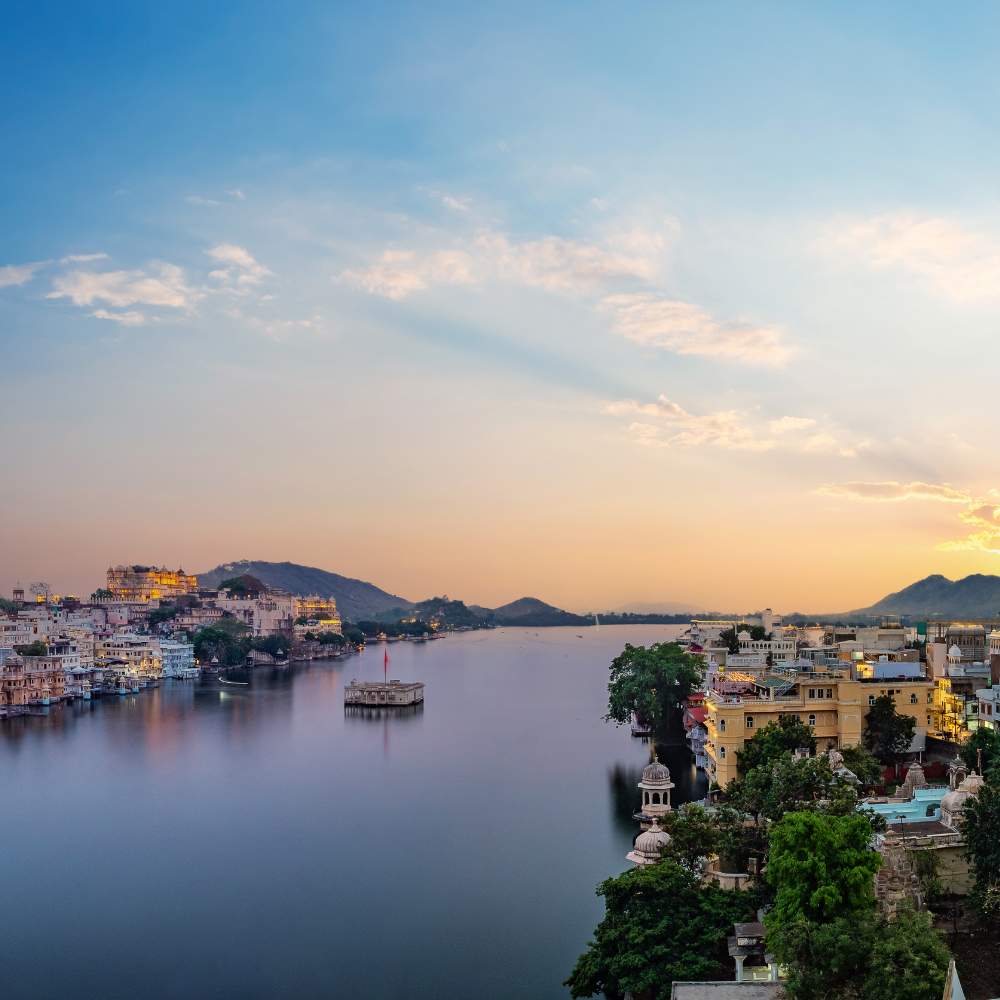
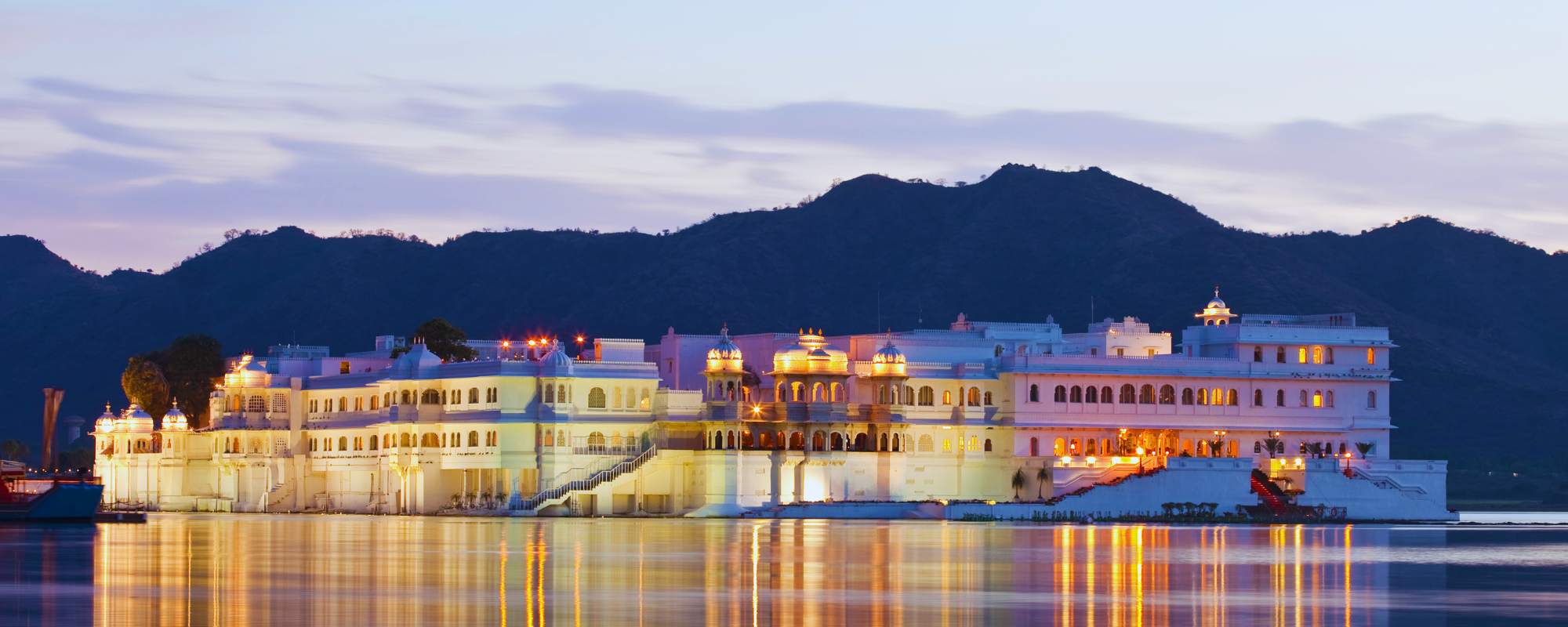
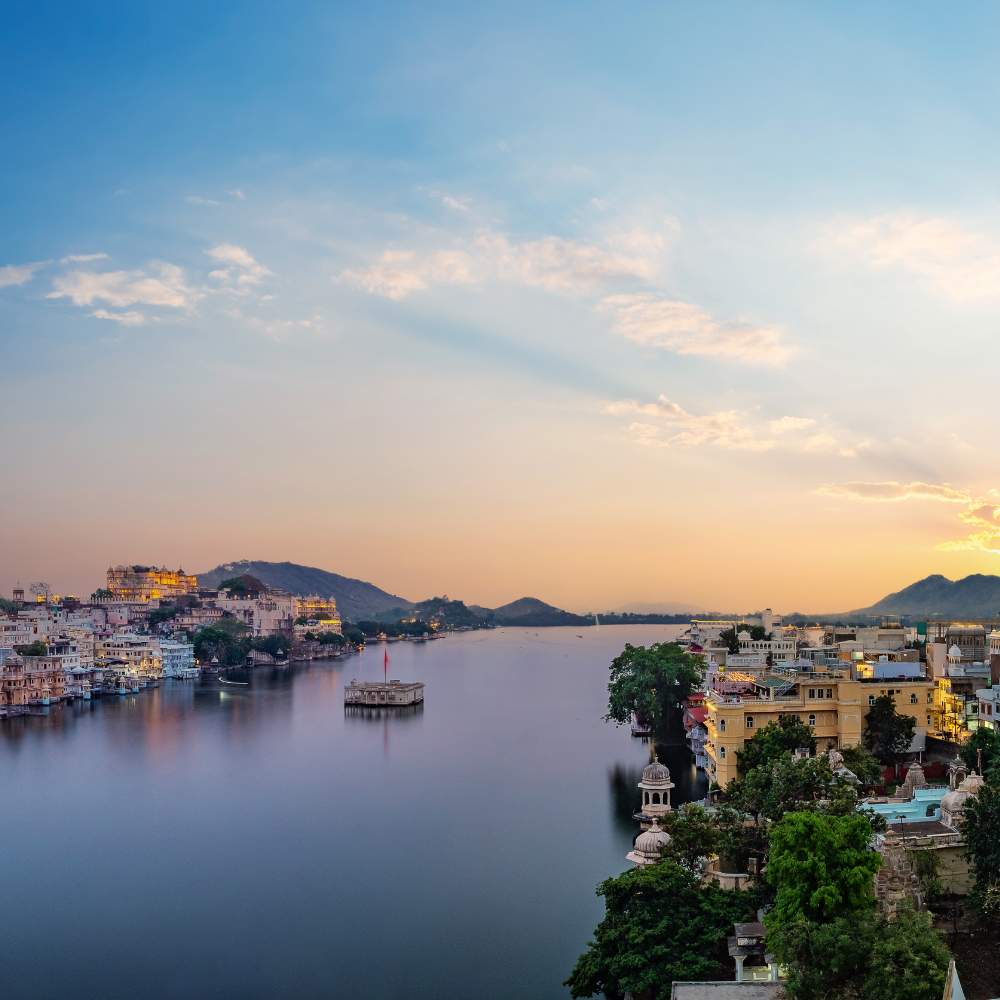
Udaipur, founded in 1559 by Maharana Udai Singh II of the Mewar dynasty, is home to artificial lakes, the oldest, Lake Pichola (1362). Its milky-white palaces, shimmering lakes, and surrounding Aravalli Hills distinguish it as India’s most romantic city.
Best places to visit in Udaipur:
- City Palace: The largest royal palace complex in Rajasthan, built and extended by 22 generations of Mewar rulers from 1559 onwards. It runs nearly half a kilometre along the eastern edge of Lake Pichola.
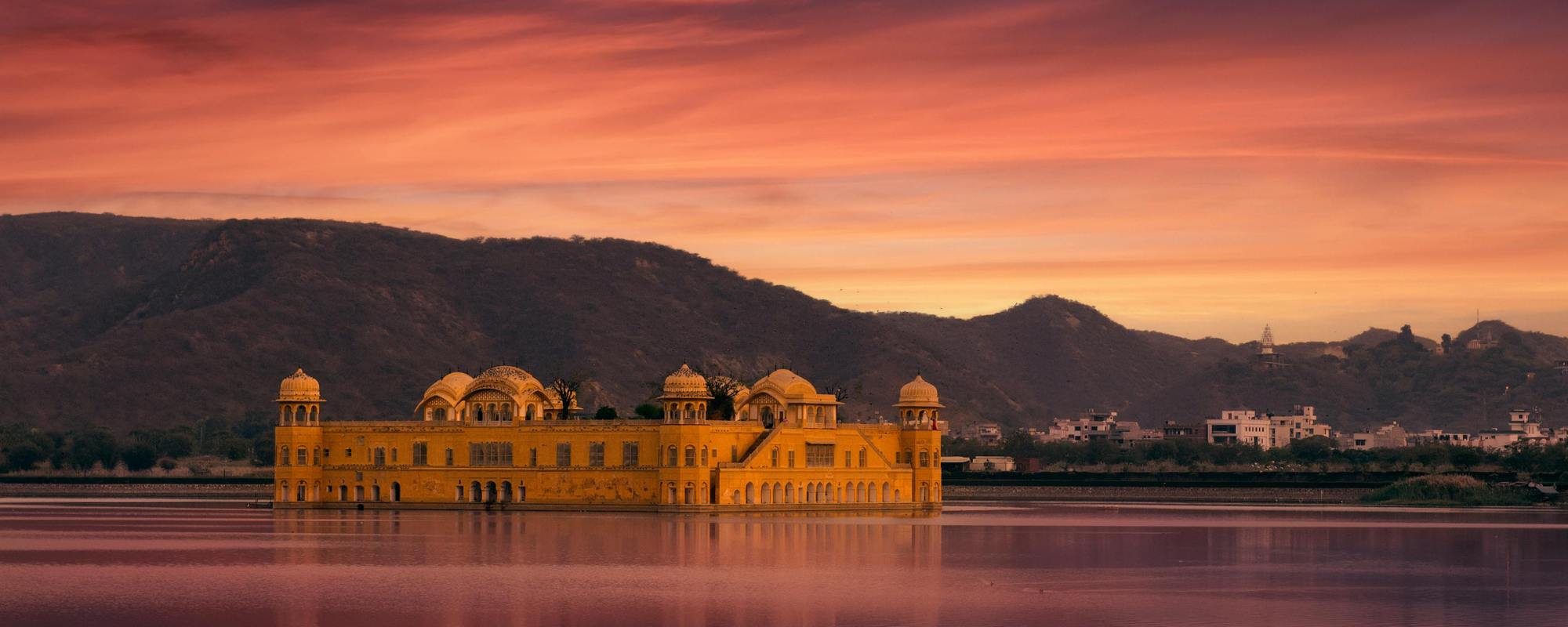
- A boat ride on Lake Pichola at sunset is a classic Udaipur experience. From the water, you see two island palaces: Jag Mandir, a 17th-century summer palace, and the Taj Lake Palace, an 18th-century royal retreat now a hotel.
- Jagdish Temple: A three-storey Vishnu temple from 1651 in the old city's heart, with a striking carved exterior. Visit on the quiet mornings.
- Bagore ki Haveli, an 18th-century waterfront mansion turned museum, offers a nightly folk dance and music programme featuring Rajasthan’s cultural traditions.
3. Blue City India Jodhpur
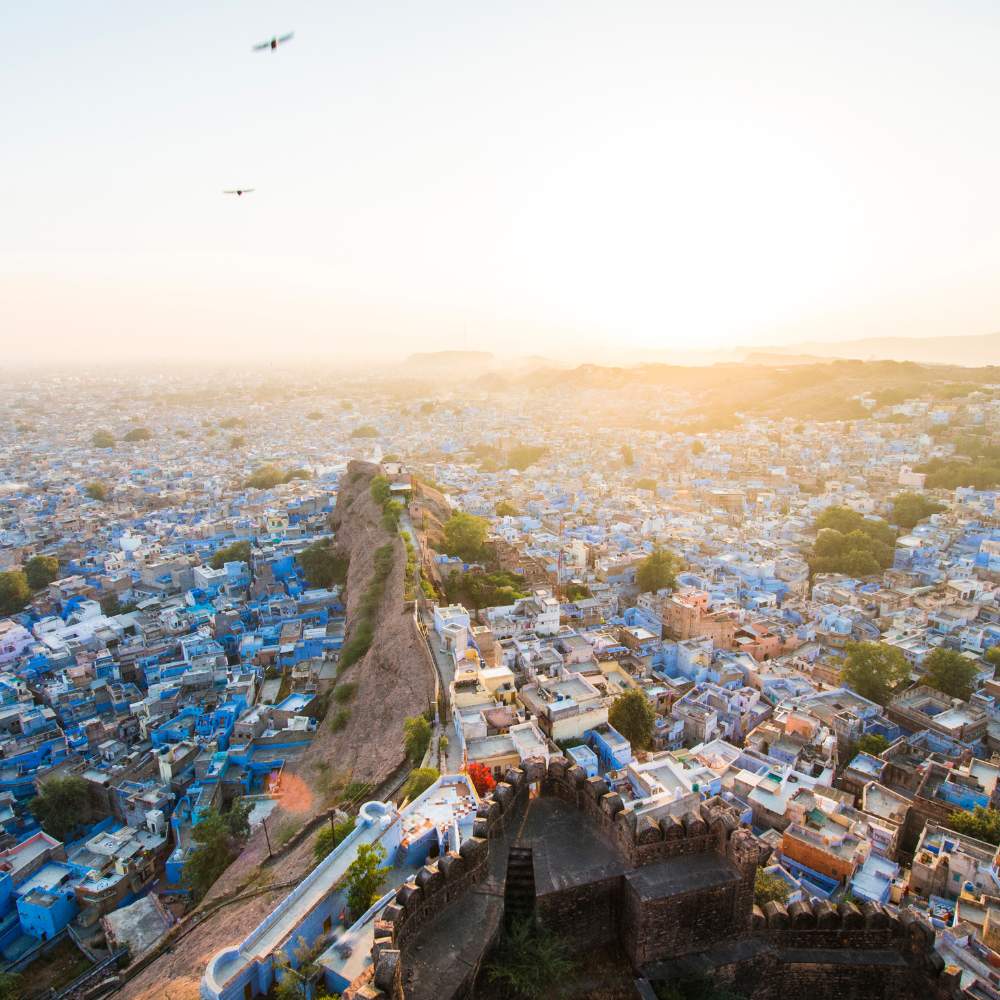
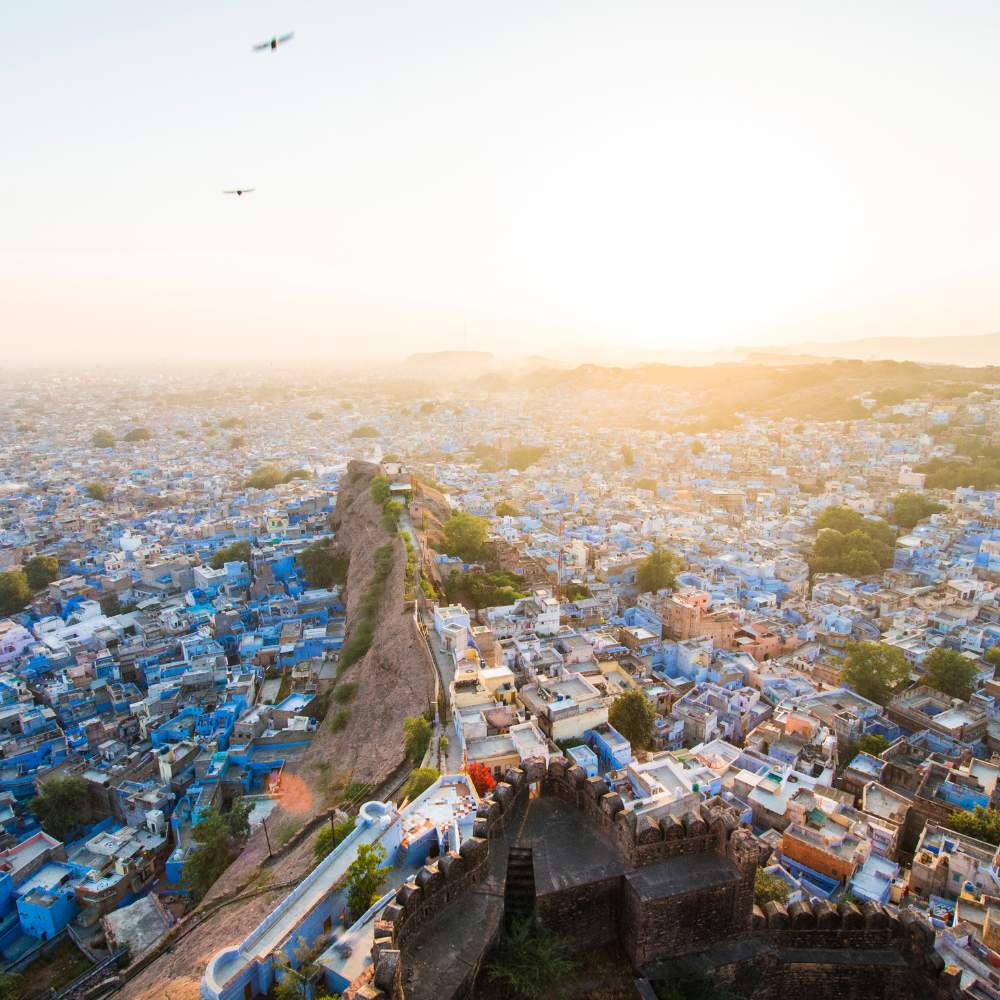
Jodhpur was established in 1459 by Rao Jodha of the Rathore dynasty. The old city below Mehrangarh Fort is marked by its sweep of indigo-blue homes, a tradition started by Brahmins and now ubiquitous. The blue tint cools interiors, repels insects, and signals caste. From the ramparts, the city stretches below like a vivid tapestry.
Best places to see in Jodhpur, Rajasthan:
- Mehrangarh Fort: Among India’s largest and best-restored forts, it rises 122 metres above the city. The audio guide clarifies, and the museum's palanquins, miniatures, and arms are top-tier. Allow three to four hours.
- Jaswant Thada: White marble cenotaph built in 1899 for Maharaja Jaswant Singh II, set on a small lake below Mehrangarh. The carved marble glows in sunlight.
- Sardar Market and Clock Tower: The old city's main bazaar, lined with spice and textile sellers, plus the renowned Mishrilal Hotel makhania lassi shop.
- Umaid Bhawan Palace: Built between 1928 and 1943, it is among the world's largest private residences. The museum section is open to visitors.
4. Jaisalmer City, Rajasthan
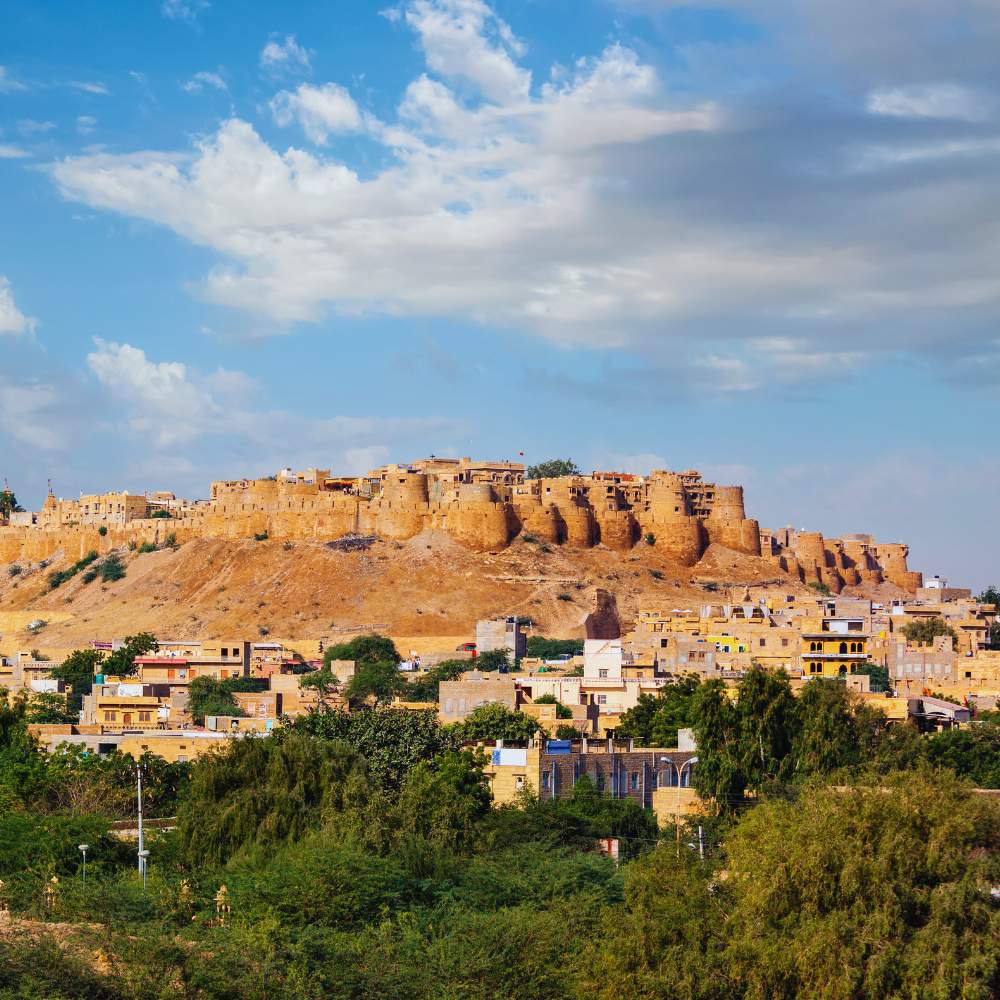
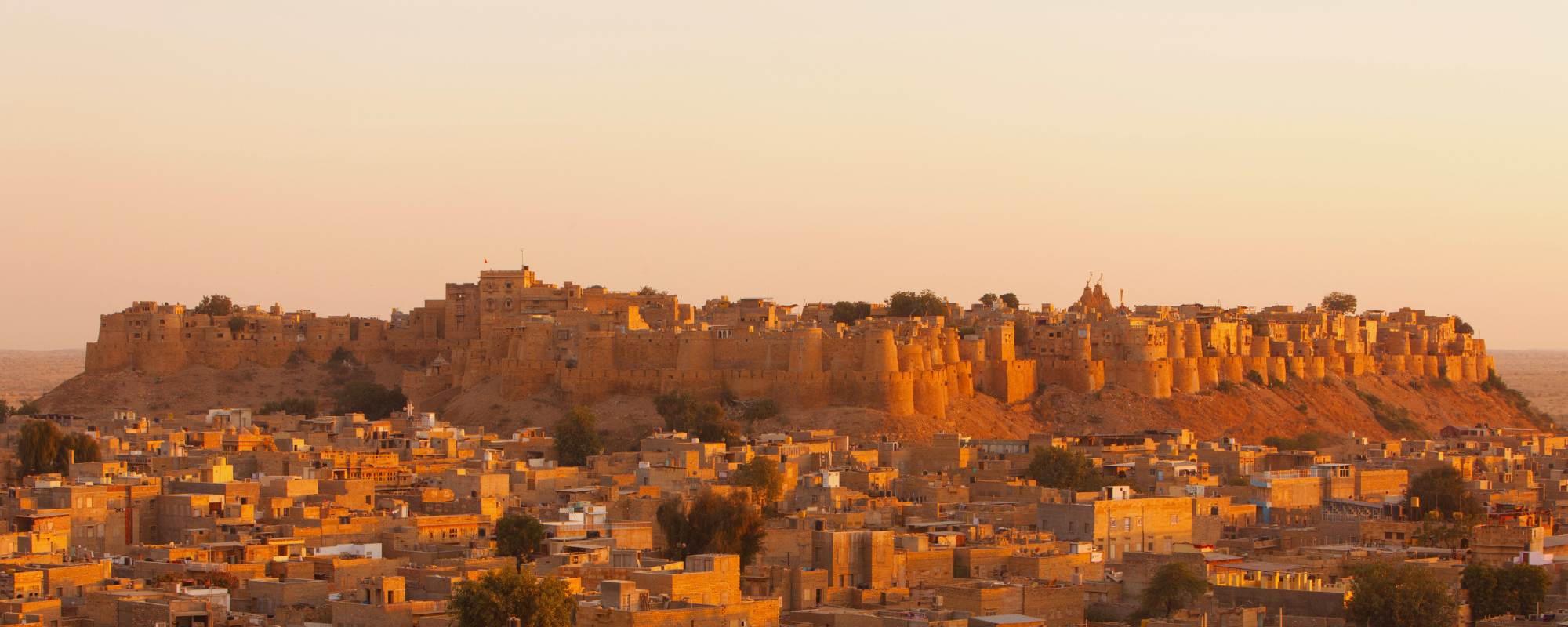
Jaisalmer was founded in 1156 by Rao Jaisal Singh. It thrived on the caravan trade between India and Central Asia. The city’s golden sandstone architecture shines at sunrise and sunset. Jaisalmer Fort is a rare "living fort" with about 3,000 residents still inside its walls.
Jaisalmer tourist places:
-
Jaisalmer Fort (Sonar Quila): A 12th-century hill fort with 99 bastions, cobbled lanes, Jain temples, and active homes and shops. Walk the fort walls at sunset, an essential experience.
- Patwon ki Haveli: A complex of five interconnected sandstone mansions built between 1800 and 1860 by a Jain trader family. The latticed facades are the finest in the city.
- The quintessential Thar Desert dunes are found 42 km west of Jaisalmer at Sam. Visit in the late afternoon to watch the sunset over the sands and enjoy a desert camp dinner accompanied by folk music and dance.
- Kuldhara village is a beautifully preserved abandoned settlement 18 km from the city. It was deserted overnight in 1825 by its Paliwal Brahmin residents under disputed circumstances.
5. Pushkar City, Rajasthan
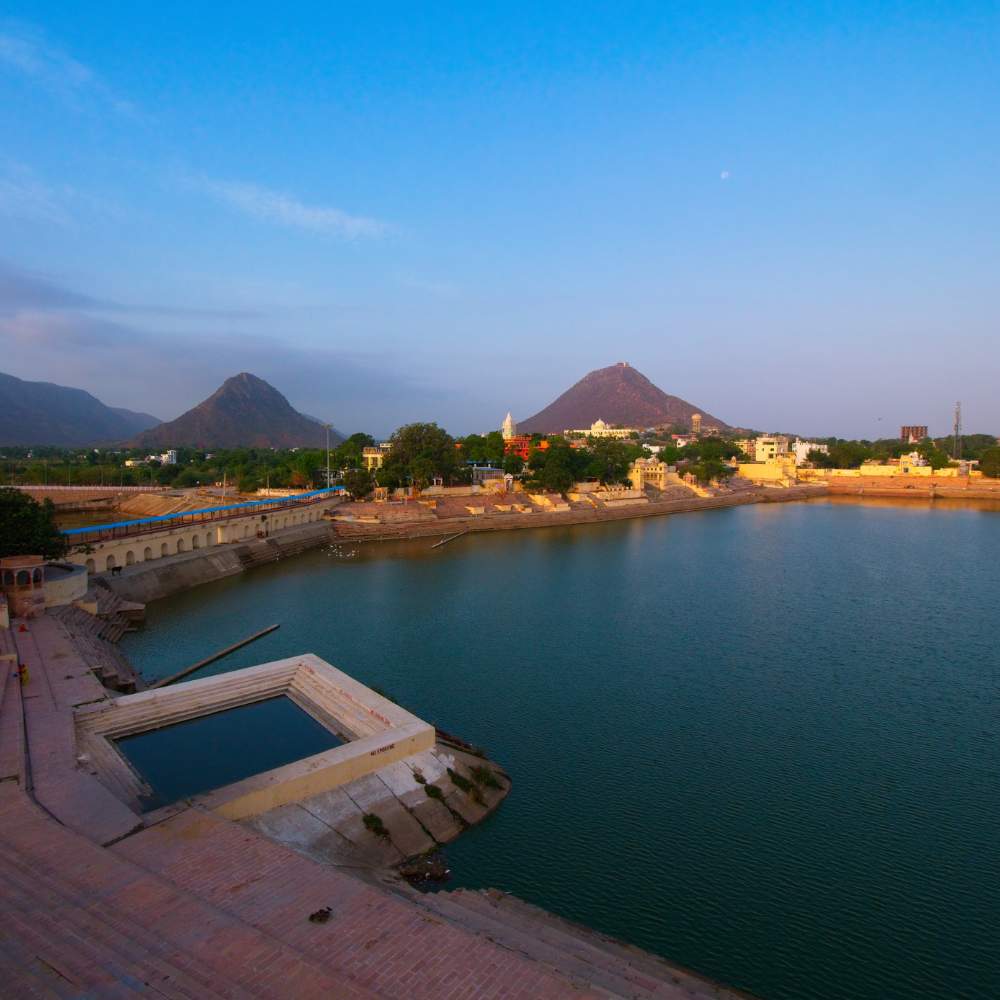
Pushkar, set around a holy lake at the edge of the Thar Desert, is among India's oldest pilgrimage towns. Hindu tradition holds that the lake was formed when Lord Brahma dropped a lotus flower. The shores are lined with 52 ghats and over 500 temples, including the Jagatpita Brahma Mandir, one of the few Brahma temples worldwide.
- Pushkar Lake and its 52 ghats can be experienced by walking the path that circles the lake at sunrise or sunset. On the ghats, footwear and photography are not permitted.
- Brahma Temple: The 14th-century Jagatpita Brahma Mandir is the spiritual centre of the town. Modest dress required.
- Savitri Mata Temple: A hilltop shrine reached by a long staircase or short cable car. The view over Pushkar at dawn is the best in the area.
- Held every November before Kartik Purnima (17 to 24 November in 2026), the Pushkar Fair is among Asia’s largest cultural events. Visitors are drawn by folk music, dance, hot air balloons, ritual bathing, and festive lakeside celebrations.
Fort Worth a Detour
Beyond the four colour cities, two significant Mewar forts lie within easy reach of Udaipur, making them a worthwhile addition to a first-time itinerary.
Chittorgarh Fort
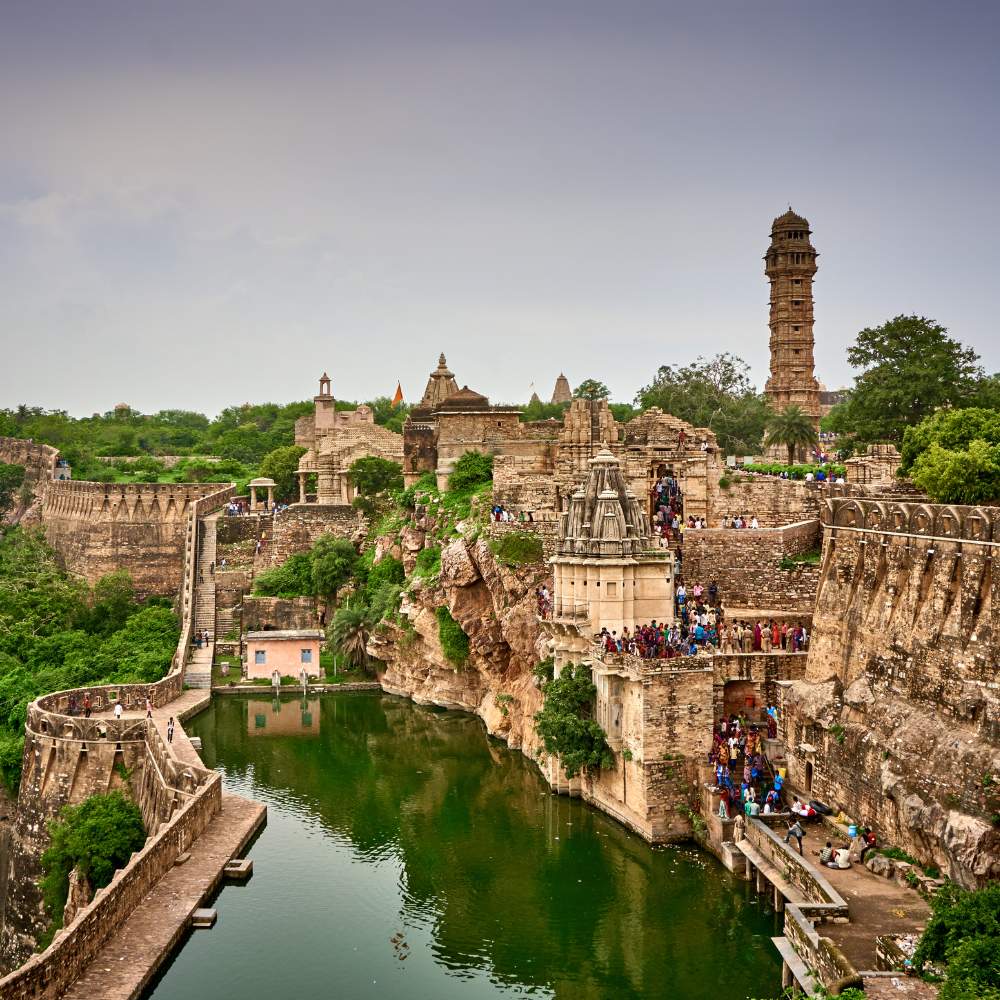
Chittorgarh is India’s largest fort complex. It spreads over 700 acres on a hilltop 180 metres above the plain. It was the original capital of Mewar and witnessed three legendary sieges, including the famous 1303 attack by Alauddin Khilji, which inspired the Rani Padmini story. The Vijay Stambha (Tower of Victory, 1448) and Kirti Stambha (Tower of Fame, 12th century) are standout monuments. Plan a half-day visit and explore the sites by car.
Read also: Things to Do in Chittorgarh – Exploring the Pride of Rajputana
Kumbhalgarh Fort
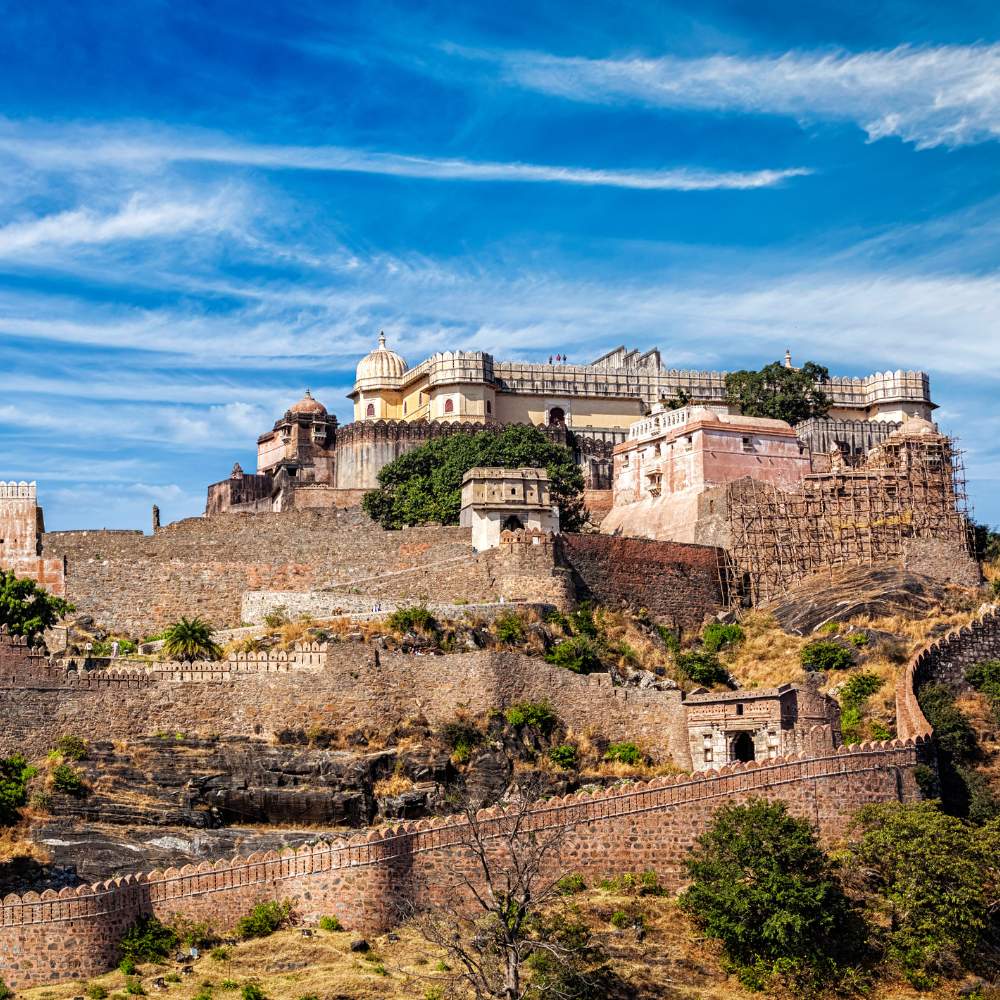
Two hours northwest of Udaipur, Kumbhalgarh features the world’s second-longest continuous wall after the Great Wall of China. The wall runs 36 km along the Aravalli Range. Built in 1448 by Rana Kumbha, the fort's 1,100-metre summit made it nearly impregnable. The evening light-and-sound show is well done. The fort and its wildlife sanctuary are a good overnight stop between Udaipur and Jodhpur.
Wildlife: Ranthambore National Park Tiger Safari
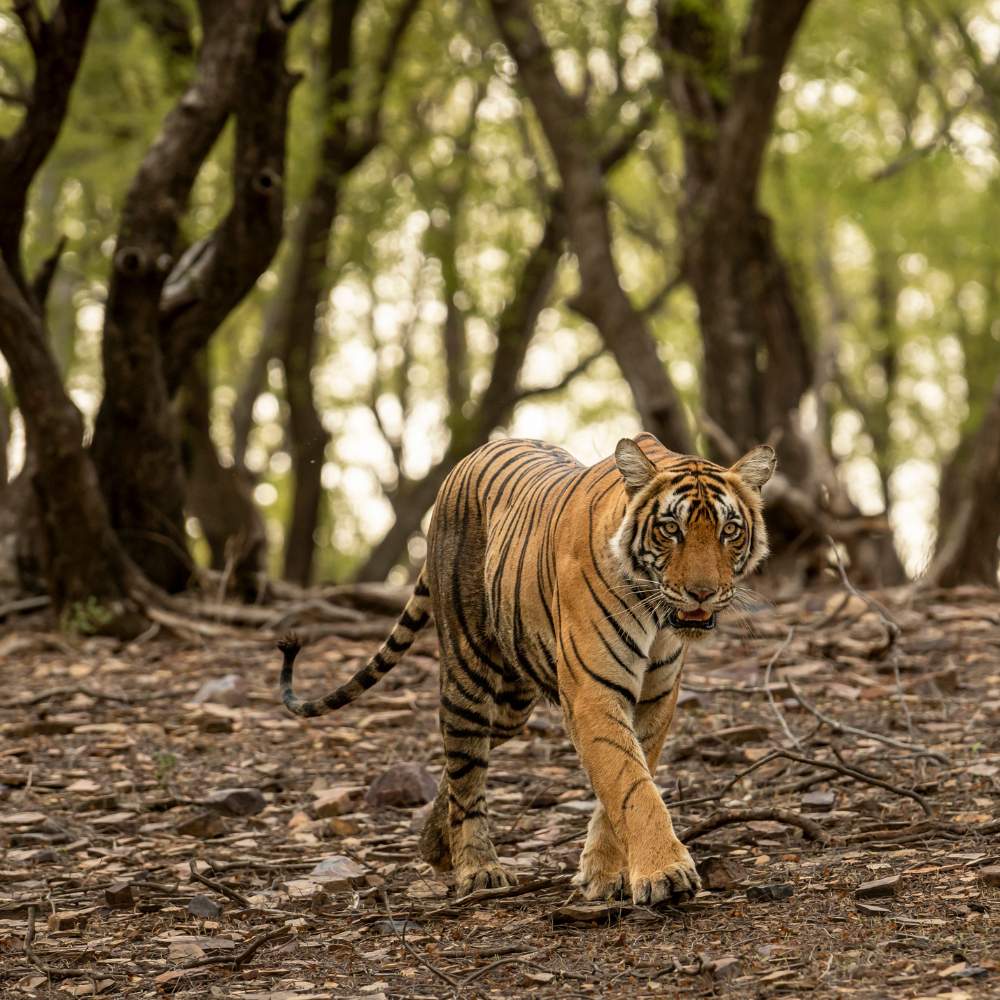
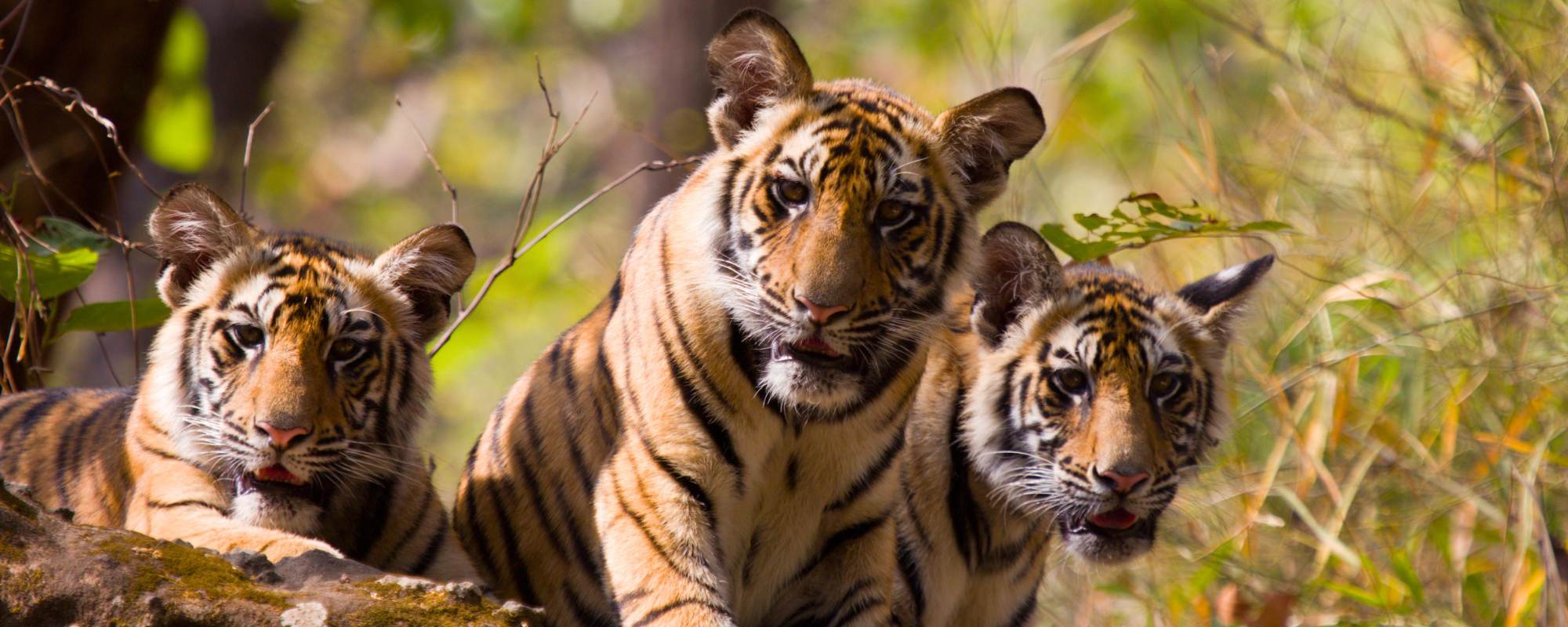
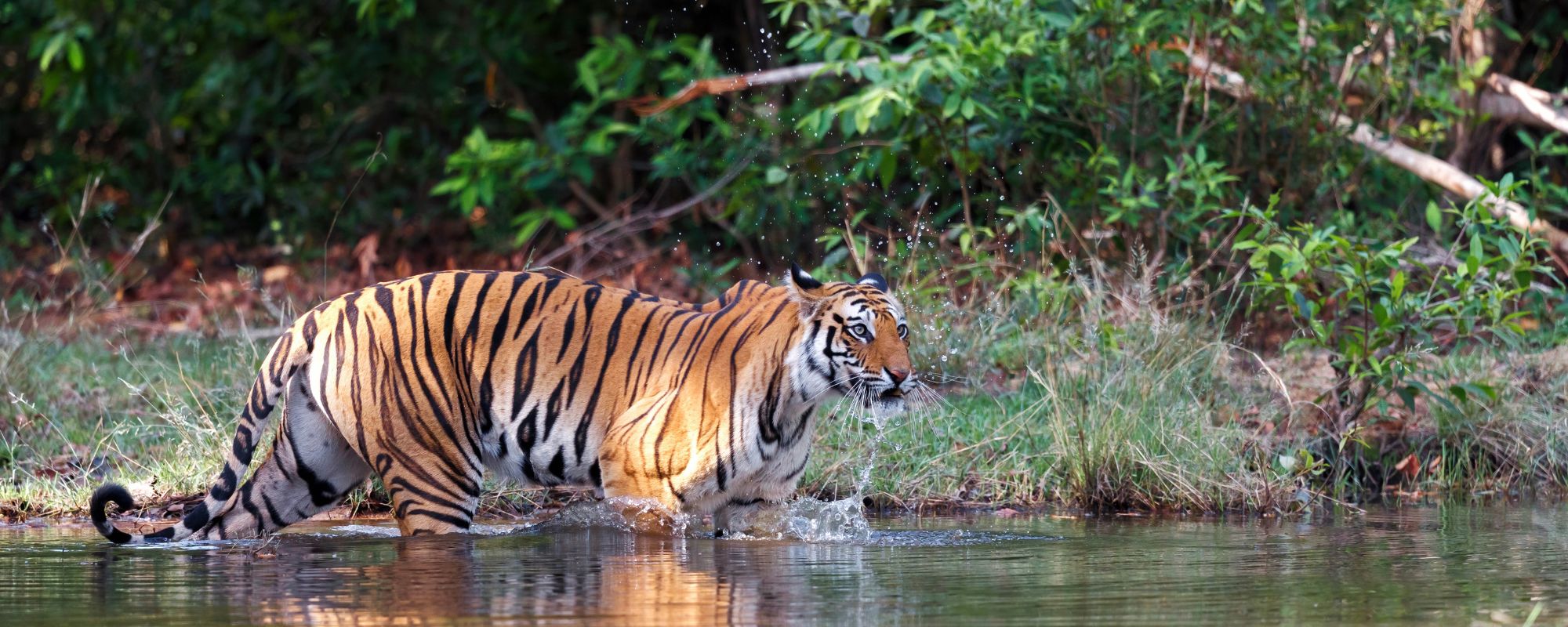
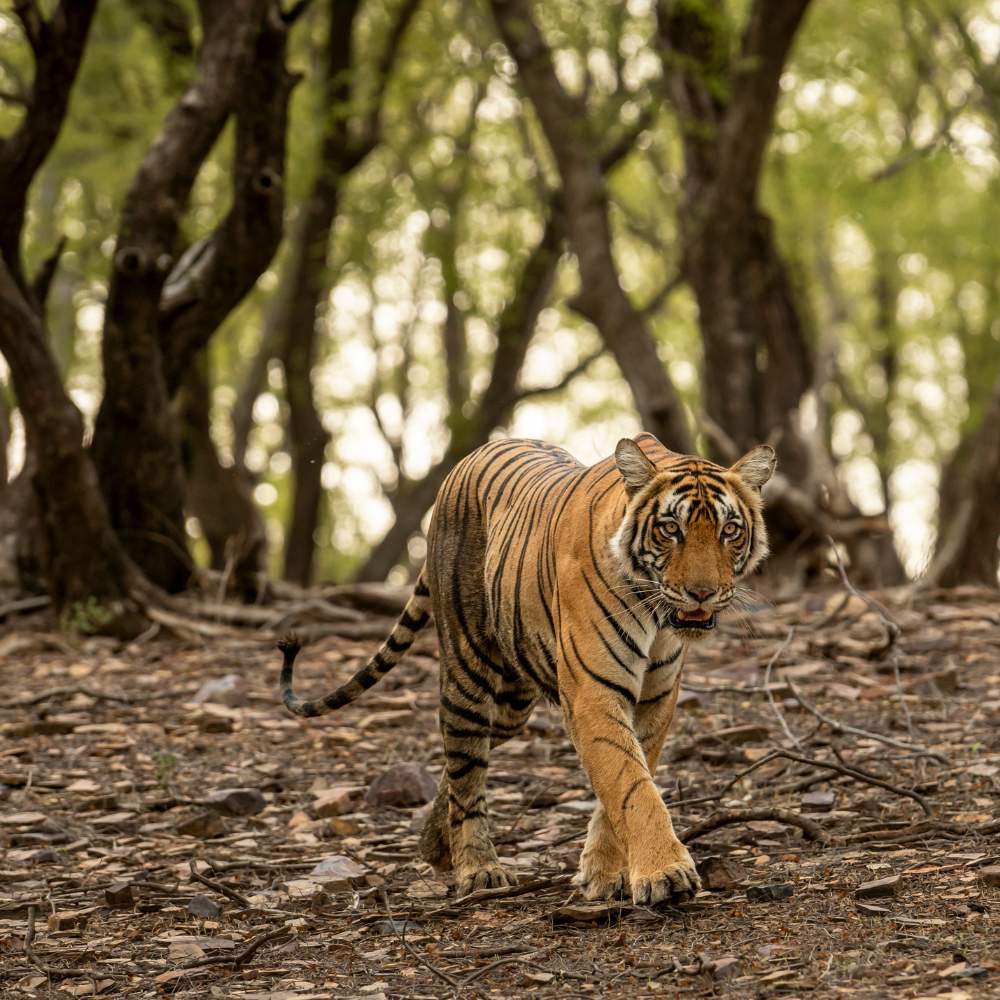
Ranthambore, India, set within a former royal hunting reserve in eastern Rajasthan, is the most accessible tiger park in India. The 1,334 sq km reserve is home to more than 75 Bengal tigers and is the easiest place in the country for a first-time visitor to see a tiger in the wild.
- How safaris work: The park has 10 safari zones. Visitors enter in open jeep gypsies (six passengers) or shared canters (up to 20). Two safaris a day, at sunrise and late afternoon.
- Best zones for tigers: Zones 2, 3, and 4 have historically delivered the highest sighting rates. Buffer zones 6 to 10 are also producing reliable sightings.
- When to go: October to April for comfortable weather; April to June for the highest sighting probability as animals come to the water. Closed in the monsoon (July to September).
- Getting there: Ranthambore lies near Sawai Madhopur, 180 km from Jaipur. The Sawai Madhopur railway station is on the Delhi-Mumbai main line, with regular trains from both cities.
Culture, Food, and Festivals
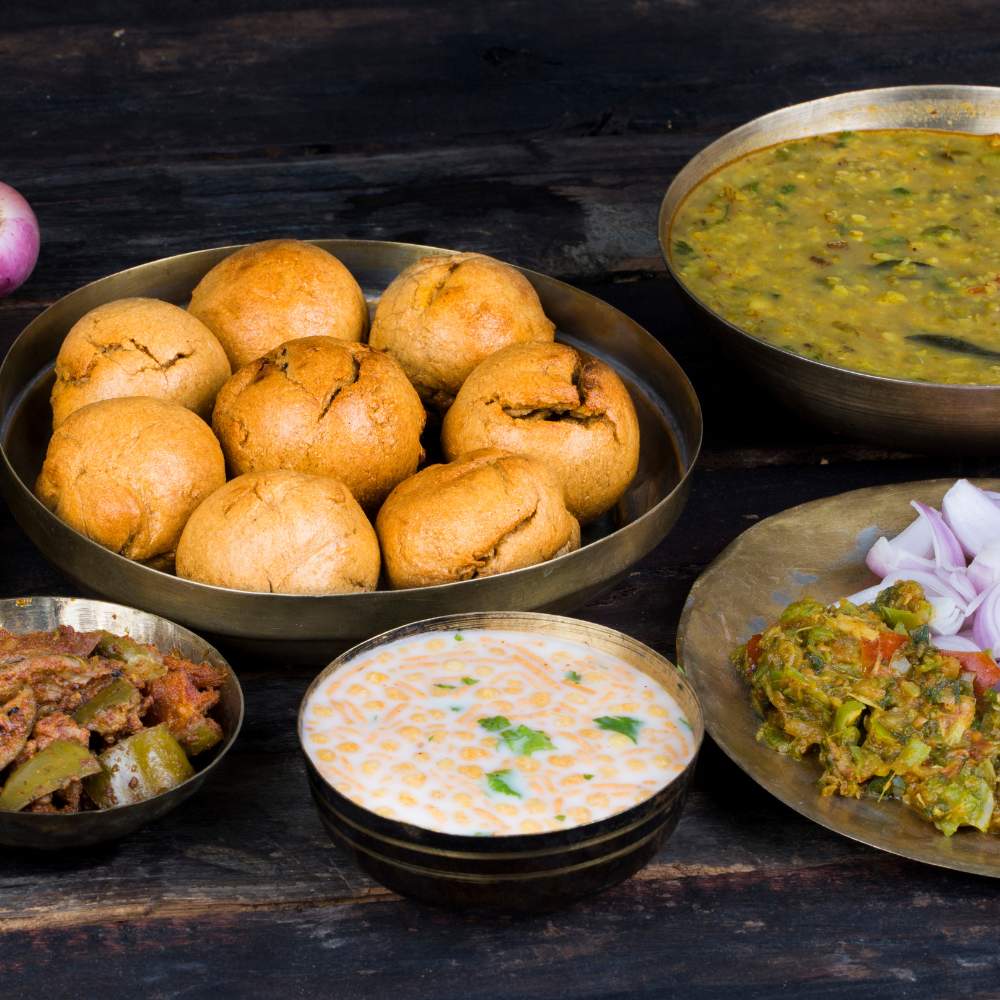
- Food: Rajasthani cuisine evolved around desert ingredients. Dal baati churma (lentils, baked wheat balls, sweetened wheat) is the signature dish. Laal maas is the famous fiery red lamb curry, and ker sangri (desert berries and beans) is a Marwari classic. Ghewar and pyaaz kachori are staples in Jaipur.
- Festivals: Holi in March, Teej in August in Jaipur, the Mewar Festival in Udaipur (March or April), the Marwar Festival in Jodhpur (October), and the Pushkar Fair in November are the most photogenic. The Jaipur Literature Festival in January is the world's largest free literary festival.
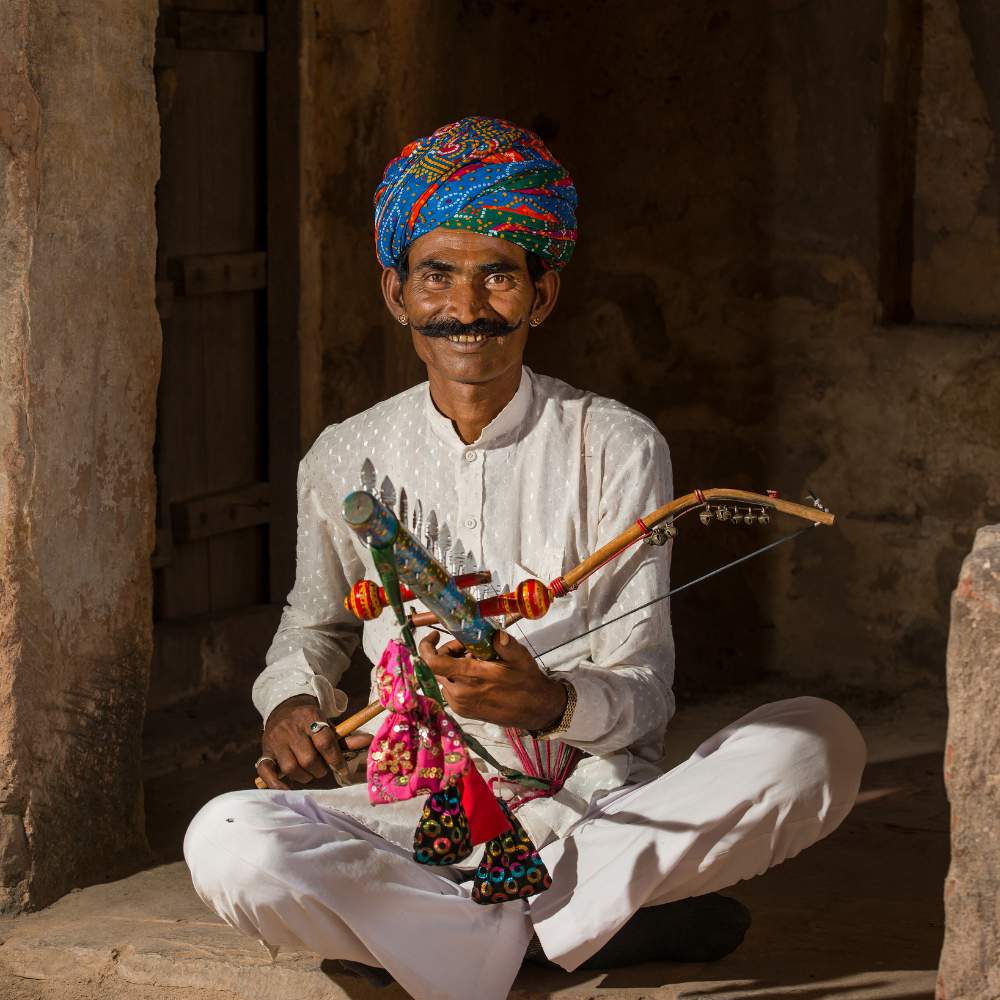
- Music and dance: The Manganiyar and Langa communities of western Rajasthan are among India's finest folk musicians. Kalbeliya dance is on UNESCO's List of Intangible Cultural Heritage.
- Crafts: Jaipur for blue pottery, gemstones, and block prints; Jodhpur for furniture and bandhej (tie dye); Udaipur for miniature paintings; Jaisalmer for embroidery and leatherwork.
When Is the Best Time to Visit Rajasthan?
- October to March (peak): Cool, dry weather with daytime temperatures of 15 to 27 degrees Celsius. The festival calendar is at its peak. Book accommodation in Udaipur and Jaisalmer two to three months ahead.
- April to June (hot): Temperatures climb above 40 degrees Celsius, reaching 48 degrees Celsius in the desert. Sightseeing is uncomfortable from late morning to evening; hill destinations like Mount Abu remain pleasant.
- July to September (monsoon): Light rainfall compared with the rest of India. Udaipur and Mount Abu are especially green and atmospheric. Ranthambore is closed.
How to Get to Rajasthan
- By air: Jaipur (JAI) is the main international gateway, with direct flights from Delhi, Mumbai, Dubai, Sharjah, and Bangkok. Udaipur (UDR) and Jodhpur (JDH) have well-connected domestic terminals; Jaisalmer (JSA) has limited seasonal service.
- By train: Rajasthan has the best rail connectivity in northern India. The Delhi to Jaipur Vande Bharat covers the route in around four hours. Overnight trains link Jaipur with Udaipur, Jodhpur, and Jaisalmer.
- By road: The Delhi-Mumbai Expressway has cut driving time from Delhi to around 3 hours. Chauffeur-driven cars are the most common option for the wider circuit.
Frequently Asked Questions About Rajasthan
How many days are needed for a first Rajasthan trip?
Ten to fourteen days is right for a meaningful first visit. A typical route allocates three nights in Jaipur, one in Pushkar, two each in Udaipur, Jodhpur, and Jaisalmer, with one or two extra nights at Ranthambore or Kumbhalgarh.
Is Rajasthan safe for solo travellers and international visitors?
Yes. Rajasthan is one of the most visited regions in India by international travellers, and the main cities have well-developed tourist infrastructure. Standard precautions apply: agree fares with auto rickshaw drivers in advance, keep valuables in hotel safes, and dress modestly at temples.
What is the best order to visit the four colour cities?
The most efficient route follows a clockwise loop from Delhi or Jaipur: Jaipur (pink) and Pushkar, then south to Udaipur (white), then northwest to Jodhpur (blue), and finally west to Jaisalmer (golden). The reverse direction works equally well from Mumbai or Ahmedabad.
Do I need permits for Rajasthan?
No special permits are required for any of the main Rajasthan tourist destinations. Standard Indian visa rules apply for foreign visitors. National parks like Ranthambore require advance safari bookings; permits are issued by the Rajasthan Forest Department through the official portal.
What should I wear in Rajasthan?
Light cotton clothing that covers shoulders and knees works year-round and is appropriate for temples. Carry a scarf or shawl. In winter (December to February), desert nights are cold, so a warm layer is essential. Comfortable walking shoes are needed for the forts.