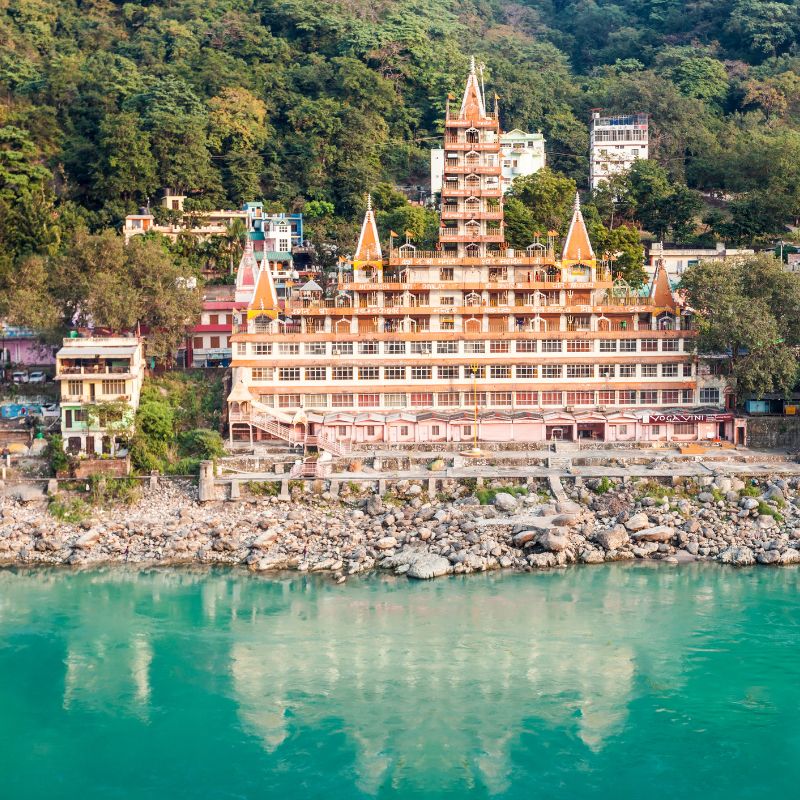
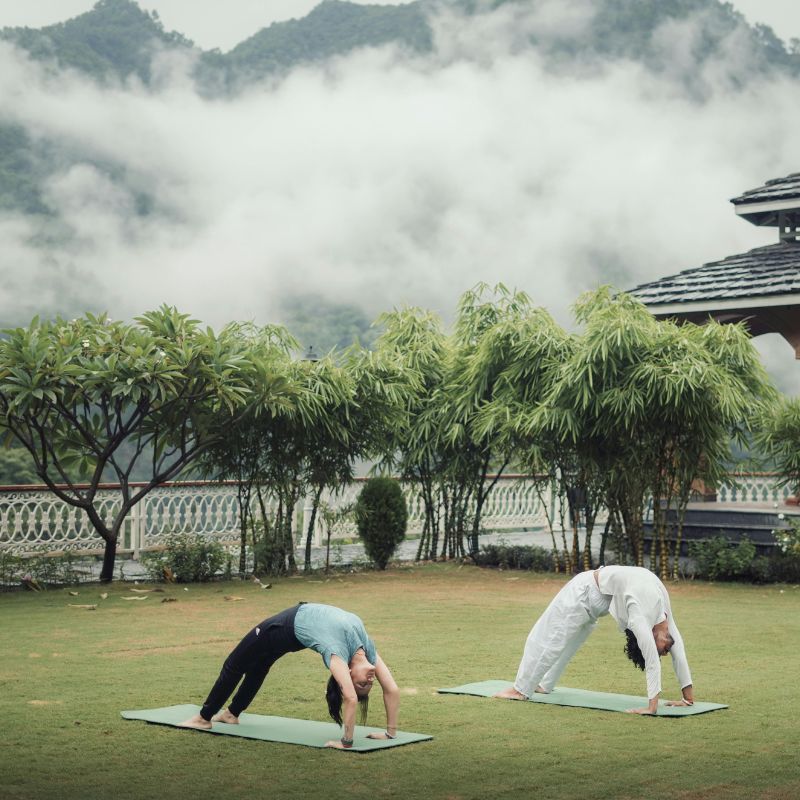
Choose Rishikesh if you want yoga as practice and study, in a Himalayan river town built around ashrams. Choose Kerala if you want a clinical Ayurveda programme with yoga inside it, supervised by a doctor. They are not variations on the same holiday. And the difference between a genuine programme and a spa package with a sun salutation attached does not have to be a matter of judgement. Kerala’s Department of Tourism and the Ministry of AYUSH both run government schemes you can check before you book.
TL;DR
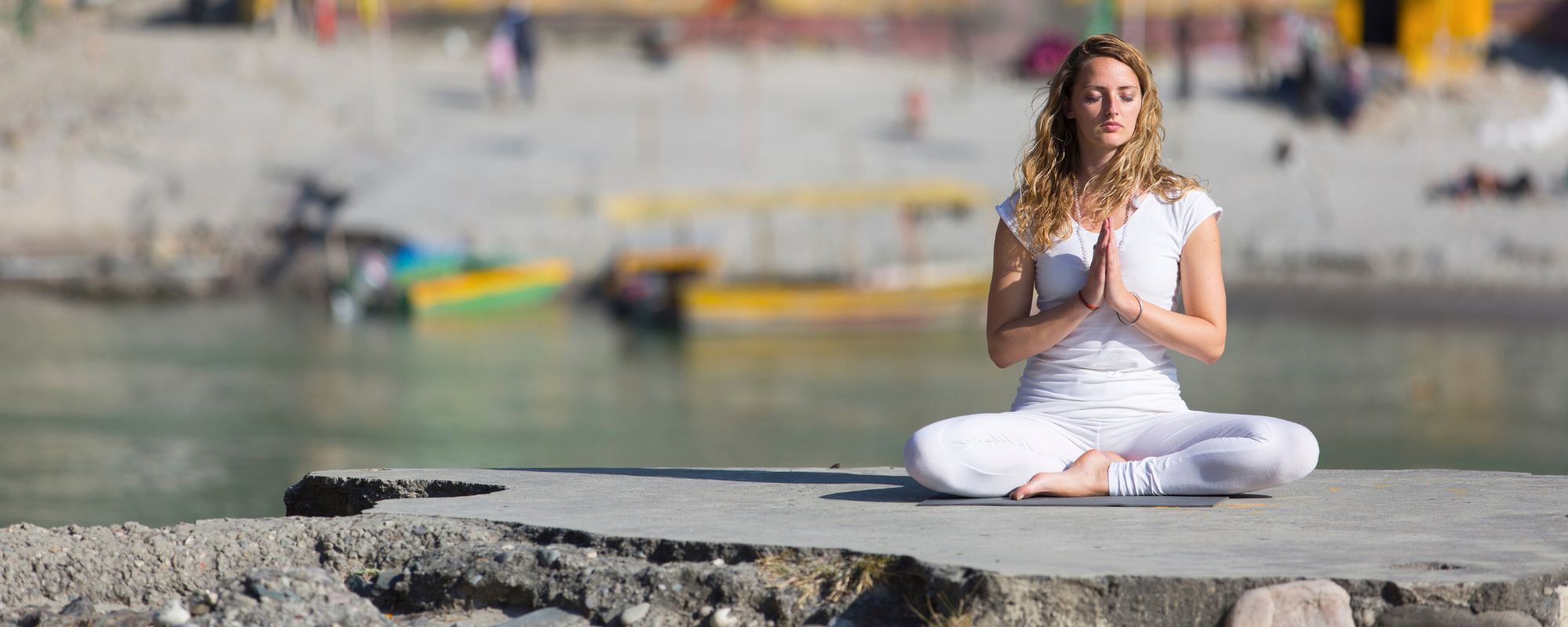
- Rishikesh is yoga-led. Ashram and retreat culture on the Ganges, teacher training, philosophy, practice twice a day.
- Kerala is Ayurveda-led: physician consultation, a prescribed therapy course, a prescribed diet, with yoga as a supporting element.
- Kerala’s certification has changed, and many guides still describe the old scheme. The Department of Tourism is replacing Green Leaf and Olive Leaf with Ayur Diamond, Ayur Gold, and Ayur Silver.
- The classification is valid for three years, costs the centre ₹6,250 to apply for, and the Director of Tourism can inspect without notice.
- For yoga, the Yoga Certification Board, established by the Ministry of AYUSH in 2018, is the authority.
- YCB certificates carry a QR code and a unique number that can be verified online, so you can check a teacher's claim.
- Duration is the honest tell. We hold that a full Panchakarma course needs 14 to 21 days. Seven nights is a rest and a reset, not the full course.
- Both schemes are voluntary, so absence is not proof of a bad centre. A refusal to discuss it is a different signal.
Our Ayurveda and wellness retreats guide covers the properties. This piece covers the decision and the verification.
Rishikesh or Kerala
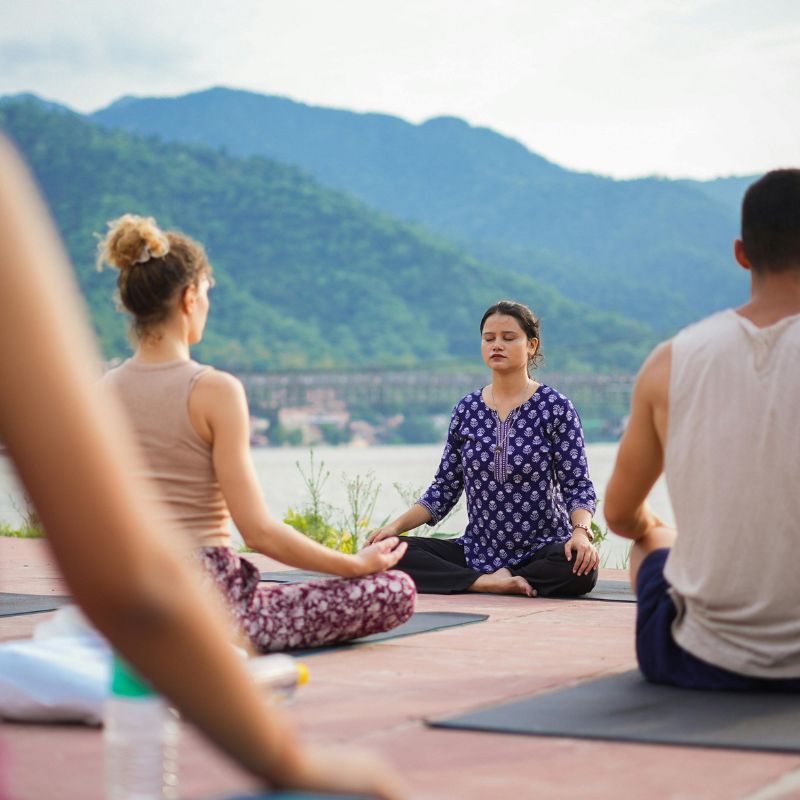
| Topic | Rishikesh | Kerala |
|---|---|---|
| Centre of gravity | Yoga practice, philosophy, teacher training | Ayurveda under physician supervision |
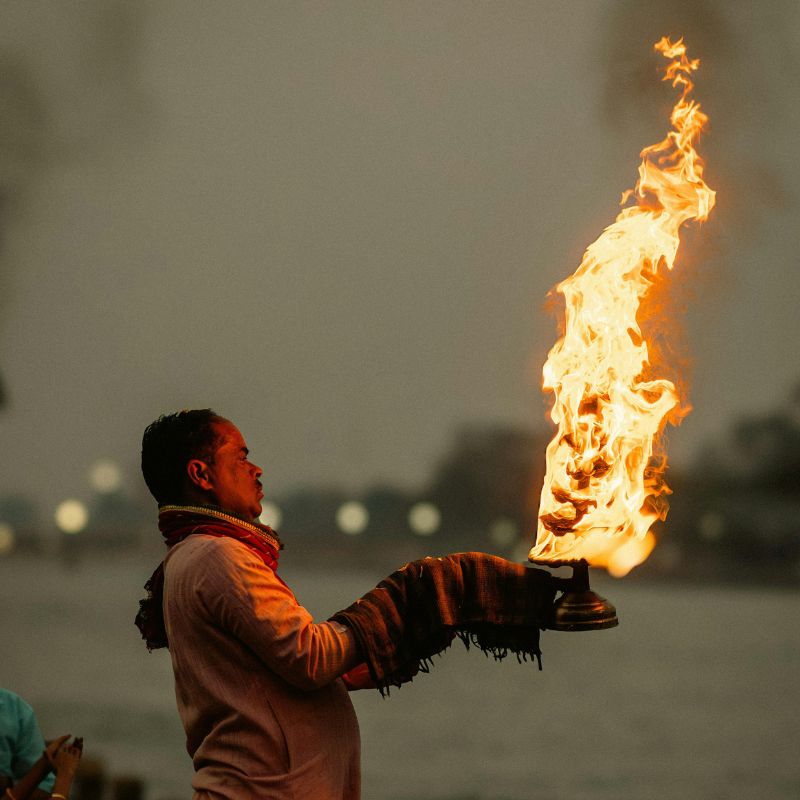
| A typical day | Practice at dawn, philosophy or pranayama session, free afternoon, evening practice and aarti on the Ganges | Doctor review, prescribed therapies, prescribed diet, yoga as support |
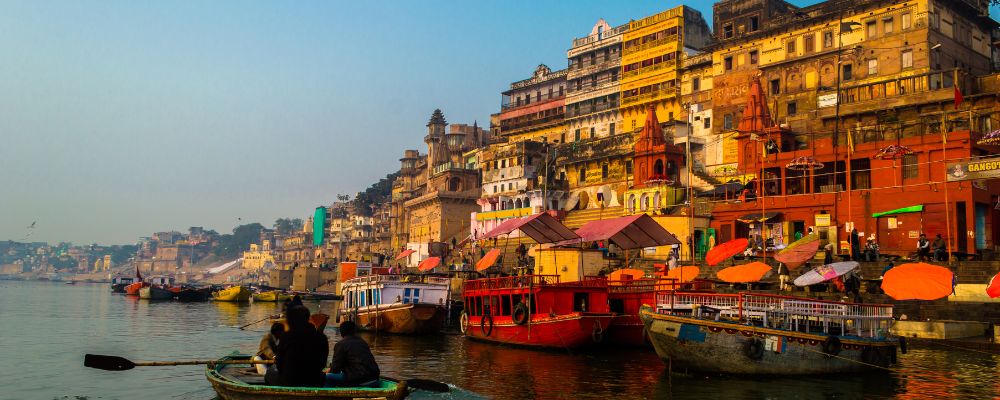
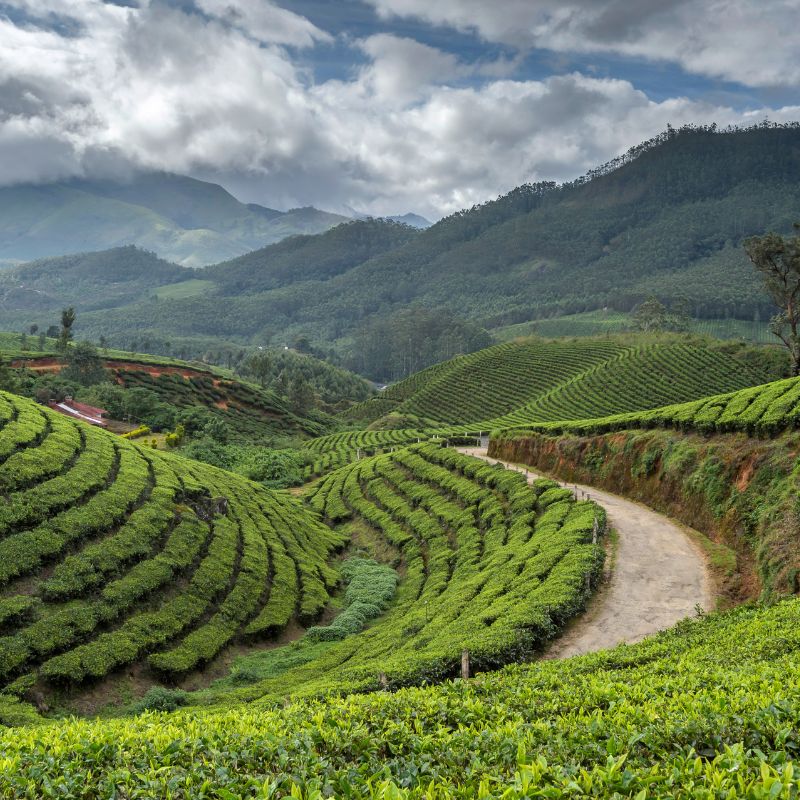
| Setting | Himalayan foothills, river town, ashram culture | Backwaters, coast, hill plantations |
| Useful length | 7 to 21 days | 14 to 28 days for a treatment course |
| Season | Ideal March to May and September to November | Best October to March; monsoon, June to August, is traditionally favoured for therapy |
| Alcohol and meat | Rishikesh is a largely vegetarian town and alcohol is restricted | Varies by property, restricted during treatment |
| The test to apply | Yoga Certification Board accreditation and teacher level | Kerala Tourism Ayurveda Centre classification |
The simplest way to choose: if you want to come home practising differently, go to Rishikesh. If you want to come home feeling different, go to Kerala.
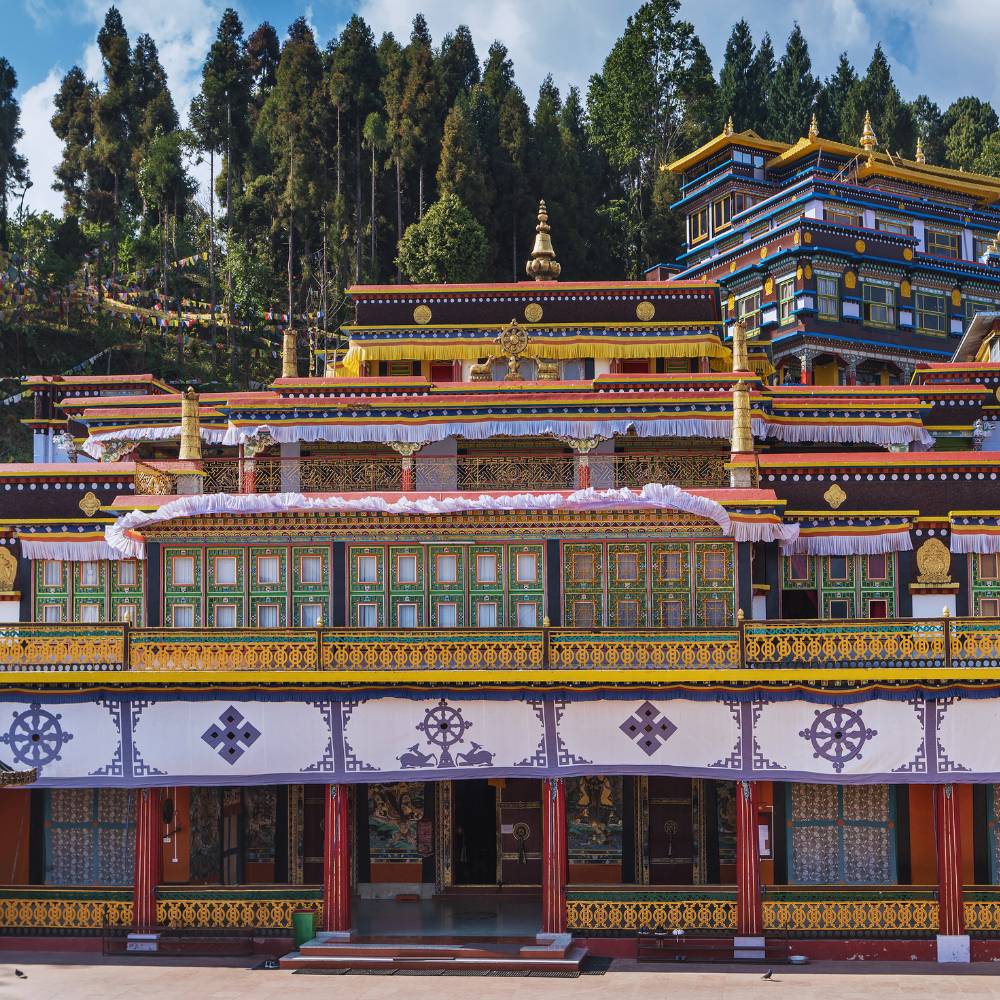
One thing to know before booking Rishikesh. It is a religious town, largely vegetarian, with alcohol restricted. That is part of the point for most people who go, and a surprise for anyone who booked expecting a resort. Our Rishikesh visitor guide covers the town itself.
The Kerala Test: A Classification Scheme That Has Changed
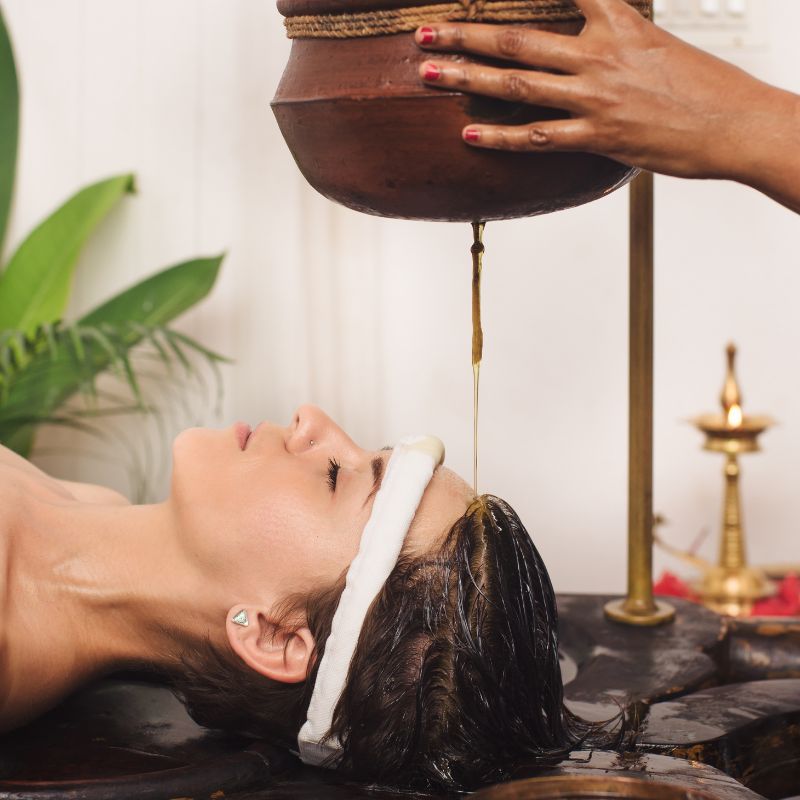
Kerala’s Department of Tourism has classified Ayurveda centres for years under Green Leaf and Olive Leaf, and many travel articles still describe the system that way.
It is being replaced. Under the current scheme published by Kerala Tourism, Ayur Diamond is the top category with the highest level of facilities; Ayur Gold is the middle category; and Ayur Silver is the entry category with minimum facilities. Together, they replace Green Leaf and Olive Leaf. Existing classified units move into the new scheme or continue under their old status until their certificate expires.
The details worth knowing as a buyer:
- Classification is valid for three years from the date of the order, and you must apply for reclassification three months before expiry.
- The application fee is ₹6,250, and classification is awarded on the recommendation of the Department's inspection committee, after it checks the centre against a facilities checklist.
- The Director or a deputed officer may inspect a classified centre at any time without prior notice.
- Approval is withdrawn for violations.
- Classified units in the new scheme must add the words “Kerala Tourism Ayurveda Centre” to their name in all brochures, signage and communications. That is a visible marker you can look for.
- Government incentives and subsidies go only to Ayur Gold and Ayur Diamond.
- Crucially, the scheme is not a substitute for the licences a centre needs under other rules. It is a tourism quality classification, not a medical licence.
Ask a Kerala property two questions: which category it holds, and when the certificate expires. A centre that cannot answer either is telling you something.
The Yoga Test: The Government’s Yoga Certification Board
For yoga, the equivalent is the Yoga Certification Board, which the Ministry of AYUSH established in 2018 to run its Scheme for Voluntary Certification of Yoga Professionals. The Quality Council of India administered the scheme until May 2018, and certificates it issued remain valid for the period they were issued.
The YCB does two separate things, and both are useful to a traveller. It certifies individual professionals across a ladder that runs from Yoga Volunteer through Level 1 Yoga Protocol Instructor, Level 2 Yoga Wellness Instructor and Level 3 Yoga Teacher and Evaluator, up to Yoga Master and therapeutic levels. It also accredits yoga institutions and centres.
Two features make it checkable rather than decorative. Certificates carry a QR code and a unique number that can be verified online, so a teacher’s claimed level can be confirmed rather than taken at face value. A Level 1 certificate is initially valid for five years and Levels 2 and 3 for three, after which a Continuing Yoga Education Programme and assessment decide whether it is extended.
The scheme is voluntary, so anyone in India can still describe themselves as a yoga teacher. But a verifiable answer now exists, and a retreat that has never heard of the YCB is worth a second look.
The Five Questions That Separate a Programme From a Package
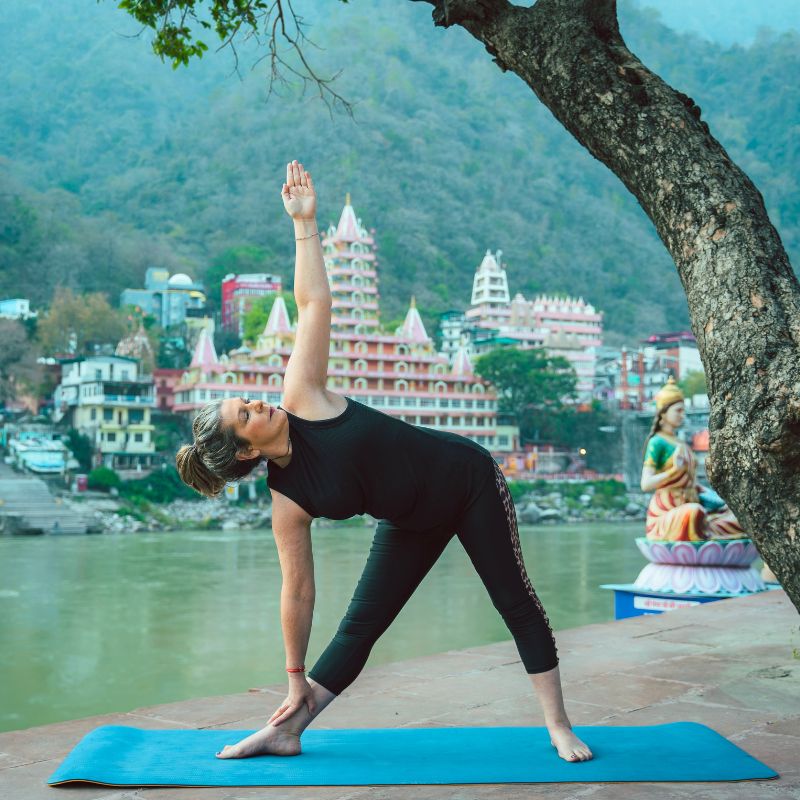
- Do you consult a qualified physician before anything is prescribed, and does that change the plan? In a genuine Ayurveda programme, the treatment is prescribed after assessment. In a spa package, you choose treatments from a menu before you arrive.
- What is the minimum stay the centre will accept for this programme? In our view, a full Panchakarma course needs 14 to 21 days, and some centres decline shorter bookings because they cannot deliver it properly. A property happy to sell you Panchakarma over a long weekend is selling massage.
- Is the diet prescribed and served as part of the programme? Genuine programmes control food. Buffet access alongside treatment is the clearest single tell.
- What certification does the centre hold, and what level are the practitioners? Kerala Tourism classification for Ayurveda, YCB for yoga, plus a recognised Ayurveda degree for the supervising physician.
- What does the daily schedule look like, hour by hour? A programme has a shape. A package has a booking sheet.
We personally inspect wellness properties before recommending them and work with the centre’s team to match a programme to the guest after a doctor’s consultation. Our twelve questions for an India tour operator cover the rest of the vetting, and our terms are on our booking and cancellation policy page.
For accommodation, our Kerala wellness properties include Niraamaya Retreats Surya Samudra at Kovalam, Niraamaya Retreats Backwaters and Beyond at Kumarakom, Niraamaya Retreats Cardamom Club at Thekkady, Kumarakom Lake Resort, Spice Village at Thekkady and Marari Beach Resort on the coast. Near Rishikesh, we work with Ananda in the Himalayas and Maharishi Ayurveda.
Anyone considering a therapeutic programme, particularly one involving fasting, purgation or a significant dietary change, should discuss it with their own doctor before booking. This is not medical advice.
Timing
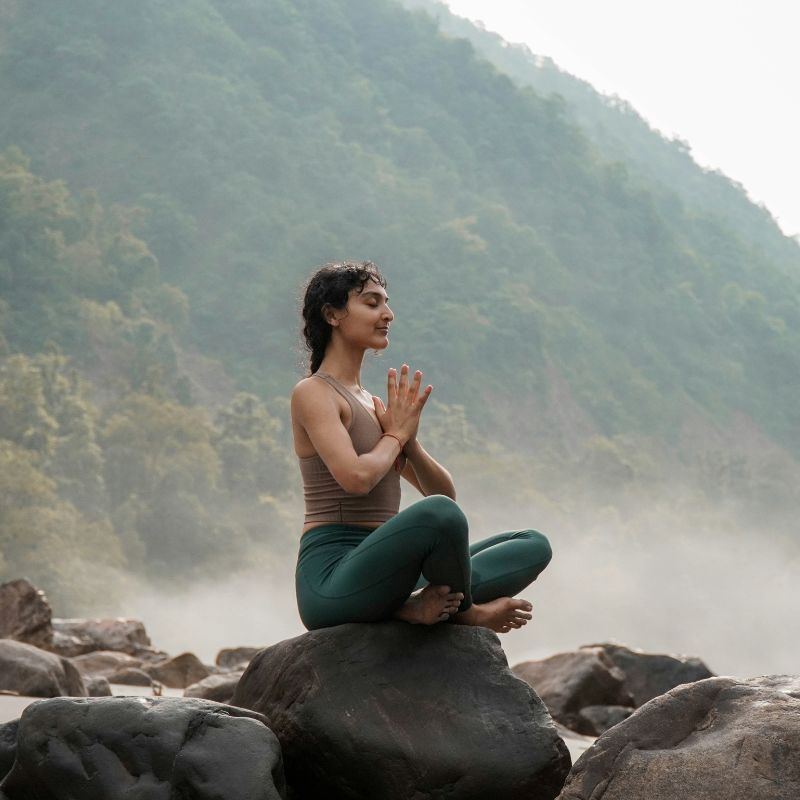
Rishikesh is at its best from March to May and September to November. Winter is cold in the foothills, and the monsoon brings landslide risk on the approach roads. The International Yoga Festival draws large crowds in early spring, which is either a reason to go or a reason to avoid those weeks.
Kerala suits October to March for comfort. The monsoon months of June to August are traditionally considered the best window for Ayurvedic therapy, because the season is believed to leave the body more receptive to treatment, and rates are lower. It rains constantly, and if you are there for treatment rather than sightseeing, that matters less than you would expect. Our month-by-month calendar shows how both fit into a wider trip, and our Kerala backwaters guide covers the nights on either side.