
A travel agency primarily arranges flights, hotels, and travel bookings, while a Destination Management Company (DMC) coordinates the entire experience at the destination. For corporate groups visiting India, a DMC can manage venues, transport, events, local suppliers, and on-ground support, making it especially useful for conferences, incentive trips, and multi-city business programmes.
Quick Answer: Key Takeaways
- Travel agencies focus on bookings: flights, hotels, transfers, and travel arrangements.
- DMCs manage destination operations: venues, events, transport, local suppliers, and on-ground coordination.
- Corporate groups need connected planning: conferences, incentive trips, and retreats often involve multiple services working together.
- A DMC isn’t always necessary: a travel agency can manage simple business visits effectively.
- Accountability matters: having one local team to handle last-minute changes can make corporate group travel easier to manage.
What Is a Destination Management Company (DMC) in India?

A Destination Management Company is a locally based organisation that plans and manages travel, events, and activities at a destination. A DMC in India coordinates accommodation, transportation, venues, guides, activities, and operational support for corporate groups and private travellers.
Unlike a company that makes reservations, a DMC stays involved in how those arrangements work once guests arrive.
Imagine a London company bringing 45 employees to Jaipur for a leadership retreat. The programme includes airport pickups, a luxury hotel, two days of meetings, a team activity, and a farewell dinner at a heritage venue.
Booking these services separately is possible. Keeping everything on schedule is another matter.
What happens when three international flights arrive late? Who informs the hotel about the revised dinner time? Who checks that the meeting room is ready before delegates arrive?
These situations show where an experienced India DMC can add real value.
We are Bout India, a Jaipur-based destination management company operating since 2013, and we offer venue sourcing, transportation, supplier coordination, permits, cultural experiences, and on-ground assistance.
We tailor each programme to the group’s needs rather than following a fixed itinerary.
What Does a Travel Agency Handle for Corporate Groups?

A travel agency generally arranges the main components of a trip, including flights, accommodation, transfers, and travel schedules. For straightforward business travel, these services may be entirely sufficient.
Some agencies, particularly corporate travel management companies, also coordinate employee reservations, travel policies and booking changes.
Suppose six executives are travelling to Delhi for a two-day business meeting. They need flights, hotel rooms and airport transfers. There is no conference production, group activity or complicated event schedule.
A capable travel agency can manage these requirements without the additional services associated with a full DMC.
The distinction becomes more noticeable when a group needs several local services working together.
Some travel agencies offer event planning and destination management themselves. Likewise, some DMCs arrange flights and other traditional travel services.
The company name alone doesn’t determine what it can deliver. Its actual responsibilities do.
DMC vs Travel Agency: How Do Their Services Compare?

The main difference in DMC vs travel agency services is the scope of coordination and responsibility at the destination. A DMC generally takes a more active role in managing the complete programme, while a traditional travel agency focuses on reservations and travel arrangements.
| Service | Travel Agency | Destination Management Company |
|---|---|---|
| Flights and hotel bookings | Core service | Often included |
| Airport transfers | Usually arranged | Arranged and locally coordinated |
| Venue selection | May provide options | Sources and coordinates venues |
| Corporate event production | Depends on the agency | Often a specialist service |
| Local guides and activities | Usually bookable | Integrated into the programme |
| Supplier management | Varies | Central part of the service |
| On-ground assistance | Depends on agreement | Typically a core responsibility |
| Schedule changes | Helps modify reservations | Coordinates changes across local services |
| Multi-city group logistics | Available through some agencies | Often a major service area |
These are typical differences, not fixed industry rules. Some businesses provide both services, so review the actual scope of work before booking.
For corporate travel, the better question isn’t simply, “Which company can book everything?”
It’s “Who takes responsibility for making everything happen as planned?”
Why Does Local Expertise Matter for Corporate Group Travel in India?
Local expertise helps corporate groups plan realistic schedules, select suitable venues and avoid unnecessary logistical difficulties. India’s travel times, traffic conditions, weather and venue requirements can vary significantly between destinations.
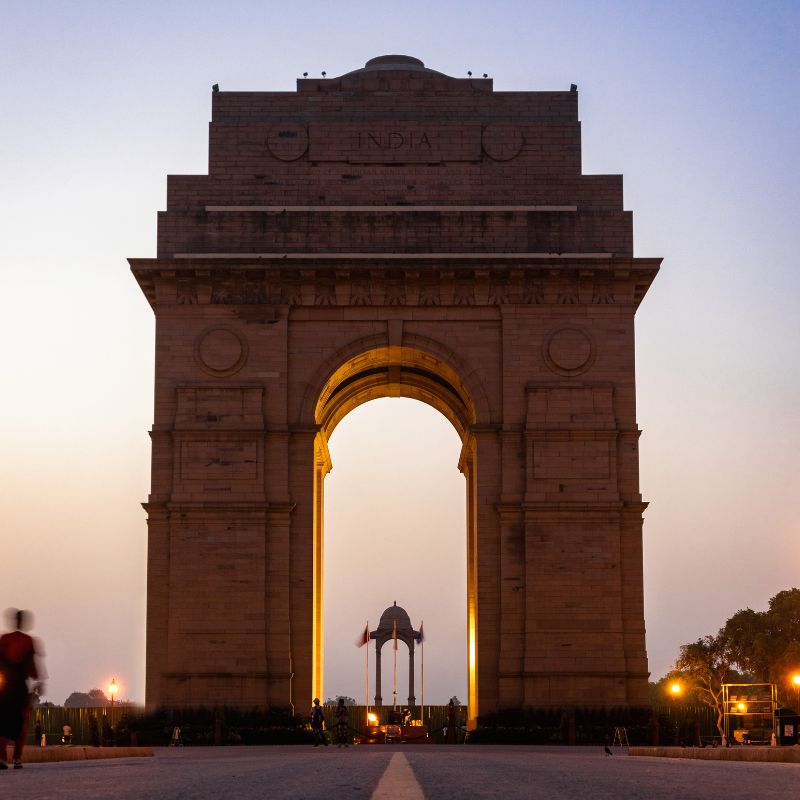
Consider a corporate itinerary covering Delhi, Agra and Jaipur.
The route looks manageable on paper. However, moving a large group is different from travelling as a couple. A coach needs additional time for boarding, luggage handling and hotel arrivals. One delayed departure can affect lunch reservations, sightseeing plans and evening events.
And after a long international flight, asking delegates to attend a full business session followed by several hours of sightseeing can be tiring. An experienced DMC in India understands why an itinerary needs breathing room.
Local knowledge also helps with choosing the right hotel.
A famous luxury property may be excellent for leisure travellers but unsuitable for a large conference if its meeting facilities, vehicle access or group dining arrangements don’t meet the programme’s requirements. For corporate groups, the right venue isn’t necessarily the most photographed property. It’s the one that works.
Before choosing a location, organisers can compare destinations across India, such as Rajasthan’s heritage cities, Delhi’s business venues, Kerala’s retreat settings, and Goa’s coastal experiences.
When Should a Corporate Group Choose a DMC Instead of a Travel Agency?
A corporate group should consider a DMC when its trip involves multiple venues, different arrival schedules, organised events or complex local logistics. A traditional travel agency may be sufficient when the programme mainly consists of flights, hotels, and straightforward transfers.
The decision depends less on group size and more on what the group intends to do.
For example, a 12-person executive retreat at a heritage property may require detailed planning for private dining, meeting facilities and activities.
Meanwhile, 60 employees attending an existing conference might only need hotel reservations and airport transport.
A DMC is particularly useful for leadership retreats, employee incentive trips, conferences, exhibitions and multi-city business programmes.
For companies comparing DMC vs. travel agency for corporate groups, a practical approach is to list everything that must happen after the delegates arrive in India.
If the programme contains several services that depend on one another, destination management becomes more valuable.
Groups looking to add cultural experiences or leisure extensions can also explore customised India tour packages for itinerary ideas beyond the main business programme.
How Does a DMC Manage Corporate Events, Meetings and Incentive Trips in India?
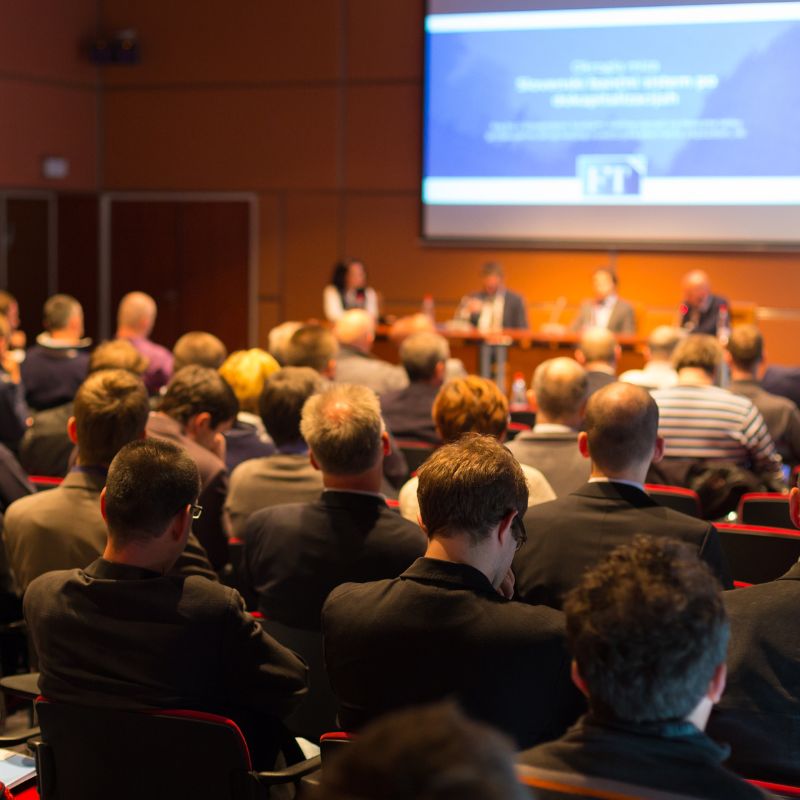
A DMC manages corporate events by coordinating venues, accommodation, transportation, suppliers, technical requirements and delegate arrangements. It may also design activities, oversee event production and manage changes during the programme.
MICE stands for Meetings, Incentives, Conferences and Exhibitions. It refers to organised business travel involving professional gatherings, employee rewards and corporate events.
A MICE company in India can handle these arrangements through one coordinated plan.
What Does a DMC Arrange for Corporate Meetings and Conferences?
A DMC can coordinate meeting venues, seating arrangements, audiovisual equipment, delegate registration, catering, and transportation.
The details matter.
Booking a conference hall doesn’t automatically guarantee that the presentation equipment has been tested or that every delegate’s dietary requirements have reached the catering team.
Our corporate events and MICE programmes include conference production, audiovisual arrangements, staging, branding, delegate logistics and team-building activities.
Having a named project manager also helps organisers understand who is responsible for each part of the programme.
How Are Corporate Incentive Trips Different?
Incentive travel rewards employees, business partners or high-performing teams through organised travel experiences.
For these groups, the destination and activities are often as important as the accommodation.
An incentive programme in India could include a heritage dinner in Rajasthan, a wildlife experience, guided sightseeing or a private cultural activity.
Our incentive travel programmes are tailored and feature heritage properties, desert camps, palace events and destination experiences.
The aim is to make the trip enjoyable without exhausting delegates through an overcrowded schedule.
A thoughtful two-day programme can sometimes feel more rewarding than four days filled with compulsory activities.
What Can Go Wrong During Corporate Group Travel, and Who Handles It?

Delayed flights, changing delegate numbers, transportation issues and technical problems can affect corporate group travel. A DMC’s responsibility is to coordinate the local response and reduce disruption to the overall programme.
Imagine 80 delegates arriving in Mumbai on different flights.
Some land in the morning. Others arrive late at night. One flight is delayed, and several delegates are travelling with additional baggage.
Without a clear coordination plan, airport transfers can become confusing.
A well-organised DMC for corporate events in India can arrange separate pickups, update delegate lists, and coordinate changes with local transport providers.
The same applies to conferences.
A presentation screen may need last-minute attention. A speaker’s schedule might change. A dinner venue may require an updated guest count.
Our corporate event services include supplier management, transport coordination, and 24/7 English-speaking assistance.
Of course, not every difficulty can be prevented.
Traffic remains traffic. Bad weather can interrupt outdoor events. Flight delays are outside any travel company’s control.
The advantage is having a designated local team that can coordinate alternatives rather than leaving the corporate organiser to contact multiple suppliers independently.
Does Booking Through a DMC Cost More Than Using a Travel Agency?

A DMC isn’t automatically more expensive than a travel agency. The final cost depends on accommodation, transport, event requirements, activities, service level, and the number of people travelling.
Comparing quotations can be misleading if they cover different services.
A travel agency may quote for rooms, transfers and a basic itinerary.
A DMC proposal may include those arrangements, plus event coordination, dedicated staff, supplier management, and on-ground support.
Naturally, the second quotation may be higher because it includes more services.
But that doesn’t necessarily mean the same trip costs more.
When evaluating destination management services in India, ask for an itemised breakdown.
Check whether event equipment, meals, guides, venue charges, permits, additional transport hours, and cancellation terms are included.
Also ask how final delegate numbers affect pricing.
If a group drops from 70 delegates to 60, can the hotel adjust the allocation? Will vehicle requirements change? Are there deadlines for confirming the final guest list?
Our corporate proposals are fully itemised, so organisers can see the services covered before confirming.
Clear pricing helps companies compare the actual value of different proposals rather than selecting the lowest initial figure.
What Should You Ask Before Choosing a DMC in India?

The most useful questions cover responsibility, experience, service inclusions, and how they handle unexpected changes. A reliable destination management company for corporate groups in India should clearly explain its planning process and operational arrangements.
Before confirming your programme, ask:
- Who will manage our event? Check whether you’ll have a named contact throughout planning and execution.
- Which services are included? Request a detailed proposal covering hotels, transport, venues, equipment, activities and staffing.
- How are local suppliers selected? Understand how accommodation providers, transport teams and event vendors are assessed.
- What happens if plans change? Ask about delayed flights, revised delegate numbers and schedule adjustments.
- Can the programme be customised? Confirm that activities and schedules can reflect the group’s objectives.
- What support is available during the event? Understand the arrangements for urgent issues and assistance outside regular business hours.
An experienced provider should be comfortable answering these questions.
It’s also worth reading guest reviews and testimonials to understand previous travellers’ experiences with the company’s planning, communication, and on-ground support.
For international companies organising corporate group travel in India, clear communication before booking can be more useful than an impressive sales presentation.
Planning Tip From Our Team: What Corporate Groups Often Overlook
One of the easiest mistakes in corporate travel planning is trying to fit too many experiences into the programme.
A conference in Jaipur doesn’t need a full sightseeing schedule on the same day as an intensive business meeting.
Similarly, delegates arriving after an overnight flight shouldn’t immediately be rushed into an elaborate evening event.
Build the programme around the main business objective first.
If the priority is a conference, protect the meeting schedule. If it’s an incentive trip, leave enough free time for delegates to enjoy the destination.
Hotel location deserves particular attention. A slightly less dramatic property with suitable meeting facilities and convenient transport arrangements may be a better choice than a remote luxury resort.
Seasonal temperatures also matter. During Rajasthan’s hotter months, outdoor experiences are generally more comfortable in the early morning or evening than in the afternoon.
Finally, confirm technical requirements, dietary preferences, and the final delegate list well before arrival.
These details aren’t glamorous, but they’re often what people remember when something goes wrong.
Planning Corporate Group Travel in India With Bout India
Choosing between a travel agency and a DMC comes down to what your group needs beyond the initial bookings. For a simple business visit, straightforward travel arrangements may be enough. For a conference, executive retreat or incentive programme, local coordination becomes a much larger part of the experience. We have created customised travel experiences since 2013 and provide corporate destination management, MICE programmes, and private travel arrangements across India.
From venue selection and accommodation to transport, cultural experiences and on-ground assistance, our team develops programmes around each group’s requirements.
If you’re organising a corporate retreat, incentive trip or private group experience, you can plan your trip to India with one of our destination experts and develop an itinerary around your group size, objectives, preferred destinations and travel dates.
A carefully planned programme should give delegates time to experience India while allowing organisers to focus on the purpose of the trip.