Winter in India (roughly October to February) is peak travel season: clearer skies, cooler temperatures, and a calendar packed with festivals. For foreign travellers, this is the best time to see how Indians actually live, celebrate, pray, eat, and come together.
This guide goes from big, famous festivals you've already heard of… to remote, rare celebrations you probably haven't but absolutely should.
1. India's Iconic Winter Festivals
1. Diwali – The Festival of Lights (Oct–Nov)
What it is:
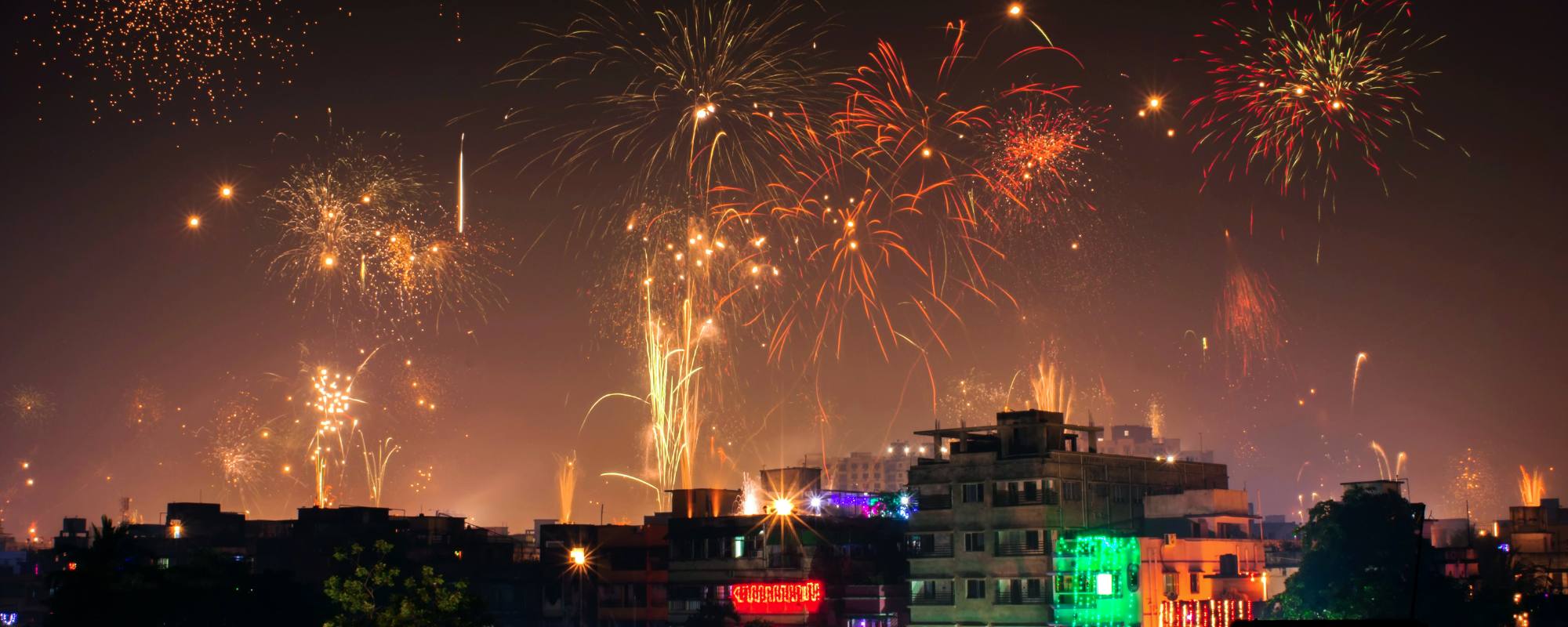
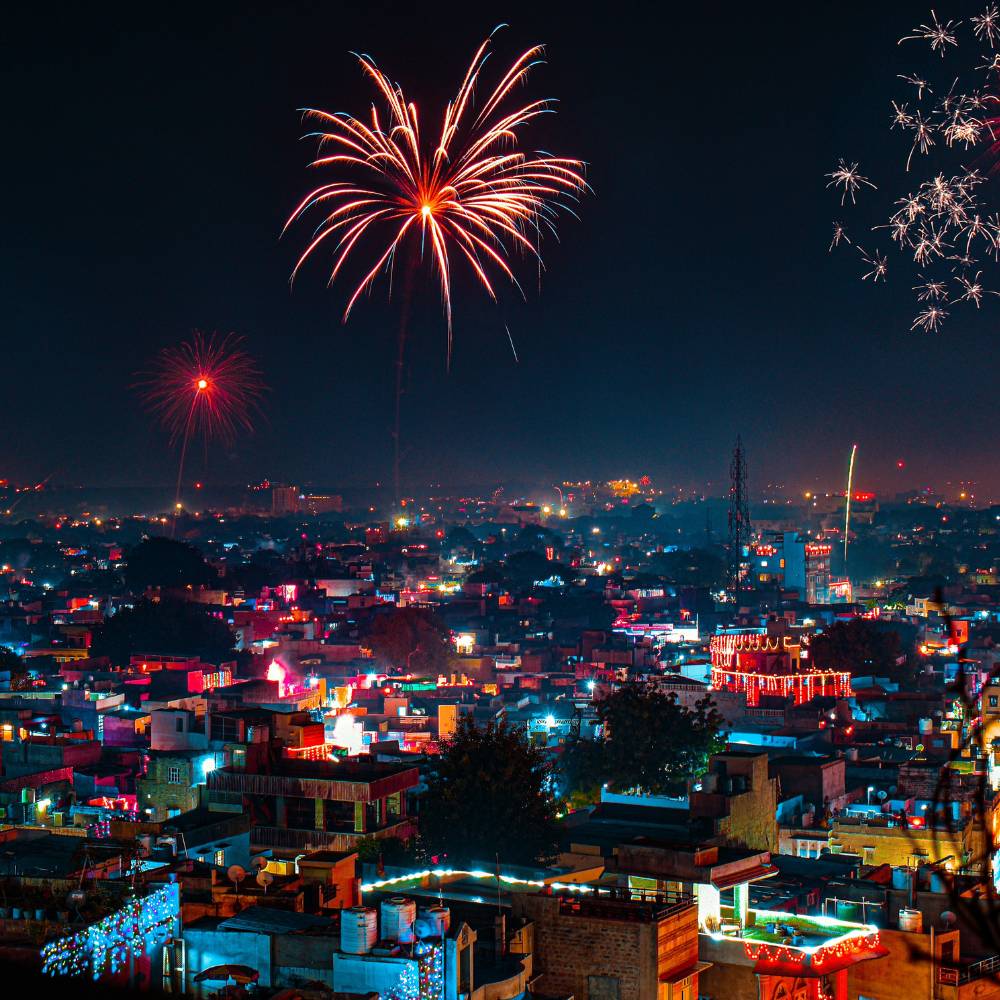
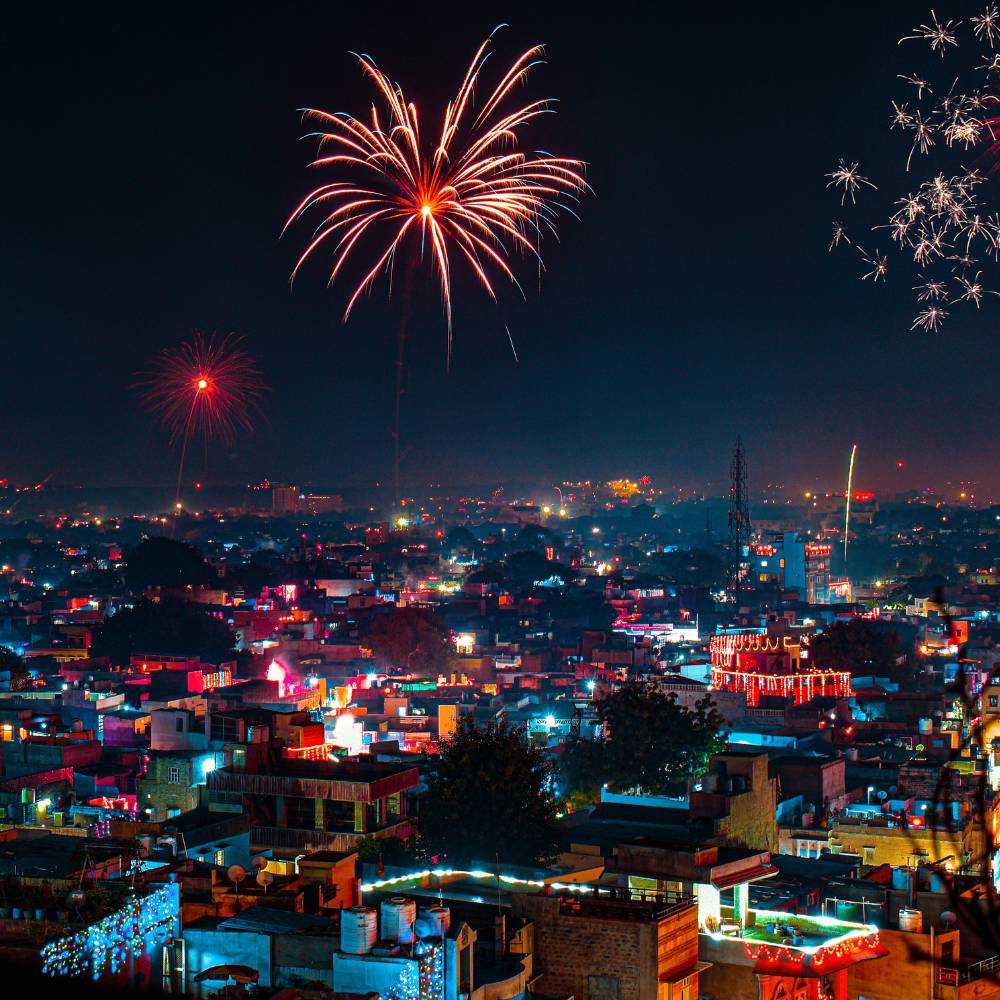
Diwali marks the victory of light over darkness and good over evil. Houses are cleaned, decorated, and lit with rows of oil lamps (diyas); families exchange sweets, gifts, and prayers; fireworks burst across the sky.
Why it's special for foreign travellers:
- It's the single most widely celebrated festival in India.
- You see Indian homes from the inside: hospitality, food, family rituals.
- The visual impact (lamps, rangoli, fireworks) is spectacular for photography.
Where to experience it best:
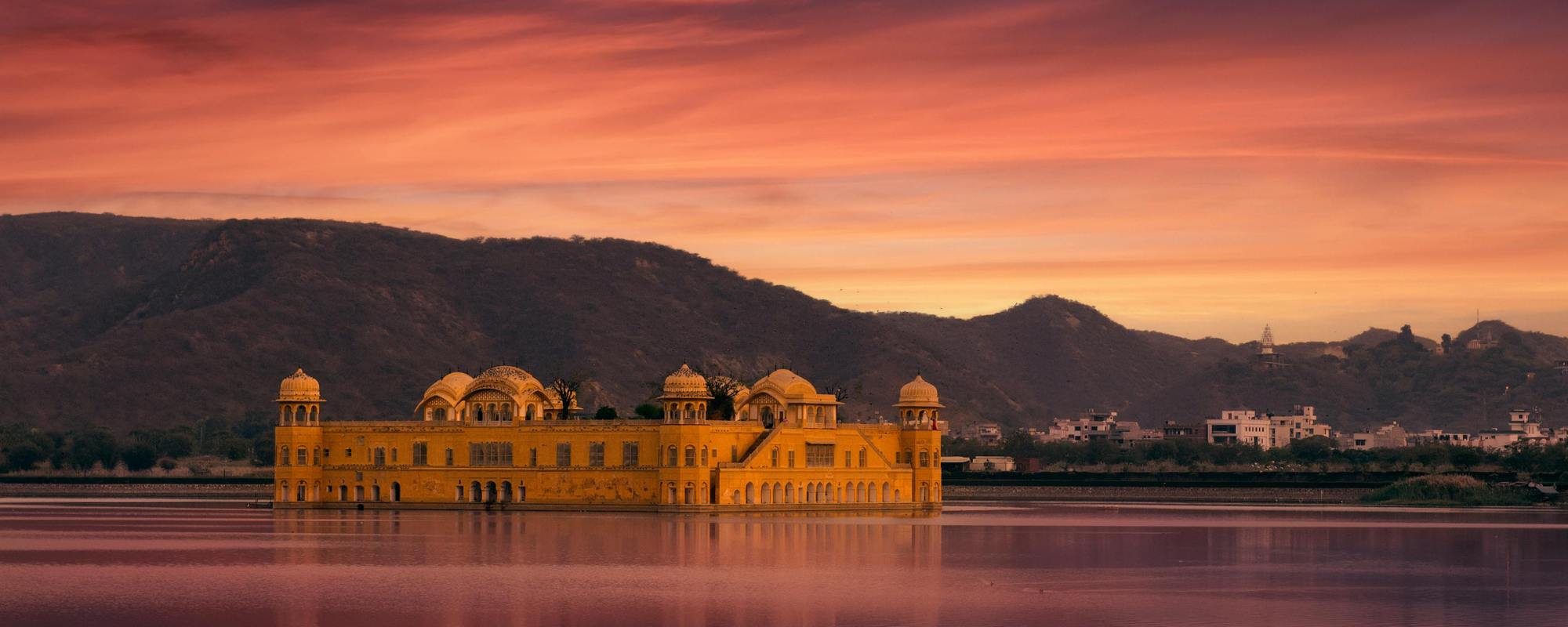
- Jaipur – the Pink City glows; markets and bazaars are draped in lights.
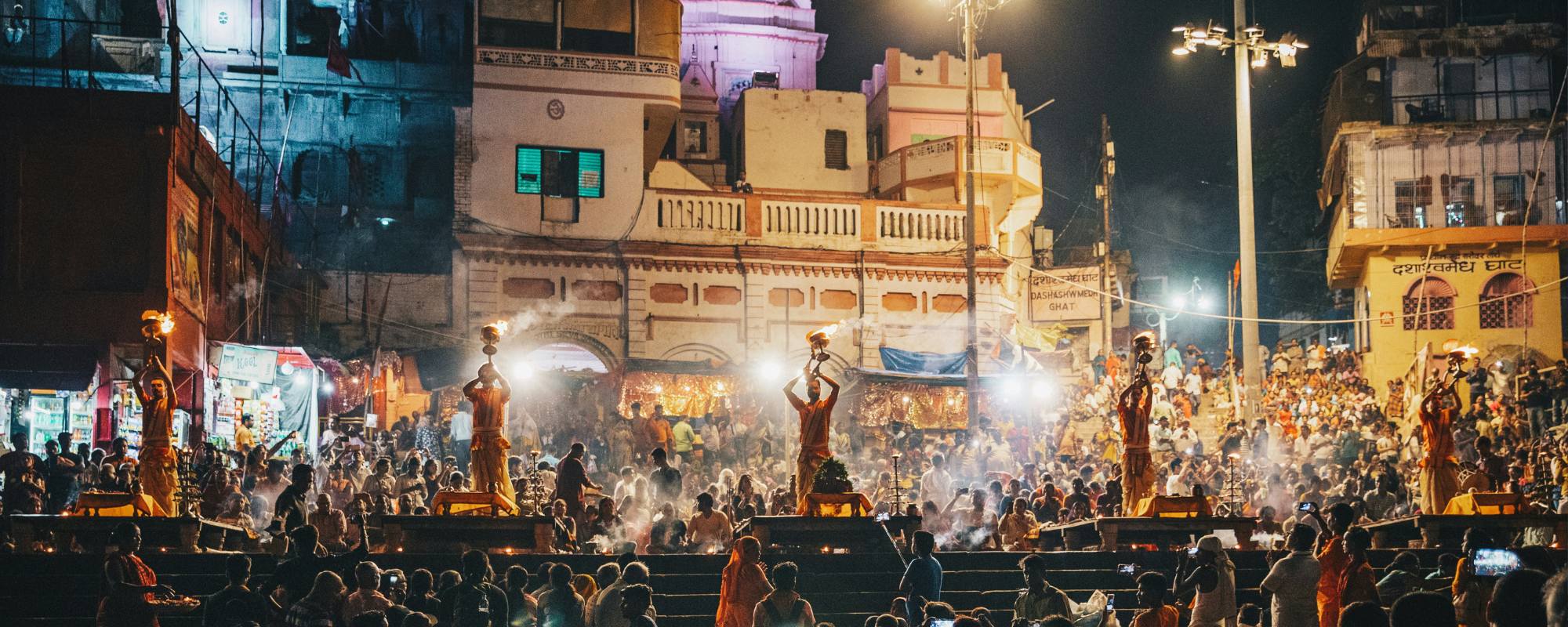
- Varanasi – lamps along the Ganga ghats, fireworks over the river, evening aarti.
- Amritsar – the Golden Temple lit up like molten gold reflected in water.
How to experience it (as a foreign traveller):
- Stay in a homestay or with local hosts if possible — Diwali is about family, not just streets.
- Buy simple ethnic wear (kurta, salwar, sari) to blend in and show respect.
- Be careful with firecrackers — watch, don't handle, if you're not used to them.
2. Pushkar Camel Fair (Rajasthan | November)
What it is:
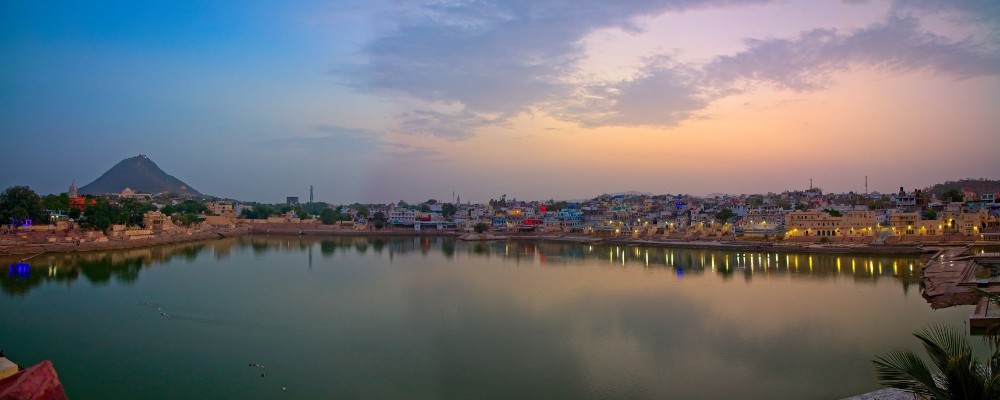
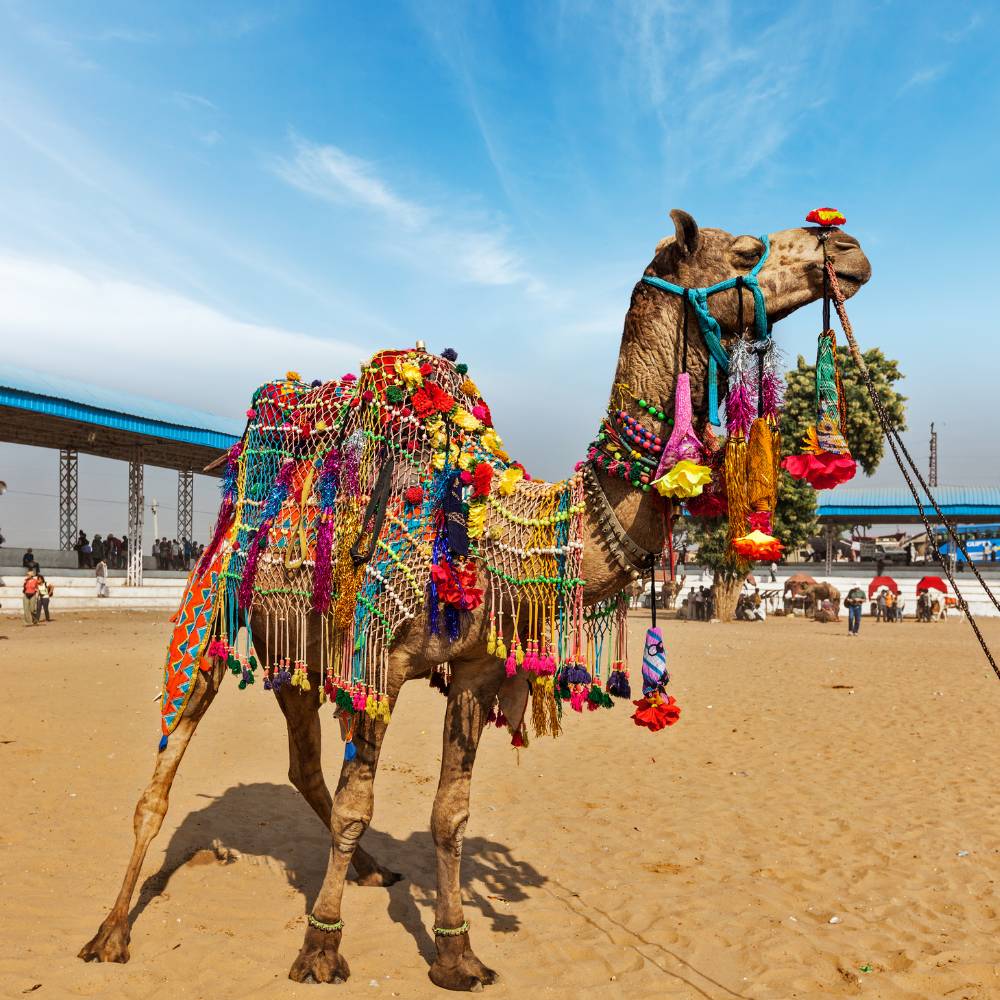
A centuries-old livestock and cultural fair in the holy town of Pushkar. It started as a camel and cattle trading event and evolved into a massive cultural spectacle.
What you'll see:
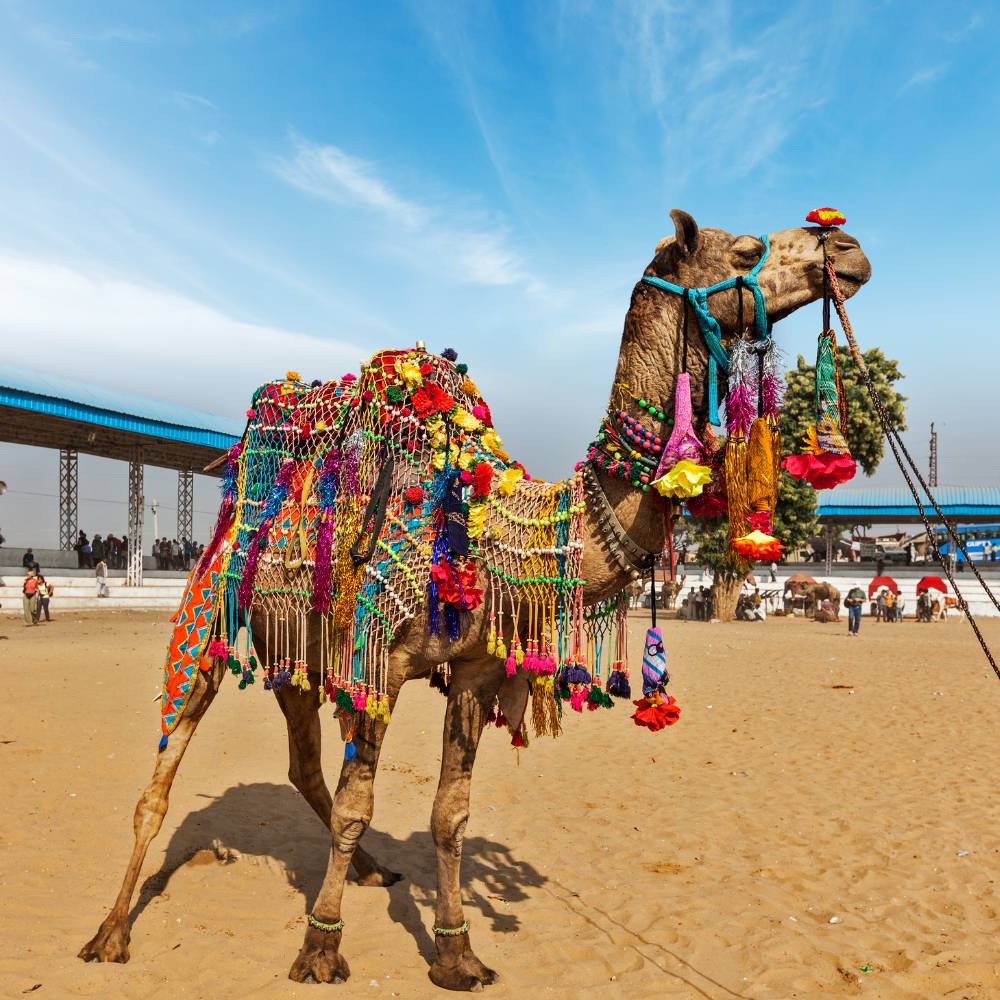
- Hundreds of camels and horses are decorated with jewellery, colourful cloth, and bells.
- Camel beauty contests, races, and quirky competitions (e.g., moustache contests!).
- Folk music, Kalbelia (gypsy) dance performances, and street markets.
- Sunrise/sunset over the dunes — unforgettable, golden light for photos.
Why travellers love it:
- Classic Rajasthan desert fantasy in one place.
- Amazing photography opportunities, portraits, animals, dunes, and fairgrounds.
- Easy to combine with Jaipur, Jodhpur, and Udaipur in one Rajasthan circuit.
Tips:
- Book tented camps or guesthouses well in advance.
- Days are warm, but nights can be cold; layered clothing is key.
- Pushkar is a holy town (vegetarian, no alcohol in main areas); respect local norms.
3. Rann Utsav (Gujarat | Nov–Feb)
What it is:
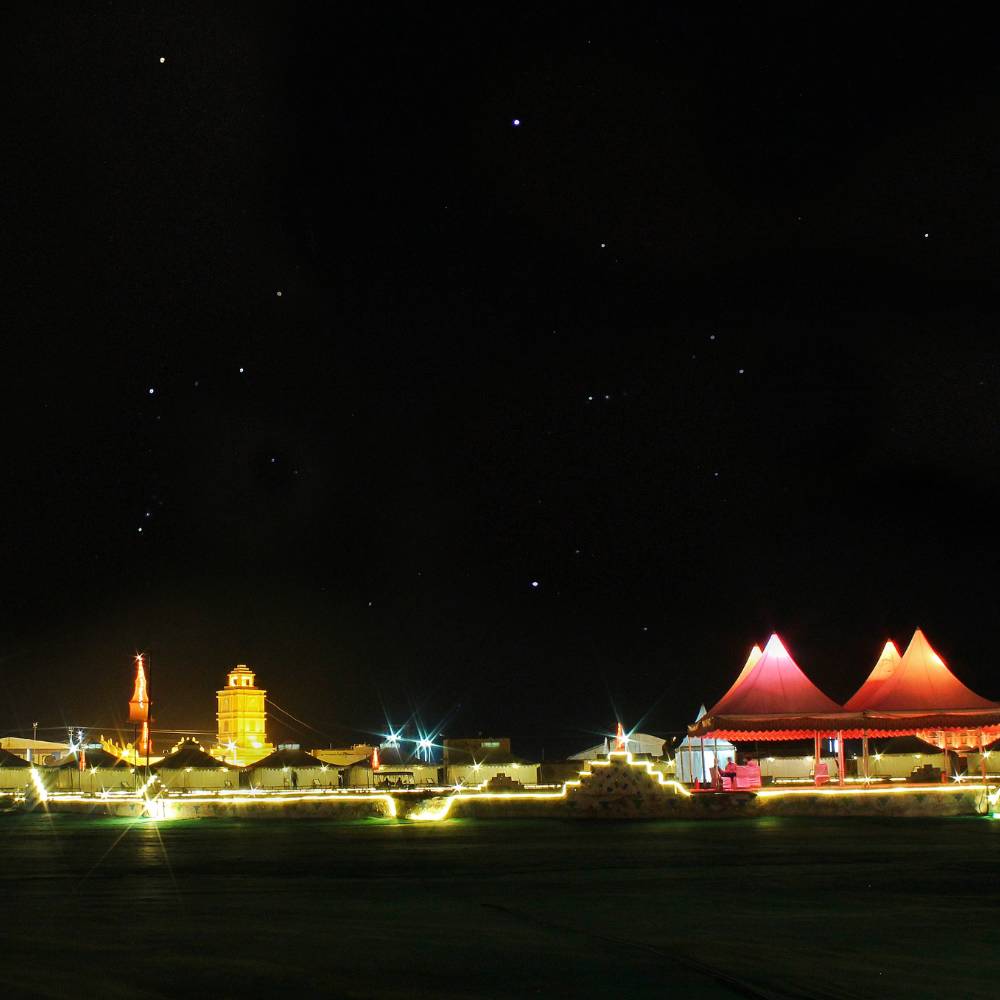
A seasonal festival held in the white salt desert of the Rann of Kutch. Temporary "tent cities" pop up with cultural performances, crafts, food stalls, and desert activities.
Why it's unique:
- The landscape itself is surreal — an endless white desert under bright moonlight.
- Full-moon nights create a blue-white glow that feels otherworldly.
- It's both a cultural and romantic experience.
What to do:
- Stay in the Tent City at Dhordo — luxury tents with modern facilities.
- Join folk music & dance nights, taste Gujarati cuisine, shop for Kutchi embroidery.
- Take a camel cart ride on the salt flats at sunset or moonrise.
Tips:
- Nights get very cold (desert cold) — pack warm layers.
- This is a high-demand event, so book tents early.
- Perfect to combine with Bhuj, Mandvi beach, and nearby villages for crafts.
4. Sunburn Festival, Goa (Late December)
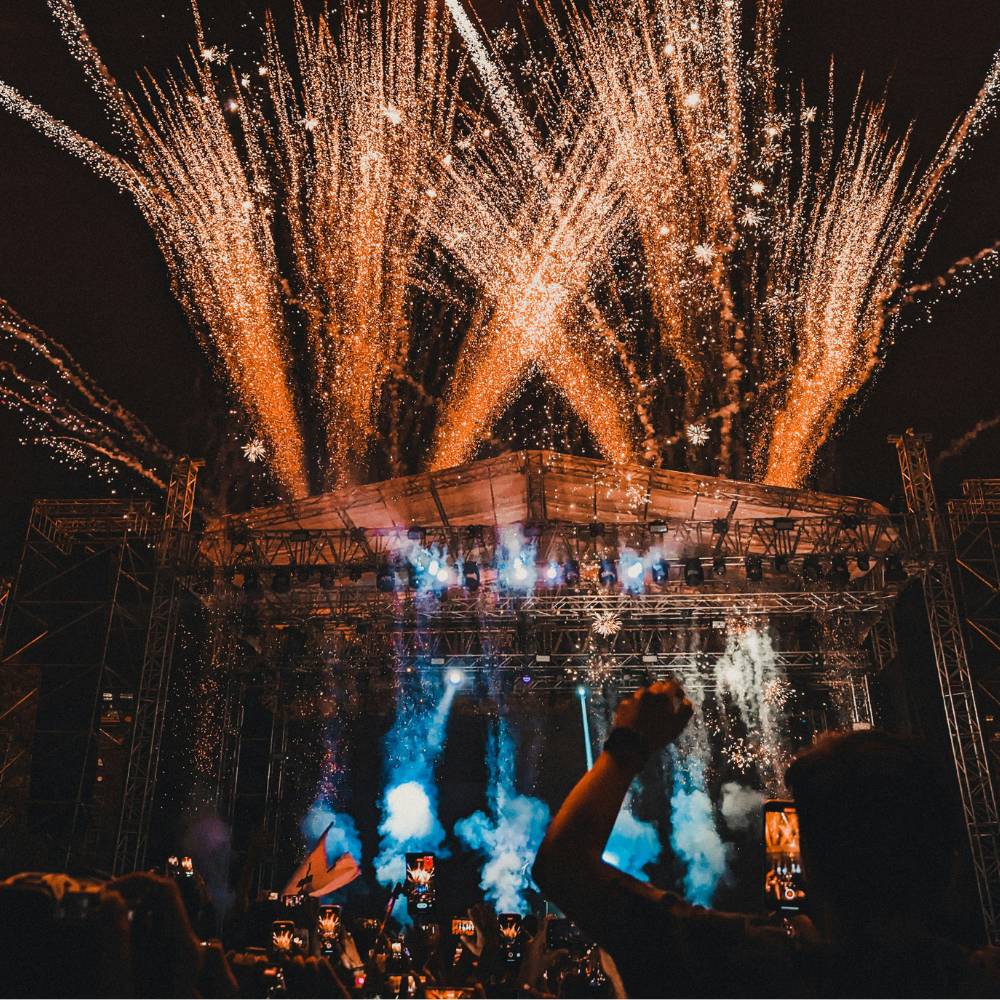
What it is:
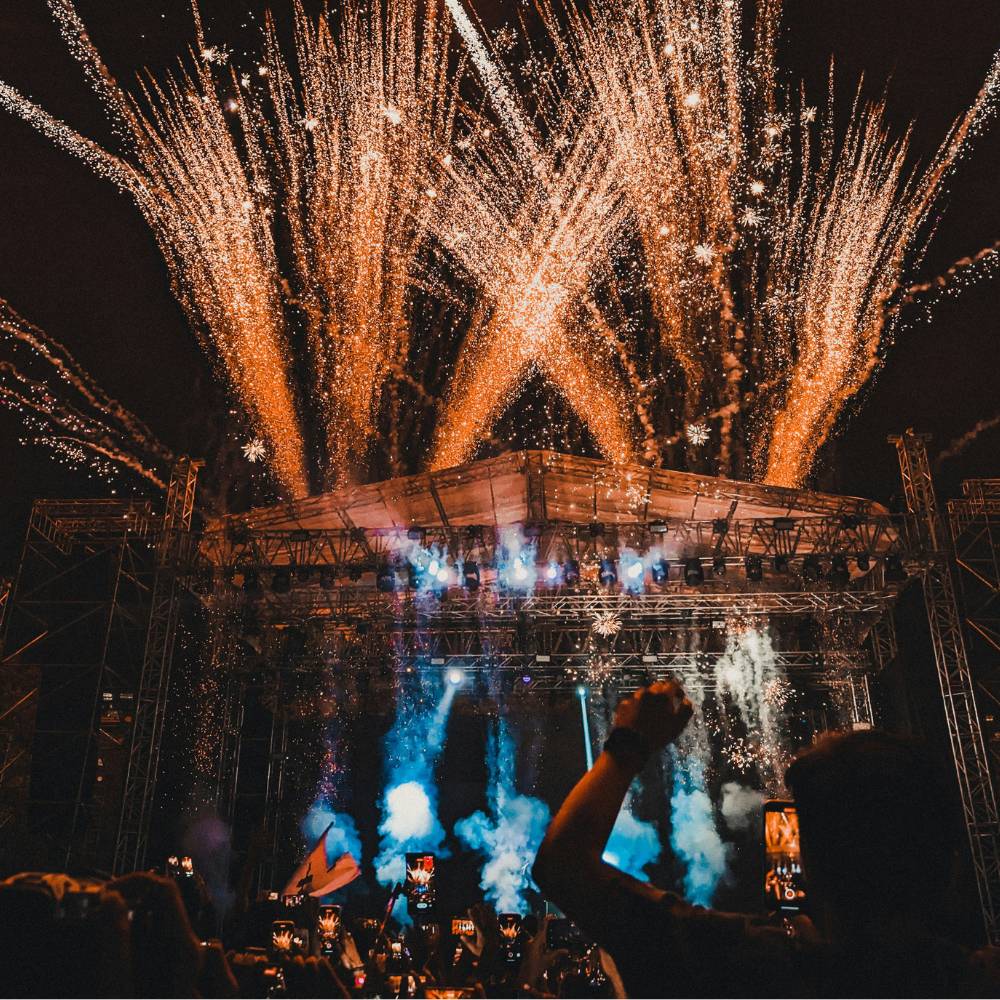
One of Asia's biggest EDM festivals is held in Goa. Think global DJs, massive sound stages, and thousands of young people from around the world dancing on the coast.
Why go:
- Music + beach + nightlife in one place.
- Great if you're travelling with friends or solo and want to meet people.
What to expect:
- Multi-stage set-up, food courts, festival markets.
- Day parties roll into night events at clubs and beach shacks.
Tips:
- Book accommodation in North Goa (Baga, Calangute, Anjuna, Vagator) early.
- Traffic can be crazy — plan buffer time for getting to/from the venue.
- This is a youth-heavy scene; if you want something calmer, pair it with quieter South Goa later.
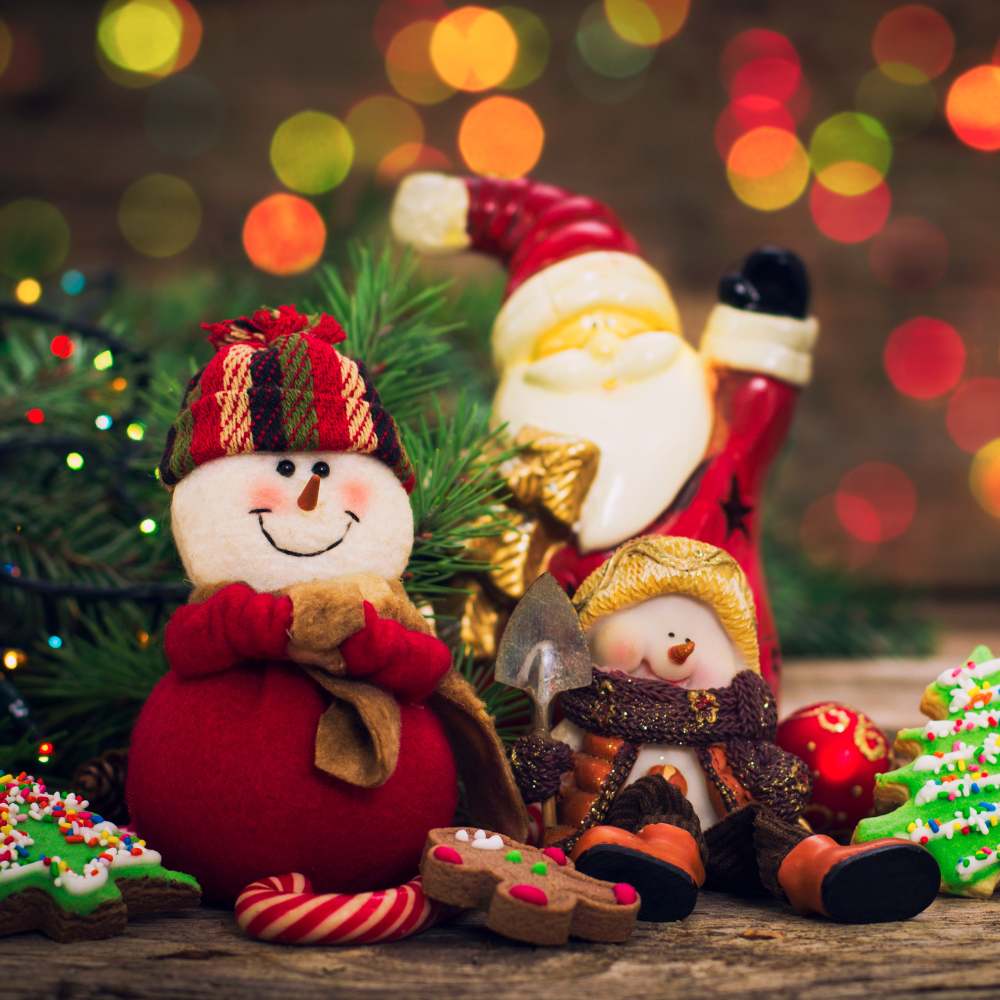
5. Christmas and New Year (Goa, Kerala, Northeast India)
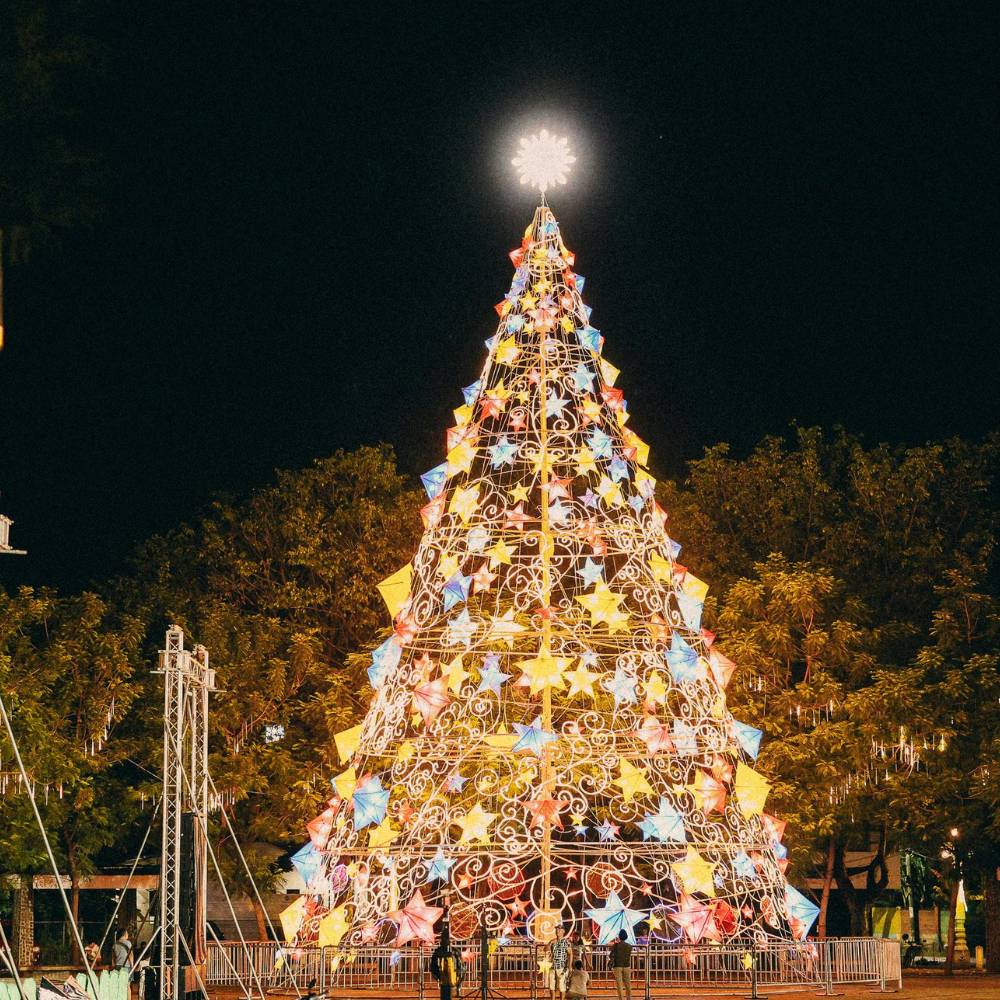
Goa:
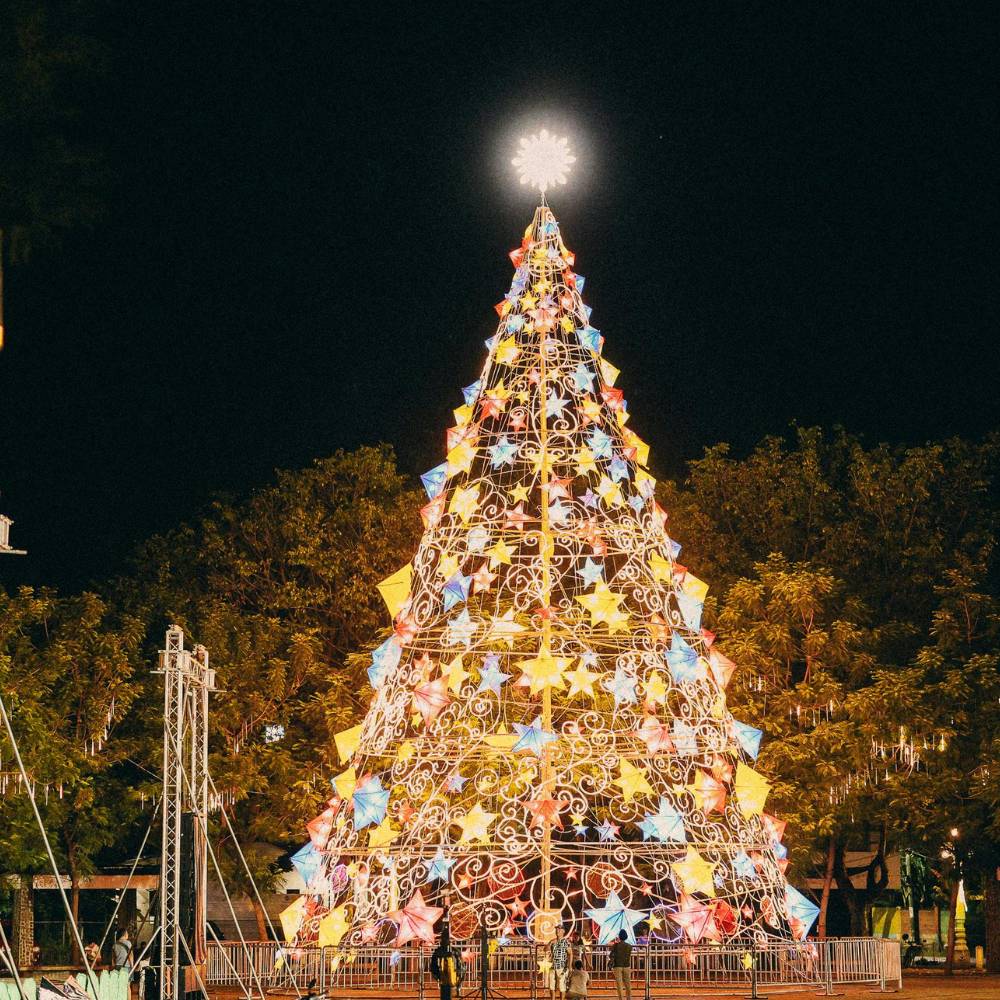
Church bells, midnight mass, decorated streets, and beach parties — Goa combines Portuguese heritage with Indian warmth.
Kerala:
- Christmas stars hanging outside homes, carol singing, and coastal feasts.
- New Year in Kochi is marked by the Cochin Carnival and burning of the giant 'Pappanji' effigy.
Shillong and other hill towns:
- Strong Christian communities mean full churches, carols, choirs, and gentle, cool weather.
Tips:
- Dress respectfully for church services (cover shoulders and knees).
- Book flights & stays early; Christmas–New Year is peak season.
Read Also: Vibrant Seasonal Festivals of India – A Complete Guide
6. Jaipur Literature Festival (Jaipur | January)
What it is:
A world-famous, free-entry literature and ideas festival set in Jaipur's heritage venues. Authors, historians, poets, journalists, and artists from around the world attend.
Why travellers enjoy it:
- English is widely used — easy access for foreign visitors.
- Sessions cover everything: history, politics, travel, fiction, poetry, and cinema.
- Live music sessions and evening concerts add to the vibe.
Tips:
- Register online (even if it's free) and reserve for popular sessions.
- Combine with visits to Amber Fort, Hawa Mahal, and City Palace — all nearby.
2. Regional Winter Traditions Worth Experiencing
7. Dev Deepawali, Varanasi (15 days after Diwali, usually Nov)
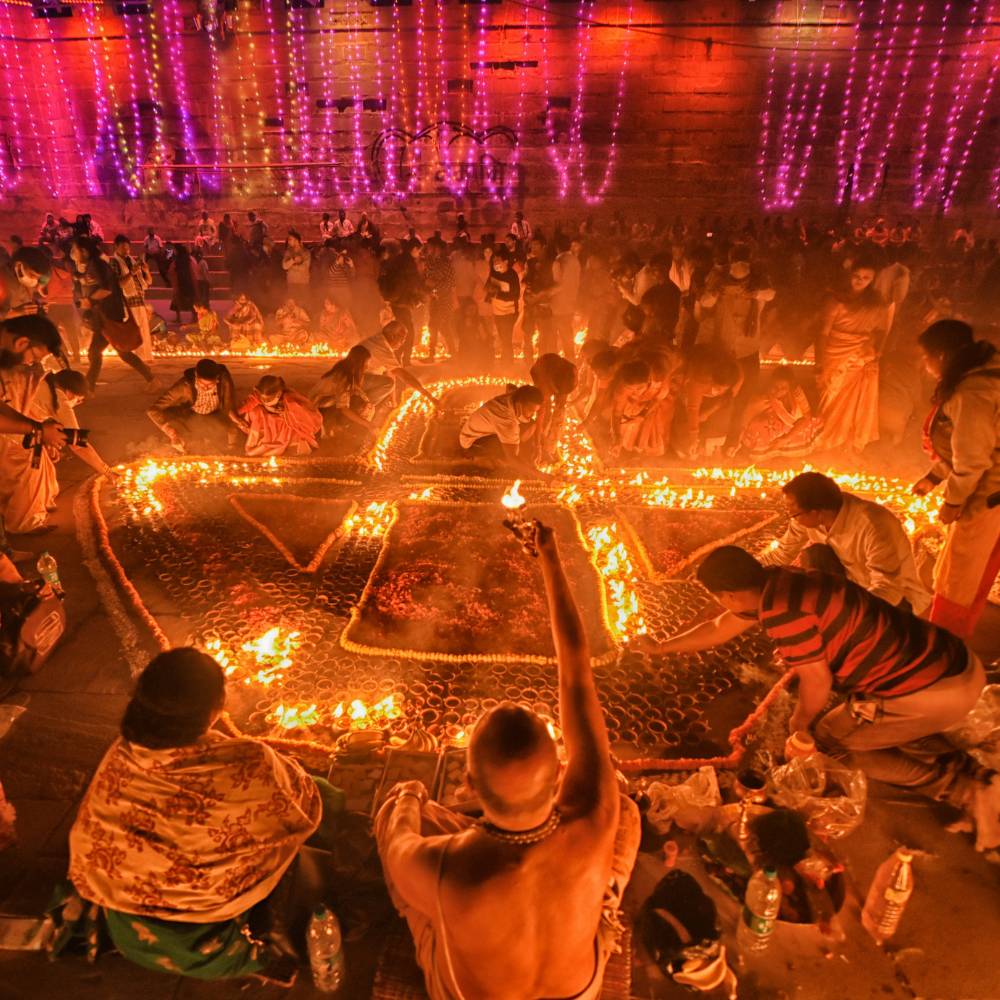
What it is:
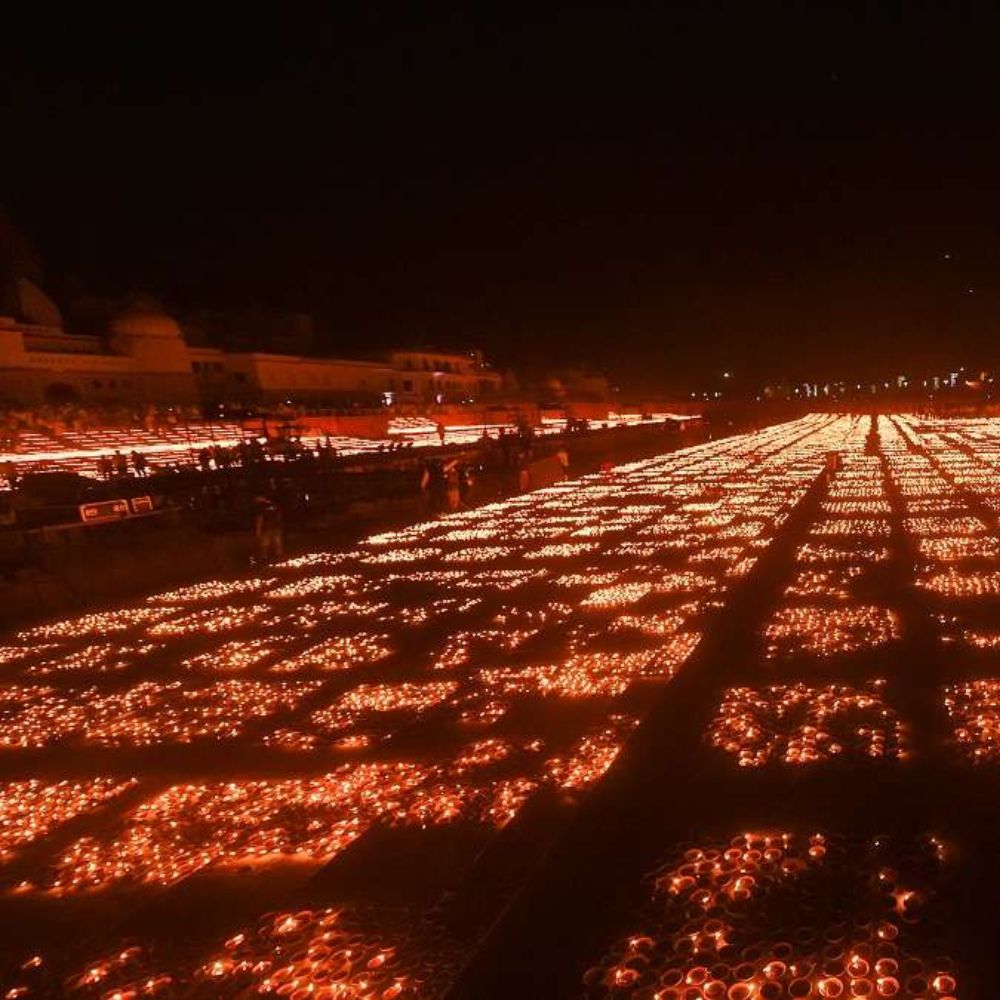
"Diwali of the Gods": all the ghats (river steps) of Varanasi are lined with oil lamps, and the entire riverfront looks like a staircase of fire.
Experience:
- Take an evening boat ride on the Ganga; the view of endless lamps is unreal.
- Watch the special Ganga aarti from a ship or rooftop.
- Explore narrow lanes lit by diyas and full of sweets and offerings.
Tips:
- Varanasi gets very crowded, so book early and choose central, safe accommodation.
- Dress modestly and be extra respectful on the ghats (no loud behaviour, no alcohol).
8. International Kite Festival, Ahmedabad (Jan 14 – Makar Sankranti)
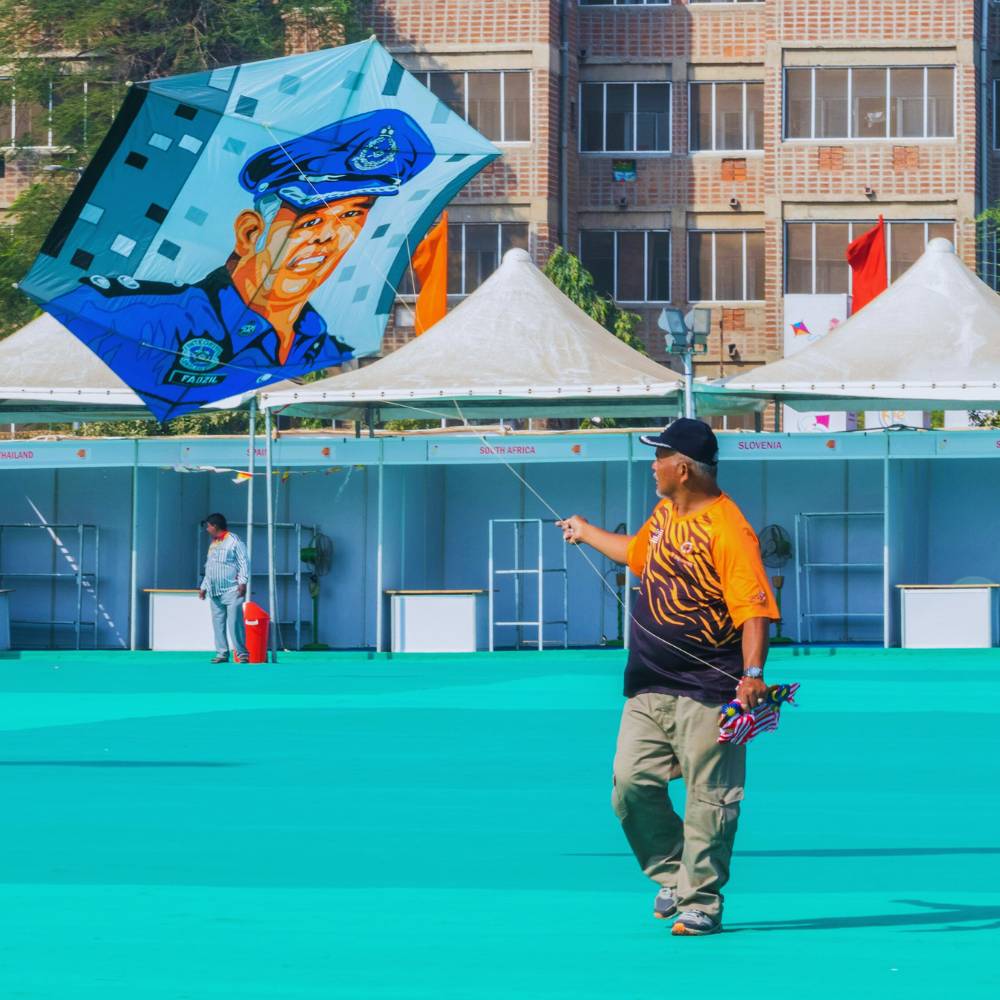
What it is:
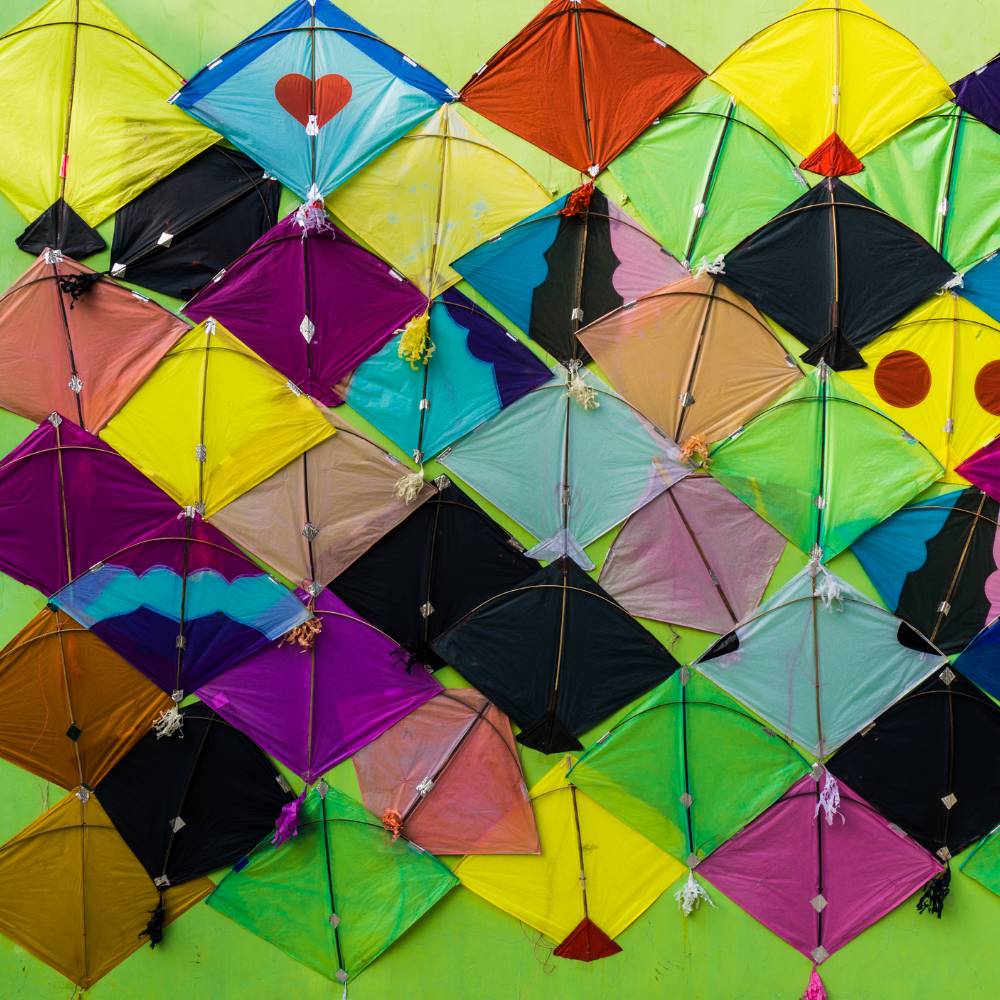
On this day, the sky over Ahmedabad and much of Gujarat fills with kites — from small paper ones to enormous designer creations.
Why it's exciting:
- Rooftop battles: locals try to cut each other's kite strings; when a kite falls, kids chase it through the streets.
- A more official International Kite Festival is held at a significant ground with global participants and giant, themed kites.
Tips:
- Join a local family on a rooftop if possible — the best way to experience it.
- Wear sunglasses and a cap; you'll be constantly looking up.
- Evenings get chilly — keep a light jacket handy.
9. Makar Sankranti / Pongal / Lohri (All-India Harvest Time, mid-Jan)
Lohri – Punjab & North India:
- Large bonfires, drumming (dhol), Punjabi music, and dancing in circles around the fire.
- Food: roasted corn, til (sesame) sweets, jaggery.
Pongal – Tamil Nadu:
- Four-day harvest festival.
- Central ritual: boiling rice and milk till it overflows in a clay pot — a sign of abundance.
- Houses decorated with kolam (rice flour designs) at the doorstep.
Why it's suitable for travellers:
- You see village life and agricultural traditions, not just monuments.
- Plenty of opportunities to join in basic rituals (throwing rice in the fire, circling the bonfire, etc.).
10. Konark Dance Festival, Odisha (Dec)
What it is:
A classical dance festival is held near the Sun Temple of Konark, a UNESCO World Heritage Site.
Why it's special:
- Performances take place in an open-air auditorium with the temple as a backdrop.
- You see multiple Indian classical dance forms in one place (such as Odissi, Bharatanatyam, Kathak, etc.).
Tips:
- Combine with Puri (for the Jagannath Temple) and Chandrabhaga Beach.
- Nights by the sea can be cool — carry a shawl or light jacket.
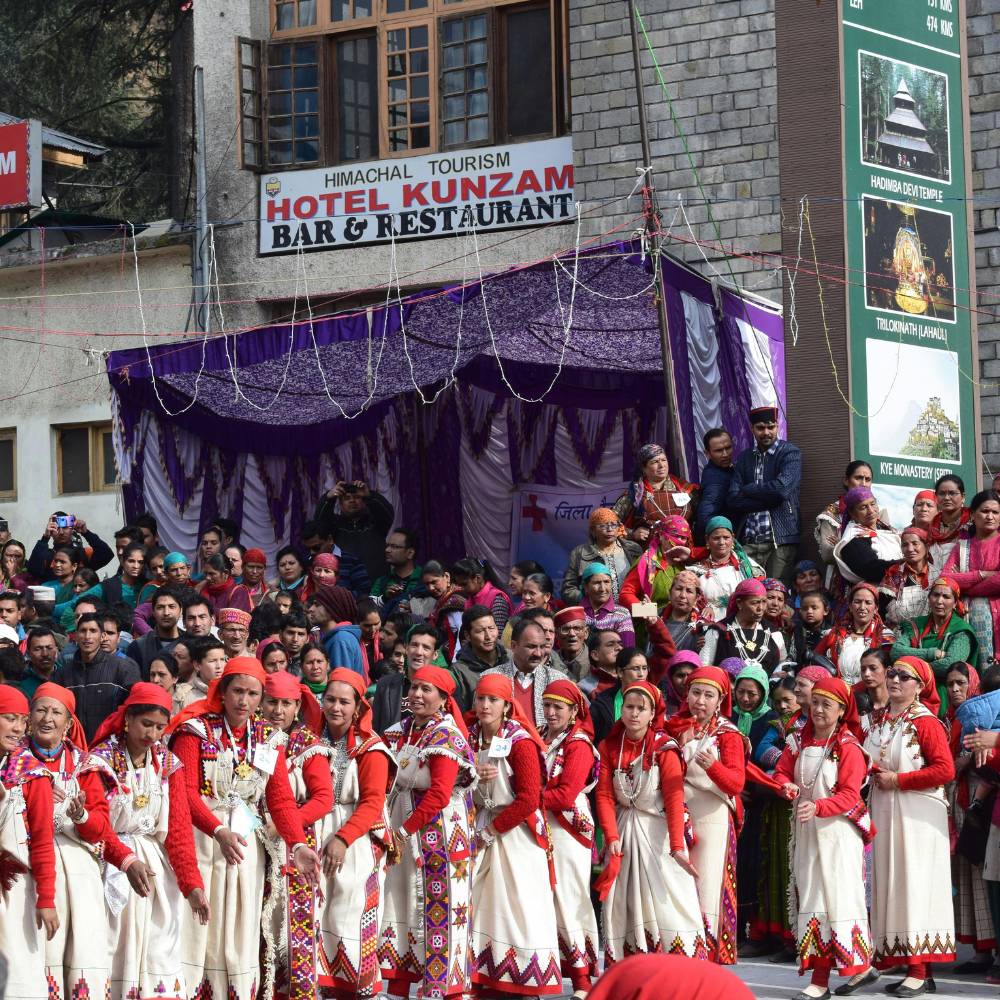
11. Manali Winter Carnival, Himachal Pradesh (Jan)
What it is:
A week-long celebration in the popular hill town of Manali with processions, folk music, and snow sports.
What you can do:
- Watch parades and Himachali folk dances in colourful traditional dress.
- Try snow activities like skiing or snowboarding (usually at nearby Solang or the Atal Tunnel side, depending on conditions).
- Warm up with local foods like siddu, thukpa, and momos.
Tips:
- Manali can be very cold (sub-zero at night). Pack thermals, gloves, and waterproof shoes.
- Roads may be snow-covered; allow buffer time in your itinerary.
12. Mamallapuram Dance Festival, Tamil Nadu (Dec–Jan)
What it is:
A festival of classical dance and music held against rock-cut temples near the Bay of Bengal.
Why visit:
- Contrast of delicate classical movements with rugged stone carvings.
- Nice break from beaches in nearby Chennai or Pondicherry.
Tips:
- Evenings are pleasant, but days can be warm; stay hydrated.
- You can explore the UNESCO-listed Shore Temple and Pancha Rathas by day.
3. Winter Festivals Beyond the Usual Trails
13. Shillong Cherry Blossom Festival, Meghalaya (November)
What it is:
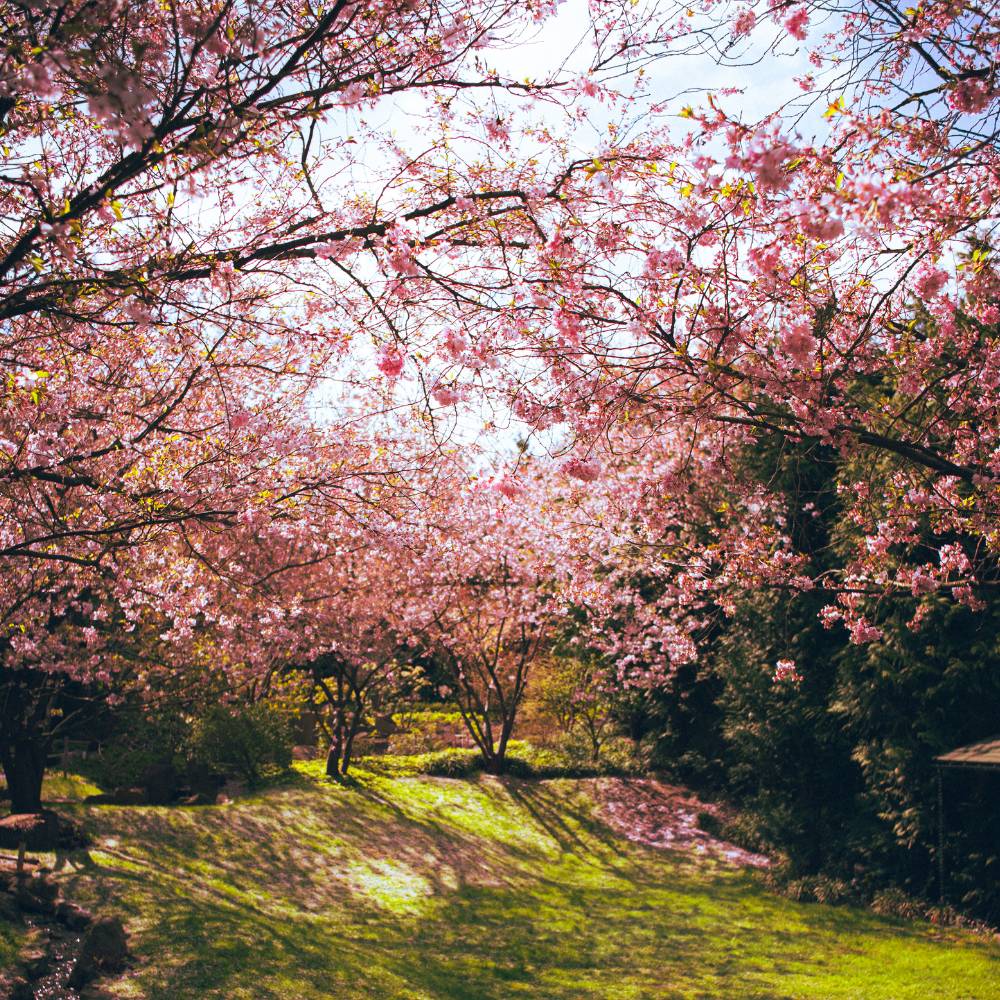
A cultural and music festival built around the blooming of the Himalayan cherry blossoms in Shillong.
What to expect:
- Streets and parks are lined with pink blossoms.
- Big music concerts featuring Indian and international artists.
- Food stalls, fashion and cosplay, art installations, light displays at night.
Why it's great for foreign travellers:
- Cooler, European-feeling hill town with cafes and music.
- Easier "gateway" into Northeast India — modern yet rooted in local culture.
Tips:
- Book early; the festival sees tens of thousands of visitors.
- Carry warm clothes — evenings are chilly even if days are sunny.
14. Hornbill Festival, Nagaland (Dec 1–10)
What it is:
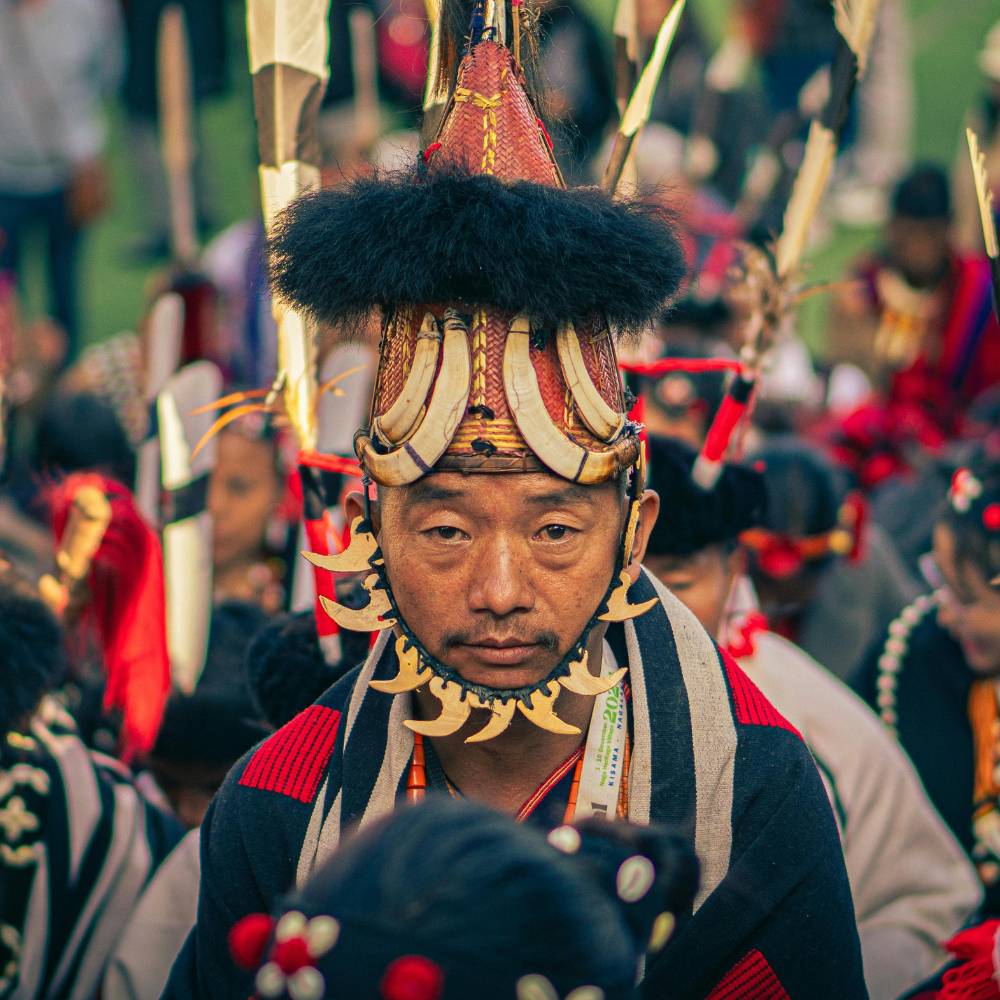
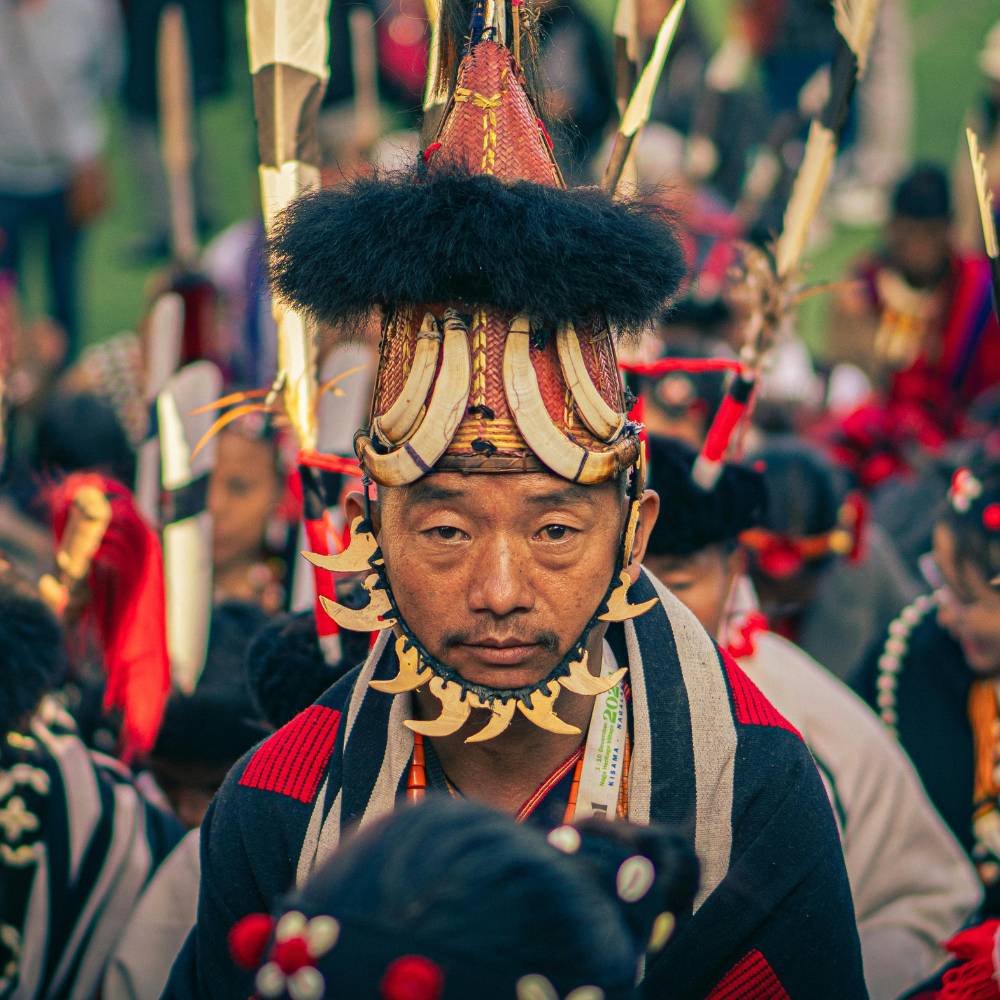
The "Festival of Festivals" of Nagaland — a 10-day showcase of all major Naga tribes at Kisama Heritage Village near Kohima.
What happens there:
- Tribal war dances, musical performances, wrestling, and archery.
- Morungs (traditional communal houses) represent different tribes.
- Food stalls with Naga cuisine (bamboo shoot, smoked meats, fiery chillies).
- Handicrafts, weaves, woodwork, and bead jewellery.
Why it's unforgettable:
- In one compact space, you get to see 17+ tribes and their traditions.
- Feels like a living museum plus a festival very immersive.
Tips:
- You may need an Inner Line Permit (ILP) for Nagaland — check ahead.
- Base yourself in Kohima and commute to Kisama, or stay in nearby homestays.
- Try local food, but be mindful of spice levels (Naga chillies are extremely hot).
15. Sangai Festival, Manipur (November)
What it is:
A state-level cultural festival named after the endangered Sangai deer, native to Manipur.
Highlights:
- Classical Manipuri dance and drum performances.
- Martial arts demonstrations (like Thang-Ta).
- Handloom and handicraft exhibitions.
- Cultural events around Loktak Lake, famous for its floating islands (phumdis).
Why go:
- Offers a gentle, artistic introduction to Manipuri culture, which is very distinct from mainstream India.
- Loktak Lake itself is worth the trip.
16. Tawang Festival, Arunachal Pradesh (October)
What it is:
A Buddhist cultural festival in and around Tawang Monastery, one of the largest monasteries in Asia.
What you'll experience:
- Cham (masked) dances performed by monks.
- Processions with religious artefacts, butter lamps, and chanting.
- Local Monpa cultural performances and food stalls.
Why travellers love it:
- Spiritual atmosphere + mountain scenery.
- Less commercial than many other festivals.
17. Theyyam, North Kerala (Nov–Feb season)
What it is:
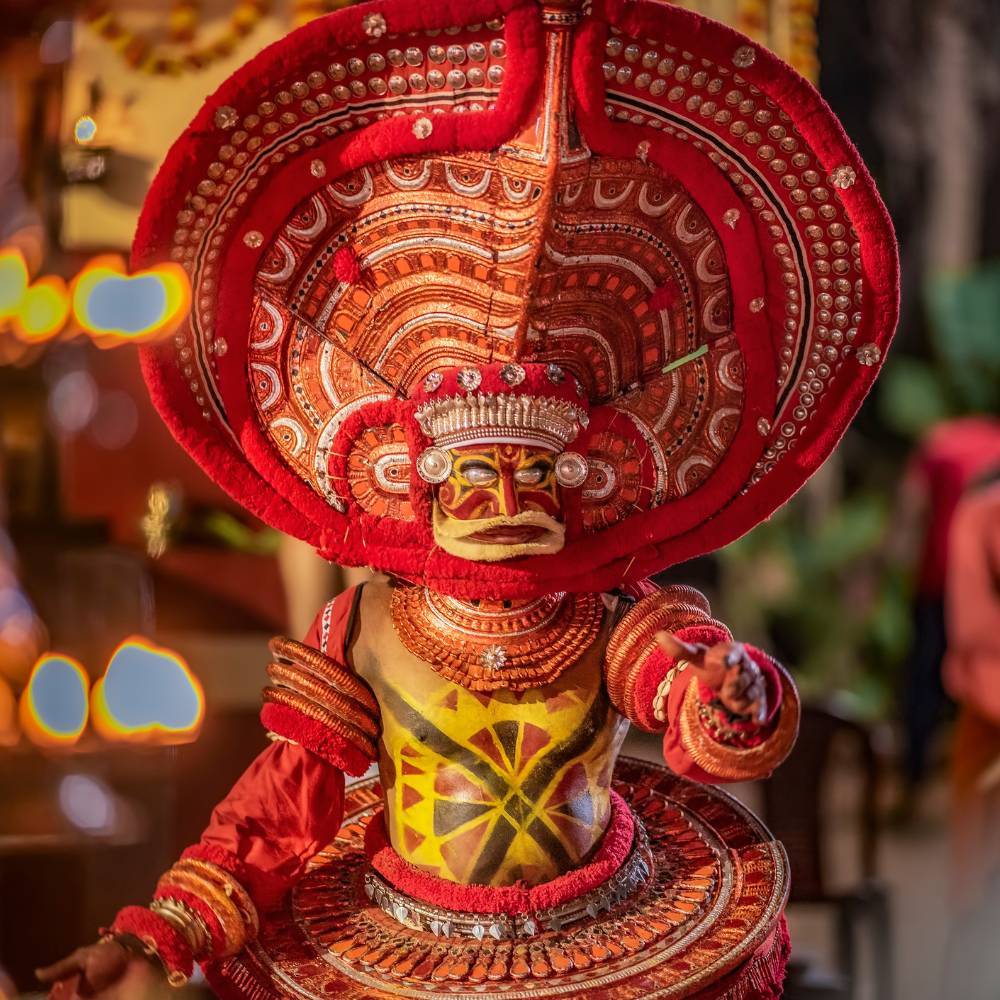
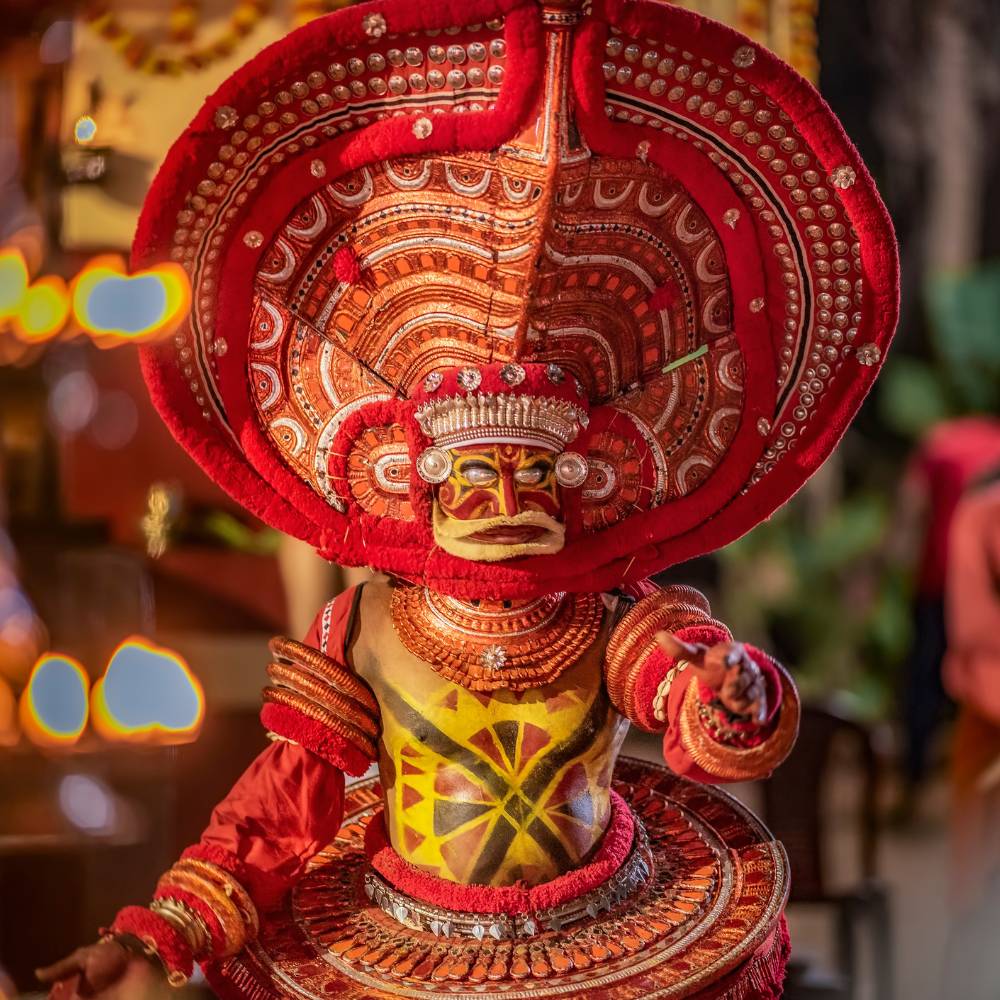
Not a single festival but a season of ritual performances across temple shrines in North Kerala (Kannur, Kasaragod). Performers enter trance and embody deities.
What it feels like:
- Drums, fire, elaborate face paint, towering headgear.
- Performed at night or early morning in smaller shrines, often free and close-up.
Why it's powerful:
- It's a raw, living ritual, not a staged tourist show.
- Gives deep insight into Kerala's folk belief systems.
Tips:
- Go with a local guide who knows the schedule (timings vary).
- Dress respectfully; this is sacred, not entertainment, for locals.
18. Hampi Utsav, Karnataka (Jan–Feb)
What it is:
A cultural festival held among the ruins of the Vijayanagara Empire at Hampi.
You'll see:
- Classical and folk performances on open-air stages framed by boulders and temples.
- Processions that reimagine royal times.
Why go:
- Hampi is already one of India's most stunning heritage sites; adding live performances makes it even more atmospheric.
4. Rare and Remote Winter Celebrations
19. Ziro Festival of Music (Ziro, Arunachal Pradesh | Sept–Oct)
What it is:
An eco-friendly, four-day outdoor indie music festival held in the Ziro Valley, hosted by the local Apatani tribe.
Why it stands out:
- Bamboo stages, rice fields, pine-covered hills — insanely scenic.
- Strong sustainability focus and community involvement.
- A mix of independent Indian, Northeastern, and global artists.
For foreign travellers:
- Feels more like a big, friendly community campout than a commercial fest.
- Homestays with Apatani families offer deep cultural immersion.
20. Dzüko Valley Winter Experience (Nagaland–Manipur border | Dec–Feb)
What it is:
A high-altitude valley reachable only by trek, known for its rolling grasslands and seasonal flowers. In winter, it turns frosty and ethereal.
Why it's special:
- Frost-covered trails, frozen streams, starry skies.
- Often visited right after Hornbill by trekkers wanting a nature extension.
Tips:
- Requires basic fitness; trails can be slippery in winter.
- Go with a local guide; weather and visibility can change quickly.
21. Kaziranga Elephant Festival, Assam (Jan)
What it is:
A conservation-focused festival near Kaziranga National Park, celebrating elephants and promoting coexistence.
What happens:
- Elephant parades, cultural events, and awareness talks.
- Often combined with jeep safaris to see rhinos, tigers, and birdlife in Kaziranga.
Why go:
- Great if you're into wildlife + culture, not just parties and cities.
22. Flamingo Festival, Andhra Pradesh (Jan)
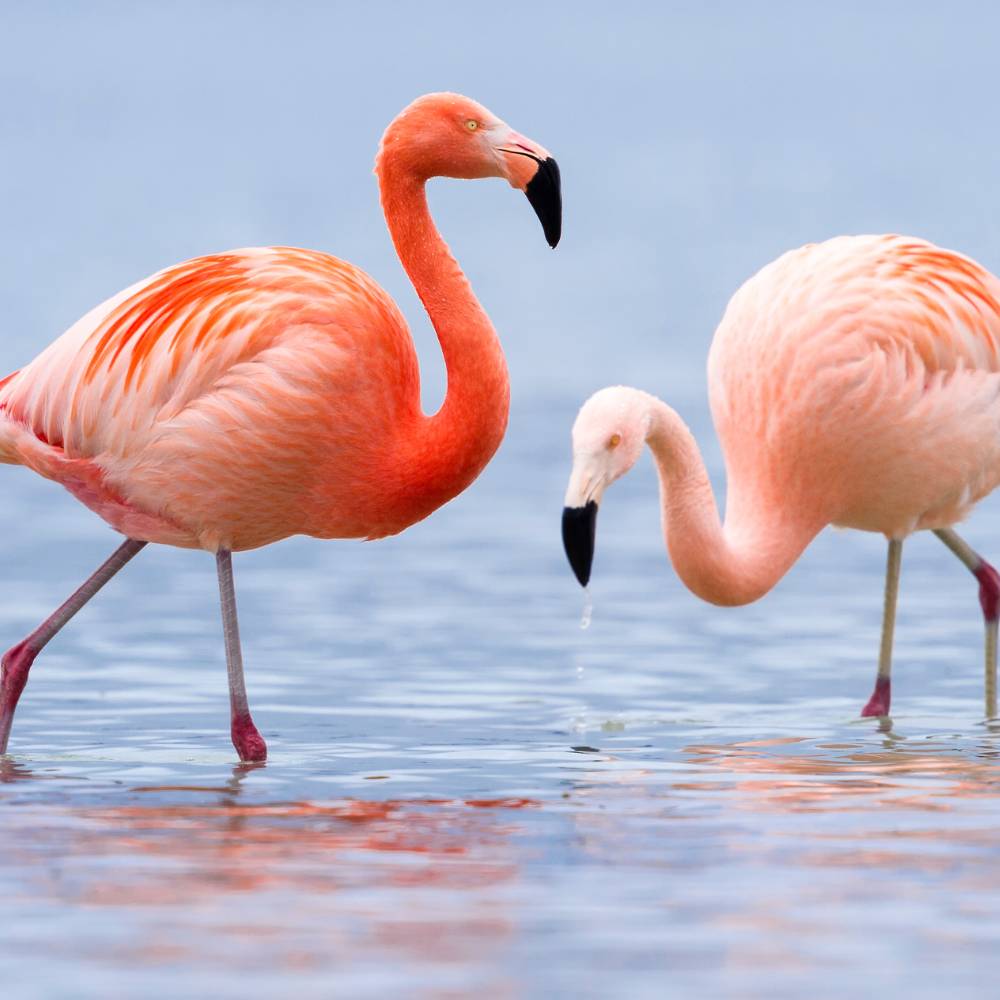
What it is:
A birding-focused event around Pulicat Lake, where thousands of flamingos and other migratory birds arrive.
For travellers:
- Fantastic for photography and peaceful nature experiences.
- Very different vibe from big, noisy festivals — quiet, observational, serene.
23. Desert Festival, Jaisalmer (Feb)
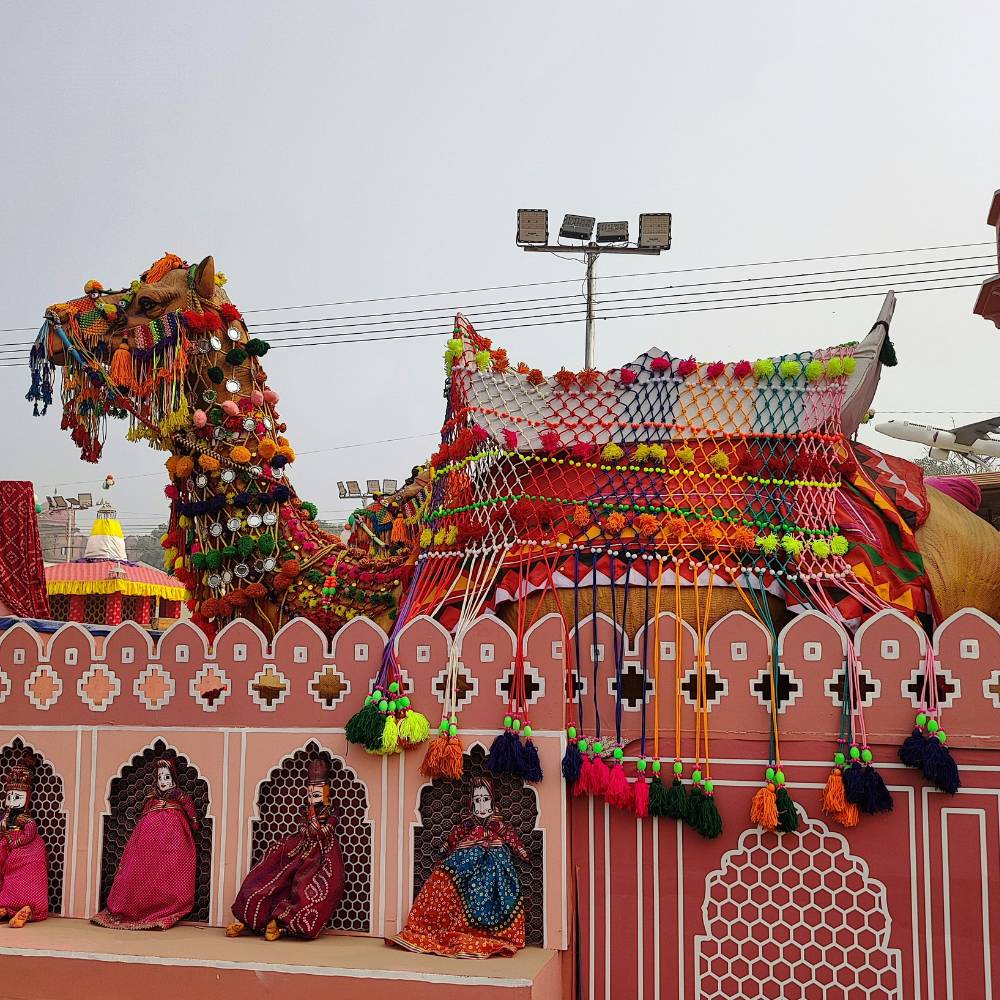
What it is:
A smaller but vivid desert festival in Jaisalmer, with cultural shows and camel-related events.
Why choose it (sometimes) over Pushkar:
- Slightly less commercial and more relaxed.
- You can combine with Jaisalmer Fort, desert camping in Sam/Khuri, and Thar village visits.
24. Ellora–Ajanta Festival, Maharashtra (Dec)
What it is:
A niche performing-arts festival held near or at the Ellora/Ajanta cave complexes, known for their rock-cut Buddhist, Hindu, and Jain monuments.
Why it's special:
- Combines high art (music and dance) with high heritage (UNESCO caves).
- Ideal for travellers who value history, architecture & classical arts.
25. Tribal Winter Celebrations (Jharkhand, Chhattisgarh, Odisha)
What they are:
A wide range of local festivals (names and dates vary) that include forest rituals, group dances, drum circles, and seasonal offerings to nature.
For foreign travellers:
- These are not touristy; they're real community events.
- Best accessed with NGOs, responsible tour operators, or local guides focused on respectful cultural tourism.
Practical Notes for Foreign Travellers
- Visas and Permits:
- Check e-visa eligibility for India.
- Some Northeast states (Nagaland, Arunachal Pradesh, and certain parts of Manipur) require additional permits.
- Best Overall Months:
- November to February for most winter fests (plus late October for some).
- Packing:
- Layering is key: you might go from Goa beaches to Himalayan snow in one trip.
- Health and Safety:
- Drink bottled/filtered water.
- Try street food, but go for busy stalls with high turnover.
- Respect and Etiquette:
- Always ask for permission before taking photos, especially in tribal and ritual contexts.
- Remove shoes where required; dress modestly in temples/monasteries.