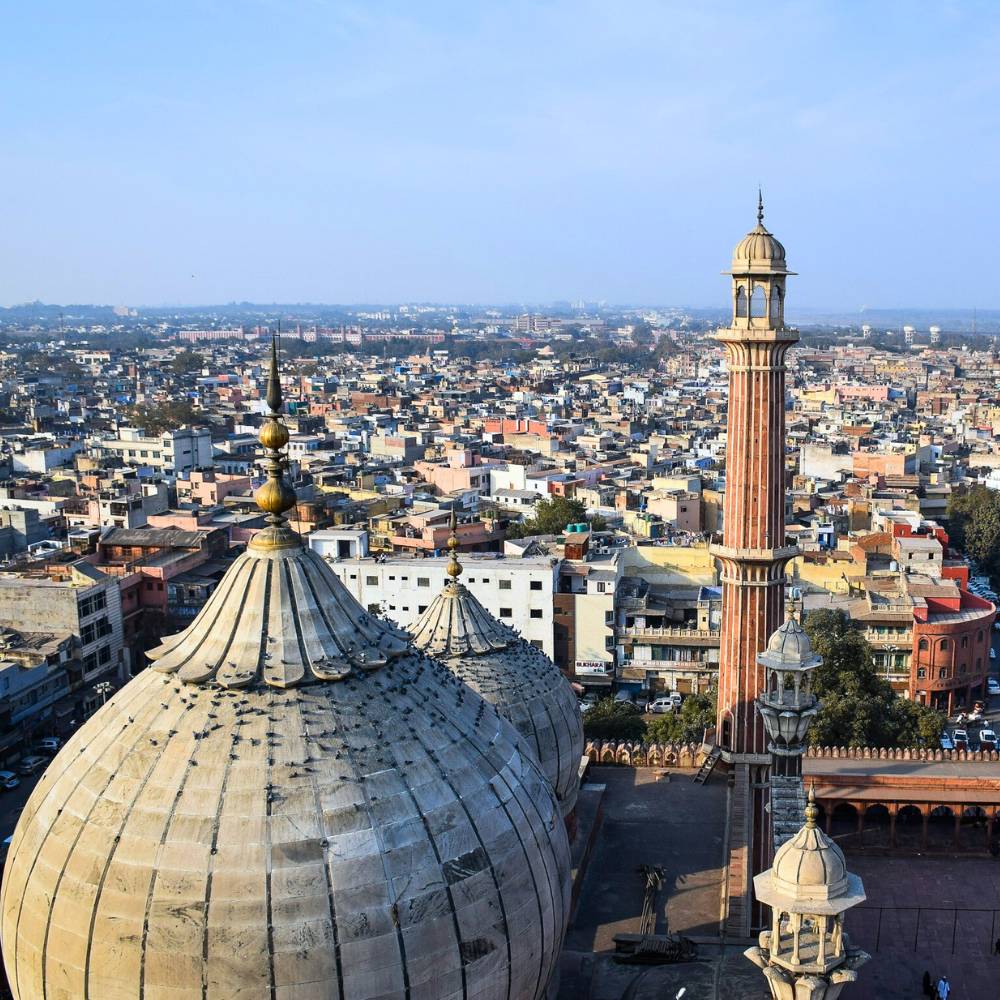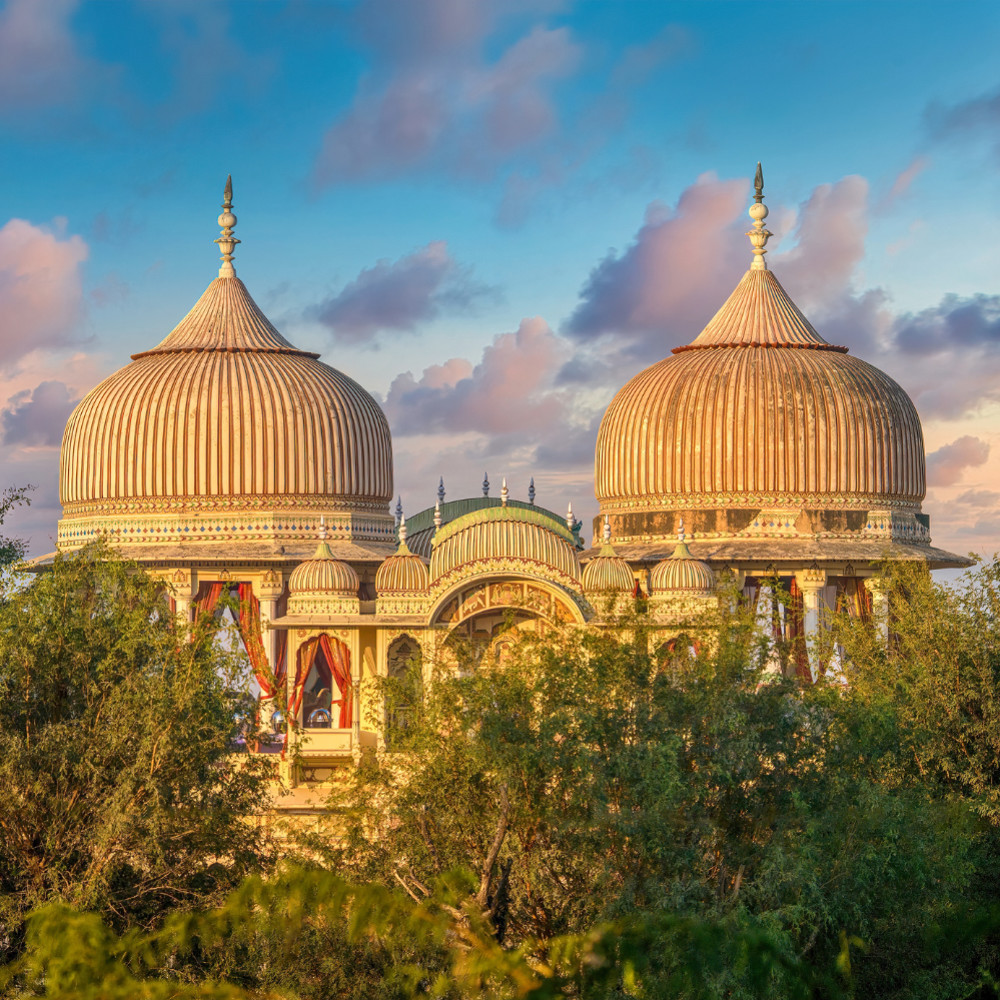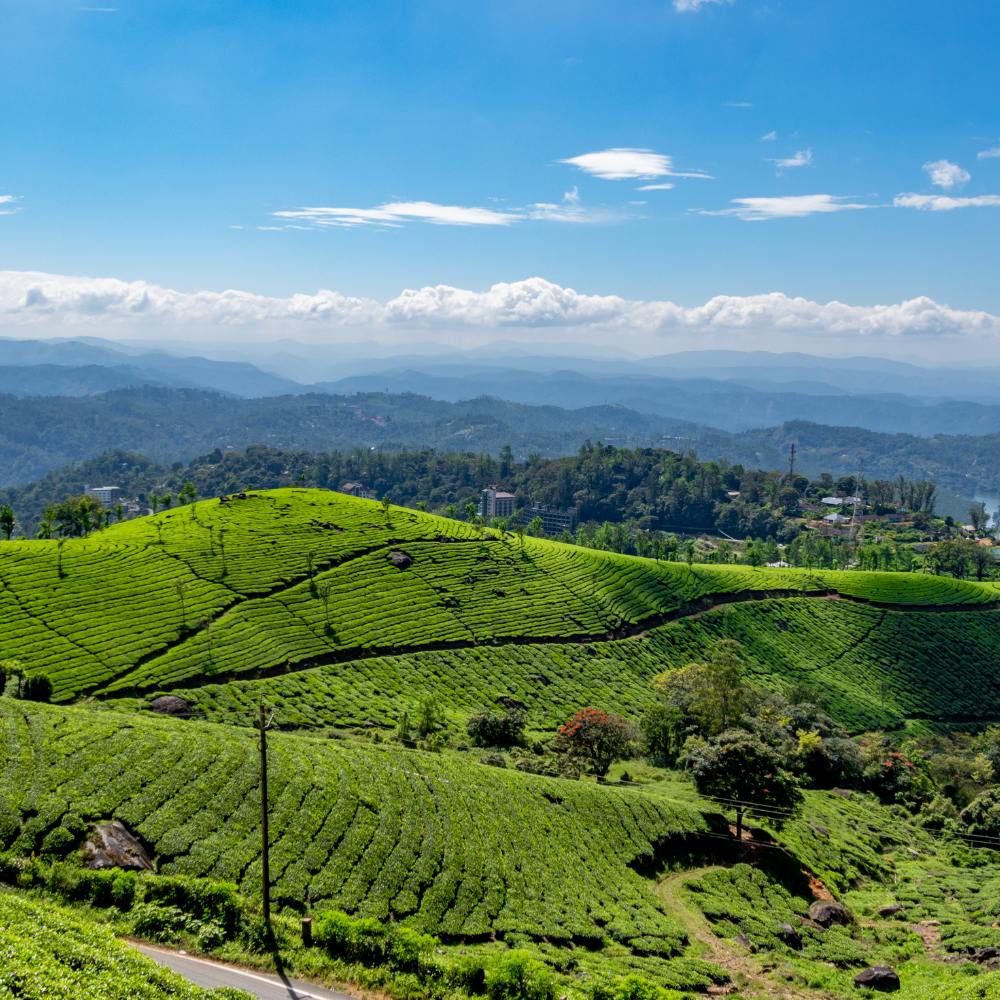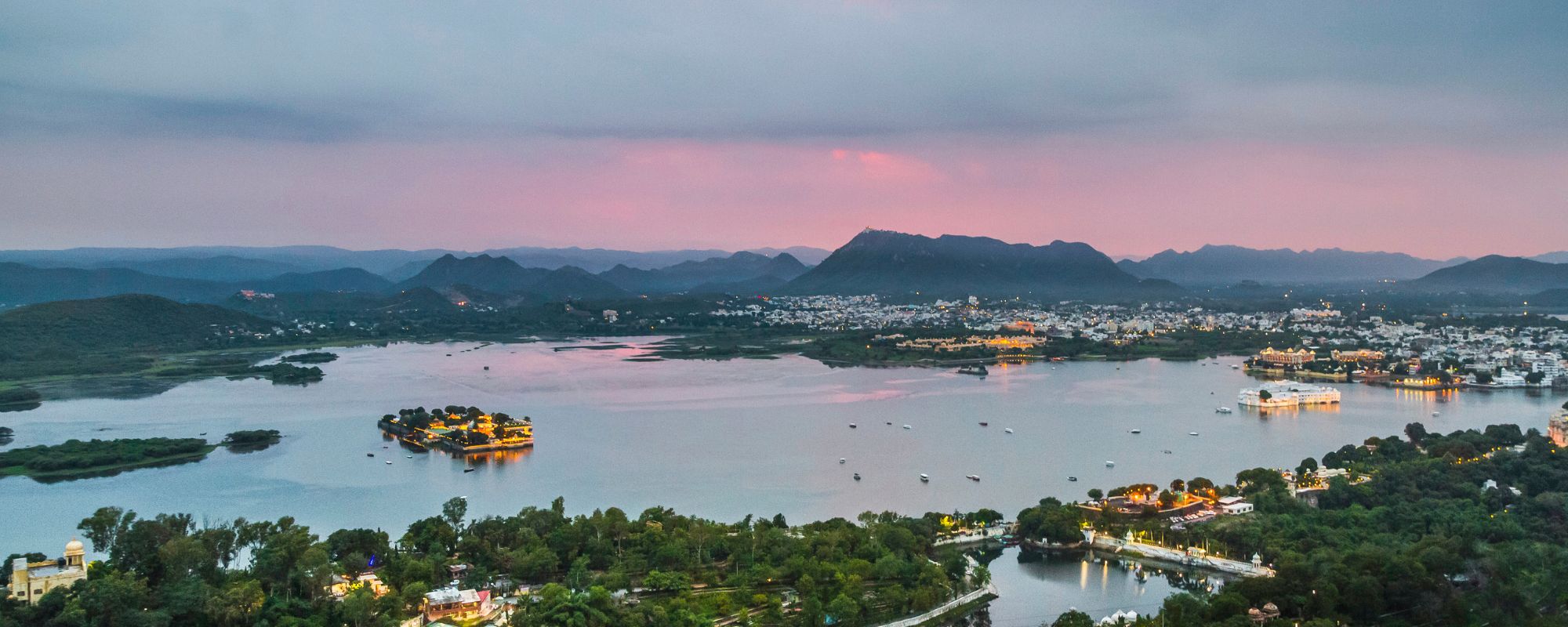
The working rule is two nights per destination. Agra is the main exception at one, because the Taj Mahal and Agra Fort fit across an arrival afternoon and the following sunrise. Below that rule sit three categories that break it: places that need three or more (Varanasi and safari parks), places people consistently under-allocate (Udaipur, Munnar, Madurai), and places that are a stop rather than a stay. This is the winter version, October to March, which changes the answer for every hill station on the list.
TL;DR
- Two nights is the default. One night anywhere means you spend it arriving and leaving.
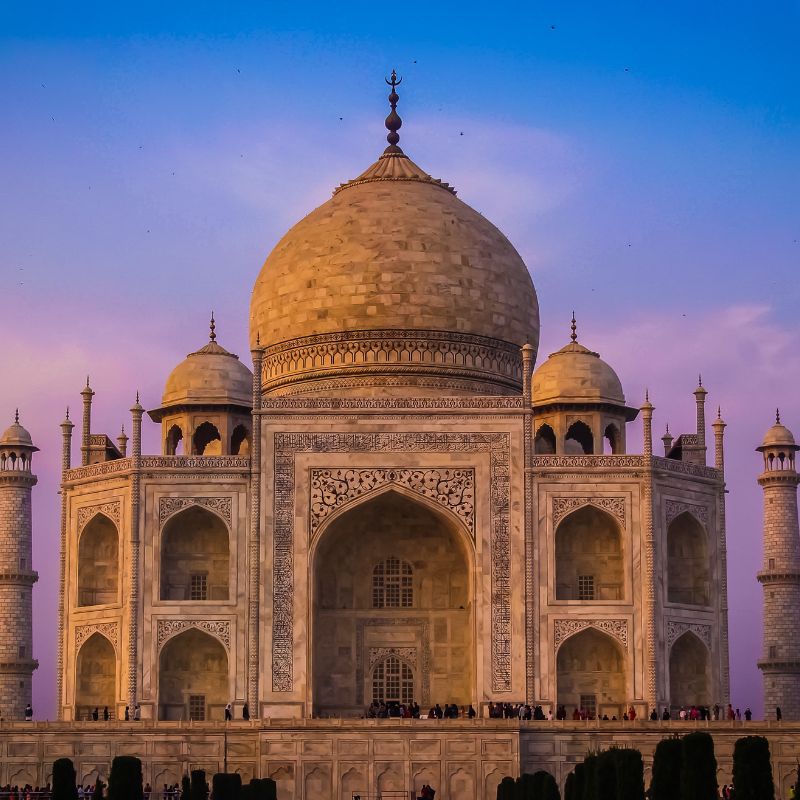
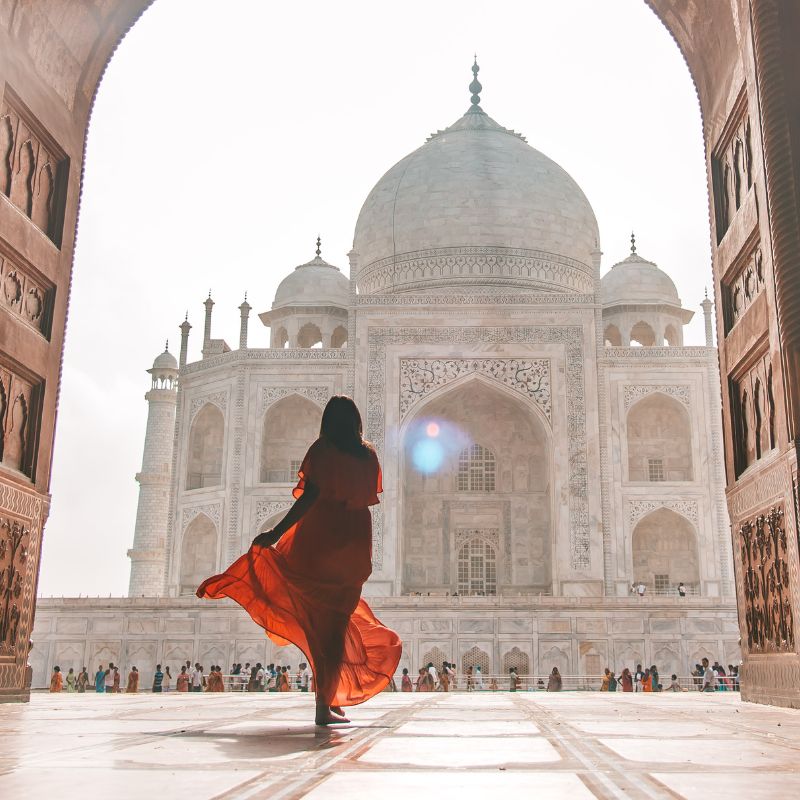
- Agra is the exception, at one night. Taj on the arrival afternoon, Taj again at sunrise, then drive on.
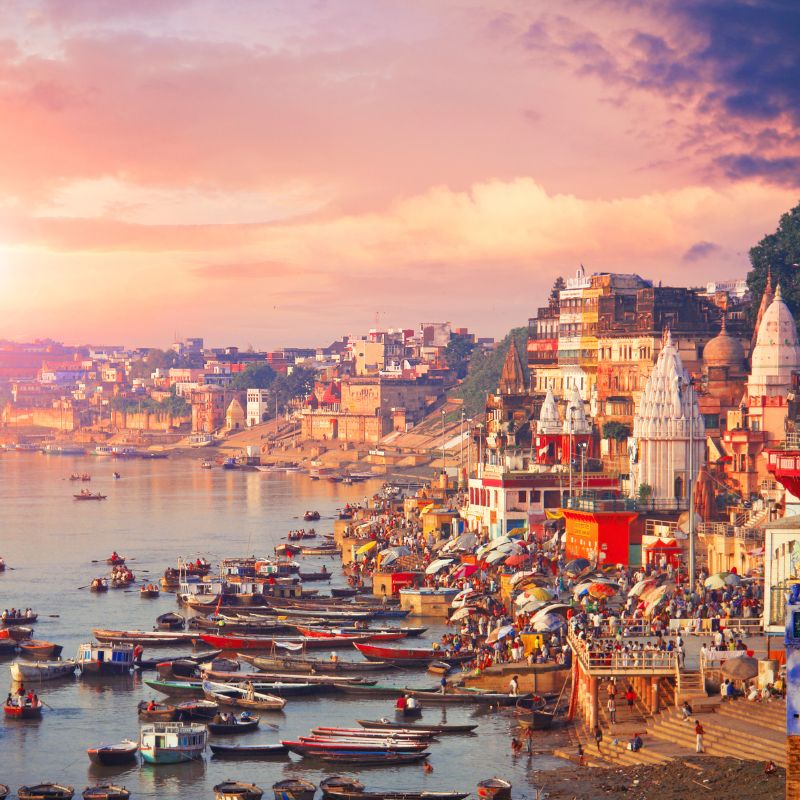
- Varanasi needs three. Dawn and dusk on the ghats are different cities, and Sarnath takes a half day.
- Backwaters need two to three, with one night on the boat and the rest on land at Kumarakom or Alleppey.
- Safari parks need three, because a two-night stay gives you two drives, and sightings are never guaranteed.
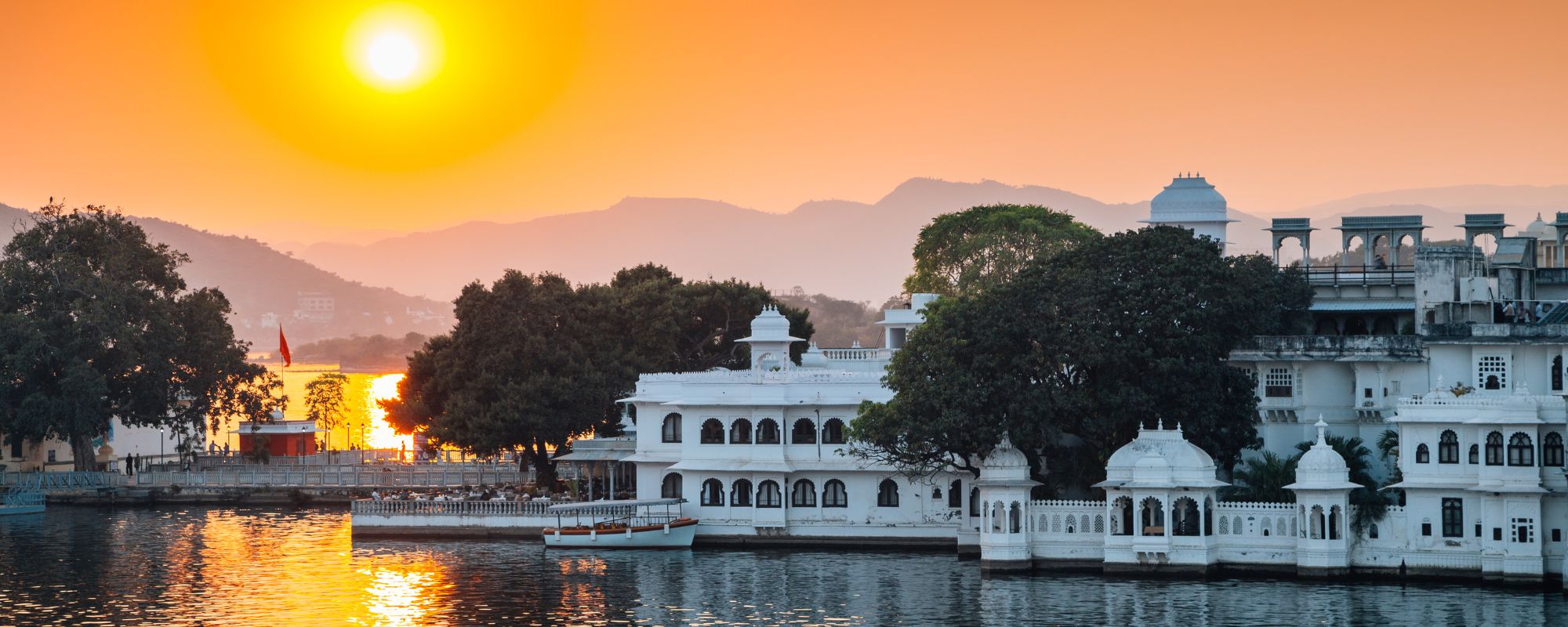
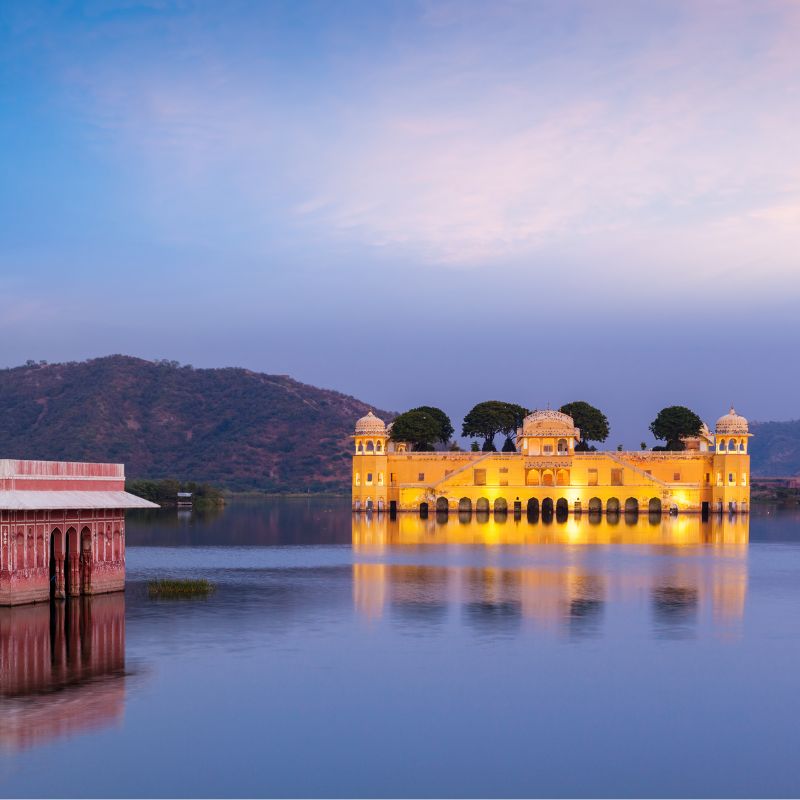
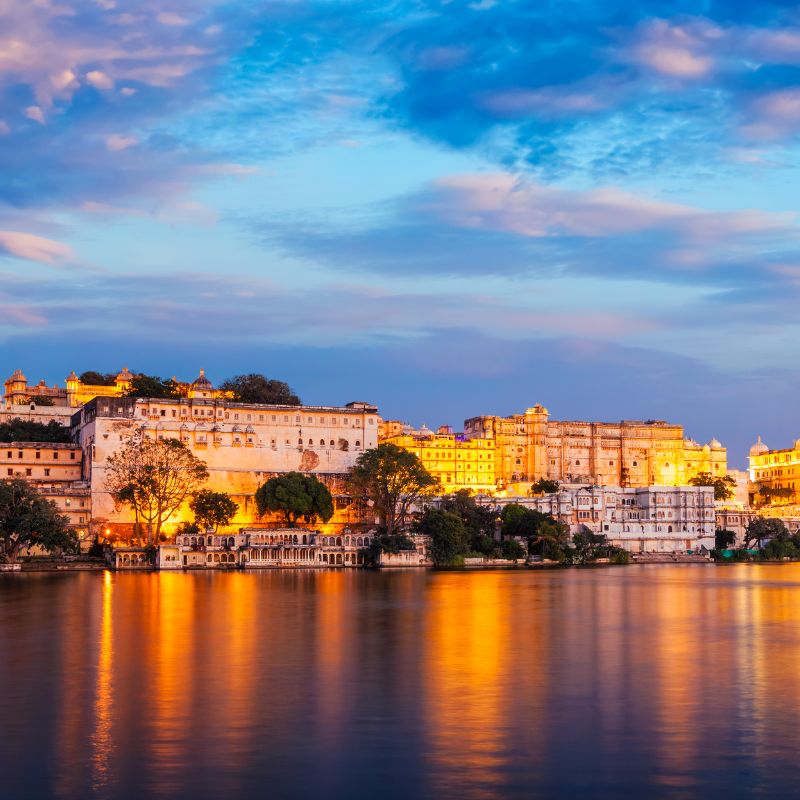
- Udaipur is the most under-allocated city in India. Give it three if the trip allows.
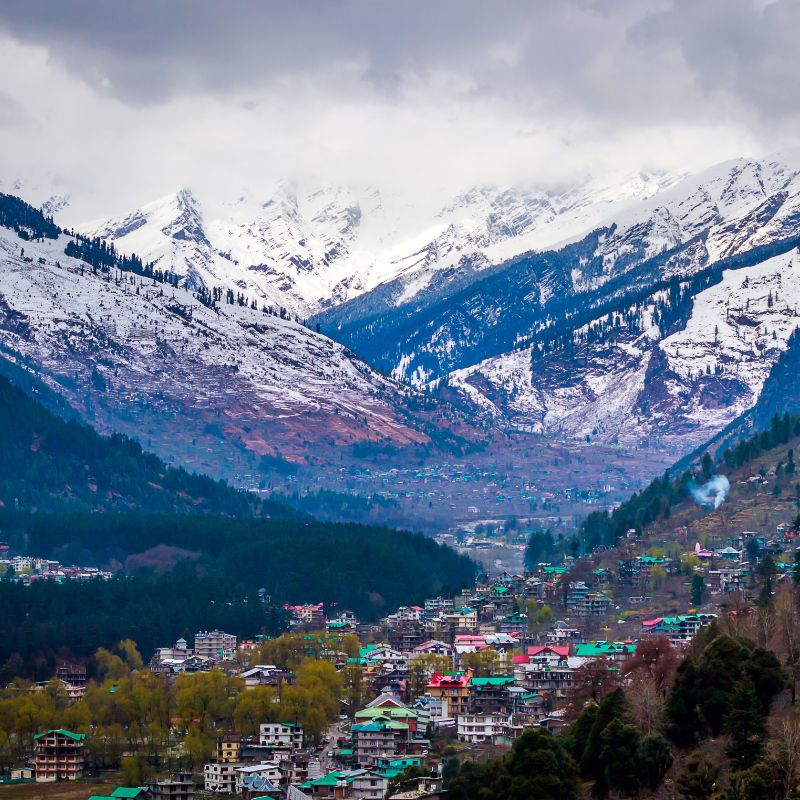
- Hill stations in winter are a different question. Shimla, Manali and Darjeeling work; Ladakh and Gulmarg are winter trips of their own kind.
- Total for a first trip: 9 to 14 nights. Five cities at 9, six at 12, seven at 14.
The Rule, and Why One Night Fails
A one-night stay in a driving itinerary gives you an arrival evening and a departure morning. Subtract the transfer at each end, and you have a single afternoon, usually the hottest part of the day, in which to see a fort, a palace and a market.
Two nights give you one full day plus two half days, and, crucially, they give you a second morning, which is when Indian cities are at their best. Almost everything worth photographing in Rajasthan photographs badly at 2 pm and beautifully at 7 am.
Agra survives on one night only because the two monuments are close together and the Taj is designed to be seen twice, at sunset and sunrise. Our 10-day Golden Triangle route shows how that works in practice, including the Friday closure that catches out both Christmas Day 2026 and New Year's Day 2027.
|
Destination |
Nights |
Why |
|---|---|---|
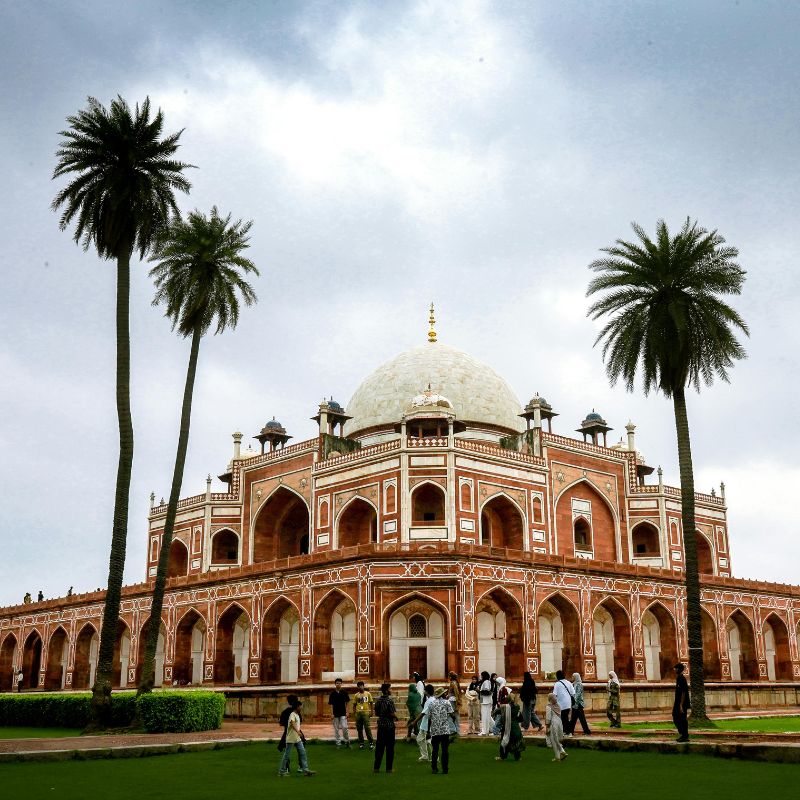
| Delhi | 2 | One for arrival recovery, one for Old and New Delhi. Three if you want the museums |
| Agra | 1 | Taj twice, Agra Fort once. Two only if adding Fatehpur Sikri properly |
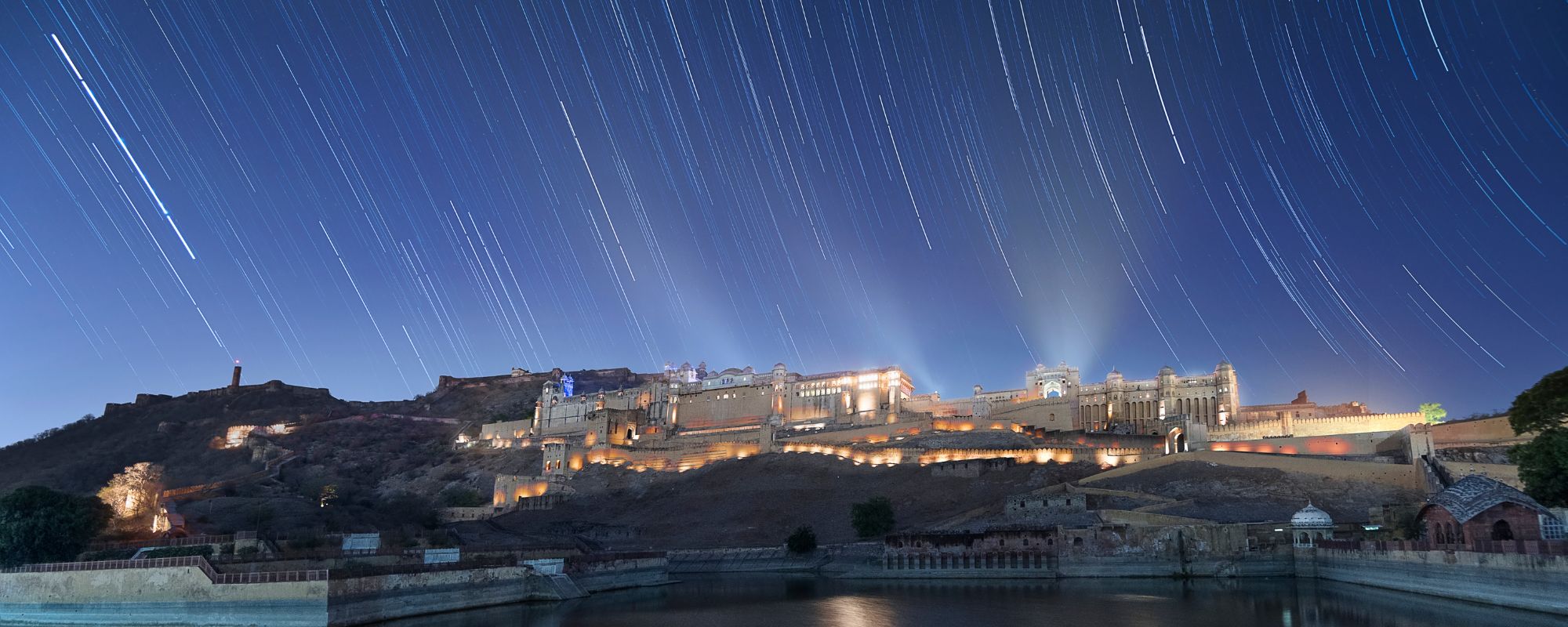
| Jaipur | 2 | Amer Fort in the morning, the old city in the afternoon. Three if you shop |
| Jodhpur | 2 | Mehrangarh is a half day done properly; the blue city another |
| Udaipur | 2, ideally 3 | The most under-allocated city in India. City Palace, the lake, and a day doing nothing |
| Jaisalmer | 2 | The fort and the havelis, plus a desert night |
| Bikaner | 1 to 2 | Junagarh Fort and Karni Mata. A stop on the way to Jaisalmer |
| Mandawa | 1 | Painted havelis. Genuinely a one-night town, placed between Delhi and Jaipur |
| Ranthambore | 2 to 3 | Two nights gives two drives. Three if a tiger matters |
Winter note. All of the above are at their best from October to March. Desert nights in Jaisalmer and Jodhpur are genuinely cold from December, and heritage properties often have limited heating.
The North
|
Destination |
Nights |
Why |
|---|---|---|
| Varanasi | 3 | Dawn boat, evening aarti, Sarnath. Two nights means choosing two of three |
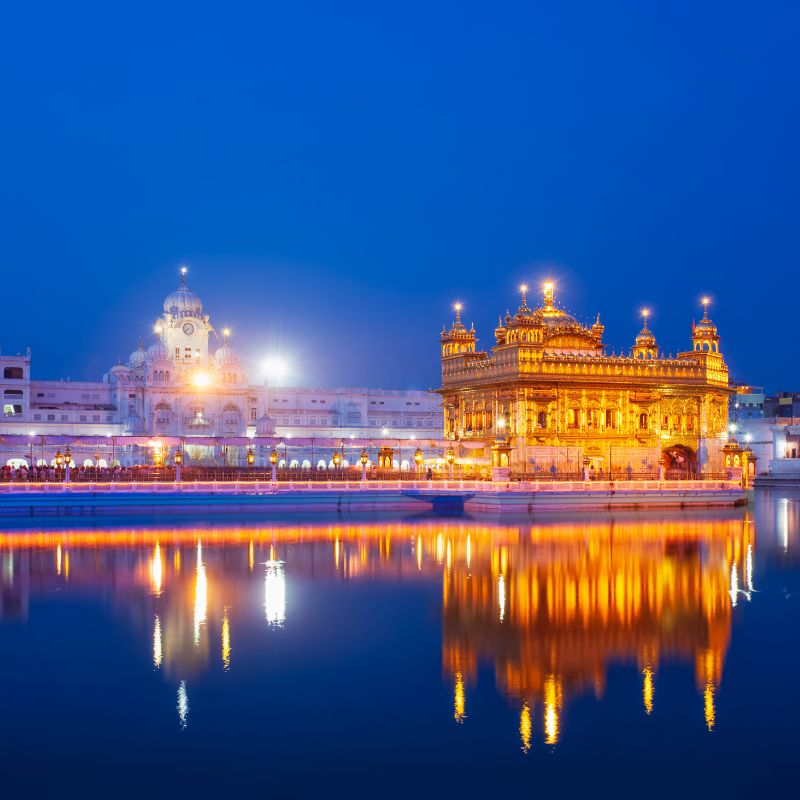
| Amritsar (Punjab) | 2 | Golden Temple before dawn and late at night are twelve hours apart |
| Rishikesh | 3 | A practice town. Two nights is a look, three is a rhythm |
| Chandigarh | 1 | A transit stop, not a destination |
Our luxury Varanasi guide covers what to do with the three nights.
Kerala
|
Destination |
Nights |
Why |
|---|---|---|
| Kochi | 2 | Fort Kochi on foot, Jew Town, a Kathakali evening |
| Munnar | 2 | Short-changed by one night. The plantations need a full day |
| Thekkady | 2 | Periyar and the spice estates. One night forces a choice between the boat and the estates |
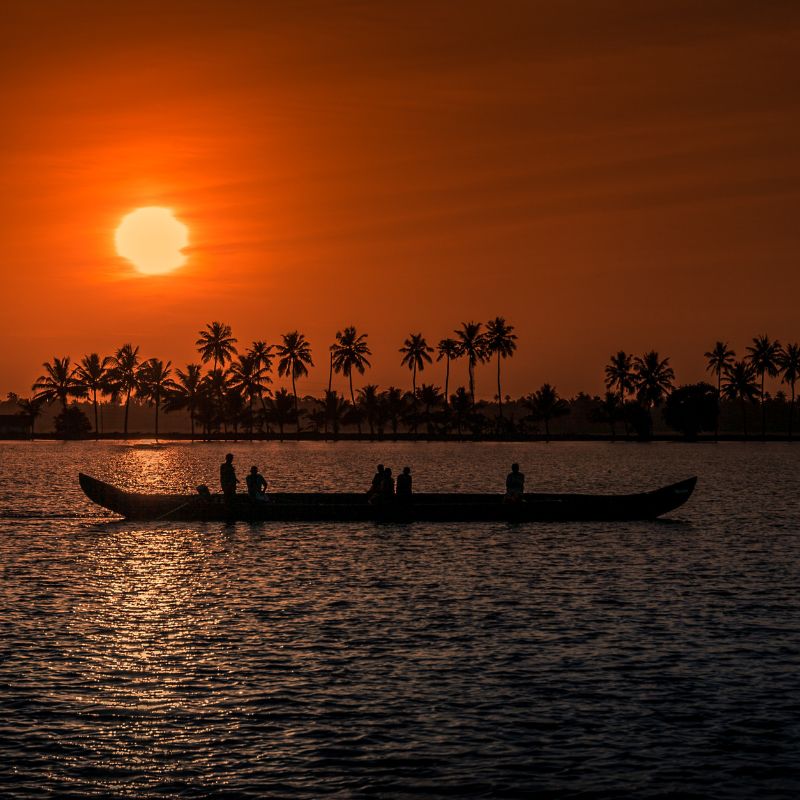
| Kumarakom or Alleppey | 2 | One houseboat night plus one land night beats two on the boat |
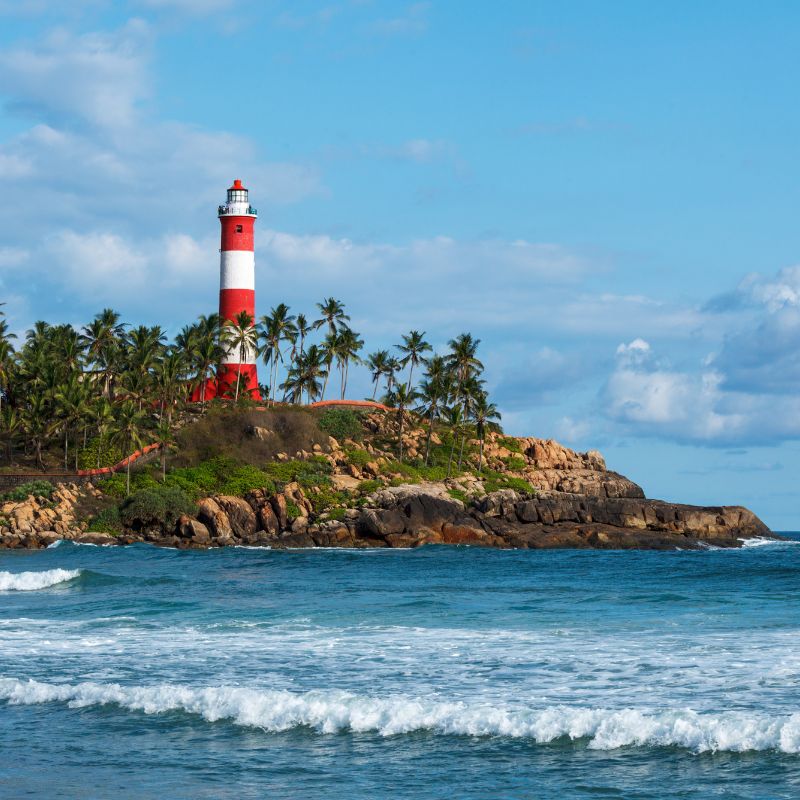
| Mararikulam or Kovalam | 2 to 3 | The decompression stop. Three if it ends the trip |
| Ayurveda programme | 14 to 28 | A different product entirely. Seven nights is a rest, not a treatment |
Kerala as a region is nine to twelve nights done properly. Our backwaters guide covers the boat question, which is where most people over-allocate.
Tamil Nadu and the South
|
Destination |
Nights |
Why |
|---|---|---|
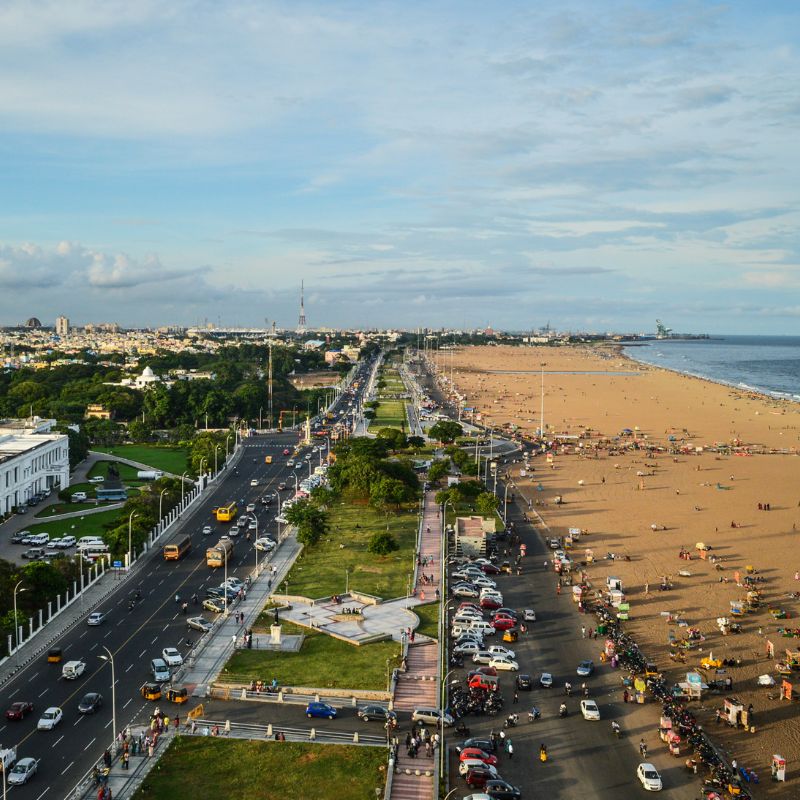
| Chennai | 1 to 2 | An arrival city. Two if you want Mylapore and the museum |
| Mahabalipuram | 1 to 2 | Shore temples and rock reliefs. Two if you want the beach |
| Pondicherry | 2 to 3 | Small and walkable. Add a day for Auroville |
| Kumbakonam | 2 | The Chola temple cluster. Thanjavur is a day from here |
| Chettinad | 1 to 2 | Mansions and the food. A genuine one-night stop |
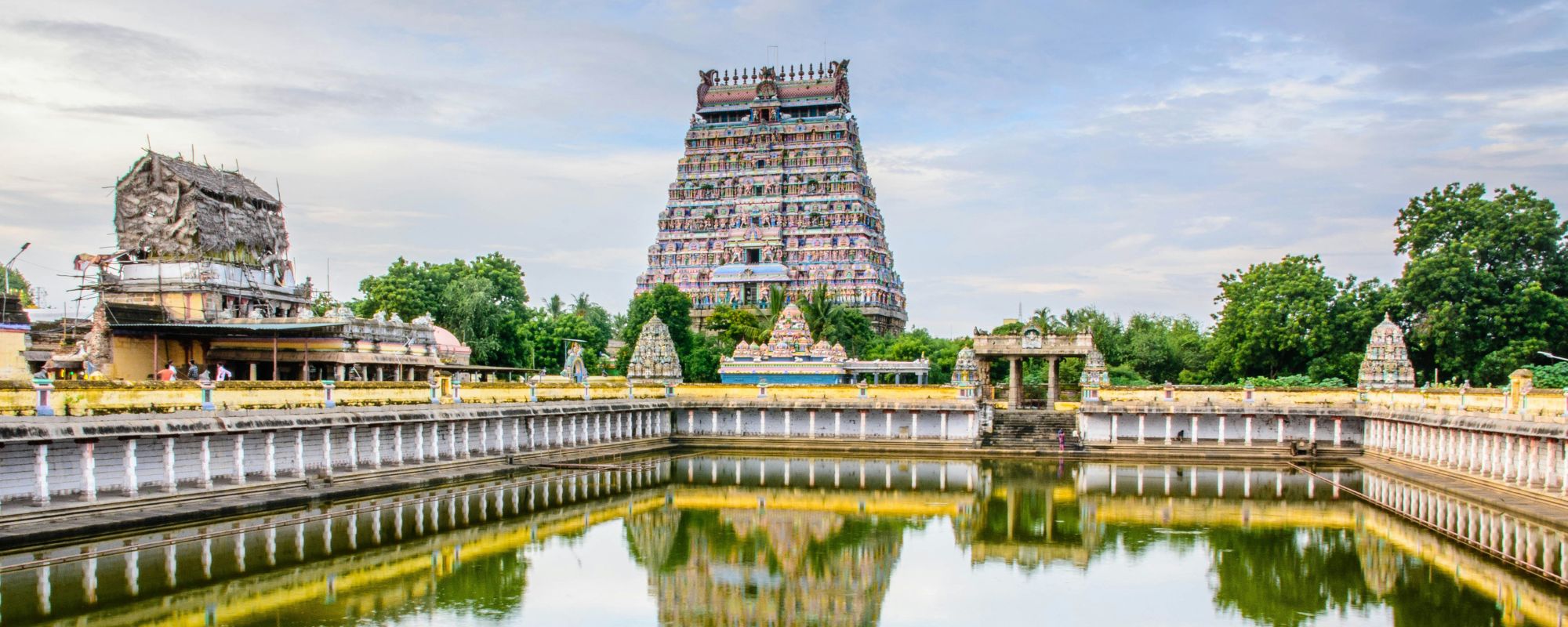
| Madurai | 2 | Meenakshi at the bedchamber ceremony and again in daylight |
| Mysore | 2 | The palace, Devaraja market, Chamundi Hill |
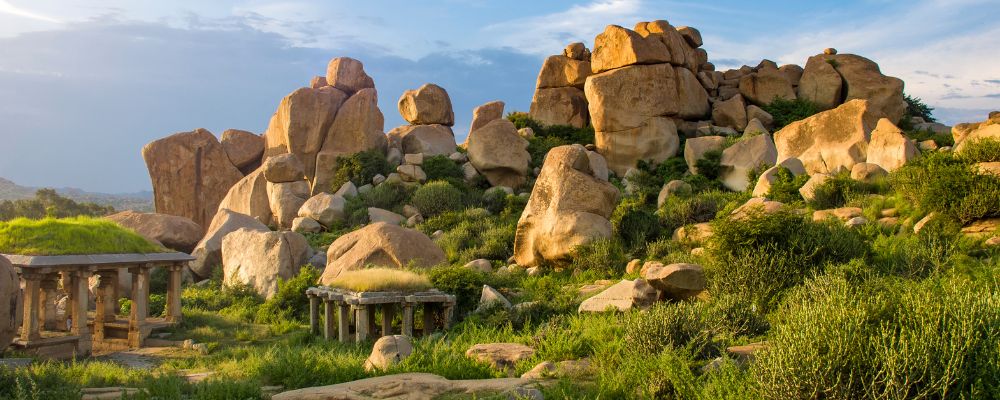
| Hampi | 2 to 3 | Bigger than people expect. Two is tight, three is right |
| Kabini | 2 to 3 | Safari. Same logic as Ranthambore |
| Bangalore | 1 | A transit city |
A Tamil Nadu and Kerala loop takes 12 to 16 nights. Our South India guide and Tamil Nadu list cover the sequencing.
Hill Stations in Winter
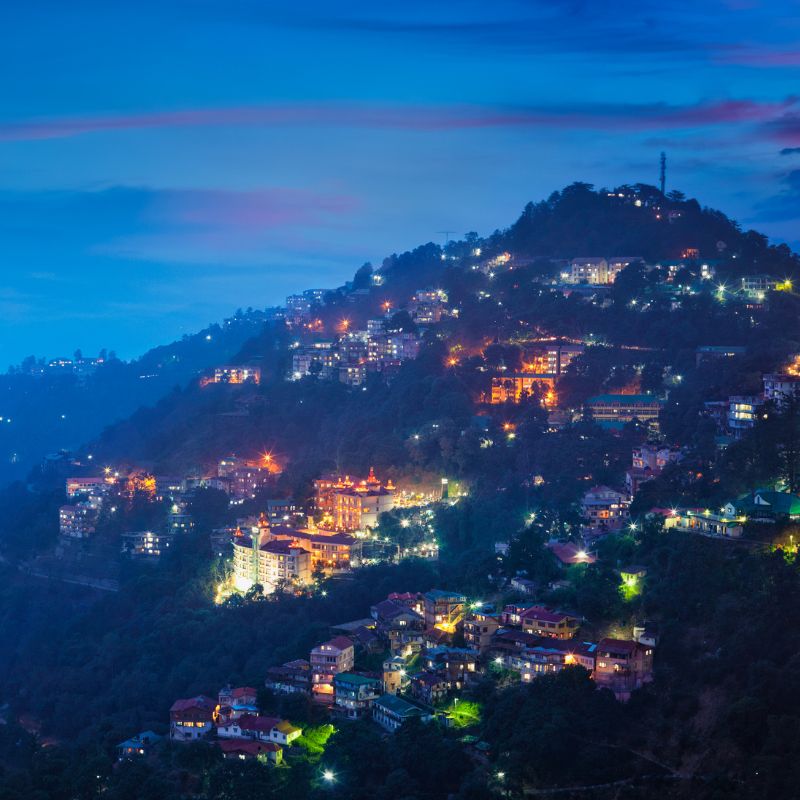
This is where winter changes the answer.
|
Destination |
Nights |
Winter verdict |
|---|---|---|
| Shimla | 2 | Works. Cold, clear, occasional snow. Toy train is the point |
| Manali | 2 to 3 | Works. Rohtang closed; Solang accessible |
| Dharamshala | 2 | Works. McLeod Ganj and the Tibetan institutions |
| Palampur | 2 | Works. Quieter alternative to Dharamshala |
| Tirthan Valley | 2 to 3 | Works but cold. For people who want no crowds |
| Darjeeling | 2 | Works. Kanchenjunga is at its clearest early in the season, before the February fog |
| Gangtok | 2 to 3 | Works to Gangtok. Higher passes close |
| Shillong | 3 | Works, and Christmas is the principal festival of the year |
| Srinagar and Gulmarg | 3 to 4 | A winter trip in its own right, not an add-on |
| Leh and Ladakh | 5 plus | Winter is limited: roads close and flights are fewer. A summer destination |
Our winter planning guide covers access and the fog risk in the plains.
East and West
|
Destination |
Nights |
Why |
|---|---|---|
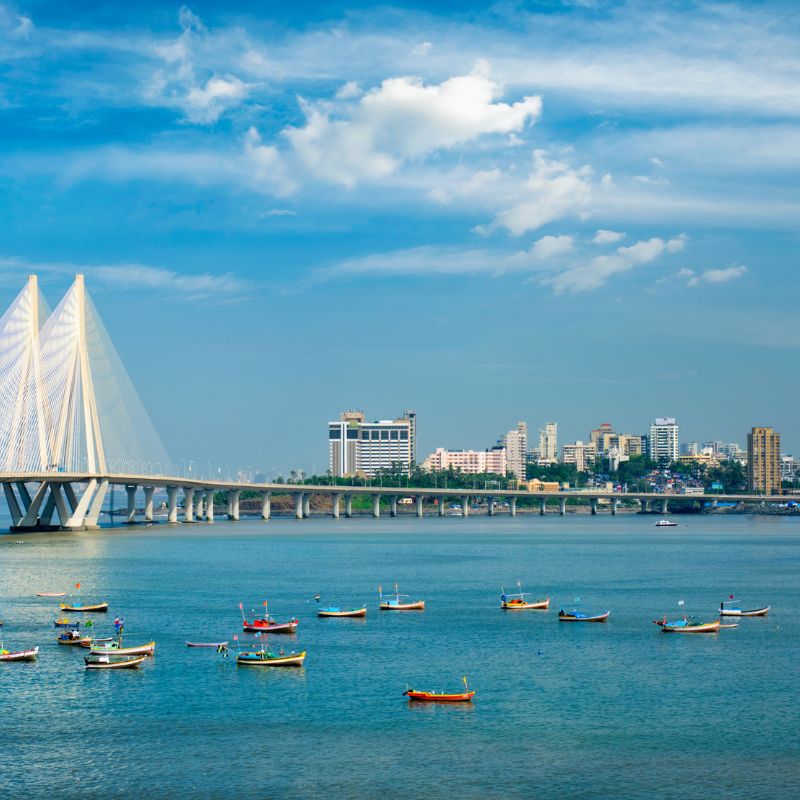
| Mumbai | 2 | Colaba, Elephanta, the markets |
| Goa | 4 to 6 | Not a two-night stop. It is a pause in a longer trip |
| Kolkata | 2 to 3 | Three if you want the colonial architecture and the food |
| Puri and Bhubaneswar | 2 to 3 | Konark, Lingaraj, the beach. Note: Jagannath admits Hindus only |
| Aurangabad (Chhatrapati Sambhajinagar) | 2 | Ajanta one day, Ellora the next. One night forces a choice |
| Ahmedabad | 2 | The old city walk and the stepwells |
The Four Places People Get Wrong
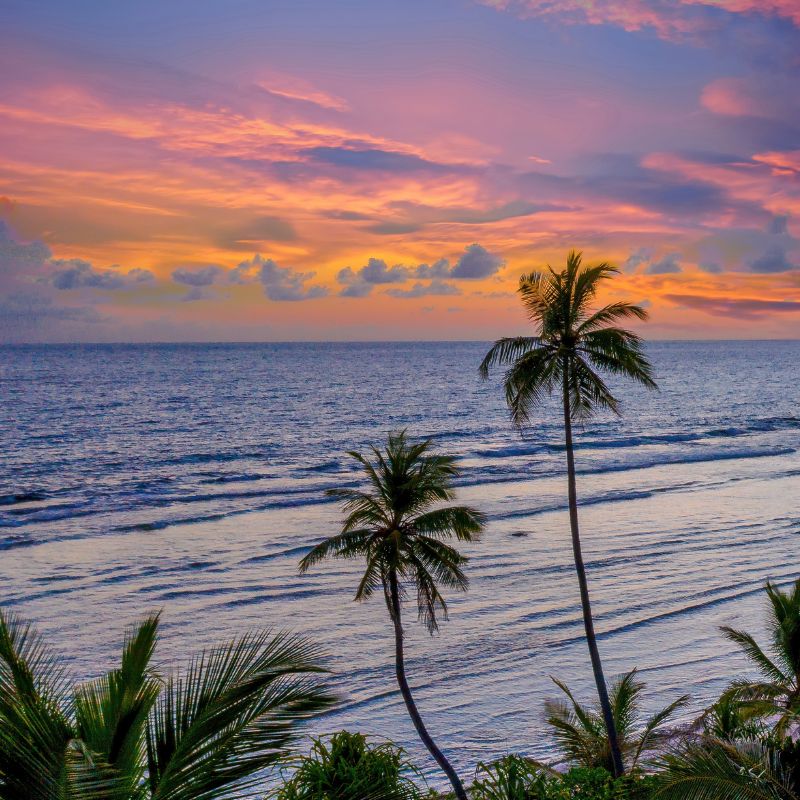
Udaipur at night. It is the city travellers most often wish they had given more time to, and where the hotel is part of the experience rather than a base.
Munnar at night. The plantations are a full day, and the drive up is long.
Safari parks for two nights. Two nights is two drives. Sightings are a probability, not a schedule, and a third night adds another drive or two. Our tiger safari guide covers zones and closed seasons.
Goa for two nights. Goa is where a trip decompresses. Four to six nights or leave it out.
How It Adds Up
- 9 nights: Delhi 2, Agra 1, Jaipur 2, Jodhpur 2, Udaipur 2, fly home on day 10.
- 12 nights: add Jaisalmer 2 and a third night in Udaipur, or add Varanasi 3.
- 14 nights: add Jaisalmer 2 and Varanasi 3.
- 18 to 21 nights: north and south in one trip, with two internal flights.
- Under 8 nights: one region only. Rajasthan or Kerala, not both.
Most clients go through two to three rounds of revision before confirming, so add four to six weeks to your planning window. Terms are on our booking and cancellation policy page, and our twelve questions to ask an India tour operator cover what to check first.