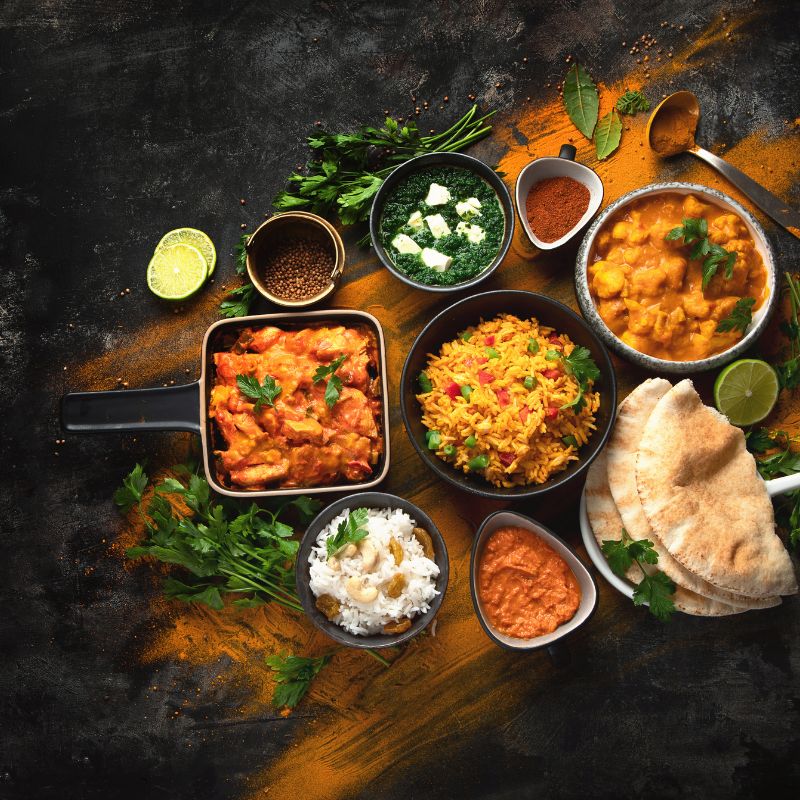
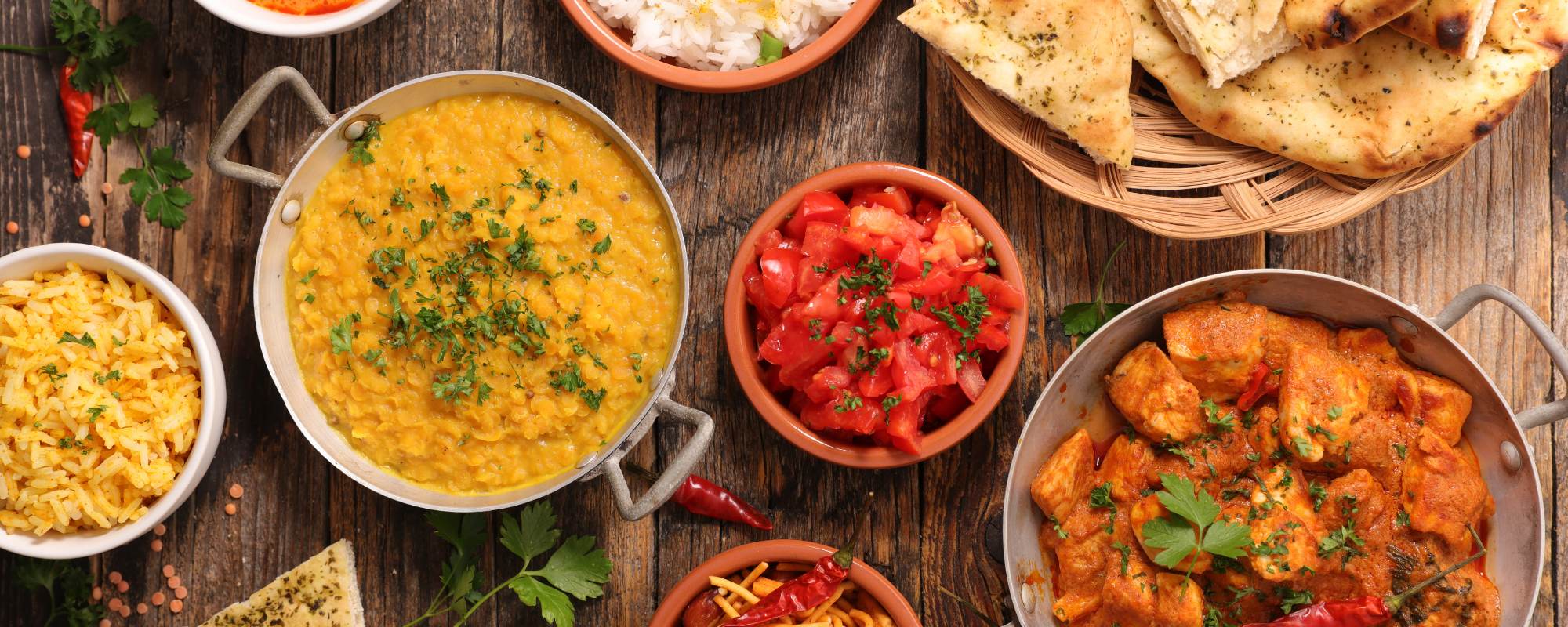
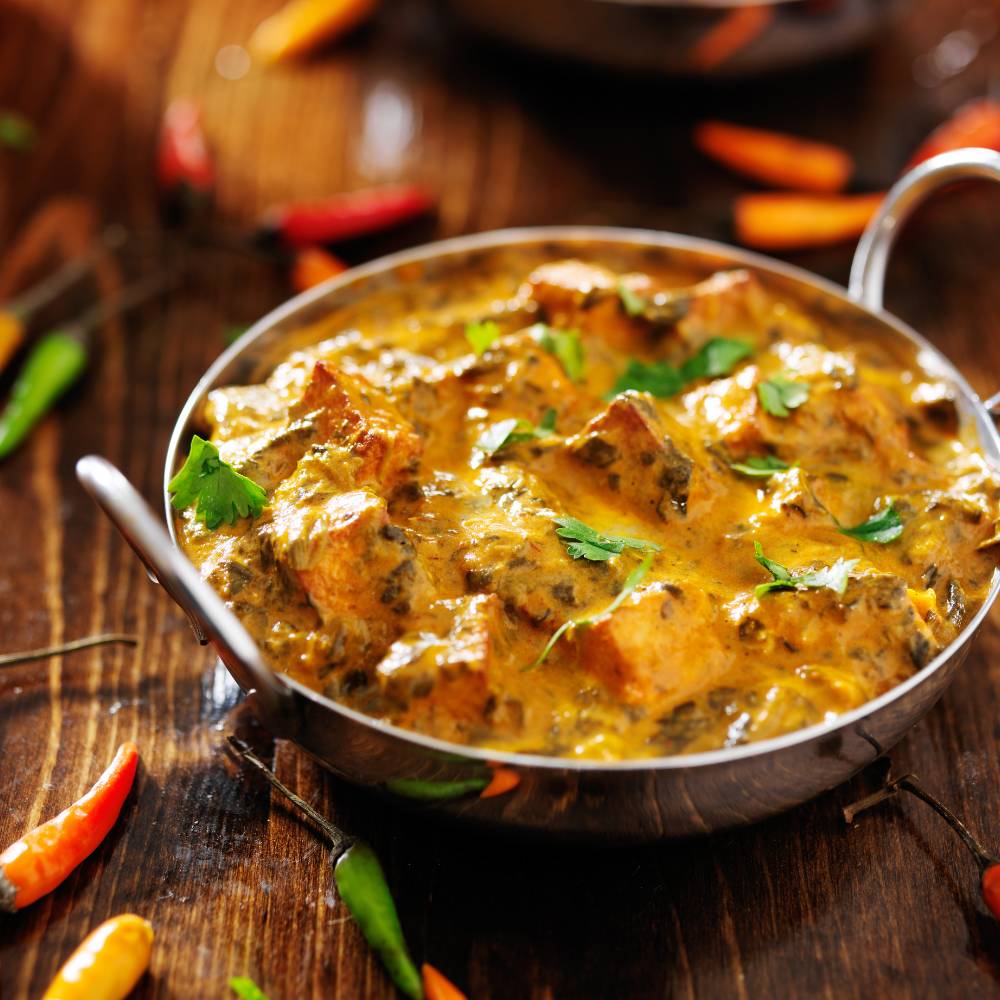
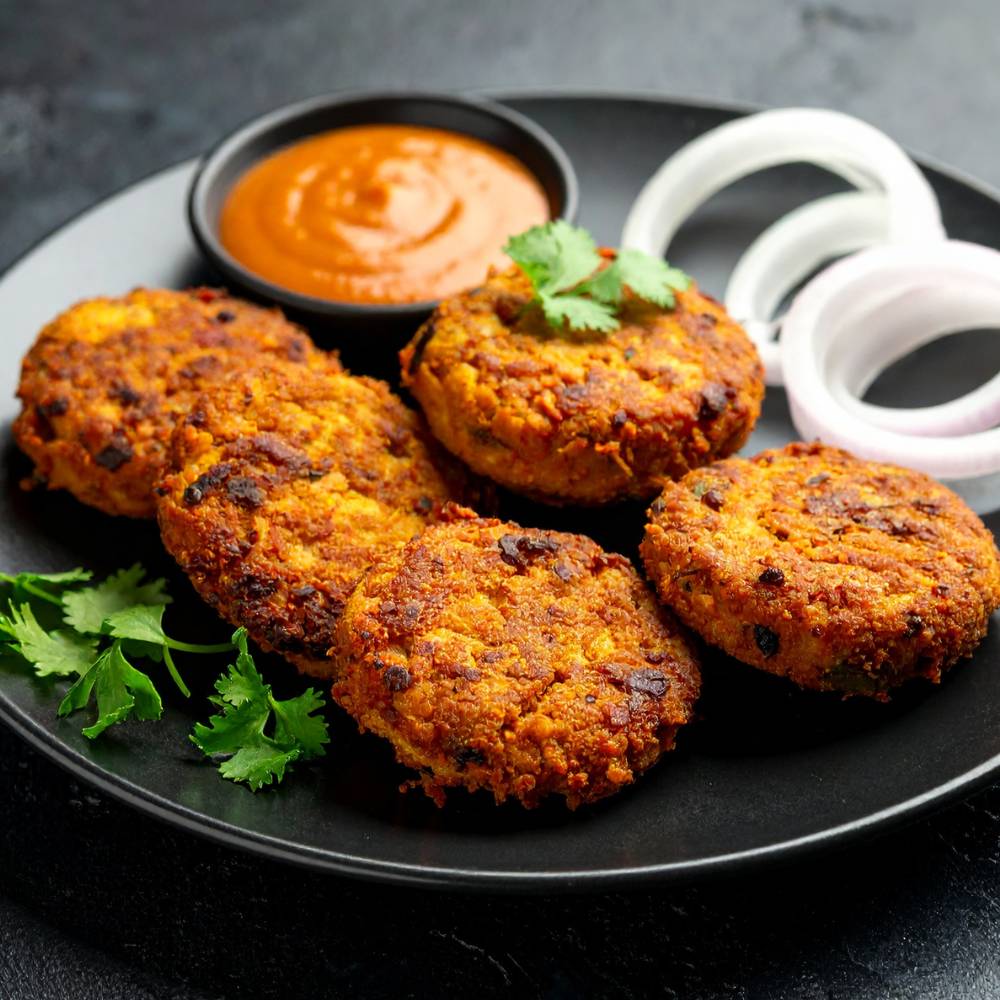
Indian cuisine comprises twenty-nine distinct regional traditions shaped by geography, religion, trade, and empires. The flavours of Lucknow kebab, Keralan prawn curry, and Rajasthani ker sangri are each authentically Indian yet remarkably different. For food-focused travellers, this diversity is the point: moving through India's regions is a journey through vastly different cuisines.
India's culinary tourism market is valued at approximately USD 15.9 billion in 2026, driven by international visitors who increasingly prioritise luxury food experiences as the centrepiece of their journeys. The Ministry of Tourism's World Food India initiative reflects this shift toward elevated culinary offerings.
This guide highlights the five most rewarding regional food destinations for international travellers, details signature dishes, and emphasises the luxury culinary experiences discerning travellers seek.
India's Culinary Map at a Glance
- Delhi: Mughal royal cooking brought to the streets, offering the country's richest concentration of historical food heritage. This capital city introduces travellers to time-honoured recipes and bustling food scenes that set the stage for India's culinary story.
- Rajasthan: Desert-adapted, chilli-forward, predominantly vegetarian, with a distinct meat tradition rooted in Rajput hunting culture
- Kerala: Coconut-based, seafood-dominant cuisine shaped by the ancient spice trade. Among India's regional cuisines, Kerala stands out for being especially vegetarian-friendly, making it a diverse destination for all types of food travellers.
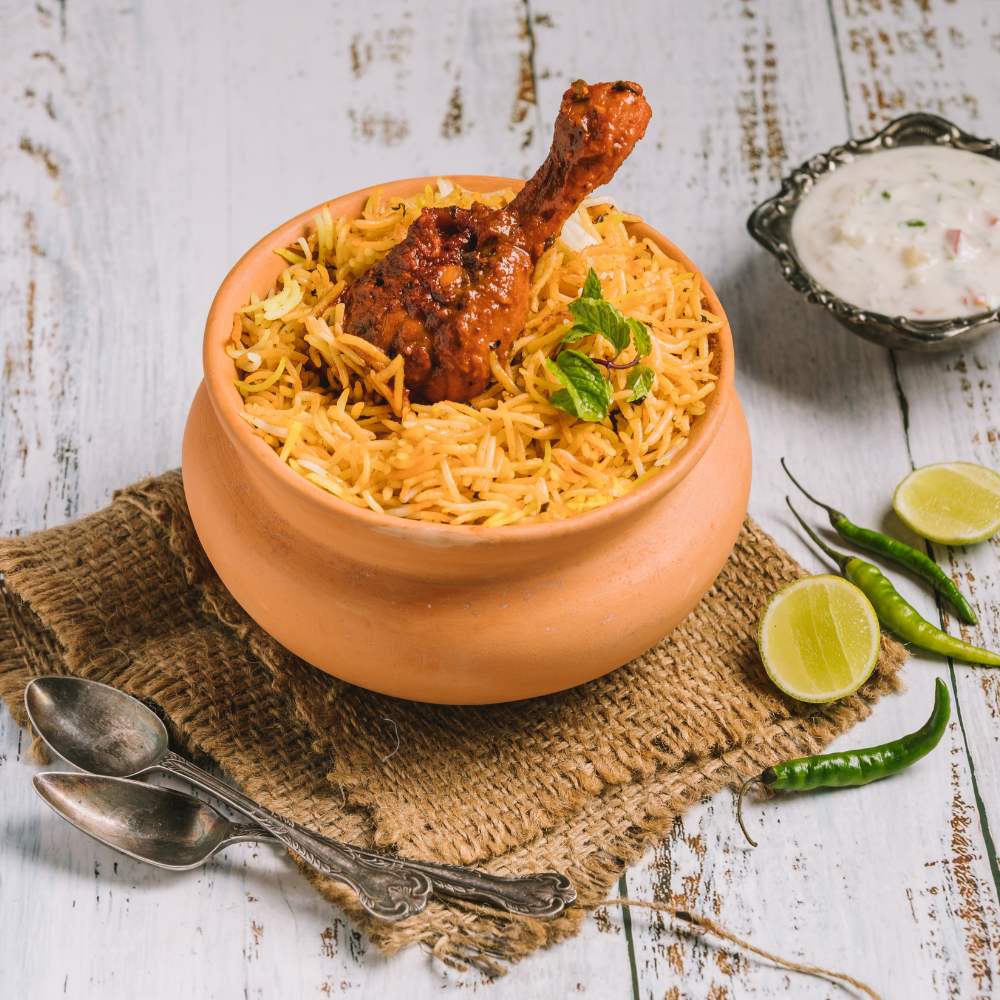
- Hyderabad: The cuisine of the Nizam's court is best known for its kachchi dum biryani, a fusion of Mughlai and Deccani traditions. This city bridges North and South India through its unique flavours and cooking techniques.
- Lucknow: As the capital of Awadhi cuisine, Lucknow offers refined, aromatic dishes defined by dum pukht slow cooking and a remarkable variety of kebabs. The city's culinary artistry caps off any tour of India's gastronomic heartlands.
Delhi: Where Mughal Royal Cooking Meets the Street
India's most concentrated food history lies in the lanes of Old Delhi, within walking distance of the Jama Masjid. When the Mughal court fell in the mid-19th century, the royal cooks lost their patrons. Many adapted by opening establishments in the same streets where the courts had once stood. The result is a living culinary heritage that remains almost unchanged.
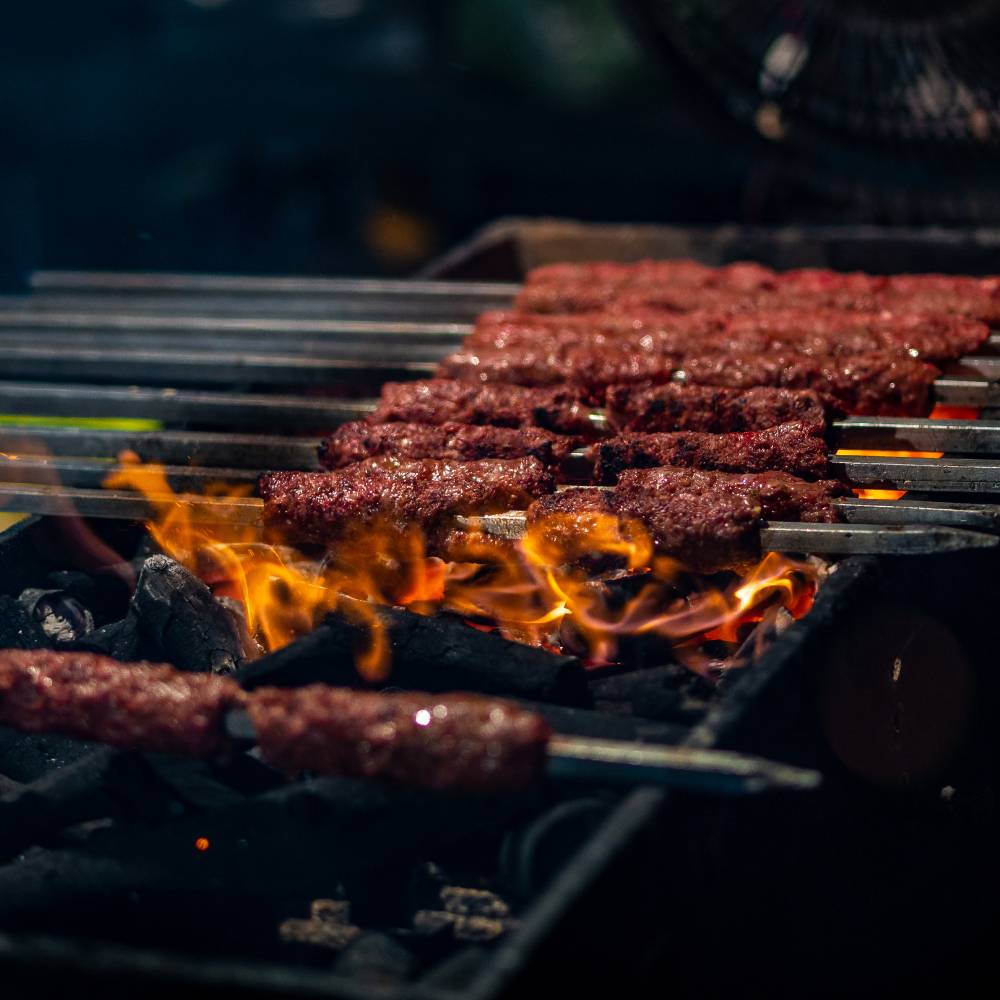
Karim's, established in 1913 near Gali Kababian behind the Jama Masjid, is the most famous example. Its founder Haji Karimuddin, was the son of Mohammed Aziz, a cook in the royal kitchen of the last Mughal Emperor, Bahadur Shah Zafar. The seekh kebab, mutton korma, and chicken Jahangiri served here have been prepared from the same recipes for over a century. Visiting now in 2026, Karim's is 113 years old, fourth-generation family-owned, and still operating from its original location.
Beyond Karim's, Old Delhi's food culture stands out in a few specific streets. Paranthe Wali Gali serves only stuffed parathas. Kinari Bazaar's halwais have been making jalebis and rabri since the Mughal period. The nihari stalls near Jama Masjid serve Delhi's signature slow-cooked meat stew from before dawn. This dish was originally prepared overnight in sealed vessels, ready at daybreak for Mughal court officials. For the best introduction to Old Delhi's food, take a guided food walk with a specialist operator. It is the most efficient way to sample everything.
Luxury food experience in Delhi
Several of Delhi's five-star heritage hotels offer exclusive Old Delhi food walks paired with curated dinners in Mughal-inspired luxury settings, providing guests with privileged access to culinary history. The Oberoi New Delhi and The Imperial both feature structured food heritage programmes designed for luxury travellers. For the street food experience, collaborating with a reputable guide ensures a high-end, seamless taste of Old Delhi's vibrant culinary life.
Rajasthan: Royal Kitchens and Desert Cuisine
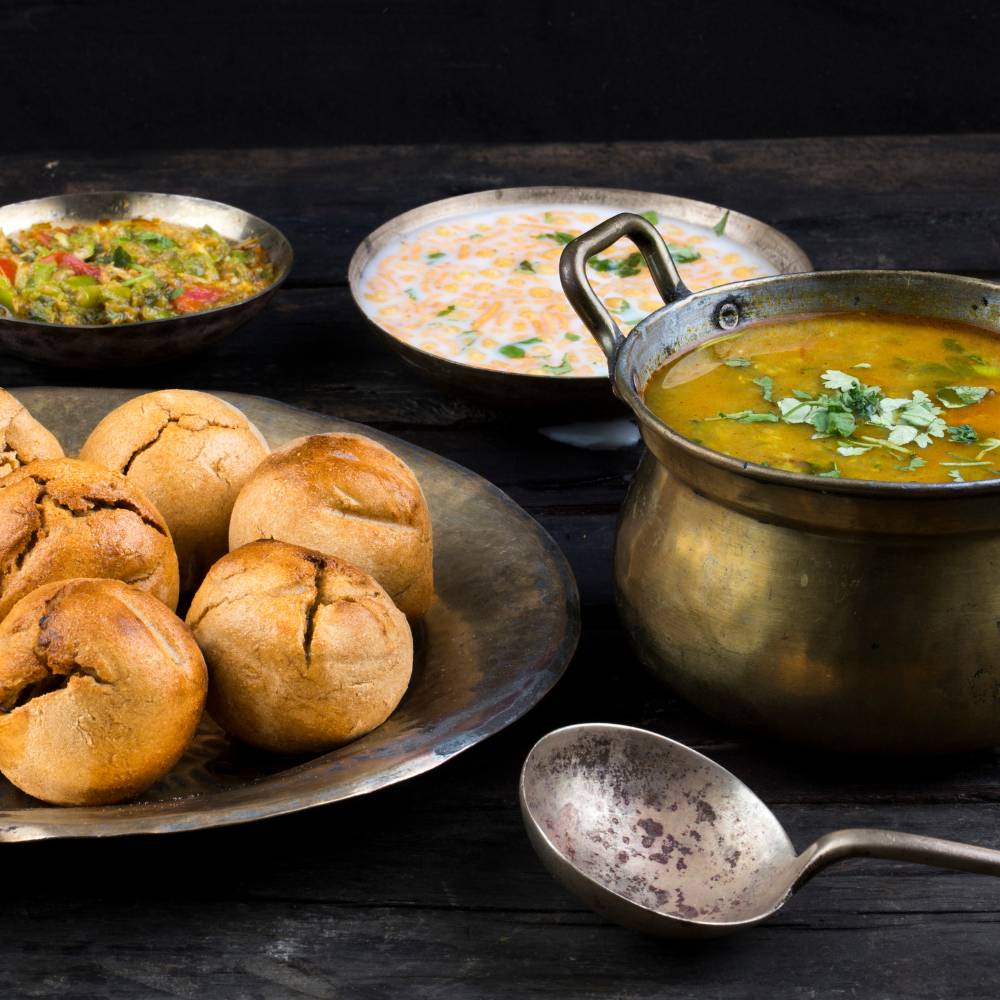
Rajasthani cuisine developed under two forces: the need to preserve food in a harsh desert and the tastes of Rajput warrior aristocracy, whose royal kitchens produced elaborate vegetarian dishes and distinct meat traditions rooted in hunting. The result is a cuisine of bold flavours and preserved ingredients, distinct from most Indian restaurant food known abroad.
Dal baati churma defines Rajasthani cuisine. Baati are hard wheat balls baked until a scorched crust forms, then broken, dipped in dal (a five-lentil curry), and eaten with ghee. Churma, a sweetened crushed baati with jaggery, completes the dish. Simple ingredients and precise technique elevate this peasant food. Jodhpur has the most intact baati tradition.
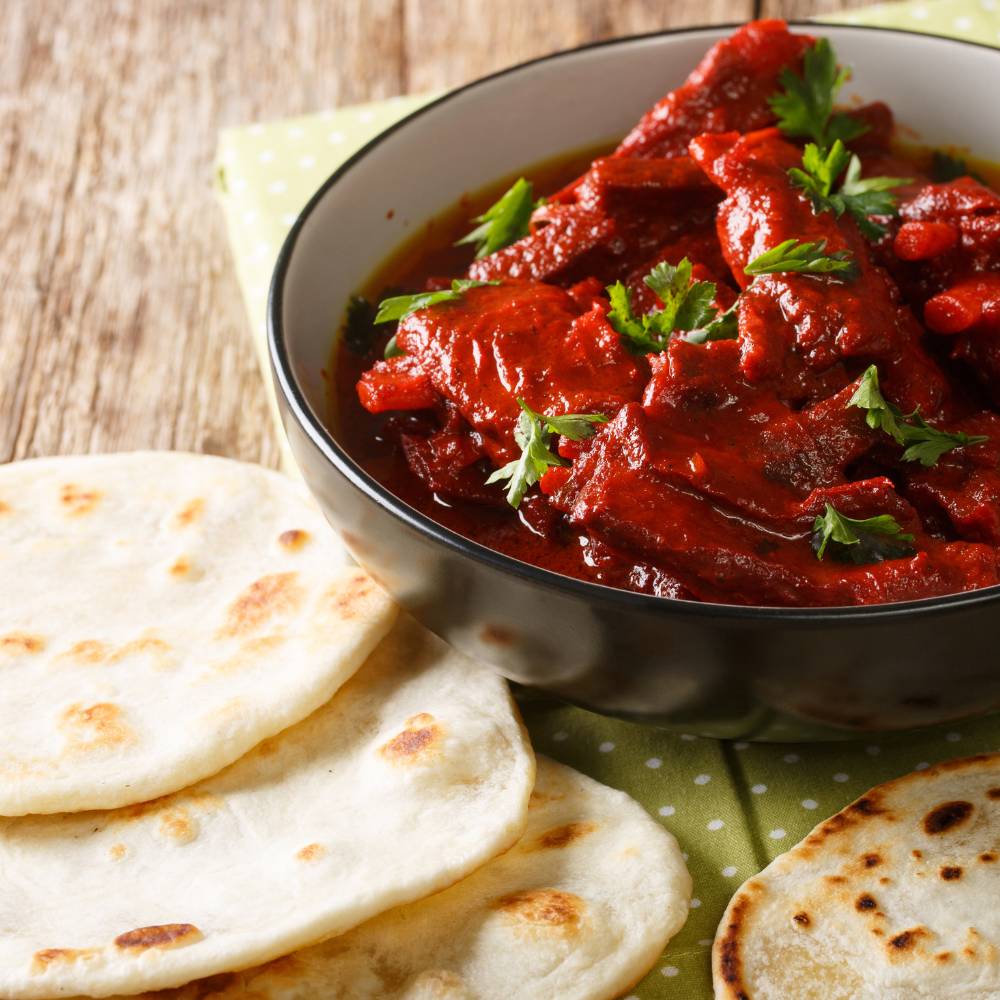
Laal maas, Rajasthan's main meat dish, is slow-cooked lamb with Mathania chillies, ghee, whole spices, yoghurt, and rehydrated chillies, creating a thick, red sauce. Ker sangri combines ker berries and sangri beans with dried chillies and spices, offering a unique flavour found only in Rajasthan.
Luxury food experience in Rajasthan
Several of Rajasthan's heritage palace hotels offer guests exceptional royal-cuisine dining experiences in historic luxury venues. Samode Palace, near Jaipur, is renowned for its Rajasthani thali served in ornate palace halls. The Oberoi Udaivilas in Udaipur and the RAAS Devigarh near Delwara curate immersive culinary programmes, including exclusive chef-led demonstrations and private heritage dinners. In Jodhpur, Gypsy at Shri Mishrilal Hotel near the Clock Tower is the signature destination for a premium thali experience.
Kerala: The Spice Route and Backwater Dining
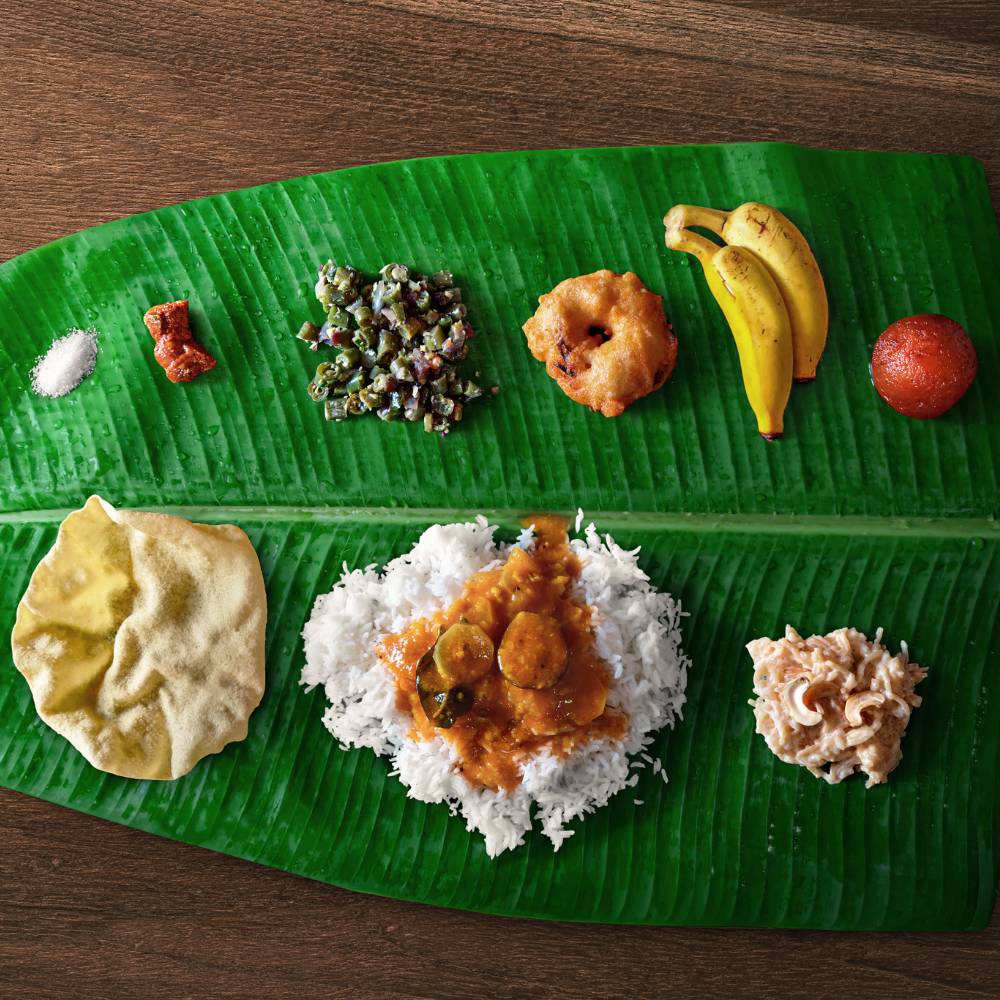
Kerala sits at the foot of the Western Ghats and on the Arabian Sea, making it an ancient hub of the spice trade. Arab traders, Chinese merchants, Portuguese colonisers, and British administrators all left culinary traces. Today, Kerala cuisine is defined by coconut milk, curry leaves, black pepper, cardamom, a strong seafood tradition, and a rich vegetarian repertoire.
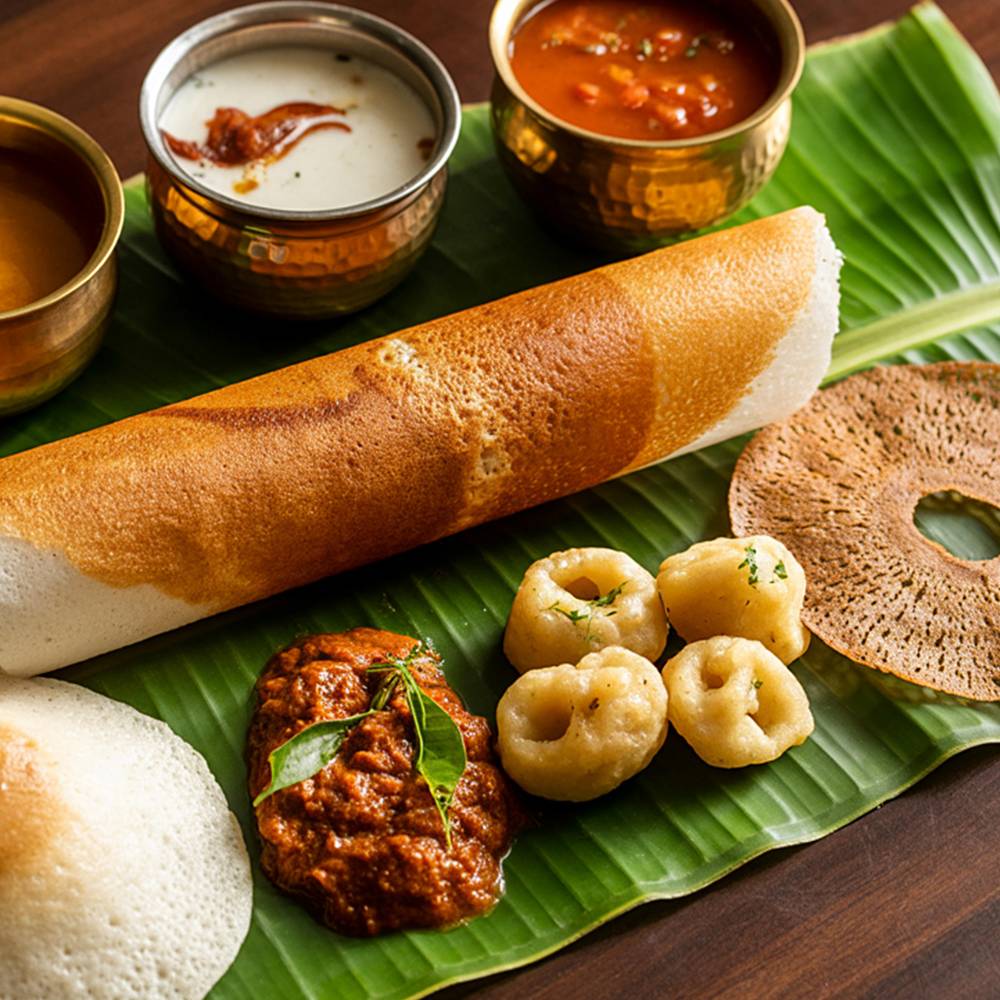
The Kerala Sadya, a vegetarian feast served on a banana leaf with 20 to 30 dishes like avial, olan, kalan, erissery, thoran, pappadam, and payasam, is a hallmark dining experience. Eaten by hand in a set sequence, Sadya is not a restaurant dish, but an institution found on Sundays and festival days in traditional restaurants across the state.
Kerala's prawn moilee, Karimeen pollichathu, and beef dishes from Syrian Christian communities each reveal local traditions. Toddy shops serve coconut palm wine, fried fish, and tapioca - an authentic Kerala experience. In the backwaters, houseboat cooks prepare fresh seafood, making dining part of the journey.
Luxury food experience in Kerala
Spice plantation tours in the Wayanad and Idukki districts combine a working-plantation walk (pepper, cardamom, nutmeg, cinnamon, and vanilla, all growing in the same forest garden) with a home-cooked Keralan lunch. The Spice Village resort in Kumily (Thekkady) and the Tranquil resort in Wayanad are the two most established luxury properties centred on spice heritage. Several heritage properties in Kochi's Fort area offer Kerala cooking classes, where Syrian Christian and Portuguese-influenced culinary traditions are most accessible to visitors.
Hyderabad: The Nizam's Biryani and Deccani Cuisine
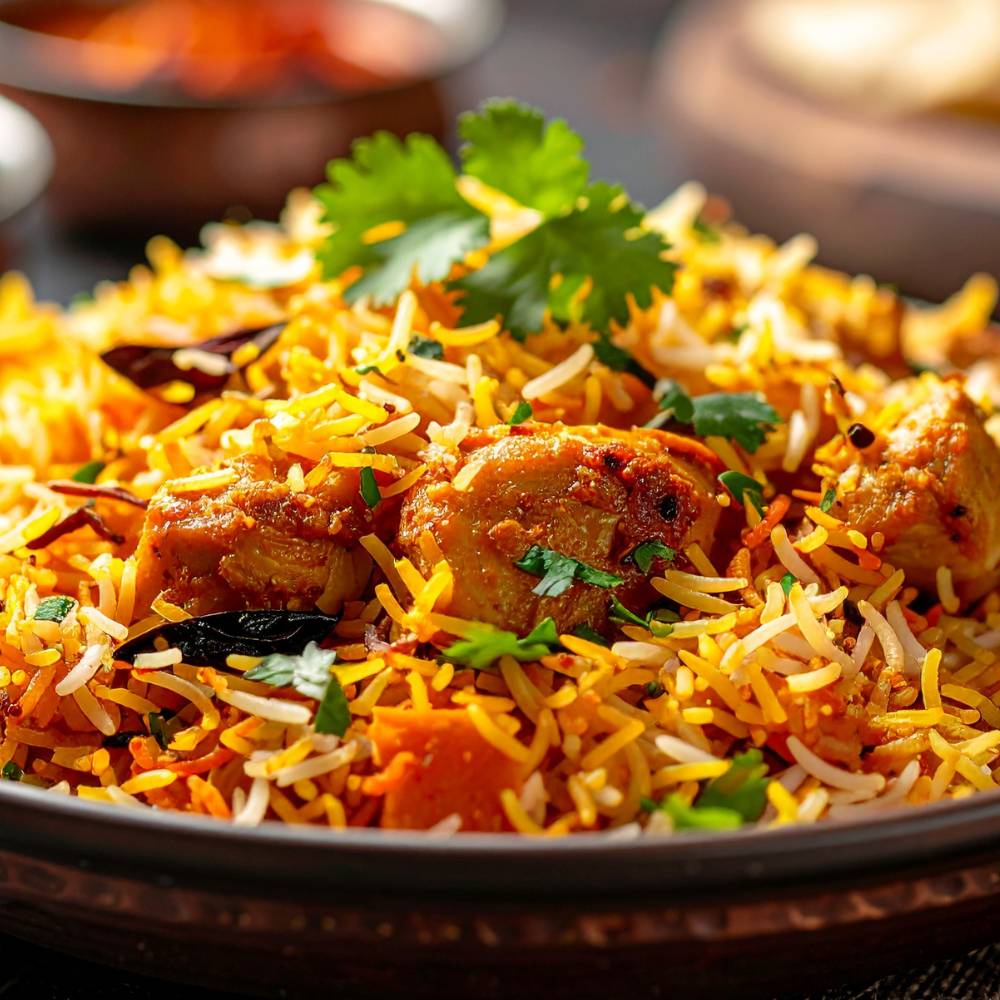
Hyderabad was ruled for over two centuries by the Nizams of the Asaf Jahi dynasty, one of the wealthiest royal houses in history and among the most devoted patrons of the culinary arts. The Mughal court tradition that influenced Hyderabadi cooking was further enriched by the local Deccani and Telugu food culture, producing a cuisine characterised by bold, complex spicing, the use of tamarind alongside the North Indian yoghurt-and-cream base, and a biryani tradition unique in India.
Hyderabadi kachchi dum biryani is the version most worth understanding. Kachchi means raw: the meat (typically mutton, marinated overnight in yoghurt, spices, and papaya paste as a tenderiser) is placed raw on a bed of partially cooked saffron-scented basmati rice in a sealed handi, and the entire vessel is cooked slowly over a low flame, sealed with dough so that nothing escapes. The meat cooks in its own juices and steam, and the rice absorbs the fat and spice from below. The result is markedly different from any biryani made by cooking the components separately. Locals have debated the authentic version for generations; the most respected names in Hyderabad for this preparation include Paradise Biryani (established 1953) and Bawarchi in Regimental Bazaar, both operating from the original city.
Hyderabadi cuisine extends well beyond biryani: haleem (a slow-cooked meat and wheat porridge of Persian origin, available throughout the city during Ramadan and at specialist restaurants year-round), mirchi ka salan (a peanut and tamarind-based chilli curry served as a biryani accompaniment), double ka meetha (a bread pudding with saffron and milk solids), and Irani chai from the old-style Irani cafes near Charminar are each worthwhile. The old city around Charminar offers some of the most historic food experiences.
Luxury food experience in Hyderabad
The Taj Falaknuma Palace, built in 1884 and acquired by the sixth Nizam in 1897, operates the most immersive royal dining experience in Hyderabad: a formal dinner in the Falaknuma's dining room, set for the largest formal dinner table in the world (a 101-piece table seating 101 guests), drawing on Nizami recipes from the palace's own historic collection. Reservations should be made weeks ahead.
Lucknow: Awadhi Cuisine and the Art of the Kebab
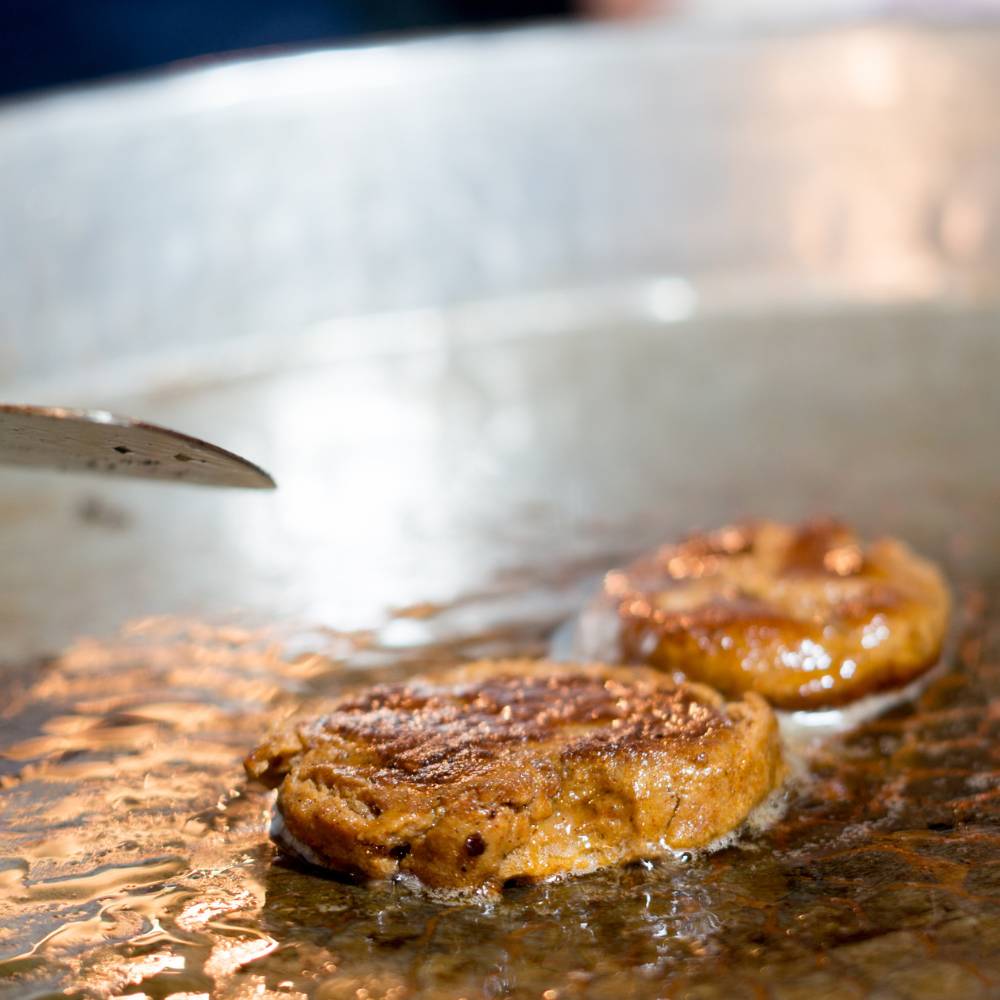
Lucknow, the capital of the Nawabs of Awadh in the 18th and 19th centuries, developed North India's most refined court cuisine. The Nawabs of Awadh were known above all for three things: elaborate manners, extraordinary architecture, and an obsessive devotion to food. The Awadhi tradition is defined by dum pukht cooking, a technique in which food is sealed in a vessel and cooked slowly in its own steam and fat at extremely low heat. The method produces meat of incomparable tenderness and concentrates aromatics in a way that fast cooking cannot achieve.
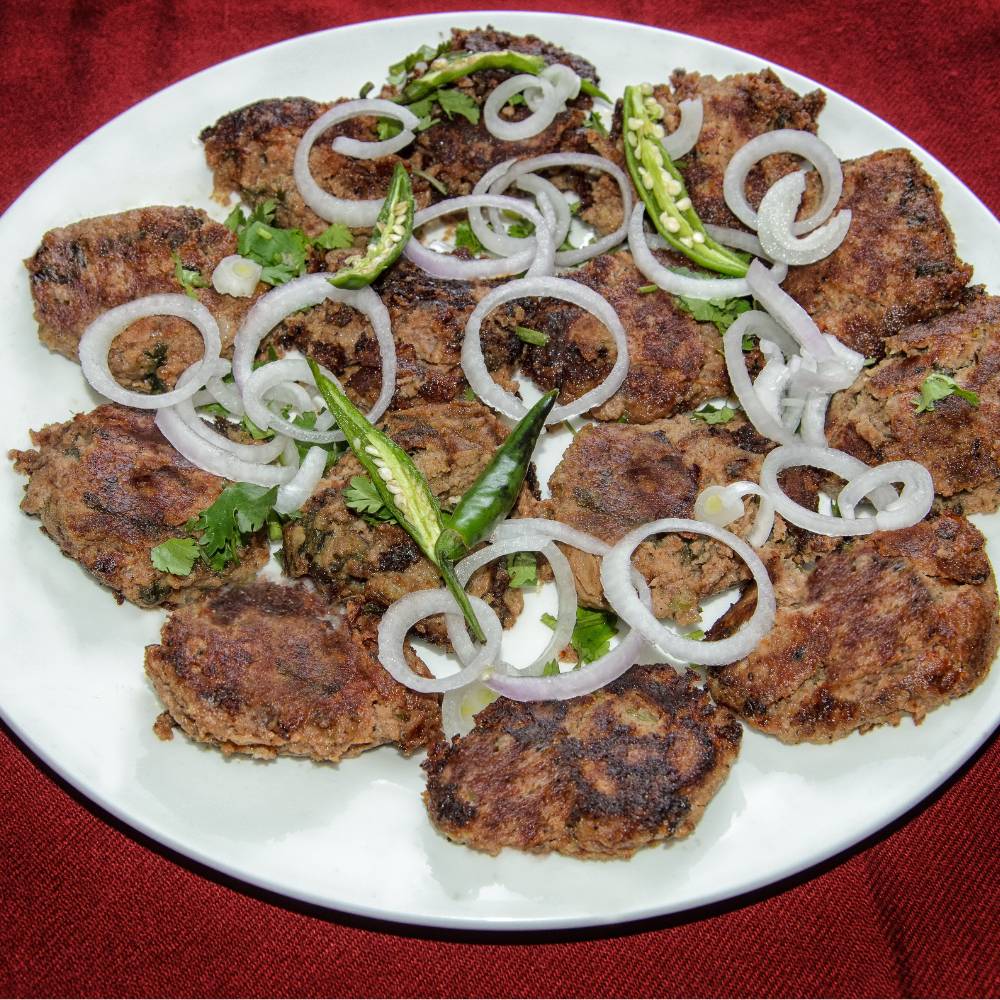
The galouti kebab, the defining dish of the tradition, was developed for an elderly Nawab who had lost his teeth: minced lamb is worked with over 100 spices and a small quantity of raw papaya (as a tenderiser) until it achieves the consistency of paste, then shaped into discs and cooked on a griddle. The result melts on the tongue without requiring any chewing. Tunday Kababi, an institution near Aminabad in the old city, has served its own version of this dish for over a century and remains a benchmark. Lucknow's roomali roti (paper-thin bread stretched over a wok and cooked in seconds), barra kebab, and kakori kebab complete the essential repertoire.
Lucknow's food culture is inseparable from its urban heritage. The old city around the Bara Imambara, the Rumi Darwaza, and the Chowk area contains the most historically intact food streets in Awadh. An evening walk through Chowk, with stops at kulfi and sheermal makers alongside kebab restaurants, is as close as India gets to an immersive royal food heritage experience at street level.
Luxury food experience in Lucknow
The Taj Mahal Hotel on Vipin Khand in Lucknow offers Awadhi tasting menus prepared by chefs trained in the dum pukht tradition. For a more intimate experience, several heritage haveli stays in the old city run private Awadhi dinners cooked by family chefs using recipes passed down within Nawabi households.
Planning a Luxury Culinary Journey Through India
A structured culinary circuit through India's five main food regions typically requires 14 to 18 days: 3 to 4 days in Delhi and Agra; 3 to 4 days in Rajasthan (Jaipur and Jodhpur); 2 days in Lucknow; 2 to 3 days in Hyderabad; and 4 to 5 days in Kerala. This itinerary is long but coherent, following a north-to-south route that mirrors the geographical and historical logic of each cuisine's development.
- Royal kitchen dinners: Available at Samode Palace (Rajasthan), Taj Falaknuma (Hyderabad), Taj Lake Palace (Udaipur), and Neemrana Fort Palace (Rajasthan); require advance booking of at least one to two weeks
- Spice plantation visits: Wayanad and Idukki in Kerala are the main spice-growing areas; most heritage properties and tour operators in the region offer half-day plantation tours with lunch
- Cooking classes: Available at heritage hotels in Fort Kochi, Jaipur, and Udaipur; structure varies from a single dish to a full thali preparation; morning classes followed by lunch are the standard format.
- Food walks: Most valuable in Old Delhi, Lucknow's Chowk, and Hyderabad's Charminar area; specialist operators, including Culinary Journeys India and Delhi Food Walks, run small-group guided tours.
Guests who wish to go beyond tasting India’s diverse cuisine, BoutIndia’s destination experts can include private cooking classes, local kitchen visits, spice market walks, and curated culinary experiences in your itinerary as per your wishes. Simply share your interests with our team, and Bout India will thoughtfully arrange these experiences to make your journey more personal, immersive, and memorable.