Packing for a trip to India can feel like an adventure in itself. The country's size and diversity mean you'll encounter everything from chilly mountain air in Himachal Pradesh to humid coastal breezes in Kerala. What you wear can make a big difference, not just to your comfort, but also to how you connect with people and places.
As someone who has traveled widely across India, I can tell you that dressing appropriately isn't about following strict rules. It's about understanding the rhythm of the culture, being respectful, and staying practical. This guide combines real travel experience with local insight to help you pack wisely, feel confident, and blend in wherever you go.
Understanding India's Climate and Regions
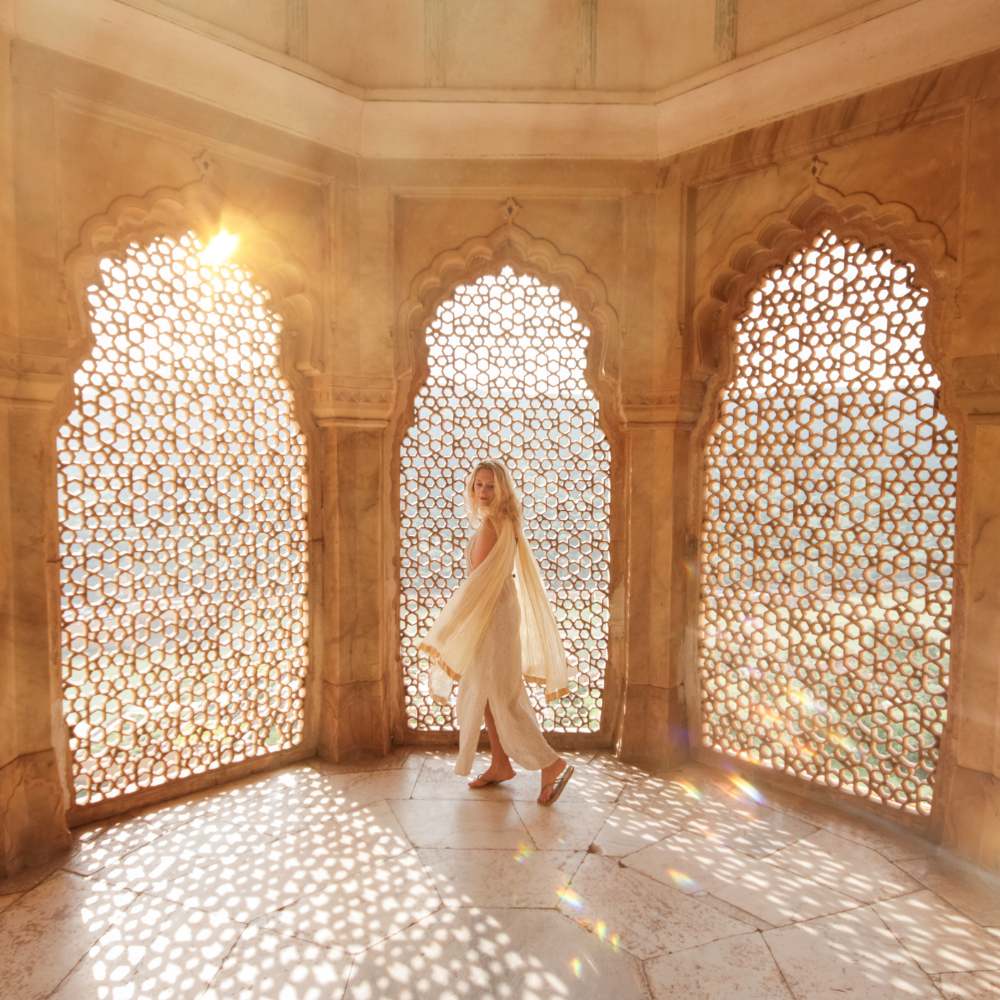
India's geography spans deserts, beaches, forests, and snow-covered peaks, so it helps to plan your wardrobe around the regions you'll visit.
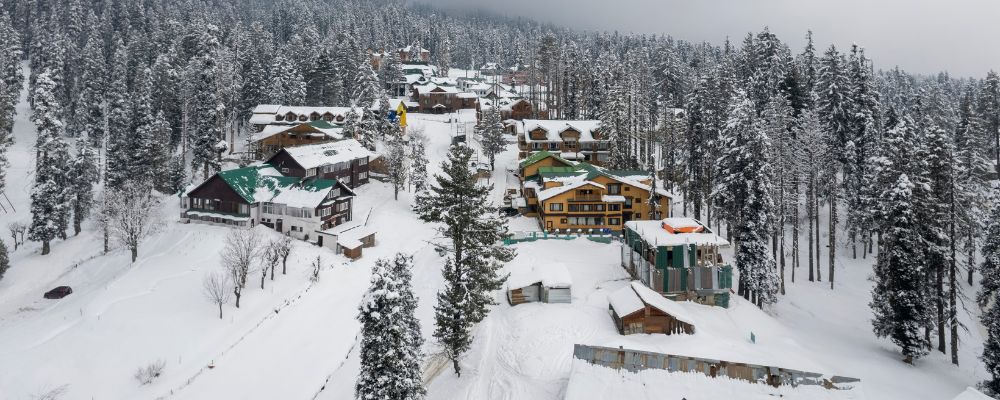
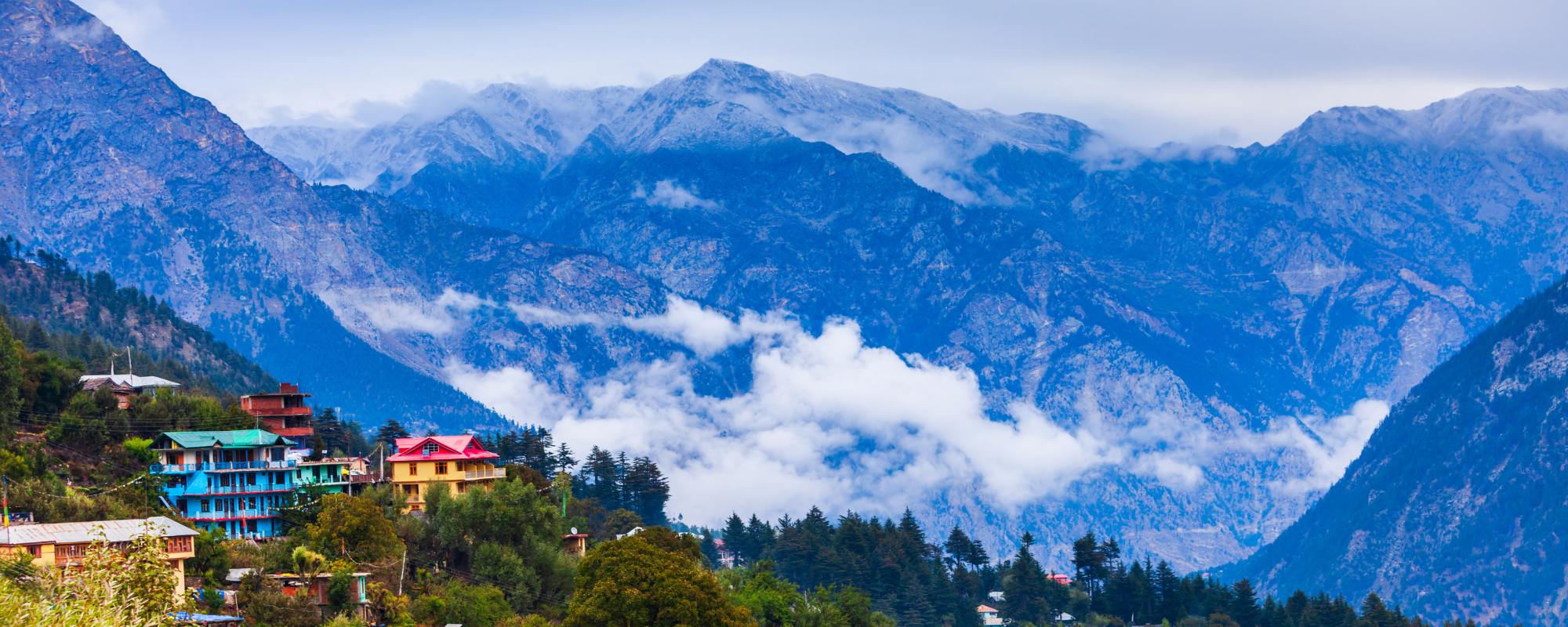
Northern India has extreme seasons. Summers are hot and dry, so light, loose cotton clothing is ideal. Winters can be surprisingly cold, especially in Delhi or Rajasthan, so bring a few warm layers, a jacket, and a scarf.
Southern India stays warm and humid all year. Choose airy cotton or linen clothes that allow your skin to breathe. Synthetic fabrics tend to trap heat and moisture, making them uncomfortable.
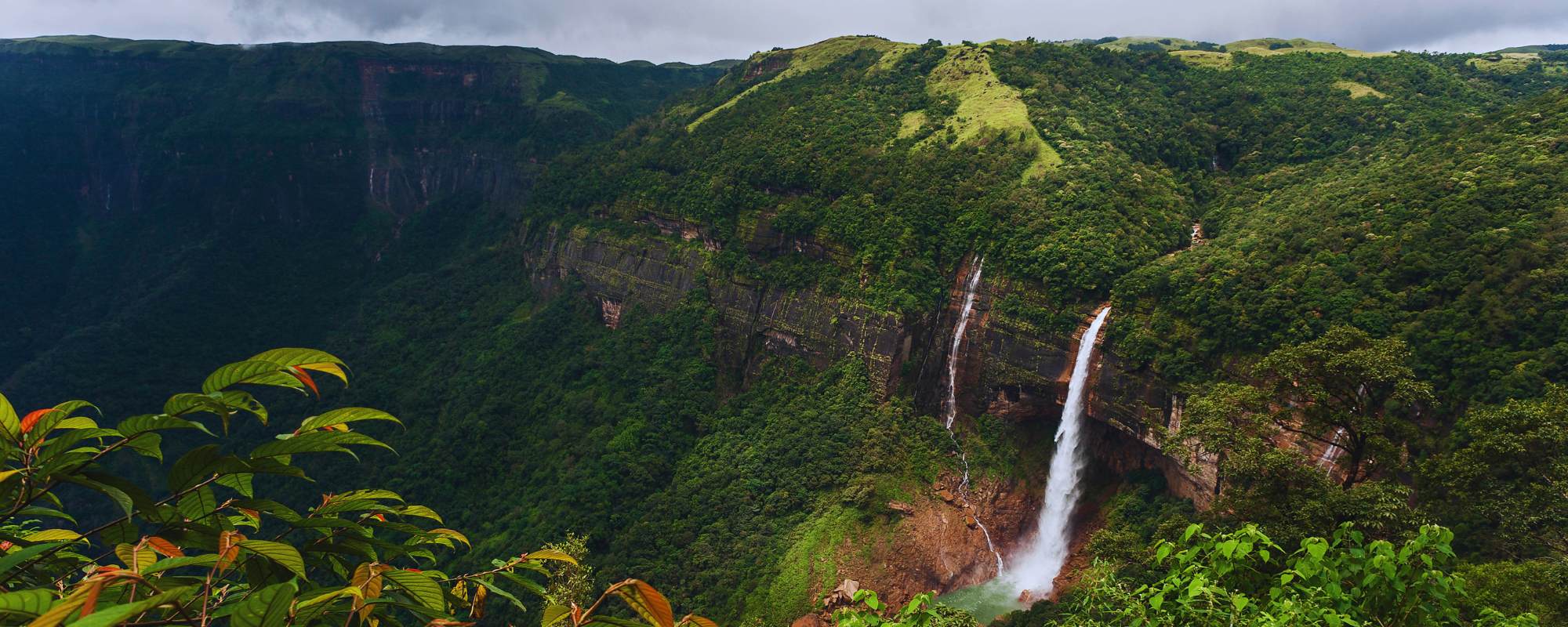
Eastern India, including Assam and Kolkata, experiences heavy monsoon rains. Pack quick-drying fabrics, a light rain jacket, and waterproof sandals.
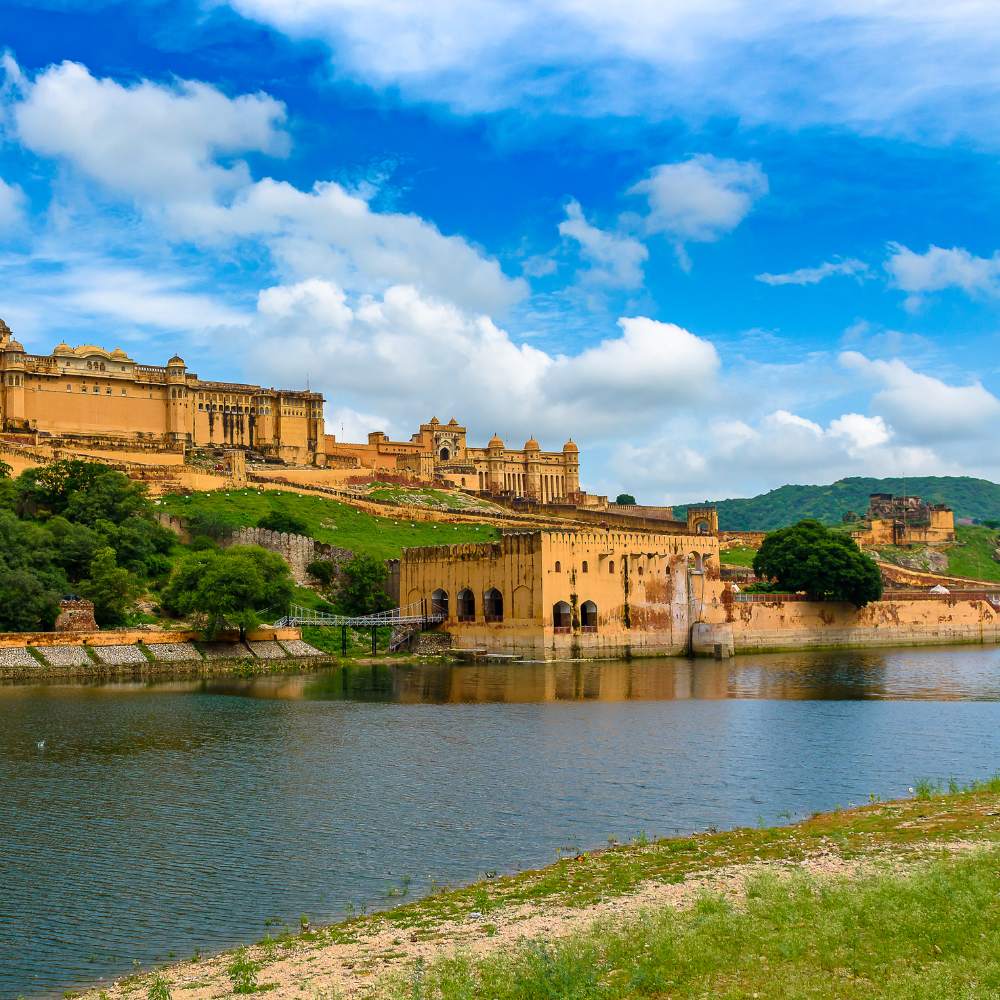
Western India is a mix of arid desert and coastal humidity. In Rajasthan, opt for loose cottons, hats, and sunglasses to handle the dry heat. Mumbai and Goa are more relaxed, but still appreciate modest clothing off the beach.
Cultural Sensitivity and Dress Etiquette
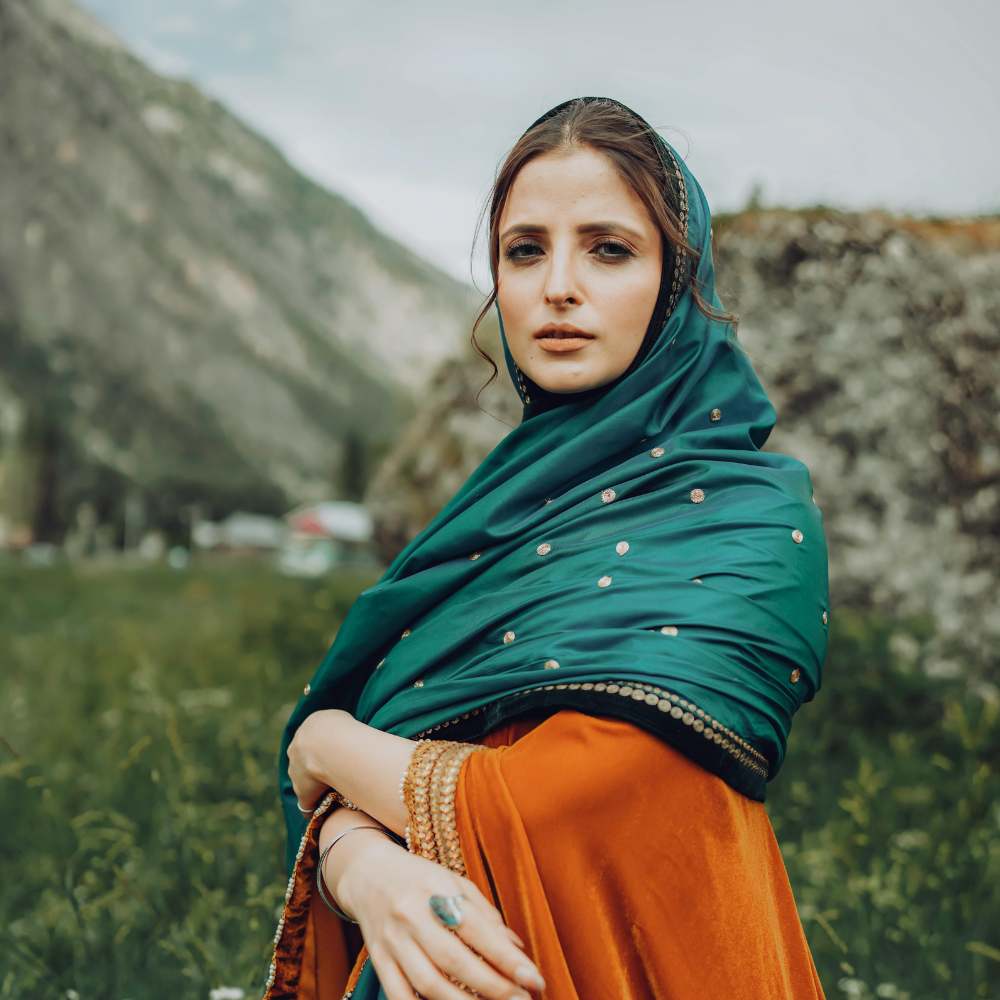
Modesty is deeply appreciated in India. Even in cosmopolitan cities, conservative dress is still the norm in many public spaces. Covering shoulders and knees shows respect and helps you avoid unwanted attention.
A few simple habits make a big difference:
- Carry a lightweight scarf or shawl. It can cover your head or shoulders in temples and protect you from the sun.
- Avoid tight, sheer, or revealing clothing, especially in rural or religious settings.
- Remove your shoes before entering temples, mosques, or homes.
- Avoid wearing clothes with religious symbols or political messages.
These small gestures reflect cultural awareness and help you engage more respectfully with locals.
Read Also: Chandni Chowk to Delhi: Best Places, and Travel Tips 2025
What Men Should Wear in India
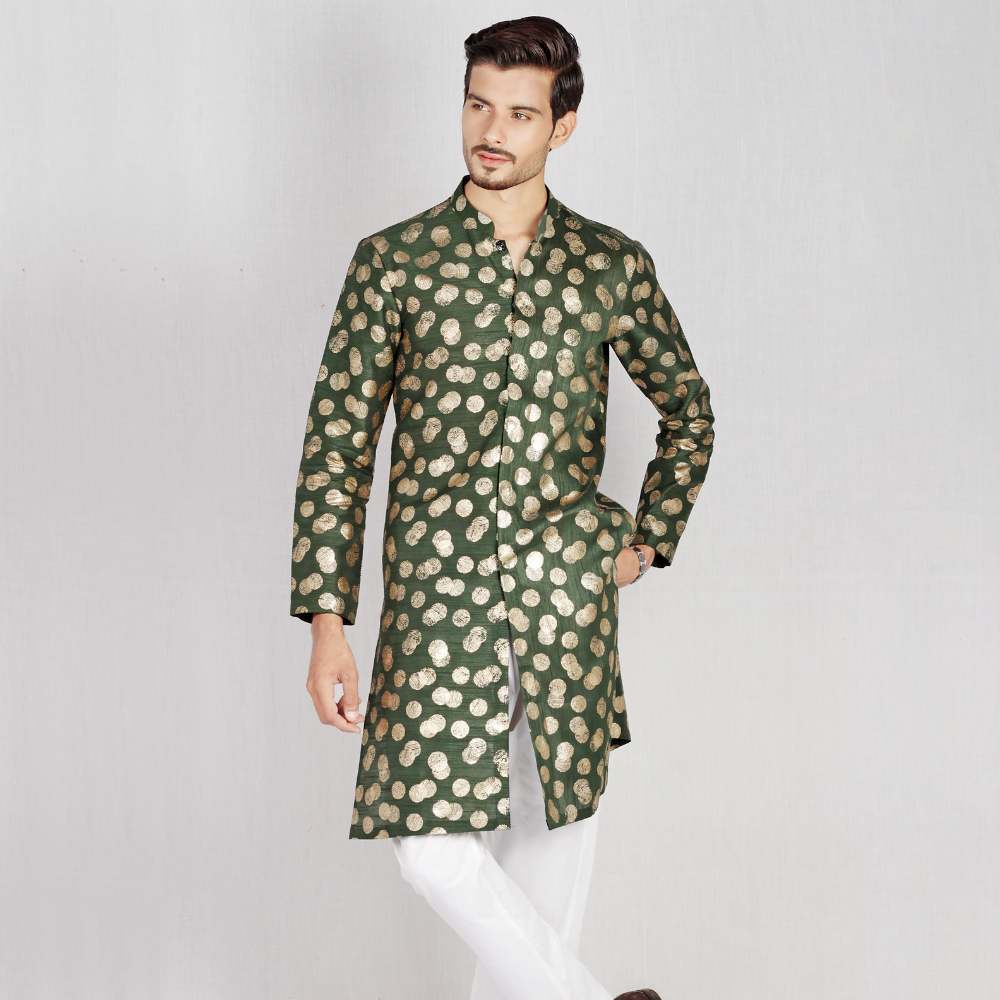
Men can dress comfortably in India without much adjustment. Lightweight trousers, chinos, or jeans paired with cotton shirts or polos work in most situations. Shorts are acceptable in tourist areas and on beaches, though they're less common in rural regions.
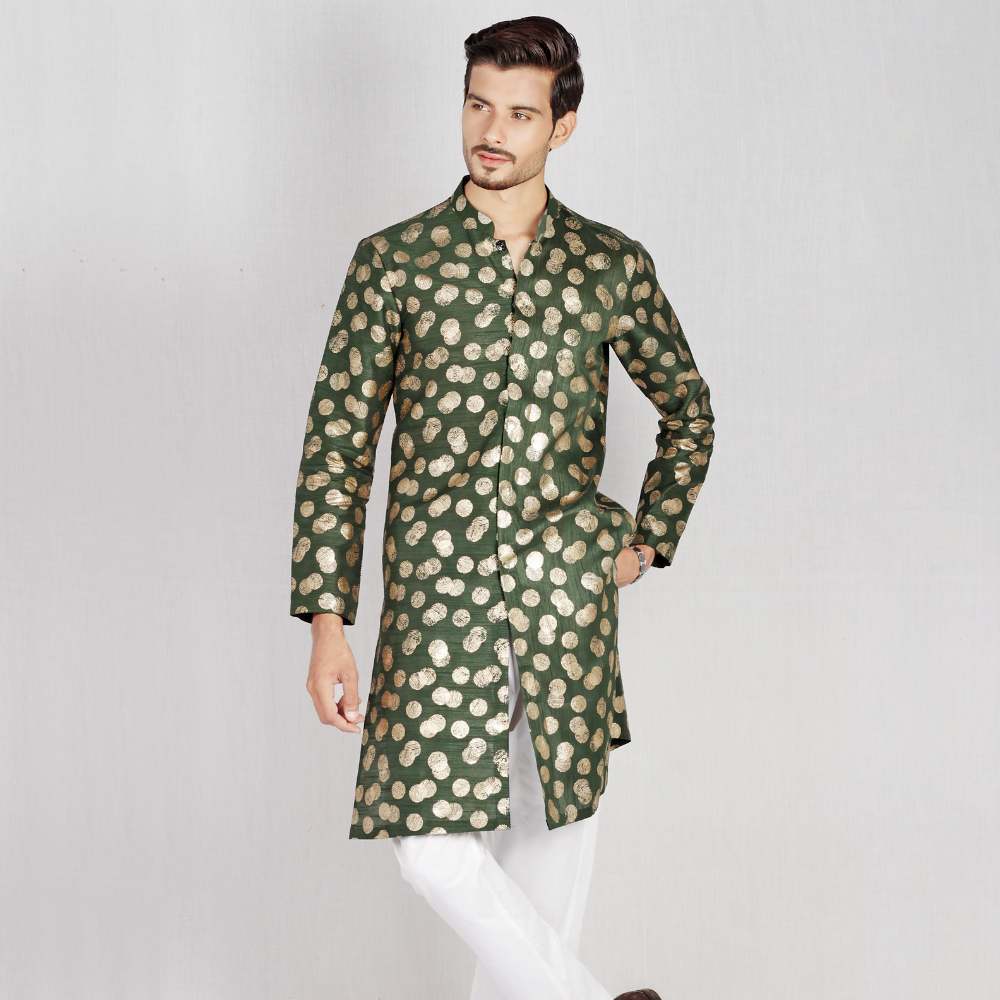
Traditional wear, such as a kurta-pajama, is also a great choice. It's comfortable in hot weather and suitable for cultural events or temple visits.
For footwear, choose sandals or slip-on shoes that are easy to remove when required. Heavy boots are unnecessary unless you're trekking.
What Women Should Wear in India
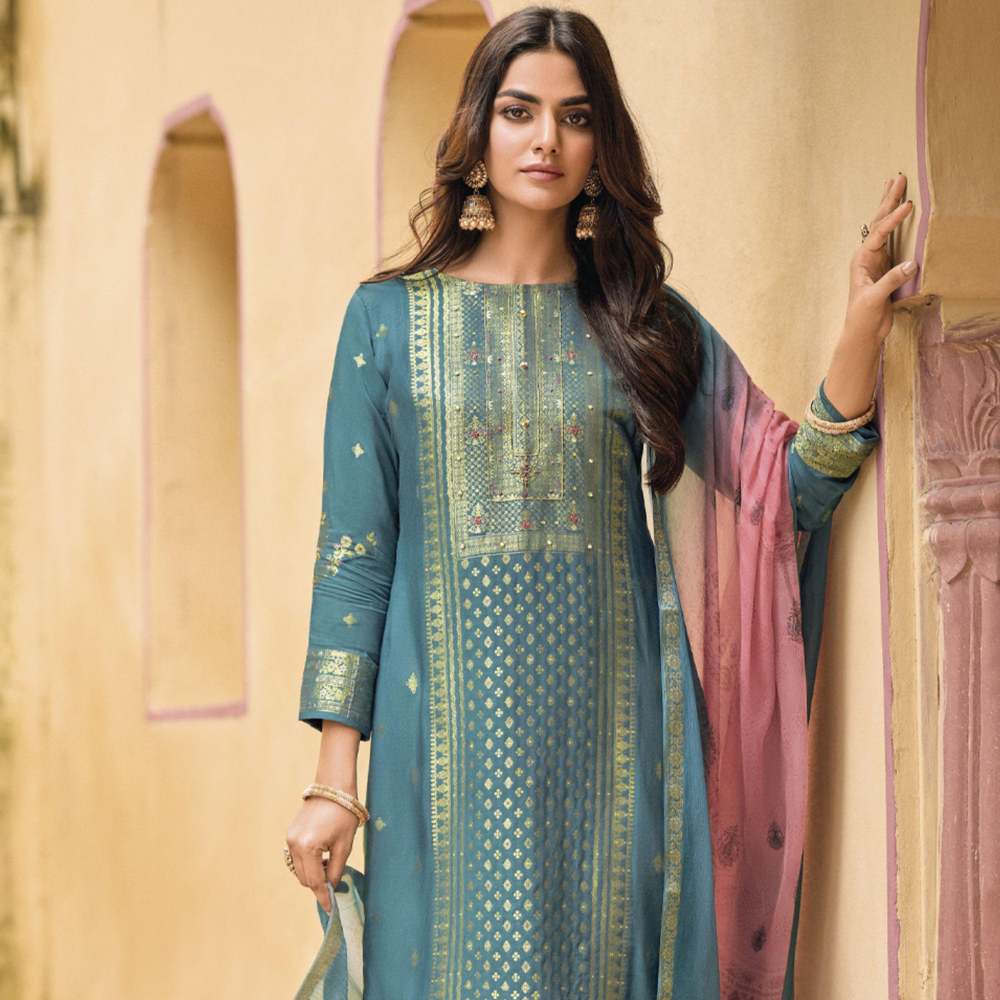
For women travelers, dressing in India is all about balancing comfort, practicality, and modesty. Loose-fitting clothes are best for both the heat and local expectations.
Comfortable options include:
- Loose trousers, palazzos, or long skirts paired with a tunic (kurti)
- Maxi dresses that cover the shoulders and knees
- Cotton or linen fabrics that dry quickly and keep you cool
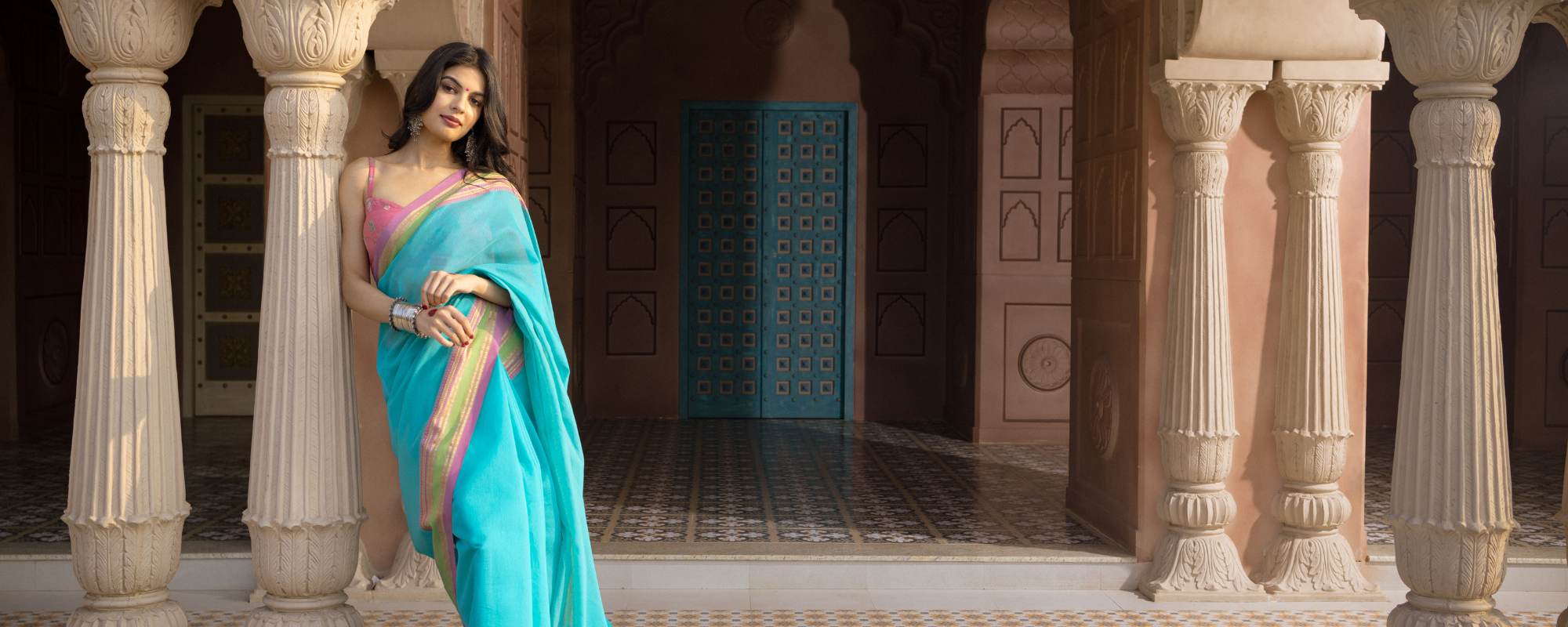
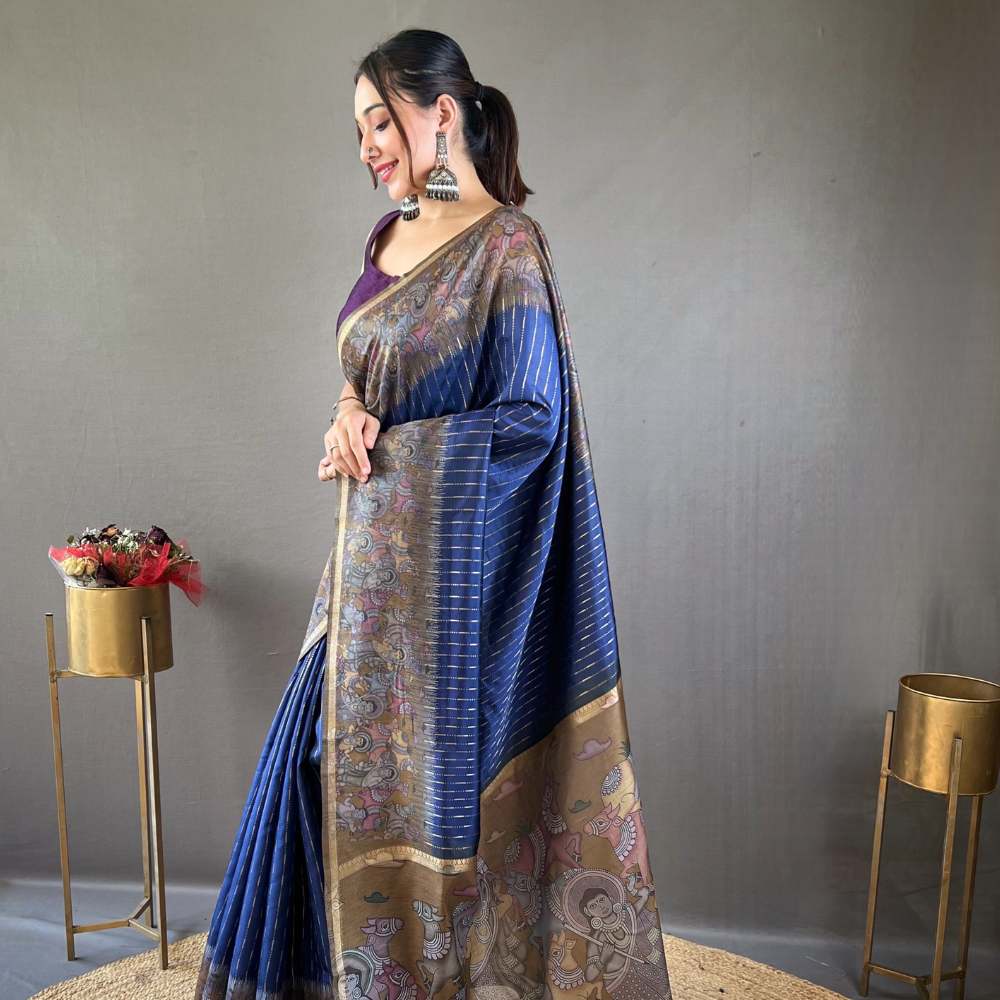
India is a wonderful place to experiment with traditional styles. The salwar kameez, a tunic worn with loose pants and a scarf (dupatta), is popular with locals and travelers alike. It's elegant, comfortable, and available everywhere. For weddings or festivals, a saree is a beautiful choice.
Footwear should be practical. Flat sandals, loafers, or sneakers work best on uneven roads and long walks. High heels are rarely useful for day-to-day exploring.
Read Also: Vibrant Seasonal Festivals of India – A Complete Guide
Dressing for Different Settings
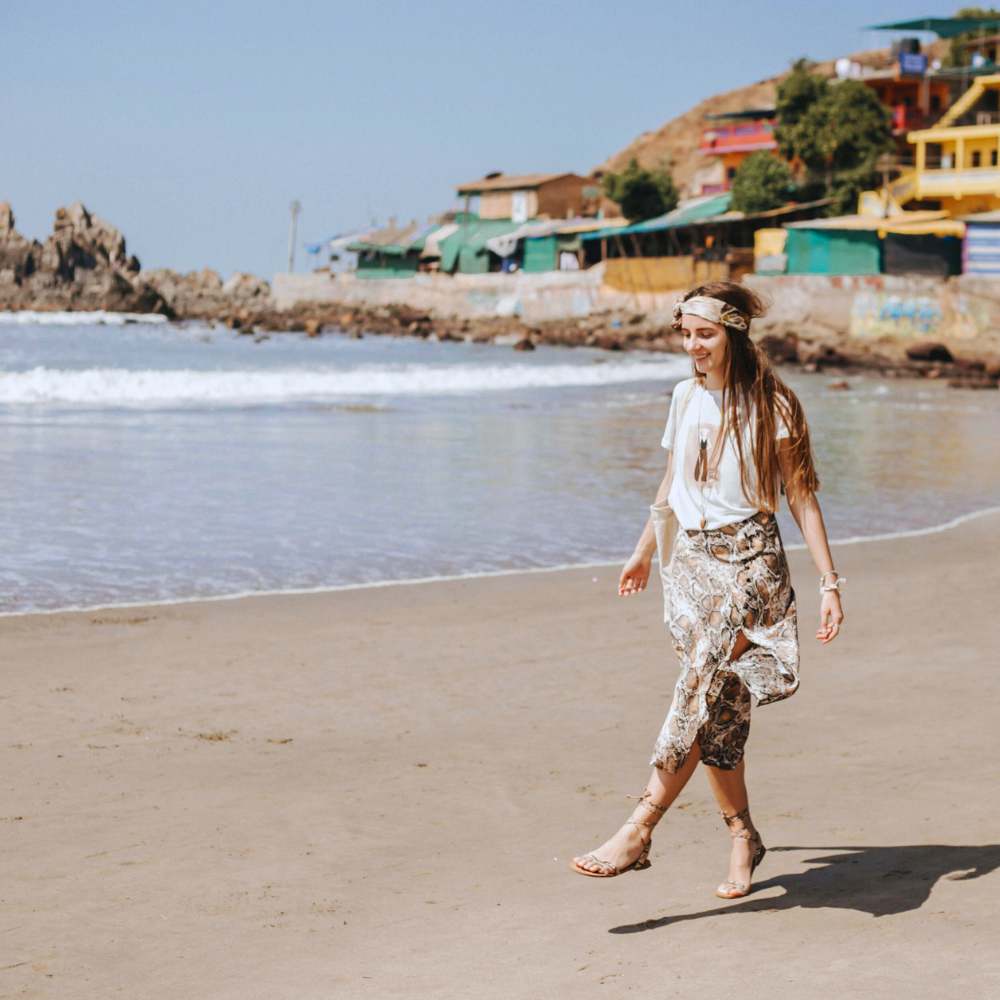
Different places in India call for slightly different dress codes.
- Religious Sites: Cover your arms and legs, remove shoes before entering, and bring a scarf for your head if needed. Avoid sleeveless tops or shorts for both men and women.
- Beaches: In Goa or the Andaman Islands, swimwear is acceptable on the beach. However, cover up with a sarong or light dress when leaving the sand.
- Cities vs. Villages: Urban areas like Mumbai, Bengaluru, and Delhi are used to Western styles, but in small towns or rural areas, modest, loose clothing is more appropriate.
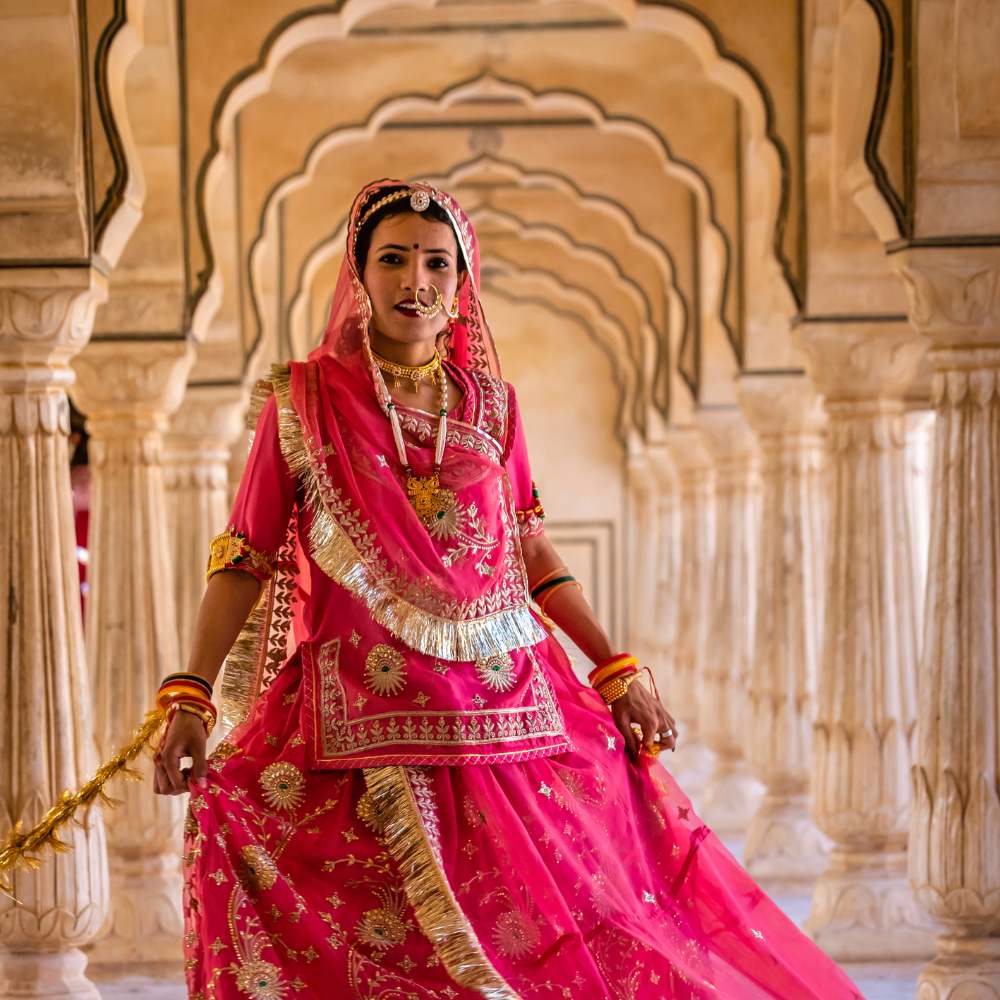
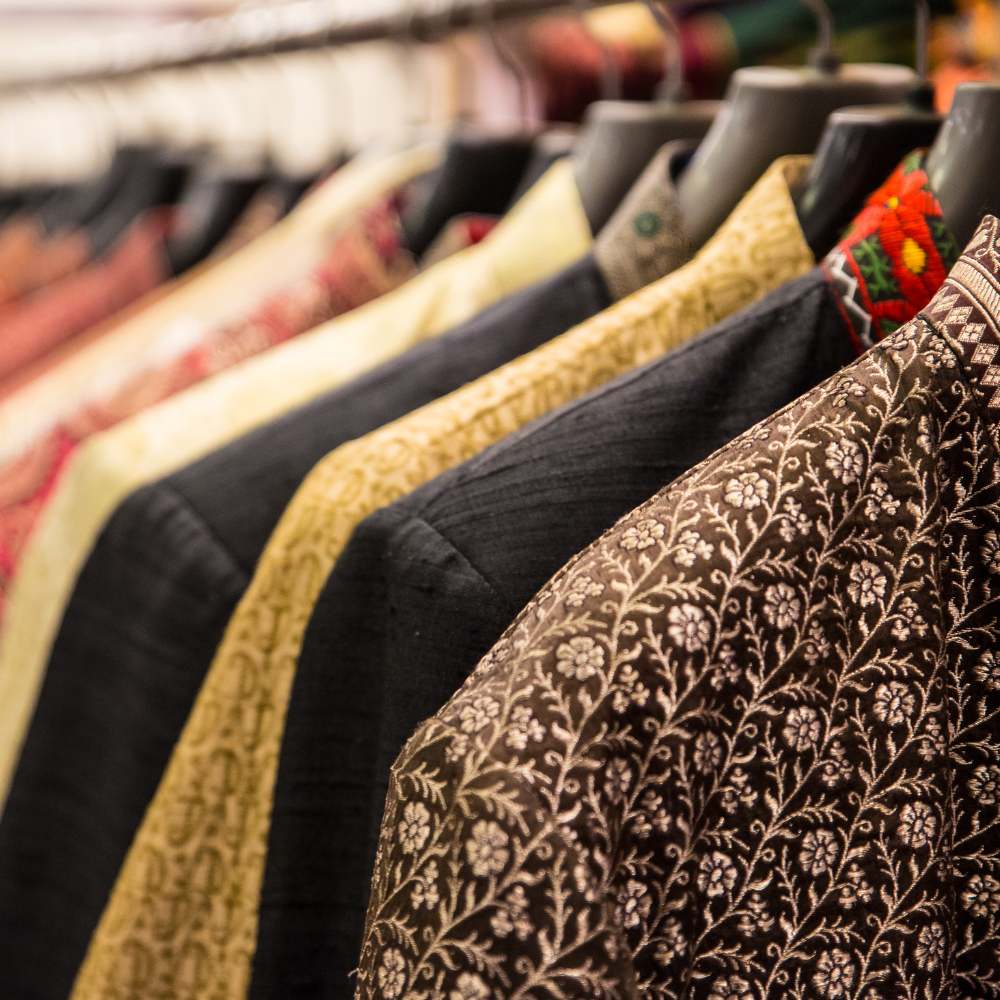
- Festivals and Weddings: These are colorful occasions where traditional clothing is encouraged. Men can wear a kurta or sherwani, while women often choose a saree or lehenga.
Tip: Avoid all-white or all-black outfits at weddings, as they're associated with mourning.
Seasonal Clothing Guide in India
India's weather changes dramatically throughout the year. Here's a quick reference:
Season Months Climate What to Pack
- Summer March – June Hot and dry-Light cottons, hats, sunglasses, sandals
- Monsoon July – September - Humid and rainy - Quick-dry fabrics, umbrella, waterproof shoes
- Winter, October – February: Cool to cold. Layers, light jackets, scarves
The Ultimate Packing List for your India Tour
Packing for India is about versatility, not volume. Choose clothes you can mix, match, and wash easily.
Consider including:
- A large scarf or shawl for sun, modesty, or warmth
- Quick-dry clothing for convenience
- A hat, sunglasses, and sunscreen for strong sunlight
- A compact umbrella or poncho for monsoon travel
- A crossbody bag or daypack for security and comfort
Opt for breathable, easy-care fabrics; cotton and linen will keep you comfortable in almost every region.
Clothes shopping for a first-time visitor in India:
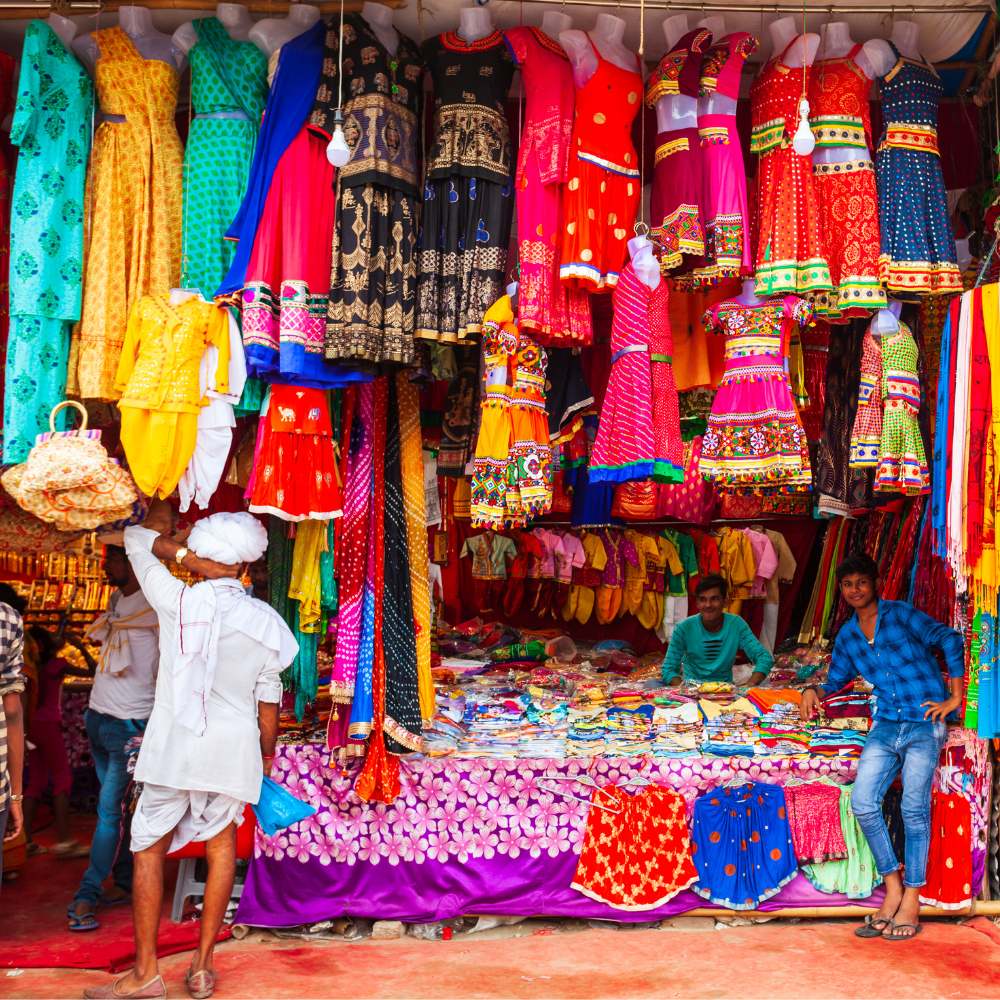
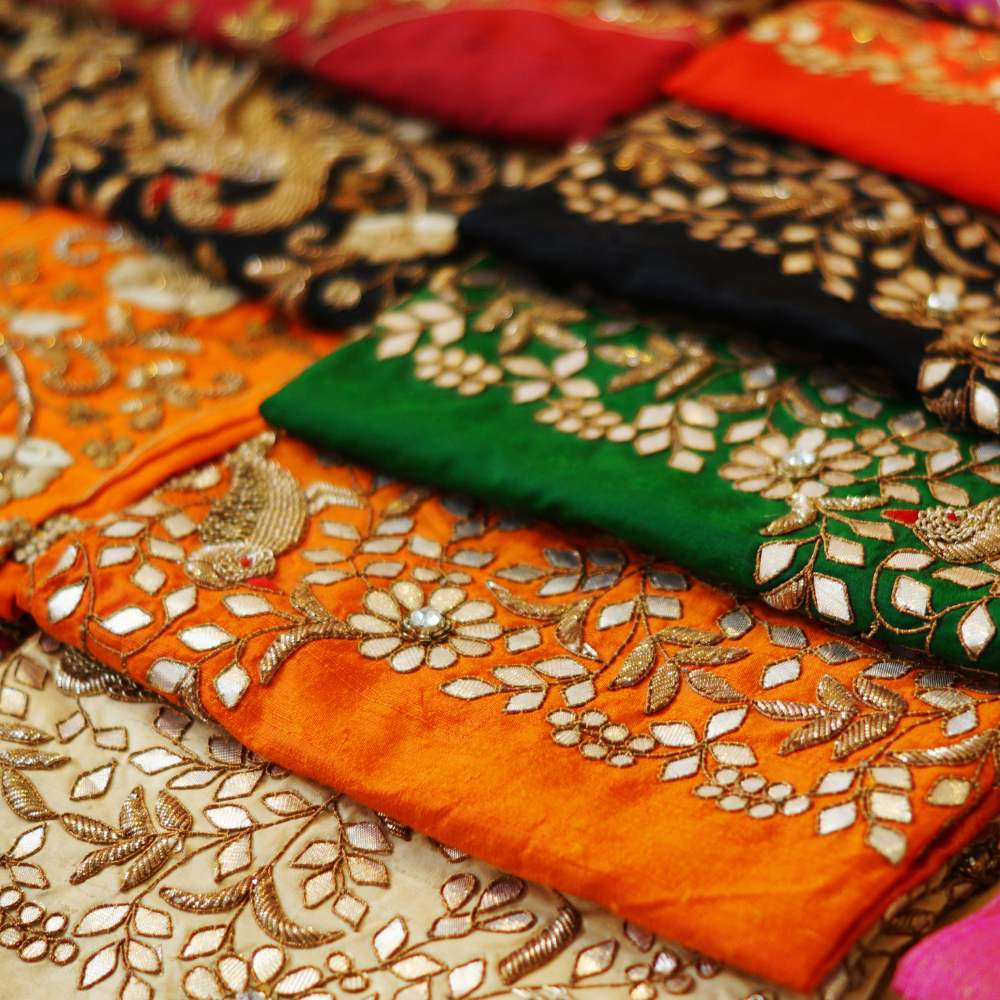
Buying clothes in India is part of the fun. Local markets and boutiques offer everything from vibrant traditional wear to modern, bohemian fashion.
- Delhi: Sarojini Nagar and Dilli Haat are great for affordable kurtas and handmade crafts.
- Jaipur: Famous for its colorful block prints and traditional textiles.
- Mumbai: Colaba Causeway and Bandra markets have trendy, beach-friendly styles.
Tailor-made clothing is another excellent option. Local tailors can custom-make outfits in just a day or two at reasonable prices. For sustainable fashion lovers, look for shops that promote fair-trade textiles and local artisans.
Cultural and Practical Considerations
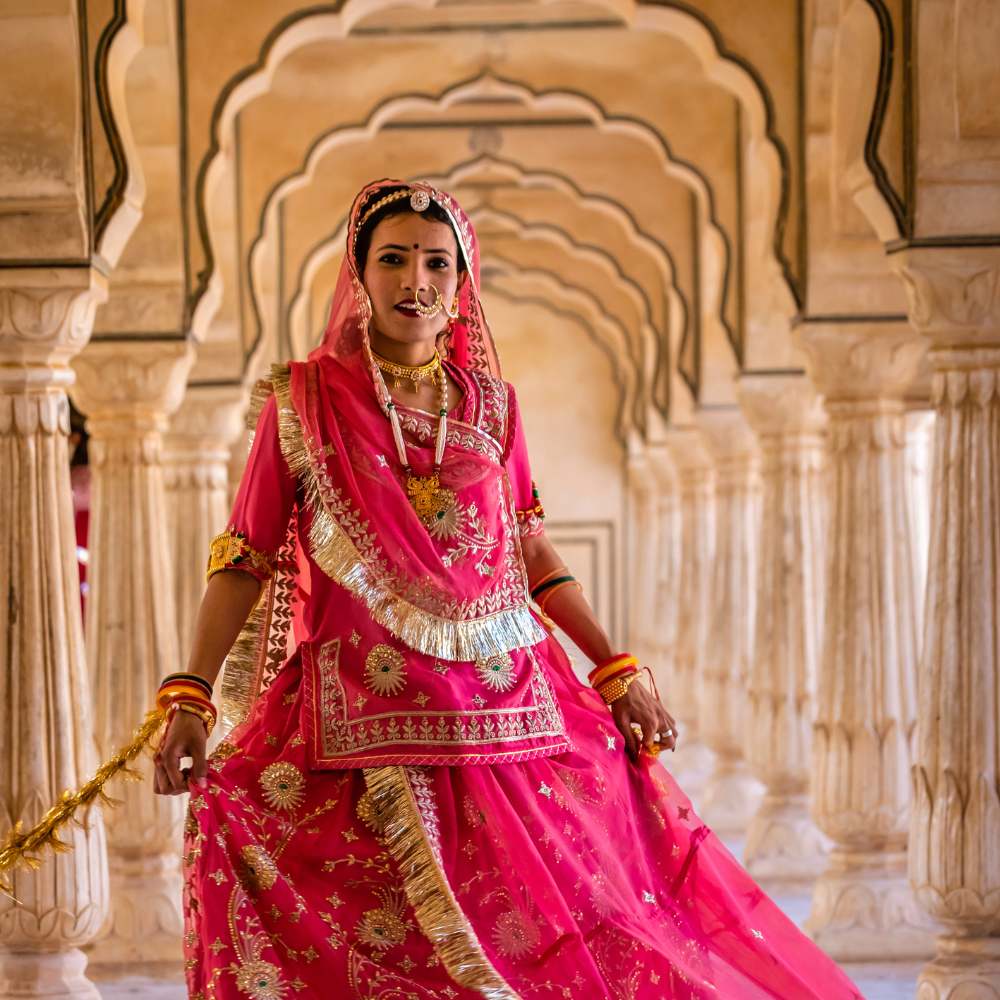
In India, small gestures of respect go a long way. Removing your shoes before entering homes or temples, greeting people politely, and dressing modestly all reflect cultural awareness.
When unsure what's appropriate, observe how locals dress and follow suit. Bright colors are always a good choice; they're cheerful, practical for the climate, and reflect India's vibrant culture. Avoid public displays of affection in conservative areas, as these can be considered disrespectful.
Dressing modestly is not a restriction; it's a way to blend in, stay comfortable, and experience genuine hospitality from locals.
Conclusion
Dressing appropriately in India is about more than staying cool or looking stylish. It's about showing respect for local customs, protecting yourself from the climate, and feeling confident in every setting. By combining breathable fabrics, practical footwear, and a touch of cultural understanding, you'll be ready for anything, from temple visits to beach sunsets.
India is a land of color, texture, and warmth. When you dress thoughtfully, you don't just fit in, you become part of that vibrant story.