Planning a trip to India around Diwali? Here is what visitors from abroad might expect, plus where to go, what to arrange, and how to get the most out of the Festival of Lights.
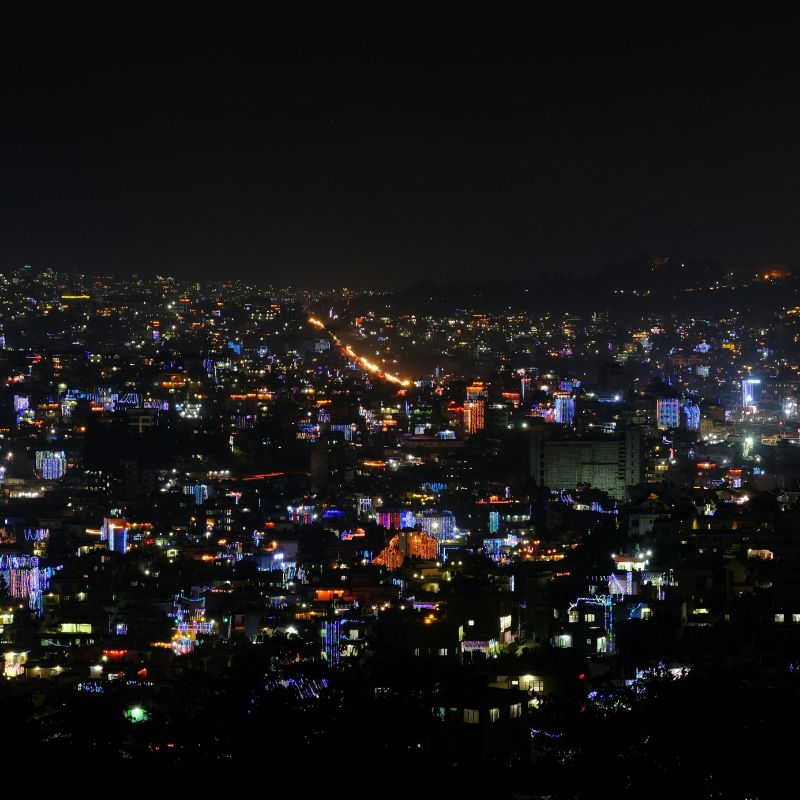
Diwali is one of the best chances to see India at its most vivid. Lights appear on homes, temples, palaces, bazaars, and busy roads. The whole country feels warm and active during this time.
For travellers coming from other countries, Diwali can be a strong cultural moment. Cities look brighter. Street markets feel busier. Many homes light diyas and add rangoli designs. Families also gather for prayers, shared meals, and gift-giving.
It really comes down to what you care about most. If you want to join a big festival and catch the feel of daily local life, this season may suit you. If you want calm days and steady routines, plan ahead and be ready to wait a bit before you get there.
The Indian Ministry of Tourism notes that Diwali in 2026 is on Sunday, November 8.
That said, the trip comes with a few downsides. Well-known sites can turn very crowded. Hotels and guest rooms can book up fast. You will likely need extra time for getting around. Some shops and services may follow holiday hours.
What Makes Diwali Special for International Travellers?
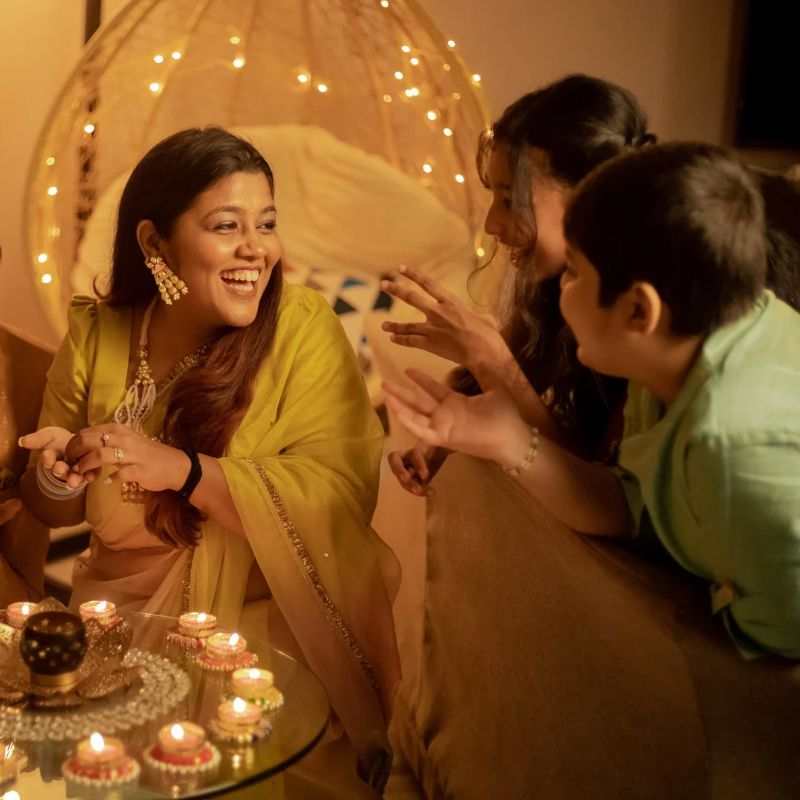
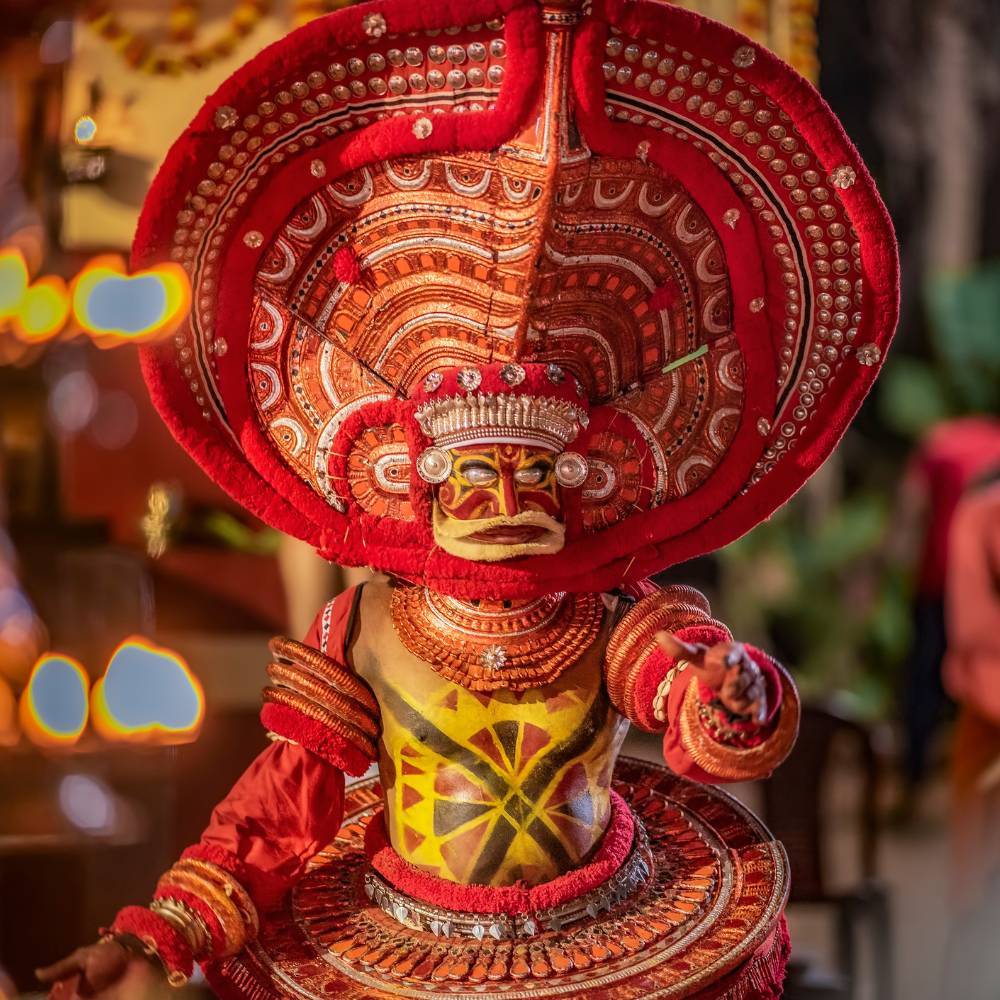
Diwali, also called Deepavali, is widely known as the Festival of Lights. It is celebrated across India. Still, what people do can look very different depending on the place.
Many people connect the day to a simple theme. Light is meant to win over darkness. Good is meant to stand against evil. In parts of North India, the story often points to Lord Rama and his return to Ayodhya after years away. Other areas focus on their own versions of the festival and key local tales.
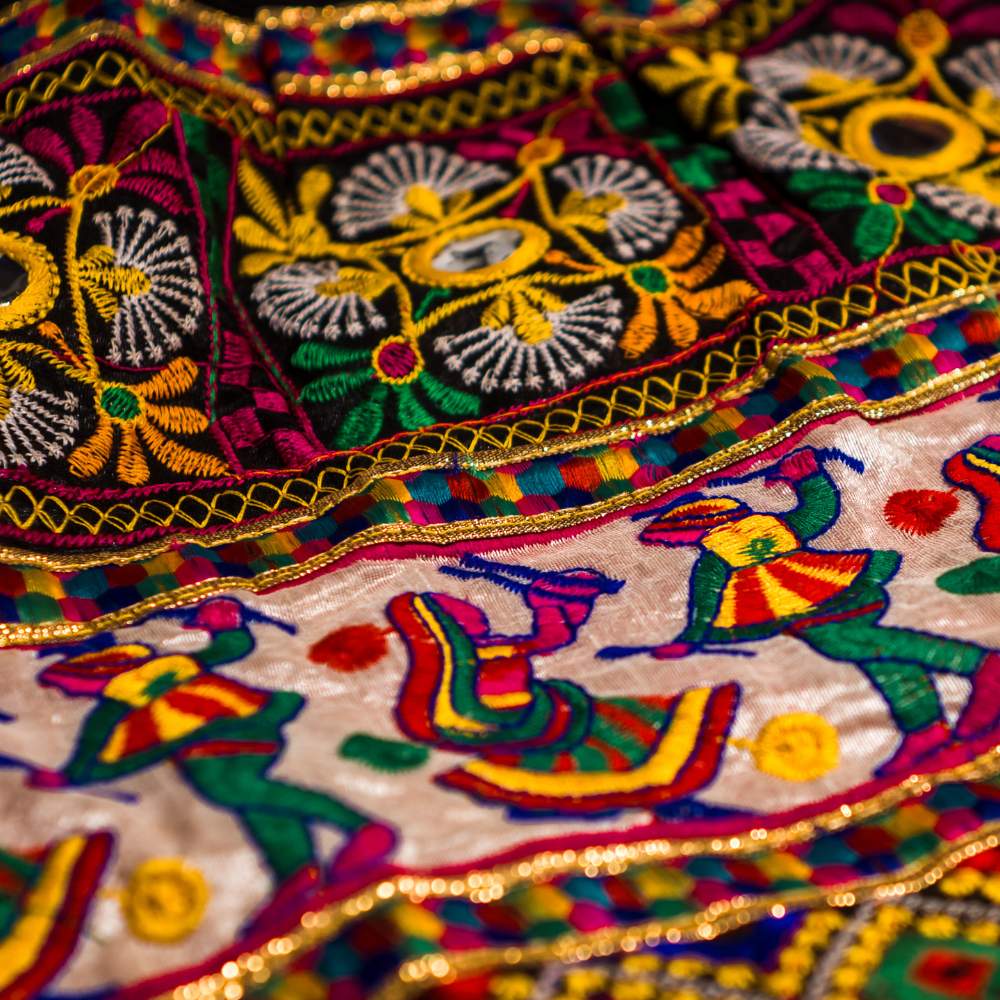
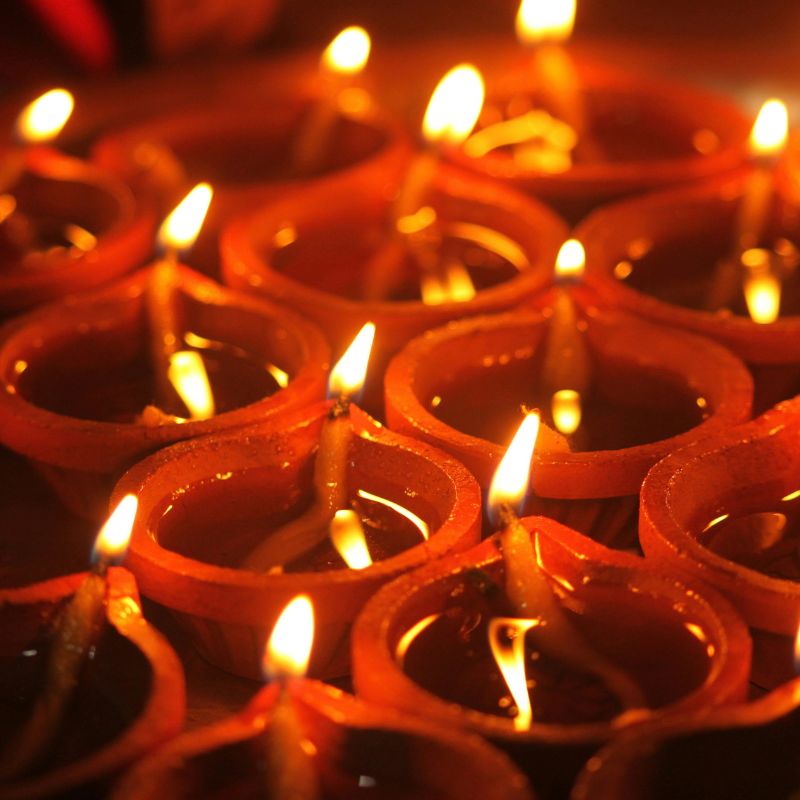
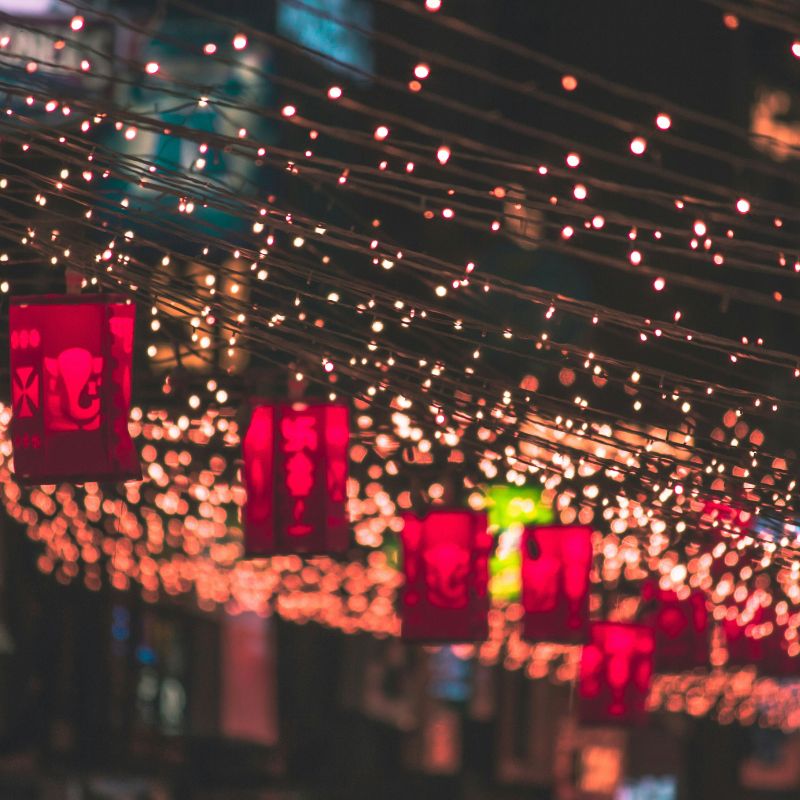
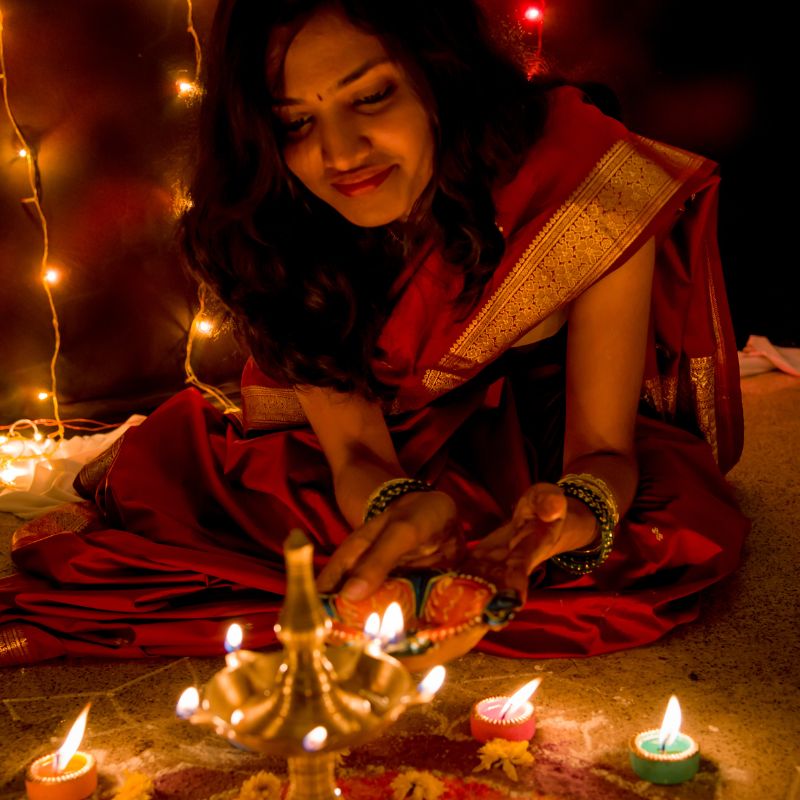
Visitors often remember one thing first. Everyday life seems to shift during this time. Shops glow with lights and colours. People draw rangoli outside their homes. Clay lamps, called diyas, show up on steps, balconies, and near doorways. You may also see temples dressed up with decorations. Families share sweets. Streets feel busier and brighter than usual.
India’s tourism website describes Diwali as a five-day festival. It lists several places to visit, including Ayodhya, Varanasi, Jaipur, Mysuru, and Amritsar. Each place is noted for its own way of marking the festival.
So Diwali can start to feel like more than one celebration. It becomes a chance to see India's regional variety, all through the same festival.
Where Should You Go for Diwali in India?
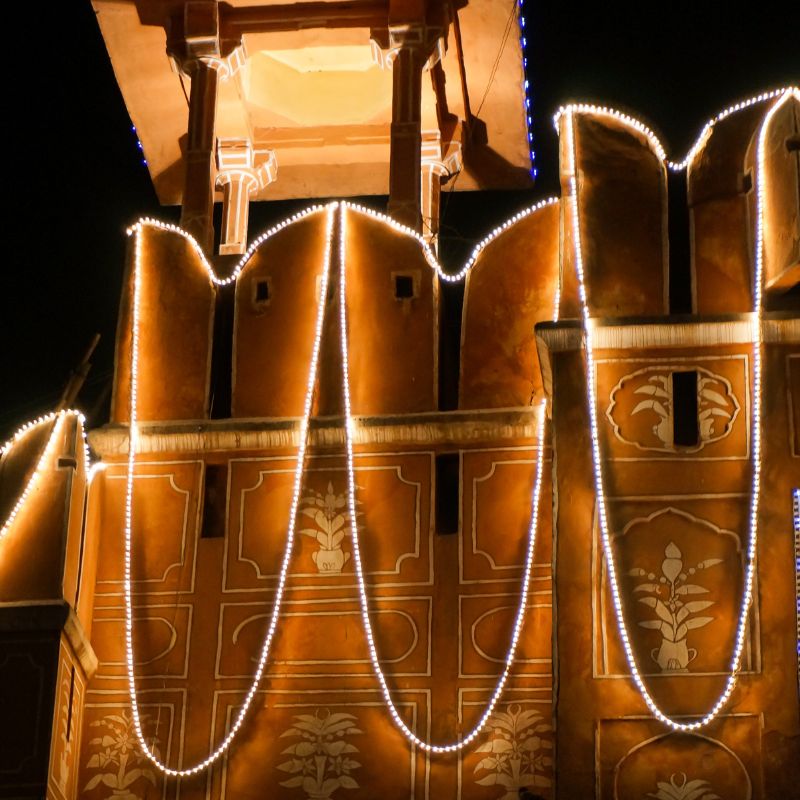
There is no single "best" place to experience Diwali. The atmosphere changes from city to city.
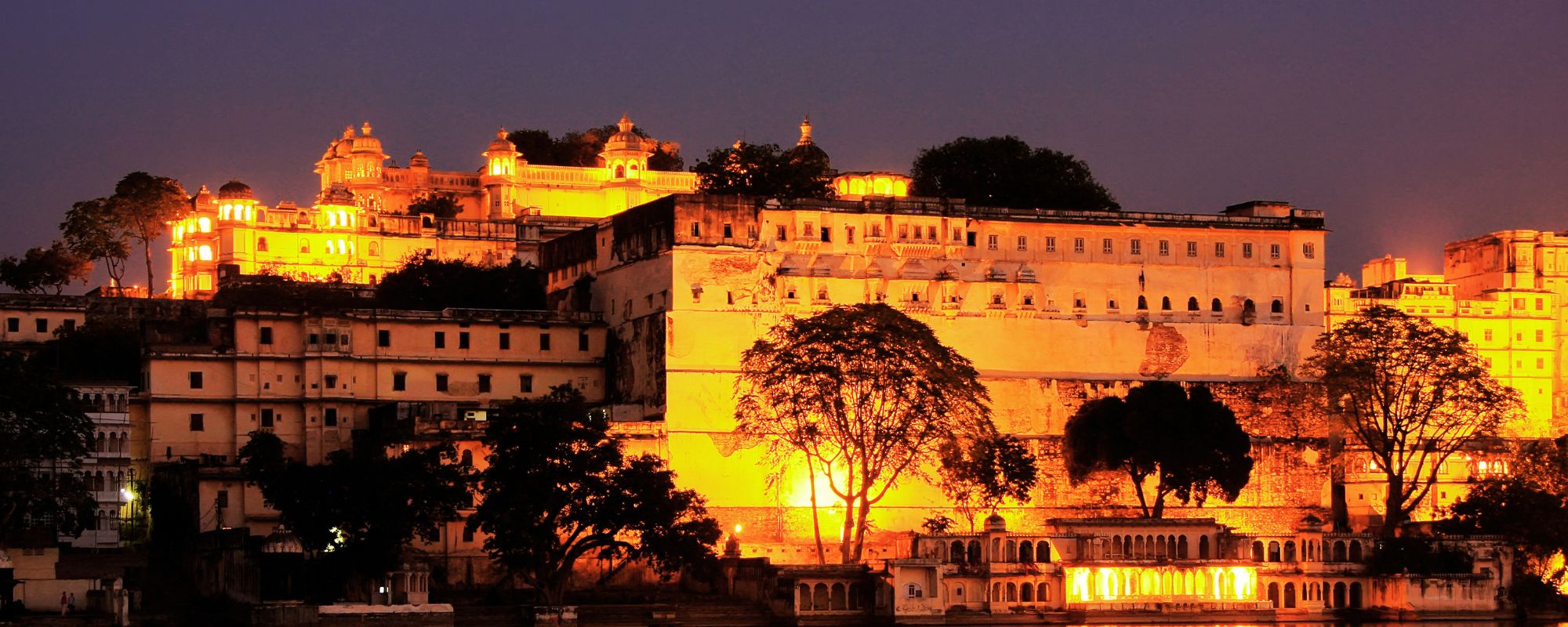
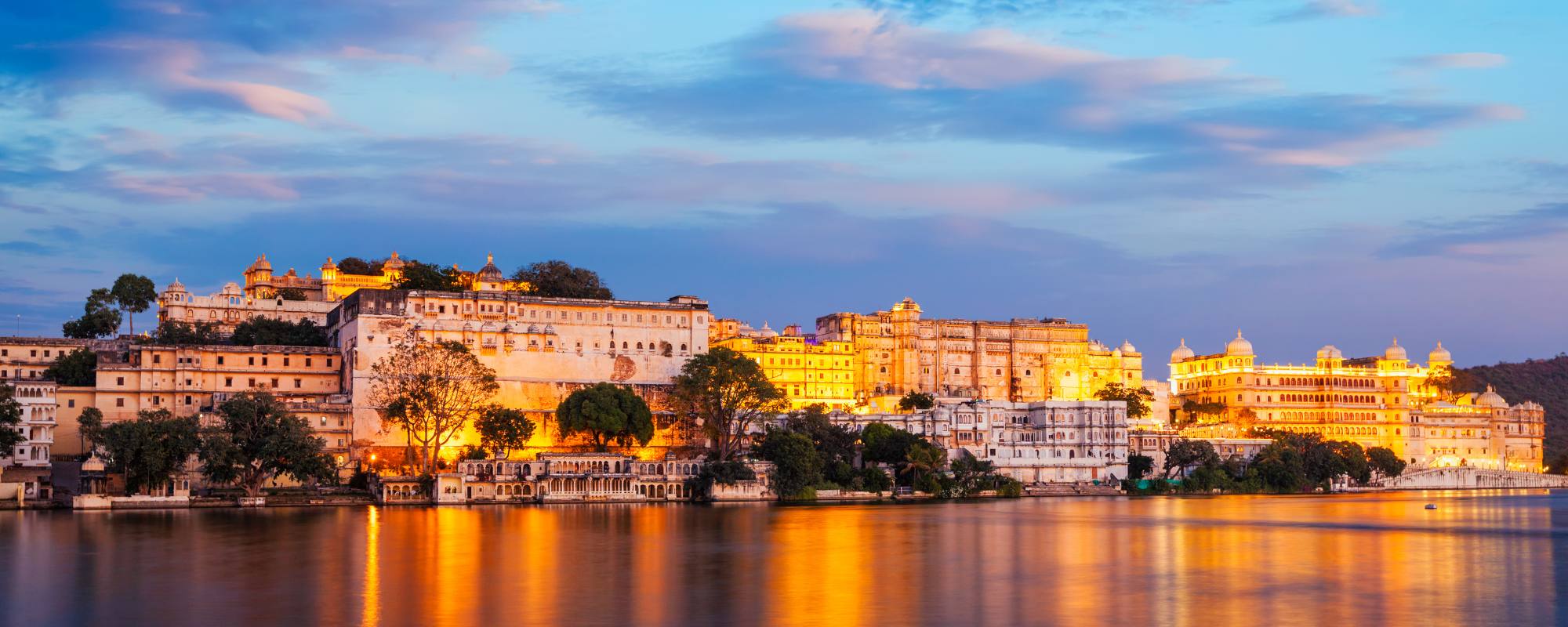
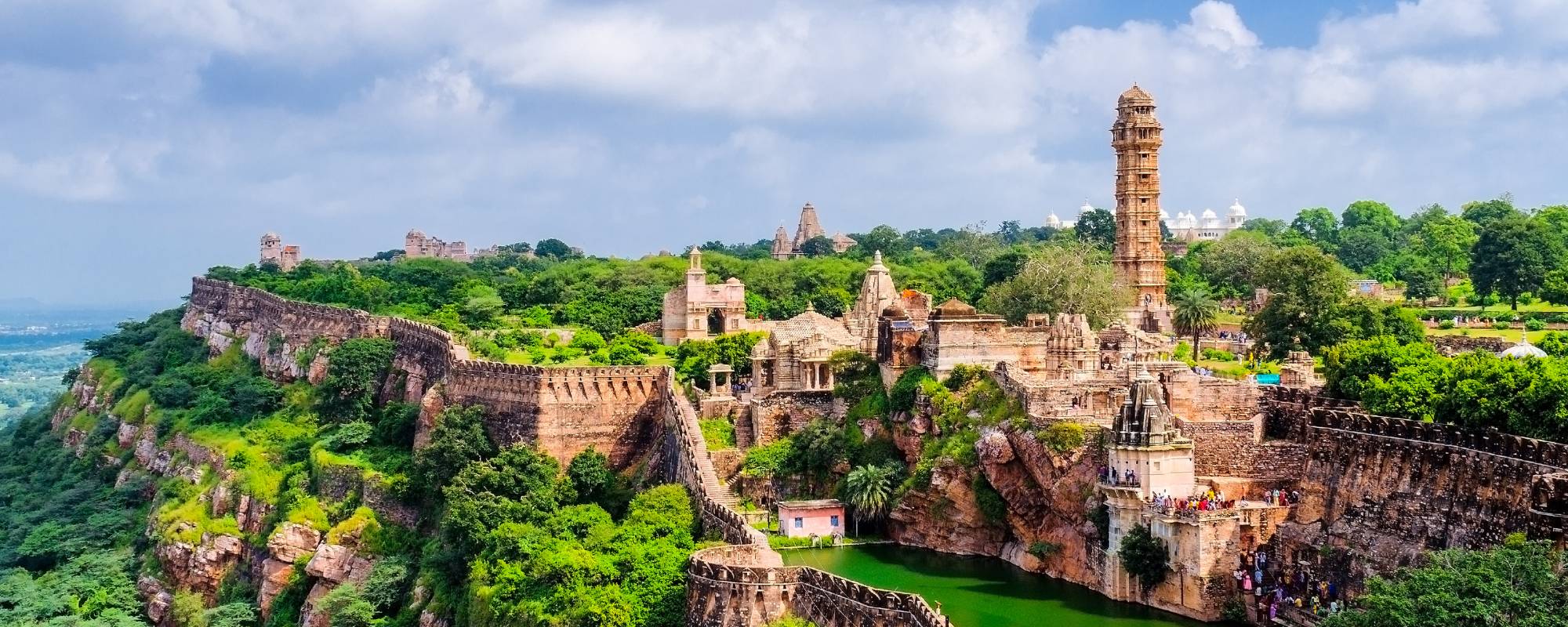
Jaipur and Rajasthan
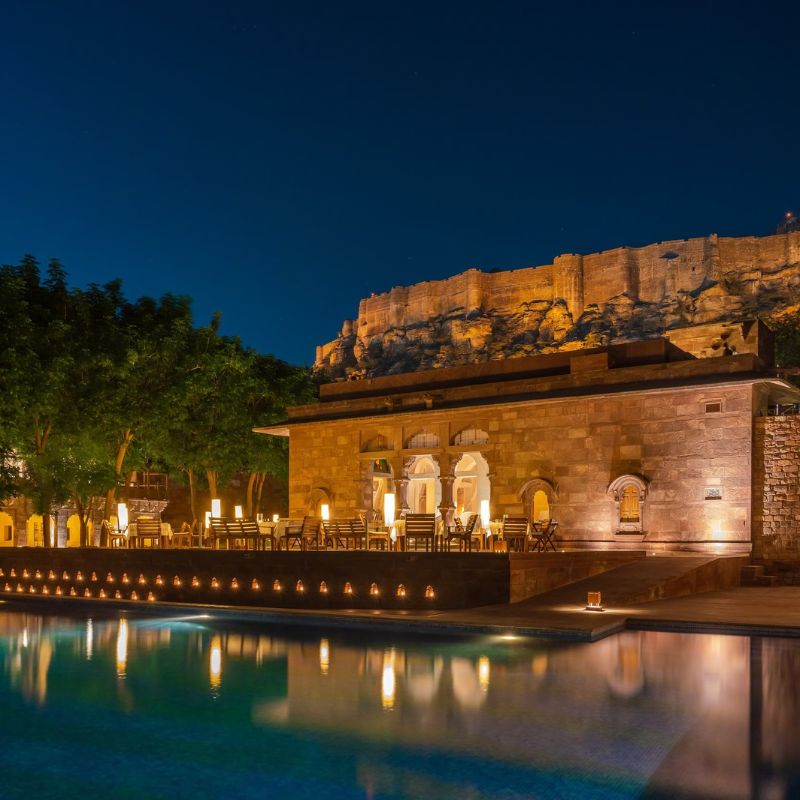
Coming from another country, you might find Rajasthan feels different during Diwali, especially if you like old places.
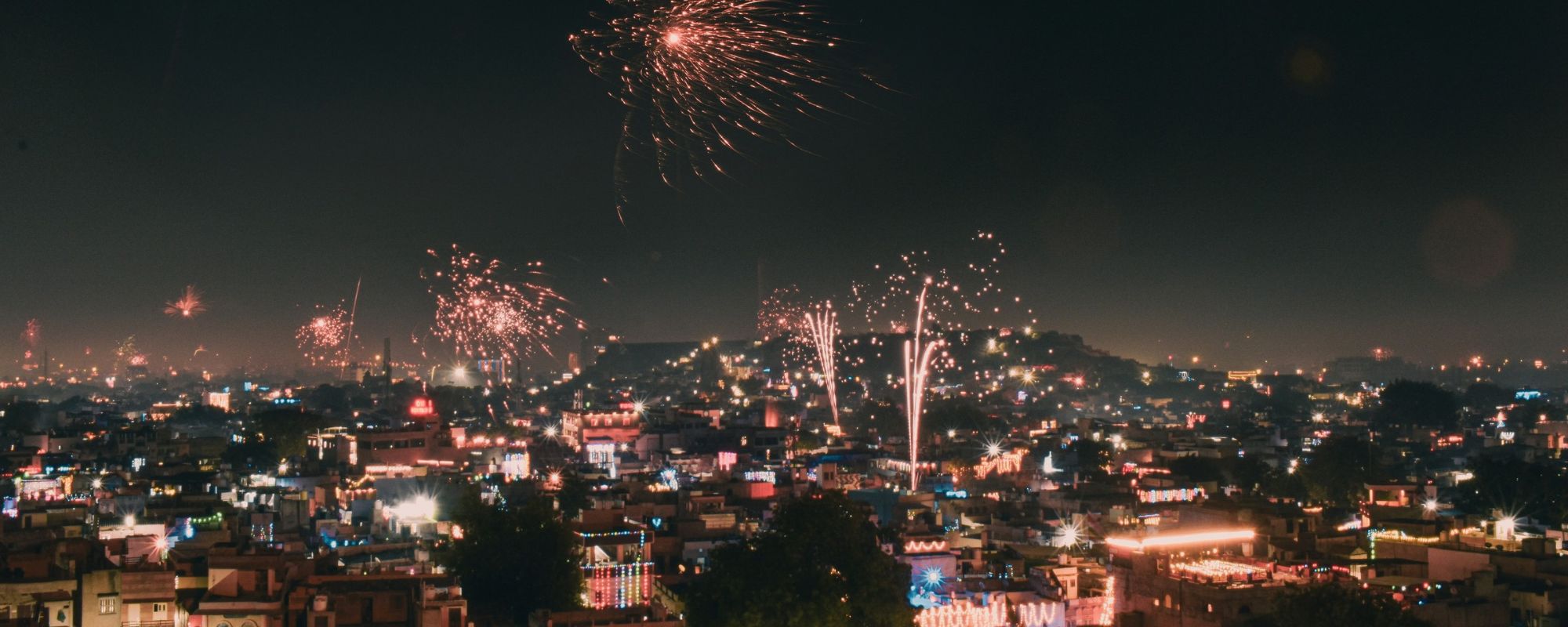
On that night in Jaipur, the small lanes feel packed, and the markets seem to glow with motion.
You walk past palaces and havelis, and from time to time you spot nearby temples too.
It is a good setup for photos, and it also suits a calm walk at night.
Rajasthan is also particularly convenient to combine with a classic India itinerary. Bout India's Rajasthan destination guide covers Jaipur, Jodhpur, Udaipur, Jaisalmer, Ranthambore, Pushkar, and other destinations across the state.
Official tourism information for Rajasthan also states that October to March is usually the state's most popular travel period, so the Diwali timeframe falls within a well-known sightseeing season.
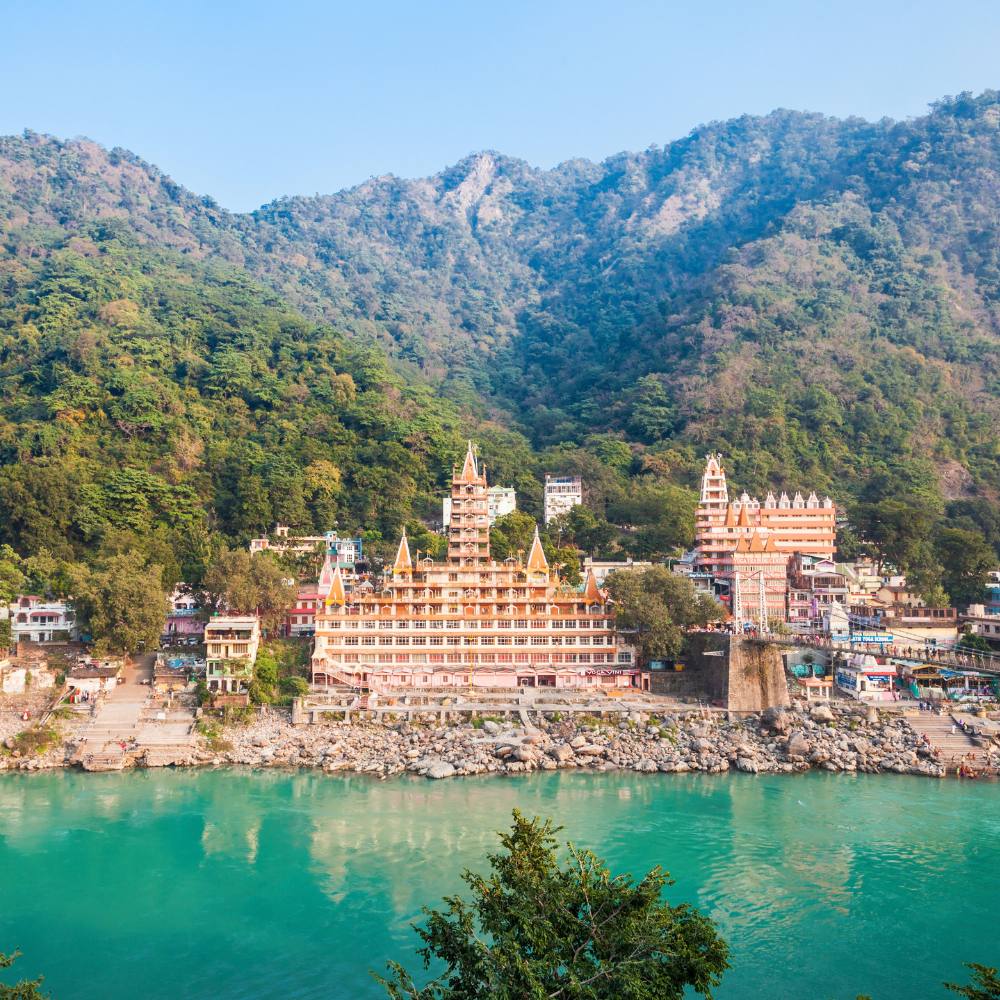
Varanasi
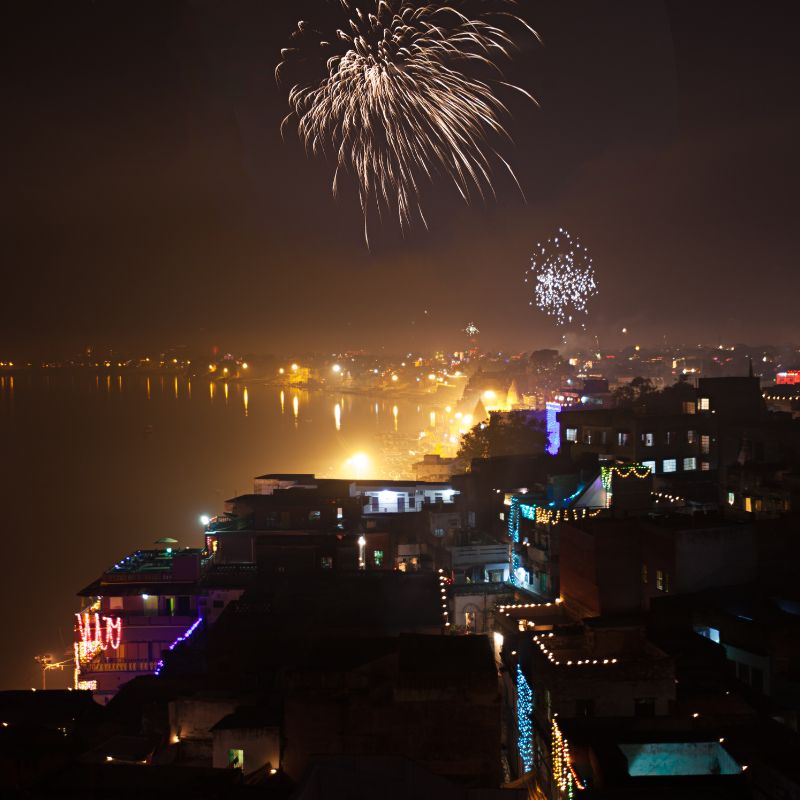
Varanasi can feel much more spiritual than other places.
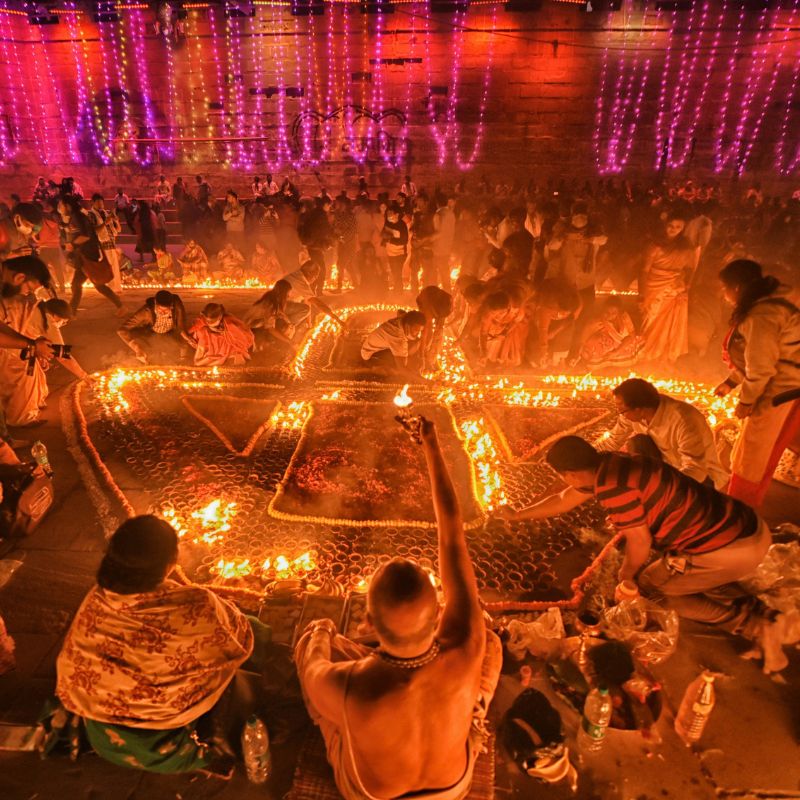
During the festival time, the city changes in a clear way. You notice the ghats and the temples right away. In the evenings, the rituals add to the mood. The Ganges is always part of what you see. All of this creates a strong, lived-in atmosphere.
For travellers, one detail matters. Dev Deepawali does not fall on the same day as Diwali. It comes later in the lunar month. It is tied closely to Varanasi.
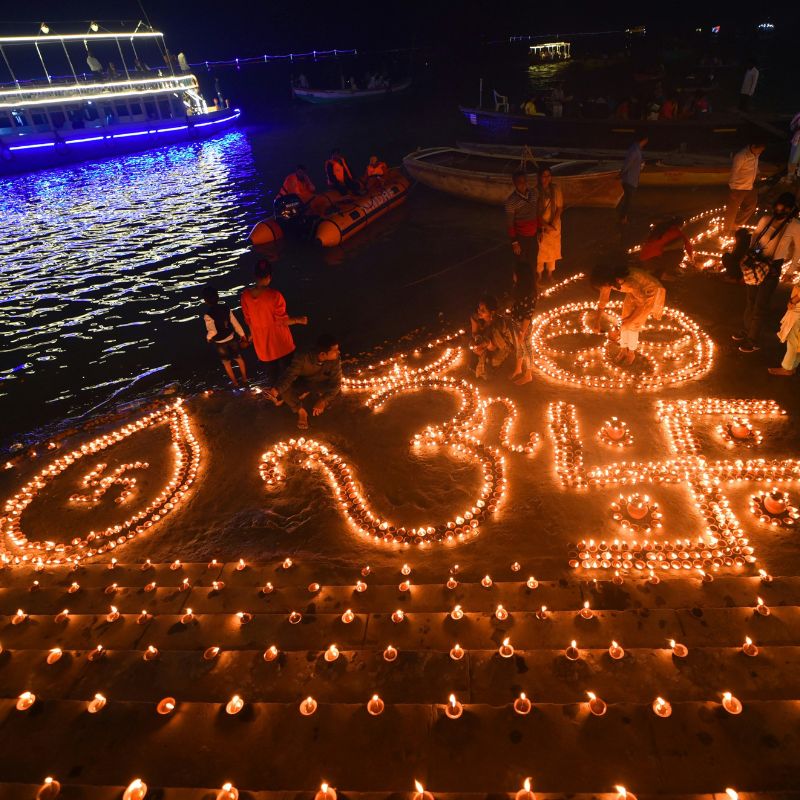
The India tourism site also suggests staying in Varanasi for Dev Deepawali. The ghats are lit up with many diyas.
If you want to pair the Golden Triangle with Varanasi, you can use a guided option. Bout India offers a Golden Triangle & Holy Ganges tour.
Ayodhya
Ayodhya has become a top place in India for big Diwali gatherings.
Tourism officials say the city hosts Deepotsav, which connects to the traditional story of Lord Rama returning to Ayodhya. During this time, people see bright lights and many cultural programs that run around Diwali.
Because the crowds can be huge, overseas guests should plan early. Book a place to stay now and set up local travel ahead of time.
Amritsar
Diwali in Amritsar has a distinct cultural feel because the period includes Bandi Chhor Divas, a significant Sikh celebration.
The Golden Temple looks particularly impressive when illuminated, creating a very different Diwali experience than in Rajasthan or Varanasi, and India's tourism ministry has included Amritsar on its list of destinations for Diwali experiences.
What Is India Like During Diwali?
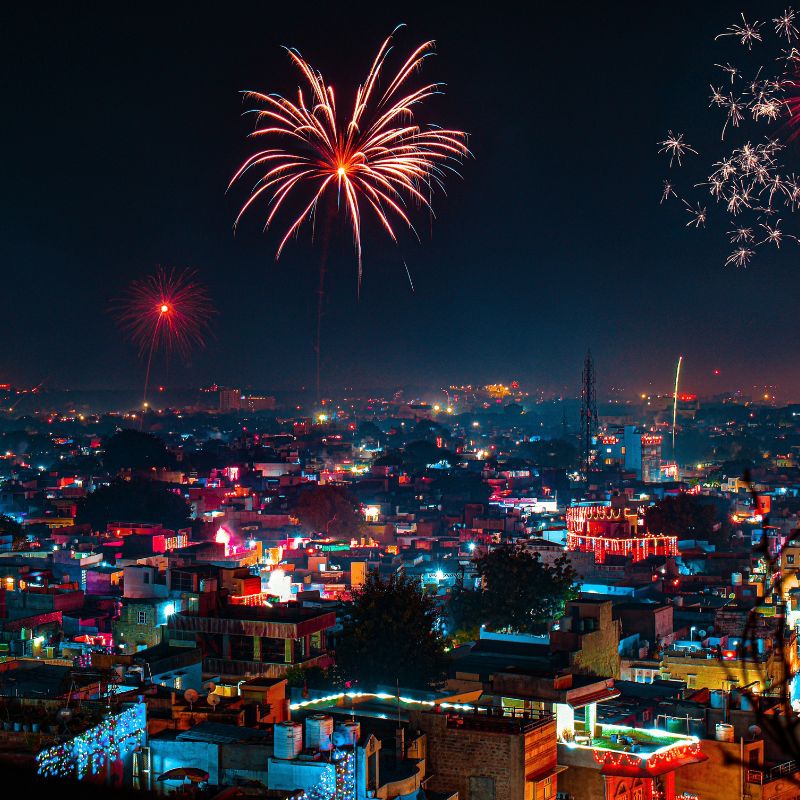
If you are in India for the first time, Diwali can feel both exciting and overwhelming.
In the days before it, the streets near shops fill up fast. People go out for new clothes, presents, sweets, decorations, and home items. The crowds keep building.
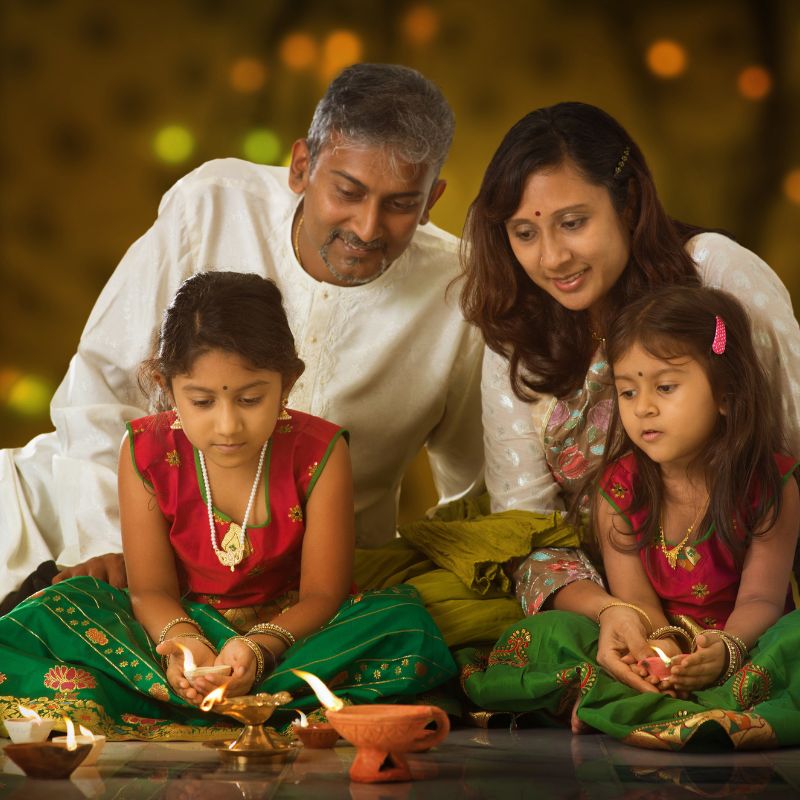
On the main night, families clean up and decorate their homes. Lamps and bright lights appear in homes and public spaces. Many people gather to pray, then they share dinner. Later, they share sweets and visit neighbours and relatives.
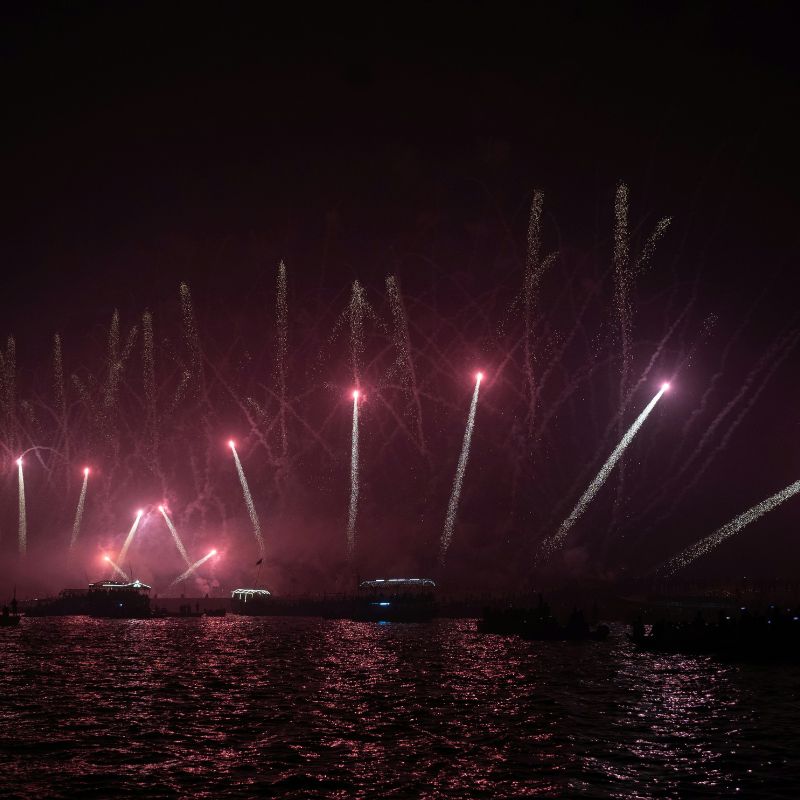
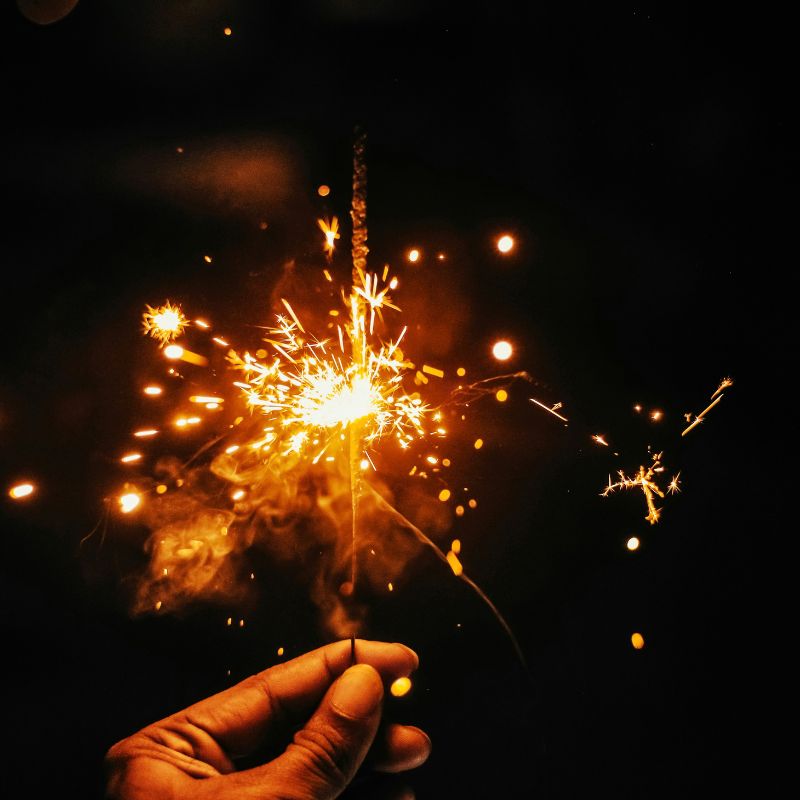
Fireworks are part of Diwali too. Still, what you see can vary by city. Rules about when and where fireworks are allowed also change.
For visitors, this can make the country feel livelier than usual. A walk through a market can turn into a deeper cultural moment. At the same time, you may deal with packed streets, heavy traffic, loud sounds, and travel that takes much longer.
Try to take in what is going on. Do not rush through it like it is just a normal weekday.
Is Diwali a Good Time to Visit India?
Yes, if you want cultural immersion
What Diwali offers can't easily be replicated through ordinary sightseeing.
You are not just visiting monuments; you're witnessing cities and communities as they celebrate a significant part of their cultural calendar.
The India itinerary can take on an extra dimension for travellers who enjoy photography, food, architecture, festivals, markets, and local experiences.
It can be challenging if you prefer a quieter trip.
Diwali is also a busy travel period.
In popular destinations, hotels can get completely booked. Demand for flights and trains may be high, and car trips through large cities can take longer than expected.
Around the festival, some shops, restaurants, places of interest, and companies may change their opening hours.
That doesn't make the trip impractical; it just means advance planning matters more than usual.
What Should International Travellers Book in Advance?
If you plan to visit India during Diwali, don't wait until the last minute to book the main parts of your itinerary.
Consider arranging these early:
- International and domestic flights
- Hotels and heritage properties
- Intercity transportation
- Popular guided experiences
- Festival-related experiences
- Restaurant reservations for special meals
- Airport transfers
- Private drivers for multi-city journeys
A private itinerary is especially useful during Diwali, as it gives you more flexibility if traffic, crowds, or local schedules change.
Bout India specialises in customised and bespoke India journeys, with itineraries that can be adapted around interests such as culture, history, wildlife, wellness, and regional travel. You can explore their custom India trip planning service when building a Diwali itinerary.
What Should You Pack for Diwali in India?
November weather is often nice across much of North India. Even so, temperatures can vary a lot between places. It can feel warm during the day and cool at night.
If you are travelling around Diwali, plan for shifting conditions. Bring shoes that are easy to walk in. Choose light clothes for daylight hours. For the evenings, pack a light jacket or an extra layer, mainly if your plan includes the north.
For temple visits and other religious places, dress in a simple way. Keep your clothing modest and plain.
Before a ceremony or a home visit, find out what locals expect. Follow the rules in that area. Also take the guidance your host or guide gives you.
How Can You Experience Diwali Respectfully?
Diwali can feel much more meaningful when you watch and join in a little, instead of treating it like a photo shoot.
If you want to take pictures of people, especially during private prayers, ask first. People may say no, so be ready to accept that.
When you go to temples or other sacred places, wear proper clothing. Also, do not touch religious items. Avoid areas that look closed off unless you have permission.
It also helps to connect with locals. If someone invites you for sweets or offers a shared meal, try to say yes.
Remember, Diwali isn't the same for everyone. Many communities and many families celebrate it in their own way. If you go in with respect and a flexible attitude, the day will likely feel better and more personal.
A Sample Diwali India Itinerary
For a first-time international traveller, a 10–14-day itinerary could combine major cultural destinations with a few Diwali experiences.
One possible route is:
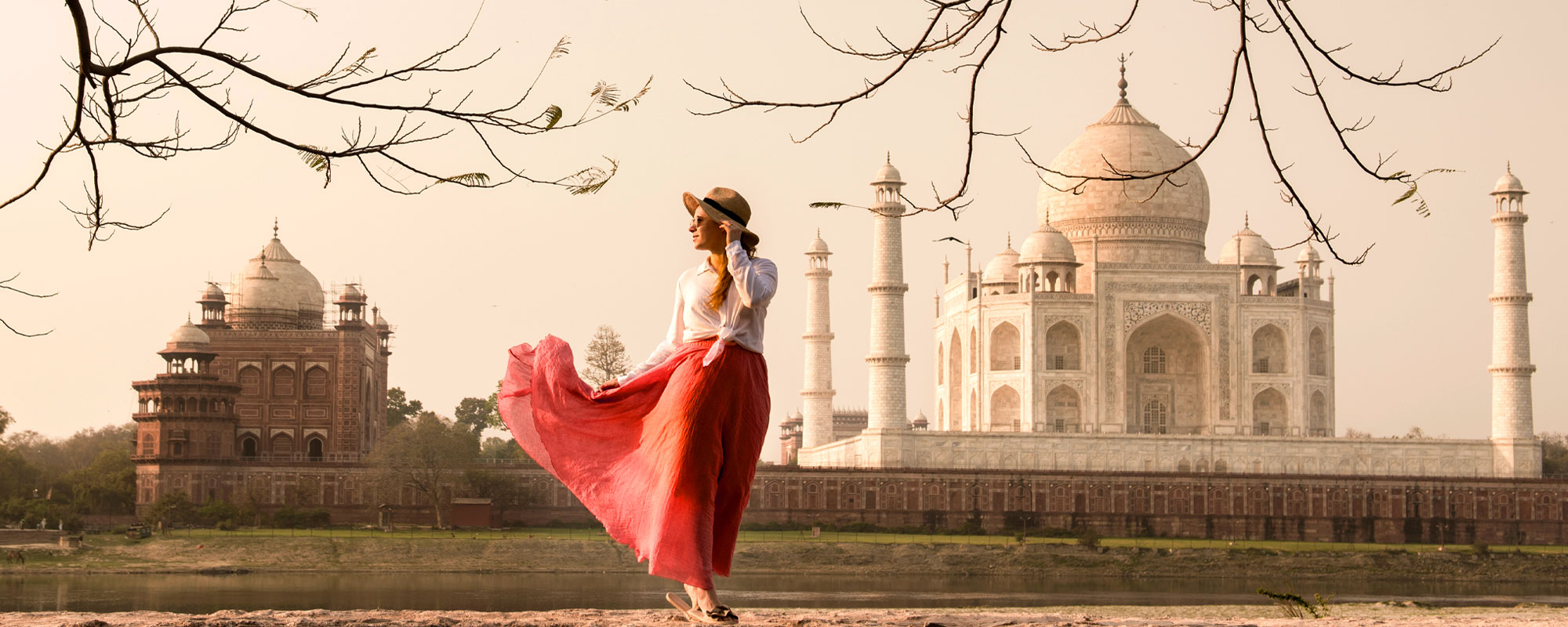
Delhi → Agra → Jaipur → Jodhpur → Udaipur → Delhi
You get the standard Golden Triangle and Rajasthan experience, plus the chance to experience the festival atmosphere.
People with more time might add a visit to Varanasi, making their cultural experience more extensive.
Bout India's Golden Triangle & Rajasthan itineraries show several ways to combine Delhi, Agra, Jaipur, and Rajasthan into longer private journeys.
For travellers who want to explore beyond North India, Bout India also offers itineraries connecting North and South India, including a 17-day North & South India journey.
Diwali Travel Tips for First-Time Visitors
Keep these practical tips in mind:
- Book as early as possible, since Diwali is a major holiday and popular hotels and transport arrangements can fill up quickly.
- Allow extra time since crowds and traffic can turn short trips into unexpectedly long ones.
- Take some cash with you because small purchases at markets and local shops are often easier to pay for in cash.
- In local areas, you must ask permission before photographing people who are praying or taking part in ceremonies.
- Noise is to be expected, since firecrackers are traditionally included in Diwali celebrations in many places.
- To keep your possessions safe, take the same ordinary precautions you would in any other major tourist area, busy markets, and transport hubs.
- Stay flexible, since the festival timetable may change and unexpected moments are usually part of the experience.
- If you have a private driver, then arranging local transport for a trip involving more than one city can make the journey easier.
So, Should You Visit India During Diwali?
If you are travelling in another country and you want to see India in full celebration, Diwali is a great choice.
There is more to it than lights in the streets and bursts of fireworks. You can watch families out together, see local areas change in a way you can feel, and visit markets, temples, and older parts of major cities. Many of these practices have been kept for many years.
Because of all this, the country gets very crowded around the festival. You may see crowded market lanes, higher prices, limited hotel rooms, and slower roads. Some places also adjust their opening times.
So, it may not be best to skip Diwali. A better plan is to work around the dates. Choose where you go carefully. Book the important parts early. Keep some free time in case plans take longer than you expect. If you like, make a route that fits your pace so you are not stuck thinking about details all day.
With a little preparation, Diwali can change a normal trip into a day-to-day experience you will remember. It is a chance to travel through India while people around you are celebrating.