Navratri, Sanskrit for 'nine nights', is one of India's most widely celebrated Hindu festivals, observed by an estimated 400 million people across the country. It honours the goddess Durga in her many forms over nine nights, culminating in Dussehra (Vijayadashami) on the tenth day. While Navratri is observed nationwide, its expression varies dramatically by region: a circular folk dance in Gujarat, an open-air art festival in Kolkata, a royal procession in Mysore, and a week-long gathering of mountain deities in Himachal Pradesh. For travellers, this regional variation makes Navratri one of the richest single windows into India's cultural diversity.
This guide covers the four most distinctive ways to experience Navratri in 2026, the dates, and how to plan a trip around them.
Navratri 2026: Dates at a Glance
- Sharad Navratri 2026: Sunday, 11 October to Monday, 19 October 2026 (nine nights)
- Dussehra / Vijayadashami: Tuesday, 20 October 2026
- Most widely celebrated form: Sharad Navratri (autumn), the festival most associated with Durga Puja, Garba, and Dussehra
- UNESCO recognition: Durga Puja in Kolkata (inscribed in 2021) and Garba of Gujarat (inscribed in 2023) are both on UNESCO's Representative List of the Intangible Cultural Heritage of Humanity.
Note: Dates are set by the lunar calendar and confirmed closer to the date by regional Panchang; verify with local sources before finalising travel.
Gujarat: Garba Nights in Ahmedabad and Vadodara
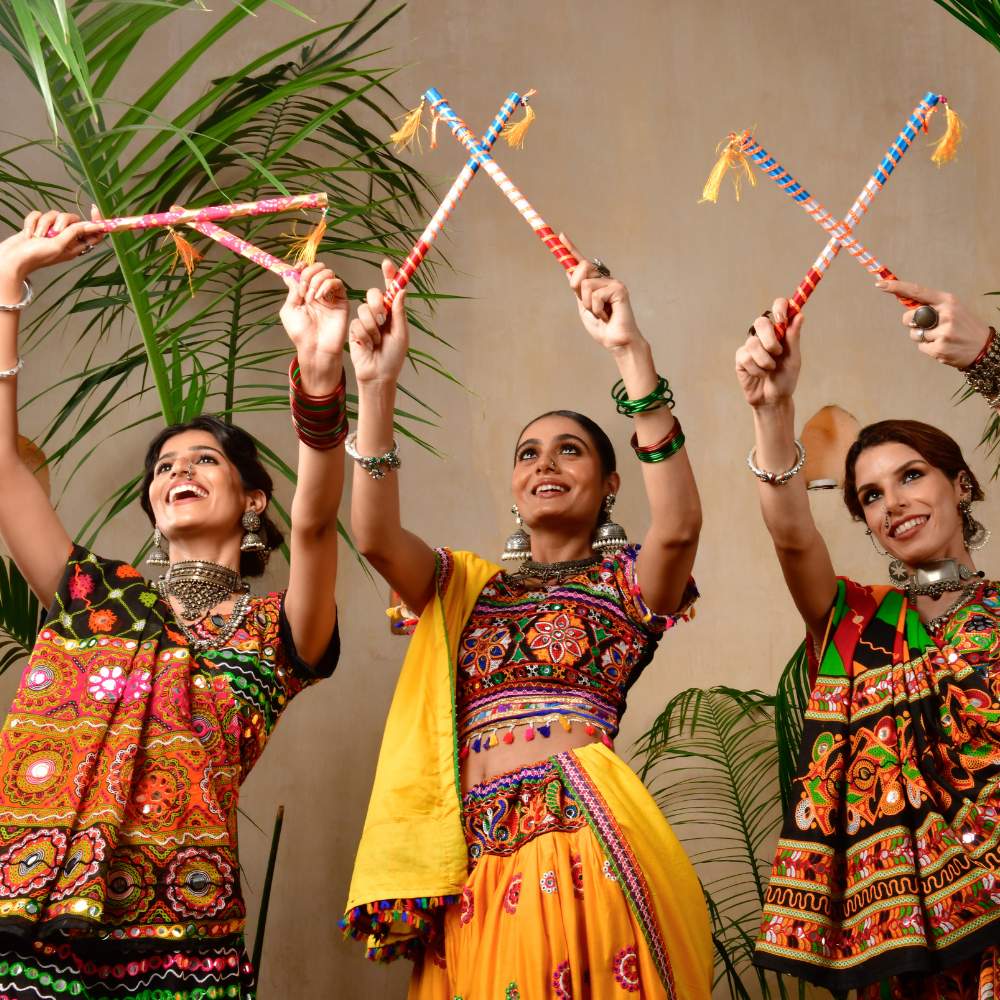
Garba is a devotional circular dance performed around a lit lamp or an image of the goddess Amba, with dancers moving counter-clockwise in increasingly fast rhythmic patterns to live or recorded folk music. In December 2023, UNESCO inscribed the Garba of Gujarat on its Representative List of the Intangible Cultural Heritage of Humanity, India's 15th element on the list, recognising it as a participatory tradition that brings together dancers, musicians, craftspeople, and religious figures across generations.
During Navratri, Ahmedabad and Vadodara host the largest organised Garba and Dandiya Raas (stick dance) events in the country, with grounds accommodating tens of thousands of participants each evening across the nine nights. These are participatory rather than spectator events; most attendees, including visitors, are expected to join in rather than watch from the side. For travellers who prefer to observe, smaller society and community Garba gatherings take place throughout both cities and are generally easier to access on short notice.
Planning a Garba visit
- When: All nine nights of Navratri (11 to 19 October 2026), with events typically running from early evening into the night
- Getting there: Ahmedabad has direct domestic flight connections from Delhi and Mumbai; Vadodara is approximately 2 hours from Ahmedabad by road or rail.
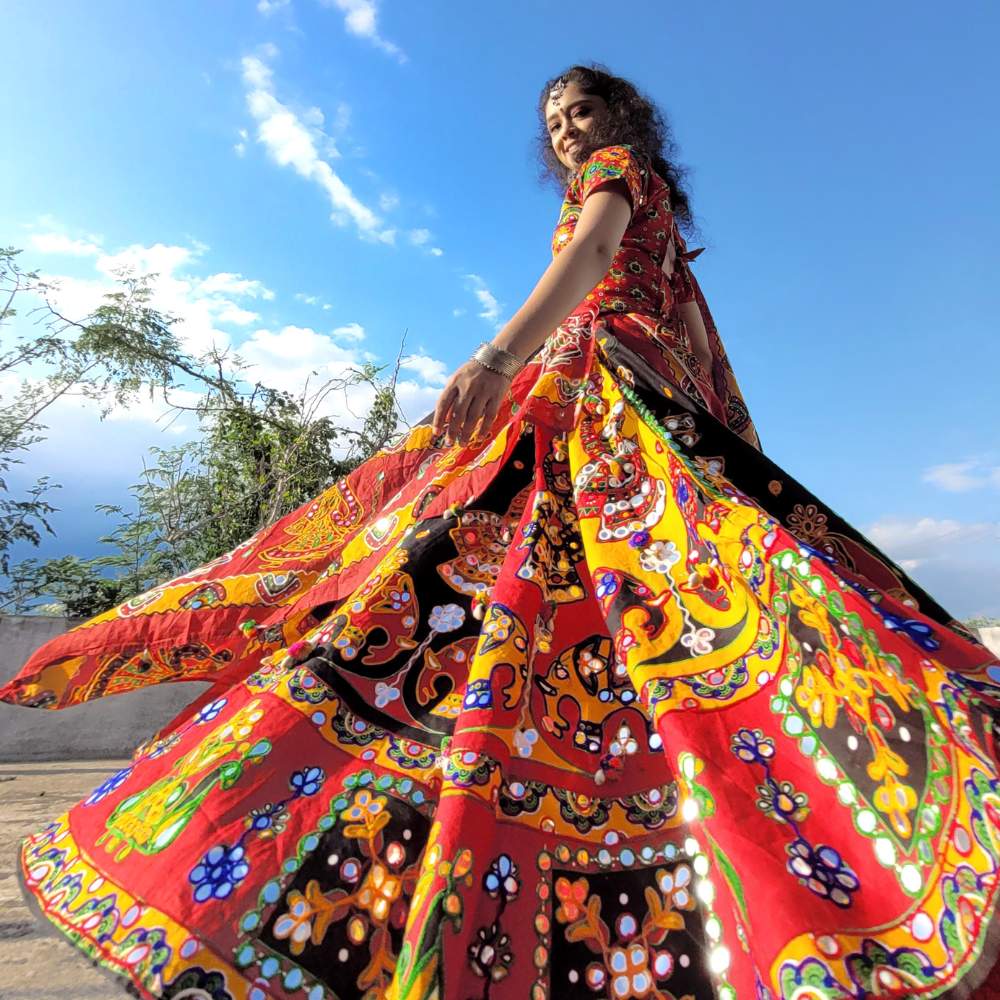
- What to wear: Traditional chaniya choli (for women) or kediyu and dhoti (for men) are widely worn and can be hired locally; comfortable footwear is essential as Garba involves hours of continuous movement.
Kolkata: Durga Puja and the World's Largest Open-Air Art Festival
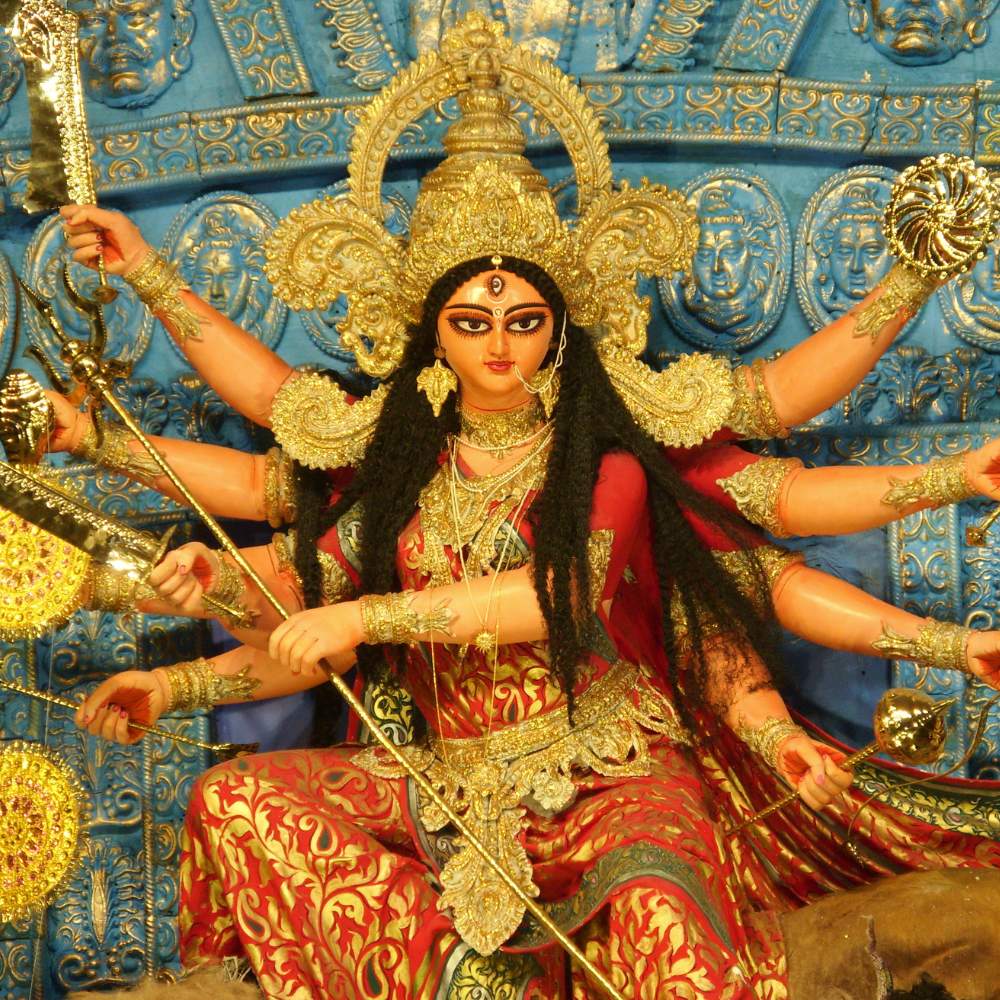
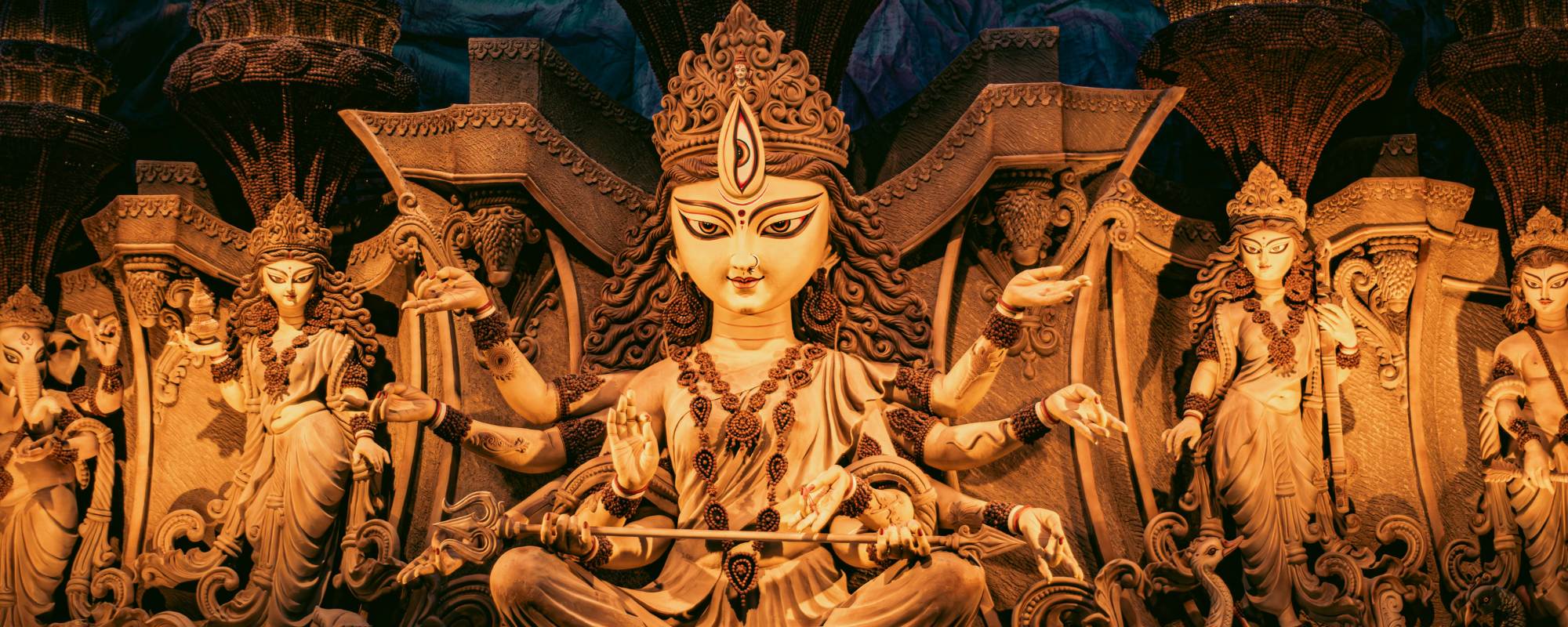
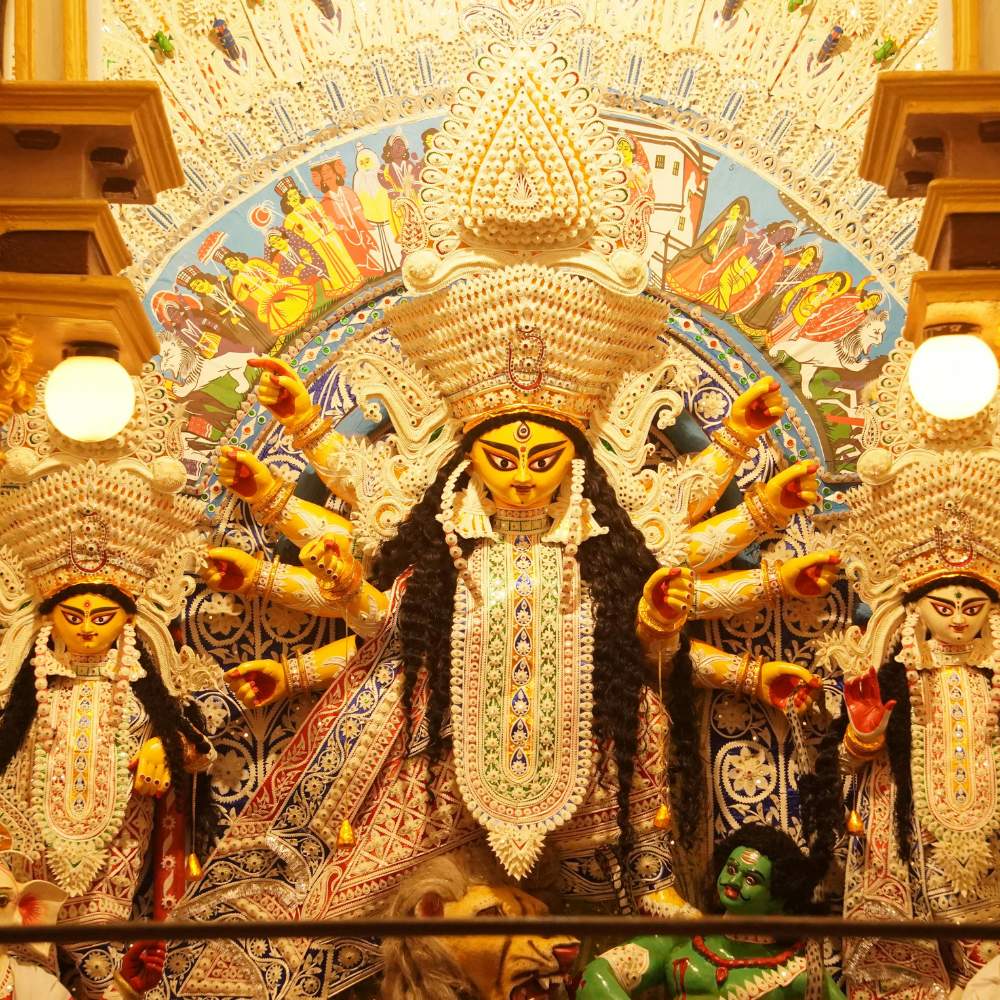
Durga Puja in Kolkata was inscribed on UNESCO's Representative List of the Intangible Cultural Heritage of Humanity in December 2021. For ten days, the city transforms into what UNESCO has described as the world's largest public art festival: thousands of pandals (temporary pavilions) are constructed across the city, each housing an elaborately sculpted clay idol of Durga and designed around a different artistic theme, from traditional craft revivals to contemporary social commentary.
Pandal-hopping is the central activity: visitors plan routes through neighbourhoods, particularly in North Kolkata, where some of the city's oldest community pujas have been running continuously for nearly a century. Kumartuli, the traditional potters' quarter on the banks of the Hooghly River, is where many of the city's idols are sculpted from unfired river clay in the weeks before the festival, and is itself a destination for visitors interested in the craft process. Street food is integral to the pandal-hopping experience — Bengali sweets, phuchka (the Kolkata variant of pani puri), and rolls are sold from stalls throughout the festival period. The festival concludes with Bisorjon, the immersion of the idols in the Hooghly River.
Planning a Durga Puja visit
- When: The main pandal-hopping period falls in the days immediately before and during Navratri (Sharad Navratri begins 11 October 2026); the most elaborate pandals are typically open from a few days before Sharad Navratri begins through Dussehra
- Getting there: Kolkata has direct domestic flights from all major Indian cities and limited direct international connections.
- Practical note: Central and North Kolkata become extremely crowded, and traffic comes to a near-standstill during peak pandal-hopping hours; many visitors walk between nearby pandals rather than rely on vehicles.
Mysore: The Royal Dasara and the Illuminated Palace
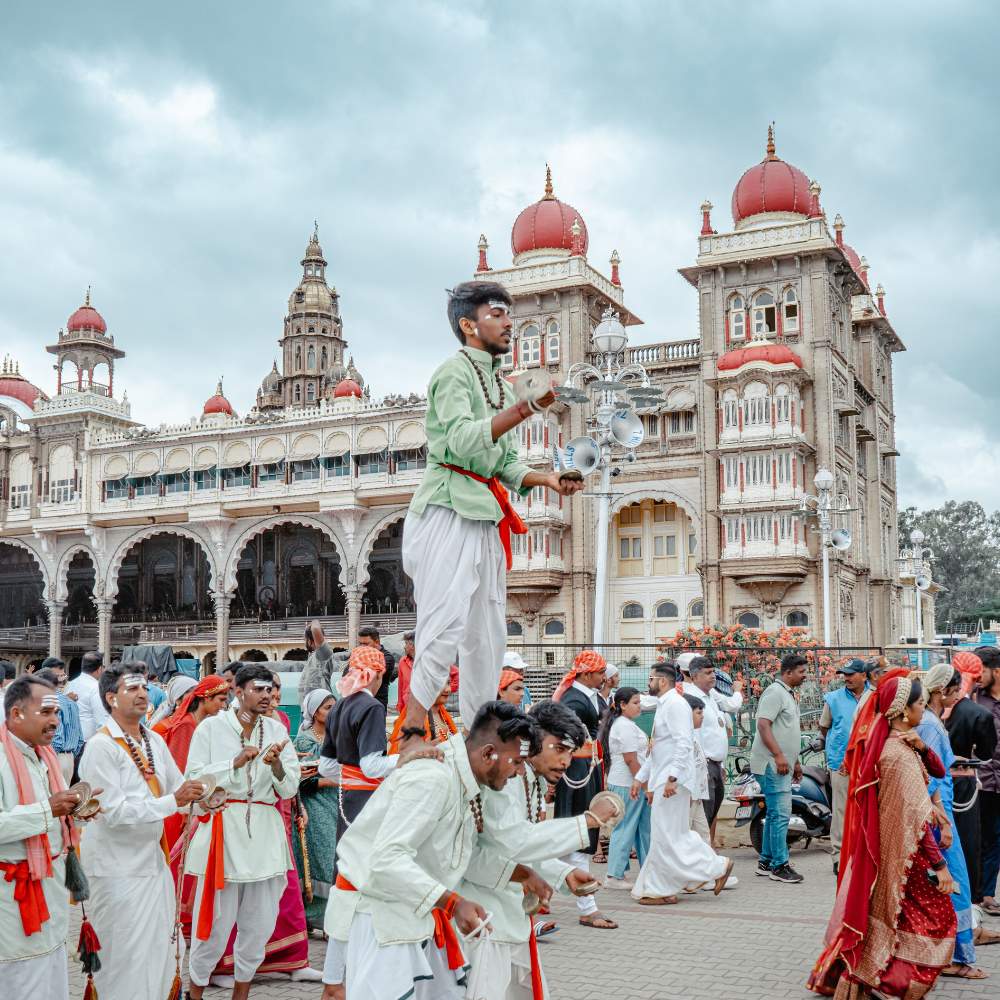
Mysuru Dasara is Karnataka's official state festival (Naada Habba), with a history of royal patronage dating to 1610 under the Wodeyar dynasty. For the ten days of Navratri, the Mysore Palace, completed in 1912 in the Indo-Saracenic style and India's second most-visited monument after the Taj Mahal, is illuminated each evening with close to 100,000 light bulbs, typically from around 7 pm to 10 pm, accompanied by cultural performances staged in front of the palace.
The festival's centrepiece is the Jumboo Savari procession on Vijayadashami, a tradition rooted in the historic worship of Goddess Chamundeshwari, in which an idol of the goddess is carried through the city on a gold-covered ceremonial mantapa as part of a wider procession of music, dance troupes, and decorated floats, ending with a torchlight parade (Panjina Kavayitha) at the Bannimantap grounds in the evening. Visitors can watch the procession for free along the route or purchase official 'Gold Card' tickets for premium viewing at the palace and the torchlight parade. These typically go on sale a few weeks before the festival via the official Mysuru Dasara website.
Planning a Mysore Dasara visit
- When: Palace illumination runs throughout the ten-day festival; the Jumboo Savari and torchlight parade take place on Vijayadashami (20 October 2026)
- Getting there: Mysore is approximately 3 hours by road from Bengaluru, which has the nearest major international airport.
- Booking: Accommodation in Mysore sells out during the festival period, and rates rise sharply; book 4 to 5 months in advance. Gold Card tickets for the procession and torchlight parade should be booked as soon as they are released.
Kullu: The Himalayan Dussehra Where Hundreds of Deities Gather
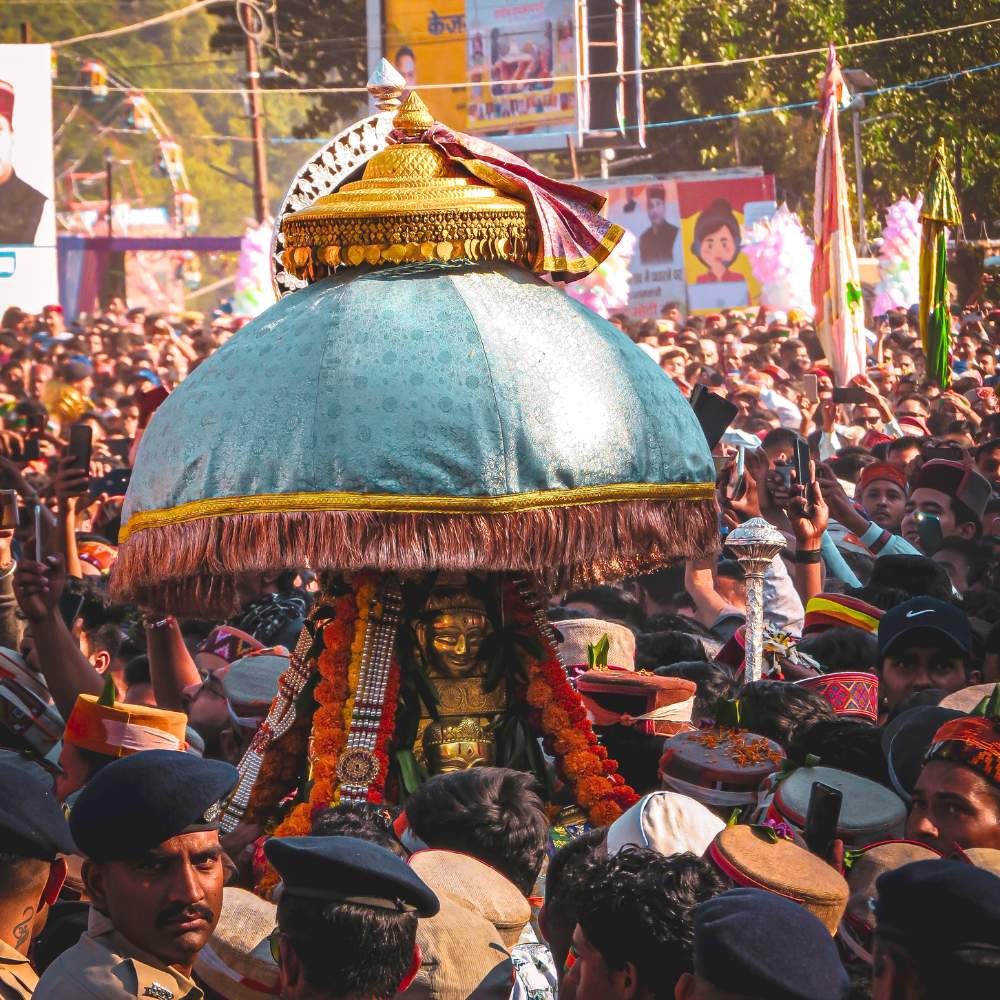
Kullu Dussehra, in the Kullu Valley of Himachal Pradesh, is structurally different from Dussehra anywhere else in India: rather than concluding on Vijayadashami, it begins on that day and continues for a further week. Its origins trace to the 17th century, when Raja Jagat Singh of Kullu installed an idol of Raghunath (a form of Lord Rama, brought from Ayodhya) as the valley's presiding deity. Since then, each year on Vijayadashami, several hundred local deities from villages across the valley are carried on decorated palanquins to Dhalpur Maidan in Kullu town to pay respects to Raghunath, before a week of processions, folk music, the regional Nati dance, and craft exhibitions. The festival has been granted International Festival status by the state government and draws visitors from across the world.
For travellers, Kullu Dussehra offers something the larger urban festivals cannot: a direct encounter with the village deity (devta) culture of the western Himalaya, set against the backdrop of the Kullu Valley's deodar forests and the Beas River. It is considerably smaller in scale than Kolkata's Durga Puja or Mysore's Dasara, and the atmosphere is correspondingly more intimate, though the valley becomes very busy for the week of celebrations.
Planning a Kullu Dussehra visit
- When: Begins on Vijayadashami (20 October 2026) and continues for approximately one week
- Getting there: Nearest airport is Bhuntar (Kullu-Manali Airport, IATA: KUU), with limited connections from Delhi; the more reliable route is by road from Chandigarh (approximately 10 hours)
- Combine with Manali, approximately 40 km north, for a wider Himachal itinerary on either side of the festival.
Where to Stay for Navratri: Palace Hotels and Heritage Properties
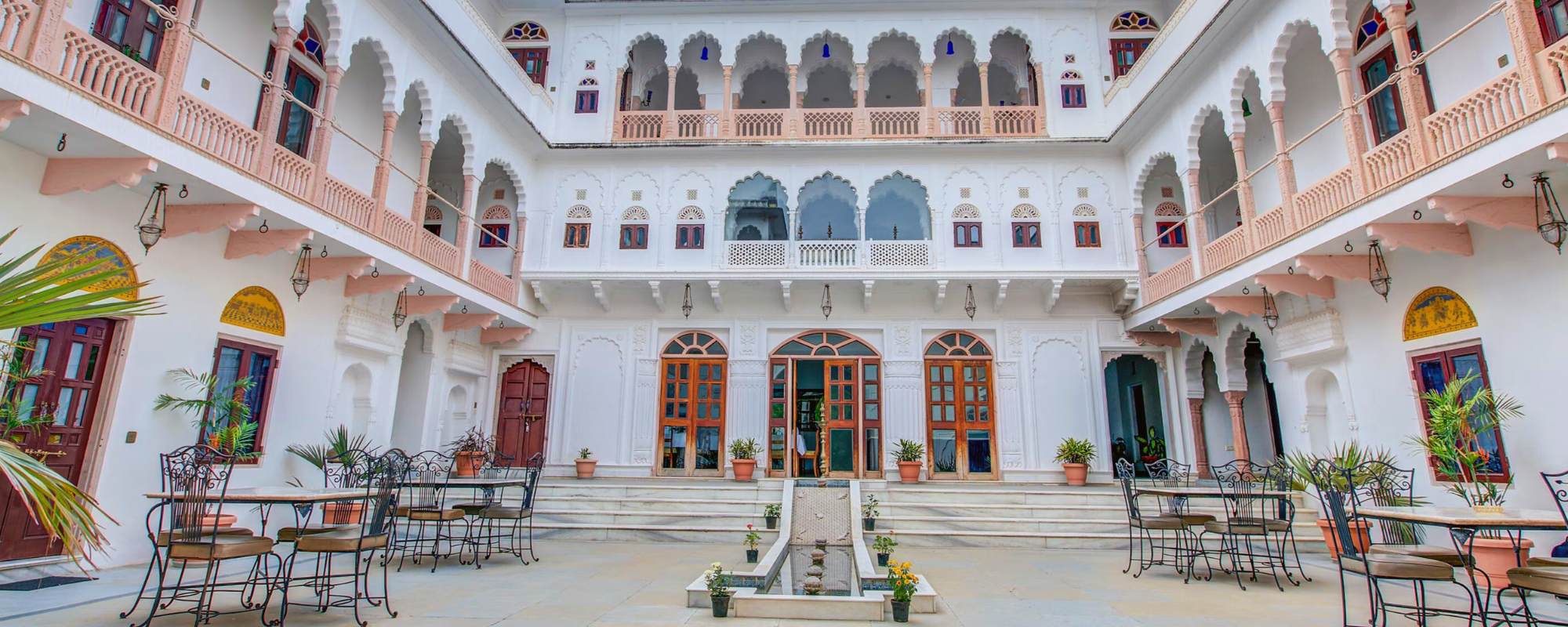
Several of India's former royal residences operate as luxury heritage hotels and offer a natural base for festival travel, particularly in Gujarat and Karnataka, where royal patronage historically shaped Navratri celebrations. In Gujarat, heritage palace properties in and around Vadodara and the wider region provide a quieter alternative to city-centre hotels while remaining close to major Garba venues. In Mysore, heritage hotels near the palace put guests within walking distance of the nightly illumination and cultural programmes, though these book out fastest of all properties in the city during the festival period.
Across all four destinations, the single most important planning rule for Navratri is the same: book accommodation 3 to 5 months ahead. Festival-period rates rise significantly, and the best-located heritage properties are typically the first to sell out.