The Andaman and Nicobar Islands sit in the Bay of Bengal, roughly 1,300 kilometres from mainland India and closer to Myanmar and Thailand than to Chennai. This Andaman Islands luxury travel guide highlights an archipelago of more than 300 islands and islets, though only a small number are open to tourism. For international travellers, the appeal is a rare combination: reef systems and beach quality that rival those of Southeast Asia, a complex colonial and independence history concentrated in a single city, and a level of development still light enough that even the most-visited beaches feel uncrowded by global standards.
This Andaman Islands luxury travel guide covers how to divide your time among Port Blair, Havelock, and Neil Island; what the marine experiences entail; the history of the Cellular Jail; and how to plan the trip.
Andaman Islands at a Glance
- Only airport: Veer Savarkar International Airport, Port Blair (IATA: IXZ); direct domestic flights from Delhi, Kolkata, Chennai, and Bengaluru
- Best time to visit: Mid-November to April (dry season, calm seas, best diving visibility); February to March and September see the fewest crowds within that window
- Minimum recommended stay: 5 to 7 nights to properly cover Port Blair, Havelock, and Neil Island
- Inter-island travel: Government and private ferries and catamarans; no roads connect the main tourist islands
- Signature experiences: Radhanagar Beach (named Asia's Best Beach by Time magazine in 2004), Cellular Jail and its Light and Sound Show, scuba diving and snorkelling at Havelock and Neil
- Note on names: Havelock Island was officially renamed Swaraj Dweep in 2018, and Neil Island was renamed Shaheed Dweep the same year; both older and newer names remain in common use.
Port Blair: History and the Gateway to the Islands
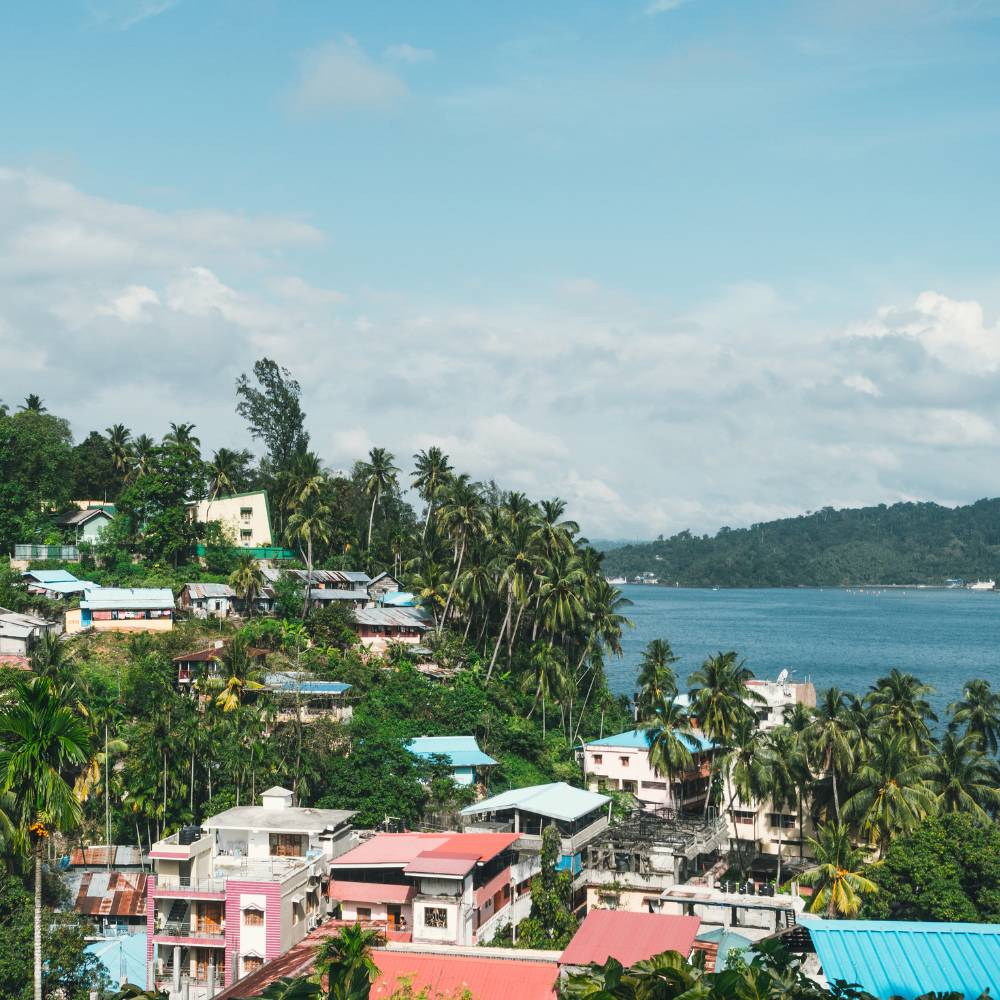
Port Blair is the capital of the Andaman and Nicobar Islands and the only entry point by air. Most visitors spend one to two nights here, either at the start or the end of their trip, primarily to visit the Cellular Jail. The British began construction in 1896 and completed it in 1906; they built it as a purpose-built penal colony for political prisoners exiled from mainland India. Its structure, seven wings radiating from a central watchtower, was designed for total isolation: originally, around 698 individual cells, each roughly 4.5 by 2.7 metres, prevented any contact between prisoners. Freedom fighters, including Vinayak Damodar Savarkar, were held here under conditions that gave the jail its grim nickname, Kala Pani (black waters). It was declared a national memorial in 1979, and three of the original seven wings still stand today.
The evening Light and Sound Show inside the jail complex narrates this history and is widely considered one of the most affecting versions of this format in India. Beyond the jail, Port Blair's other sites, the Samudrika Naval Marine Museum, the Anthropological Museum covering the islands' indigenous tribes, and Corbyn's Cove Beach, are worth a half day but are secondary to the jail itself. Ross Island (renamed Netaji Subhash Chandra Bose Island), a short boat ride from Port Blair, holds the ruins of the former British administrative headquarters, now overtaken by tree roots, and pairs well with a half-day trip to North Bay for snorkelling.
Havelock Island (Swaraj Dweep): Radhanagar Beach and the Diving Hub
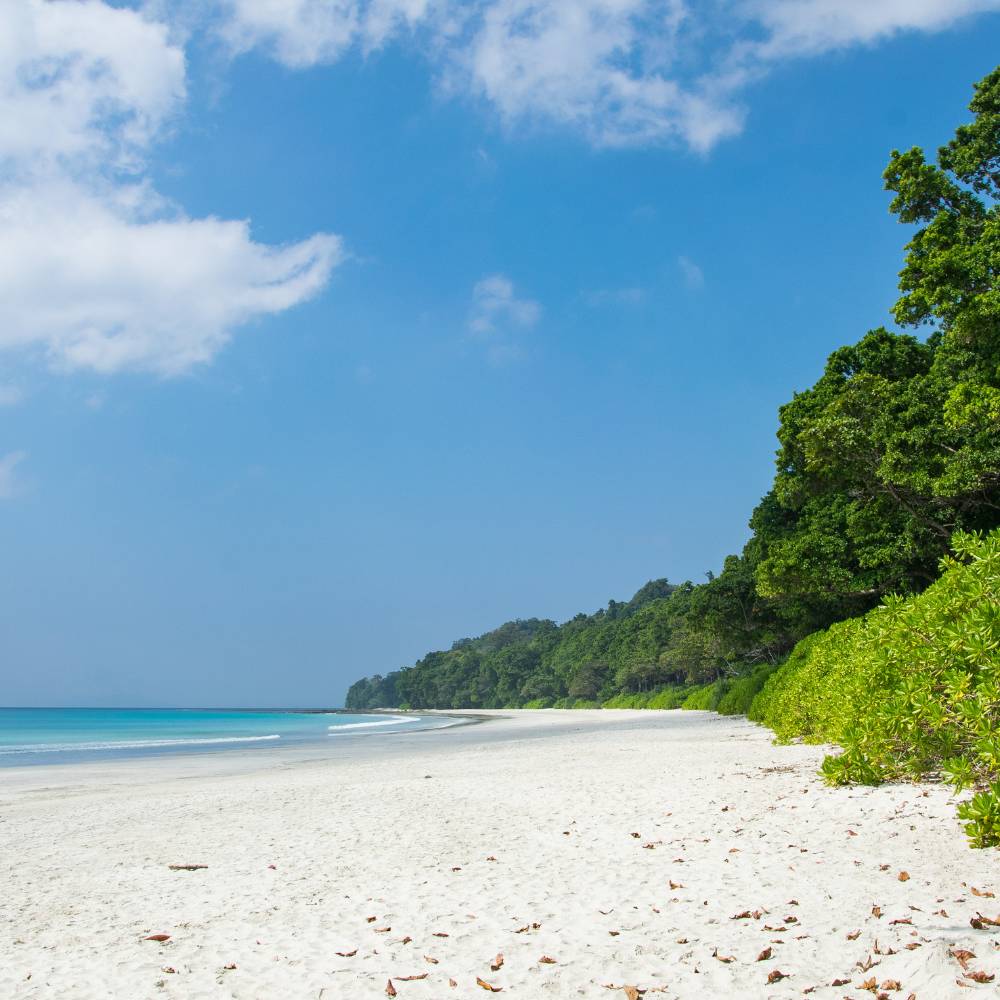
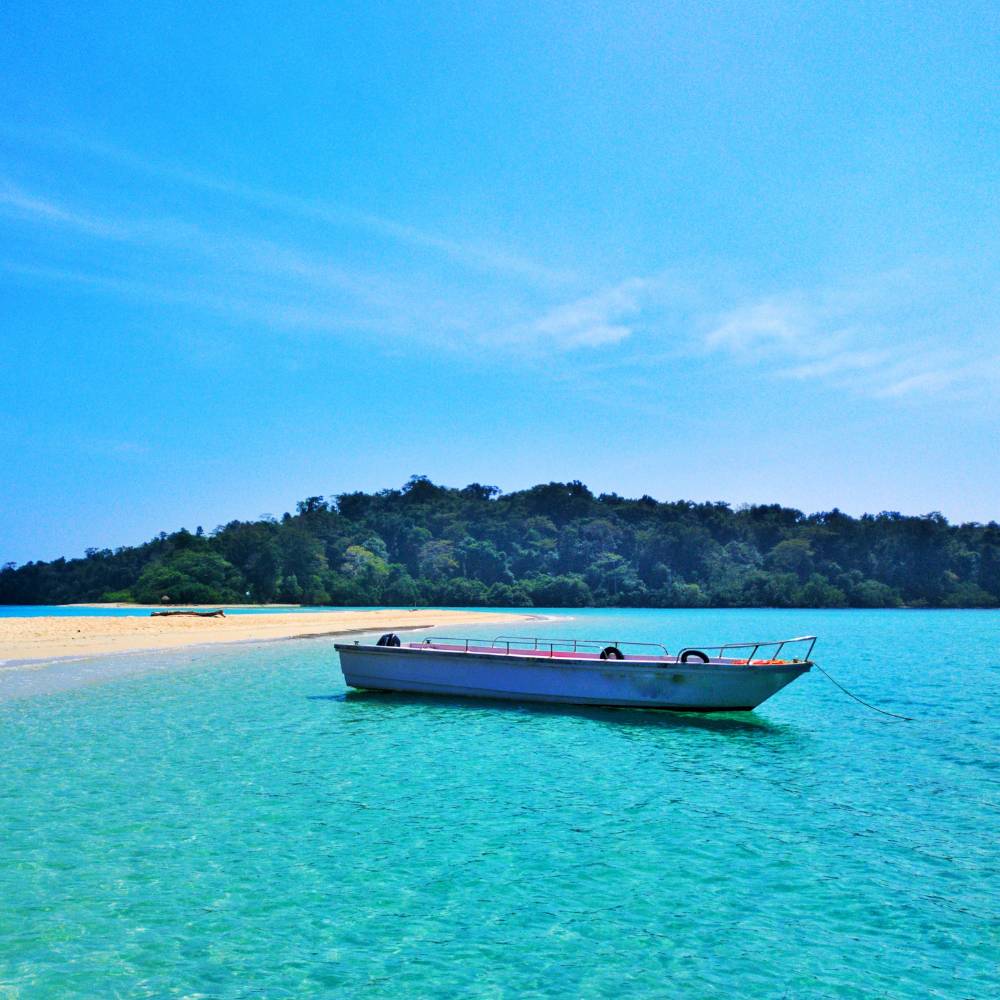
Havelock is the archipelago's primary luxury destination and its diving centre in this Andaman Islands luxury travel guide. Named after British general Sir Henry Havelock during the colonial period and officially renamed Swaraj Dweep in 2018, the island is reached by government ferry or private catamaran from Port Blair, a crossing of roughly 1.5 to 2.5 hours depending on the vessel.
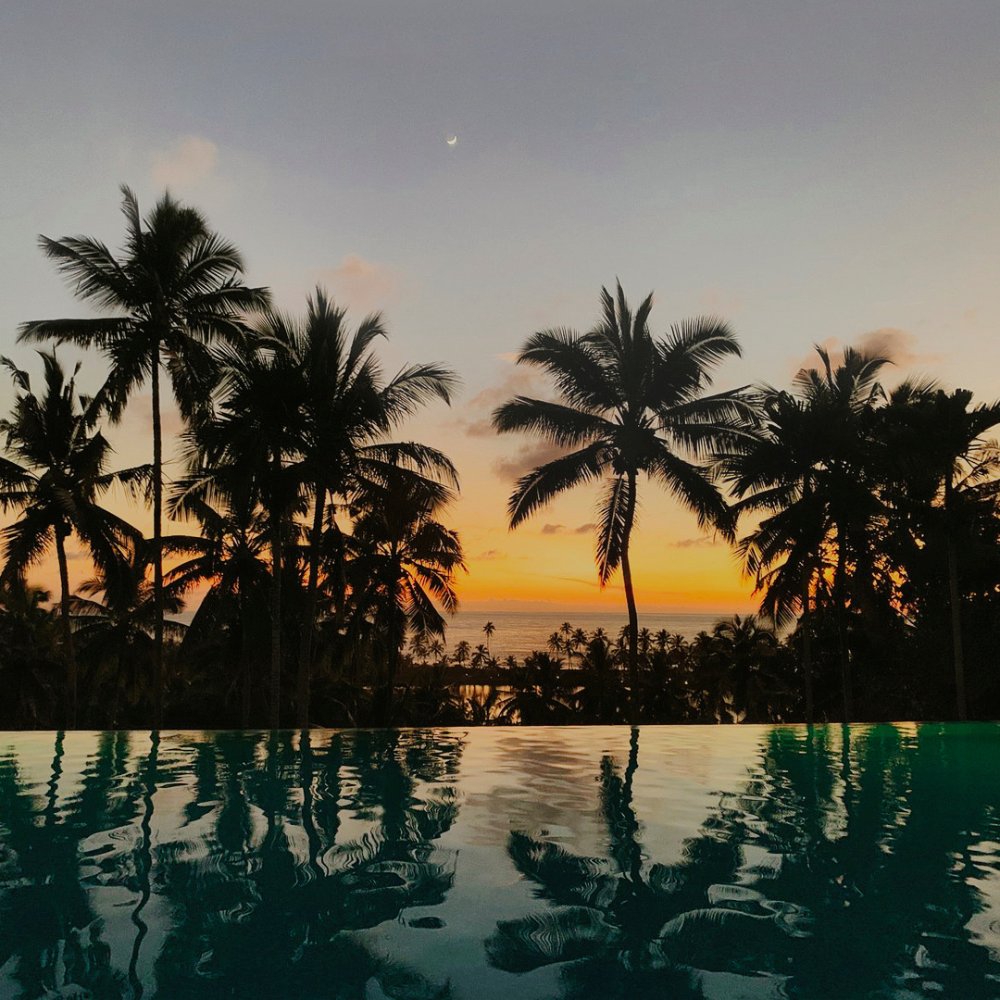
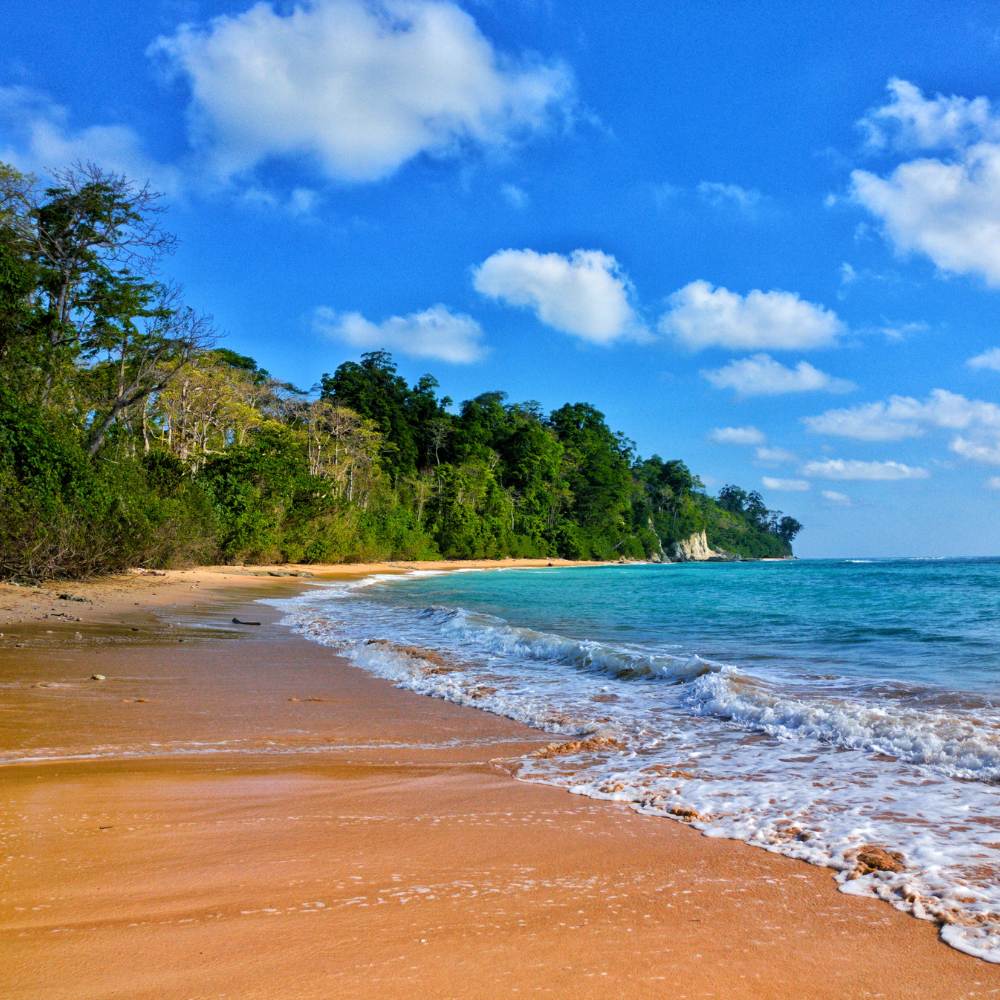
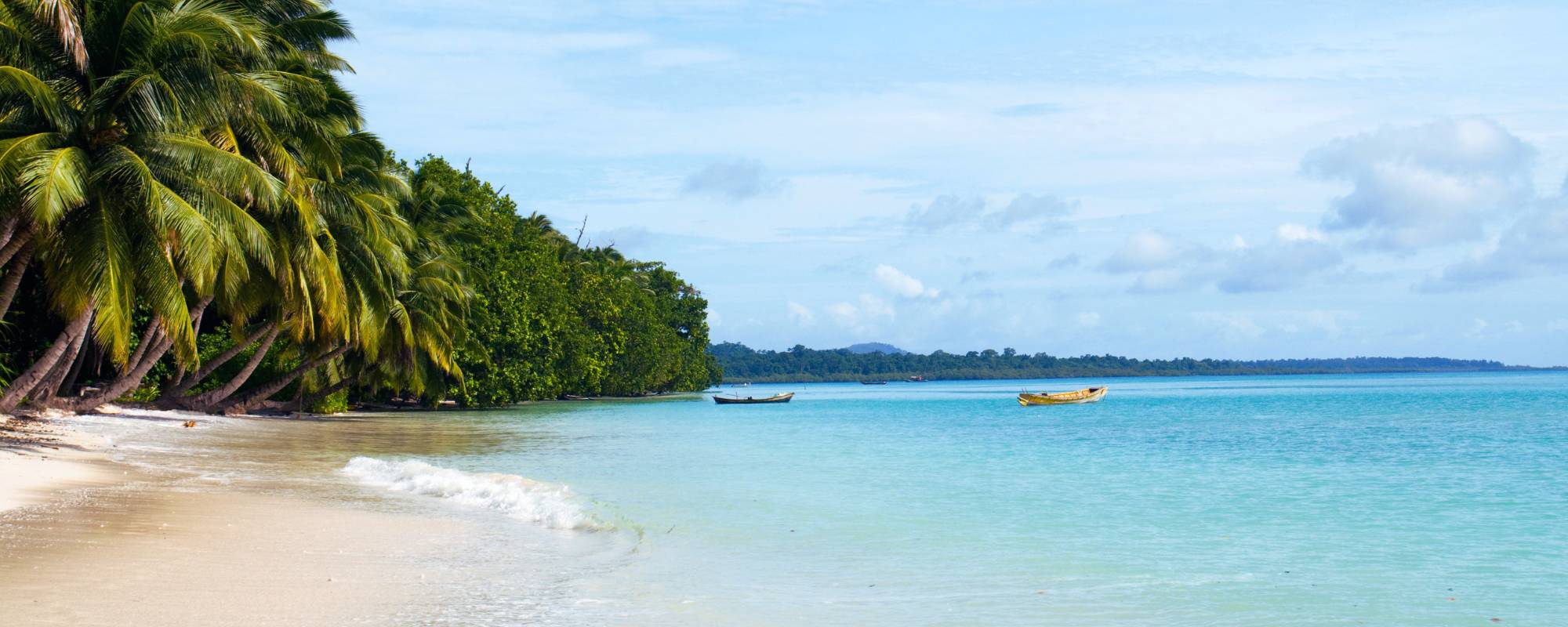
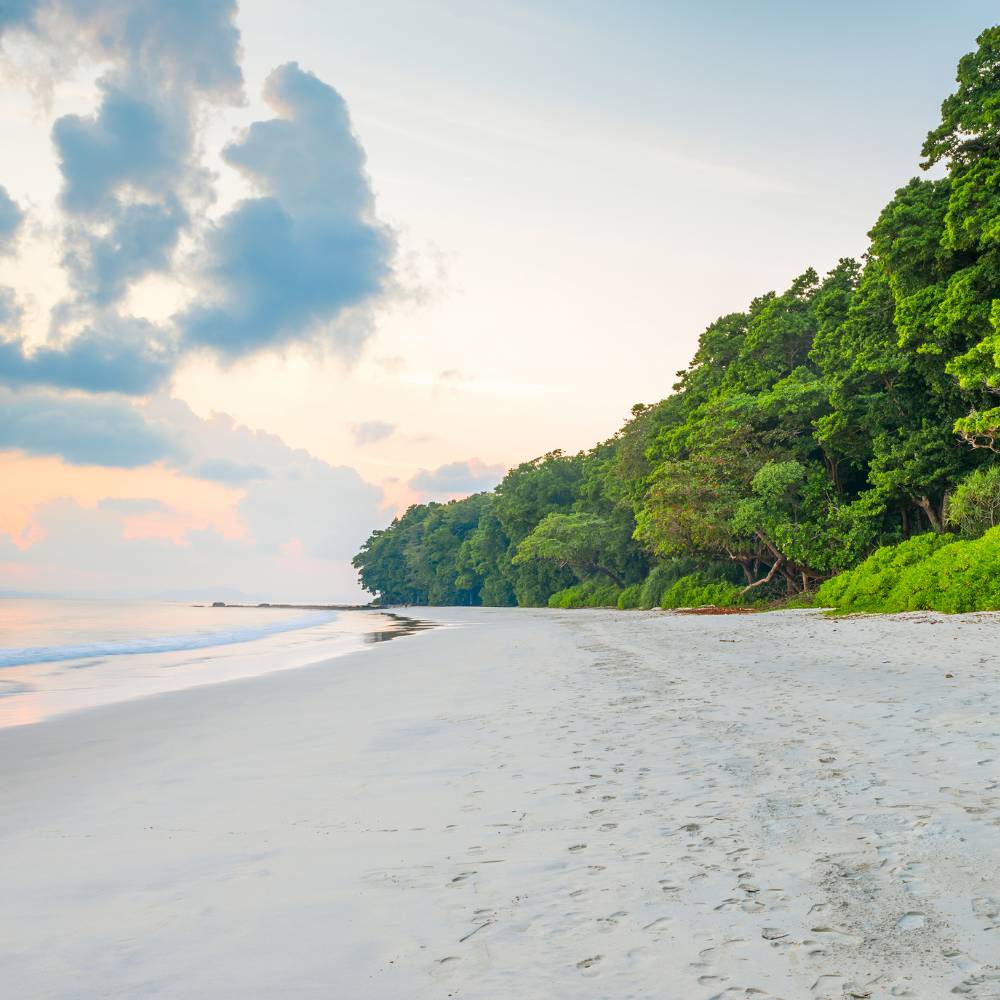
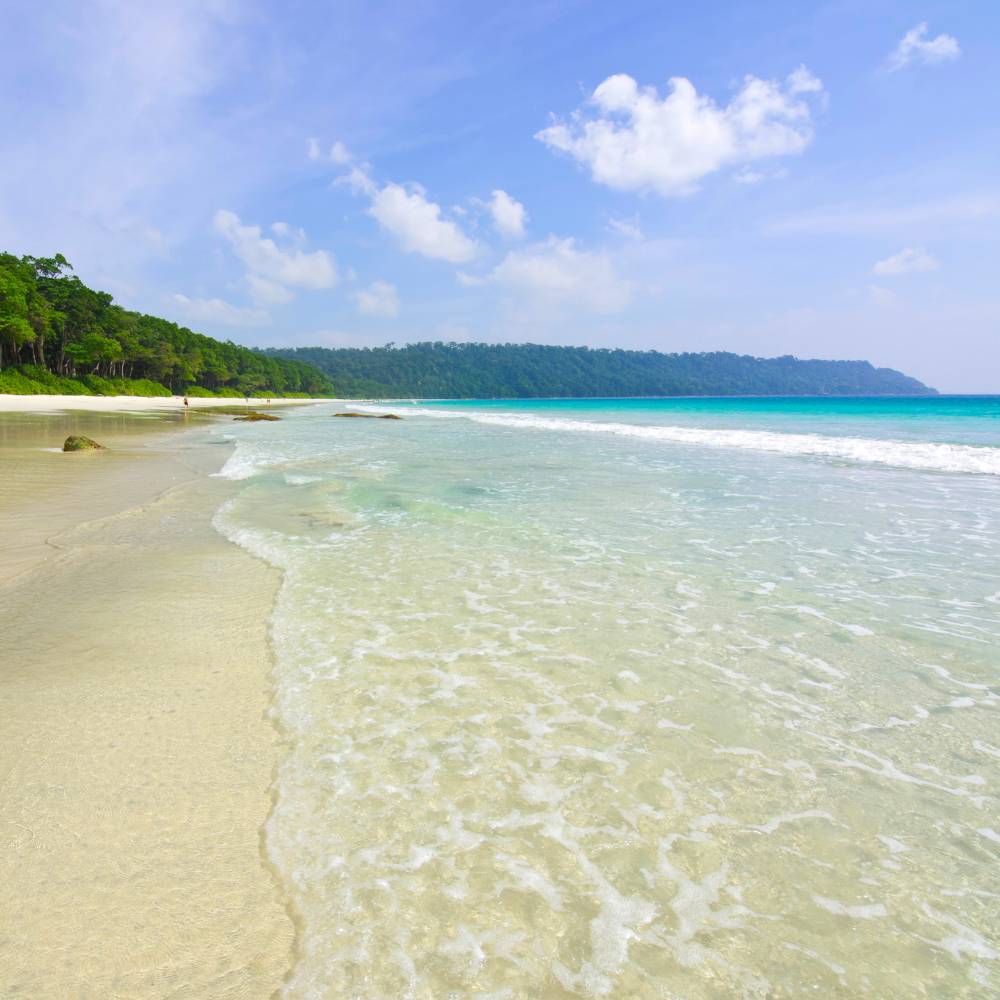
Radhanagar Beach, also known locally as Beach No. 7, is the island's defining attraction. In 2004, Time magazine named it Asia's Best Beach, a distinction that brought the island international attention and remains its most-cited credential. The beach is a roughly 2-kilometre stretch of fine white sand facing west, which makes it one of the few Andaman beaches where the sunset falls directly over the water. Elephant Beach, reachable by boat or a jungle trail, and Kalapathar are the island's other significant beaches, both quieter than Radhanagar and better suited to snorkelling directly from shore.
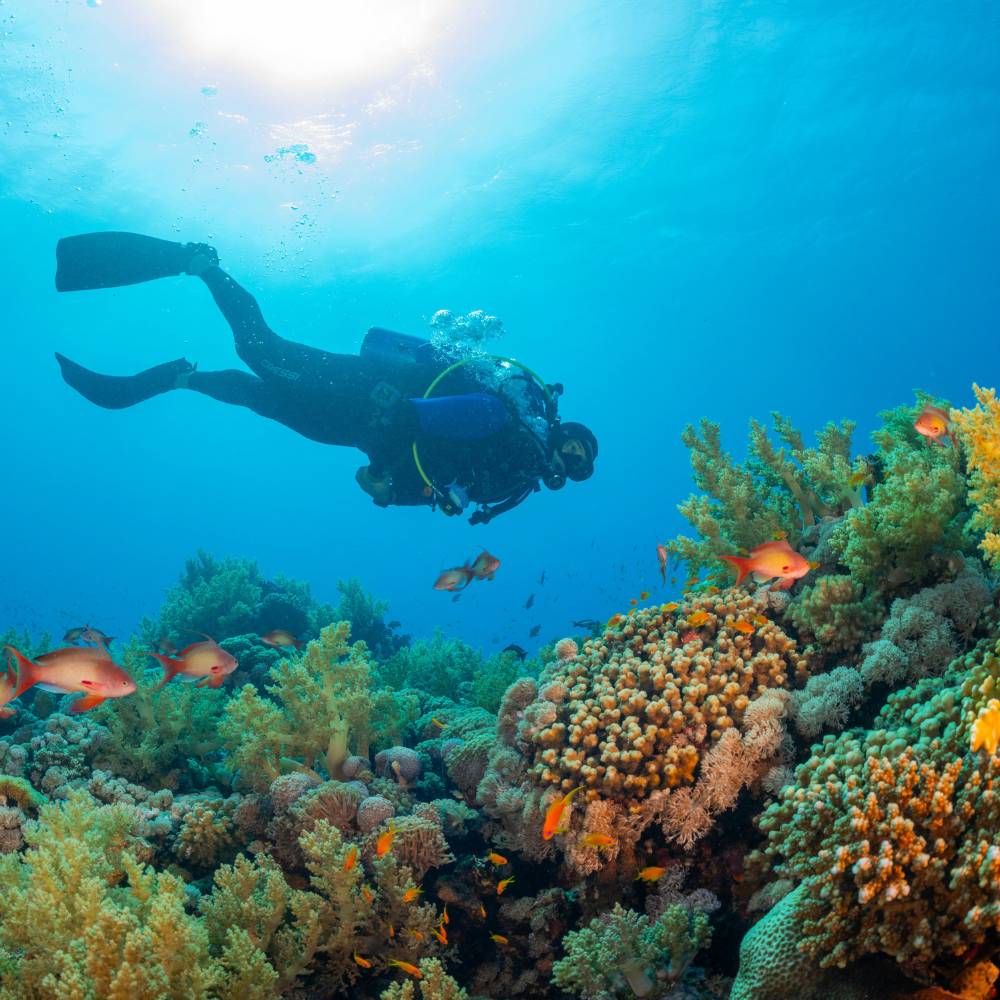
Havelock is also where the Andamans' best dive infrastructure is concentrated. Multiple PADI-certified dive centres operate from the island, offering everything from introductory dives for complete beginners to advanced certification courses, with dive sites suited to both new and experienced divers within a short boat ride of the main jetty. The island's luxury accommodations include the Taj Exotica Resort and Spa, an eco-certified beachfront property, as well as a range of boutique resorts located closer to Radhanagar itself.
Best Places to Visit in India with Family in 2026
Neil Island (Shaheed Dweep): The Quieter Alternative
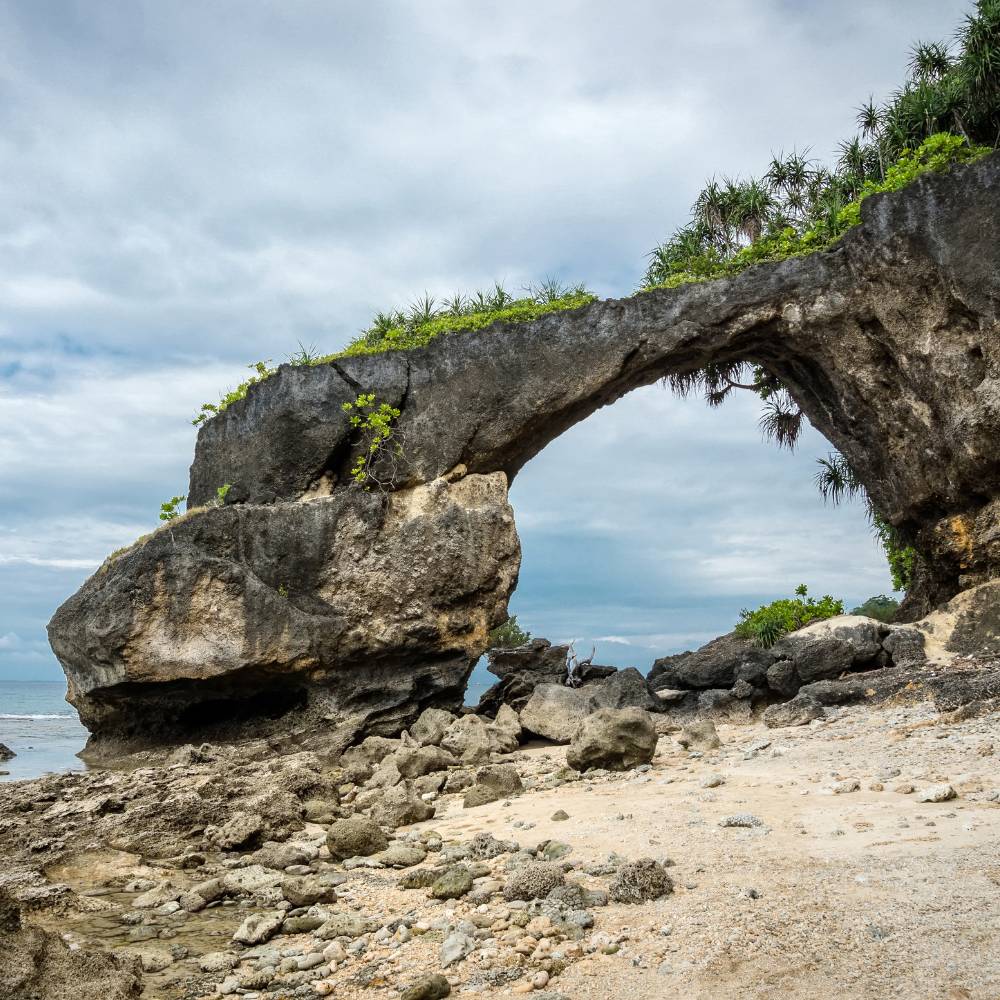
Neil Island, renamed Shaheed Dweep in 2018, sits roughly 40 minutes by ferry from Havelock and offers a noticeably slower pace. Where Havelock has developed a genuine resort and dining scene, Neil remains smaller and more agricultural in character, known locally as the vegetable bowl of the Andamans for the produce grown here to supply the rest of the archipelago. Bharatpur Beach and Laxmanpur Beach are the two main draws, the former for calm, shallow snorkelling water and the latter for sunset views and the Natural Bridge, a coral rock formation exposed at low tide.
For travellers who want two contrasting island experiences rather than a single extended stay, the standard approach is three to four nights in Havelock followed by one to two nights in Neil before returning to Port Blair for departure. Neil suits travellers who have already done their diving and want a final, unhurried stretch of beach time.
Diving and Marine Experiences in the Andamans
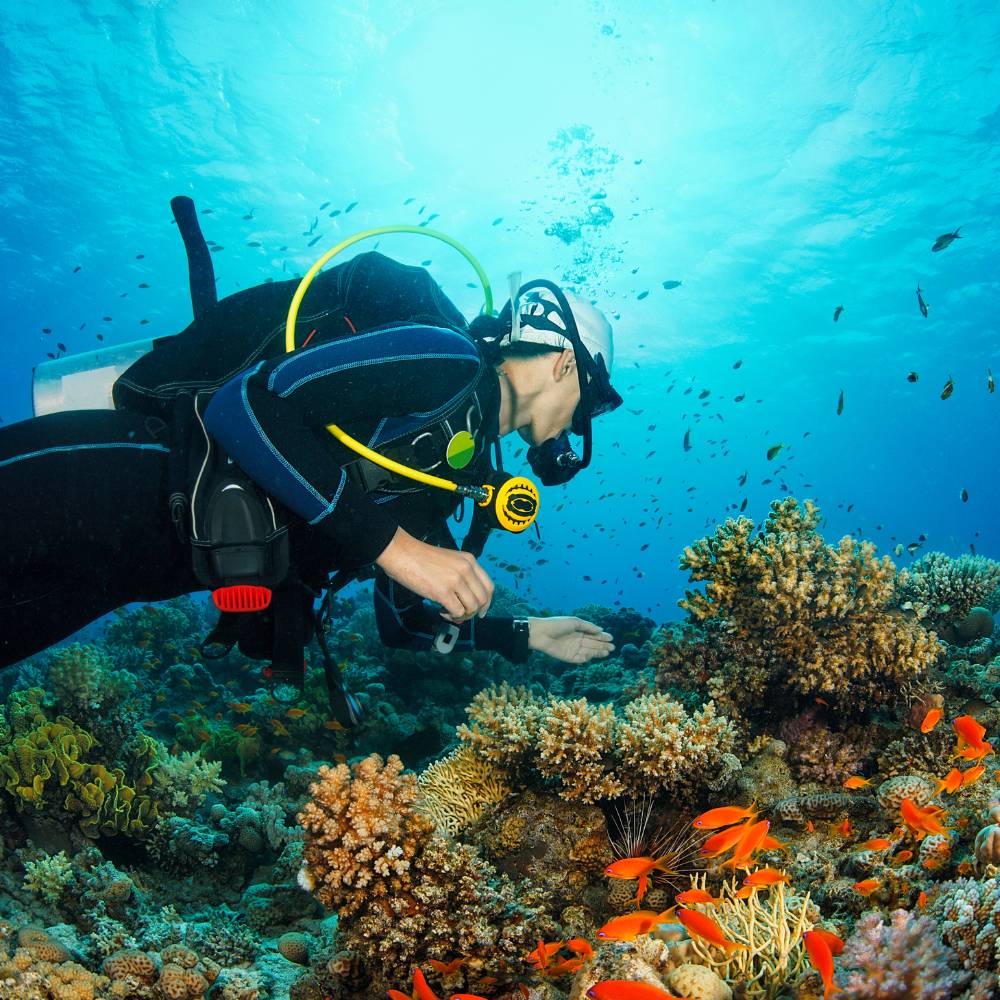
The Andaman Islands hold some of the most developed and accessible reef diving in the Indian Ocean, largely because the islands sit at the meeting point of the Bay of Bengal and the Andaman Sea, producing exceptional water clarity and a wide range of reef, wall, and wreck dive sites within short boat distances of Havelock and Neil.
- Scuba diving: Havelock's dive centres offer introductory dives requiring no prior experience, alongside full PADI Open Water and advanced certification courses; common sightings include reef sharks, turtles, rays, and large schools of reef fish
- Snorkelling: Elephant Beach on Havelock and Bharatpur Beach on Neil both offer shore-accessible snorkelling suitable for non-divers and children
- Sea walking and glass-bottom boats: Available at North Bay near Port Blair for visitors who want reef access without swimming or diving
- Kayaking and bioluminescence tours: Night kayaking tours through mangrove channels on Havelock reveal bioluminescent plankton on moonless nights, most reliable from December through February.
When is the Best Time to visit the Andaman Islands in this Andaman Islands luxury travel guide?
- Mid-November to April (recommended): Dry season with calm seas and the best diving visibility of the year; December to February is the busiest and coolest stretch, with comfortable daytime temperatures around 25 to 30 degrees Celsius
- February to March: A secondary peak for diving conditions, slightly less crowded than the December-January window
- May to October (avoid): Southwest monsoon brings rough seas, reduced ferry reliability between islands, and poor diving visibility; some resorts scale down or close for stretches of this period
How to Reach the Andaman Islands
- By air: Veer Savarkar International Airport (IXZ) in Port Blair is the only airport; direct flights operate from Delhi, Kolkata, Chennai, and Bengaluru, with travel times of roughly 2 to 5 hours depending on origin. There are no direct international flights; international visitors connect via a major Indian gateway city.
- Port Blair to Havelock: Government ferries and private catamarans operate multiple daily crossings, roughly 1.5 to 2.5 hours; private catamarans are faster and more comfortable and should be booked in advance during peak season
- Havelock to Neil Island: Direct ferries run in roughly 40 minutes to 1 hour, avoiding the need to return via Port Blair