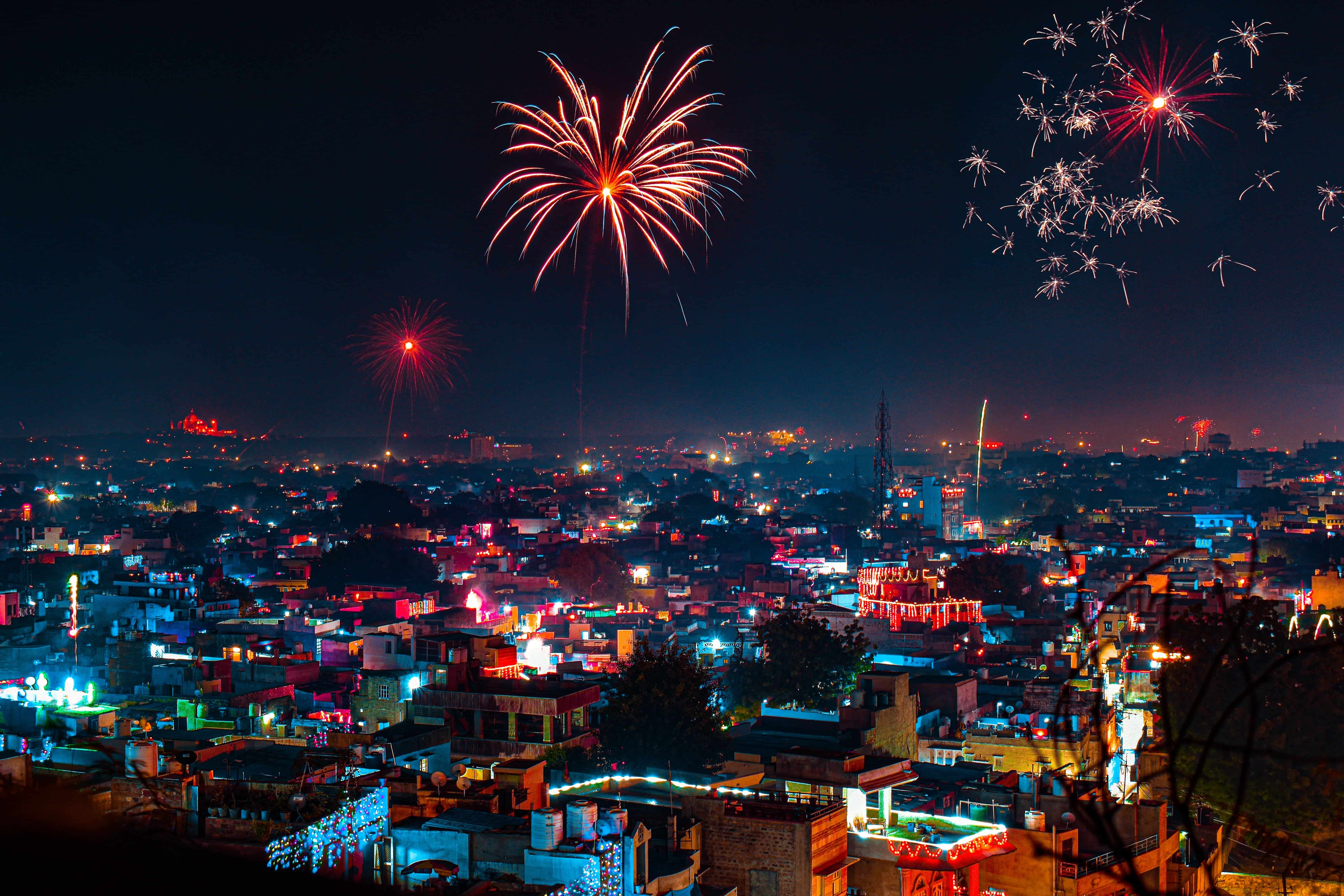
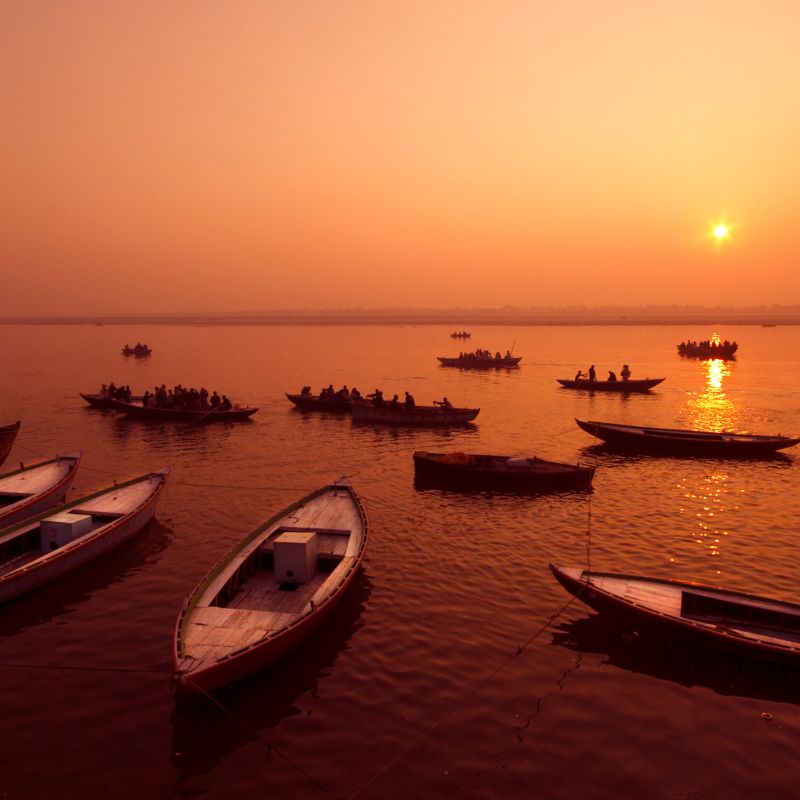
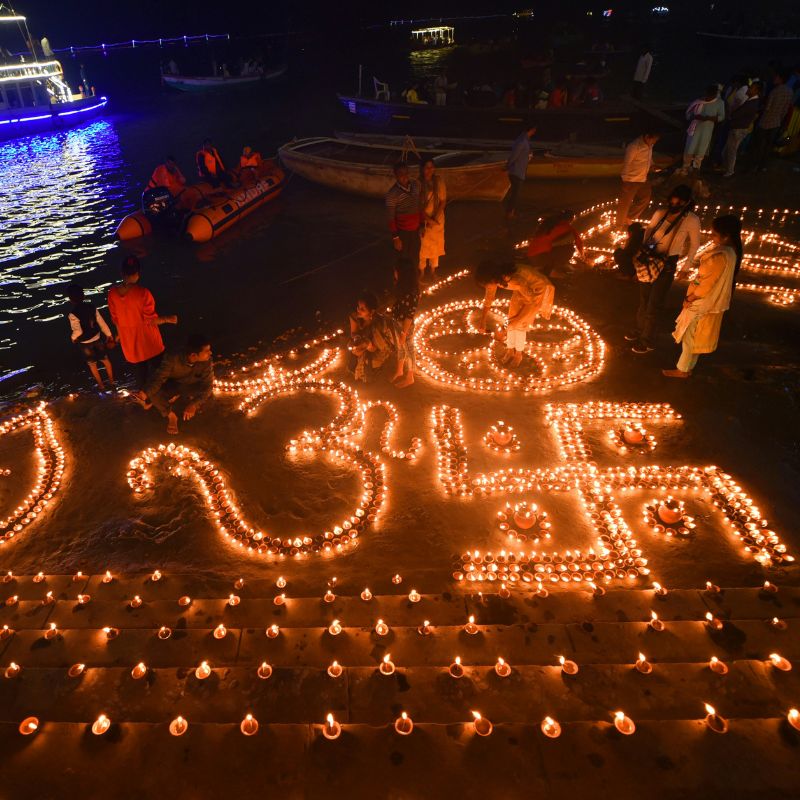

Dev Deepavali 2026 falls on Tuesday, 24 November 2026, sixteen days after Diwali. It is not Diwali, and the photographs of millions of lamps burning down the ghats of the Ganges that most people associate with Diwali in Varanasi are almost always photographs of this night instead. The Uttar Pradesh government lit around 25 lakh lamps across the 84 ghats for it in 2025. If you want to be on the river for it, book the boat and the river-facing room first, and the rule is nine to twelve months ahead. For 24 November 2026, that window has passed, so check availability with us now rather than assuming either is still open.
TL;DR
- Date: Tuesday 24 November 2026. It falls on Kartik Purnima, the full moon of the month of Kartik.
- It is a separate festival from Diwali, which is on 8 November 2026. Sixteen days apart, two different trips.
- Scale is government-organised, not incidental. Around 25 lakh lamps across the 84 ghats in 2025, with 15 lakh supplied by the UP Tourism Department.
- 24 November 2026 is also Guru Nanak Jayanti, a gazetted national holiday, which compounds domestic crowding on the same day.
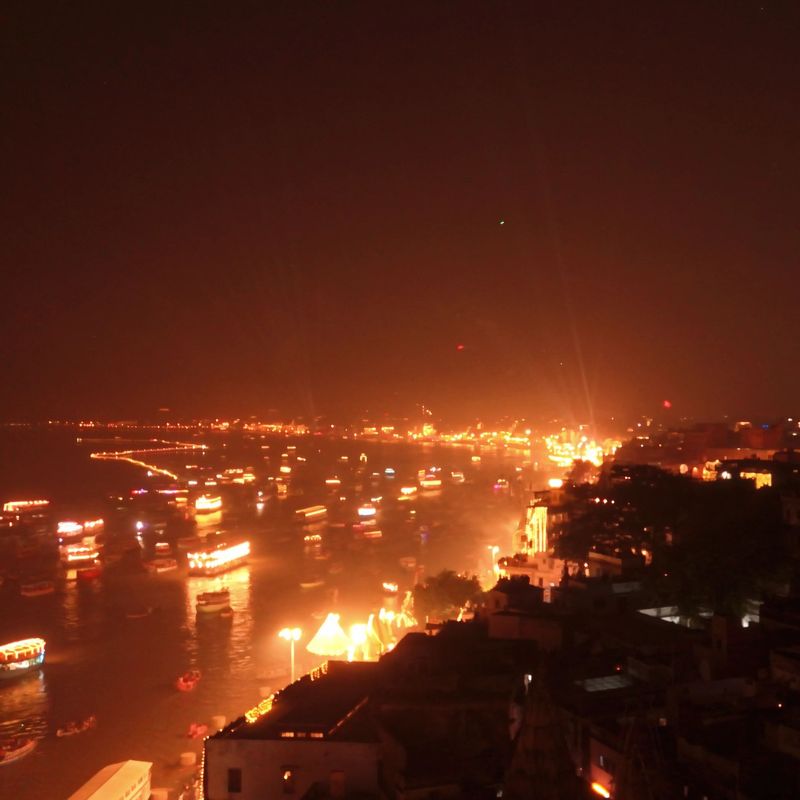
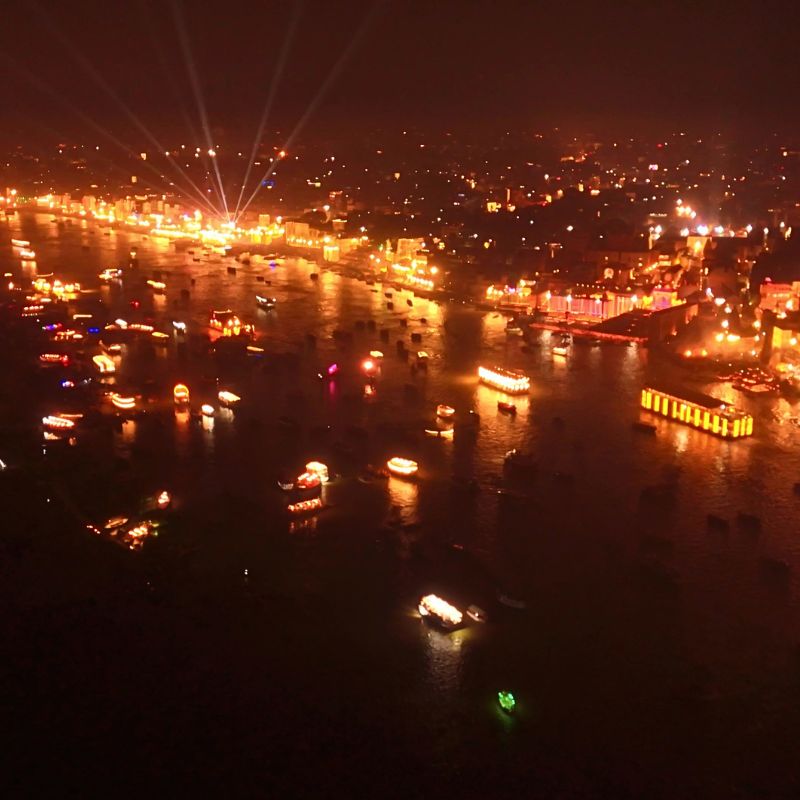
- The boat is the product. From the water you see the whole illuminated riverfront; from the steps you see the crowd in front of you.
- Dashashwamedh Ghat is the most congested point in the city that night. Crowd control, restricted movement and designated entry points all apply.
- Book the river-facing room and the boat nine to twelve months out in a normal year; for 2026, ask us now. Everything else in Varanasi is easier than those two things.
- Two nights minimum, ideally three, so festival night isn't also an arrival day.
Most coverage of this festival explains the mythology. This piece covers the date, the scale, and what you need to secure in advance.
What Dev Deepavali Is, and Why It Is Not Diwali
Dev Deepavali means the gods' Diwali. It marks Shiva's destruction of Tripurasura and the three flying cities, which is why the observance takes the form of mass illumination. It is also known as Tripurotsav or Tripurari Purnima. The belief behind the festival's popular name is that the gods descend to Kashi on this night to bathe in the Ganges.
It falls on Kartik Purnima, the full moon of Kartik, a fortnight after Kartik Amavasya. Amavasya is Diwali. That gap is why the two festivals are never on the same night and why the confusion is so common.
The practical consequence for a traveller is straightforward. Diwali 2026 is Sunday 8 November and is best experienced in Rajasthan. Dev Deepavali 2026 is Tuesday 24 November and is best experienced in Varanasi. A trip that catches both needs to span seventeen days, 8 to 24 November, or you'll have to choose one.
The 2026 Date, and Two Things About It Nobody Flags
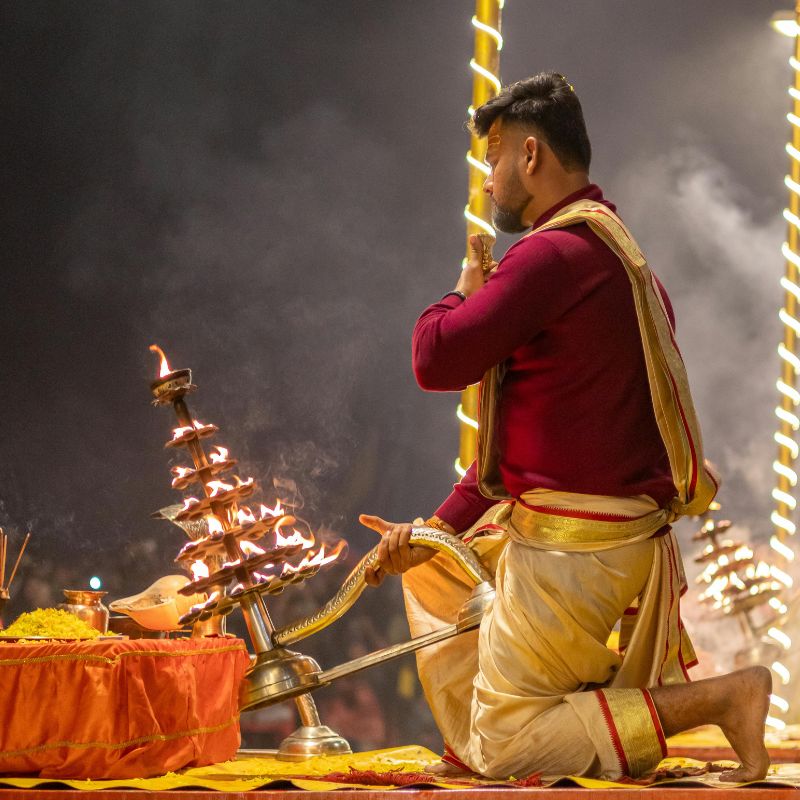
24 November 2026 is a Tuesday. Some listings currently circulating pair 24 November with the wrong weekday, while others list Wednesday, 25 November. Both are wrong. The Purnima tithi runs from late on 23 November to the evening of 24 November, and the Pradosh window that evening, when the lamps are lit, runs roughly from 5:10 pm to 7:50 pm in Varanasi. The 25 November claim fails because the tithi has ended before sunset that day.
It is also Guru Nanak Jayanti, which is on the Department of Personnel and Training's gazetted holiday list for 2026. Kartik Purnima carries both observances. That means the single biggest night of the Varanasi calendar lands on a national public holiday, so domestic visitor numbers stack on top of the festival crowd. Hotel rates, flights into Varanasi, and boat fares all adjust accordingly.
The festival is the finale of a longer event. Ganga Mahotsav, Varanasi's five-day cultural festival, runs up to and concludes on Kartik Purnima, with classical music, a country boat race and a crafts fair across the preceding days. Travellers who fly in for the one night miss all of it.
The Scale, in Government Numbers
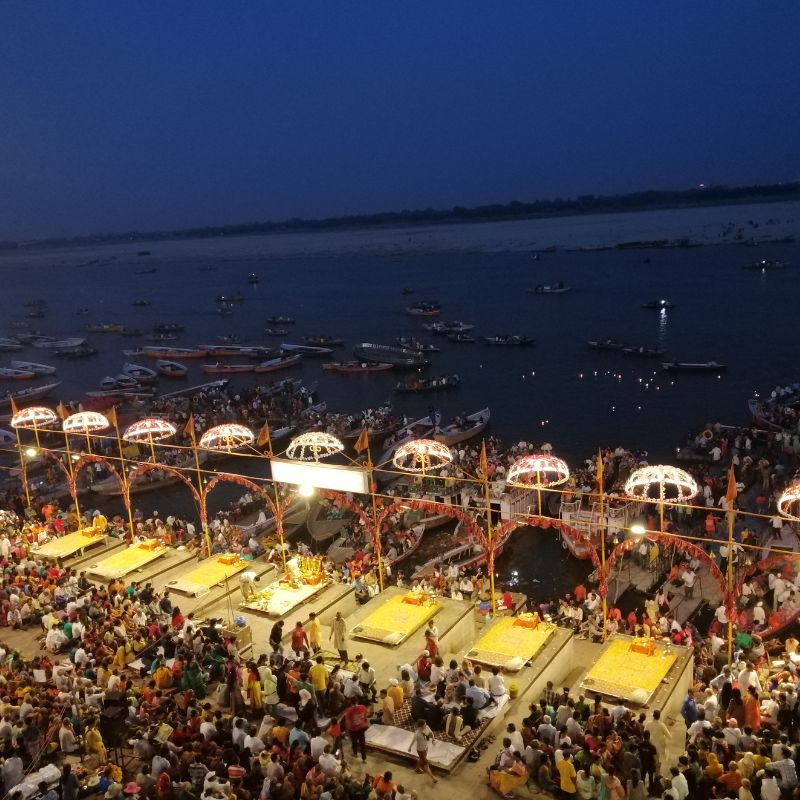
This is not a local observance that tourism has discovered. It is a state-organised event with published figures.
|
Year |
Lamps lit |
Source detail |
|---|---|---|
| 2024 | 11 lakh on the 84 ghats, over 17 lakh citywide | Namo Ghat inaugurated; Ganga Aarti, laser show and green fireworks |
| 2025 | Around 25 lakh across the 84 ghats | UP Tourism Department supplied 15 lakh; local committees and Kashi residents supplied the remaining 10 lakh. |
Visitors from more than forty countries attended in 2025, according to the government's own reporting. The ghats run the full length of the riverfront, from Ravidas Ghat in the south to Rajghat in the north.
The number worth holding onto is the second row of that table. The state tourism department supplies fifteen of the twenty-five lakh lamps. That is what separates this night from an ordinary Ganga Aarti, and it is why the riverfront reads as continuous light rather than as scattered pockets.
What You Actually Have to Book, and When

Three things, in this order.
The boat. Watch from the water. It is the standard advice for this night, and it is correct. From a boat on the river you see the entire illuminated sweep of the ghats at once. From the steps you see the crowd standing between you and the river. Private boats for Dev Deepavali night are committed months ahead, and the good boatmen are booked by operators who use them all year, not by walk-ups on the day.
The river-facing room. Our Varanasi properties are Taj Nadesar Palace, Avantika by the Ganges, Taj Ganges, DoubleTree by Hilton and Radisson. Of the five, only Avantika sits on the river, and Nadesar Palace is the quieter garden option away from the crush. A Ganges-facing room on 24 November 2026 is a different booking from a Varanasi hotel room on 24 November 2026, and only the first one is scarce.
The nights either side. Two nights minimum, and three preferably, so the festival evening isn't also the day you land at Varanasi airport in holiday traffic. A dawn boat on the morning after Dev Deepavali, with the spent lamps still on the steps and the river empty, is one of the better hours in Indian travel and is far easier to arrange than the festival evening.
Our 12 questions to ask an India tour operator cover what to verify before a deposit moves, and the terms are on our booking and cancellation policy page.
What Goes Wrong on the Night
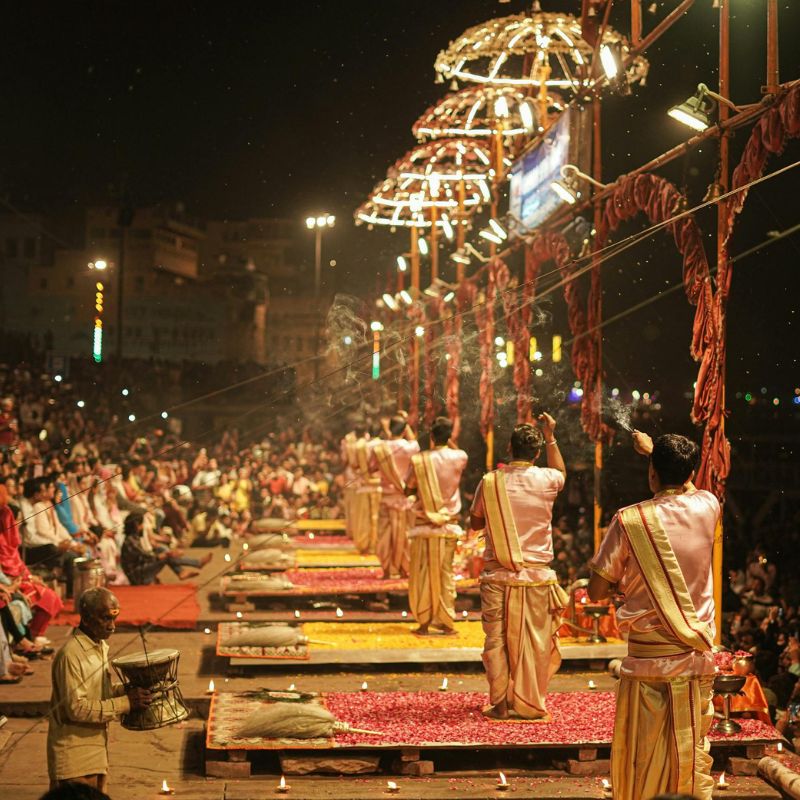
Crowd management on Dev Deepavali is active. Expect designated entry points and restricted movement between ghats, and check the day's arrangements with the local administration. You cannot assume you will be able to walk from Assi to Dashashwamedh that evening, and a guide who knows which approach lanes are open is worth more on that one night than on the rest of the trip combined.
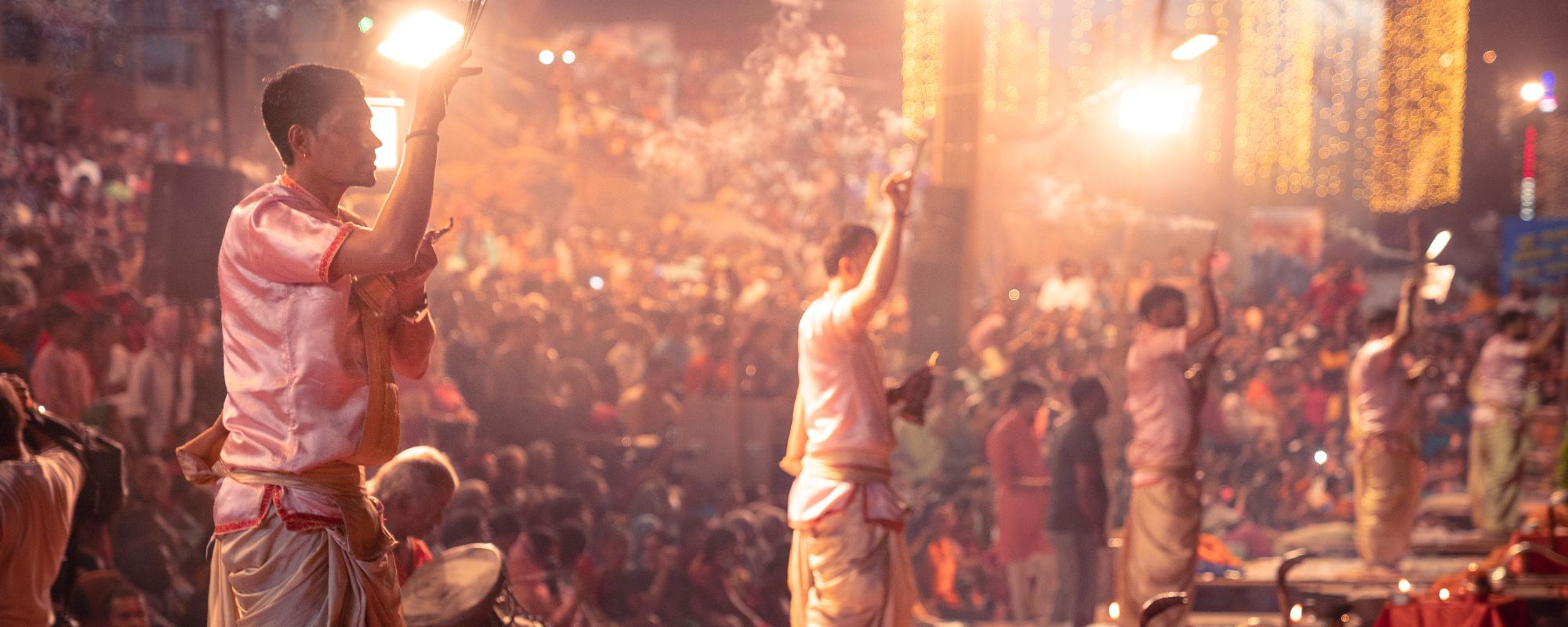
Dashashwamedh Ghat is the focal point and the worst congestion in the city. The grand Ganga Aarti happens there, which is exactly why it is the hardest place to stand. Arrive very early or watch from the water.
Mobile networks struggle under the load. Agree on a physical meeting point with your guide and driver rather than relying on a phone call at 8 pm.
And the evening is short. The lamps go down in the Pradosh window after sunset, and the peak visual hour is roughly 5:30 pm to 7:30 pm. An itinerary that schedules Sarnath or Ramnagar Fort late that afternoon will miss it in traffic.
Where It Fits in a Larger Trip
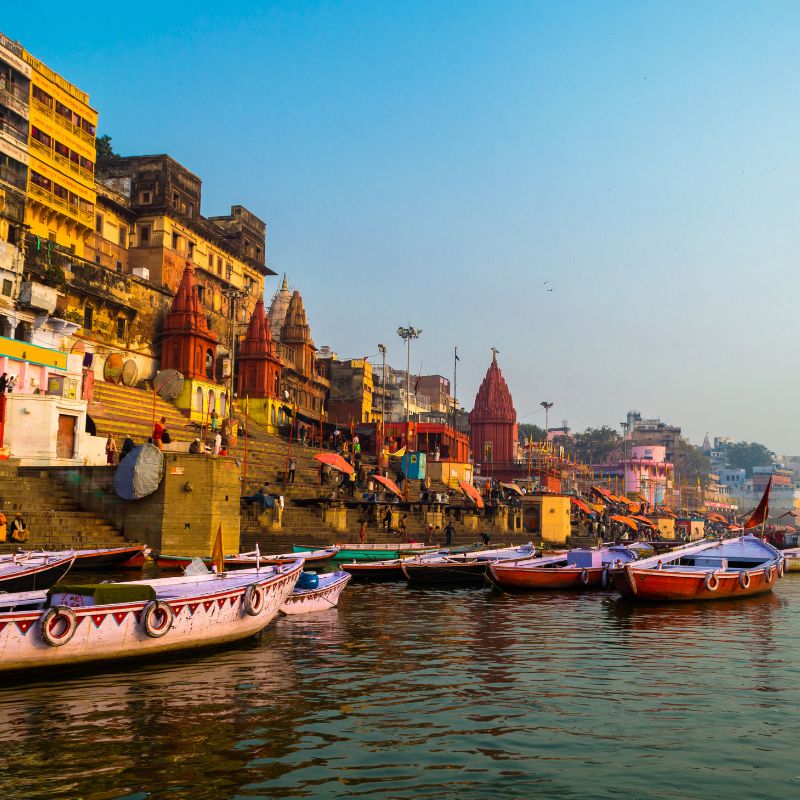
Varanasi is a two- or three-night module rather than a destination in its own right, and it sits naturally at the end of a northern itinerary. The standard shape is Delhi, Agra and Jaipur first, then a short flight east. Our 10-day Golden Triangle and Rajasthan route covers that first leg, and you can then add Varanasi by flight. Our luxury Varanasi guide covers the city’s sights, dining and hotels.
Late November falls inside the main October to March season for that route. Our month-by-month calendar and winter planning guide cover the season by region and the fog risk that builds in the plains from late December, which is another reason to choose this date rather than a December one.