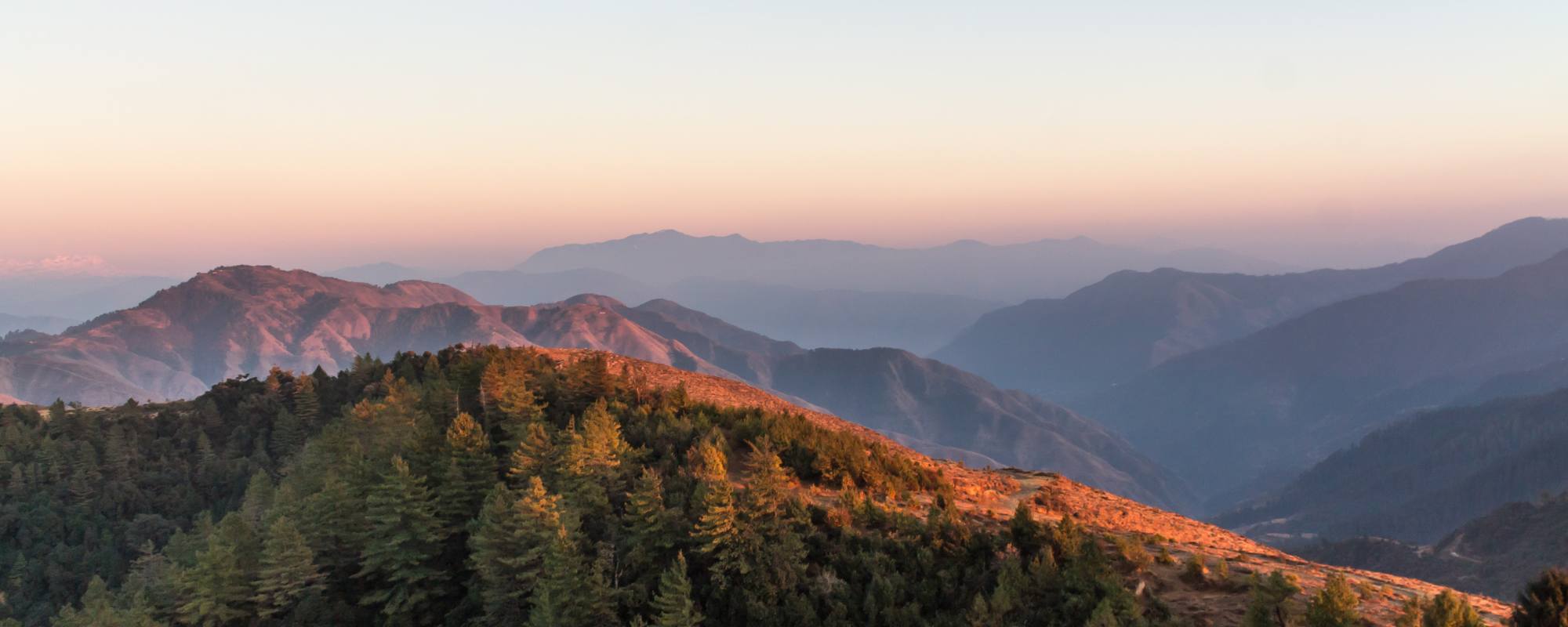
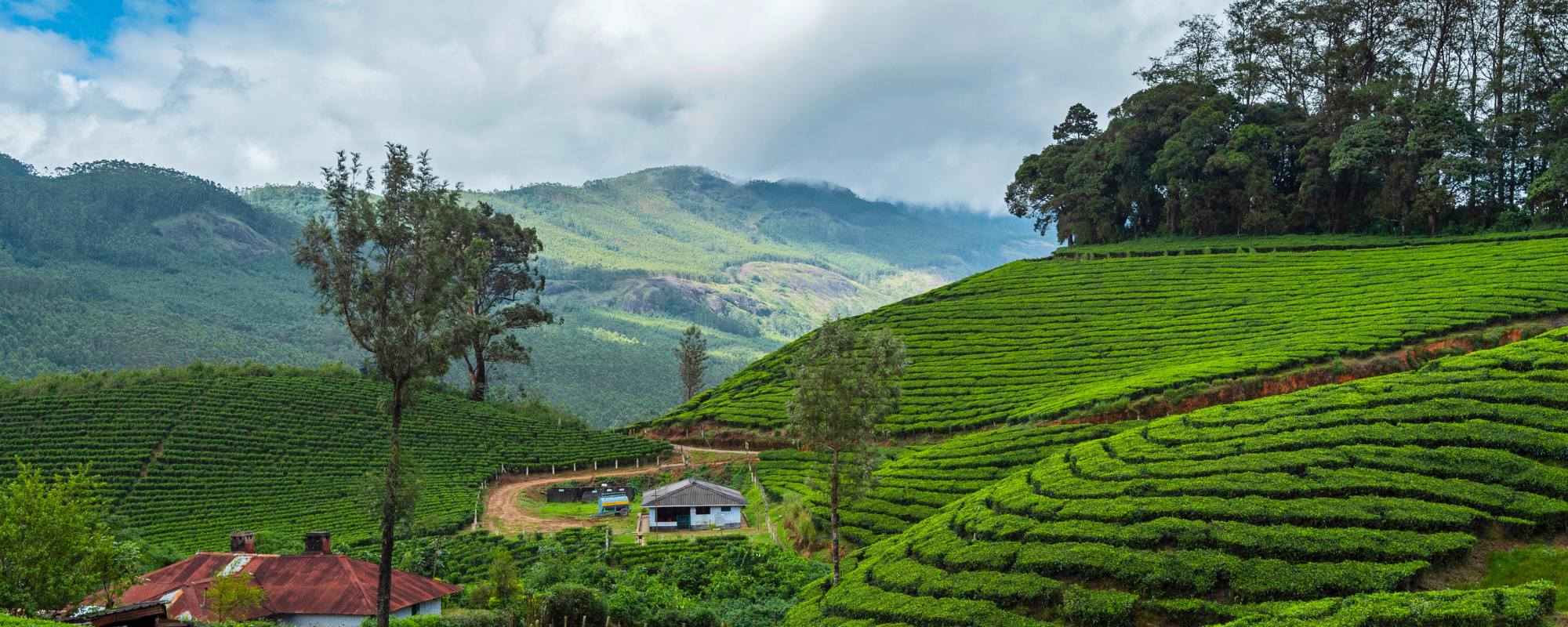
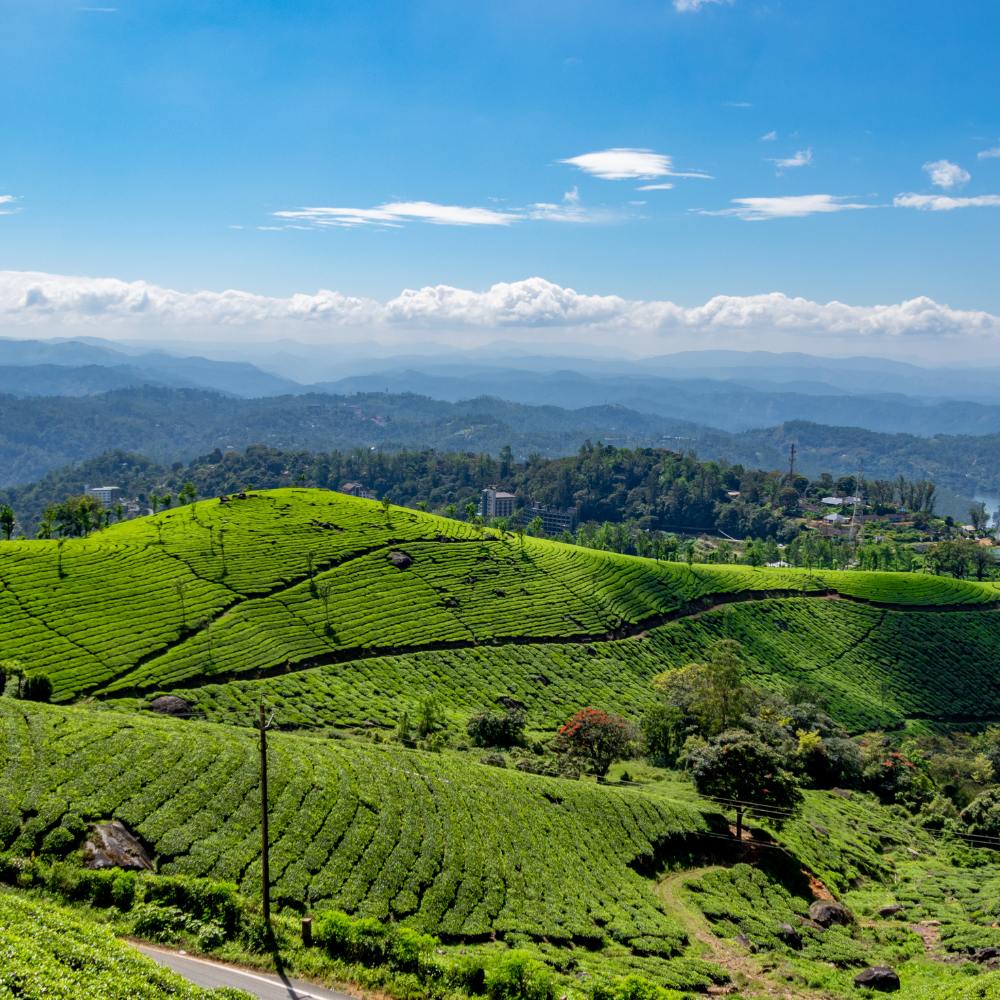

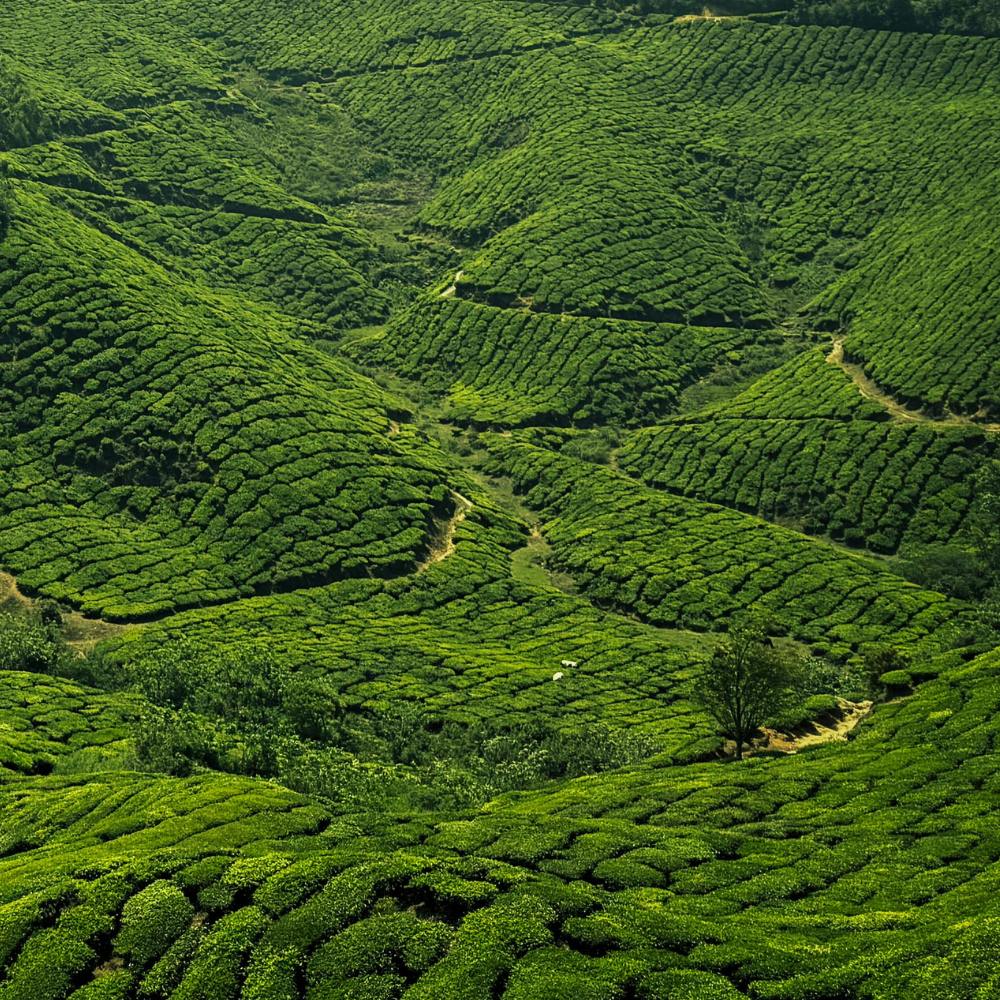
Munnar sits at the top of the Western Ghats in Kerala's Idukki district, at an average elevation of around 1,600 metres, where clouds settle low over rolling green tea hills. The town takes its name from the local Malayalam mun aar, meaning "three rivers", a reference to the confluence of the Madhurapuzha, Nallathanni, and Kundala streams that meet at the centre of town.
Tea cultivation here began in 1880, when British planter A.H. Sharp planted the first 50 acres at Parvathy. By 1900, the Scottish firm James Finlay and Sir John Muir had consolidated the estates into the Kannan Devan Hills Produce Company, the forerunner of today's Kannan Devan Hills Plantations.
For nature lovers, Munnar is exceptionally rewarding. The surrounding Western Ghats form one of the world's eight "hottest hotspots" of biological diversity, recognised by UNESCO. What that mean on the ground:
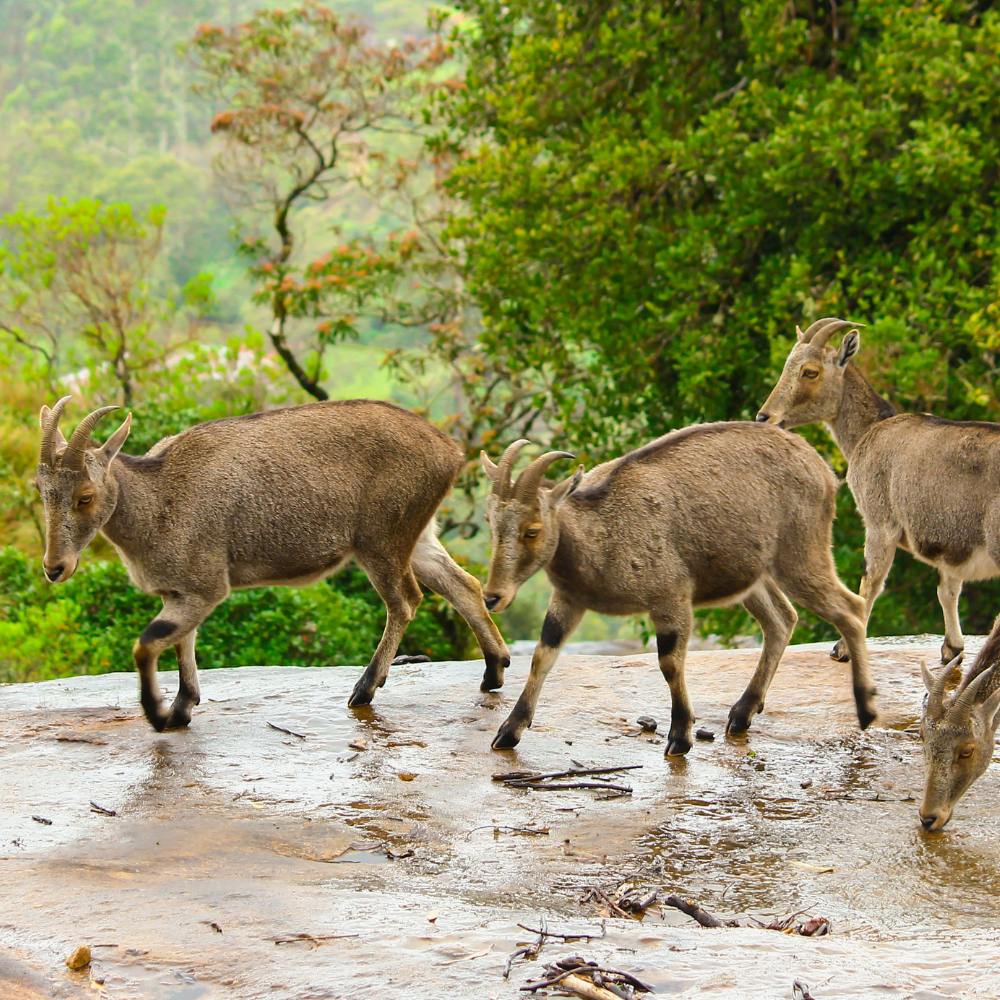
- Eravikulam National Park holds the world's largest population of the endangered Nilgiri tahr
- Anamudi, the highest peak in South India at 2,695 metres, rises within the park boundary
- The Neelakurinji flower carpets the hillsides in blue every twelve years; the next bloom is due in 2030
- The original tea plantations of South India are still working, still accessible, and free to walk through with permission
This guide covers the best places to visit in Munnar for travellers who come for the landscape, the wildlife, the walks, and the tea estates. Three to four days in the area is the right length for a relaxed first visit, with optional extensions to Marayoor, Chinnar, or Thekkady.
Munnar at a Glance
- Location: Idukki district, Kerala, in the southern Western Ghats.
- Altitude: Around 1,600 metres in the town; up to 2,695 metres at Anamudi.
- Best time to visit: September to March, when the air is cool and clear; April and May are warmer but still pleasant.
- Nearest airport: Cochin International Airport (COK), 125 km away, around 3.5 to 4 hours by road via NH85.
- Nearest railway: Aluva (130 km) on the Cochin to Coimbatore line; Madurai Junction (160 km) is the closest from Tamil Nadu.
- Recommended stay: Three to four nights for a meaningful first visit covering the main viewpoints, Eravikulam, and the tea heritage.
Top Places to Visit in Munnar for Nature Lovers
1. Eravikulam National Park
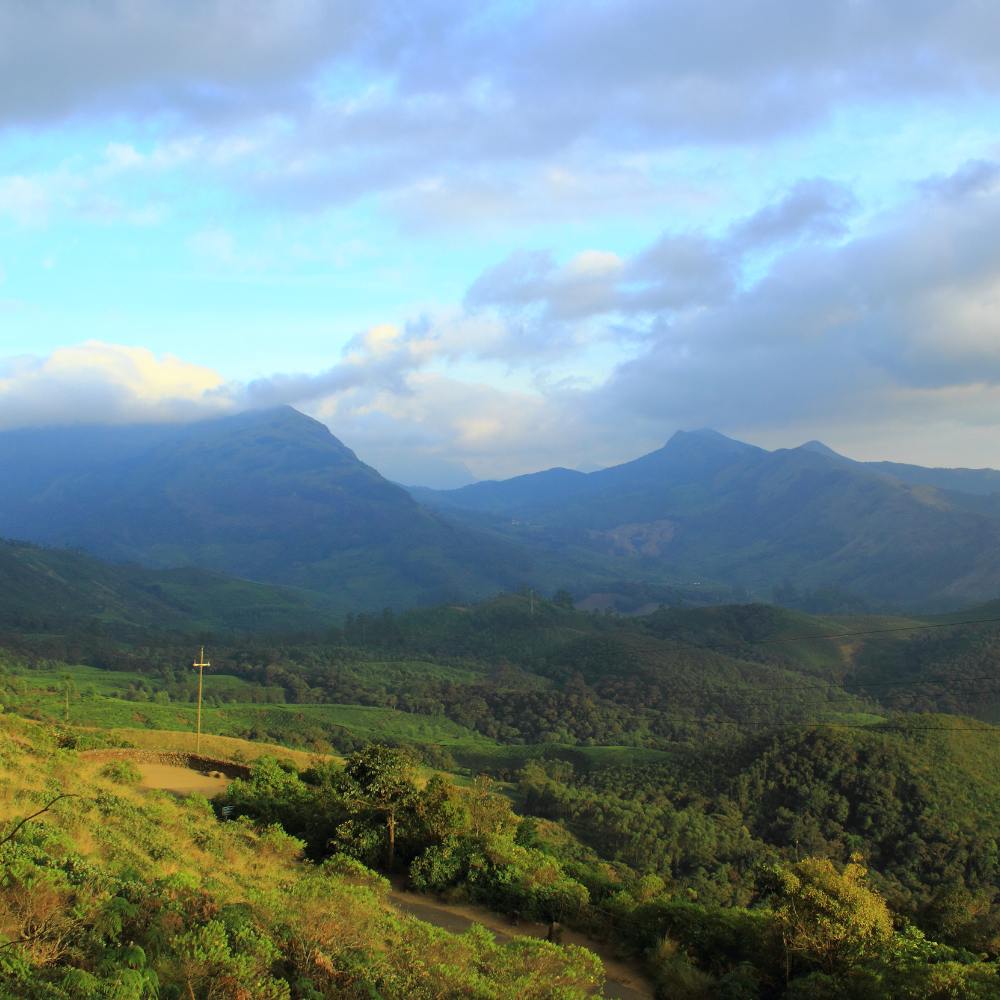
Eravikulam is the centrepiece of Munnar's natural heritage. The 97 sq km park rises across the western face of the Western Ghats, from rolling grasslands at the bottom to high altitude shola forests at the top.
What makes it special:
- More than 700 Nilgiri tahr, the largest surviving population anywhere in the world
- Anamudi (2,695 m), the highest peak in South India, lies within the park boundary
- The Neelakurinji bloom, once every twelve years, is at its most spectacular here (next: 2030)
The Rajamala section is the visitor zone. A paved path climbs gently through the lower slopes and the tahr are almost always visible from the trail, often within a few metres of visitors in the early hours.
Practical:
- Distance from Munnar: 15 km via the Rajamala road.
- Open: 7 AM to 4 PM, closed during the calving season (February to March, dates vary annually).
- Entry: A standard ticket at the park gate. Private vehicles park 7 km from the trailhead; a forest department shuttle bus carries visitors the rest of the way.
2. Anamudi Peak
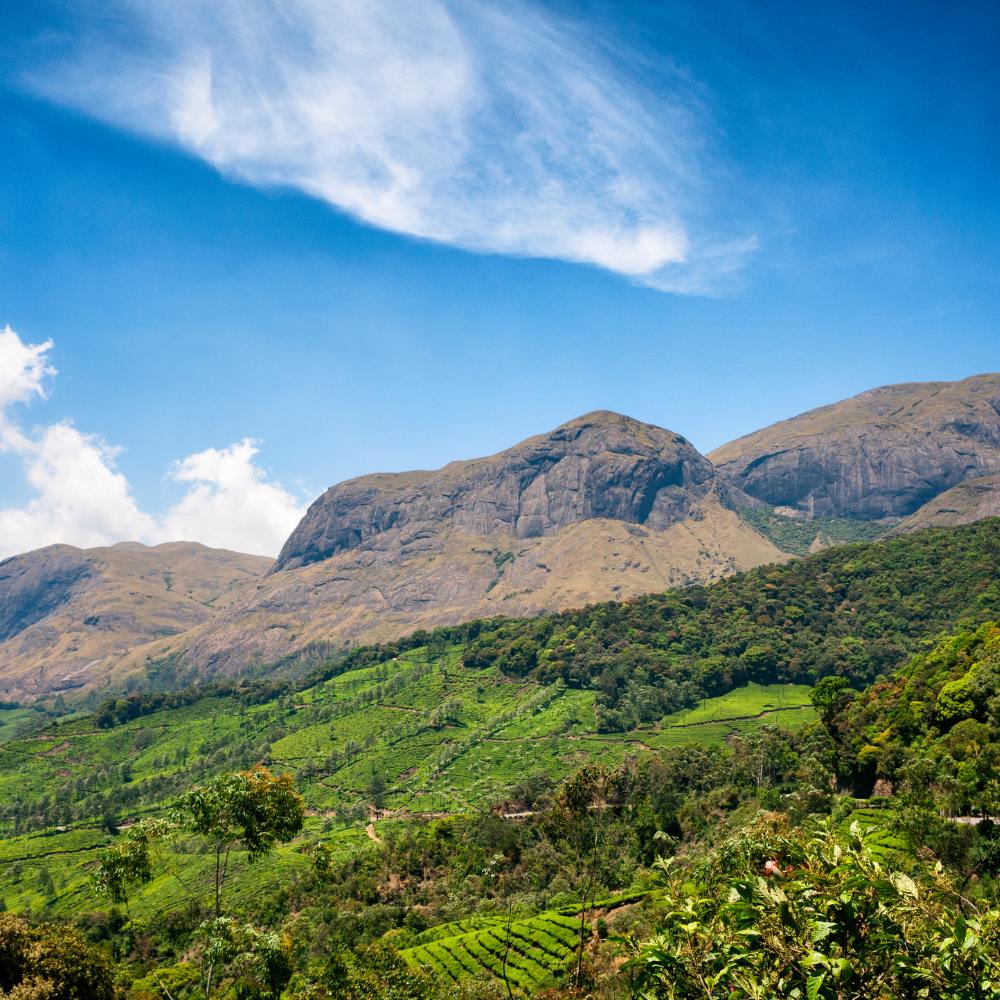
At 2,695 metres, Anamudi is the highest peak in South India and the tallest mountain anywhere south of the Himalayas. The name means "elephant's forehead" in Malayalam, after the rounded dome that gives the summit its profile.
Quick facts:
- Sits at the junction of the Cardamom Hills, Anamalai Hills, and Palani Hills
- Falls within the southern stretch of Eravikulam National Park
- Summit trek requires advance permission from the Kerala Forest Department
- Trek access is tightly controlled to protect tahr and elephant conservation programmes
Most visitors photograph Anamudi from the Eravikulam viewpoints rather than attempting the trek. The lower slopes are also visible from the Rajamala trail.
Explore more hill stations: Top 10 Hill Stations in South India to Visit in 2026
3. Mattupetty Dam and Shola Forests
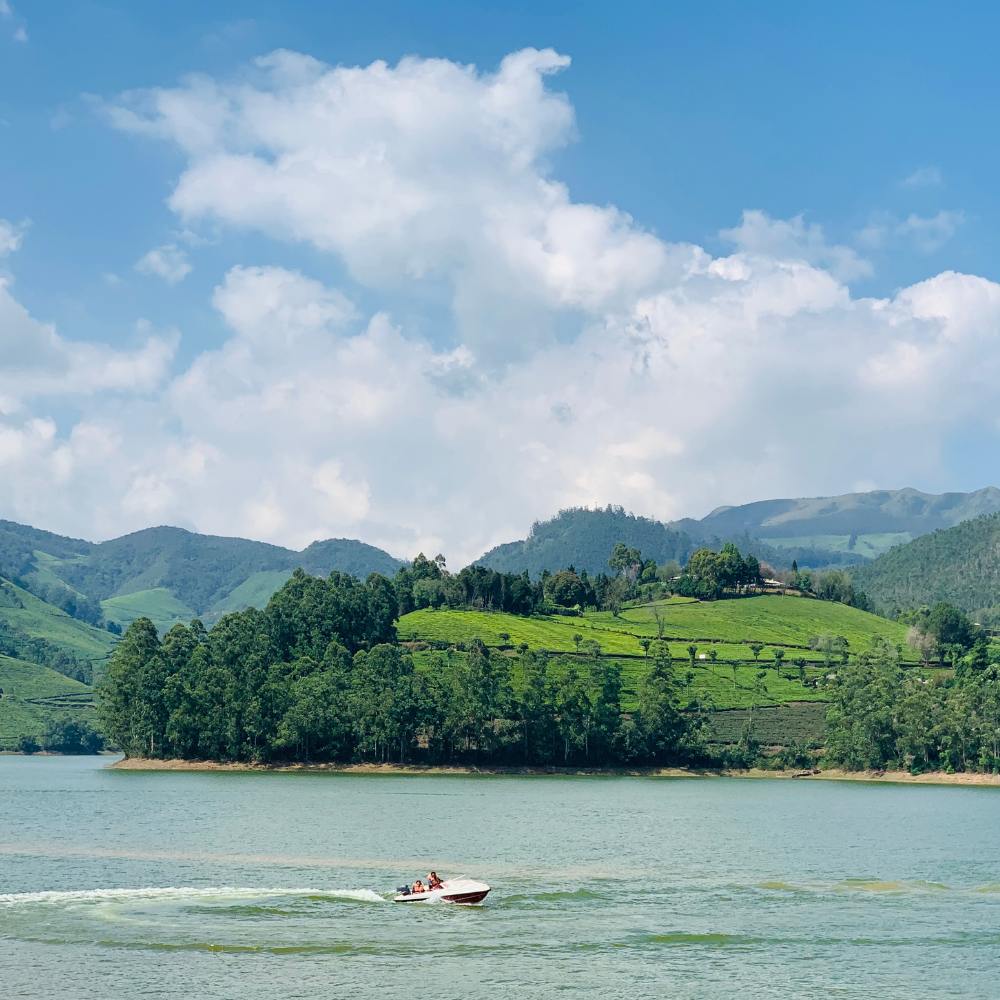
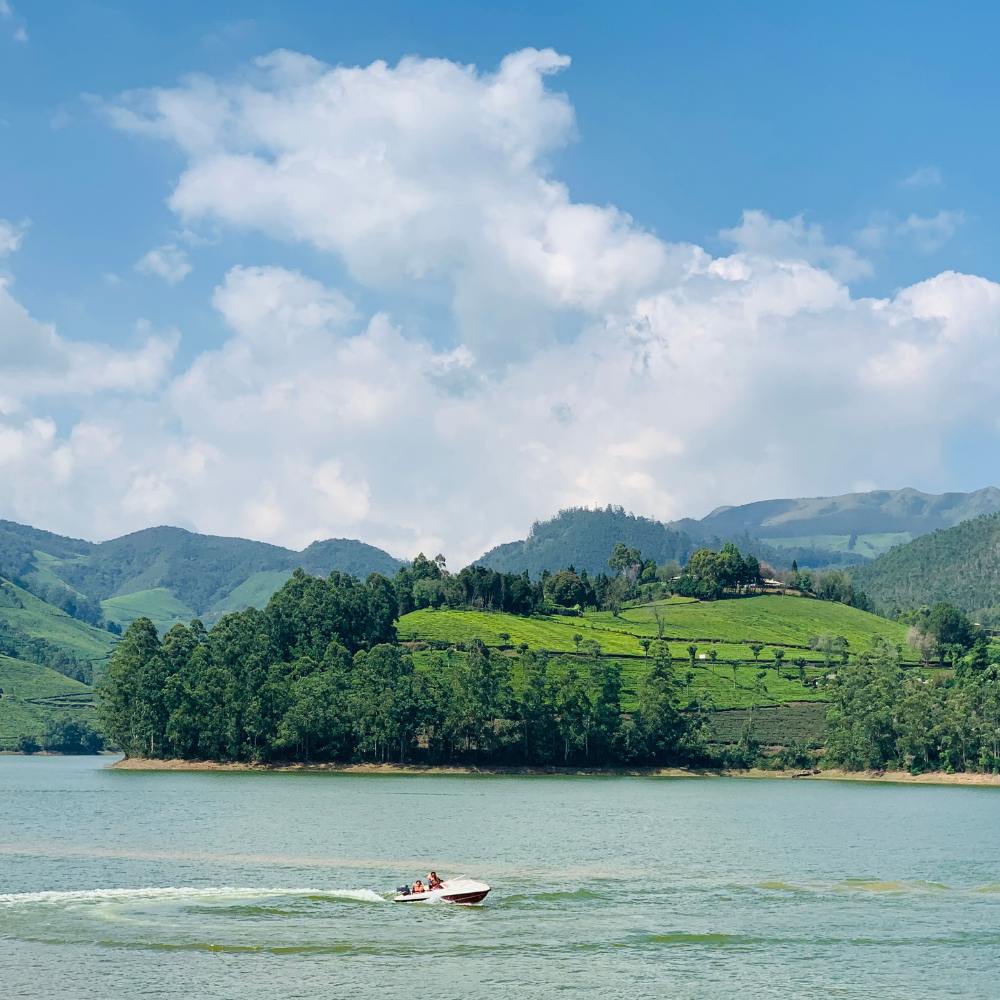
Mattupetty Dam was built in 1953 as part of the Pallivasal hydroelectric project, the first major hydro scheme in independent India. The reservoir behind it is one of Munnar's signature landscapes: an emerald lake set among tea hills and shola forest, surrounded by quiet roads ideal for slow drives and walks.
What to do there:
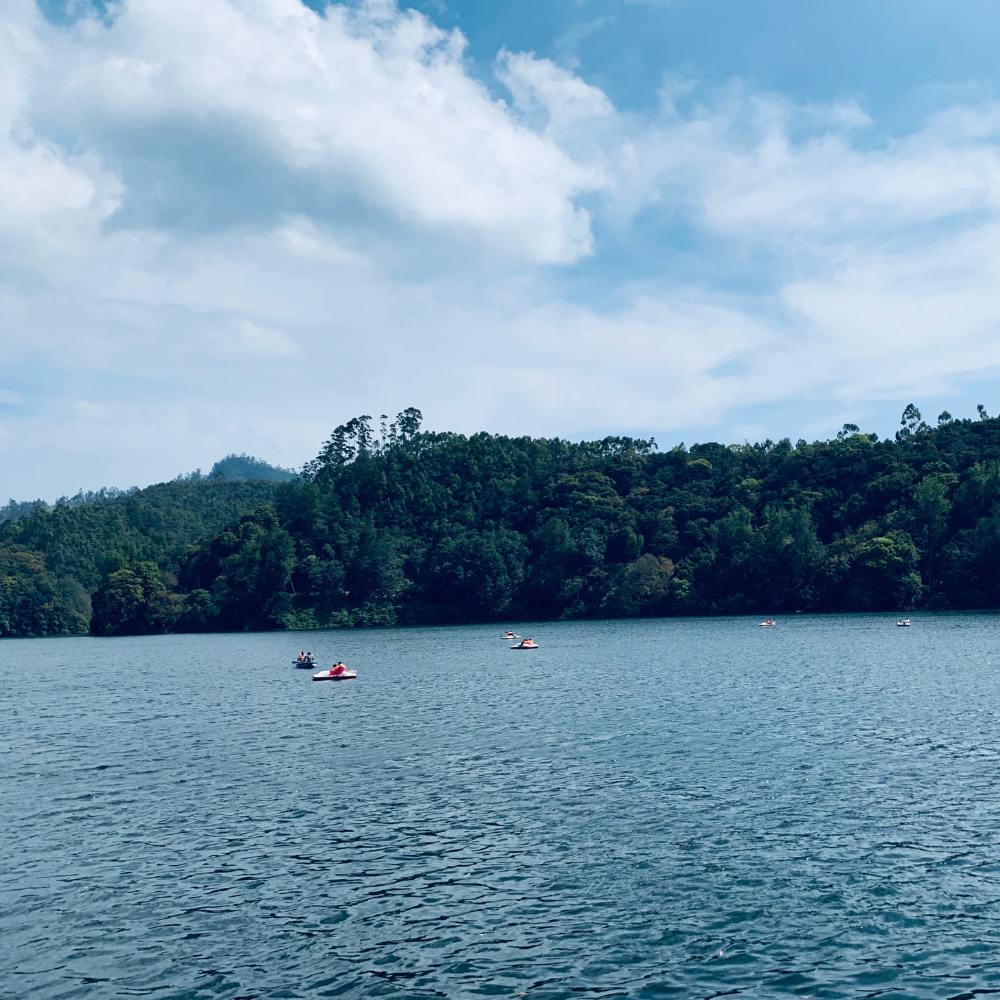
- Pedal boats and motor launches operate from the lakeside
- The Indo Swiss Project (Kerala Livestock Development Board farm, est. 1963) is open to visitors
- Short walking paths through dense shola forests around the lake
- Distance from Munnar: 13 km on the Top Station road.
4. Top Station and Kundala Lake
Top Station sits at 1,700 metres on the Munnar to Kodaikanal road, right on the Kerala and Tamil Nadu border. It is named for its position as the highest point on the old British ropeway that once carried tea down to the plains.
Highlights:
- The most expansive Western Ghats panorama in the entire Munnar region
- On a clear morning, the Anamalai range and Cumbum Valley fall away to the east in a single uninterrupted view
- Kundala Lake, 5 km below Top Station, is ringed by cherry blossom trees that flower between December and February
- One of the few places in India with a meaningful cherry bloom season
- Distance from Munnar: 32 km to Top Station; 22 km to Kundala.
Plan your Kerala Tour: 10 Day Luxury Tour to Kerala
5. Marayoor and Chinnar Wildlife Sanctuary
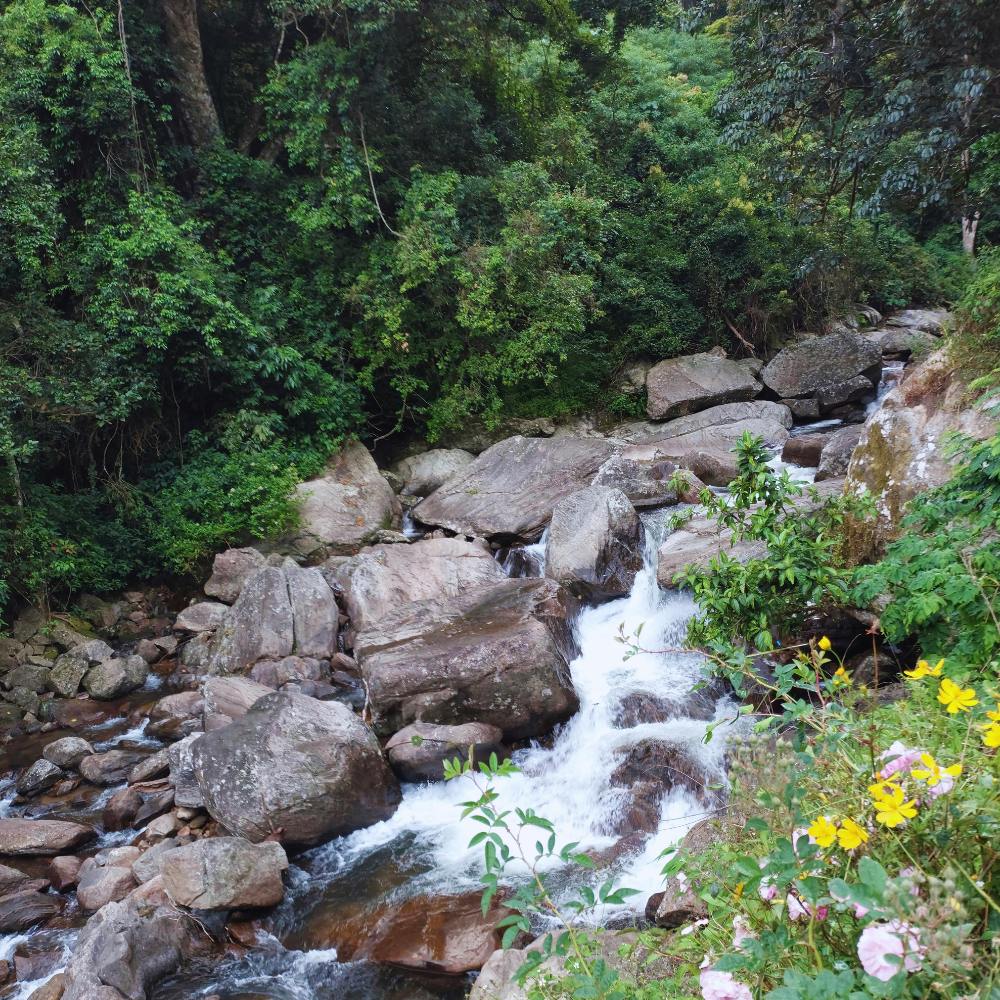
Marayoor, 40 km north of Munnar on the road to Udumalpet, is the only place in India with a naturally occurring sandalwood forest.
In Marayoor:
- Forest Department guided walks through the protected sandalwood zone
- Neolithic dolmen sites that predate the sandalwood reserve by several thousand years
- Marayoor jaggery, made from local sugarcane, with its own Geographical Indication tag
A short drive further sits Chinnar Wildlife Sanctuary, in the rainshadow of the Anamalais. The dry deciduous habitat here is the only place in Kerala where the grizzled giant squirrel is found in the wild. Forest guides at the Chinnar entry point lead morning and afternoon nature walks suitable for most fitness levels.
- Distance from Munnar: 40 km to Marayoor; 60 km to the Chinnar entry point.
6. Pothamedu and the Tea Estate Viewpoints
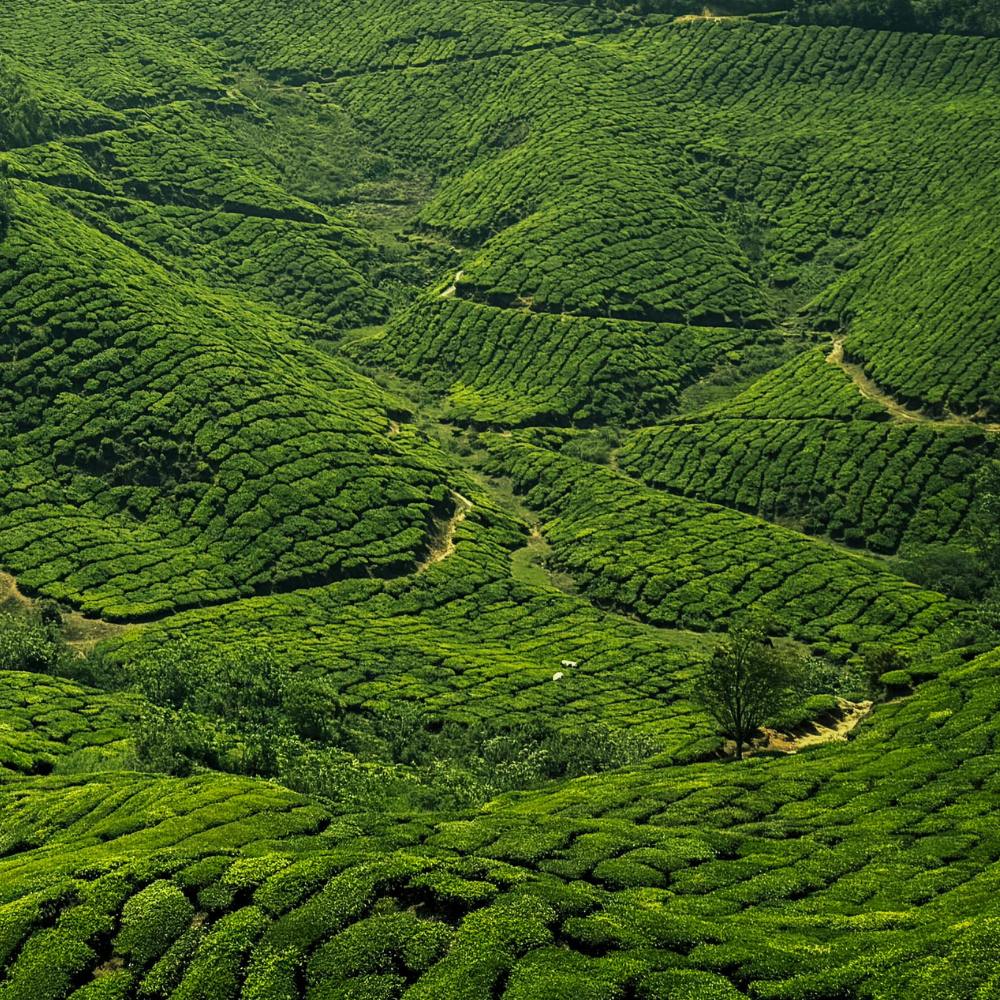
Munnar's viewpoints are short, free pull off stops on the highway, each looking out over a slightly different stretch of the Kannan Devan Hills. All three below are at their best in the early morning before the cloud rises.
- Pothamedu: The most photographed viewpoint in Munnar. A five minute pull off NH85 a few kilometres before town from the Cochin side.
- Lockhart Gap: A wider, slightly higher panorama. Quieter than Pothamedu.
- Pallivasal: Valley view near the hydroelectric project of the same name.
Read Also: Top 10 Places to Visit in South India – Travel Guide 2026
7. The Waterfalls Around Munnar
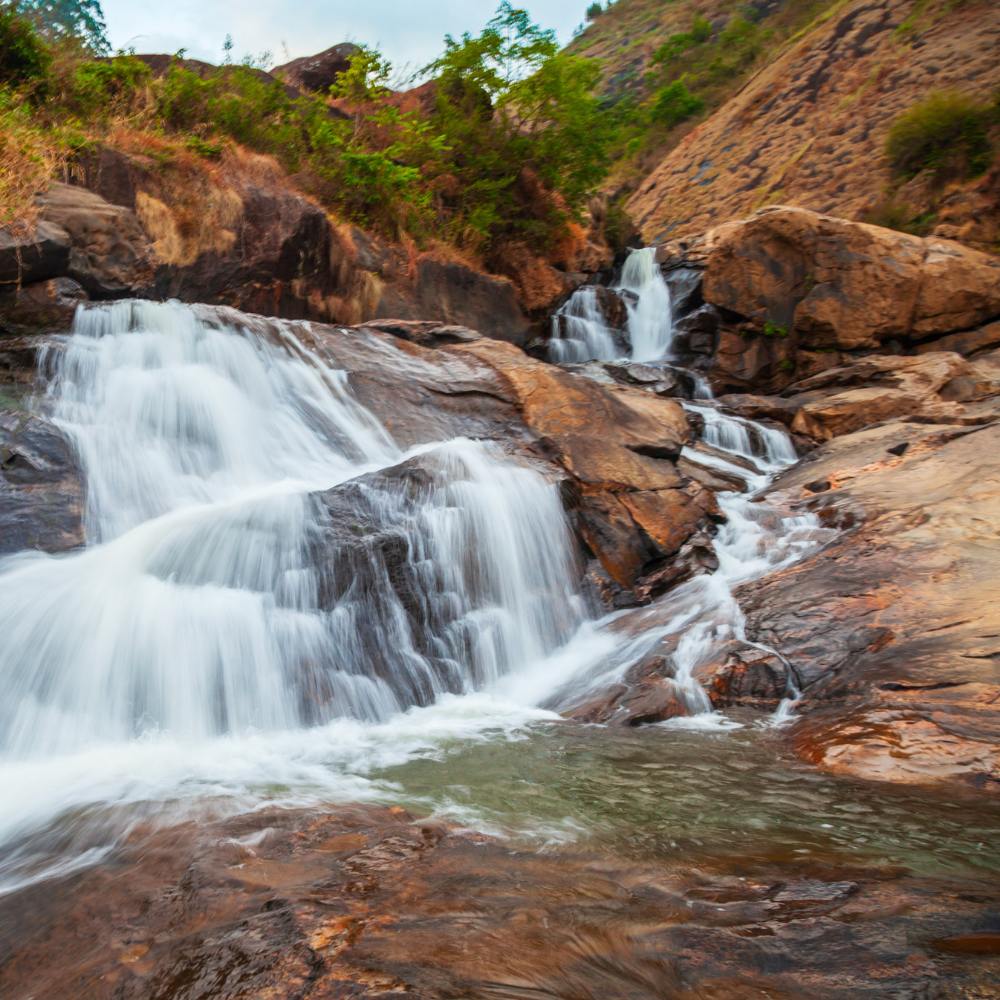
Munnar lies in one of the wettest regions of South India, and the road in from Cochin passes a series of waterfalls that are at their most powerful between June and September.
- Attukal Waterfalls: A short forest walk leads to a multi tiered cascade about 9 km from Munnar on the Pallivasal road.
- Cheeyappara Waterfalls: A seven step cascade visible right from NH85, about 60 km below Munnar on the Cochin road. Most travellers stop here on the drive up.
- Lakkam Waterfalls: A clear plunging waterfall 35 km from Munnar on the Marayoor road. Quieter than the others and set in dry deciduous forest.
8. The Tea Heritage: Tata Tea Museum and Kannan Devan Hills
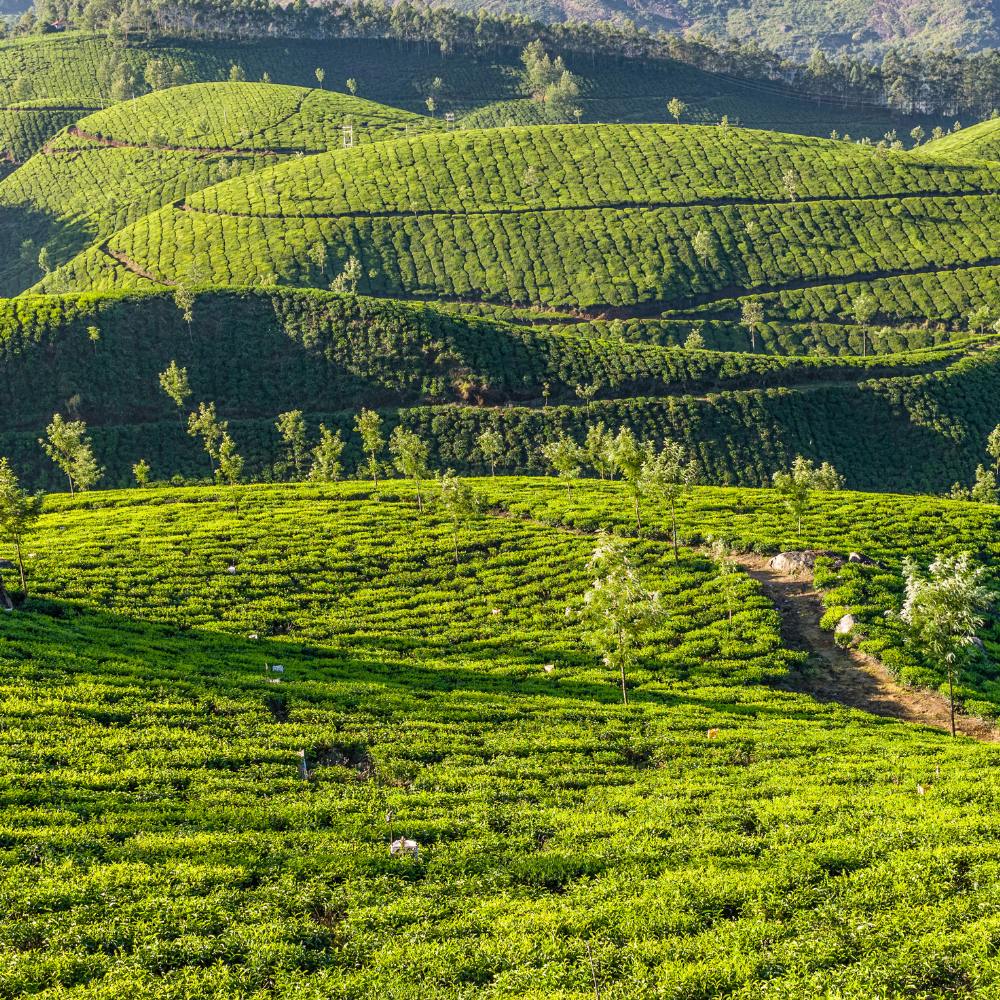
The Tata Tea Museum opened in 2005 on the Nallathanni Estate and remains the only museum in India dedicated to the story of tea cultivation.
What you will see:
- Original 19th century plantation machinery in working order
- Photographs and personal effects of the early planter community
- A working factory tour, from green leaf to processed powder
- Allow about 90 minutes; arrive in the morning before the day's tour rush
The surrounding Kannan Devan Hills Plantations (KDHP) is the largest tea producer in South India and runs guided walks through its estates by prior arrangement. A walk through a working tea garden at the right hour of the morning is the closest a visitor gets to understanding why Munnar became Munnar.
- Distance from Munnar town: 1.5 km north on the Munnar to Top Station road.
Read Also: Top 10 Places to Visit and Things to Do in Kerala in 2026
When Is the Best Time to Visit Munnar?
- September to November: Post monsoon. Clearest air, greenest hills, daytime 18 to 25 degrees Celsius, cool evenings.
- December to February: Cool and dry, with morning mist, occasional frost in higher valleys, and the cherry blossom season at Kundala Lake. Peak tourist window.
- March to May: Warmer but still pleasant; daytime up to 27 degrees. Lower hotel rates and thinner crowds.
- June to August: Heavy monsoon, dramatic waterfalls, parts of Eravikulam closed for tahr calving. Beautiful for travellers who do not mind wet conditions.
How to Reach Munnar
- By air: Cochin International Airport (COK), 125 km, around 3.5 to 4 hours by road via NH85. Direct flights from major Indian metros plus Dubai, Sharjah, Doha, and Singapore.
- By train: Aluva (130 km) on the Cochin to Coimbatore line is the closest practical railhead from Kerala. Madurai Junction (160 km, 4 hours by road) is the closest from Tamil Nadu.
- By road: Well connected from Cochin (NH85), Madurai (via Theni), and Coimbatore (via Udumalpet and Marayoor). Buses run several times a day; chauffeur driven cars are the more comfortable option for the climb.
Frequently Asked Questions About Munnar
How many days are needed for a Munnar trip?
Three to four days for a first visit. This covers Eravikulam, the main viewpoints, the tea heritage, and one of either the Marayoor and Chinnar circuit or the Top Station and Kundala loop. Travellers combining Munnar with Thekkady or Alleppey usually allow seven to ten days for the wider Kerala itinerary.
Is Munnar good for families with young children?
Yes. The terrain is mild, the roads inside the visitor area are short, and the main attractions (Eravikulam, Mattupetty, the viewpoints, the tea museum) involve only easy walking. Older children enjoy the boating at Mattupetty and the shuttle bus into Eravikulam.
Can I see a tiger or elephant in Munnar?
Tigers exist in Eravikulam and Chinnar in low density and are rarely sighted. Wild Asian elephants are present in both parks; sightings happen but are not guaranteed. For reliable wildlife viewing, plan a separate visit to Periyar Tiger Reserve at Thekkady (around 100 km from Munnar), where the Periyar Lake boat cruise is the standard way to spot wildlife from the water.
Do I need a permit for Anamudi?
Yes. The summit trek requires advance permission from the Kerala Forest Department and is tightly restricted to protect alpine grasslands and the active tahr and elephant conservation programmes. Most visitors view the peak from Eravikulam viewpoints rather than attempt the trek.
When will the Neelakurinji bloom next in Munnar?
The next major Neelakurinji bloom is expected in 2030, twelve years after the last bloom in 2018. The flower carpets the hillsides of Eravikulam, Rajamala, and Kundala Valley in blue and purple between July and October during a bloom year. Hotel accommodation around Munnar fills up months in advance for the bloom season.