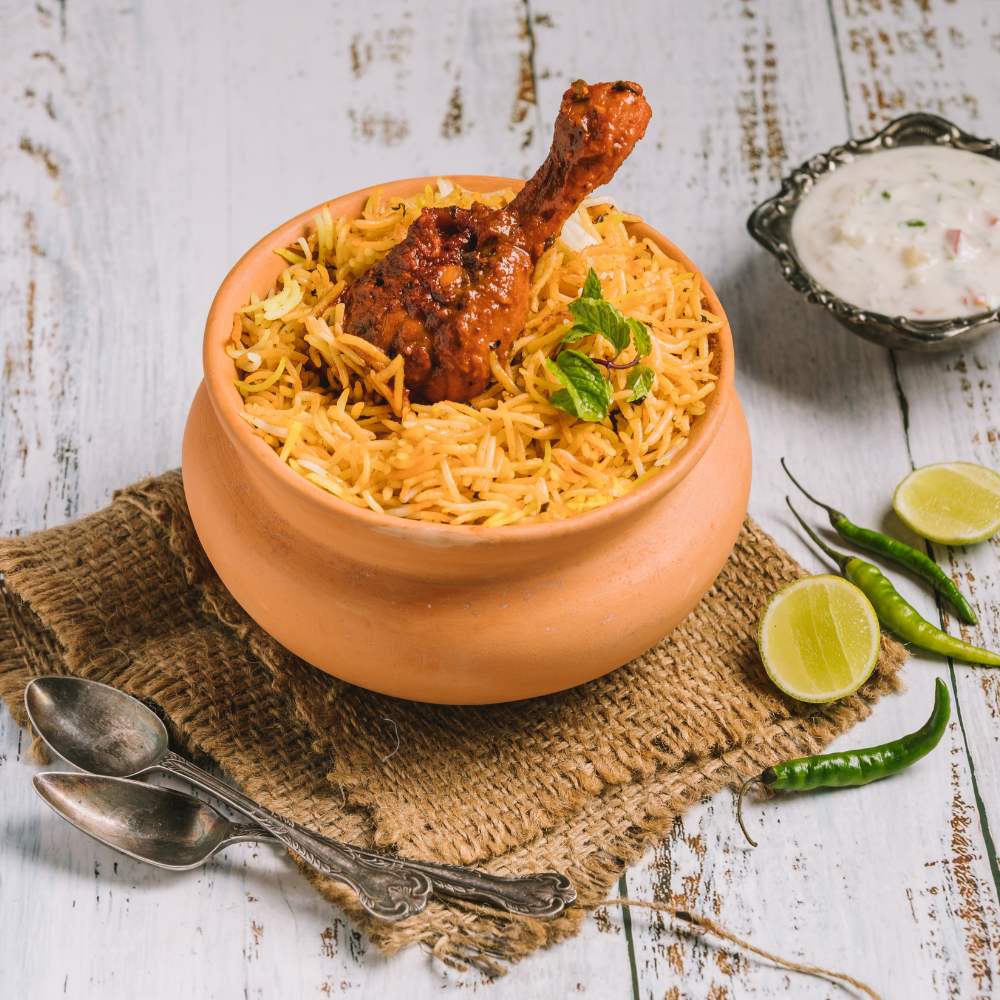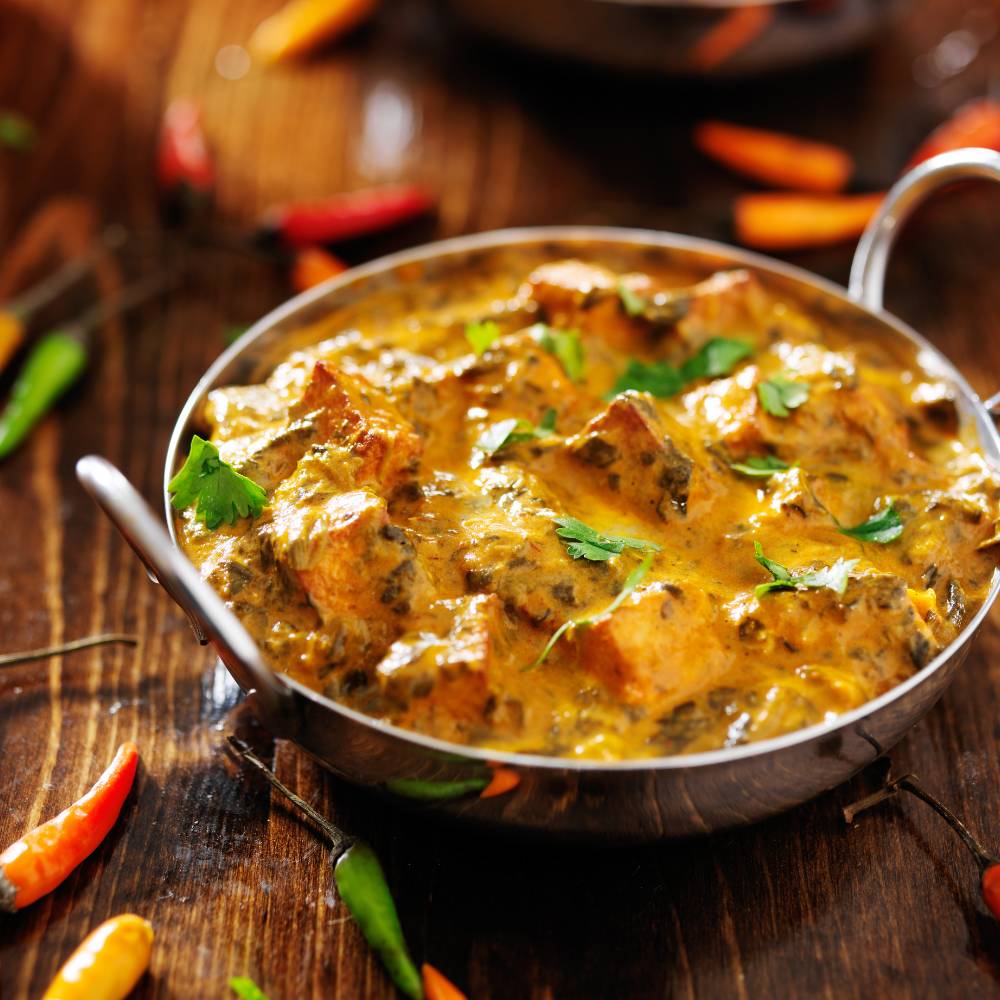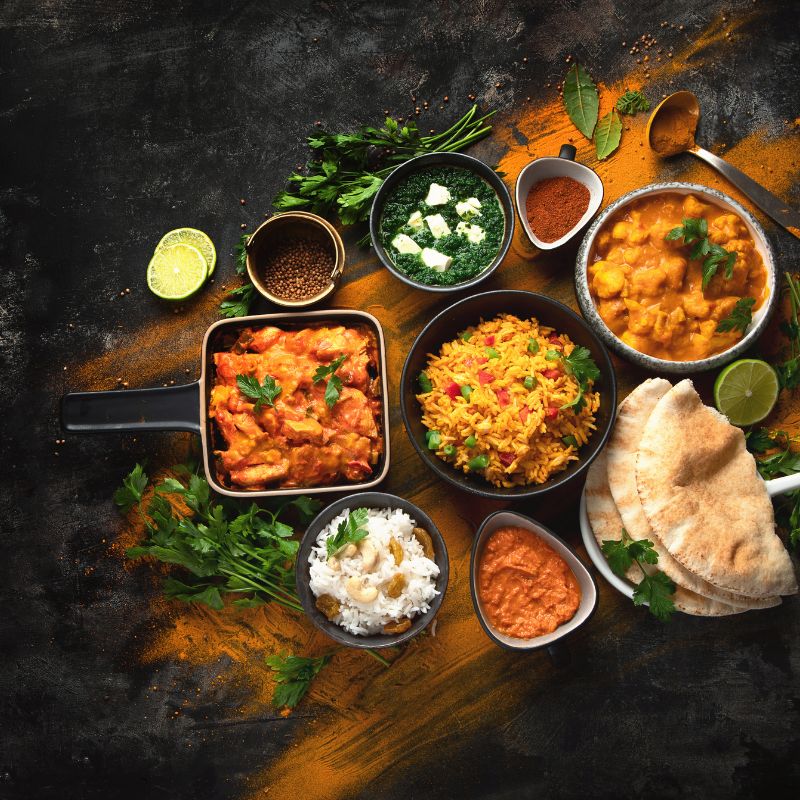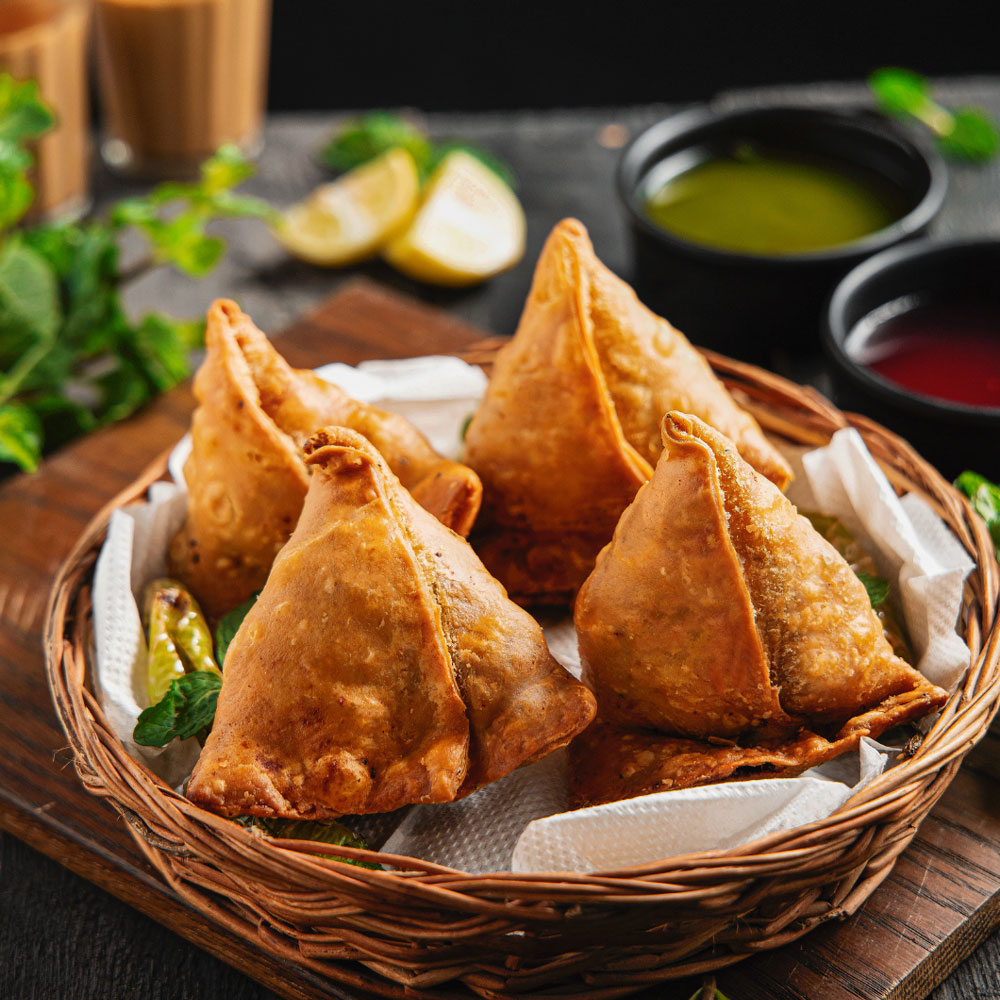
Indian cuisine is often portrayed internationally as heavy, oily, or calorie-dense, mainly due to the popularity of restaurant-style dishes such as butter chicken, paneer gravies, and fried snacks. But these dishes represent only a tiny fraction of India's actual food culture. The majority of everyday Indian meals are simple, plant-forward, fibre-rich, and nutritionally balanced, qualities that naturally make them low in calories.
This blog explores how Indian food supports healthy eating, why it's misunderstood, and offers an in-depth look at 10 Healthy Indian food options that align with low-calorie, nutrient-rich eating patterns.
Why Indian Food Is Misunderstood
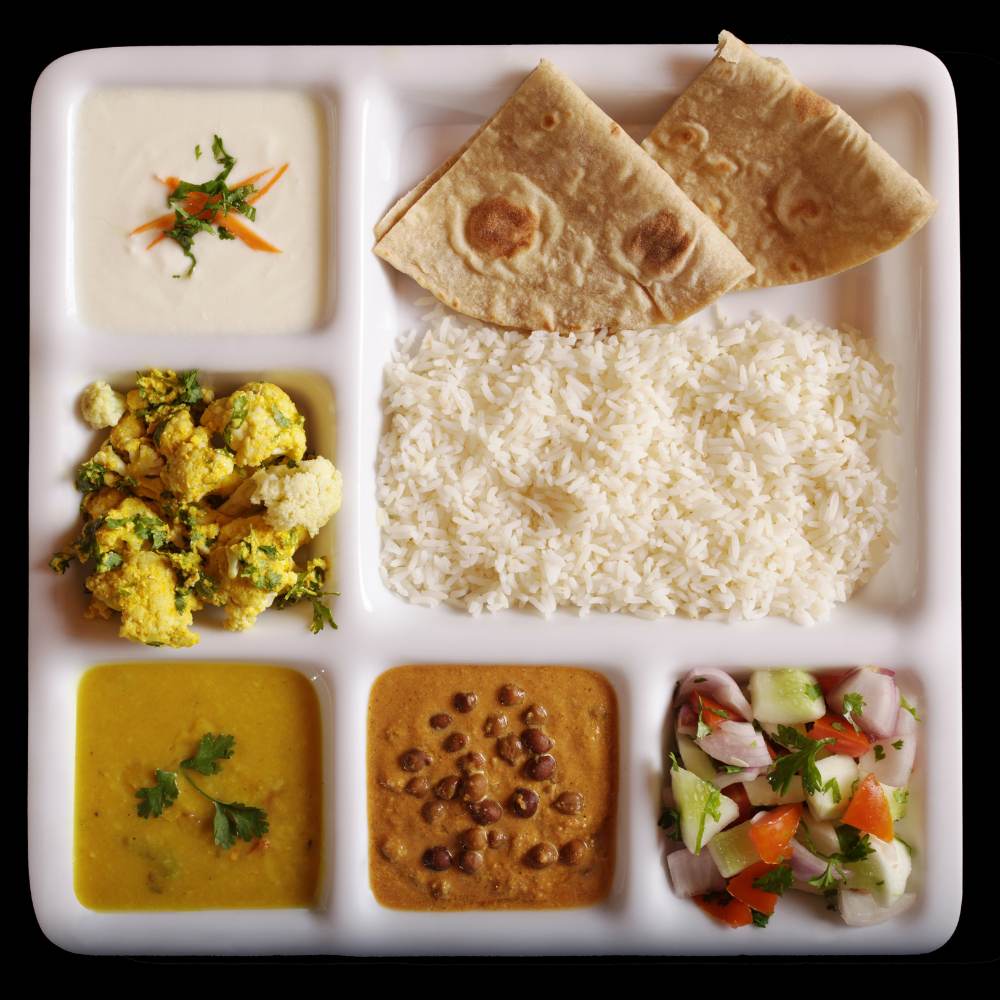
The gap between how Indian food is perceived globally and how it is eaten at home is enormous. Most international exposure to Indian cuisine comes from restaurants, which often increase oil, cream, butter, and sugar to appeal to diners. This creates the misconception that Indian cuisine is inherently indulgent.
Restaurant Food vs. Real Home Cooking
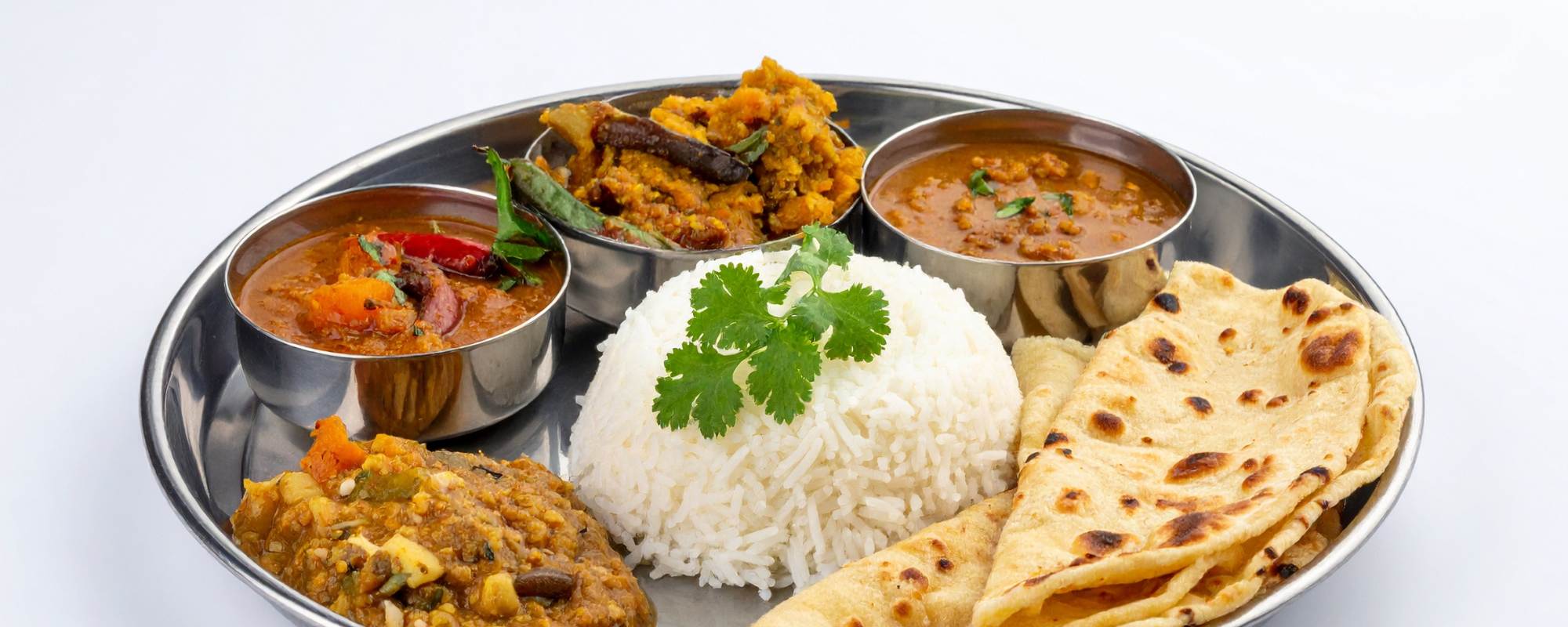
Restaurant dishes are designed to be rich and memorable. At home, however, meals usually consist of:
- A dal (lentils)
- One or two vegetable preparations
- Rice or roti
- A yoghurt-based side
- Sometimes a salad or pickle
These elements form nutritionally complete meals that are moderate in calories, high in fibre, and rooted in digestive balance.
India's Regional Diversity
India does not have one single cuisine. It has thousands of regional food traditions shaped by:
- Climate
- Agriculture
- Local ingredients
- Cultural habits
For example:
- South India: Idli, dosa, rasam, sambar, mostly light, fermented, or broth-based foods
- West India: Poha, upma, millets, steamed snacks like dhokla
- North India: Dal, rotis, sabzis, curd, balanced and straightforward
- East India: Mustard-based fish curries, leafy greens, rice combinations
When you look at the true variety, Indian cuisine emerges as one of the most adaptable and health-supportive food cultures in the world.
The Cultural Philosophy Behind Indian Eating
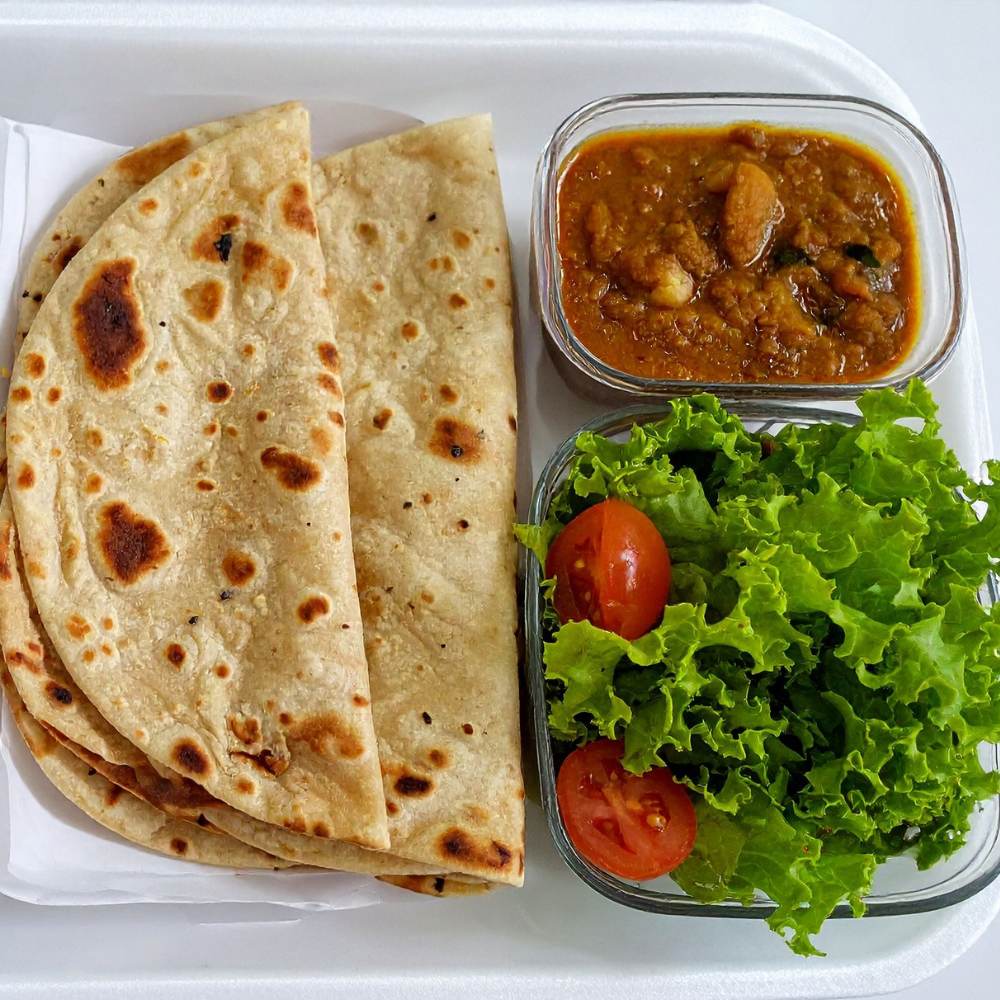
While we removed the earlier nutritional logic section, it's essential to acknowledge the cultural reasoning behind India's naturally low-calorie diet.
Indian food traditions emphasise:
- Fresh, seasonal ingredients
- Minimal processing
- Moderate portion sizes
- Daily cooking instead of packaged foods
- Digestive harmony using spices
- Balanced meals with carbs, protein, and fibre
These habits existed long before modern nutrition science and contribute to why many traditional dishes qualify as Healthy Indian food options.
Low-Calorie and Healthy Indian Food Options
This section highlights ten of the most reliable low-calorie Indian dishes, explaining what they are, their calorie ranges, and their nutritional benefits.
1. Moong Dal
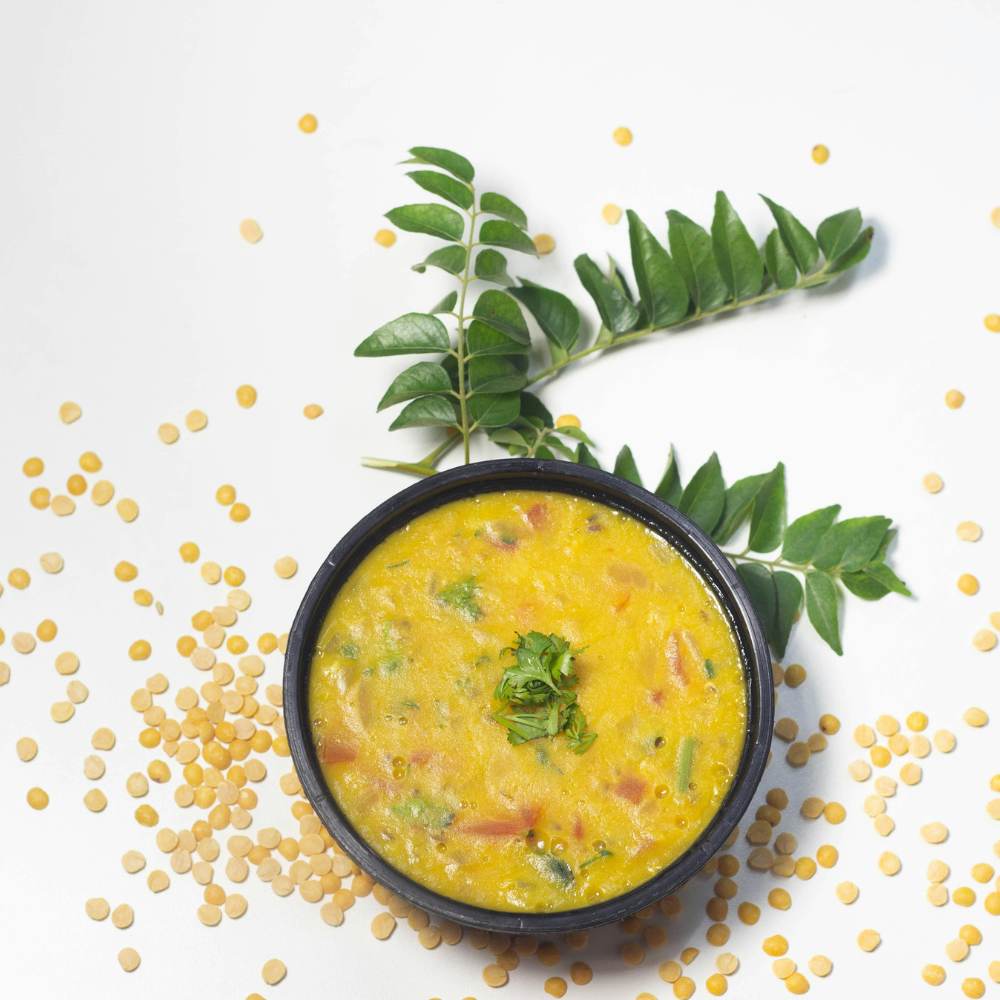
Calories: ~100–130 per cup (cooked)
Moong dal is a split yellow lentil known for being exceptionally light and easy on the stomach. It provides a strong dose of plant-based protein without adding unnecessary fat.
Why it's a healthy choice:
- High protein, low fat
- Supports digestion
- Gentle enough for all ages
- Helps control hunger
Nutritional highlights:
- ~14g protein
- 6–7g fibre
- Rich in magnesium and potassium
Because moong dal is so nutrient-dense yet low in calories, it is a daily staple in many Indian homes focused on health.
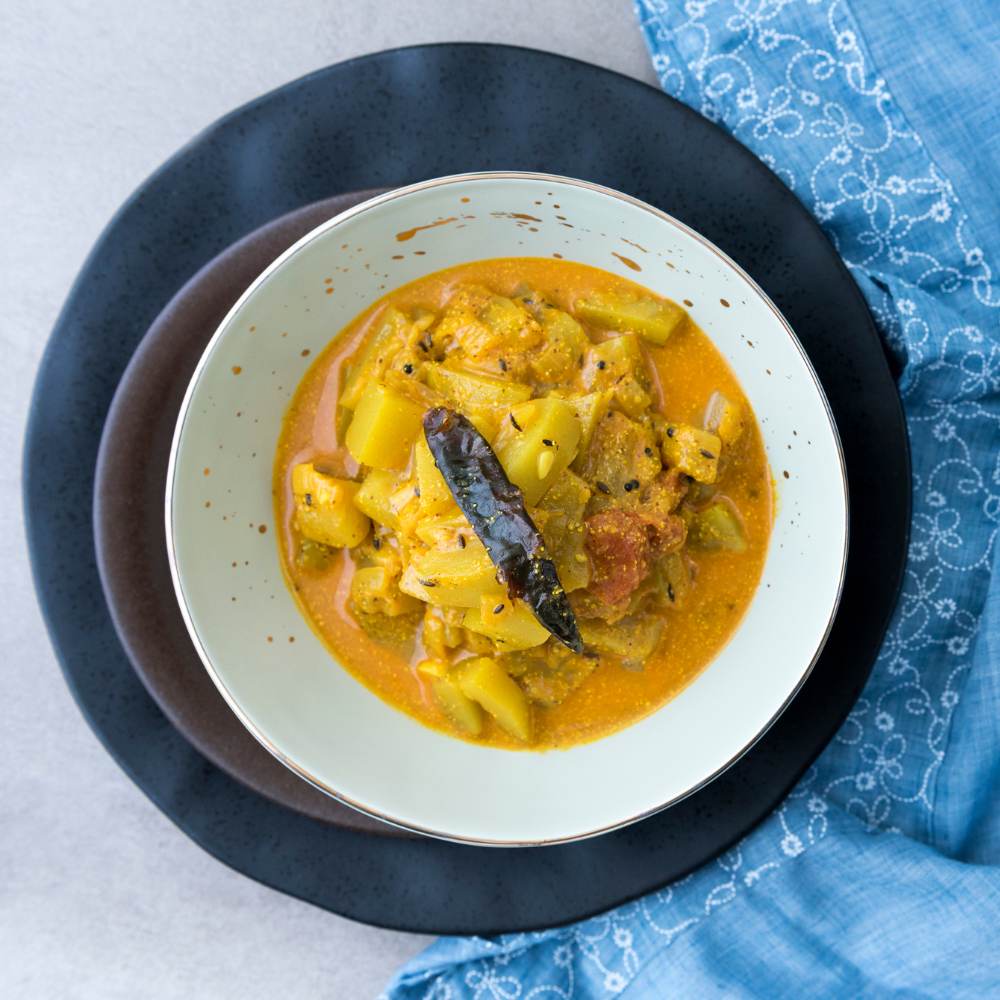
2. Lauki Sabzi (Bottle Gourd Curry)
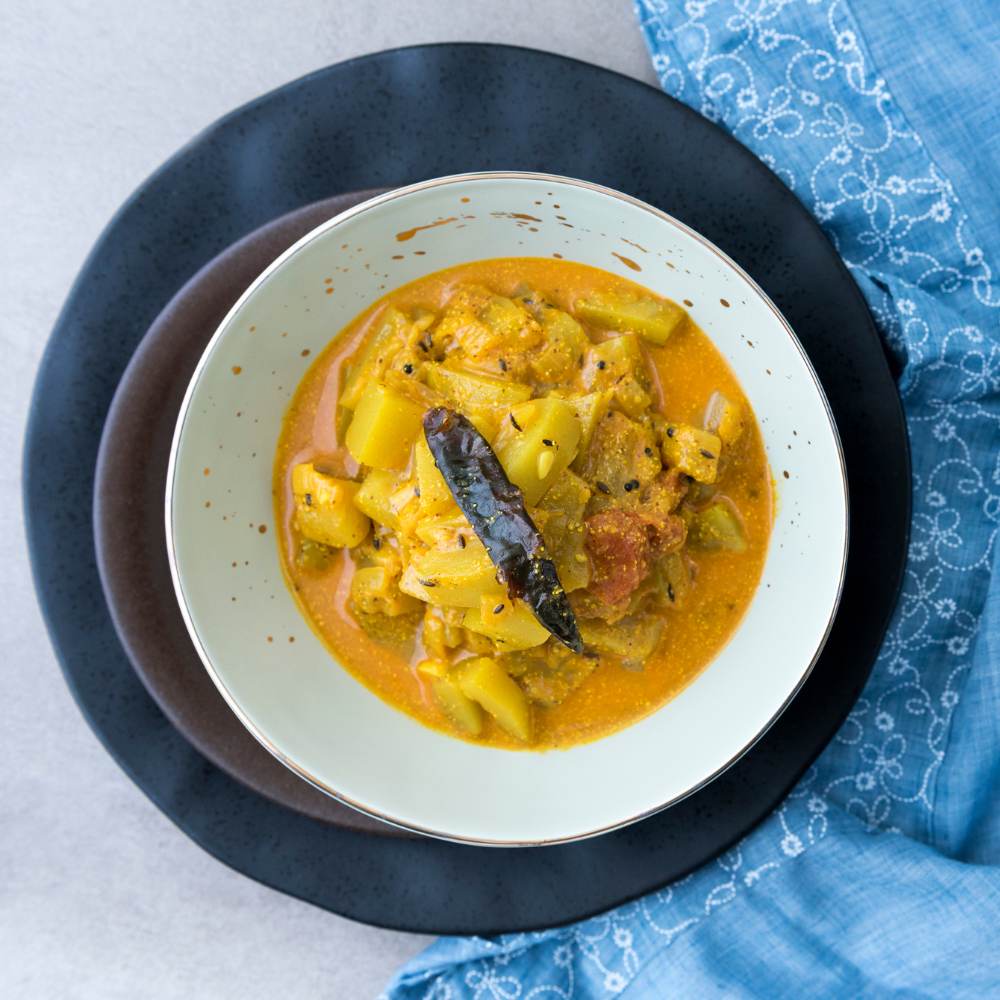
Calories: ~60–90 per serving
Bottle gourd is one of the lightest vegetables available, containing nearly 95% water. Despite being low in calories, it provides essential nutrients and keeps the stomach full.
Why it's a healthy choice:
- Extremely low calorie density
- Hydrating and cooling
- Easy to digest
- Rich in fibre
Nutritional highlights:
- Vitamin C
- Potassium
- Minimal fat
Lauki is widely used in low-calorie diets across India due to its volume-to-calorie advantage.
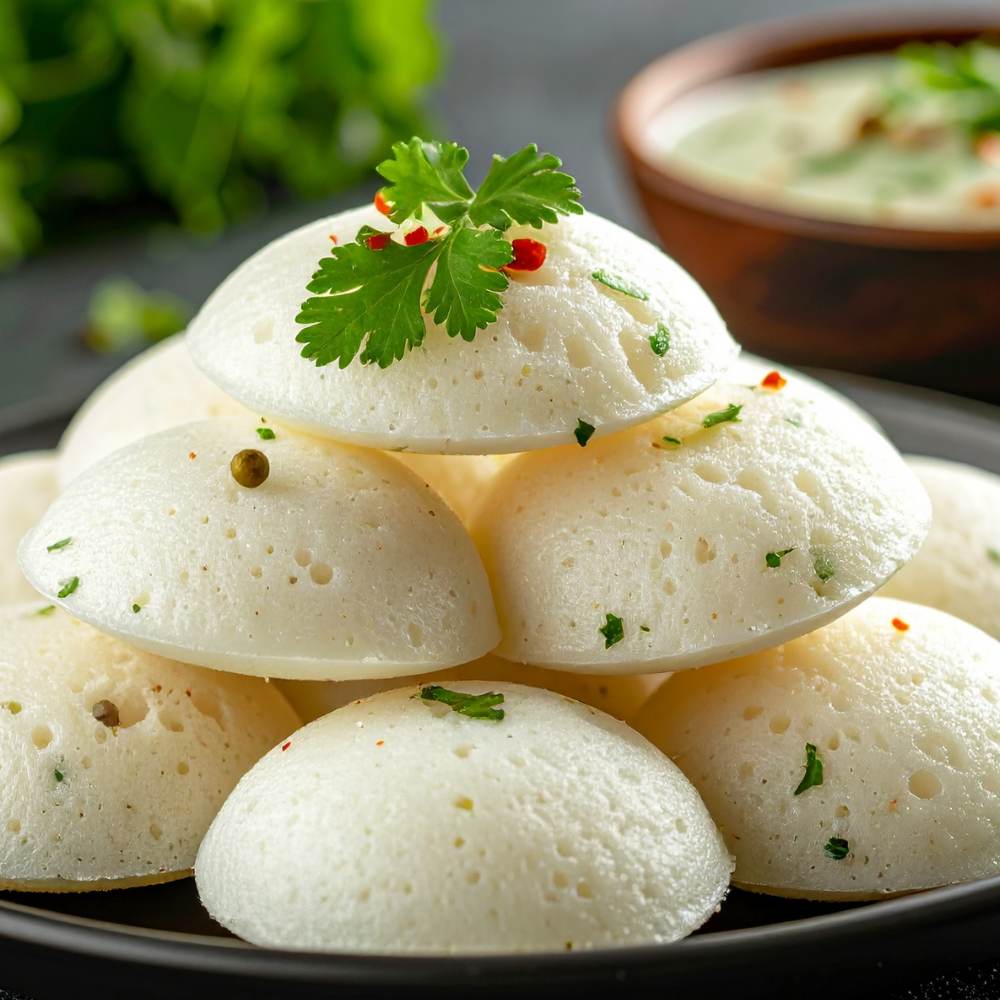
3. Idli (Steamed Fermented Cakes)
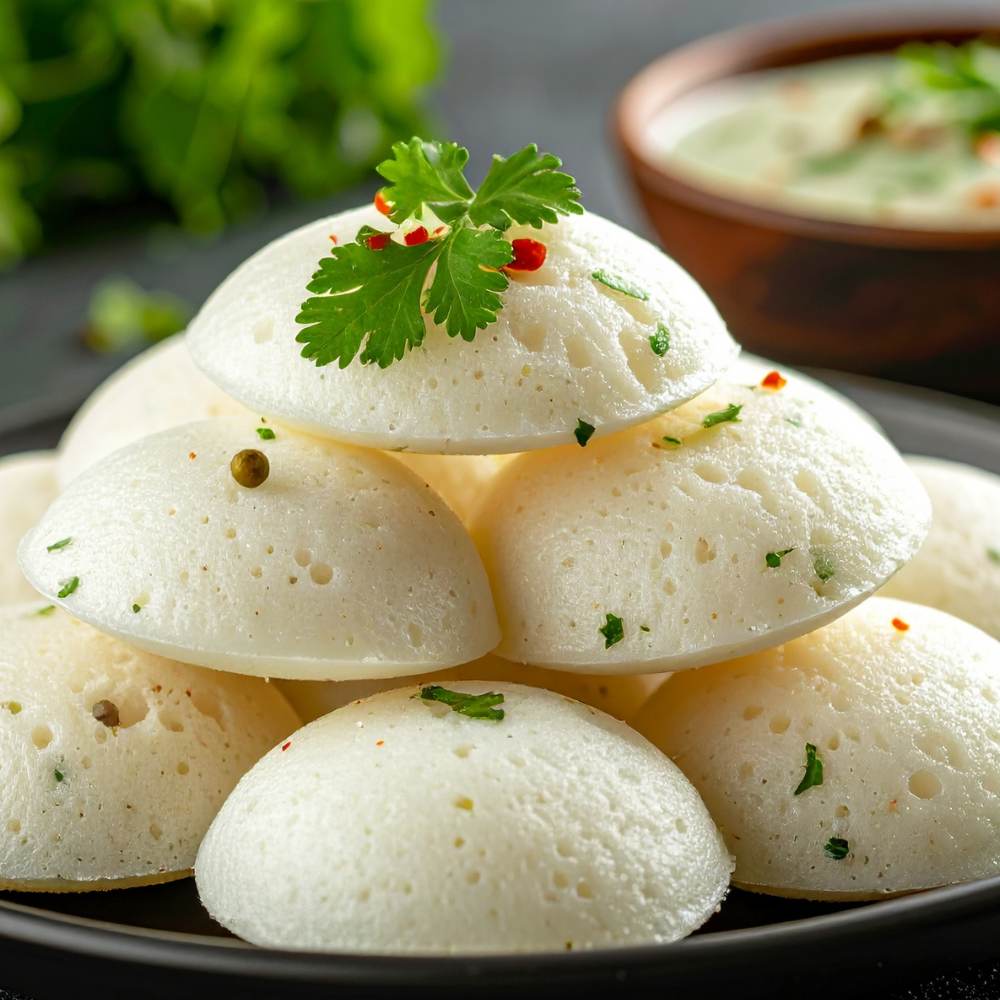
Calories: ~50–60 per idli
Idlis are one of India's most iconic low-calorie foods. Steamed and fermented, it promotes gut health and long-lasting energy without heaviness.
Why it's a healthy choice:
- No oil required
- Fermentation improves nutrition
- Great for digestion
- Low glycemic impact
Nutritional highlights (2 idlis):
- 4–5g protein
- Low fat
- Good carbs for steady energy
Idlis fit perfectly into calorie-conscious eating patterns.
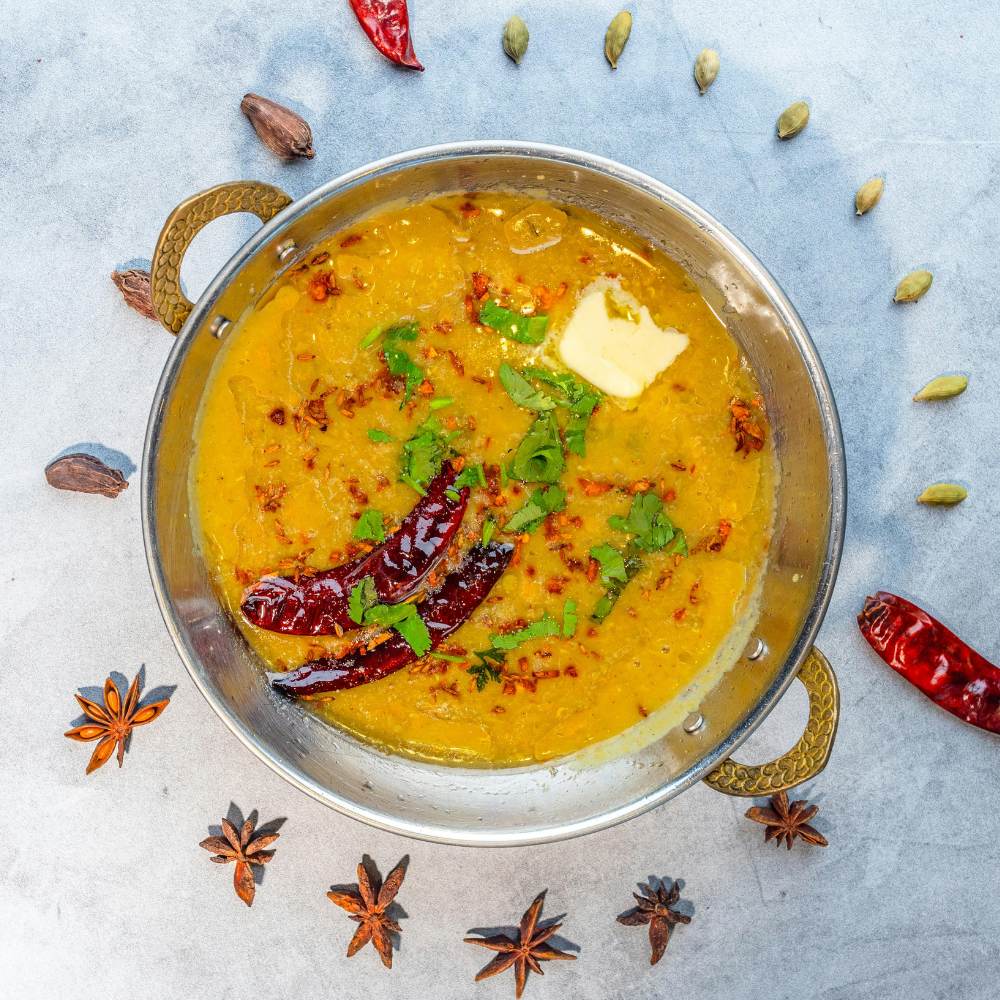
4. Masoor Dal (Red Lentils)
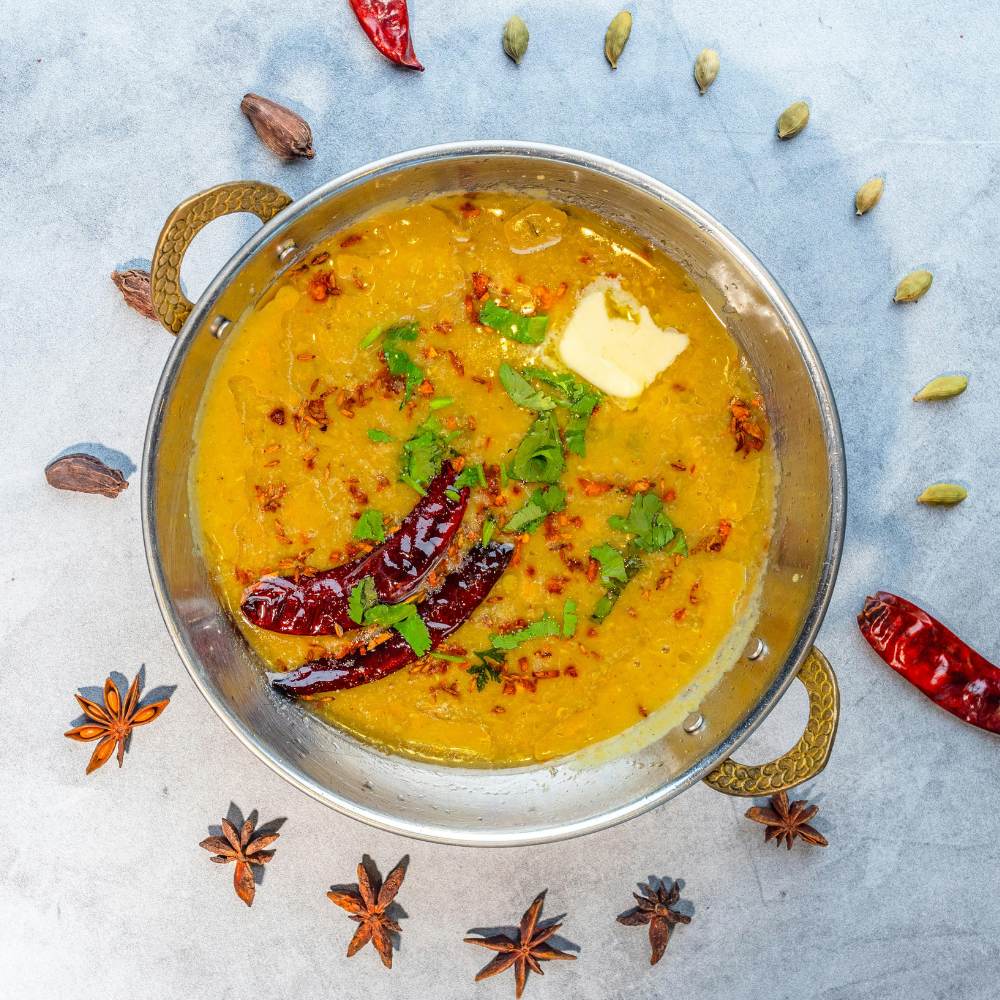
Calories: ~120–150 per cup
Masoor dal is protein-rich, fibre-packed, and exceptionally filling relative to its calorie count.
Why it's a healthy choice:
- High in iron and essential amino acids
- Low fat
- Helps manage appetite
- Quick to cook = minimal nutrient loss
Nutritional highlights:
- 17–18g protein
- 7–8g fibre
- Folate + Iron
Masoor dal is a nutritional powerhouse in a small calorie package.
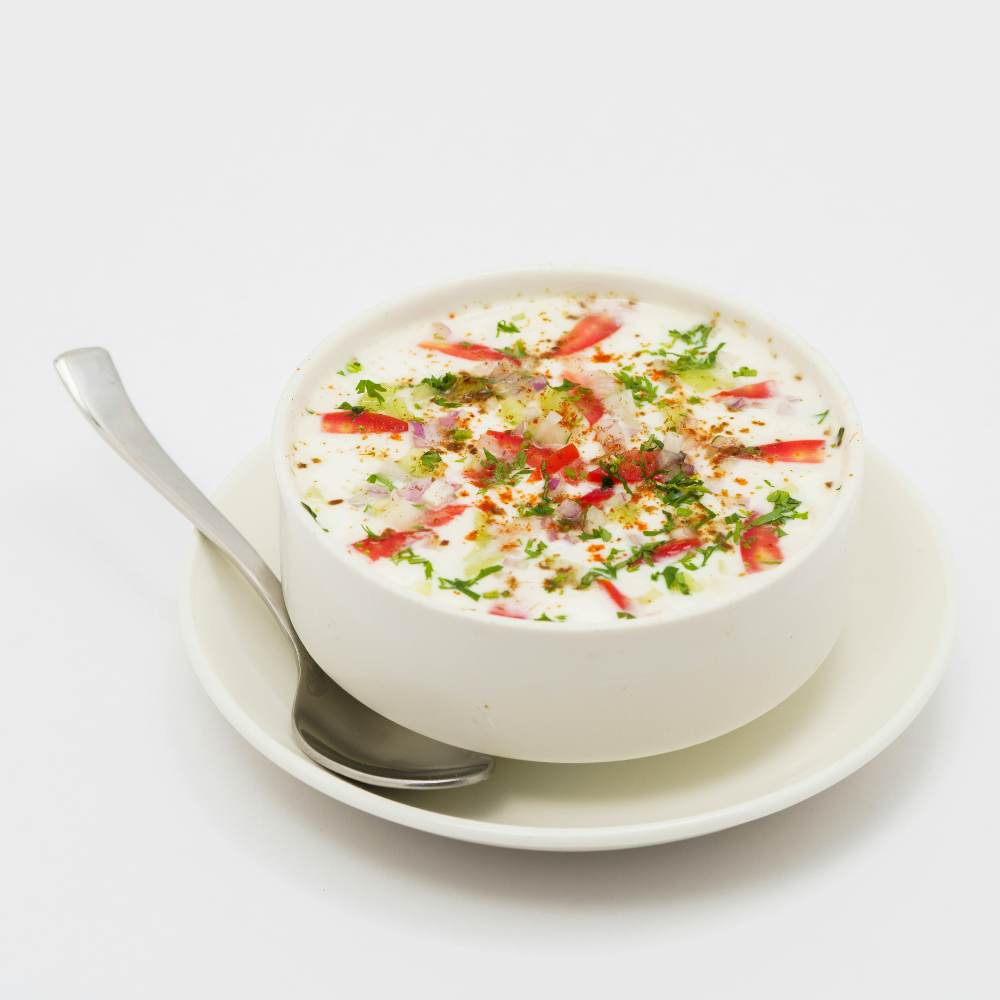
5. Vegetable Raita
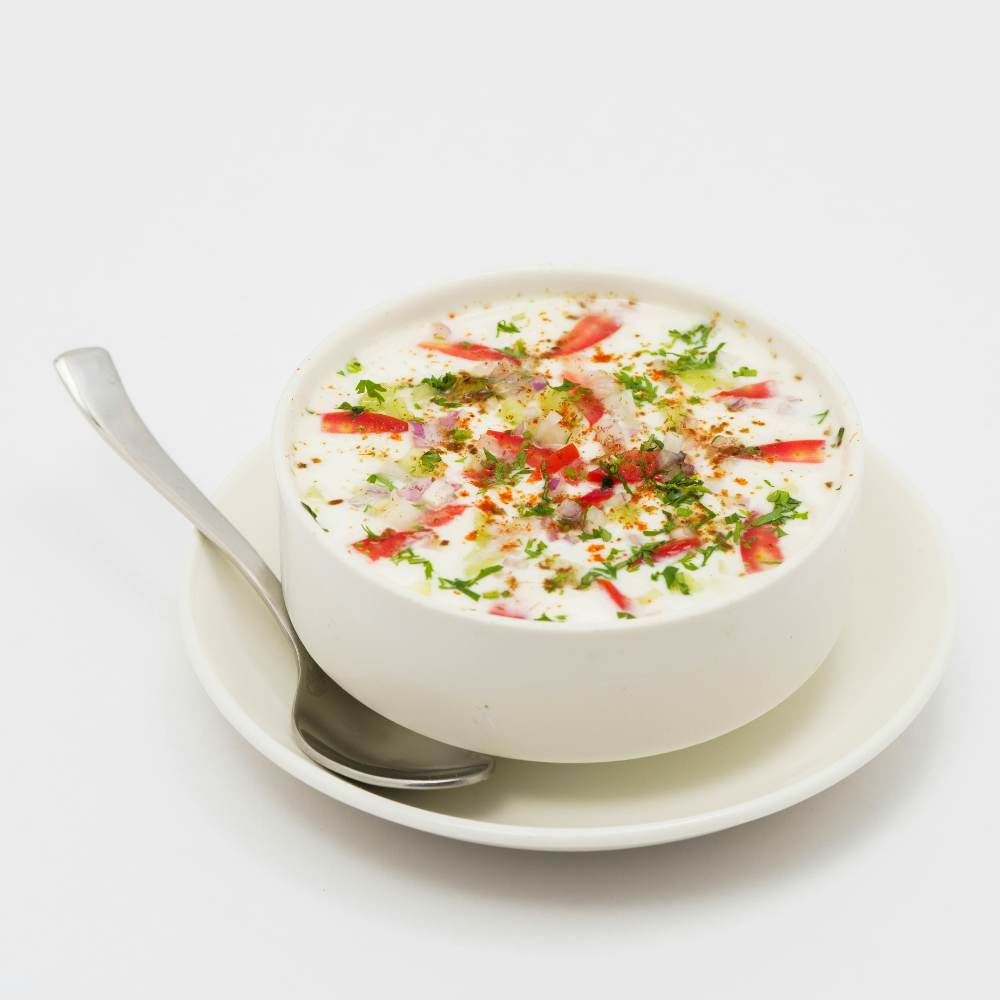
Calories: ~80–120 per bowl
Vegetable raita combines probiotic-rich curd with water-dense vegetables like cucumber, carrots, or beetroot.
Why it's a healthy choice:
- Boosts digestion
- High protein for low calories
- Cooling + hydrating
- Light side dish that reduces meal heaviness
Nutritional highlights: 6–8g protein
- Calcium-rich
- Probiotics for gut health
Raita is excellent for balancing heavy meals and keeping calorie intake in check.
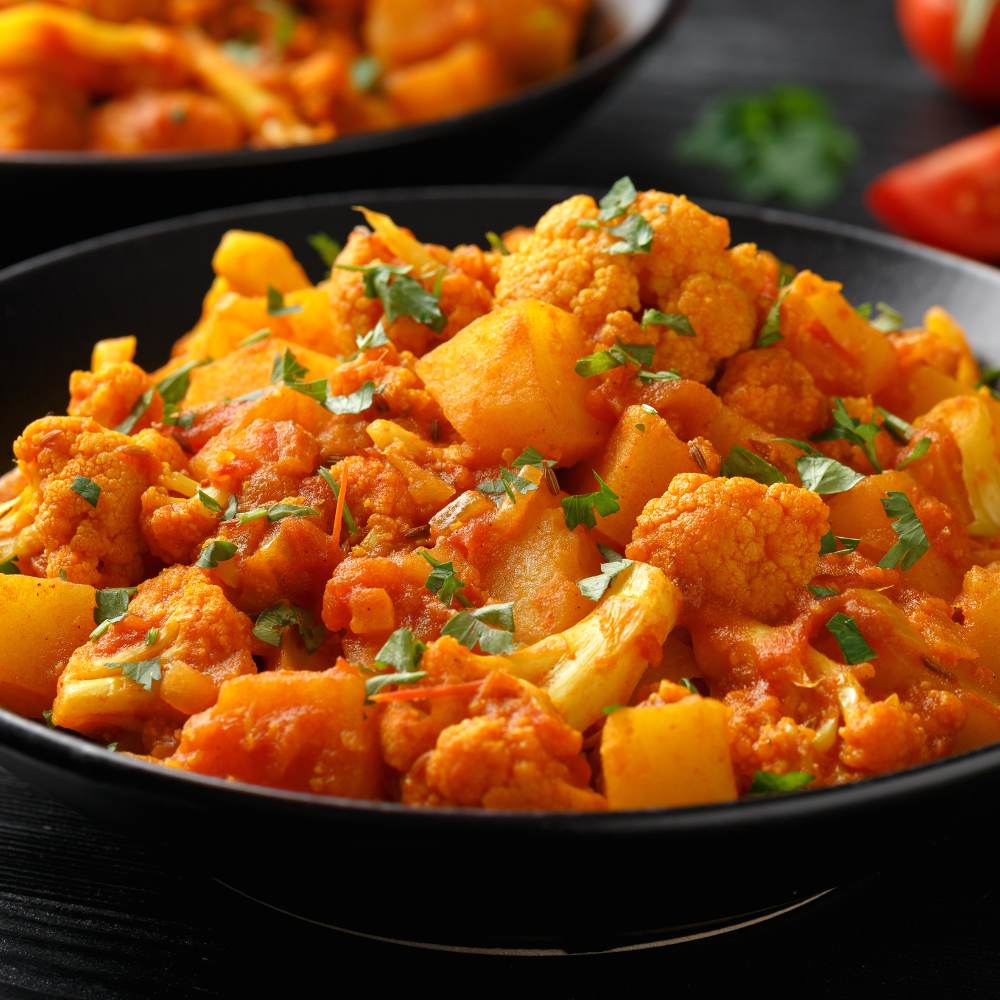
6. Aloo Gobi (Dry Version)
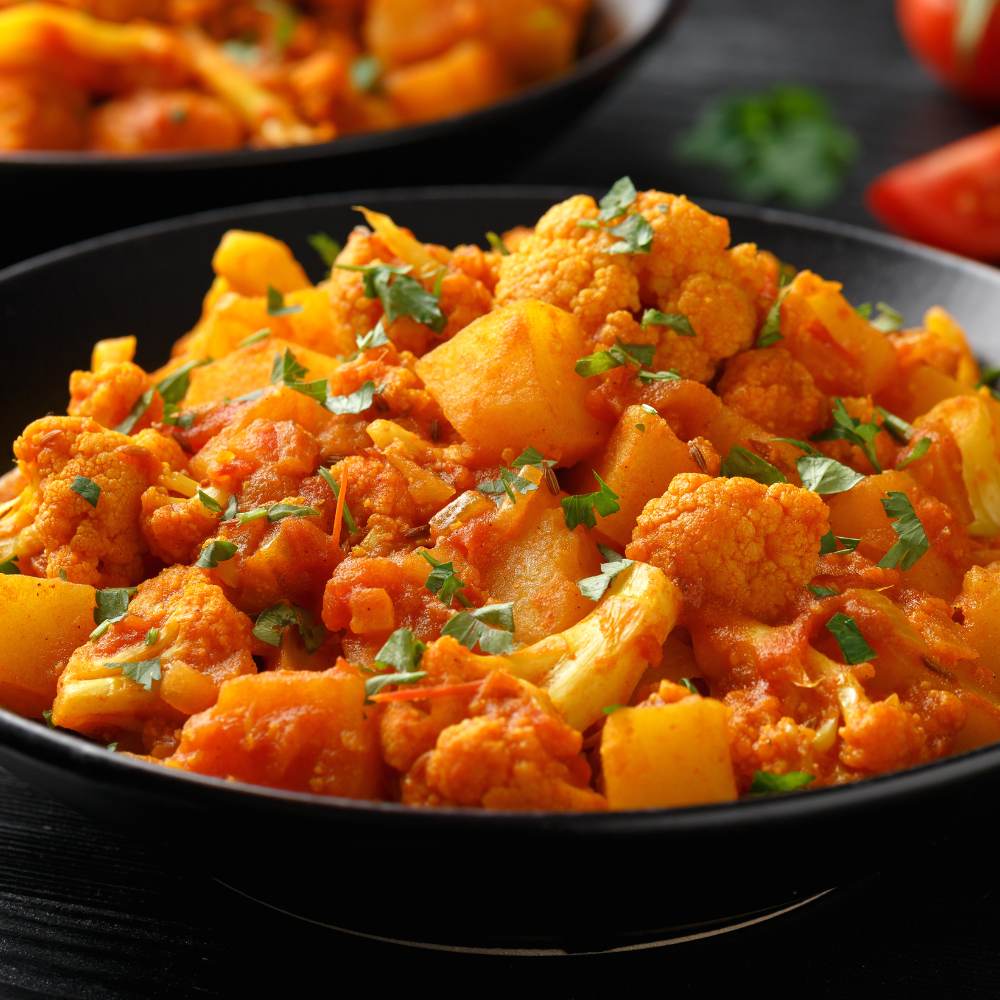
Calories: ~150–180 per serving
Aloo Gobi is a dry stir-fry of cauliflower and potatoes. When made traditionally with minimal oil, it becomes a satisfying yet low-calorie dish.
Why it's a healthy choice:
- Cauliflower is rich in fibre and antioxidants
- Potatoes add clean, slow-digesting carbs
- Uses spices instead of fats for flavour
- Very filling
Nutritional highlights:
- 4–5g fibre
- Vitamin C
- Potassium
Perfect for those seeking comfort food without excess calories.
Read Also: Traditional Indian Dishes that People Loved Worldwide
7. Sprouted Moong/Chana Salad
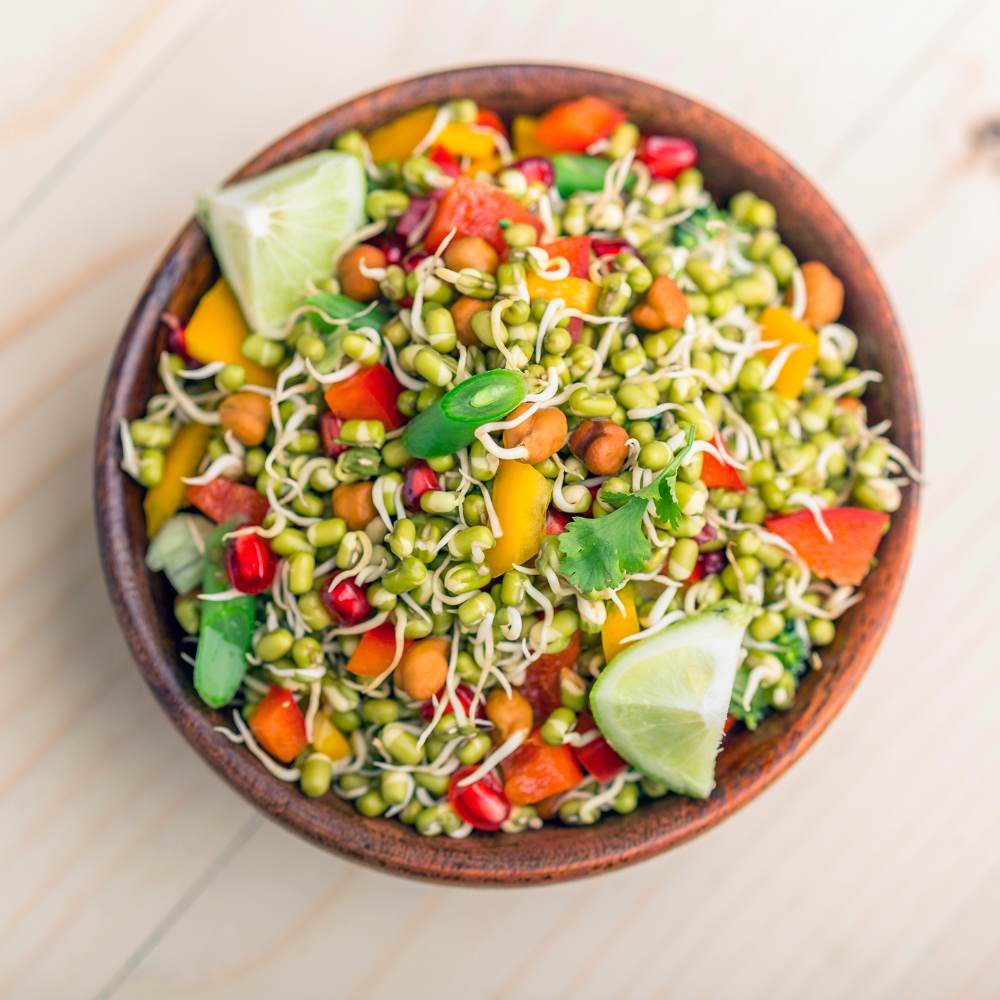
Calories: ~120–150 per bowl
Sprouts are among the most nutrient-efficient foods in India. Sprouting increases vitamins and enzyme activity, making them easy to digest yet deeply nourishing.
Why it's a healthy choice:
- High protein + high fibre
- Very low fat
- Rich in vitamins B, C, and K
- Very filling despite low calories
Nutritional highlights:
- 8–10g protein
- 6–7g fibre
- Antioxidants
Sprouts are ideal as snacks or meal components for weight management.
8. Rasam
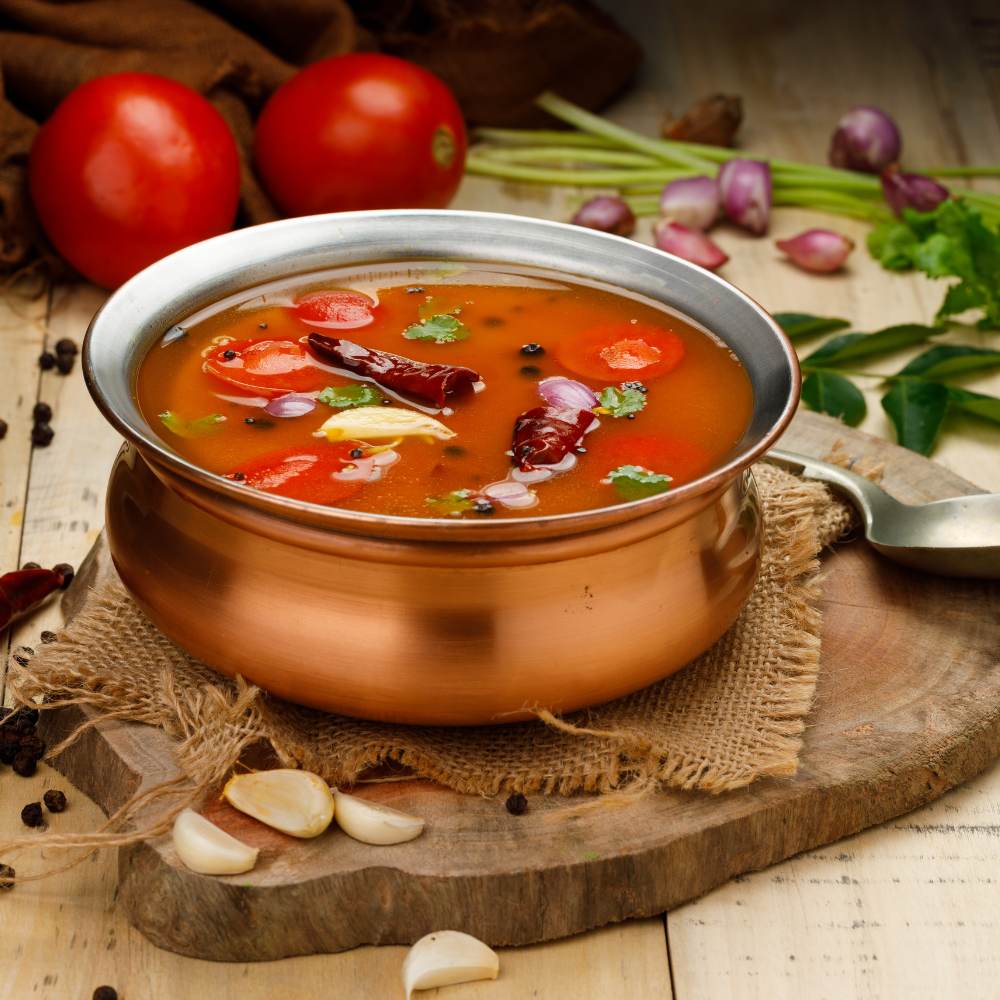
Calories: ~35–60 per cup
Rasam is a light, tangy South Indian broth made with tamarind, pepper, tomatoes, and digestive spices.
Why it's a healthy choice:
- Extremely low calorie
- Supports digestion
- High antioxidant value
- Perfect for light dinners
Nutritional highlights:
- Vitamin C
- Potassium
- Anti-inflammatory spices
It is widely consumed after heavy meals or during illness due to its gentle nature.
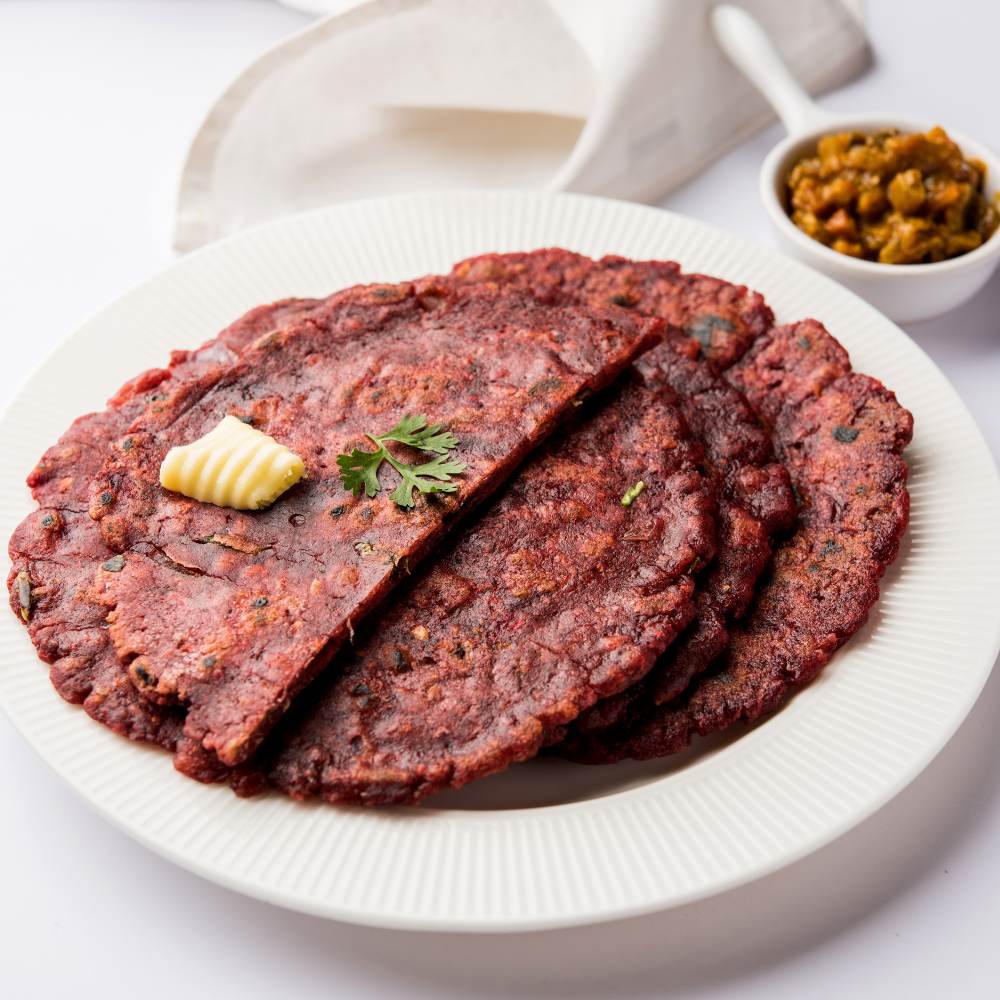
9. Mixed Millet Rotis (Ragi, Bajra, Jowar)
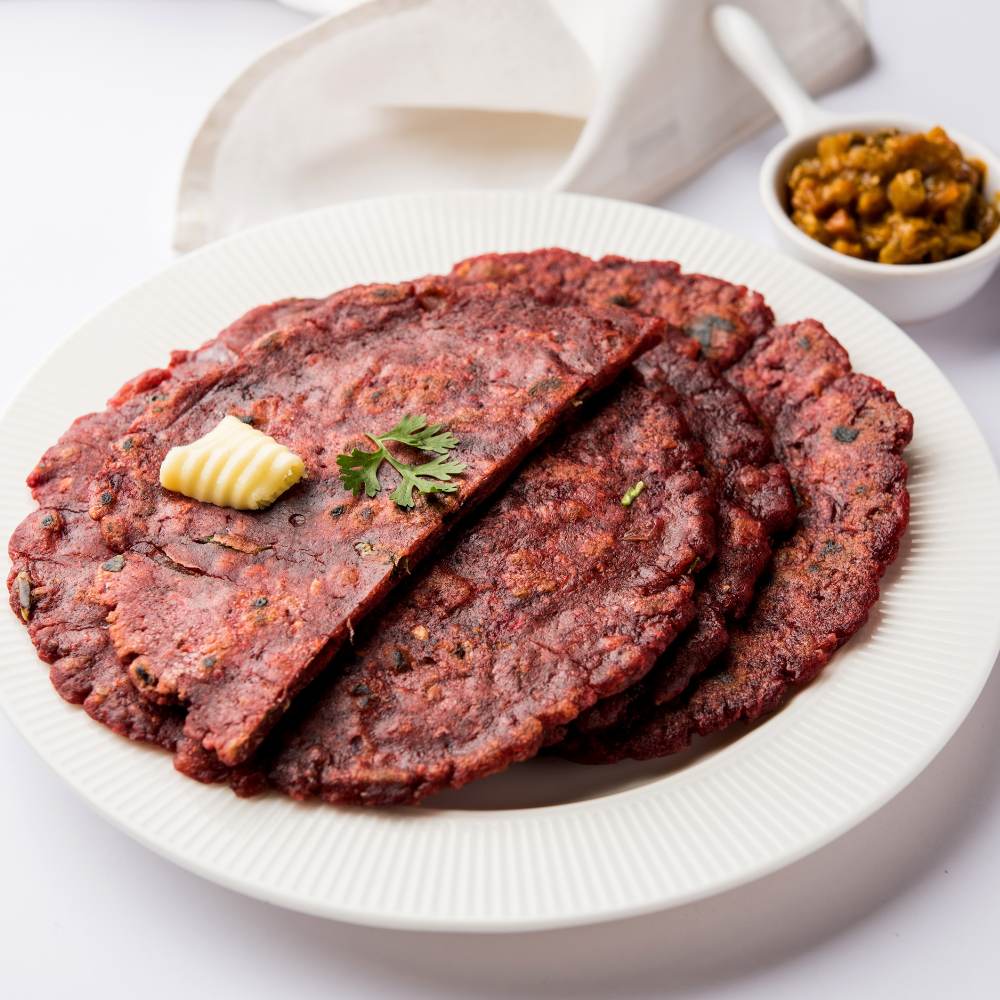
Calories: ~90–110 per roti
Millet rotis are more nutritious and filling than regular wheat rotis.
Why it's a healthy choice:
- High fibre = long-lasting fullness
- Low glycemic index
- Rich in minerals
- Supports metabolic health
Nutritional highlights:
- 3–4g fibre per roti
- Good plant protein
- High calcium (especially ragi)
Millets are excellent for sustainable weight loss and everyday nutrition.
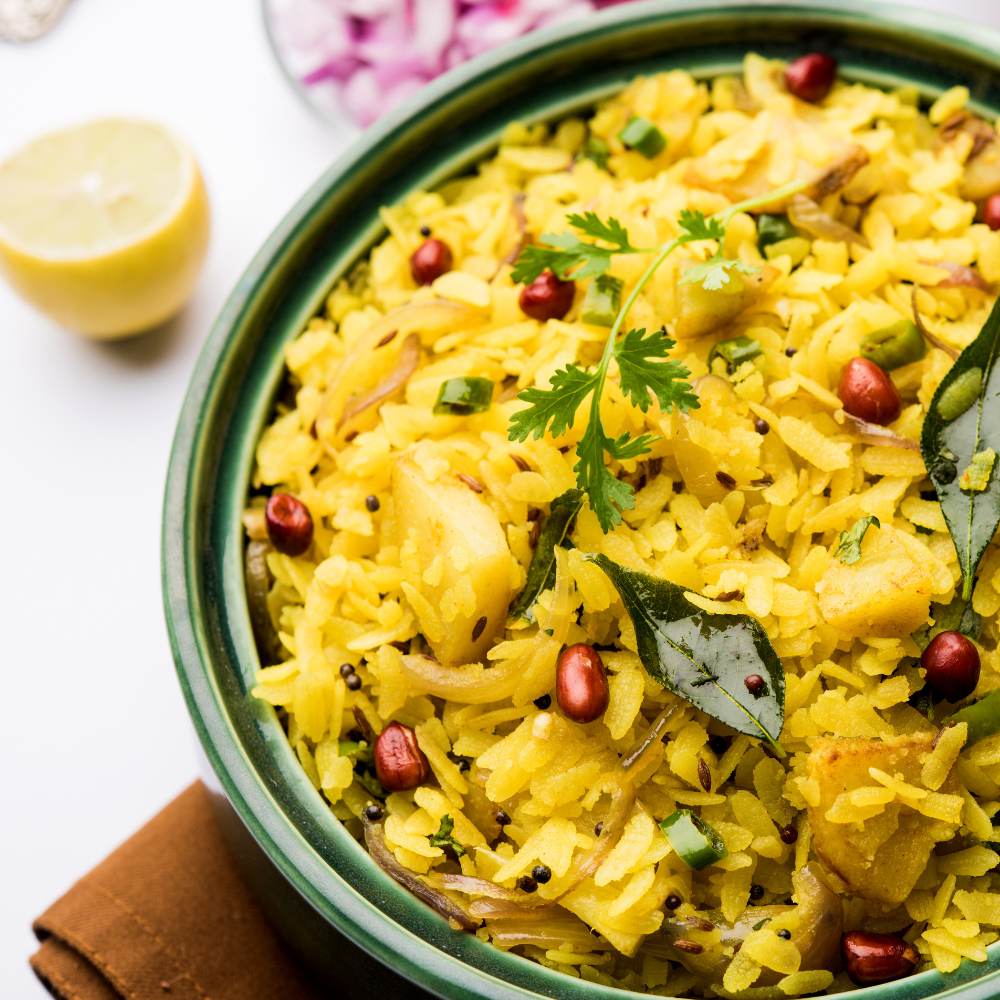
10. Poha (Flattened Rice)
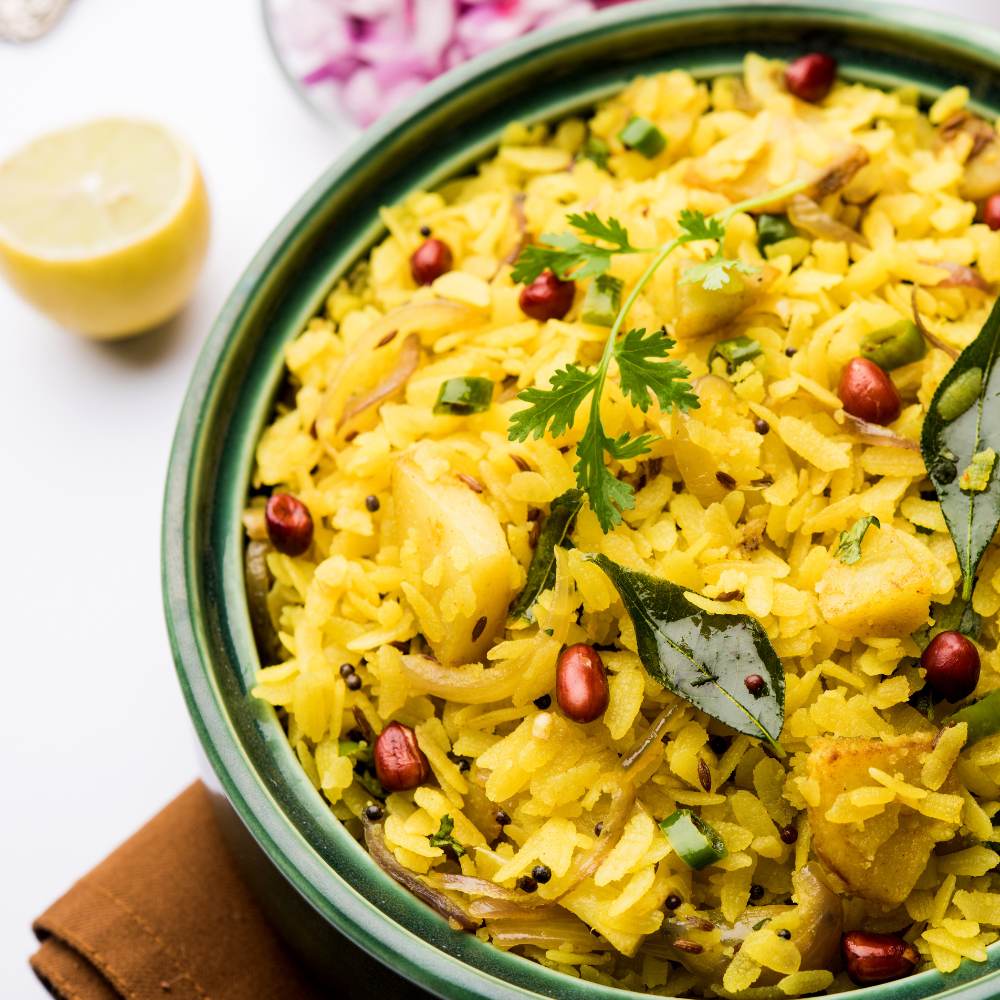
Calories: ~180–220 per bowl
Poha is a light, fluffy, easy-to-digest dish made from flattened rice with vegetables.
Why it's a healthy choice:
- Low-fat
- Moderate fibre
- Gentle on digestion
- Quick to cook + high in iron
Nutritional highlights:
- 30g carbs
- Iron + B vitamins
- 2–3g fibre
Poha is a perfect low-calorie breakfast for many Indian households.
Conclusion: Indian Food Is Naturally Designed for Balanced, Low-Calorie Living
Less calories Indian food isn't a modern trend; it's the default of traditional cooking.
With its emphasis on vegetables, lentils, fermented foods, digestive-supportive spices, and whole grains, Indian cuisine offers hundreds of healthy options that keep meals satisfying yet calorie-conscious.
By rediscovering these dishes and traditional eating patterns, anyone can enjoy flavour-rich meals while supporting their health, digestion, and energy levels — all without restrictive dieting.