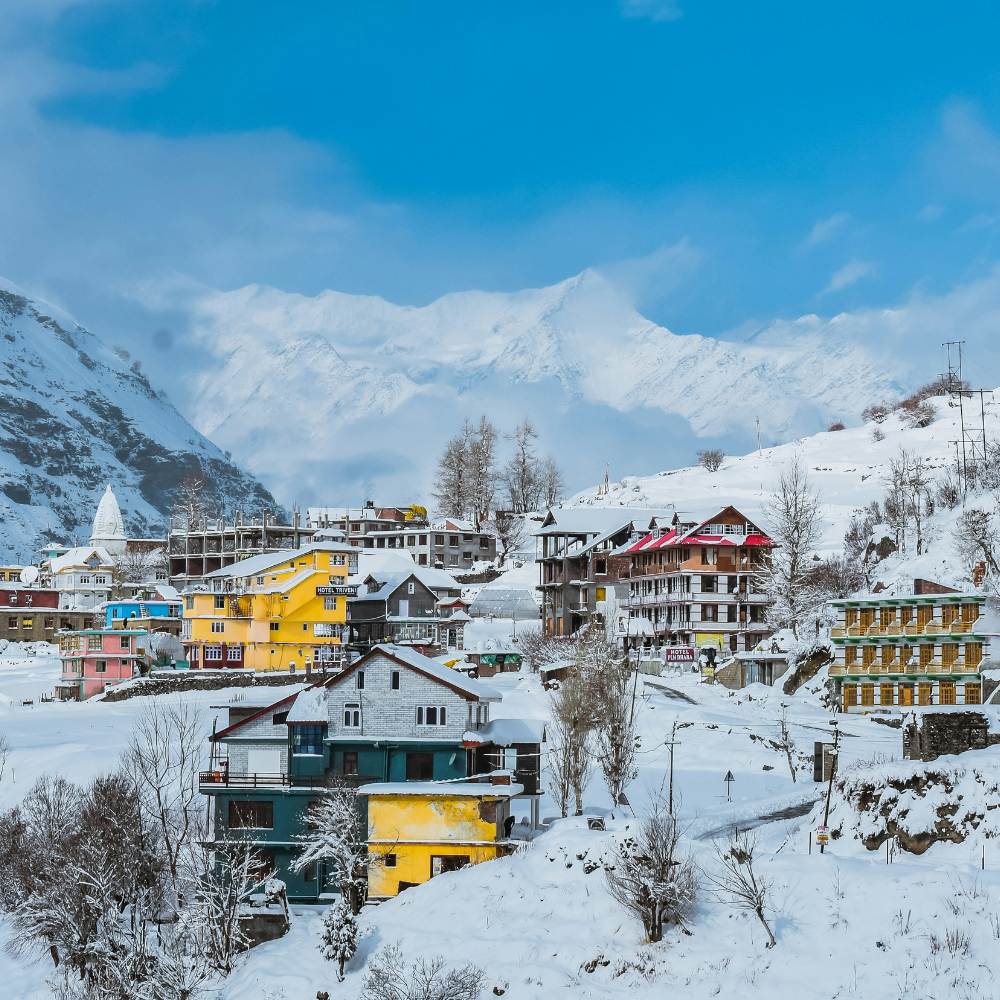
Why Himachal Pradesh Belongs on Every Travel List
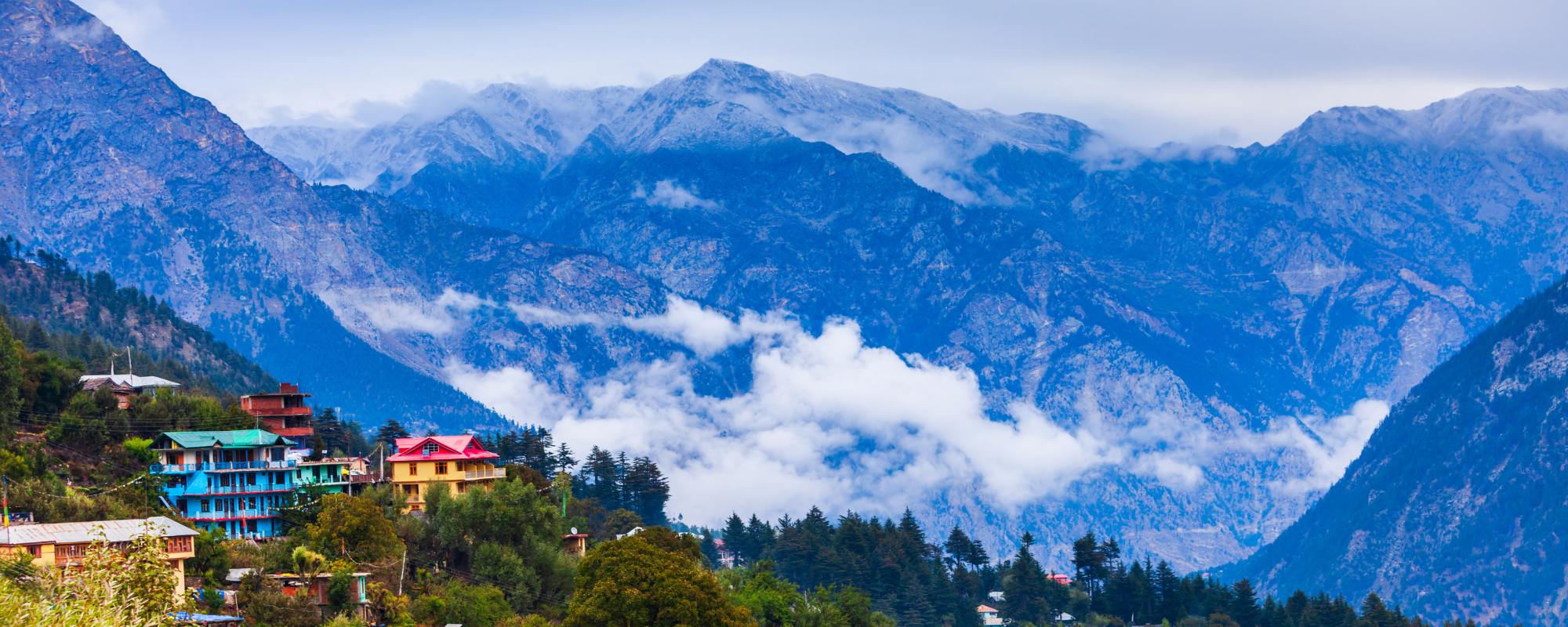
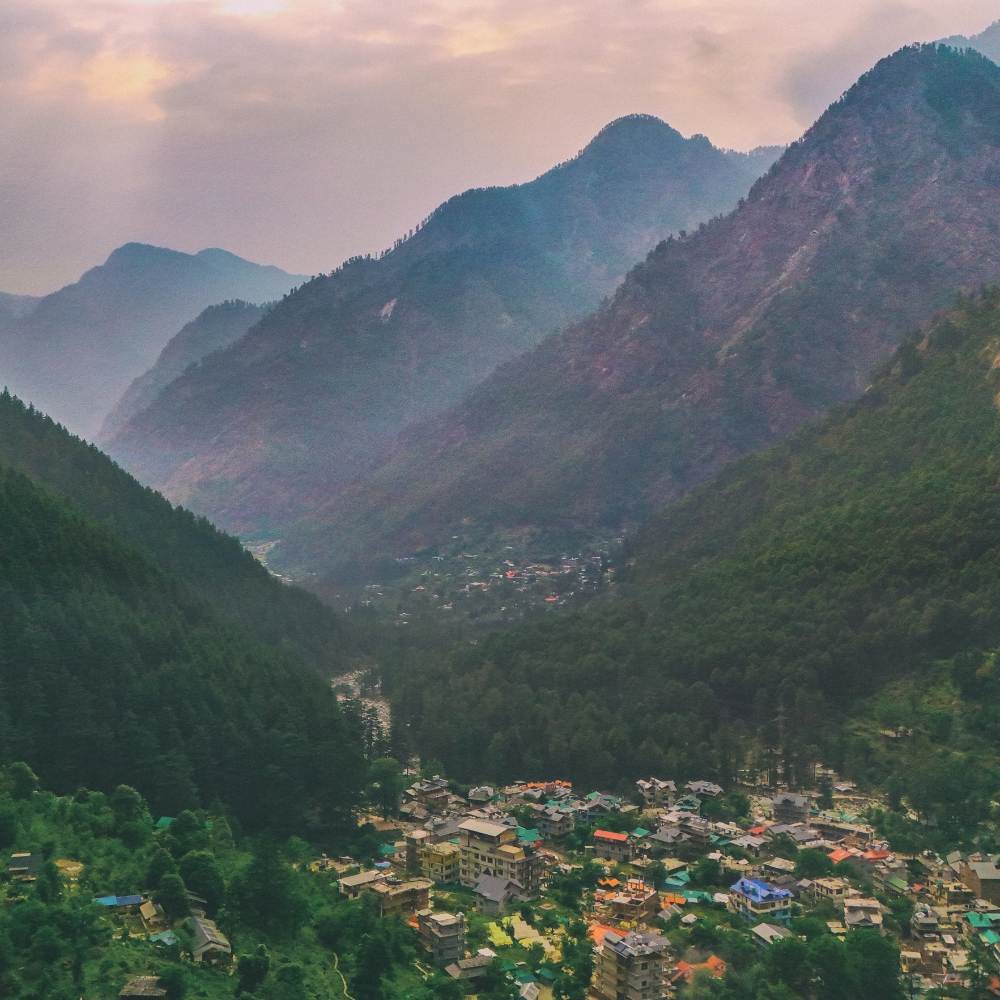
Tucked into India's northern Himalayas, Himachal Pradesh is one of the most geographically diverse states in the country. In a single trip you can move from British Raj era hill towns to remote Buddhist monasteries, from adventure sports meccas to sleepy riverside backpacker villages.
The altitude ranges from the subtropical foothills near Parwanoo to the high-altitude cold deserts of Spiti — which means the weather, the culture, and the landscape change dramatically depending on where you go. This guide covers 10 distinct hill stations, each suited to a different kind of traveller.
At a Glance: 10 Best Hill Stations
- Shimla — Queen of Hills; colonial grandeur; families and honeymooners
- Manali — Adventure capital; Himalayan backdrops; year-round draw
- Dharamshala and McLeod Ganj — Little Lhasa; Tibetan culture; spiritual seekers
- Dalhousie — Old-world charm; pine forests; slow travel
- Kasauli — Quiet cantonment; British-era walks; weekend escape
- Kasol — Backpacker hub; Parvati Valley; trekking base
- Kullu — Valley of Gods; river rafting; apple orchards
- Kufri — Winter sports; family fun; 16 km from Shimla
- Khajjiar — Mini Switzerland of India; meadows and lake; day-trip gem
- Spiti Valley — High-altitude desert; Buddhist monasteries; offbeat expeditions
1. Shimla - The Queen of Hills
Altitude: 2,206 m
District: Shimla
Best For: Families, honeymooners, first-time Himachal visitors
Why Go
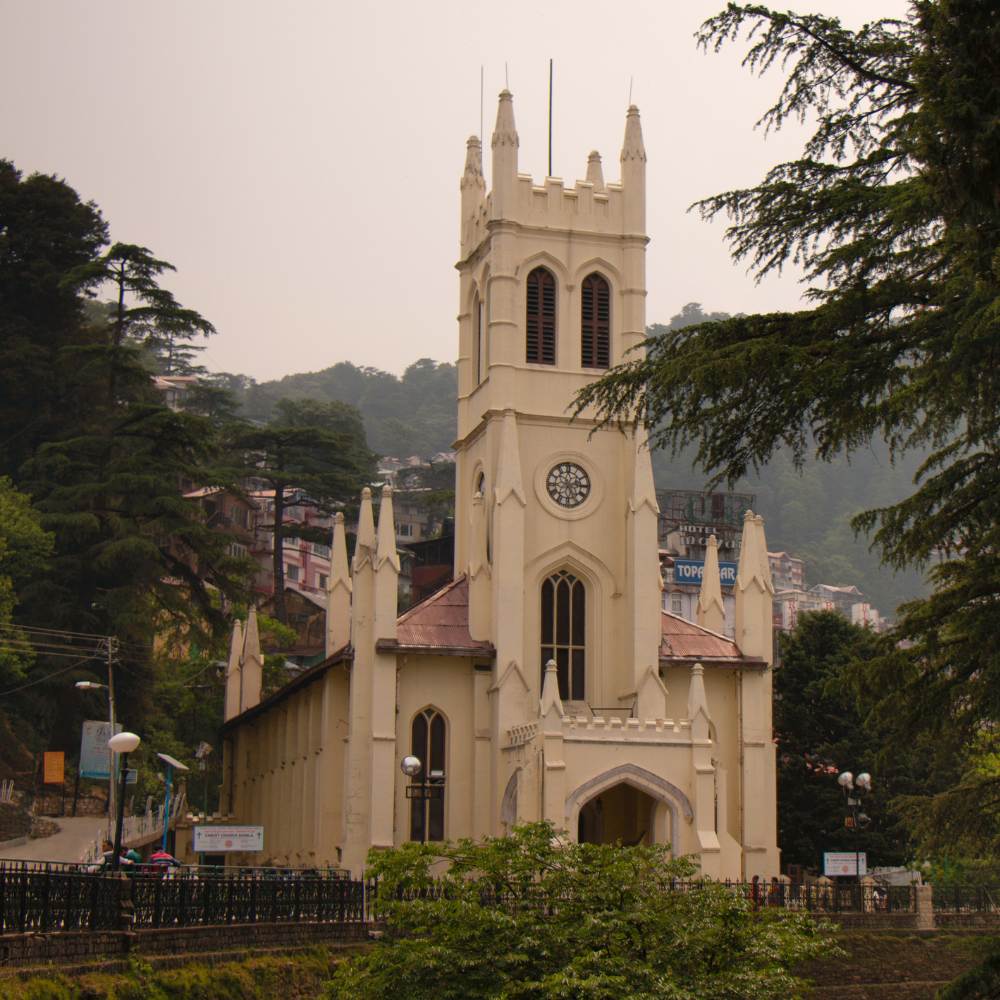
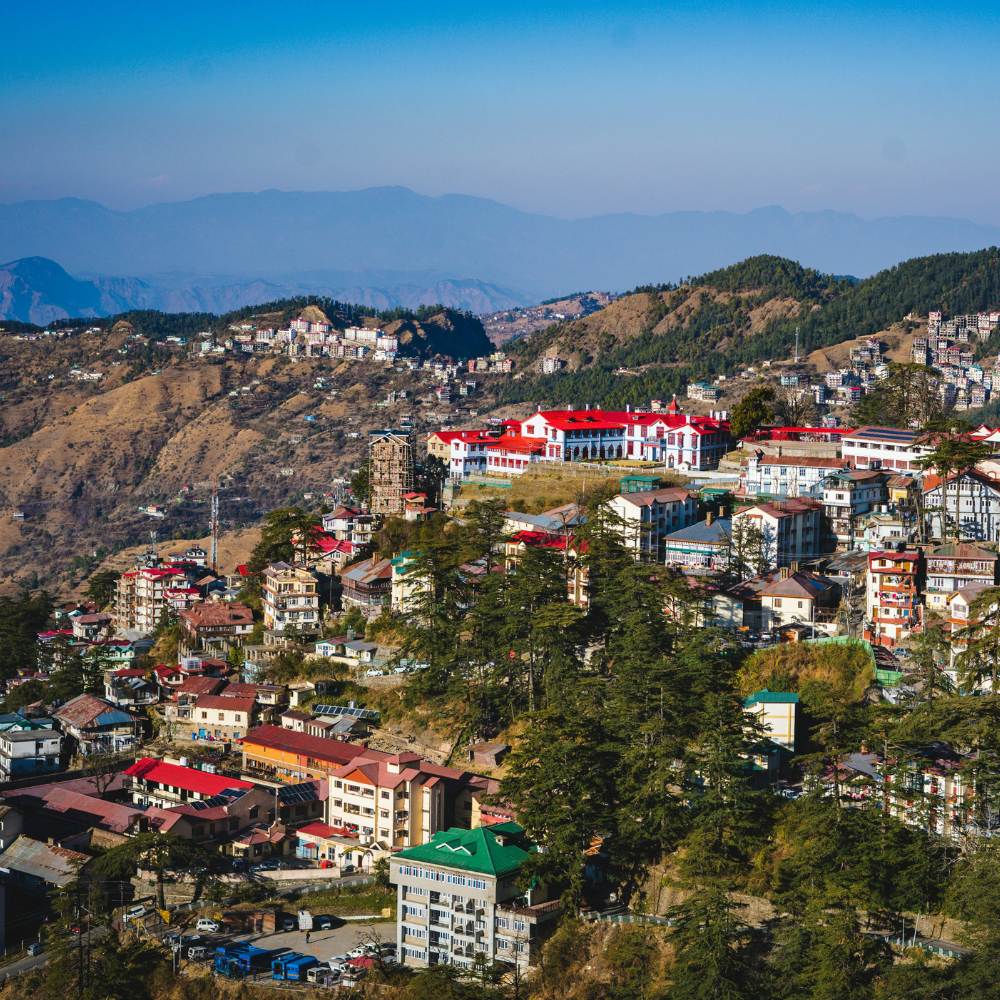
Shimla earns its nickname. As the former summer capital of British India, it carries a colonial poise that no other hill station in Himachal quite replicates — the Ridge, Christ Church, the Viceregal Lodge, the Victorian architecture along Mall Road. The Kalka–Shimla toy train, a UNESCO World Heritage Railway threading through 102 tunnels and over 800 bridges, remains one of the most cinematic journeys in India.
What to Do and See
- Mall Road and The Ridge — social heart of Shimla; shopping, street food, evening strolls
- Jakhu Temple — ancient Hanuman shrine at 2,455 m; extraordinary sunrise views
- Viceregal Lodge — now the Indian Institute of Advanced Study; stunning Tudor-Gothic architecture
- Christ Church — second oldest church in North India (built 1857)
- Kufri and Narkanda — nearby spots for skiing in winter, trekking in summer
- Kalka–Shimla Toy Train — book ahead; the journey is the destination
Practical Information
- Best Time: March to June (pleasant); December to January (snow)
- Nearest Airport: Shimla Airport (Jubbarhatti) — 23 km; Chandigarh — 110 km
- Railway Station: Shimla (narrow gauge toy train from Kalka)
- Distance from Delhi: 350 km (6–7 hrs by road)
- Ideal Duration: 2–3 days
Visitor Tip: Skip driving to Mall Road — it's pedestrian only. Park lower down and walk up. The best views of the Himalayas are from Jakhu Hill at sunrise, before the haze builds up.
Read also: Shimla Travel Guide: Top Places, Activities and Tips
2. Manali - Adventure Capital of Himachal
Altitude: 2,050 m
District: Kullu
Best For: Adventure seekers, backpackers, honeymooners, road-trippers
Why Go
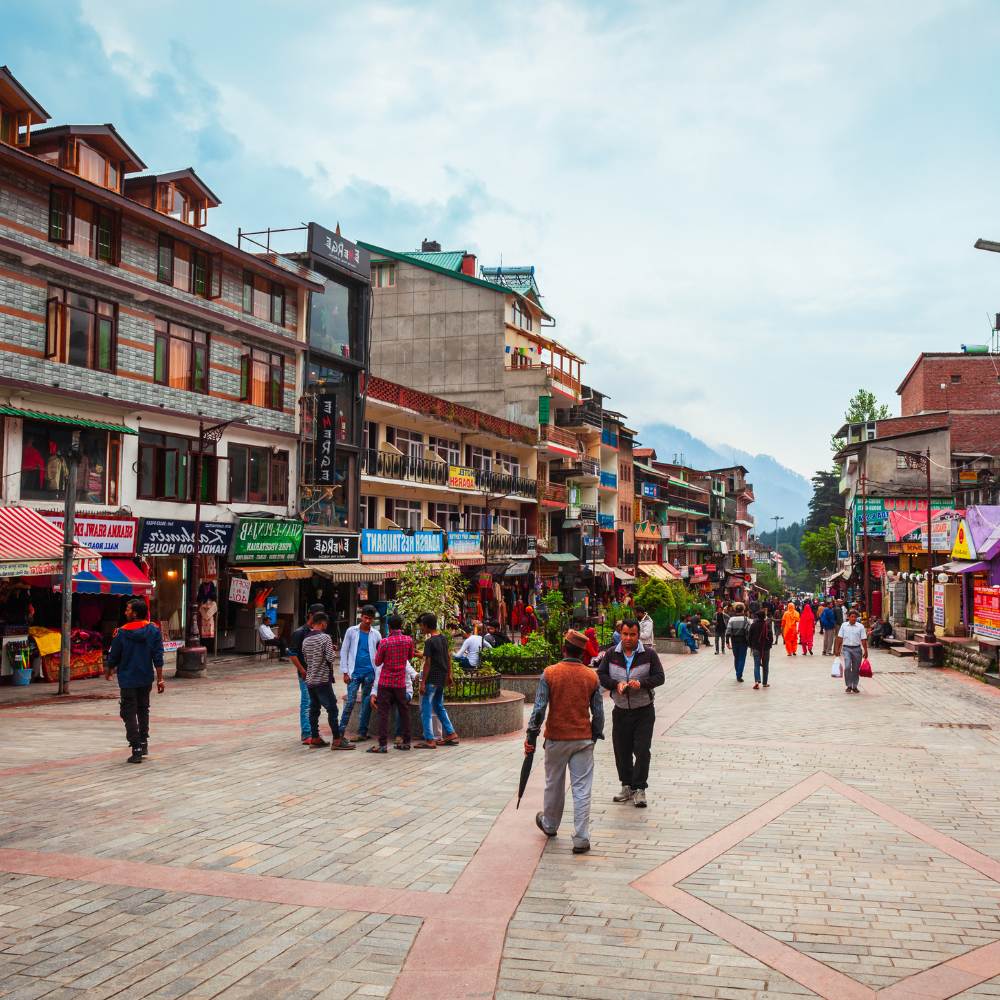
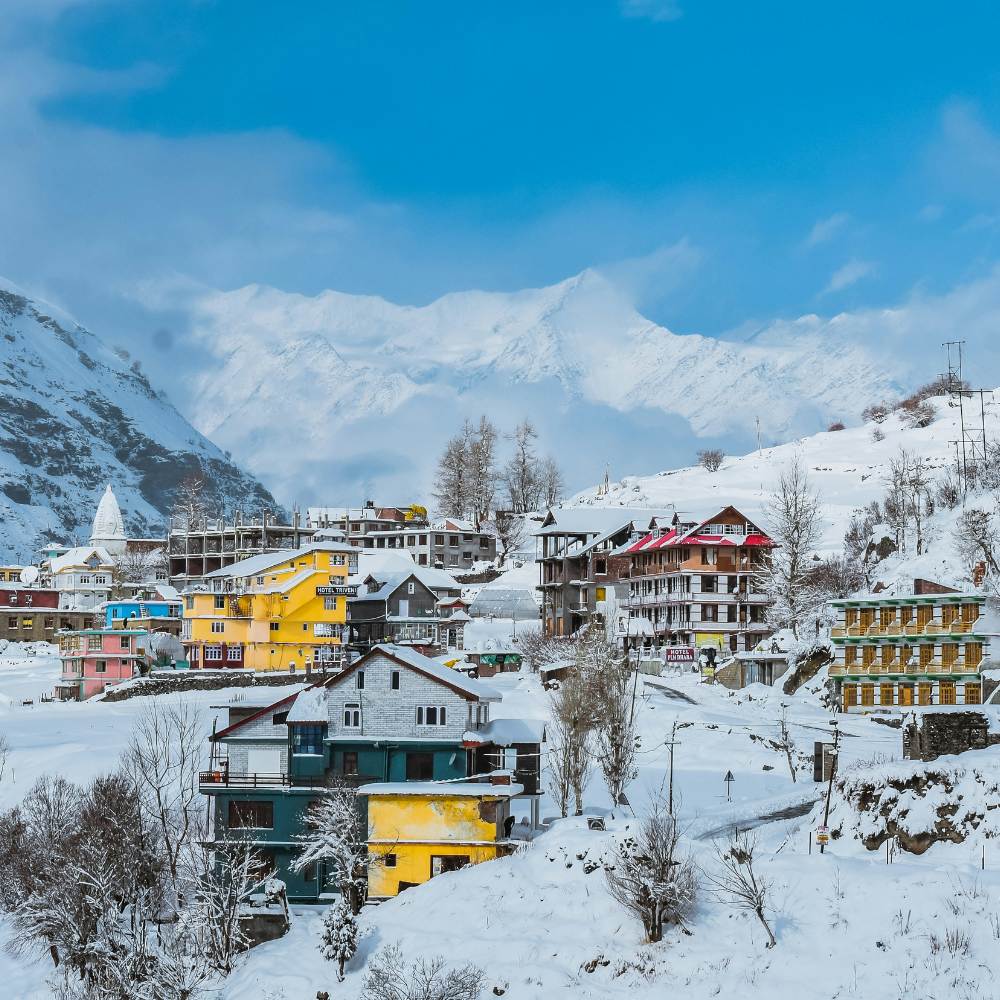
Manali sits at the northern end of the Kullu Valley, flanked by the Pir Panjal and Dhauladhar ranges. The combination of spectacular scenery, a thriving adventure sports scene, and good infrastructure makes it perennially popular. It's also the gateway to Leh via the legendary Manali–Leh Highway. Solang Valley offers snow sports in winter; Old Manali on the far side of the Beas River has a relaxed backpacker character with cafes, guesthouses, and the scent of pine.
What to Do and See
- Solang Valley — snow sports in winter; paragliding and zorbing in summer
- Rohtang Pass — 51 km from Manali; permit required; spectacular but crowded — go early
- Hidimba Devi Temple — ancient wooden temple in cedar forest; one of the most atmospheric sites in Himachal
- Old Manali — laid-back village feel; independent cafes; Manu Temple
- Vashisht Hot Springs — natural sulphur springs; great after a long trekking day
- Beas River — white-water rafting between Pirdi and Jhiri
Practical Information
- Best Time: Oct–Feb (snow experience); May–June (trekking and road trips)
- Nearest Airport: Kullu–Manali (Bhuntar) Airport — 50 km
- Railway Station: Chandigarh or Pathankot (main line)
- Distance from Delhi: ~550 km (10–12 hrs by road or overnight bus)
- Ideal Duration: 3–4 days
Visitor Tip: Rohtang Pass requires a permit booked online through the HP government portal — book at least 2 days ahead. Go before 7 AM if you want to beat the tourist vehicle convoys.
Read Also: Top 10 Must-Visit Places and Attractions in Manali
3. Dharamshala and McLeod Ganj - Little Lhasa of India
Altitude: 1,475 m (Dharamshala)/2,082 m (McLeod Ganj)
District: Kangra
Best For: Spiritual travellers, culture seekers, trekkers, yoga enthusiasts
Why Go
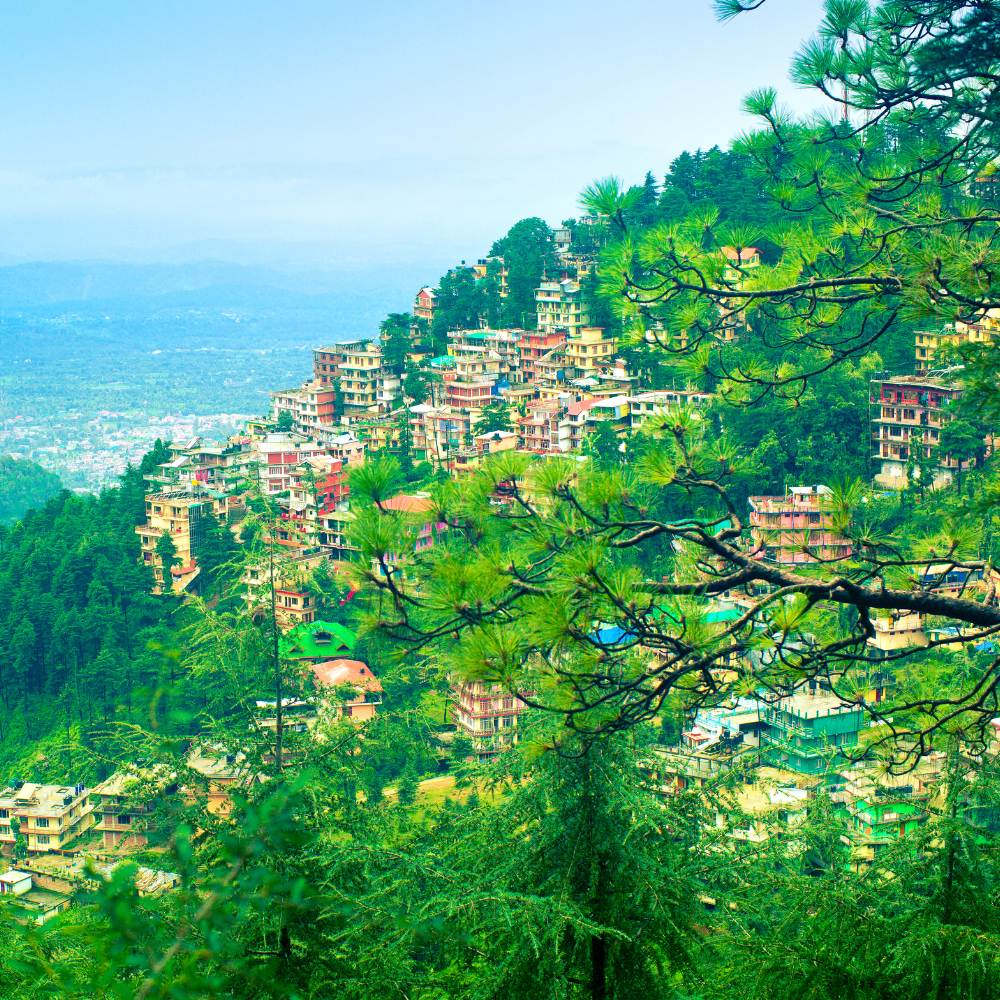
Since the Dalai Lama established his residence in exile here in 1960, McLeod Ganj has grown into a remarkable confluence of Tibetan Buddhist culture and Himalayan landscape. Prayer flags, maroon-robed monks, Tibetan restaurants, and the sound of chanting create an atmosphere unlike anywhere else in India. The HPCA Cricket Stadium — the highest international cricket ground in the world — sits here too. For trekkers, Triund is one of the most rewarding single-day hikes in Himachal.
What to Do and See
- Tsuglagkhang Complex — the Dalai Lama's temple and residence; open to visitors most days
- Namgyal Monastery — the largest Tibetan monastery outside Tibet
- Triund Trek — 9 km; 3–4 hours; 270° views of Dhauladhar and Kangra Valley
- Bhagsunath Temple and Bhagsu Waterfall — 2 km from McLeod Ganj; serene forest walk
- Tibet Museum — moving documentation of the Tibetan exile experience
- Masrur Rock Temple — 40 km away; 8th-century rock-cut temples; Himachal's Ellora
Practical Information
- Best Time: March–June; September–November (exceptional post-monsoon clarity)
- Nearest Airport: Gaggal Airport (Kangra) — 16 km from Dharamshala
- Railway Station: Pathankot Junction — 85 km
- Distance from Delhi: ~480 km (9–10 hrs by road or overnight bus)
- Ideal Duration: 2–4 days
Visitor Tip: Check the Dalai Lama's public teaching schedule on the official Tibetan government website before you travel — attending a public teaching is a once-in-a-lifetime experience, open to all.
4. Dalhousie - Old World, Slow Pace
Altitude: 2,036 m
District: Chamba
Best For: Couples, history lovers, slow travellers, those escaping crowds
Why Go
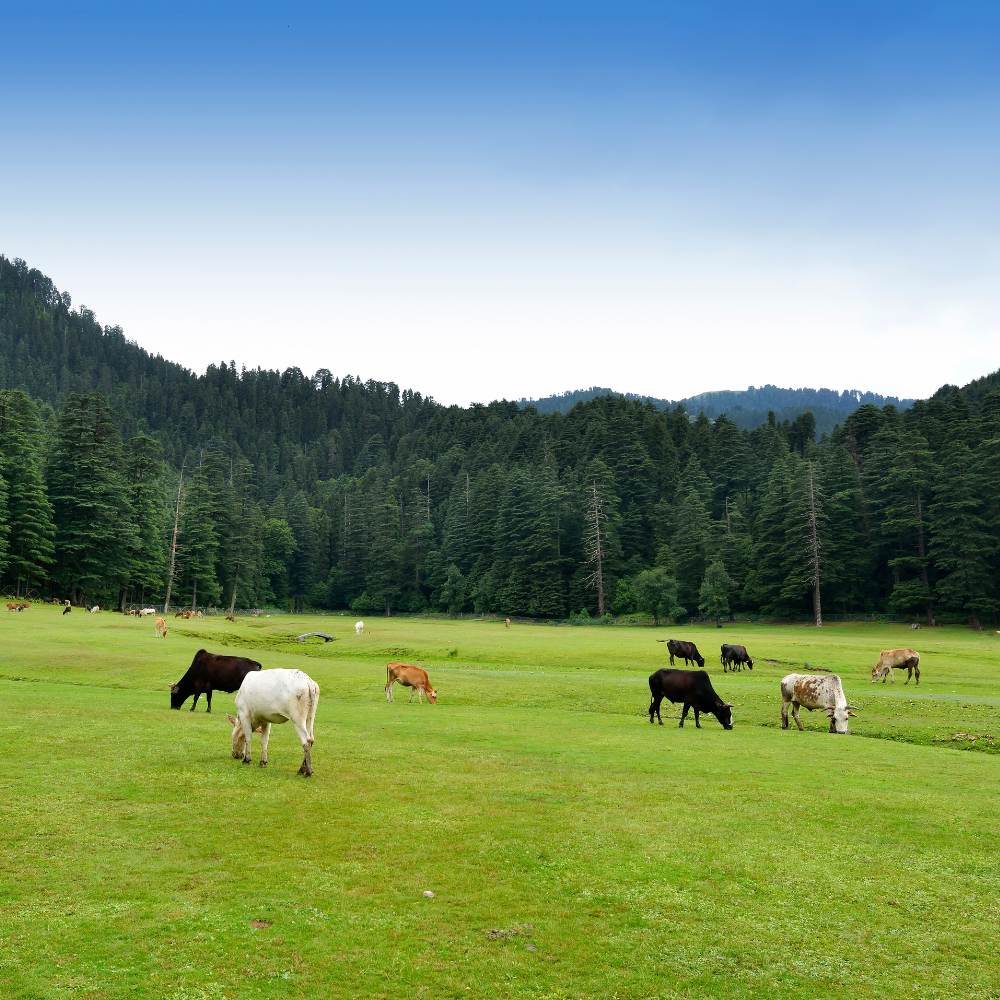
Dalhousie has largely escaped the overdevelopment that affects bigger Himachal destinations. It sits on five hills with winding lanes, colonial bungalows, and Victorian churches that give it a genuinely unhurried old-world quality. At just 22 km from Khajjiar and 54 km from Chamba, it anchors a three-destination circuit that most travellers overlook entirely — which means far fewer crowds and a more authentic experience.
What to Do and See
- Bakrota Hills Walk — 5 km loop; best views of the Pir Panjal and Dhauladhar ranges
- Dainkund Peak — 2,745 m; 5 km trek from Dalhousie; 360° panoramic views
- Chamera Lake — stunning reservoir 25 km away; boating available
- St. Francis and St. Patrick's Churches — beautiful colonial-era buildings
- Subhash Baoli — springs where Netaji Bose meditated; historically evocative
- Kalatop Wildlife Sanctuary — 30 km; Himalayan black bear, barking deer, leopard sightings possible
Practical Information
- Best Time: March–June October–December (light snowfall)
- Nearest Airport: Pathankot — 80 km
- Railway Station: Pathankot Junction — 80 km
- Distance from Delhi: 560 km (10–11 hrs by road)
- Ideal Duration: 2–3 days
Visitor Tip: Pair Dalhousie with nearby Khajjiar (22 km) and Chamba (54 km) for a three-destination circuit without backtracking — a trio that most tourists skip entirely, meaning far fewer crowds.
5. Kasauli - The Quiet One
Altitude: 1,795 m
District: Solan
Best For: Weekend escapists, solitude seekers, Delhi/Chandigarh travellers
Why Go
Kasauli is the hill station that rewards those who don't chase the crowd. A small cantonment town on the Chandigarh–Shimla road, it has preserved its colonial character almost intact — Victorian bungalows, cobblestone lanes, centuries-old deodar and chestnut trees, Gothic churches, and an unhurried pace that feels like a genuinely different era. Monkey Point offers stunning panoramic views of the Chandigarh plains below and the Himalayan ranges above.
What to Do and See
- Monkey Point — highest spot in Kasauli; spectacular sunset views; Air Force base (access permitted)
- Gilbert Trail — 5 km forest trail through deodar and oak; excellent birdwatching
- Christ Church — oldest church in the region (1853); beautiful stained glass
- Lower Mall and Upper Mall — quiet shopping streets with a very untouristy character
- Kasauli Brewery — one of Asia's oldest distilleries (est. 1823); book visits in advance
- Sunset Point — the most photographed spot in town for good reason
Practical Information
- Best Time: October–June (avoid peak monsoon for trail clarity)
- Nearest Airport: Chandigarh Airport — 70 km
- Railway Station: Dharampur — 10 km (narrow gauge); Kalka — 38 km (broad gauge)
- Distance from Delhi: 290 km (5–6 hrs by road)
- Ideal Duration: 1–2 days (ideal weekend getaway)
Visitor Tip: Kasauli works best as a decompression trip — no grand itinerary needed. Walk, read, eat well, sleep. It's close enough to Delhi and Chandigarh to be done over a weekend without rushing.
6. Kasol - The Backpacker's Paradise
Altitude: 1,580 m
District: Kullu
Best For: Backpackers, trekkers, nature lovers, those who like it offbeat
Why Go
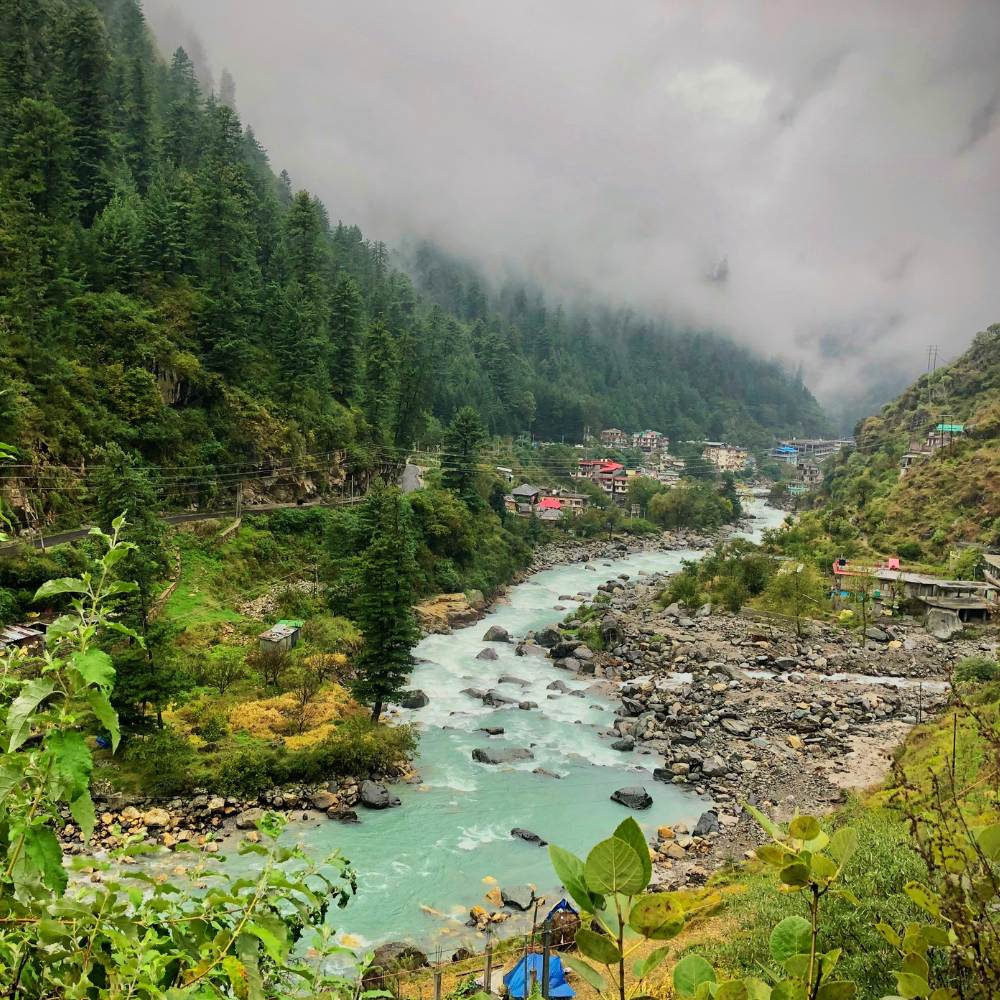
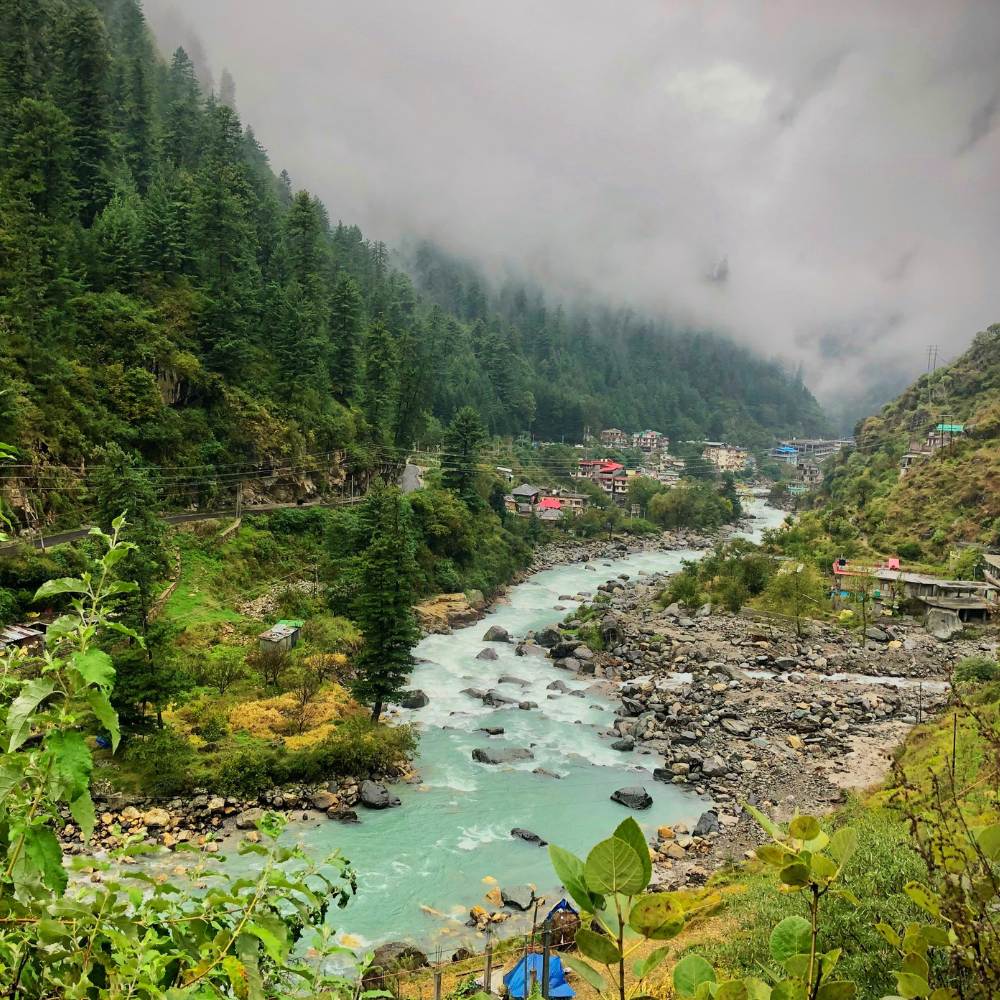
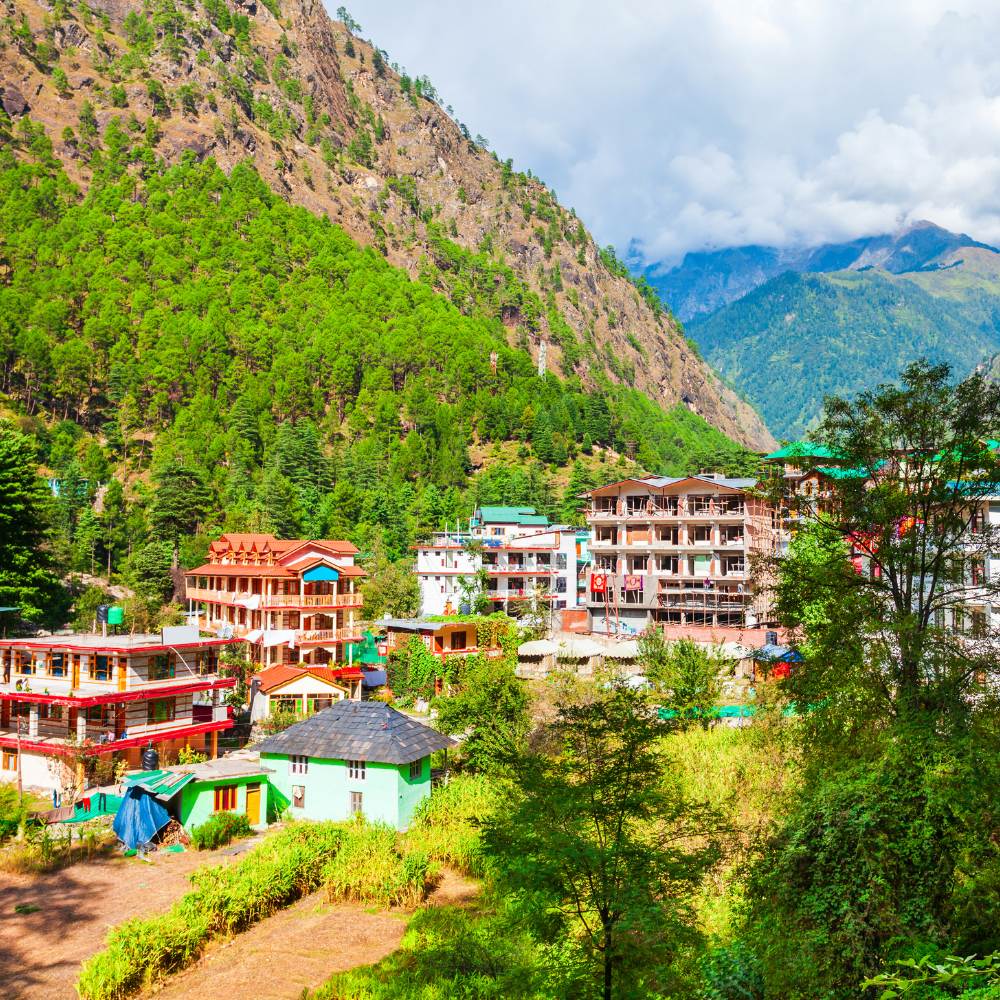
Kasol is a small village in the Parvati Valley, sitting along the Parvati River. Over the past two decades it has become one of the most popular backpacker destinations in India, drawing travellers with its easy-going vibe, riverside camping, and position as the base for several exceptional treks. The Parvati Valley itself — narrow, forested, and flanked by dramatic ridgelines — is one of the most beautiful valleys in Himachal.
What to Do and See
- Kheerganga Trek — 22 km round trip; natural hot water springs at the summit; camping available
- Malana Village — a historically isolated village; strict visitor rules; fascinating culture
- Tosh Village — two-hour trek from Kasol; beautiful alpine meadows; very few tourists
- Chalal Village — 1 km walk across a suspension bridge from Kasol; more relaxed than town
- Parvati River camping — many operators available; ideal in summer
- Manikaran Sahib Gurudwara — 4 km from Kasol; sacred hot springs; remarkable for all visitors
Practical Information
- Best Time: March–June; September–November (avoid monsoon for trek safety)
- Nearest Airport: Kullu–Manali (Bhuntar) Airport — 31 km
- Railway Station: Chandigarh for main-line connections
- Distance from Delhi: 520 km (10–11 hrs by road)
- Ideal Duration: 3–5 days (more if trekking)
Visitor Tip: Respect Malana village rules completely — do not touch walls, buildings, or locals. The community has a distinct cultural identity and access restrictions exist for a reason. Many irresponsible visitors have caused tighter entry policies over the years.
7. Kullu - The Valley of Gods
Altitude: 1,220 m
District: Kullu
Best For: Families, river adventure, culture, apple picking season
Why Go
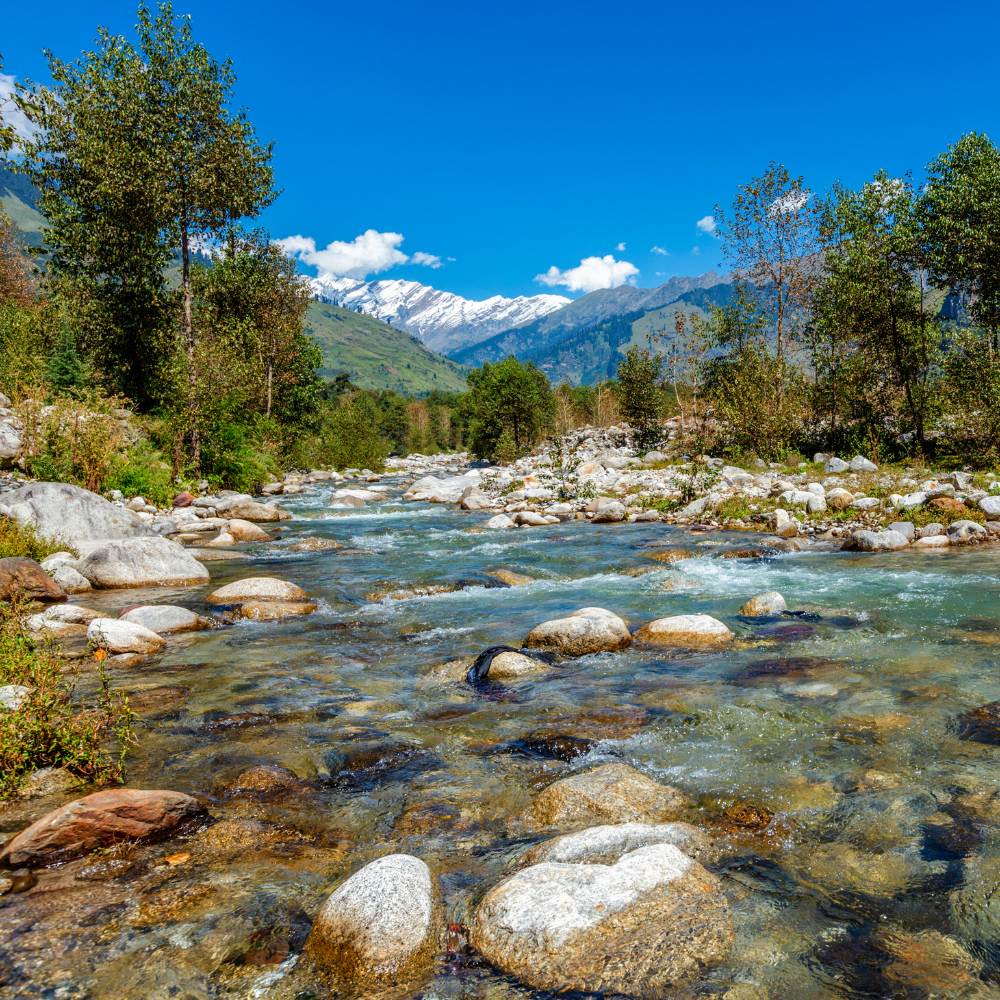
Kullu is not just Manali's quieter neighbour — it is a destination in its own right. The broad, open floodplain of the Beas River, flanked by pine and deodar forests rising to snow-capped ridges, dotted with apple and plum orchards, is one of the most classically beautiful valley landscapes in Himachal. Ancient texts including the Ramayana, Mahabharata, and Vishnu Purana reference this valley. The annual Kullu Dussehra — when 200+ deities arrive in procession from across the region — is one of India's great folk festivals.
What to Do and See
- Kullu Dussehra — one of India's great folk festivals; October; book accommodation 3 months ahead
- Raghunath Temple — dedicated to Lord Rama; seat of Kullu's ruling deity
- Bijli Mahadev Temple — 14 km from Kullu; 1,500 steps; stunning valley views from the top
- Great Himalayan National Park — UNESCO site; 754 sq km; exceptional biodiversity
- Beas River Rafting — best stretch is Pirdi to Jhiri; Grade II–III rapids
- Apple Orchards (Patlikuhal and Raison) — visit July–September for harvest season
Practical Information
- Best Time: March–June; September–November; October for Dussehra
- Nearest Airport: Kullu–Manali (Bhuntar) Airport — 10 km
- Railway Station: Joginder Nagar — 60 km
- Distance from Delhi: 500 km (10 hrs by road or overnight bus)
- Ideal Duration: 2–3 days (can be combined with Manali)
Visitor Tip: If your visit overlaps with Kullu Dussehra, prioritise the opening day — the arrival procession of deities from across the region happens only once and is the most spectacular part of the festival.
Explore More hill stations: Top 10 Hill Stations in South India to Visit in 2026
8. Kufri - Winter Sports and Family Fun
Altitude: 2,622 m
District: Shimla
Best For: Families, winter sports lovers, day-trippers from Shimla
Why Go
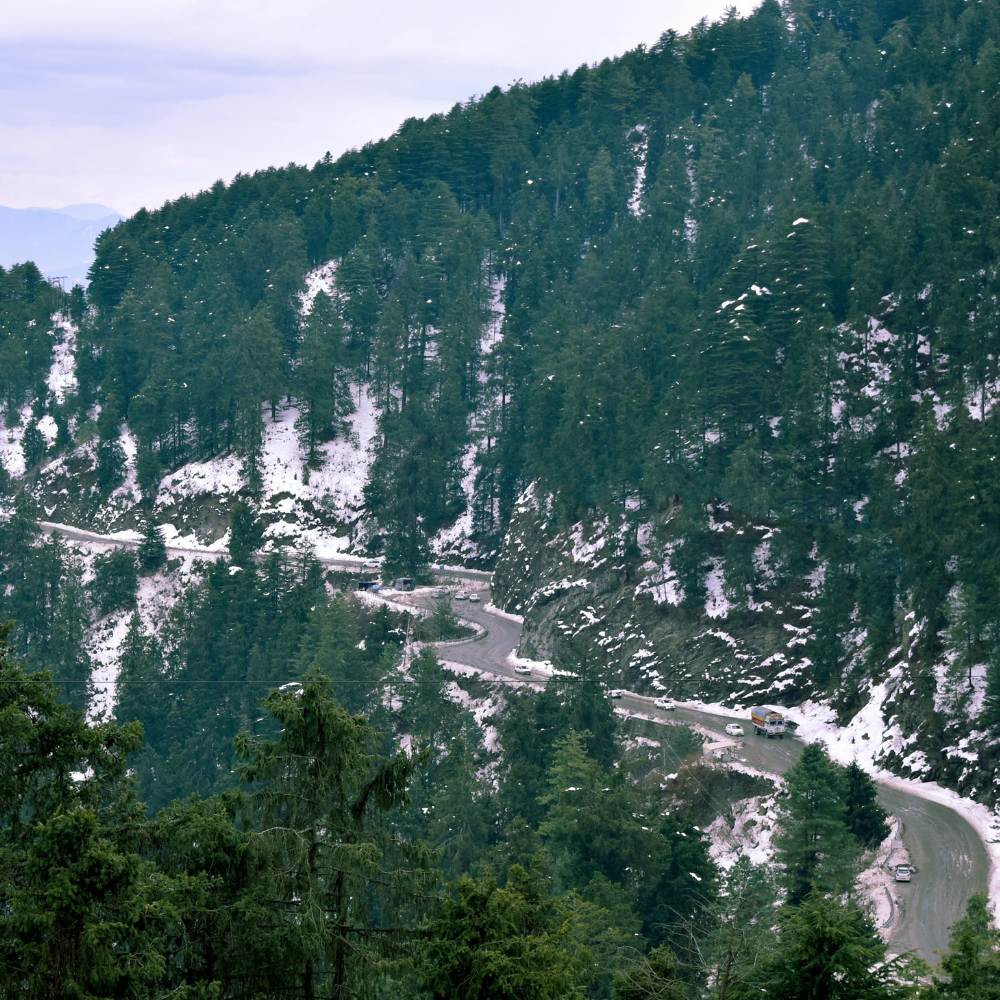
Just 16 km from Shimla, Kufri sits significantly higher at 2,622 m — meaning heavier snowfall and a completely different character in winter: skiing, snow tubing, yak rides, and toboggan runs. In summer it transforms into a trekking and nature-walking destination. Mahasu Peak (3,030 m), accessible on foot or by pony, offers some of the finest Himalayan panoramas in the region — on clear days, peaks as far as the Badrinath ranges are visible.
What to Do and See
- Skiing and Snow Activities — December to February; ski rentals and lessons available
- Mahasu Peak — 5 km trek or pony ride; outstanding 360° Himalayan views
- Himalayan Nature Park — 90-acre park housing 150+ bird species; snow leopard enclosure
- Kufri Fun World — go-karts, horse rides, toy train; excellent for families with children
- Fagu Village — 6 km from Kufri; quieter, very photogenic
- Apple and Apricot Orchards — stunning in bloom (March–April) and harvest (Aug–Sep)
Practical Information
- Best Time: December–February (snow); April–June (pleasant trekking)
- Nearest Airport: Shimla Airport (Jubbarhatti) — 25 km; Chandigarh — 120 km
- Railway Station: Shimla (toy train from Kalka)
- Distance from Delhi: 370 km (7 hrs by road)
- Ideal Duration: 1 day (from Shimla) or 2 days standalone
Visitor Tip: Kufri gets very crowded on December–January weekends. Visit on a weekday if you want to actually ski rather than queue. Inspect ski boots and bindings carefully before renting — equipment quality varies widely.
9. Khajjiar - Mini Switzerland of India
Altitude: 2,000 m
District: Chamba
Best For: Day-trippers from Dalhousie, nature photography, families
Why Go
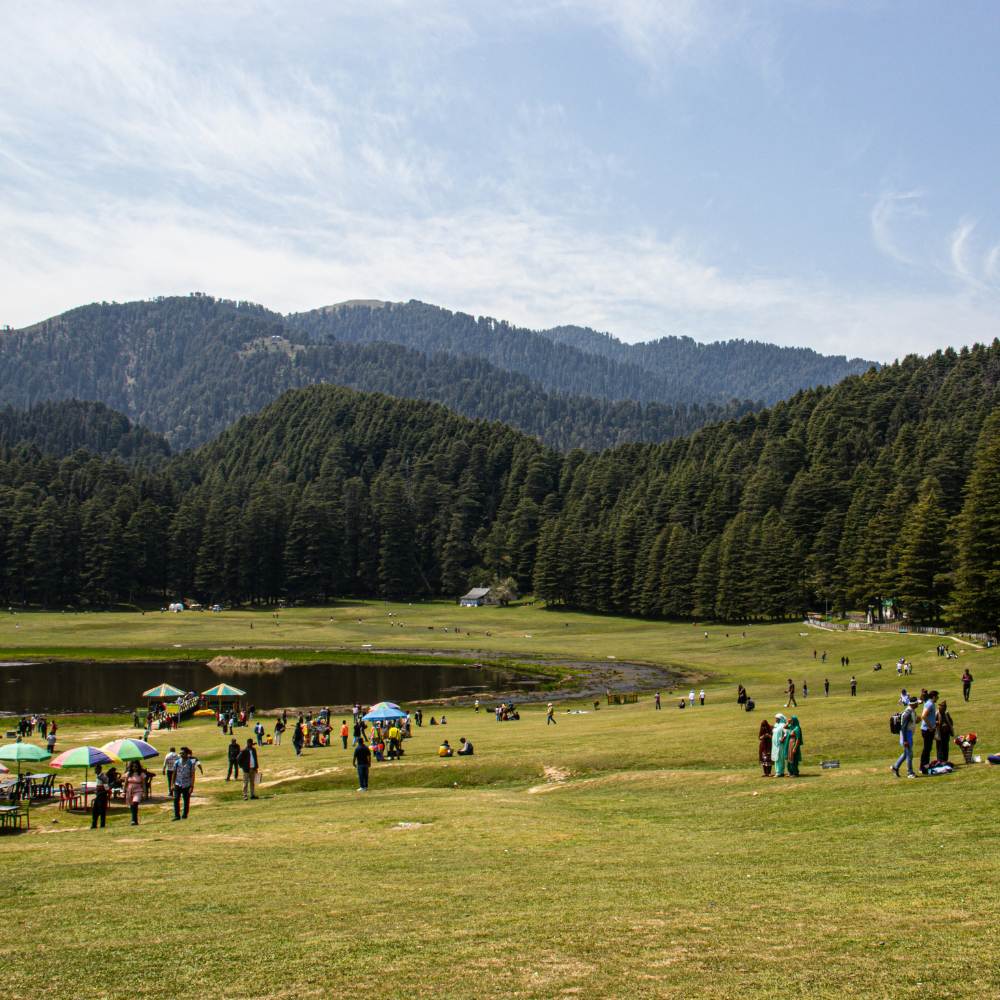
The Switzerland comparison was first made officially in 1992, when the Swiss Ambassador planted a signpost declaring Khajjiar one of the 160 places in the world resembling Switzerland. The landscape delivers: a flat, circular meadow rimmed by tall deodar cedar forest, a small lake at its centre, and the Dhauladhar peaks in the distance. At just 22 km from Dalhousie, it pairs naturally as a half-day excursion. The 12th-century Khajji Nag Temple — dedicated to the serpent deity — gives the place its name.
What to Do and See
- Khajjiar Meadow — the famous circular meadow; ideal for picnics, photography, paragliding
- Khajji Nag Temple — 12th-century temple; intricate wooden carvings; active local worship
- Paragliding — tandem flights over the meadow; operators available on-site
- Zorbing — popular activity on the meadow slopes, especially with families
- Kalatop Wildlife Sanctuary — 10 km; often combined with Khajjiar
- Photography at dawn — mist rising from the lake at sunrise is extraordinary
Practical Information
- Best Time: March–June; October–December (light snow)
- Nearest Airport: Pathankot — 100 km; Gaggal (Kangra) — 120 km
- Railway Station: Pathankot Junction — 100 km
- Distance from Delhi: 560 km (via Dalhousie)
- Ideal Duration: Half-day to 1 day (best as part of a Dalhousie trip)
Visitor Tip: The meadow gets very muddy during and after monsoon — wear appropriate footwear July through September. For the clearest Dhauladhar peak views, visit October–November after the monsoon has cleared the air.
10. Spiti Valley - The Cold Desert in the Clouds
Altitude: 3,800 m (average)
District: Lahaul and Spiti
Best For: Serious travellers, adventure seekers, photographers, Buddhist culture enthusiasts
Why Go
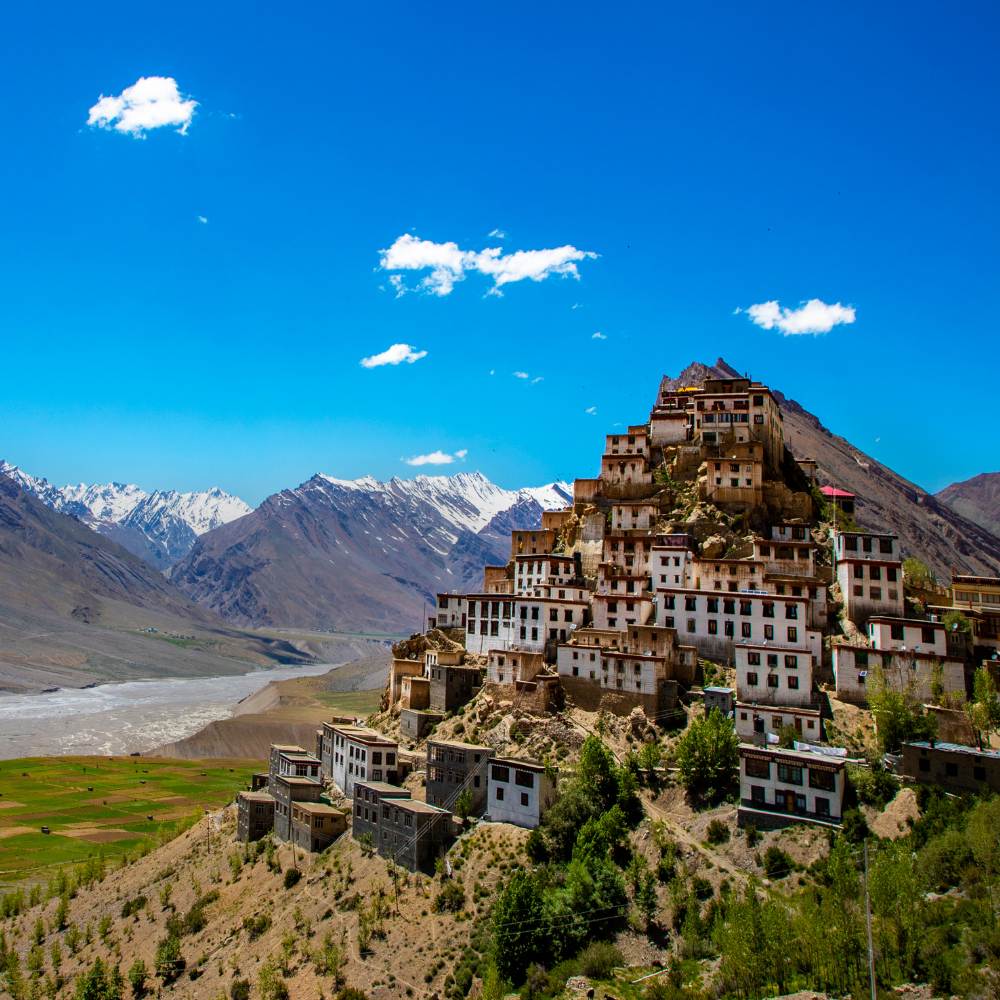
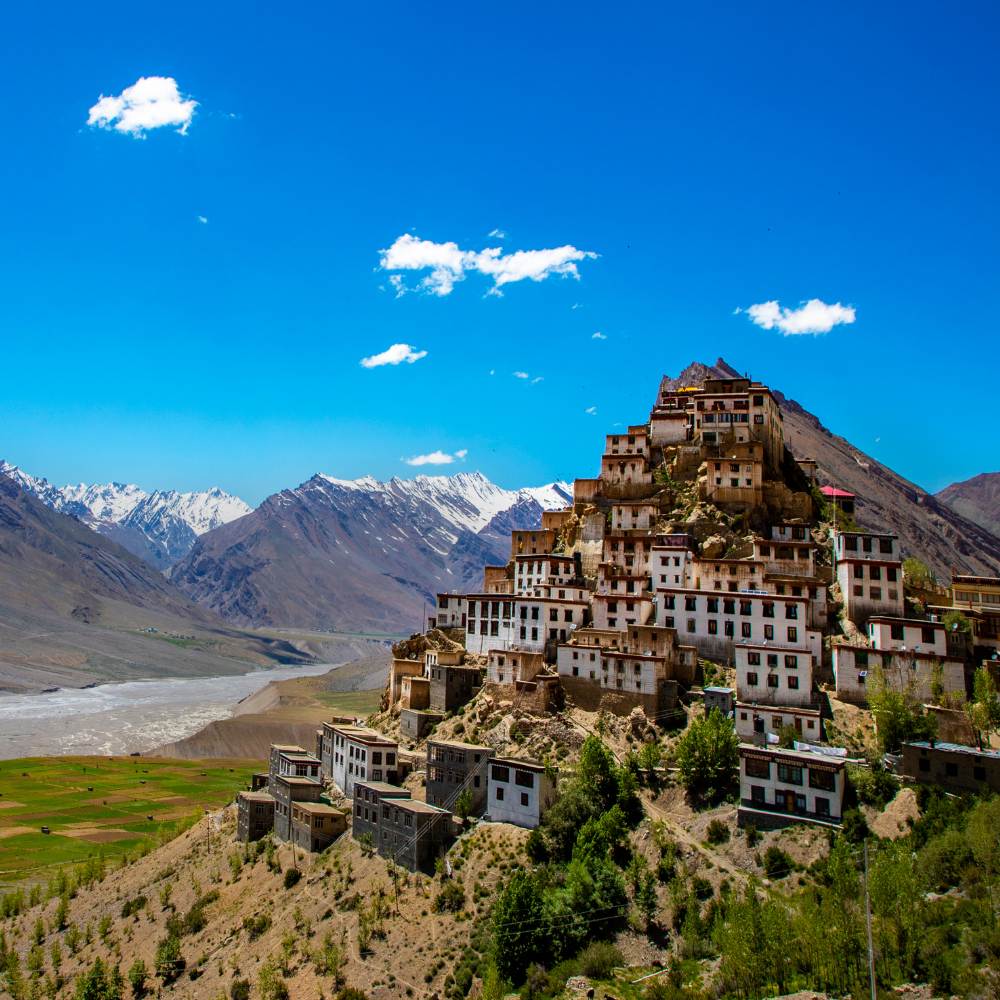
Spiti is not like the other hill stations on this list — it is an expedition, not a getaway. One of the most remote, sparsely populated, and visually stunning landscapes on earth, the Spiti Valley is a cold, high-altitude desert: barren mountain slopes in shades of ochre and grey, a cold turquoise river cutting through it, and ancient Buddhist monasteries perched on impossibly dramatic cliff faces. Key Monastery (4,166 m), Tabo Monastery (founded 996 CE — one of the oldest in the Himalayas), Kibber Village at 4,205 m, and Pin Valley National Park make Spiti a destination that lingers in the memory long after you have left. The road in — from Shimla via Kaza (the Kinnaur route) or from Manali over the Rohtang and Kunzum passes — is itself part of the experience.
What to Do and See
- Key Monastery — most iconic monastery in Spiti; 1,000+ years old; resident monks; extraordinary valley views
- Tabo Monastery — founded 996 CE; called the Ajanta of the Himalayas; irreplaceable ancient murals
- Kibber and Langza Villages — high-altitude village life; Langza has a famous open-air Buddha statue
- Chandratal Lake — 4,250 m; one of the most beautiful alpine lakes in India; open July–September
- Pin Valley National Park — habitat of snow leopard, Siberian ibex, and Himalayan wolf
- Fossil hunting — riverbeds near Langza yield ancient marine fossils from the Tethys Sea
Practical Information
- Best Time: June to September (roads open); winter only for very experienced travellers
- Nearest Airport: Kullu–Manali (Bhuntar) — 245 km; Shimla Airport — 200 km via Kinnaur
- Railway Station: Shimla (Kinnaur route) or Chandigarh/Pathankot (Manali route)
- Distance from Delhi: 700 km to Kaza (14–16 hrs by road via Shimla)
- Ideal Duration: 5–7 days minimum
Visitor Tip: Altitude sickness is real at Spiti's elevations. Spend at least one night at 3,000 m before going higher. Carry Diamox if prone to AMS. Fill petrol in Kaza — stations are very scarce beyond it. Download offline maps before entering the valley.
Planning Your Himachal Trip
Choosing the Right Hill Station for You
- First-time visitor/limited time: The Shimla–Manali circuit is the classic 5–7 day trip and covers the most ground efficiently
- Culture and spirituality: Dharamshala/McLeod Ganj, with a side trip to Dalhousie–Khajjiar–Chamba
- Adventure and offbeat: Kasol (Parvati Valley) as a base, or go all the way to Spiti Valley
- Quick weekend from Delhi: Kasauli (5–6 hrs) or Dalhousie (10 hrs overnight bus)
- Families with children: Shimla + Kufri in winter; Manali in summer
When to Go
- Summer (March–June): Best for most hill stations; rhododendrons in bloom; pleasant 10–20°C
- Monsoon (July–August): Lush and green; landslide risk on mountain roads; avoid Spiti and high passes
- Autumn (September–November): Crystal-clear skies; best for photography and high-altitude treks; apple harvest season
- Winter (December–February): Snow at Shimla, Manali, Kufri; magical for snow lovers; Spiti only for the experienced
Getting There
- By Air: Shimla, Kullu–Manali (Bhuntar), and Kangra (Gaggal/Dharamshala) airports all connect to Delhi — book early, as capacity is limited
- By Train: Chandigarh and Pathankot are the most useful broad-gauge railheads. The Kalka–Shimla toy train (UNESCO Heritage) is a wonderful, scenic way to arrive
- By Road: Volvo overnight buses from Delhi's ISBT Kashmere Gate to Shimla, Manali, Dharamshala, and Dalhousie run nightly. Self-driving is very feasible — roads are generally good, though some mountain driving experience is recommended
Final Word
Himachal Pradesh rewards the traveller who arrives without a fixed idea of what a hill station should look like. From the toy train pulling into colonial Shimla to the silence of a 1,000-year-old monastery in Spiti, from riverside chai in Kasol to paragliding over a Swiss-green meadow in Khajjiar — the variety is the point.