

The twin holy towns: Ajmer-Pushkar

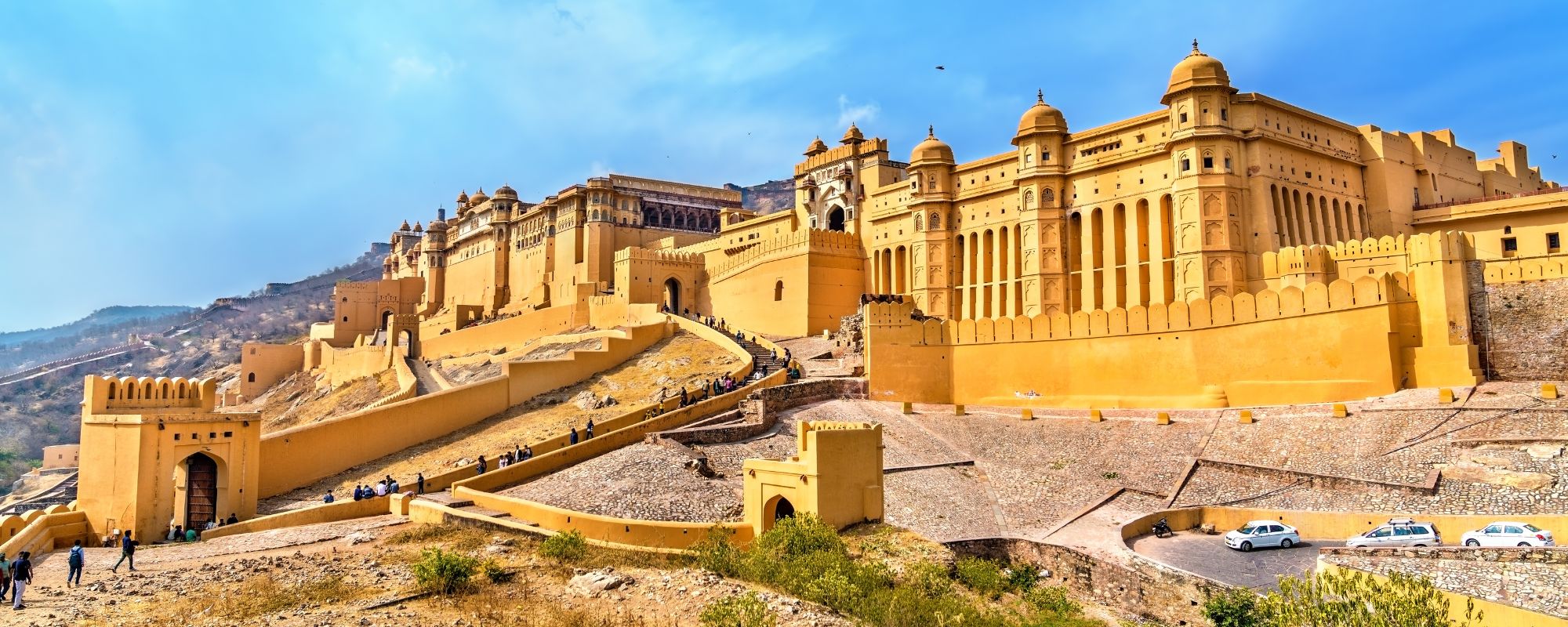
Surrounded by the Aravali ranges, Ajmer is famous for the Ajmer Sharif Dargah of saint Muin-ud-din Chishti. Located 130 km from Jaipur, the city is firmly bound by its traditions and culture. Ajmer has a unique charm that lies in the ethos and craftsmanship practised over centuries.

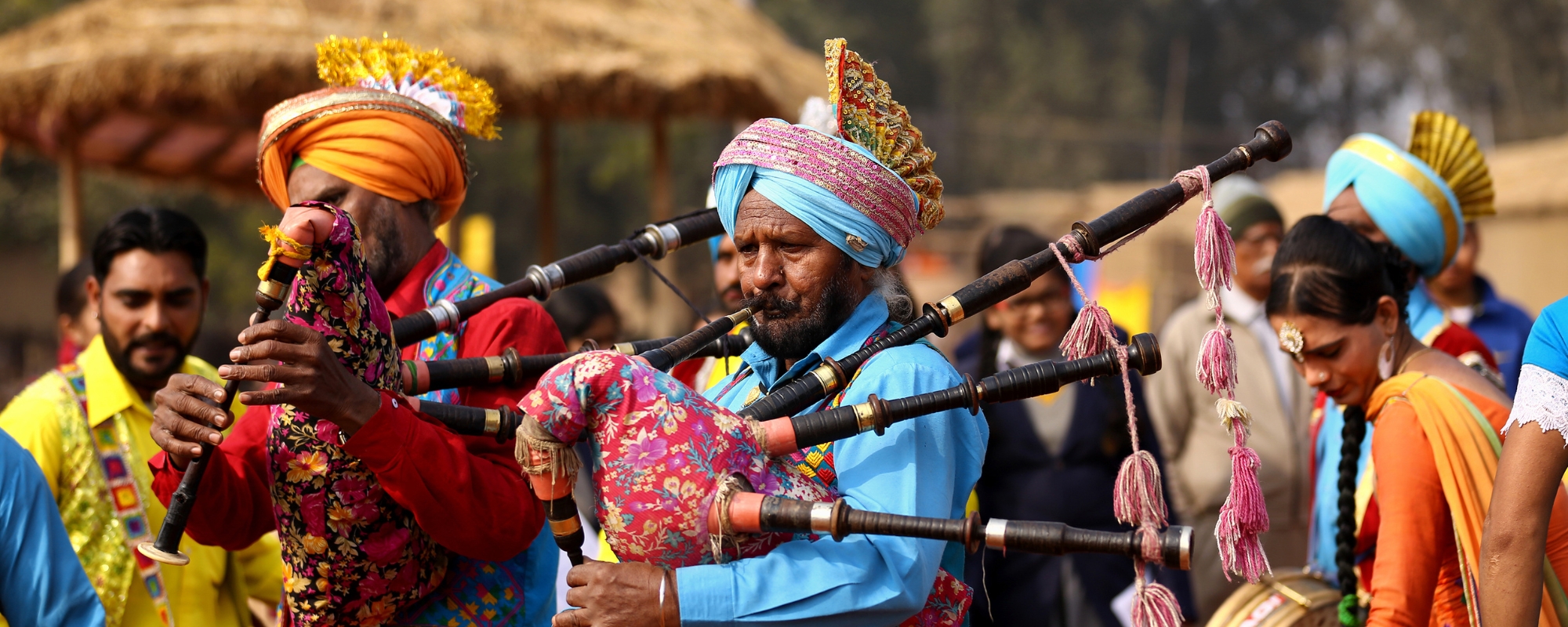
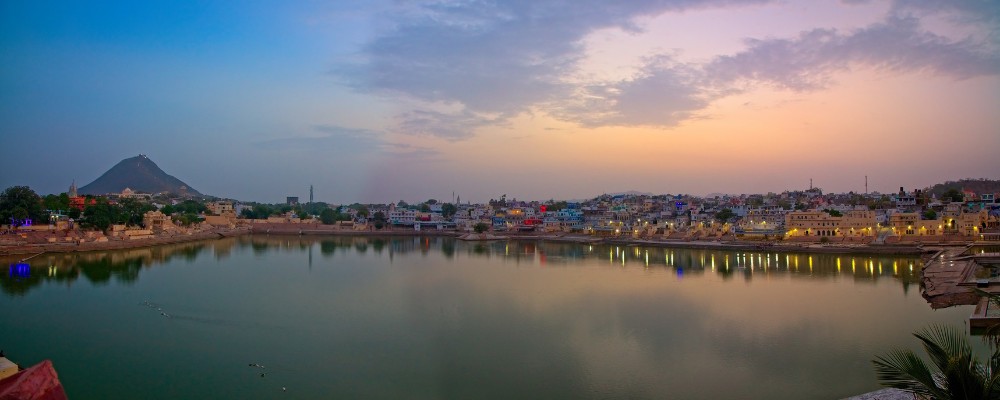
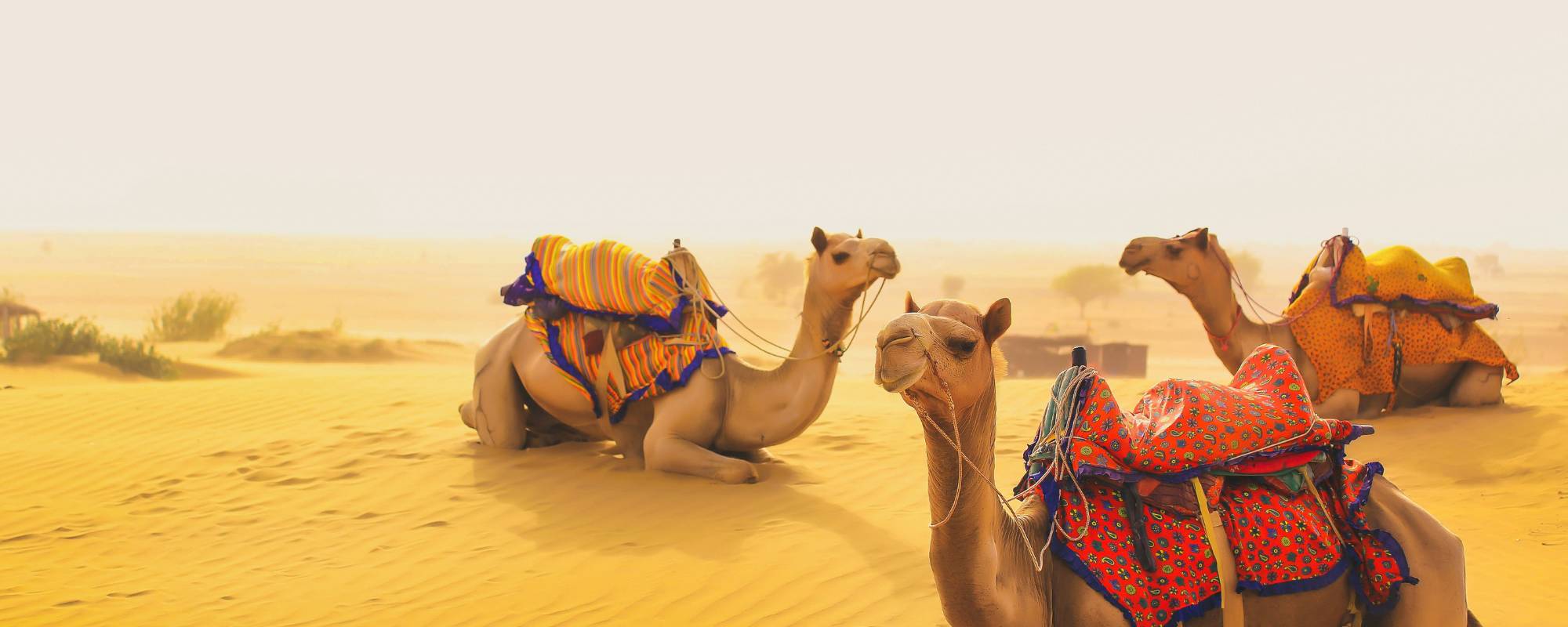
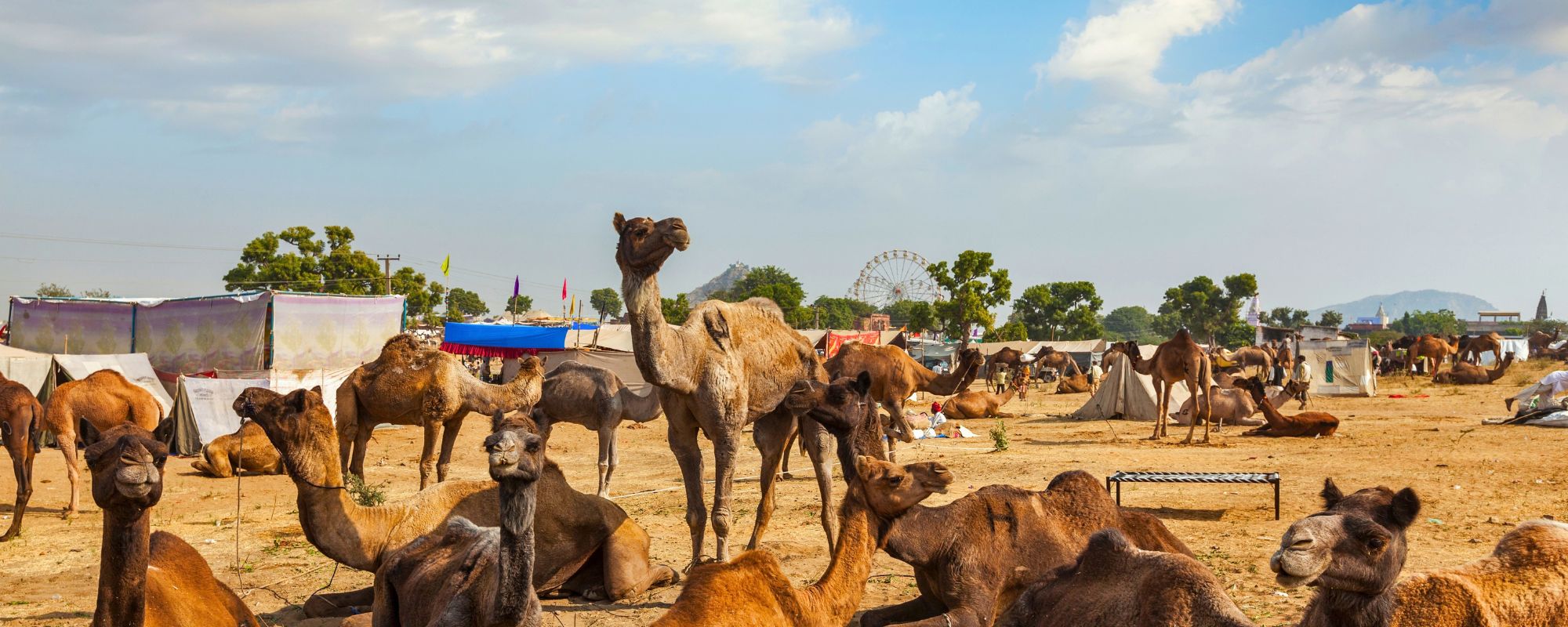
The small temple town of Pushkar is located around 15 km from Ajmer. Every November, Pushkar hosts the Pushkar Mela, one of the biggest camel fairs in the country. Known as the world's only dedicated Brahma temple, Pushkar is primarily a pilgrimage site for Hindus. Spend an evening sitting at the ghats while sipping chai (tea) or taking a stroll through narrow alleys while listening to the chants from temples surrounding the ghats. A delight for street-shopping lovers, Pushkar has shops on the main street selling everything from oxidised silver jewellery to merchandise wrapped in various colours.

Explore & Experience in Pushkar and Ajmer-

EXPLORE (Places to visit):

  • Pushkar Lake
  • Pushkar Market
  • Brahma Temple
  • Ajmer Sharif Dargah
  • Ana Sagar Lake
  • Adhai Din Ka Jhonpra
  • Akbar Palace and Museum
  • Taragarh Fort


EXPERIENCE (Things to do):

  • Stroll in the Pushkar market
  • Pushkar Camel Fair
  • Hike to Savitri Mata Temple at Pushkar
  • Watch the evening Aarti ceremony at Pushkar


Reach out to our Local Experts
Plan Your Bespoke Journey with Us

Fill in your details and one of our destination experts will get in touch with you. Our experts are dedicated to providing personalized assistance and insights, ensuring that all your queries are addressed and you receive the best possible guidance for your travel plans.


Checkout our
Latest Blogs
Choose from the best
Hotel Partners
Get our latest updates
Subscribe Our Newsletter

Stay Connected
FAQs
  • What makes the Ajmer Dargah Sharif so significant?

    It is the shrine of Khwaja Moinuddin Chishti, one of the most revered Sufi saints of the Indian subcontinent. Born in Sistan, present-day Iran, in 1143, he arrived in Ajmer in 1192 and devoted the rest of his life to preaching compassion and serving the poor. He died in 1236 and was buried here; the Mughal Emperor Humayun added the white marble dome over the tomb in 1532, and Akbar visited many times, once walking from Agra to Ajmer on foot to fulfil a vow. The shrine is one of the holiest Muslim sites in Asia, drawing millions of pilgrims annually, and its doors are open to people of every faith. The annual Urs festival marking the saint’s death anniversary is the largest gathering held there.

  • When should I visit Ajmer and Pushkar?

    The best time to go to Rajasthan is from October to March, as the temperatures remain quite pleasant and the light is of a spectacular quality for photography-especially of desert areas. If you can time it, a trip in November can coincide with the Pushkar Camel Fair, which takes place on the full moon of the Hindu month of Kartik, normally falling in late October or early November. The vibrant Gangaur is in full swing in March and features a colour procession along the ghat; the Urs festival at the Dargah varies with each Islamic calendar, so double-check dates if you would like to visit. After April, it warms up, and it’s extremely hot from May to June.

  • How much time should I set aside for both towns?

    Two nights in Pushkar means a full day in each town, with the middle day spent travelling to Ajmer. Pushkar itself requires a whole day and evening to explore the lake and the Brahma temple, watch sunrise or sunset from the ghats, and wander the bazaars. An easy morning or afternoon (Ajmer is only 14km down the road) will take in the Dargah, Ana Sagar Lake, and Adhai Din Ka Jhonpra. You’ll need three nights at least if you visit for the Camel Fair, and there’s a different feel on each of the several days.

  • What should I prioritise while in Ajmer?

    Give the Dargah Sharif at least 2 hours to experience the shopping lane, the courtyard, the tomb, and the evening Qawwali singing (if the timing is right). The 12th-century Artificial Anna Sagar Lake and its marginal marble pleasure pavilion (part of which Shah Jahan contributed) are most tranquil in the early morning. The 12th-century Aadhai Din Ka Jhonpra mosque (a screen of 7 arches among the early Indo-Islamic monuments, and one of the best works of Indian Architecture) deserves special mention. Taragarh Fort (on the hill in back of the town) offers superb panoramas when its inhabitants decide the climb is worthwhile.

  • What should I prioritise while in Pushkar?

    Pushkar Lake, surrounded by 52 bathing ghats, is the spiritual heart of this quirky city, and the early-morning ritual of a Hindu priest at half-light and the quiet sublimity it evokes on the bathing platforms. The holiest of a scant number of sites devoted to the god of creation, Brahma Temple lies a few minutes’ walk north of the lake; the Savitri Temple is a steep climb or a cable-car ride up the hill to its north, offering panoramic views of the lake and the desert plains that ring the city. Lanes of shops behind the ghats are a good place to browse for silver jewellery, textiles and traditional handicrafts, and to buy into a sense of local life; the market and camel grounds are at the eastern end of town.

  • Should I plan my trip around the Pushkar Camel Fair?

    Sure, if the dates suit. Normally in late October or early November, at the time of the full moon of Kartik; this is one of the greatest stock markets, with over 50,000 camels, horses, and cattle flocking to the gathering, along with hundreds of thousands of pilgrims and visitors. Major events include trade sales, races, decoration competitions, a turban-tying contest, folk music, and a holy dip in the lake on the night of the full moon. Accommodation is expensive and usually booked months in advance; try to make it for the full-moon evening to see the most extravagant spiritual and visual displays.

  • What etiquette should I follow at the Dargah and the ghats?

    At the Dargah, remove your shoes before entry, cover your arms and legs (dress respectfully), and cover your head with the offered scarves. Inside the inner sanctuary (where men and women are both welcome), speak respectfully and keep your voice very low. At Pushkar Lake, people of all beliefs may sit near the water; however, it is a ritual site, and it is not appropriate to walk in or swim because of its sacredness. Be considerate with photography around the ghats, and be aware that priests might perform a puja blessing and expect a donation.

  • Is it true that Pushkar has no meat or alcohol?

    Yes, and both rules are very real. Pushkar is officially vegetarian and a “dry town,” both by law and religious precept: no meat, fish, or eggs are permitted in any establishment, and it's illegal to possess them in any public part of the town. Food without meat and fish is superb, with countless rooftop restaurants and lakeside cafes serving imaginative, delicious Indian and fusion cuisine influenced for decades by travellers from around the globe. Ajmer, 14 kms from here, does not restrict alcohol on hotel property outside the centre of Pushkar.

  • Where should I stay near Pushkar for the best comfort?

    To the west, perched on the hills above town, is the 5-star Westin Pushkar Resort and Spa: villas have their own plunge pool, there is a Heavenly Spa and a rooftop bar, and it’s continually voted one of the most luxurious hotels in the region. Just 10 minutes’ drive from the centre, although an ample escape on its own with 11 acres of land, four eateries, and a complete wellness package, is Ananta Spa and Resorts - a sophisticated luxury compromise with the lake and shops a few minutes away. Gulaab Niwaas Palace on the shores of the lake caters to those wanting a heritage stay within the Old City.

  • What is worth buying in Pushkar?

    Silver jewellery stands out, with chunky oxidised pieces and turquoise, coral, and desert-inspired craft forms, though tie-dye and block-print textiles, leatherware, and brassware are also available. Attar, the pure essential oil made in nearby Pushkar from local rose and sandalwood, can be bought in small perfumeries in the bazaar. The busiest stretch of shopper street starts at Brahma Chowk and ends at the lake; the craft market during the Camel Fair is especially brilliant for its authenticity and the real village artefacts there, available only during the craft fair.

Plan Your Trip