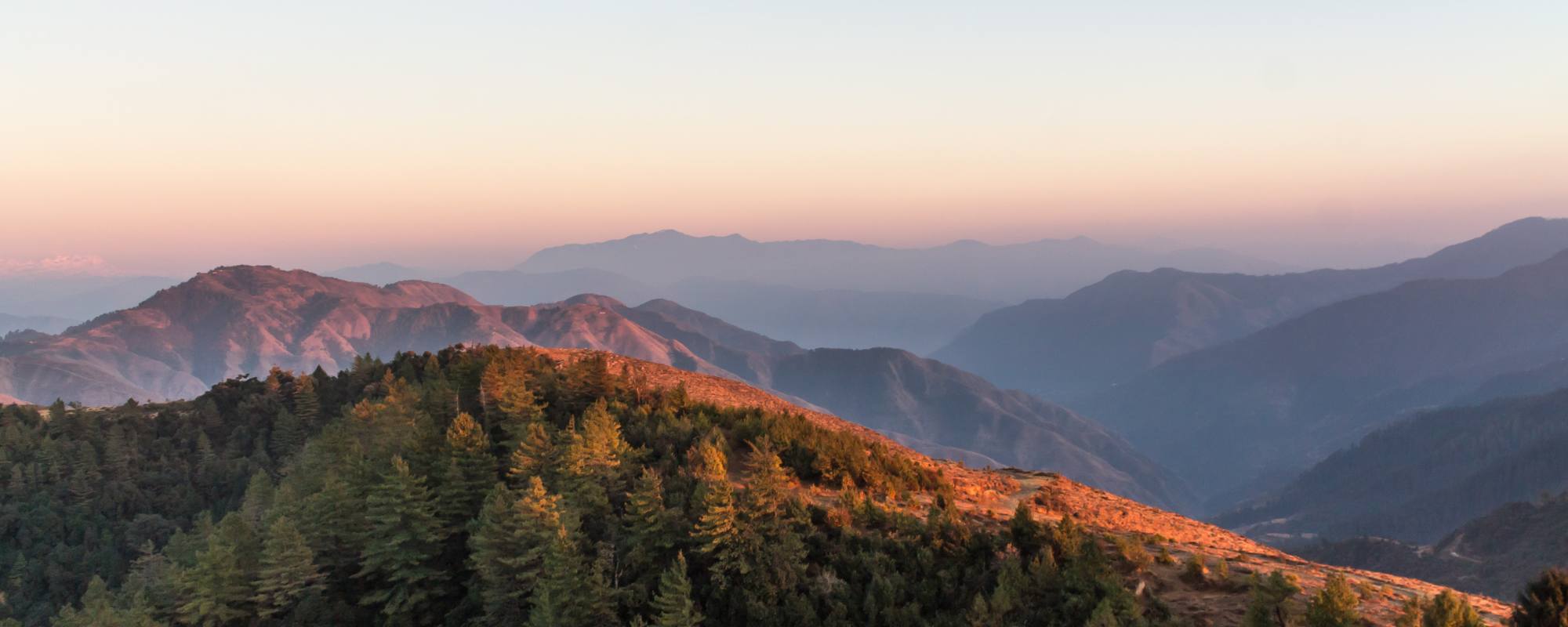
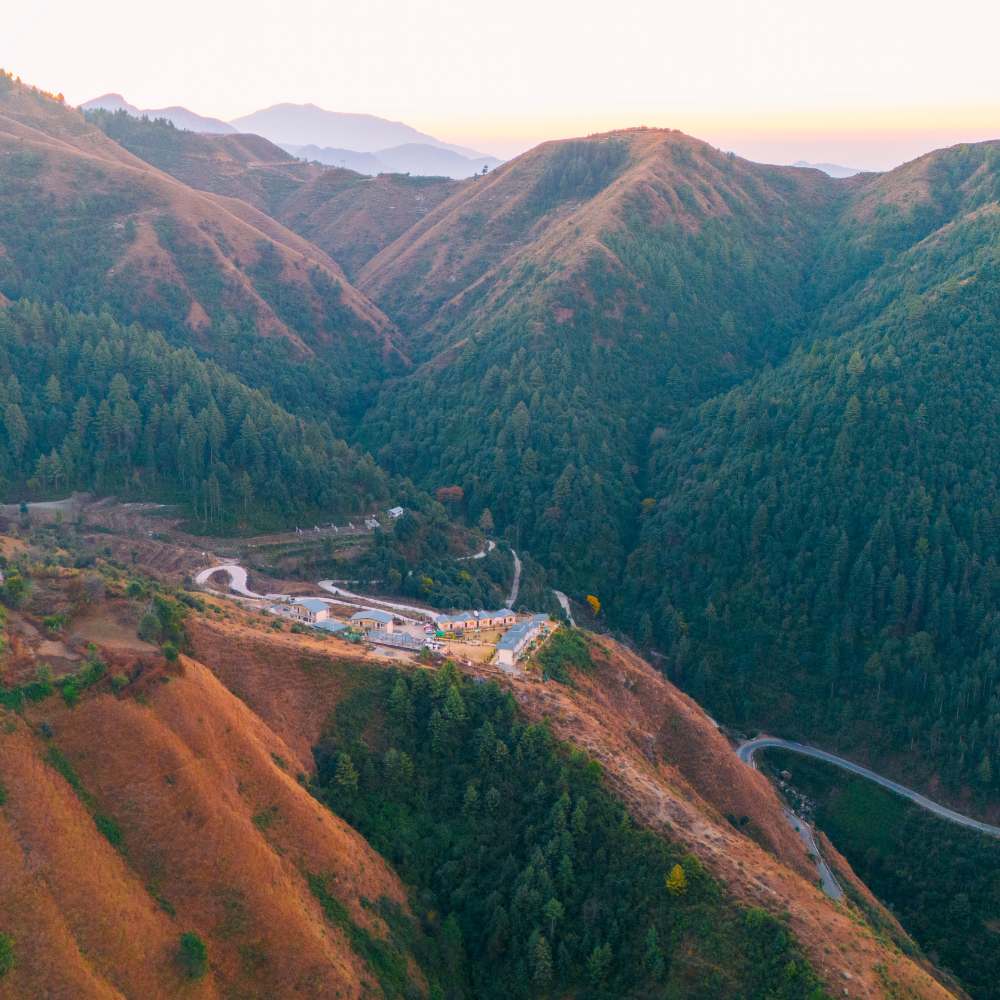
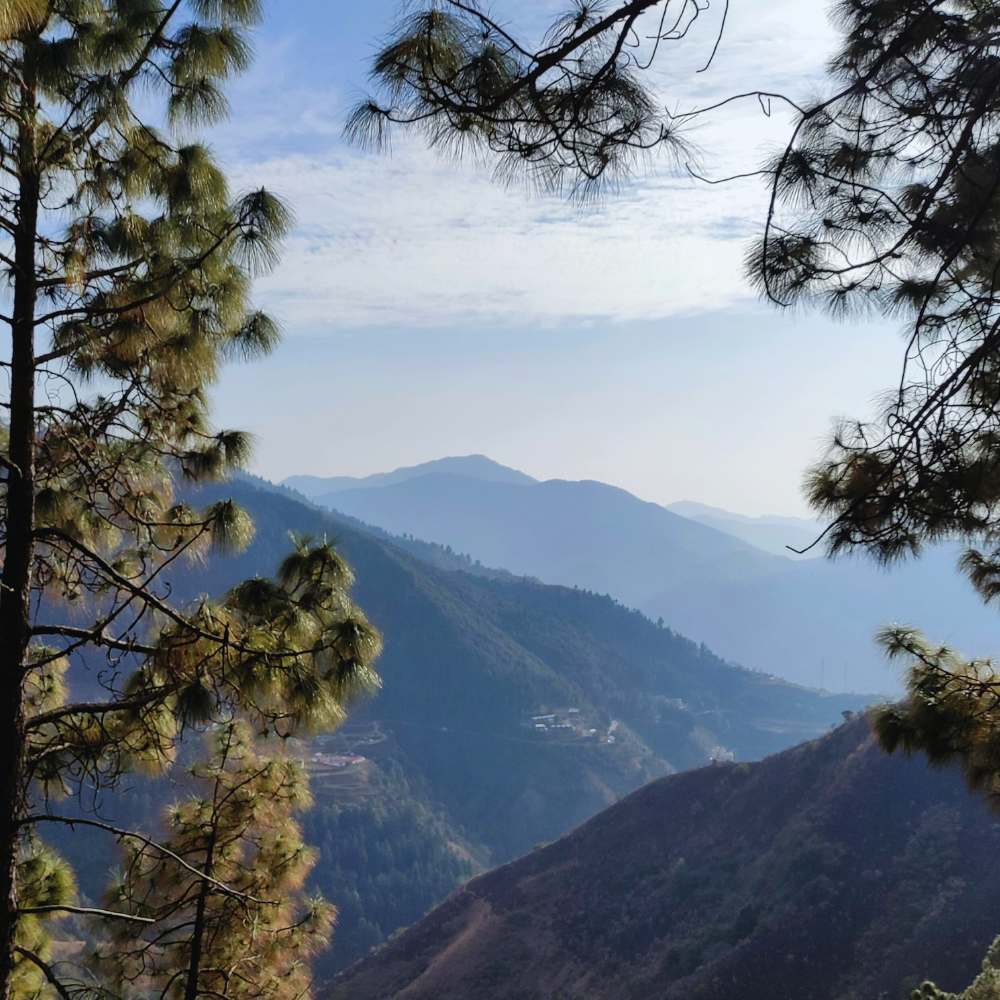
While the emerald hills of Mussoorie and the spiritual ghats of Rishikesh often steal the spotlight in Uttarakhand, a quiet, mist-laden sanctuary remains largely untouched by mass tourism. Perched at an altitude of 2,118 meters (approx. 7,000 feet), Chakrata is more than just a hill station; it is a step back in time.
This comprehensive guide blends detailed historical context with scannable lists to help you navigate this former British cantonment town, where rugged Himalayan adventure meets ancient mythological heritage.
Understanding the "Forbidden" Hill Station
Chakrata was established in 1866 by the British Indian Army. Its strategic vantage point overlooking the Yamuna valley made it a prime summer retreat for the East India Company. However, unlike other colonial towns, Chakrata never became a commercial hub. This "frozen-in-time" quality is largely due to its administrative status.
- The SFF Presence: The town serves as a base for the Special Frontier Force (SFF), also known as Establishment 22. This elite unit of the Indian Army adds a layer of quiet discipline to the town's atmosphere.
- Restricted Access: This military status has a "protectionist" effect; you won't find sprawling malls, noisy arcades, or high-rise hotels. It also means foreign nationals (including OCI holders) face significant restrictions and usually cannot enter the main cantonment area without specific permits from the Ministry of Home Affairs.
- Geographic Setting: It is nestled between the Tons and Yamuna rivers in the Dehradun district. The topography here is steeper and more dramatic than the rolling hills of the lower Shivaliks, offering true high-altitude vistas.
- Architectural Charm: As you walk through the main market, notice the old wooden shops and stone structures. These are remnants of a bygone era, maintained by local families for generations, offering a glimpse into the 19th-century mountain life.
2. Natural Wonders: Waterfalls and Ancient Canopies
Tiger Falls (Keraao Pachad)
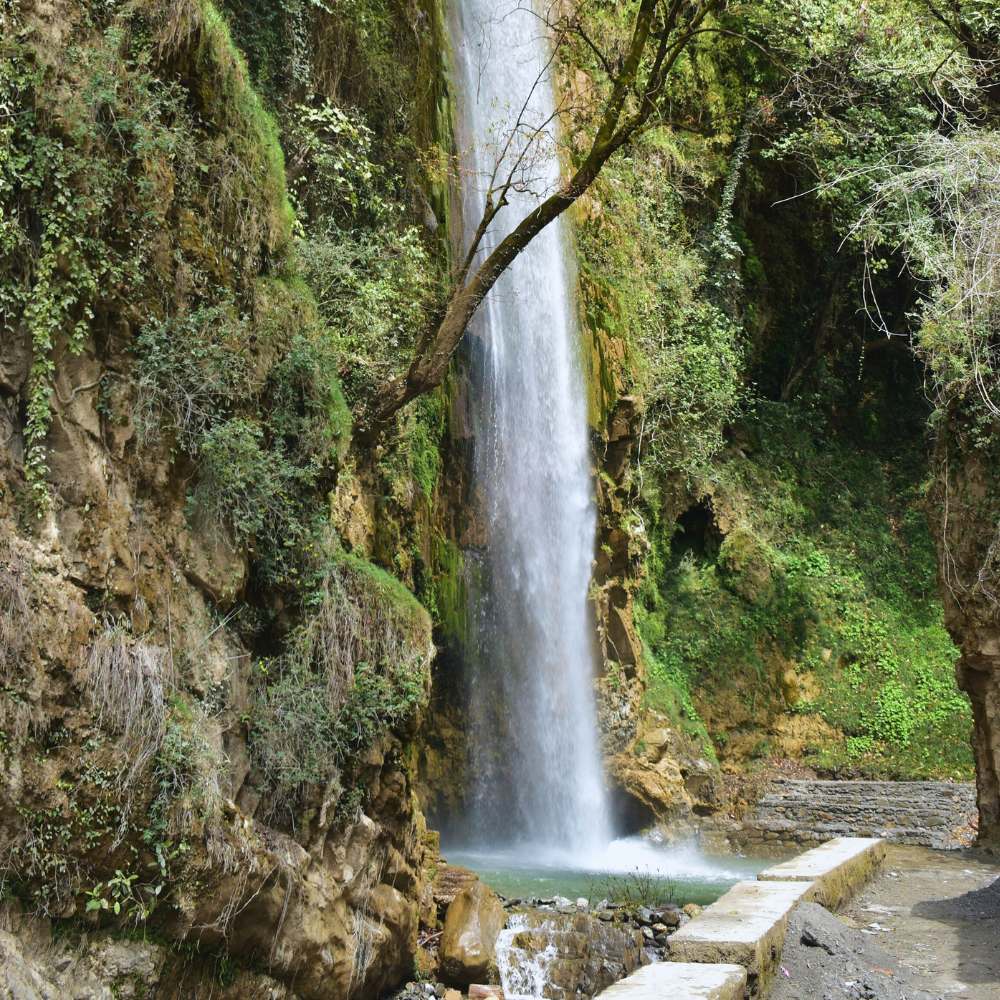
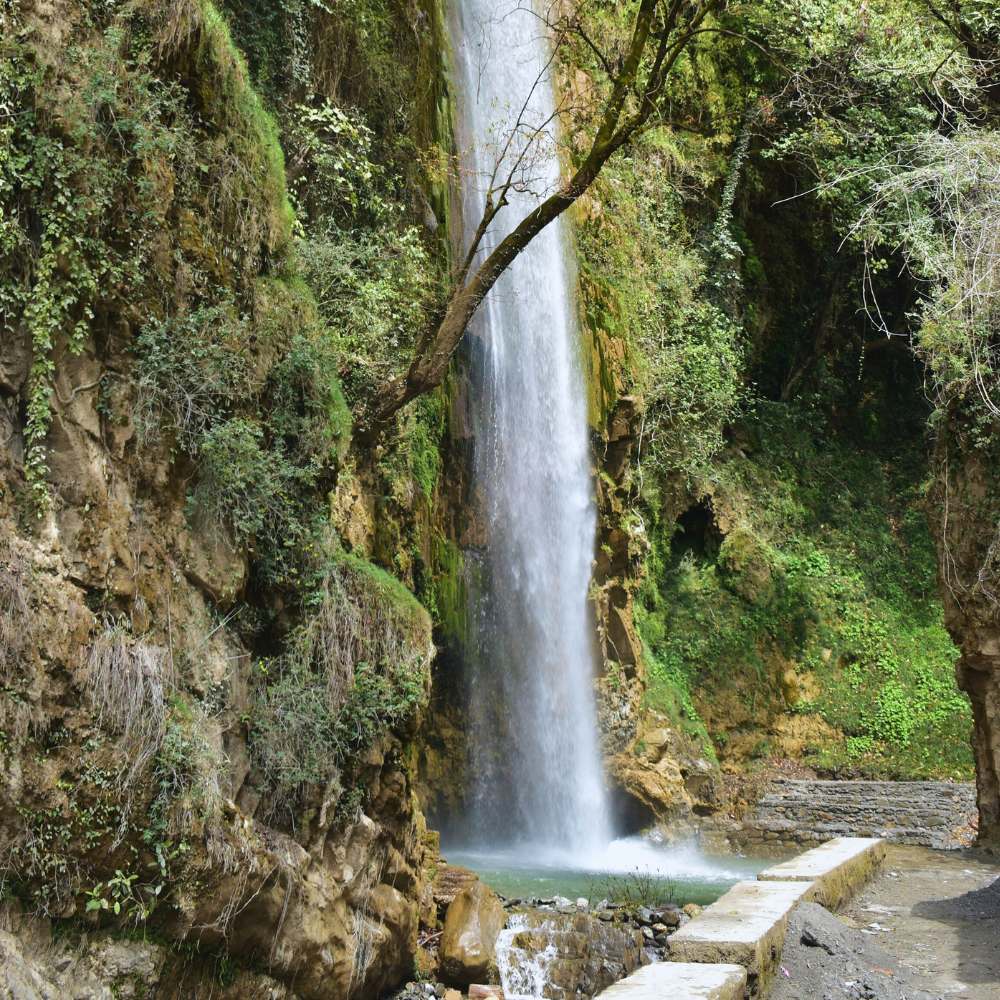
Plunging from a staggering height of 312 feet, Tiger Falls is one of the highest direct-fall waterfalls in India. The roar of the water hitting the turquoise pool below is audible from a distance, giving the falls their name.
- Trekking to the Falls: Most travellers enjoy the 5 km downhill trek from Chakrata. The trail is paved with fallen pine needles and passes through small Jaunsari hamlets where you can see traditional terrace farming.
- The Shortcut: For those short on time, a motorable road leads to within 1 km of the falls, followed by a steep but manageable walk.
- Photography Tip: The falls face an orientation that catches the best light in mid-morning. If you arrive by 10:00 AM, the sun hits the spray at an angle that frequently creates vivid rainbows.
- The Experience: Unlike the crowded Kempty Falls, Tiger Falls offers a raw, powerful encounter with nature. There are no concrete changing rooms or commercial stalls here; it is pure, unadulterated wilderness.
Deoban: God’s Own Forest
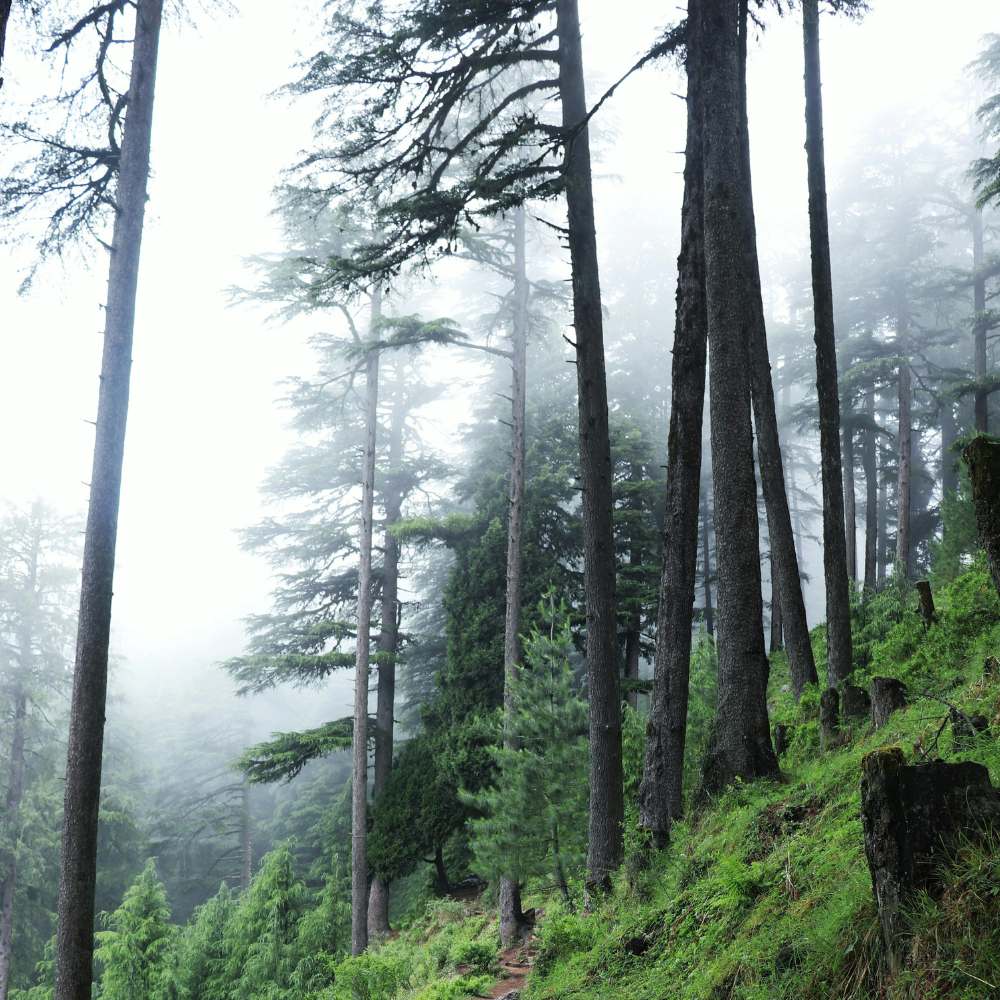
At an elevation of 9,400 feet, Deoban is a dense sanctuary of ancient Deodar trees. The air here is noticeably thinner and crisper, and the silence is only broken by the occasional call of the Himalayan Monal.
- Vyas Shikhar: A 15-minute hike from the forest rest house brings you to the highest point in the region.
- The Panorama: On clear days, you can spot over 55 snow-capped Himalayan peaks. This includes the mighty Nanda Devi, Swargarohini, and Bandarpoonch, stretching across the horizon in a 180-degree arc.
- Historical Link: Legend has it that Sage Vyas meditated here while writing the Mahabharata. The site is marked by a small stone shrine that adds a sense of spiritual weight to the incredible view.
- Biodiversity: Keep your binoculars ready. Deoban is a birdwatcher's paradise, home to the Black-headed Jay, the Great Hill Barbet, and various species of woodpeckers that thrive in the old-growth timber.
3. The Mahabharata Connection: Myths and Legends
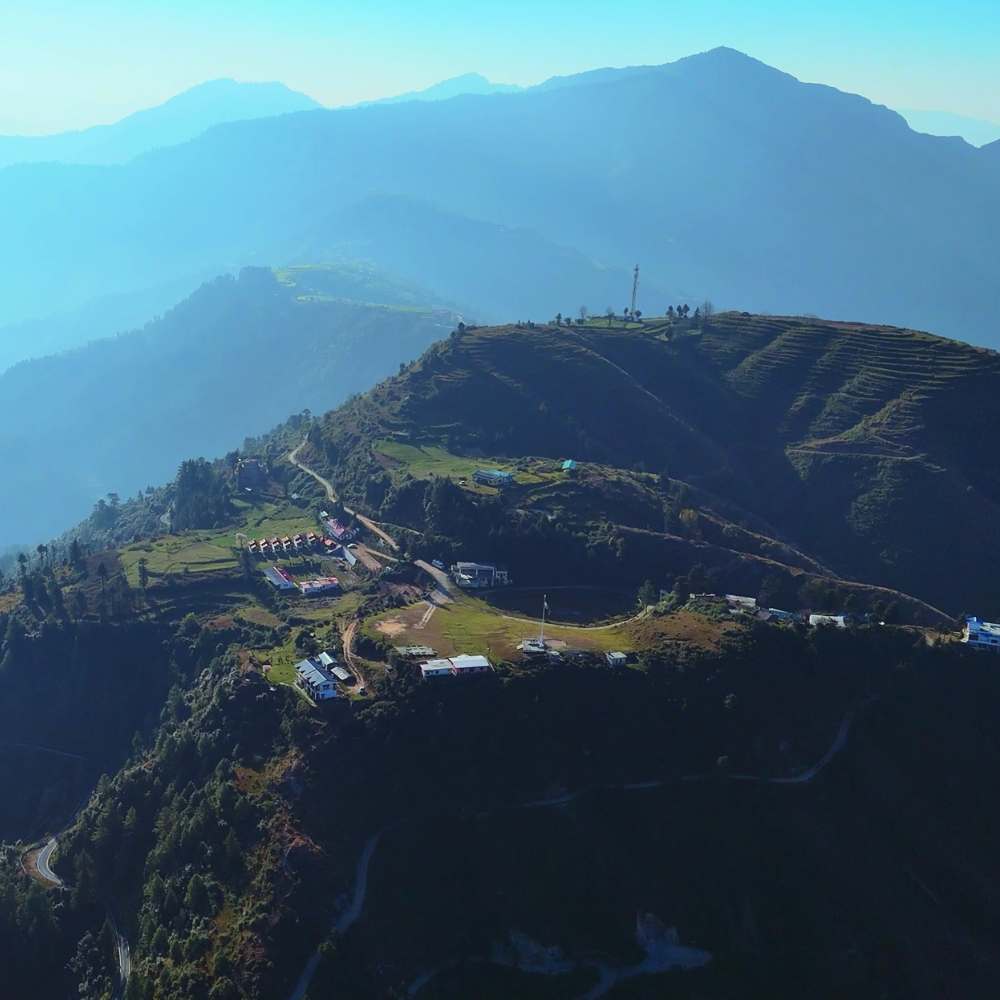
Chakrata and its surrounding valleys are deeply intertwined with the Mahabharata. For the local Jaunsari people, these aren't just stories; they are a vital part of their living heritage.
- The Pandavas' Exile: It is believed that the Pandavas spent a significant portion of their Agyatvas (exile in incognito) in these very mountains.
- The Lakshagriha (House of Lac): The most famous legend is that of the "House of Lac." The Kauravas built a palace of highly flammable lacquer in Lakshamandal to burn the Pandavas alive. The "Budher Caves" are said to be the secret tunnel system the Pandavas used to escape that fiery trap.
- Bhima’s Presence: Several massive boulders and peculiar geological formations in the area are attributed to Bhima’s legendary strength. At the Hanol temple, you will even find heavy metal balls that locals challenge you to lift, believed to be Bhima's "marbles."
- The Kaurava Worship: In a rare cultural quirk, some remote villages in the Bawar region were historically known to revere the Kauravas, though this has shifted over time toward the worship of Mahasu Devta.
4. Adventure and Exploration: Caves and Meadows
Budher Caves and Moila Top
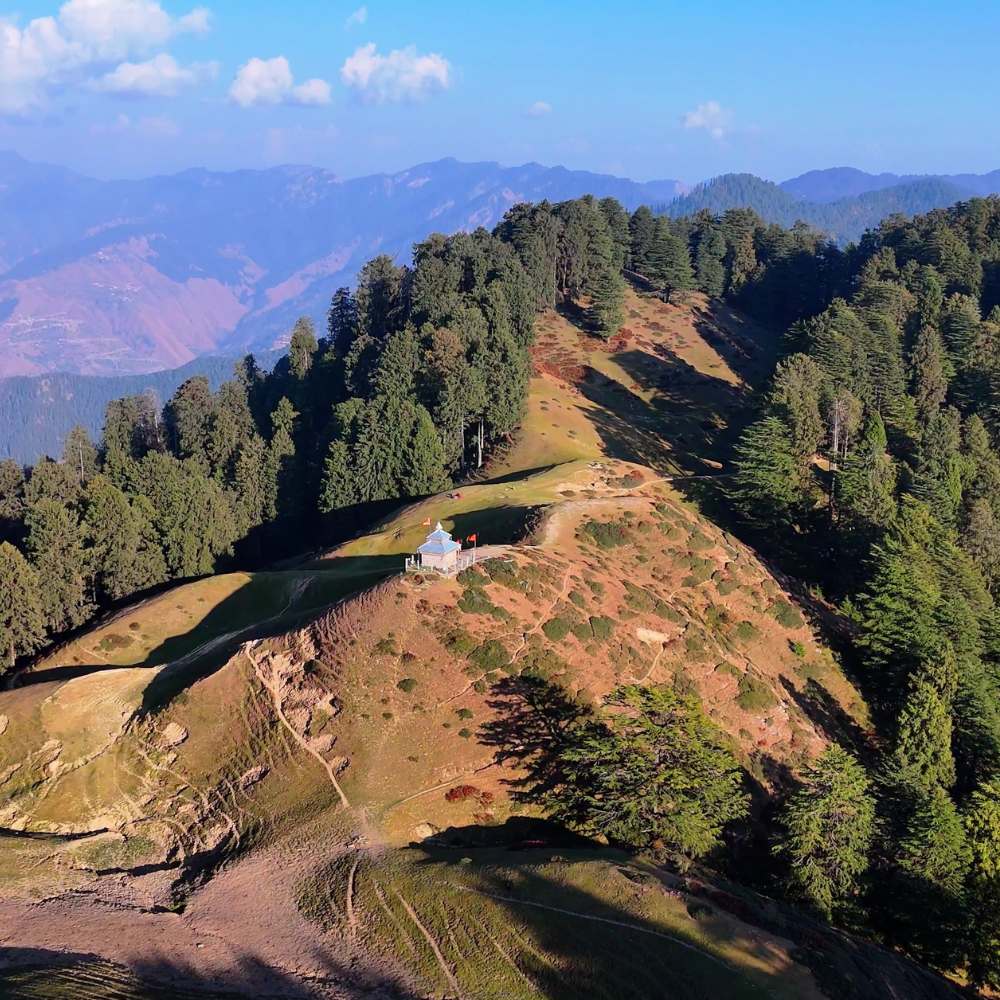
Discovered by a German national named Miola, these limestone caves offer a subterranean thrill for those not afraid of tight spaces.
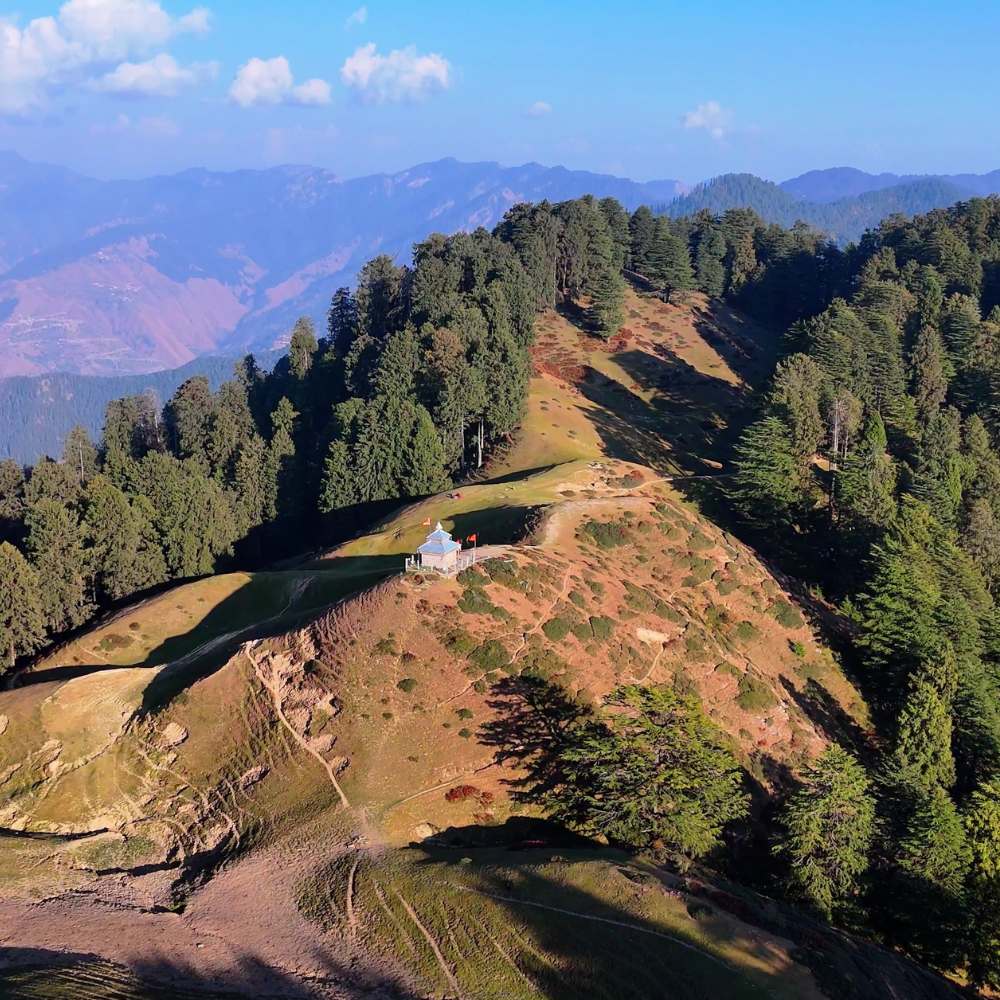
- The Trek: Reaching the caves involves a 3 km moderate trek to Moila Top, a sprawling alpine meadow (Bugyal) that looks like a scene from the Swiss Alps.
- Cave Formations: Inside, you’ll find intricate stalactites and stalagmites. Be prepared to crawl in certain sections; it’s an authentic caving experience without safety railings.
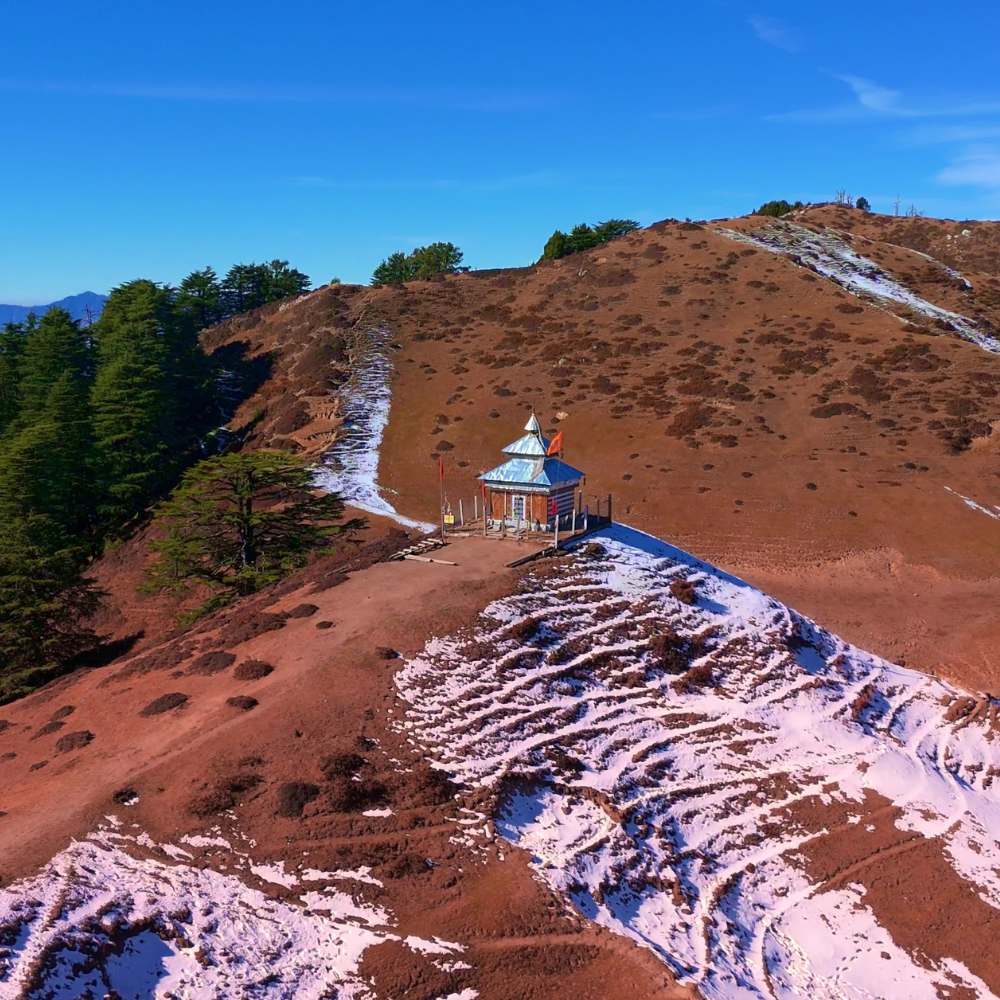
- The Meadow: Even if you don't enter the caves, Moila Top is worth the climb. The flat, grassy expanse is dotted with a small ancient pond and a miniature Shiva temple.
- Expert Tip: Hire a local guide for the cave entry. The interior is a labyrinth, and it is easy to lose your sense of direction in the pitch-dark chambers.
Kanasar: The Forest of Giants
Kanasar is not just a meadow; it is a living museum of dendrology. It houses some of the oldest and thickest Deodar trees in Asia.
- The Giant: Look for the tree with a circumference of over 6 meters. These trees are considered sacred and are protected by local tribal laws.
- Camping: The Forest Department maintains a rest house here, and the flat grounds are ideal for pitching tents. It is arguably the best spot in the region for stargazing, thanks to its altitude and low light pollution.
- Picnic Spot: With its soft grassy carpet and towering trees, Kanasar is the preferred weekend spot for families looking to enjoy a quiet afternoon away from the town centre.
Read Also: 10 Best Adventure Places in India for Thrill Seekers
5. Spiritual and Archaeological Landmarks
Lakhamandal Temple (ASI Site)
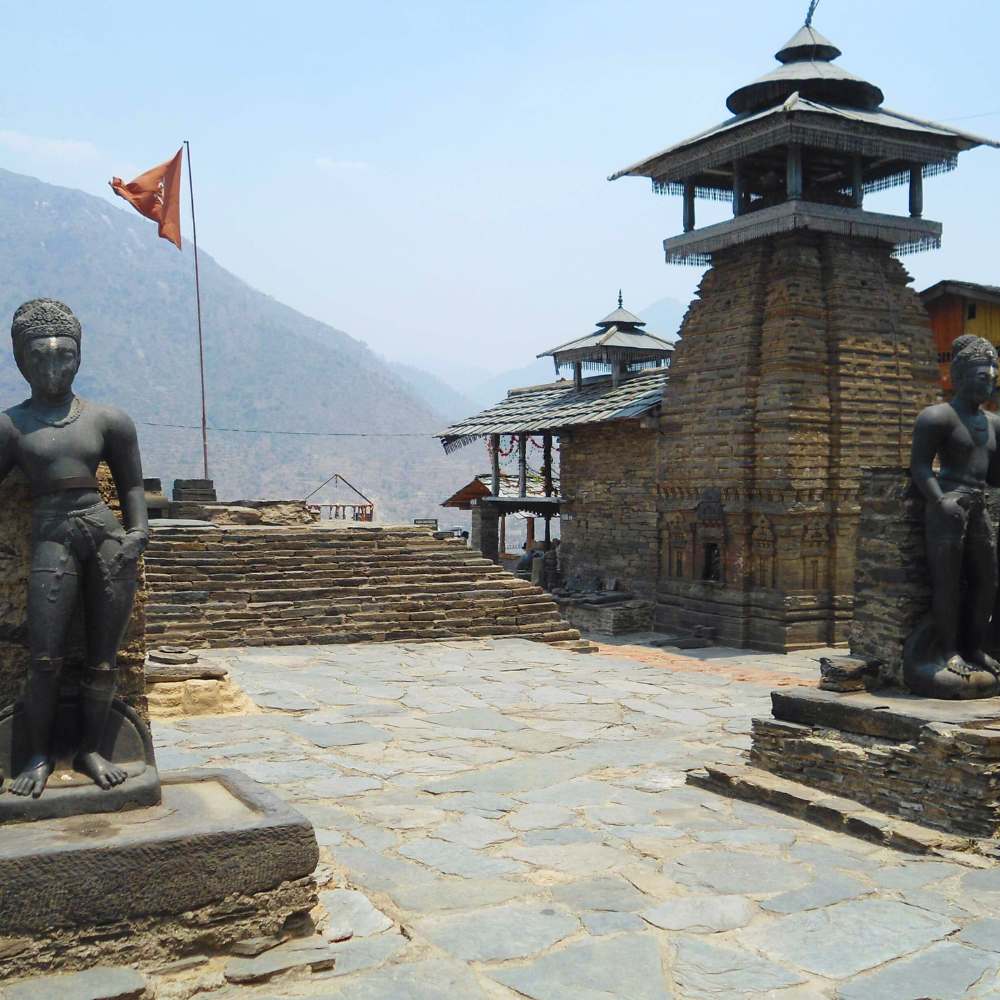
Picture credit: Wikipedia
Located 60 km from the main town, this Archaeological Survey of India site is a must-visit for history enthusiasts.
- The Graphite Lingam: The main attraction is a polished graphite Shiva Lingam. When wet, it reflects like a mirror, and legend says it reveals the true soul of the person looking into it.
- Historical Depth: Excavations here have revealed structures dating back to the Gupta period and even earlier. The temple architecture is a mix of Nagara and local hill styles.
- The Twin Guardians: At the entrance, two life-sized stone statues known as Danav and Manav stand guard. It is said that anyone who died near these statues would briefly come back to life to take the name of Lord Shiva before passing on.
Mahasu Devta Temple (Hanol)
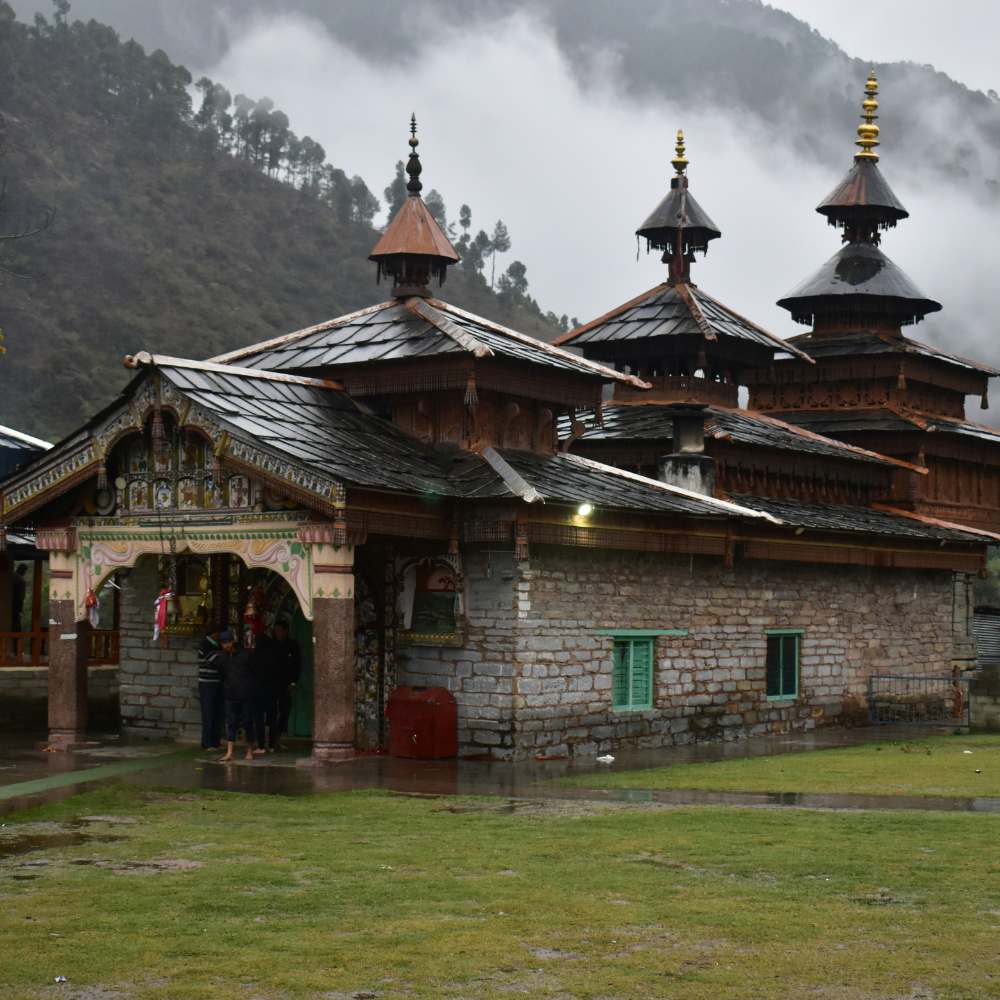
Dedicated to the "God of Justice," this temple is a masterpiece of wooden hill-temple architecture.
- Spiritual Significance: Mahasu Devta is the chief deity for the Jaunsari-Bawar region. The temple is a site of constant pilgrimage, with devotees coming to settle disputes or seek blessings for the harvest.
- The Architecture: The intricate woodwork and the tiered pagoda-style roof are hallmarks of the local craftsmanship that has survived for centuries.
Read Also: Best Places to Visit in Rishikesh – A Complete Visitor Guide
6. The Cultural Pulse: People and Gastronomy
The Jaunsari Tribe has preserved a distinct culture in Uttarakhand. They trace their ancestry back to the Pandavas and have maintained unique social structures.
- Unique Traditions: Historically, the region practised fraternal polyandry (brothers sharing a wife), a practice linked to Draupadi. While this is largely a thing of the past, the communal bond within families remains exceptionally strong.
- Local Festivals: Look out for Bissu (the harvest festival) and Moroj, where you can see traditional dances like the Harul performed in elaborate costumes.
- Authentic Flavours:
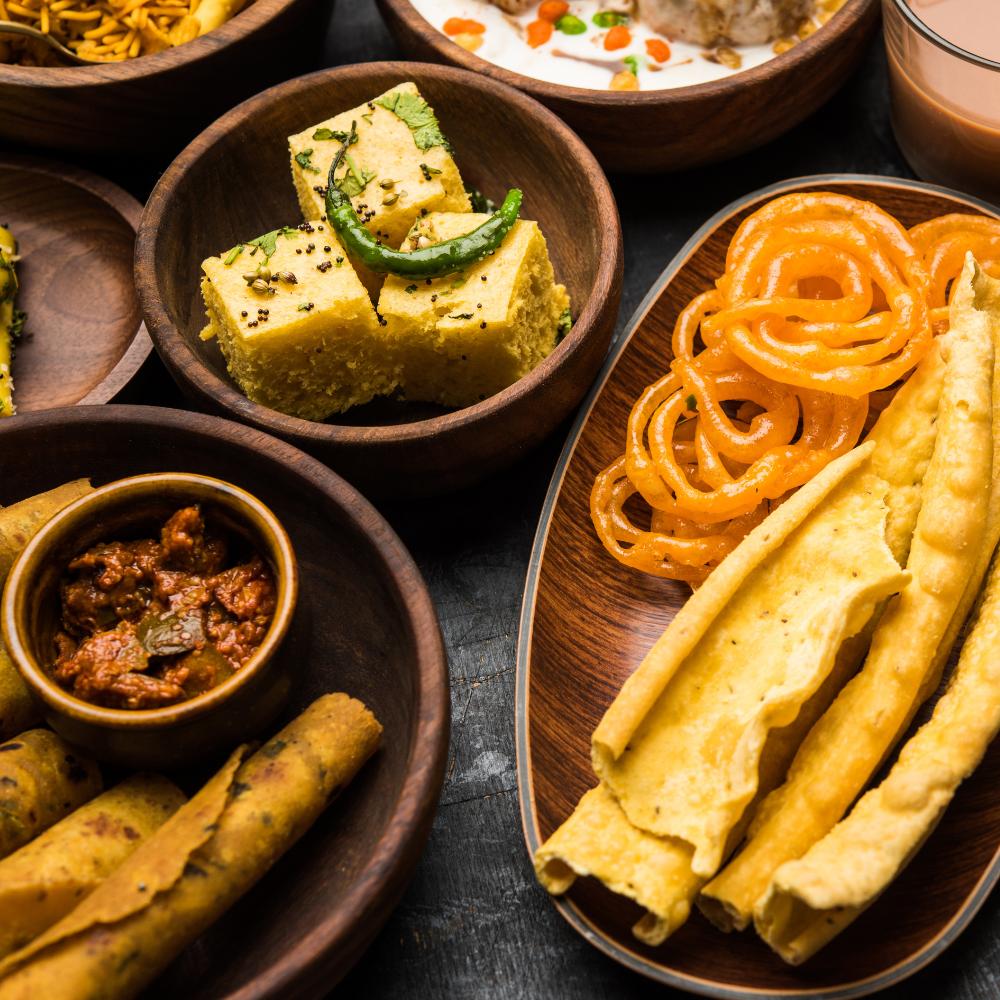
- Sidku: A heavy, steamed wheat bread stuffed with a spicy paste of poppy seeds or walnuts—the ultimate mountain comfort food.
- Gahat Dal: A nutritious pulse famous for its ability to treat kidney stones and provide warmth in winter.
- Mandua ki Roti: Nutritious flatbread made from finger millet, usually served with a dollop of fresh mountain ghee and jaggery.
- Burans Juice: A refreshing, slightly tart crimson drink made from the Himalayan Rhododendron flower.
7. Seasonal Guide: When to Go
- Spring/Summer (March–June): Temperatures range from 10°C to 30°C, making this the peak tourist season. It’s the perfect time for trekking and escaping the intense heat of the plains. The forests are vibrant, fresh, and full of life, offering ideal conditions for outdoor exploration.
- Monsoon (July–September): With temperatures between 15°C and 25°C, the region transforms into a lush green paradise. Everything turns emerald, and waterfalls flow at their most spectacular. However, travelers should be prepared for possible roadblocks and leeches during treks.
- Autumn (October–November): Temperatures drop to a comfortable 5°C to 20°C. The air is crisp and clear after the monsoon rains, offering peak visibility. This is considered the absolute best time for photographers seeking stunning, unobstructed views.
- Winter (December–February): Temperatures can range from -5°C to 15°C. The region becomes snow-bound, making it ideal for those wanting to experience a “White Chakrata.” Areas like Deoban and Mundali often become inaccessible to most vehicles due to heavy snowfall.
Read Also: Top 10 Must-Visit Places to Visit in Uttarakhand
FAQ: Expert Travel Advice for Chakrata Hill Station
-
Is Chakrata safe for solo travellers?
- Absolutely. The crime rate is virtually zero, and the local culture is built on a foundation of honesty. However, due to winding roads and wildlife (including leopards in the deeper forests), avoid hiking or driving after dark.
- Can I find ATMs easily?
- No. There is only one or two ATMs in the main market, and they are notoriously unreliable. Withdraw all the cash you need in Vikasnagar or Dehradun. Most local homestays do not accept cards.
- What about petrol?
- There is one small petrol pump in Chakrata, but it frequently runs out of stock or has a long queue. Expert Tip: Fully fuel your tank in Vikasnagar before the 45 km final ascent to avoid getting stranded.
- Is there mobile connectivity?
- BSNL and Airtel work in the town area. Expect zero signal at Deoban, Tiger Falls, and Budher Caves. It’s best to download your offline maps before you leave the town centre.
- What should I wear?
- Even in peak summer, the temperature at Deoban and Vyas Shikhar can drop significantly. Always carry a light jacket. In winter, heavy thermals and waterproof boots are non-negotiable.
Final Travel Checklist for the Conscious Traveller
- Pack Layers: The mountain weather is unpredictable. Layers allow you to adjust as you move from the sunny valleys to the shaded forest heights.
- Footwear: Bring sturdy trekking shoes with deep lugs; the trails to Tiger Falls and Budher can be slippery.
- ID Proof: Keep your original Aadhar or Voter ID handy. You will likely pass through at least one military checkpoint where IDs are logged.
- Sustainability: This fragile ecosystem has no municipal waste management in the high forests. Carry your plastic waste back to Dehradun. Being a responsible traveller is the only way to keep Chakrata a "secret" worth visiting.
Conclusion
Chakrata isn't for the traveller seeking five-star luxury or a buzzing nightlife. It is for the soul that seeks the whisper of Deodar needles and the thunder of hidden falls. From the graphite mysteries of Lakhamandal to the 9,000-foot silence of Deoban, this town offers a "reboot" button that few other places can match.