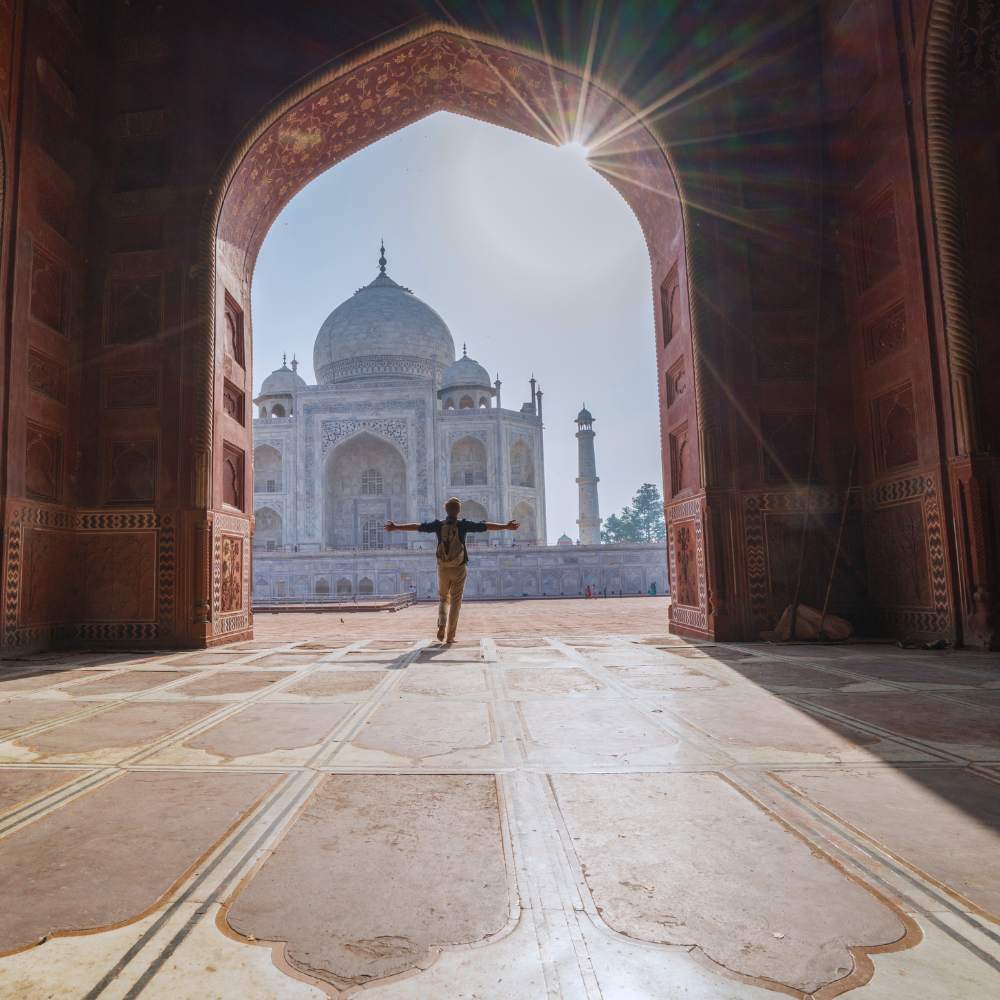
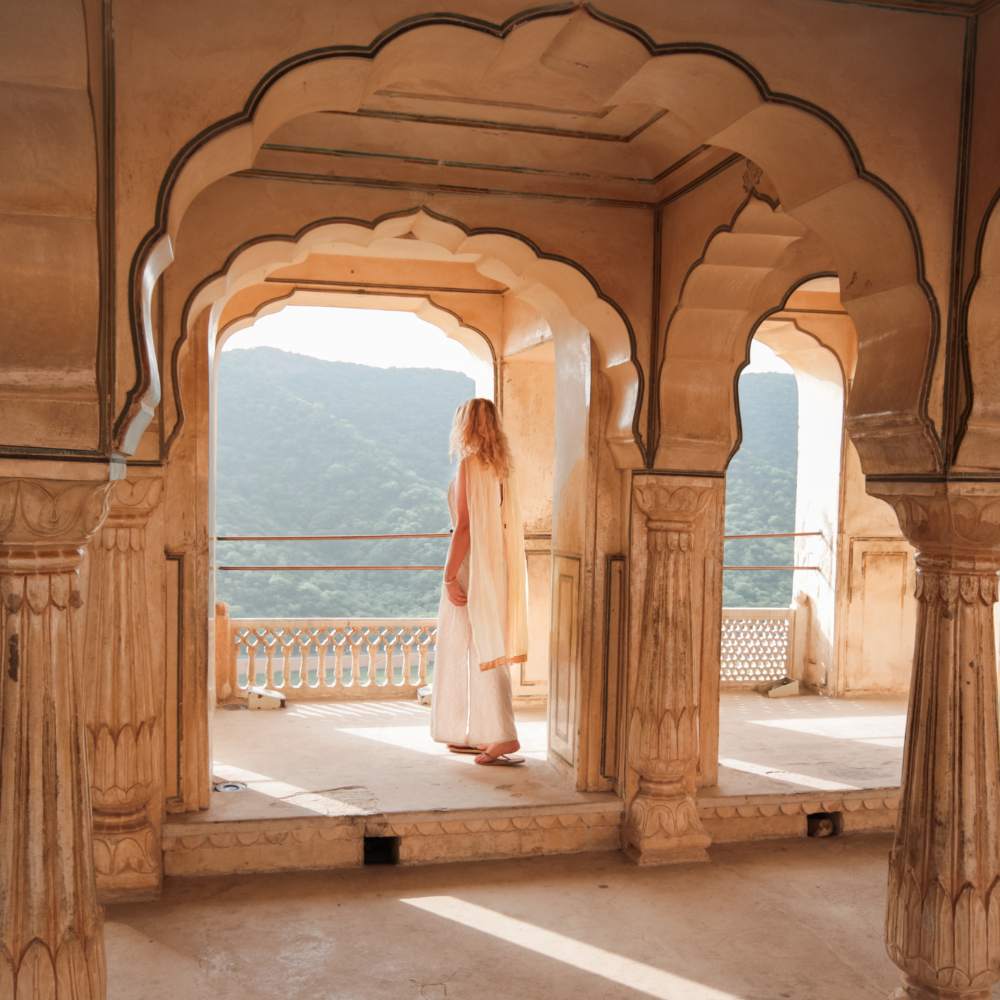
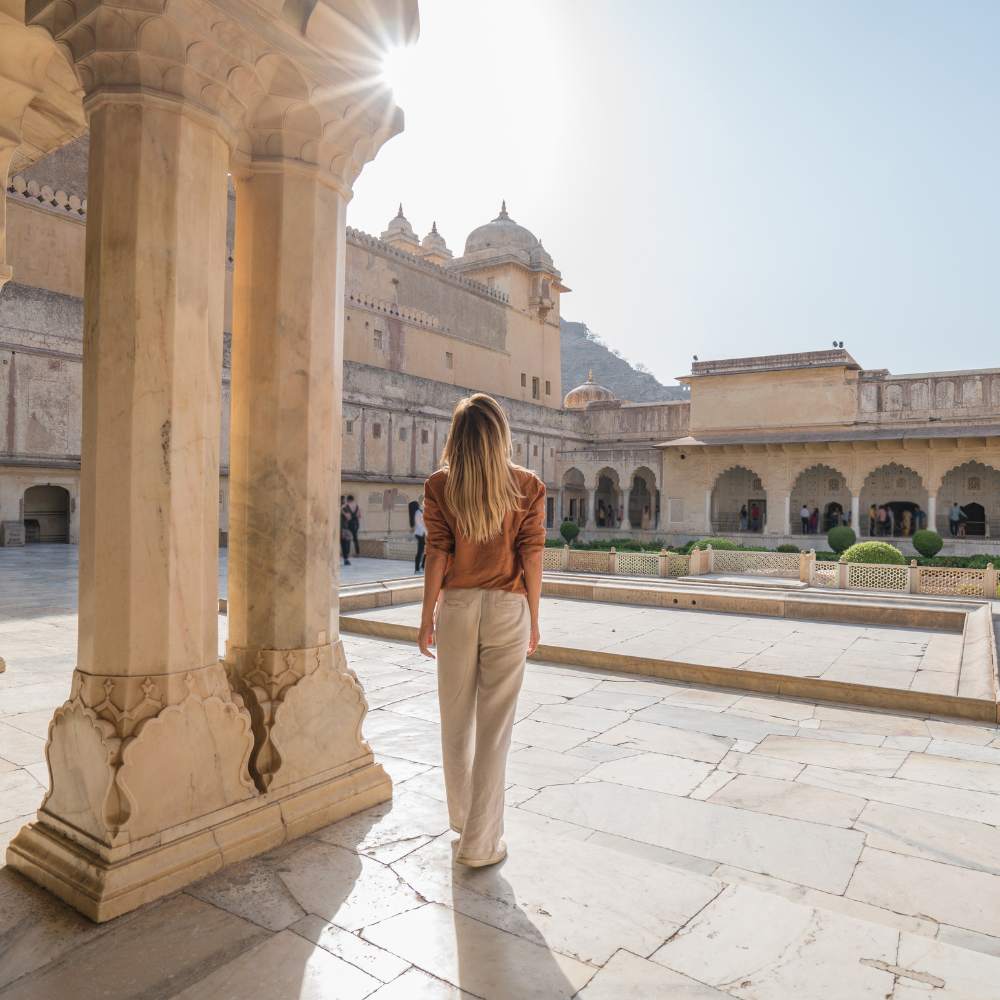
Traveling to India for the first time can be one of the most memorable experiences of your life. The country is colorful, energetic, and full of traditions that stretch back thousands of years. For an American tourist, India can feel both familiar and unfamiliar at the same time. You may find English spoken widely in cities, fast Wi-Fi in cafés, and international brands in malls. But you will also see street markets, crowded trains, sacred cows walking freely, and a deep respect for religion and family woven into everyday life.
To truly enjoy India, it helps to understand local etiquette. Etiquette is not just about rules; it's about respect. Small gestures—like taking off your shoes before entering a home or saying "Namaste" with a smile—show that you value the culture you are visiting. This guide will help you navigate greetings, dress codes, dining manners, religious respect, and daily customs so you can avoid misunderstandings and enjoy your trip with confidence.
Why Etiquette Matters in India
In the United States, social life often emphasizes independence and personal space. In India, society is more collective. Families live together across generations, traditions carry substantial weight, and respect for elders and community comes before individual comfort.
Indians are warm and curious people. As a foreigner, you will often be treated as a guest, and people may go out of their way to help you. But they also notice when visitors ignore cultural norms. By learning basic etiquette, you not only avoid awkward moments—you also earn goodwill, kindness, and even invitations into people's homes.
How to Greet People in India

First impressions matter everywhere, but greetings in India carry extra meaning.
- Namaste: The most traditional greeting is placing your palms together in a prayer-like gesture and giving a slight bow while saying "Namaste." It literally means, "I bow to the divine in you." You don't need to use it every time, but trying it shows cultural awareness.
- Handshakes: In business or city settings, handshakes are common, especially among men. With women, it is best to wait and see if she offers her hand, as not everyone is comfortable with physical contact.
- Respect for Elders: Always greet the eldest person in a group first. In traditional families, younger people may even bow to touch elders' feet as a sign of respect. As a tourist, you are not expected to do this, but showing special respect to older people is always appreciated.
- Friendly Curiosity: Don't be surprised if strangers ask your name, where you're from, or even your salary or marital status. This is not considered rude in India—it's a way of starting a conversation.
How to Dress in India as a Tourist
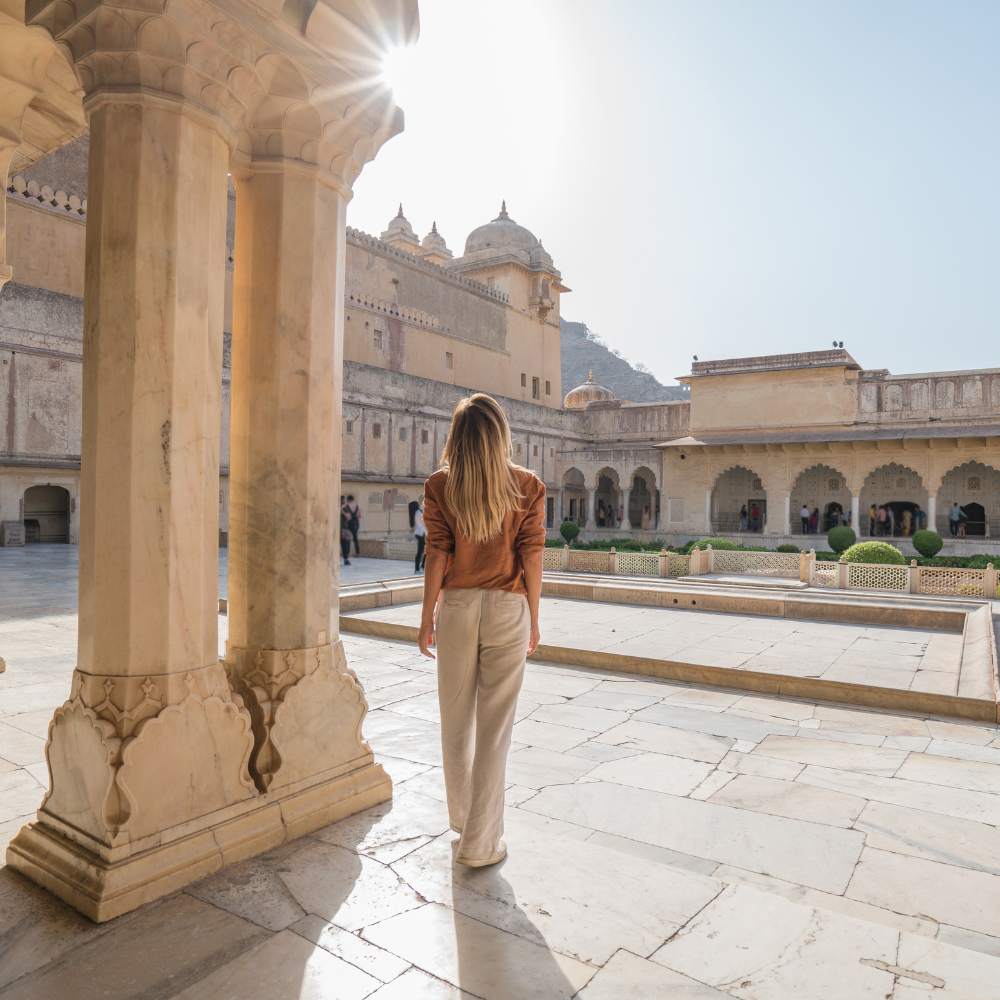
India's weather, culture, and traditions influence dress codes. While major cities like Mumbai, Delhi, and Bengaluru are cosmopolitan, modesty is still valued, especially outside urban areas.
- For Women: Skirts and dresses should ideally fall below the knee. Tops should cover the shoulders and chest. Tight or revealing clothes may draw unwanted attention. Loose cotton clothing is both respectful and comfortable in the heat.
- For Men: Shorts are less common outside tourist areas. Lightweight trousers and shirts are a safer choice. Avoid going shirtless in public, even at the beach, unless you're in a designated tourist spot like Goa.
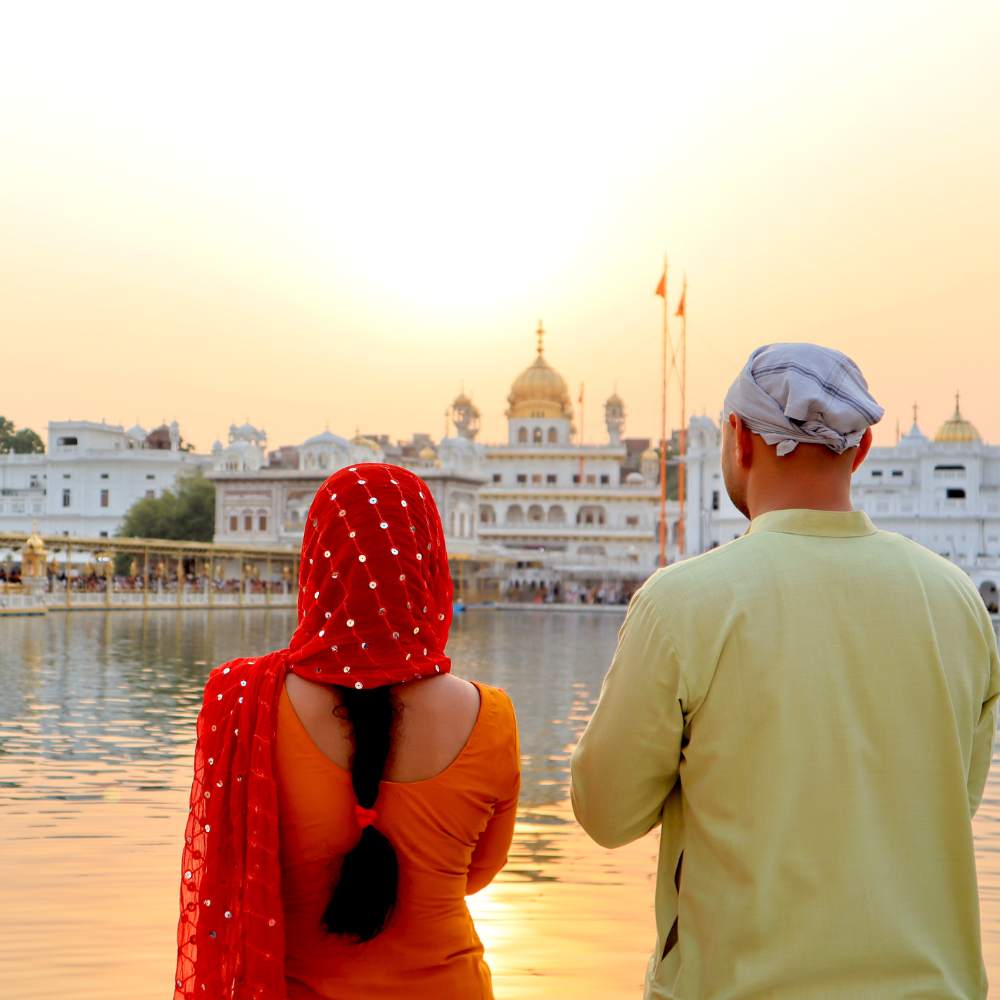
- Religious Sites: Always dress conservatively. Many temples and mosques require covered shoulders and legs. Carrying a light scarf or shawl is helpful; in Sikh gurudwaras, covering the head is necessary.
- Shoes: Removing footwear before entering homes, temples, and some shops is the norm. Slip-on shoes make this easier. Socks are helpful if you prefer not to walk barefoot.
- Local Clothing: Trying Indian attire like a kurta (long tunic) or salwar kameez (tunic with trousers and scarf) is comfortable and respectful. Many tourists find locals smile when they see foreigners wearing traditional dress.
Read Also: Ultimate Golden Triangle India Tour Guide for US Travelers
Indian Dining Etiquette for Tourists
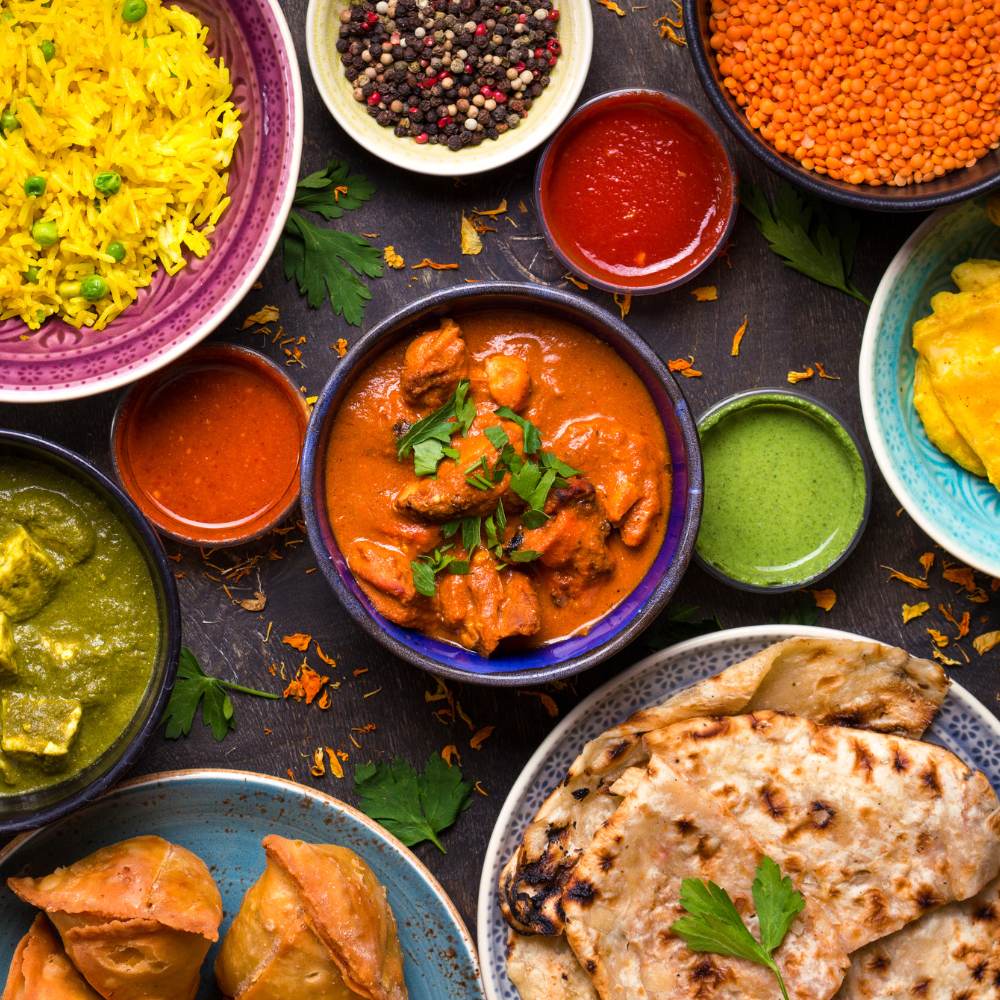
Food is at the heart of Indian culture. Eating together is not just about nourishment—it's about community, sharing, and hospitality.
- The Right Hand Rule: Traditionally, the right hand is used for eating and passing food, while the left is reserved for tasks considered unclean. Even if you're using cutlery, try to use your right hand when giving or receiving items.
- Please wait for the Host: In homes, it's polite to let the host serve food or invite you to begin before starting. Often, guests are served first.
- Accept What's Offered: Refusing food can seem impolite. Even if you're full, accept a little, especially if it's homemade.
- Vegetarian Norms: Many households are vegetarian, and beef is generally avoided since cows are sacred in Hinduism. Muslims don't eat pork. Vegetarian food is safe, delicious, and widely available.
- Street Food: India's street food is legendary—chaat, samosas, pani puri, kebabs—but it can upset sensitive stomachs. Stick to busy stalls where food is cooked fresh.
- Tipping: In restaurants, tipping 5–10% is normal unless service is already included in the bill.
Respecting Religion and Traditions
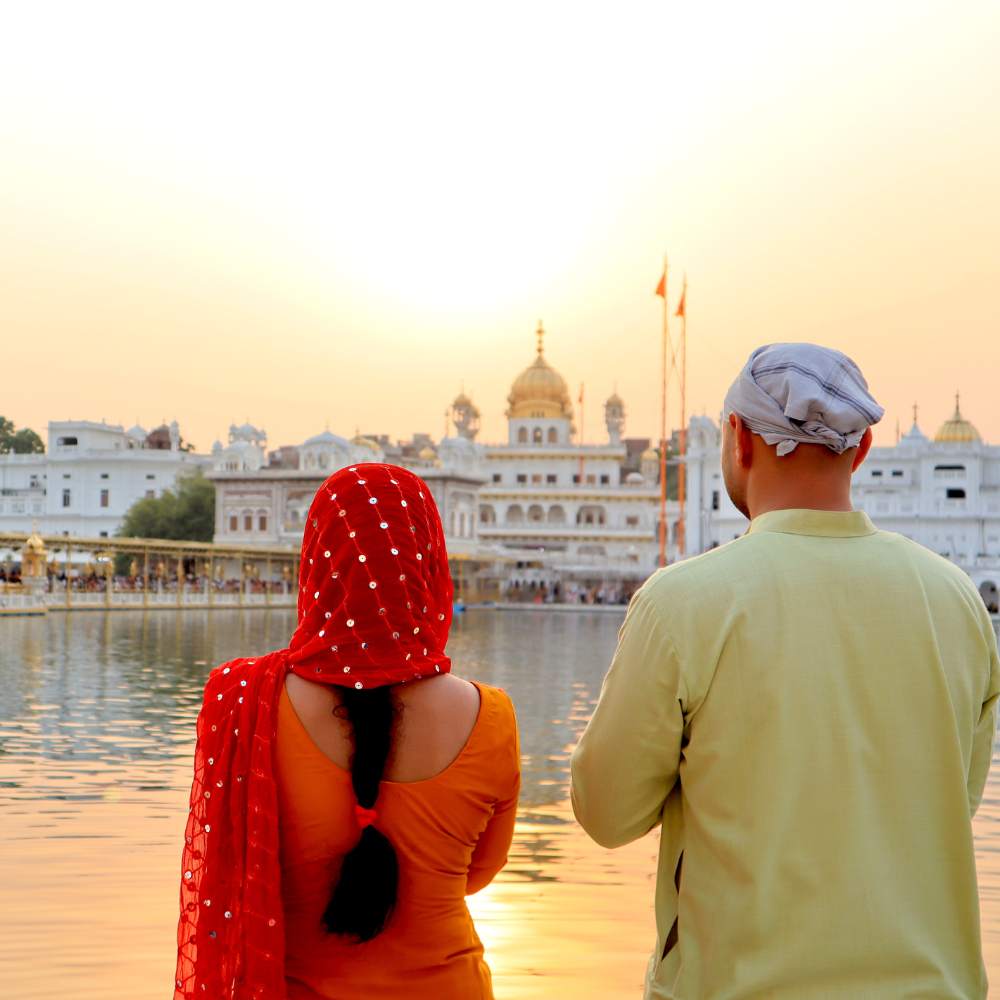
India is one of the most religiously diverse countries in the world. Faith plays a visible role in daily life, from roadside shrines to colorful festivals.
- Temples: Remove shoes before entering. Some temples don't allow non-Hindus inside the inner sanctum. Modest dress is essential. Photography may be restricted—always ask first.
- Mosques: Both men and women should wear clothing that covers arms and legs. Women should carry a scarf to cover their heads. Shoes must be left outside.
- Gurudwaras (Sikh temples): Cover your head with a scarf, remove shoes, and wash your hands before entering. Free community meals are often served, and tourists are welcome to join.
- Churches and Monasteries: Respectful dress and quiet behavior are expected.
- Public Displays of Affection: Holding hands is fine, but kissing or hugging in public is frowned upon, especially in smaller towns.
Everyday Manners in India
Daily interactions can feel different from what Americans are used to.
- Bargaining: In markets, bargaining is part of the culture. Sellers often quote higher prices, expecting negotiation. Approach it with patience and humor.
- Queuing: Lines may not always be orderly. Stay calm, and don't take it personally if someone cuts ahead.
- The Head Wobble: A unique gesture in India is the side-to-side head wobble. It often means "yes," "okay," or "I understand," though it can be confusing at first.
- Hospitality: If you visit someone's home, bringing a small gift like sweets or flowers is polite. Always accept tea or snacks when offered—it's part of showing respect.
Safety and Awareness Tips
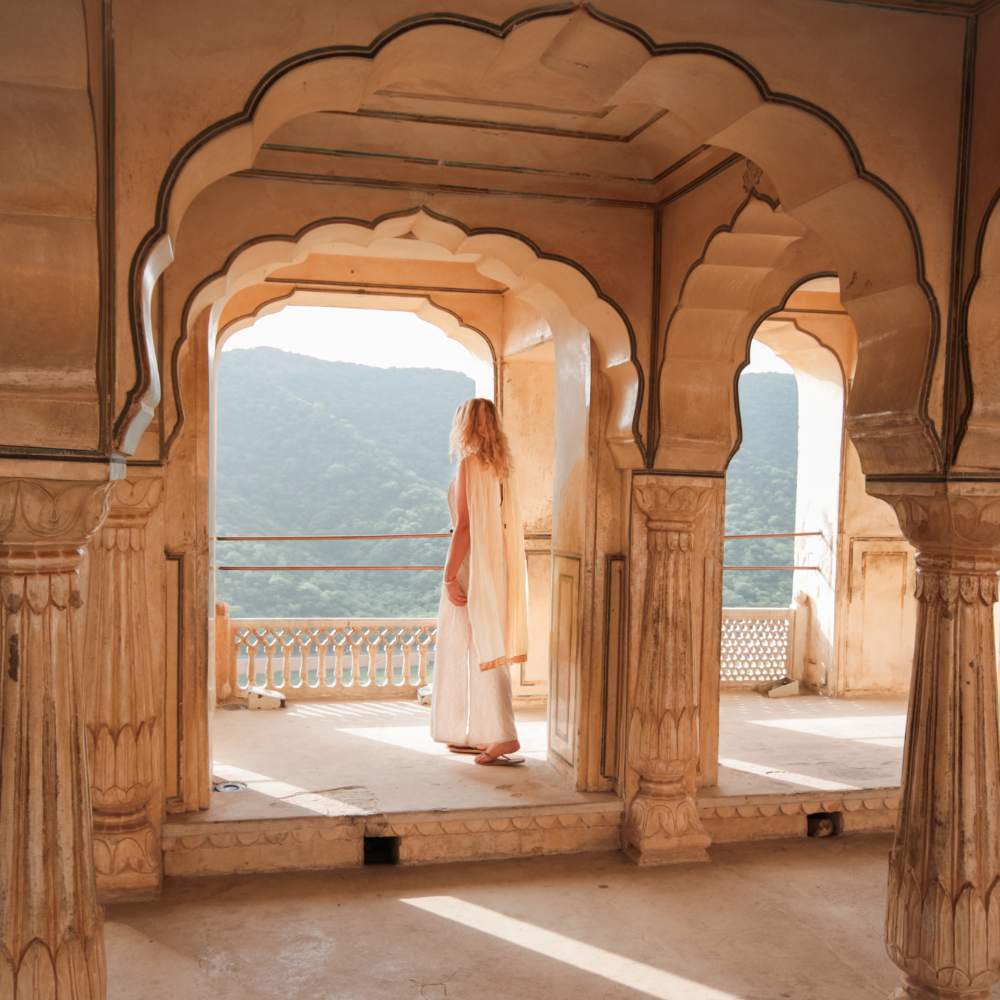
India is generally safe, but awareness helps avoid problems.
- For Women: Dressing conservatively reduces unwanted attention. Travel with trusted transport at night, and avoid isolated areas.
- Transport: Use prepaid taxis, ride-hailing apps, or trusted drivers. In rickshaws, agree on the fare before the ride unless there's a meter.
- Money: Carry small bills for tips and street purchases. Hand over money with your right hand.
- Health: Drink bottled or filtered water. Carry hand sanitizer and tissues, as public restrooms vary in cleanliness.
- Tipping and Small Gestures: A few rupees for porters, drivers, or hotel staff is appreciated.
Read Also: Best Cities in India for First-Time Travelers
Do's and Don'ts for First-Time Visitors
Do's
-
Do greet people with "Namaste" or a polite smile.
- Do cover your shoulders and knees in traditional areas.
- Do remove shoes before entering homes and temples.
- Do try Indian dishes and show appreciation for hospitality.
- Do learn simple Hindi words like "Dhanyavaad" (thank you) or "Namaste."
Don'ts
- Don't touch someone's head—it is considered sacred.
- Don't point your feet at people or religious objects.
- Don't lose your temper in public—patience is valued.
- Don't assume all Indians follow the same customs—practices vary across regions.
- Don't give money to child beggars—support local charities instead.
Regional Etiquette Differences
India is not one culture but many. Each region has unique traditions:
- North India: Hindi is the standard language, and traditions are more conservative. Hospitality is warm, and festivals like Diwali and Holi are celebrated widely.
- South India: Meals are sometimes served on banana leaves. Removing shoes before entering homes is strictly followed. English is widely spoken in cities.
- West India: Rajasthan is known for colorful traditions, while Mumbai is fast-paced and cosmopolitan.
- East India: West Bengal and Assam have strong tea cultures. People are known for their warmth and rich festivals.
Final Thoughts on Indian Etiquette
Traveling in India is like walking into a storybook filled with color, noise, history, and kindness. The culture may feel overwhelming at first, but the more you engage with respect, the richer your experience will be.
Indians don't expect foreigners to know every rule. What matters most is your attitude.
A smile, patience in crowds, modest clothing, and a willingness to learn are all you need to be welcomed with open arms.
India is not a single story—it's millions of stories happening at once. By following these simple etiquette tips, you'll not only avoid mistakes but also connect more deeply with the people and traditions that make India unforgettable.