
India is an extraordinary country for family travel.
India offers a staggering variety for family trips. Wake to Himalayan peaks, spend evenings on warm beaches, explore 16th-century forts, glide on backwaters, or await tigers at dawn in the jungle.
Families from the UK and the USA enjoy immersive cultural experiences in India, unlike anywhere else. Indian families rediscover unforgettable trips starting with a domestic flight or train.
This guide covers the best family holiday destinations in India across every region, with practical details on what to do, which audiences each place suits (international or Indian families), when to go, and what to know before you book.
What Makes India a Great Family Destination?
- Variety: From beach to mountain to jungle to desert within a single country. Every family member finds something that speaks to them.
- Cuisine: India is one of the most vegetarian-friendly countries in the world, with enormous regional variety. Fussy eaters almost always find something familiar; adventurous children discover flavours they carry with them for life.
- Value: For families from the UK or the US, exchange rates make India an excellent value for accommodation, food, transport, and activities.
- Living History: Children experience history as a landscape. Mughal forts, Buddhist monasteries, colonial hill stations, and ancient river ghats make India's history tangible.
- Wildlife: India has more tigers in the wild than any other country. Tiger safaris are among the most powerful wildlife experiences available to families anywhere in the world.
Quick Reference: Best Family Holiday Destinations in India
North India
- Kashmir (Srinagar and Gulmarg)
- Shimla
- Manali
- Nainital
East India
- Darjeeling
- Gangtok and Sikkim
- Meghalaya (Shillong and Cherrapunji)
South India
- Kerala (Backwaters, Munnar, and Alleppey)
- Ooty and the Nilgiris
Wildlife Destinations
- Jim Corbett National Park
- Ranthambore National Park
Beaches
-
Goa
Culture and Heritage
-
Rajasthan (Jaipur and Udaipur)
North India: Mountains, Colonial Charm, and Valley Landscapes
1. Kashmir: Srinagar and Gulmarg
- Best For: Families seeking unique experiences, houseboat stays, garden visits, scenic landscapes, and older children
- Ideal Season: April to June, September to October
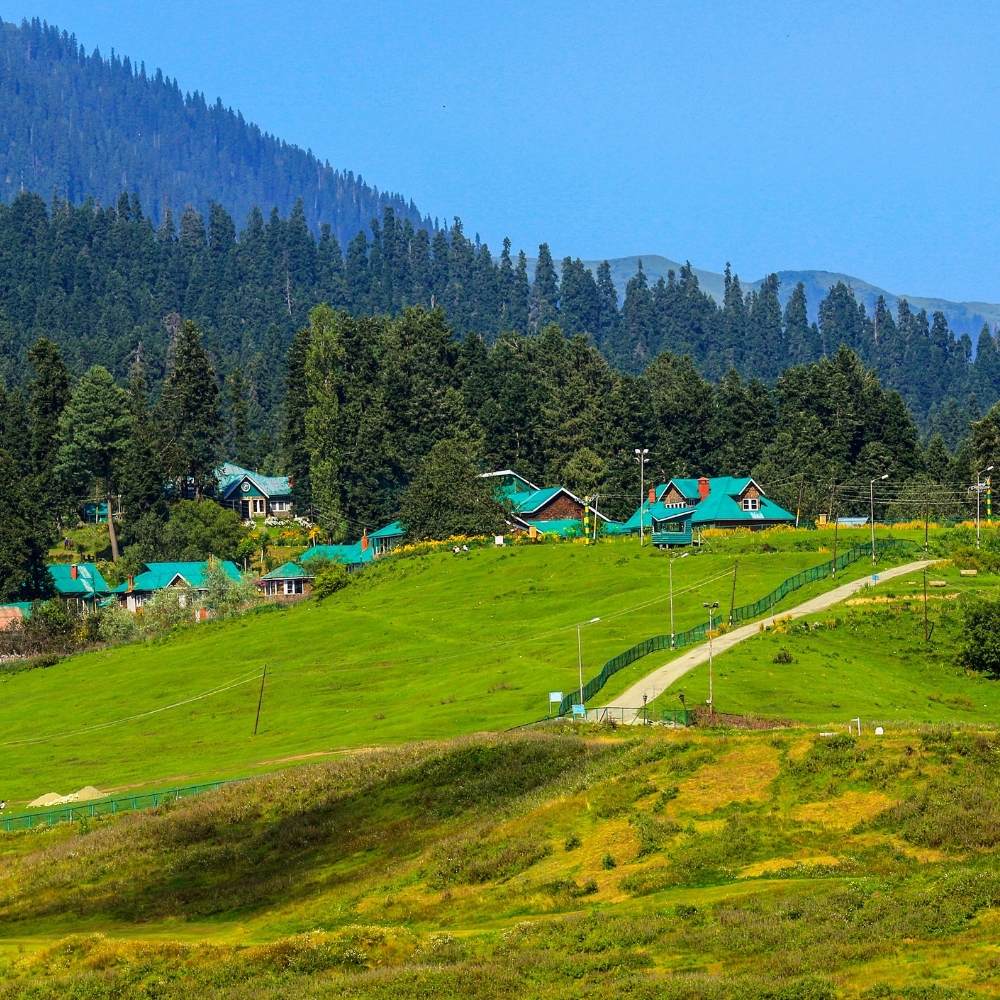
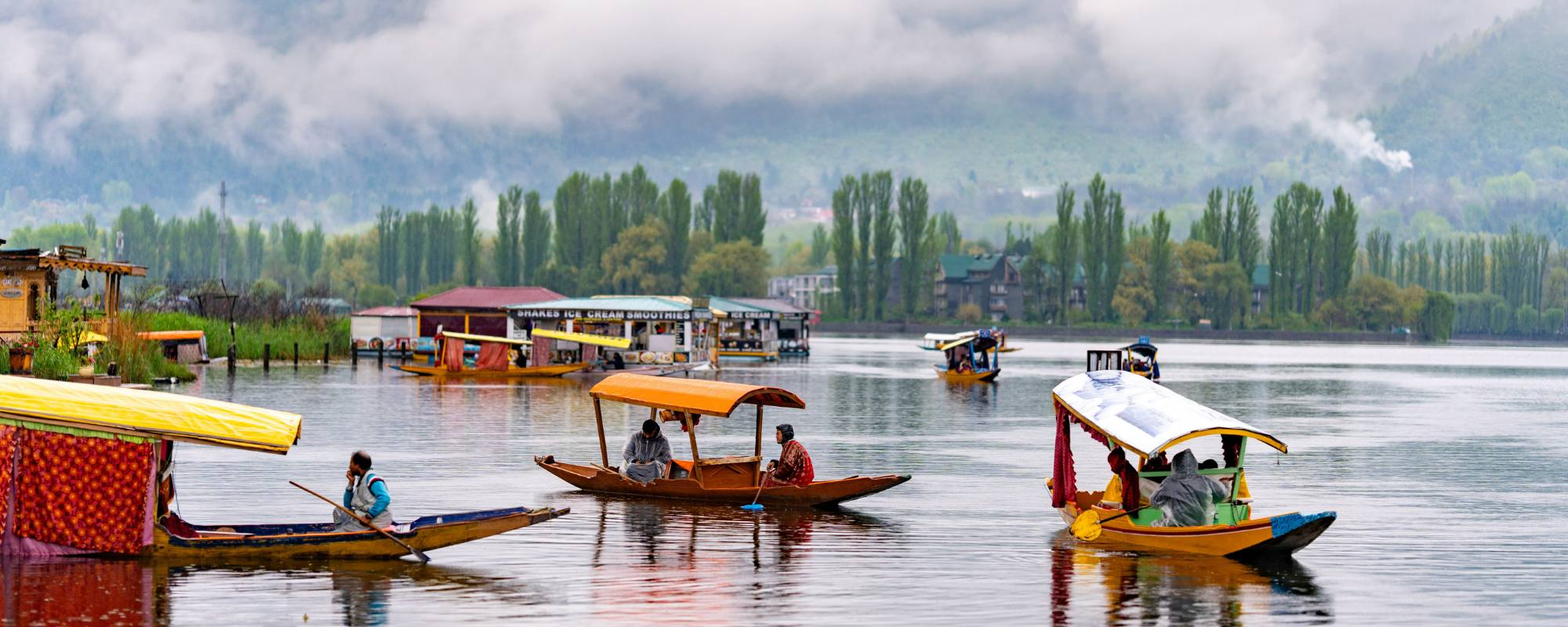
Staying on a traditional wooden houseboat on Dal Lake in Srinagar is an experience children will not forget. The houseboats are fully furnished, meals are served on board, and the experience of waking up floating on a mirror-still lake surrounded by the Zabarwan hills is genuinely unlike anything else a family can do in India.
Srinagar itself is at its most beautiful from April to June when the valley is in full bloom. The Mughal gardens, including Shalimar Bagh and Nishat Bagh, both laid out in the 17th century, are structured, walkable, and visually spectacular. Shikara rides across Dal Lake, the floating vegetable markets, and the maze of the old city bazaars all offer experiences that bring history and culture alive for children in a way that textbooks cannot.
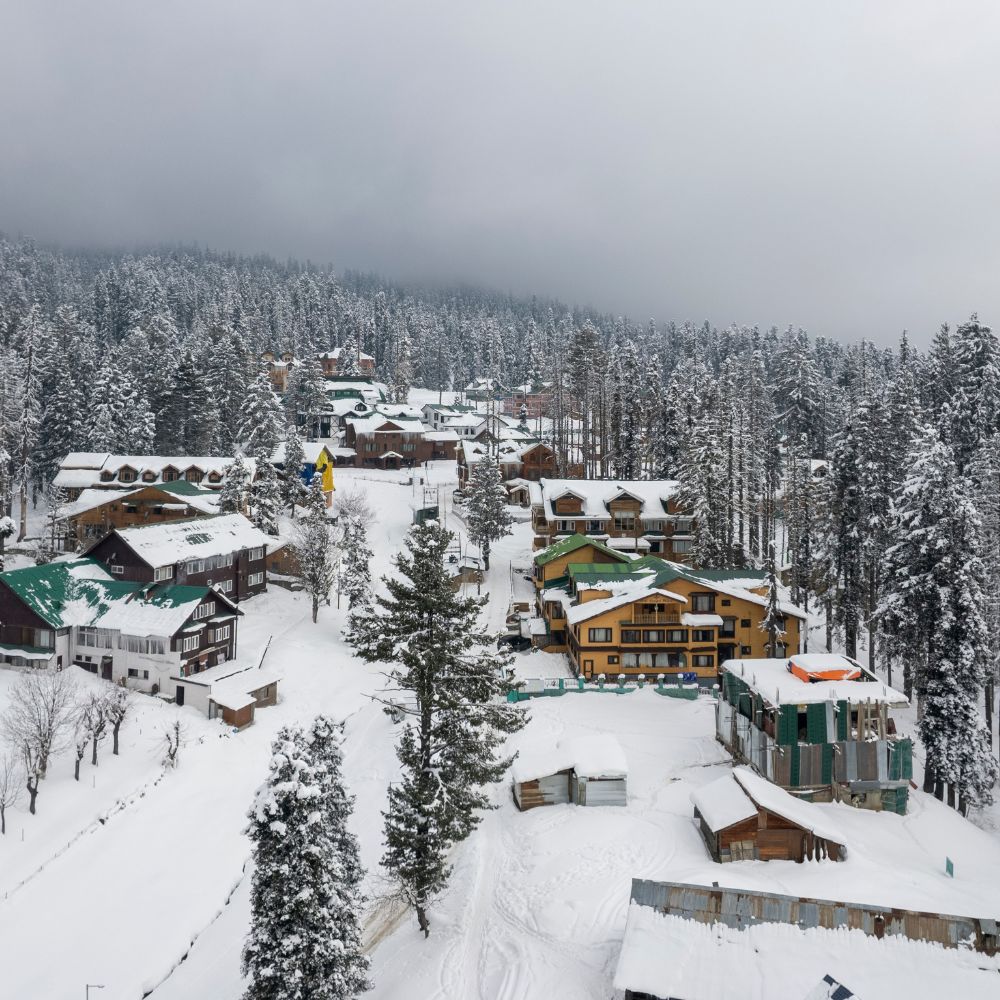
A day trip to Gulmarg, 51 km from Srinagar at 2,650 metres, transforms the Kashmir experience. The Gulmarg Gondola, one of the highest cable cars in the world, takes families to 3,979 metres. In summer, the meadows at the base and upper stations are carpeted with wildflowers. Children find the cable car ascent genuinely thrilling.
Practical Details
- Nearest airport: Sheikh ul-Alam International Airport, Srinagar (IATA: SXR). Direct connections from Delhi, Mumbai, and Bengaluru
- Book houseboats directly with established operators on Dal Lake. Categories range from Standard to Deluxe to Palace grade.
- Check current travel advisories from your country's Foreign Office or State Department before booking. Most major tourist areas have been consistently safe for families in recent years.
- Gulmarg Gondola Phase 2 (to 3,979 m): Children under 12 are generally permitted with accompanying adults. Check operator guidelines before travel.
2. Shimla
- Ideal Season: March to June, October to November
- Best For: All ages, colonial heritage, UNESCO toy train journey, mountain views, first-time hill station visitors, UK families
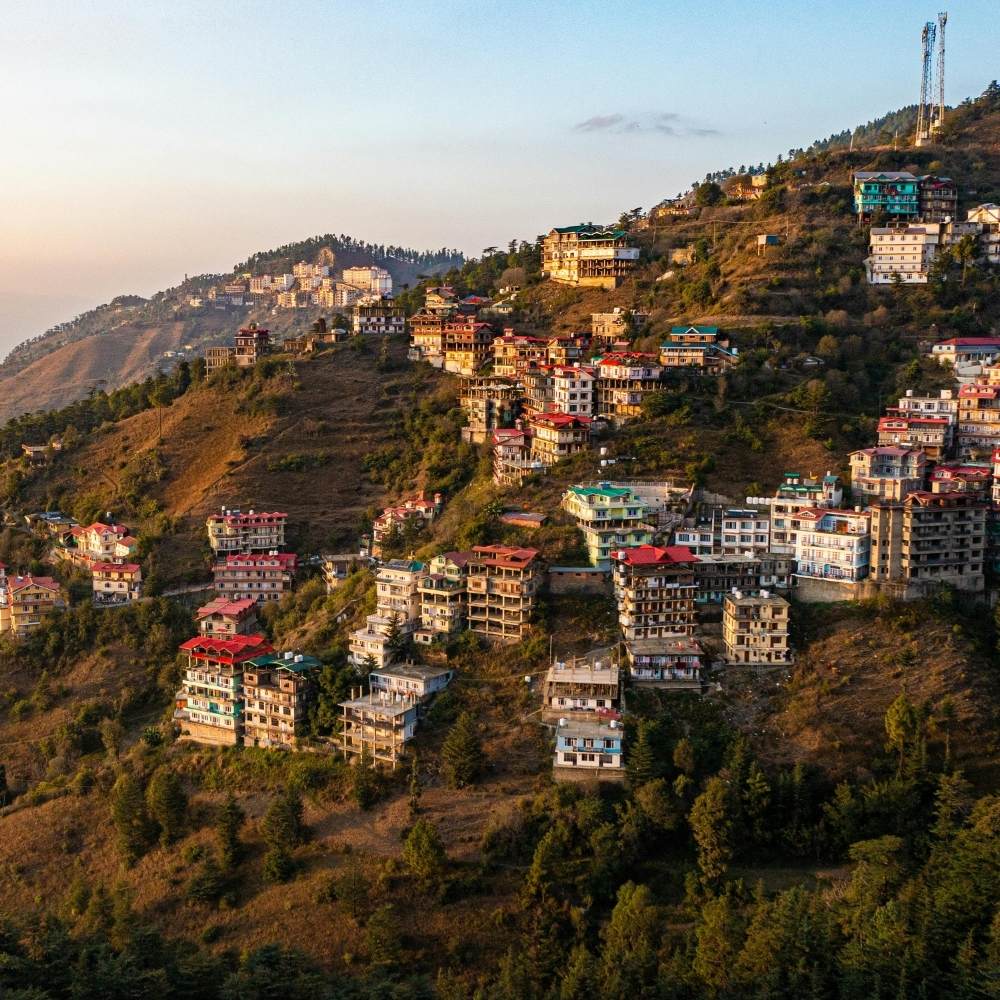
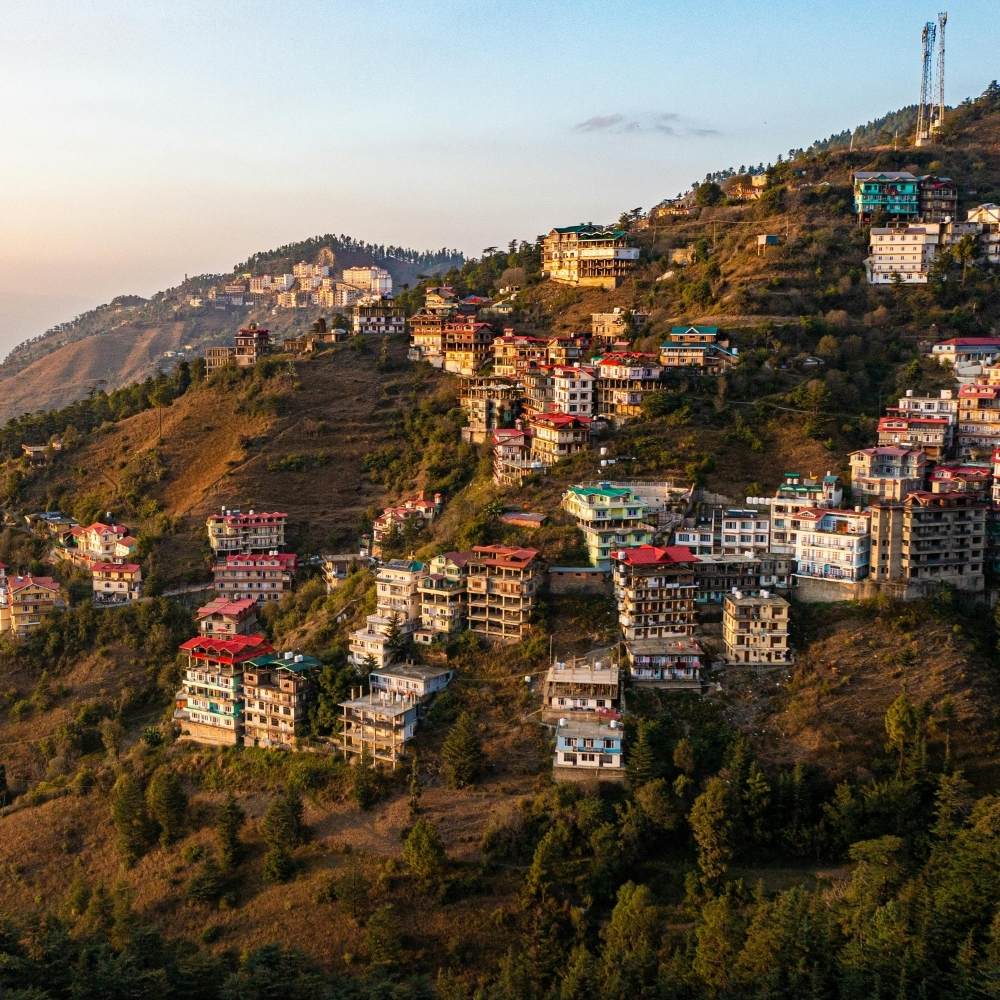
Shimla is one of the most accessible and comprehensive family hill-station experiences in India. As the former summer capital of British India, it carries a strong colonial character: the mock-Tudor architecture of the Viceregal Lodge (now the Indian Institute of Advanced Study), the Christ Church on The Ridge, the Gaiety Theatre on The Mall, and the extraordinary Kalka-Shimla Railway all give the town a character distinctly different from any other hill station.
The Kalka-Shimla Railway, a UNESCO World Heritage Site, is the star attraction for families. This narrow-gauge railway climbs 96 kilometres from the foothills town of Kalka through 102 tunnels and across 864 bridges, taking approximately five hours and passing through some of the most spectacular Shivalik hill scenery in northern India. Children find the tunnels, bridges, and mountain views genuinely exciting.
Kufri, 13 km from Shimla, offers a wildlife park and viewpoints that make for a family-friendly half-day out. In winter and early spring, snow is usually present in Kufri, delighting children from warmer cities.
Jakhoo Temple, dedicated to Lord Hanuman and perched at 2,455 metres above sea level on Jakhoo Hill, is a short uphill walk from the main ridge. It offers panoramic views over Shimla and the surrounding hills. The large langur monkey population at the temple is entertaining for children, though visitors should keep food out of sight and secure.
Good to Know
- Most travellers fly to Chandigarh (approximately 120 km) and proceed by road or book the Kalka-Shimla Railway from Kalka.
- The Kalka-Shimla Railway can be booked via irctc.co.in. Advance booking is strongly recommended during peak season from April to June.
- The Mall Road is pedestrianised and car-free, making it safe and easy to walk with children.
3. Manali
- Ideal Season: April to June
- Best For: Active families, snow experiences, river scenery, older children and teenagers, adventure activities
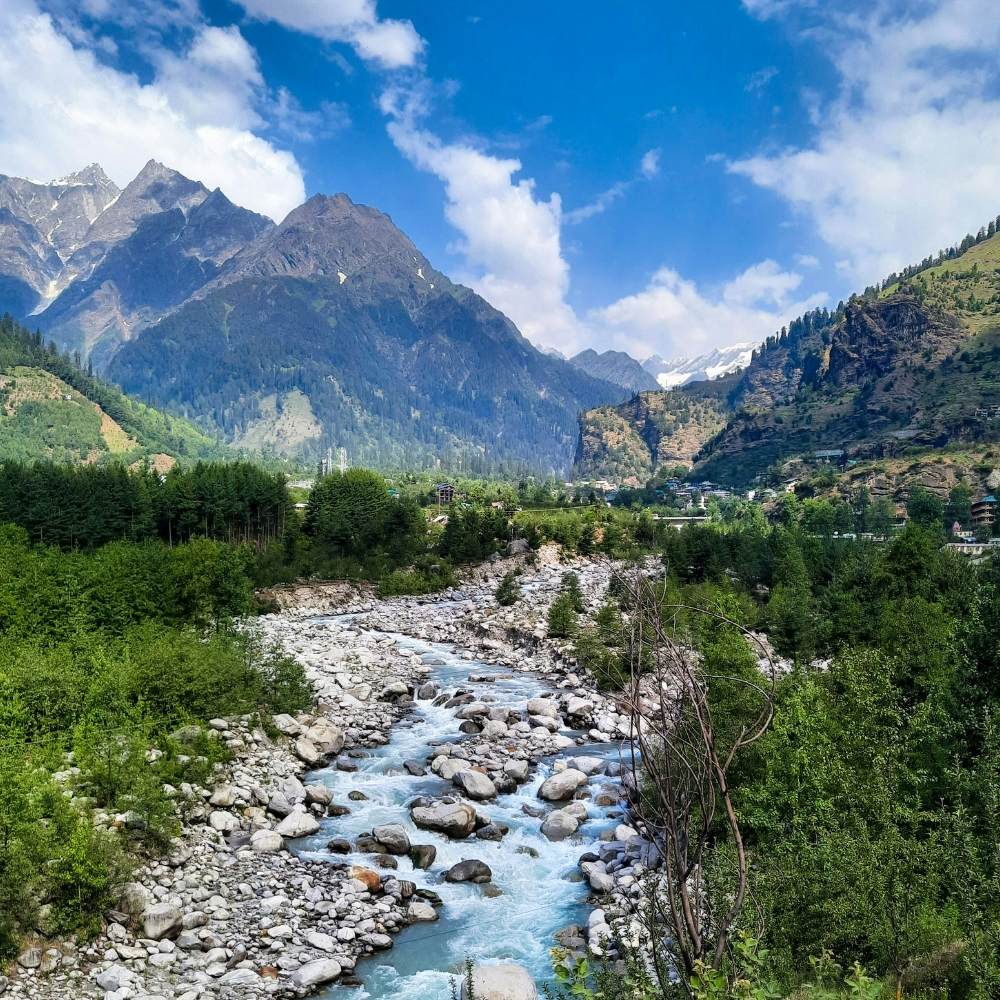
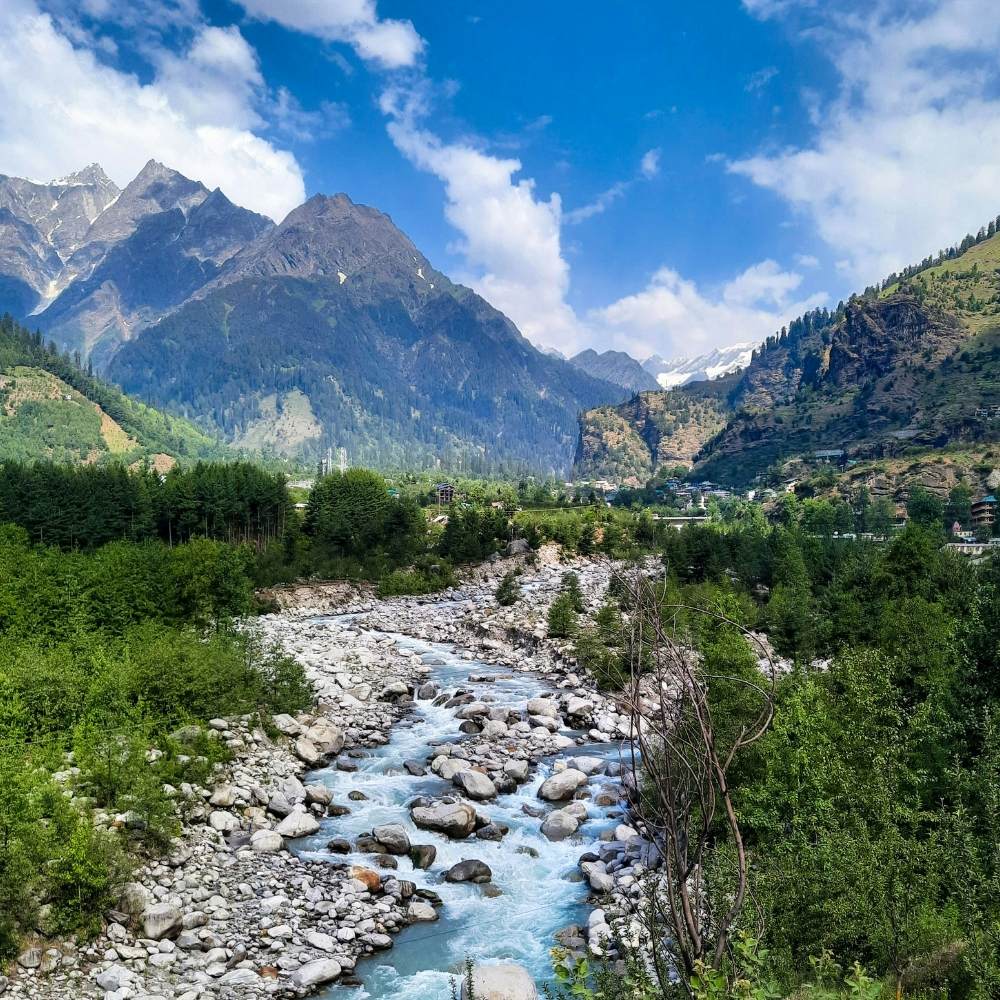
Manali is India's most visited mountain destination, and it earns that title through genuine variety. The town sits in the beautiful Kullu Valley alongside the Beas River, surrounded by pine and deodar cedar forests with snow-capped peaks visible from the town centre.
Solang Valley, 14 kilometres north of Manali town, is the main draw for families with children. In summer, the open meadows offer zorbing, zip-lining, and paragliding (for appropriate ages), while the backdrop of glaciated peaks makes every moment photogenic. Rohtang Pass, at 3,978 metres, opens from late May and provides spectacular high-altitude scenery, though permits must be booked in advance through the Himachal Pradesh government portal, and the road can be congested.
Since October 2020, the Atal Tunnel has provided year-round road access to the Lahaul Valley from Manali. The 9-kilometre tunnel drive itself is an experience that children find memorable, and the landscape of Lahaul on the other side, dramatically different from the green Kullu Valley, is worth the short trip through.
Good to Know
- Nearest airport: Bhuntar Airport, also known as Kullu Manali Airport (IATA: KUU), approximately 50 km from Manali town. Limited connections from Delhi
- Overnight Volvo buses from Delhi take approximately 14 hours and are a practical option for families.
- Altitude is 2,050 metres. Children generally acclimatise well here, but watch for signs of headache or tiredness on arrival day.
Explore Manali: Top 10 Must-Visit Places and Attractions in Manali
4. Nainital
- Ideal Season: March to June, October to November
- Best For: Young families, lakeside activities, cable car, manageable terrain, North Indian domestic families
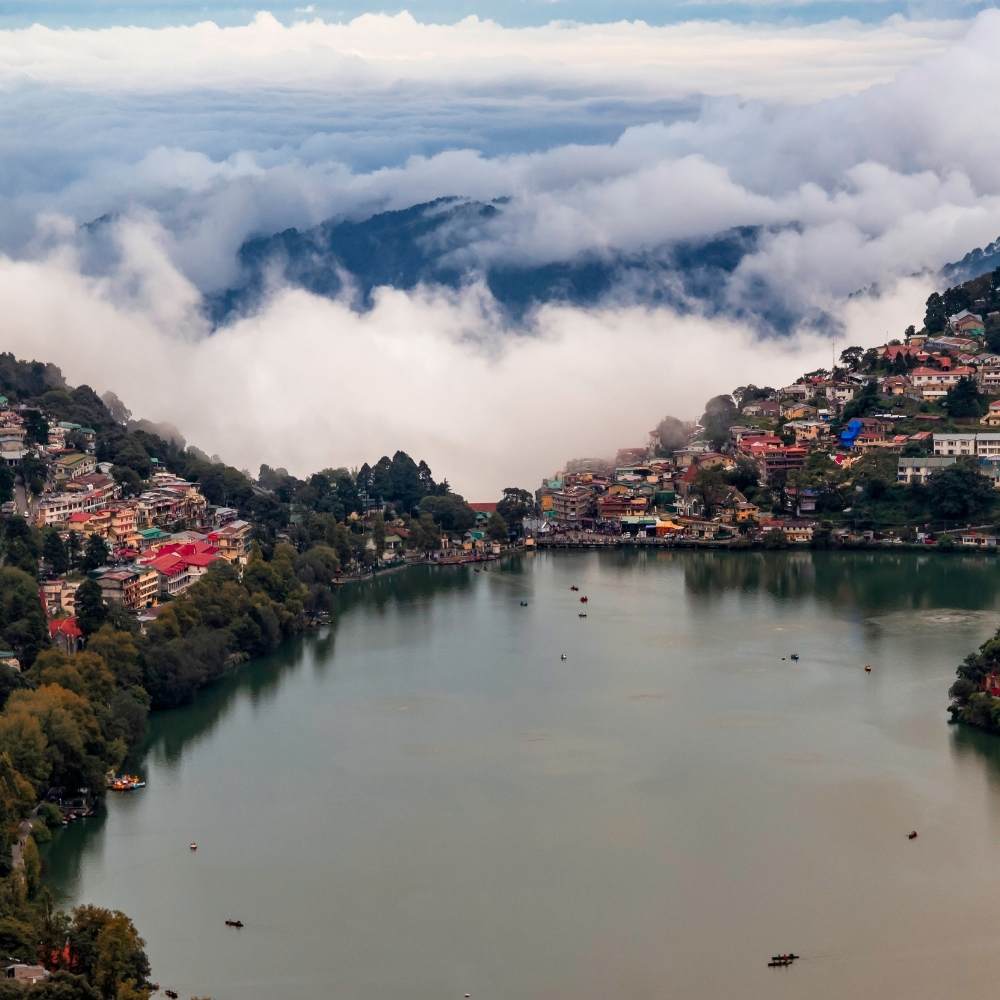
Nainital is built around the Naini Lake, a natural freshwater lake at 2,084 metres in the Kumaon hills of Uttarakhand. The entire town curves around the lake, and Mall Road, the flat lakefront promenade, is walkable and easy to navigate with children of all ages.
Boating on Naini Lake is the central family activity, and it is exactly as simple and enjoyable as it sounds: rowing or paddling out on a clear mountain lake with forested hillsides and snow peaks visible on clear days. The Nainital Ropeway, a cable car that climbs to Snow View Point at approximately 2,270 metres, gives children a bird's-eye panorama of the lake and town below.
The town has a strong concentration of good-quality family hotels and resorts, making it one of the most reliably well-serviced family hill stations in northern India. The Nainital Zoo, one of the high-altitude zoos in India, is home to Himalayan black bears, snow leopards, Siberian tigers, and various Himalayan birds.
East and Northeast India: Tea Gardens, Monasteries, and Living Bridges
5. Darjeeling
- Ideal Season: March to May, October to November
- Best For: All ages, toy train rides, tea estate walks, mountain views, wildlife, curious children who love history and nature
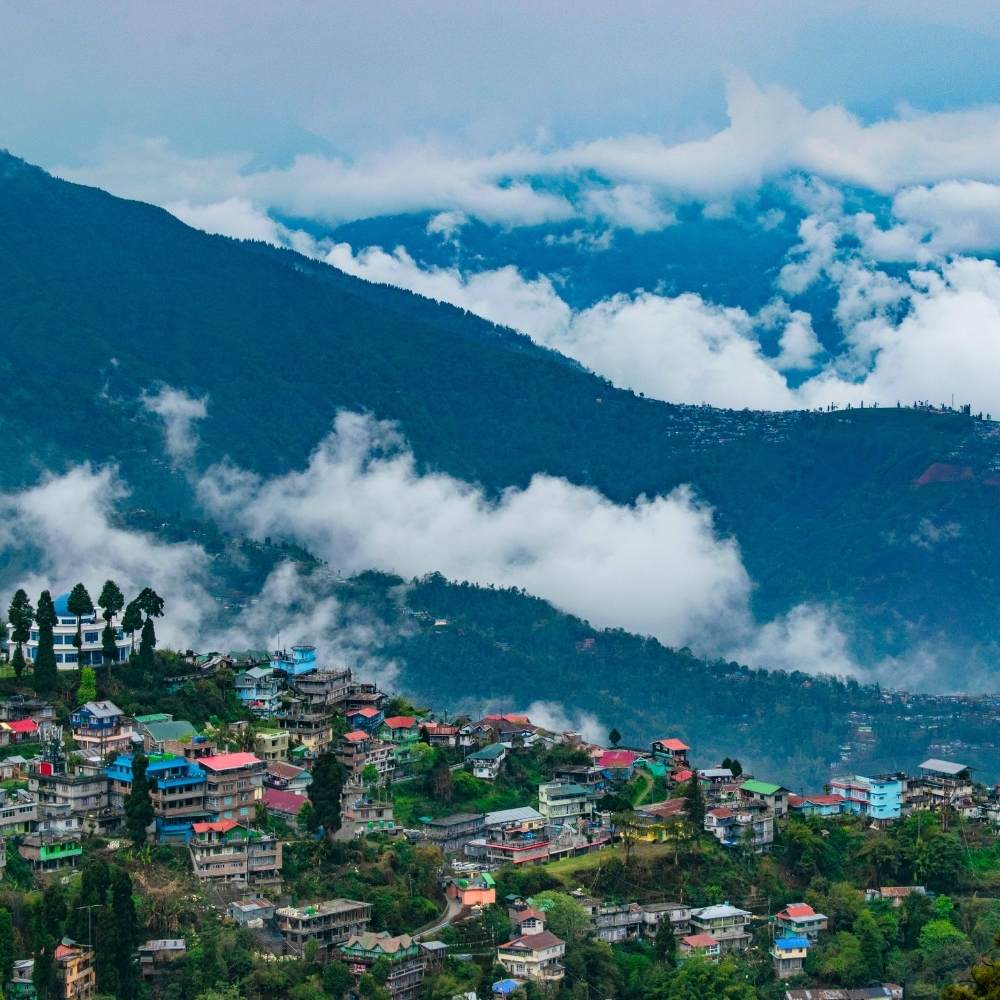
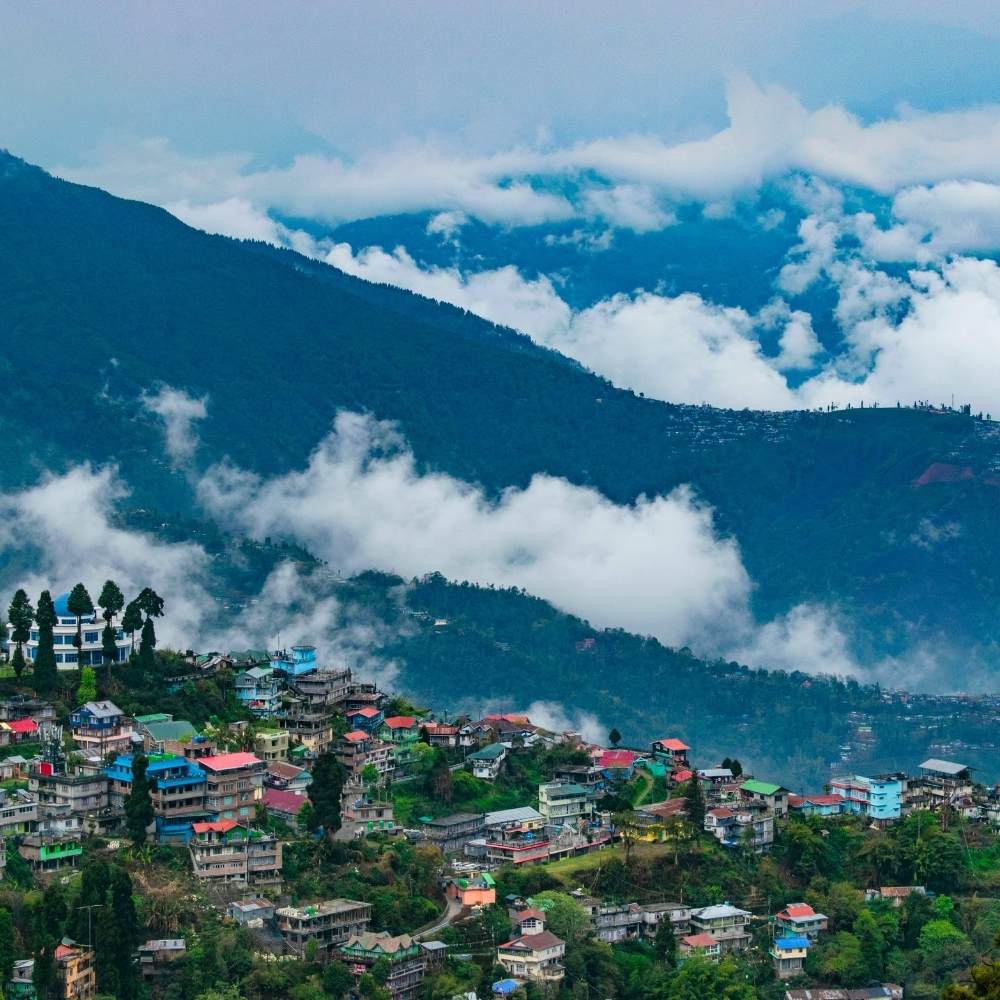
Darjeeling delivers a specific kind of magic for families: it combines the romance of a mountain hill station with the educational richness of tea culture, Himalayan wildlife, and one of the most celebrated railway journeys in Asia.
The Darjeeling Himalayan Railway, a UNESCO World Heritage Site operational since 1881, runs between Darjeeling and New Jalpaiguri through 88 kilometres of spectacular Shivalik and Himalayan terrain. The approximately two-hour return joy ride between Darjeeling station and Ghoom, the highest railway station in India at 2,258 metres, is perfect for families who want the experience without the full seven to eight-hour journey.
The Padmaja Naidu Himalayan Zoological Park houses one of the finest conservation breeding programmes for red pandas and snow leopards in India. For families, seeing a red panda at close quarters in a well-maintained high-altitude enclosure is a highlight of any visit. The Tiger Hill sunrise over Mount Kanchenjunga, the third-highest peak in the world at 8,586 metres, is one of those genuinely life-marking visual experiences that older children remember forever.
Read also: 12 Best Things to Do and Places to Visit in Darjeeling
6. Gangtok and Sikkim
- Ideal Season: March to May, October to November
- Best For: Families wanting a clean, organised hill experience, monastery culture, high-altitude lake visits, nature
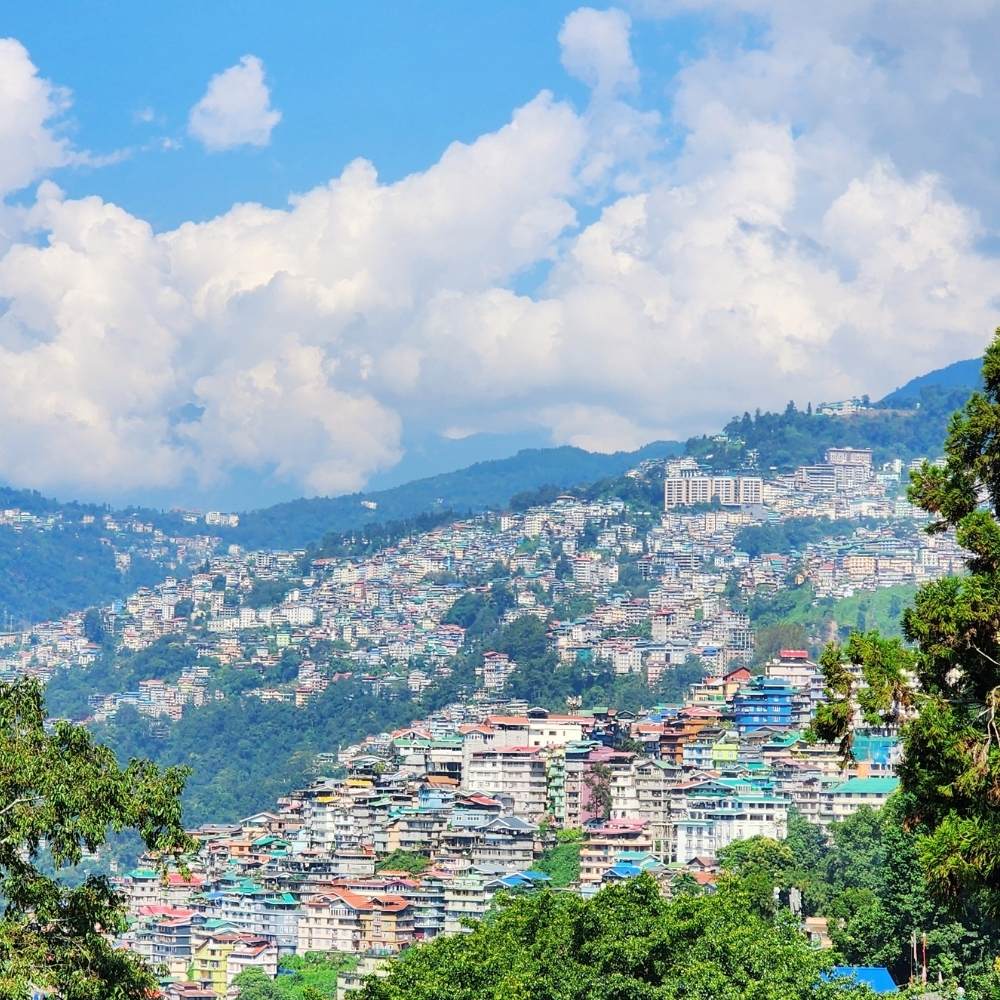
Gangtok is consistently cited as one of the cleanest, safest, and most family-friendly hill towns in India. The state of Sikkim has strict environmental regulations, and the absence of plastic bags is immediately noticeable. The main MG Marg pedestrian promenade is car-free, well-lit, and lined with cafes and shops where children and grandparents can walk comfortably.
Tsomgo Lake (Changu Lake), at 3,753 metres on the road toward the Tibet border, is one of the most accessible high-altitude lakes in the eastern Himalaya. The drive from Gangtok takes approximately 1.5 hours and passes through spectacular mountain scenery. The lake itself, ringed by snow peaks, is a genuine wow moment for children who have never seen a Himalayan landscape before.
The Rumtek Monastery, approximately 24 km from Gangtok and one of the largest and most significant Kagyu Buddhist monasteries outside Tibet, offers a genuinely absorbing cultural visit that sparks children's curiosity about Buddhism, Himalayan history, and monastery life.
Good to Know
- Nearest airport: Bagdogra Airport (IATA: IXB), approximately 125 km from Gangtok. Pakyong Airport (IATA: PYG) near Gangtok has limited connections.
- Permits are required for Tsomgo Lake and several other attractions. Obtain in Gangtok on arrival.
- Sikkim is one of the most eco-conscious states in India. Plastic bags are banned, and the overall cleanliness is exceptional.
7. Meghalaya: Shillong and Cherrapunji
- Ideal Season: October to May (avoid the heaviest monsoon months of June to September)
- Best For: Adventurous families, nature-focused trips, unique geological and cultural experiences, teenagers, international visitors seeking off-the-beaten-path India
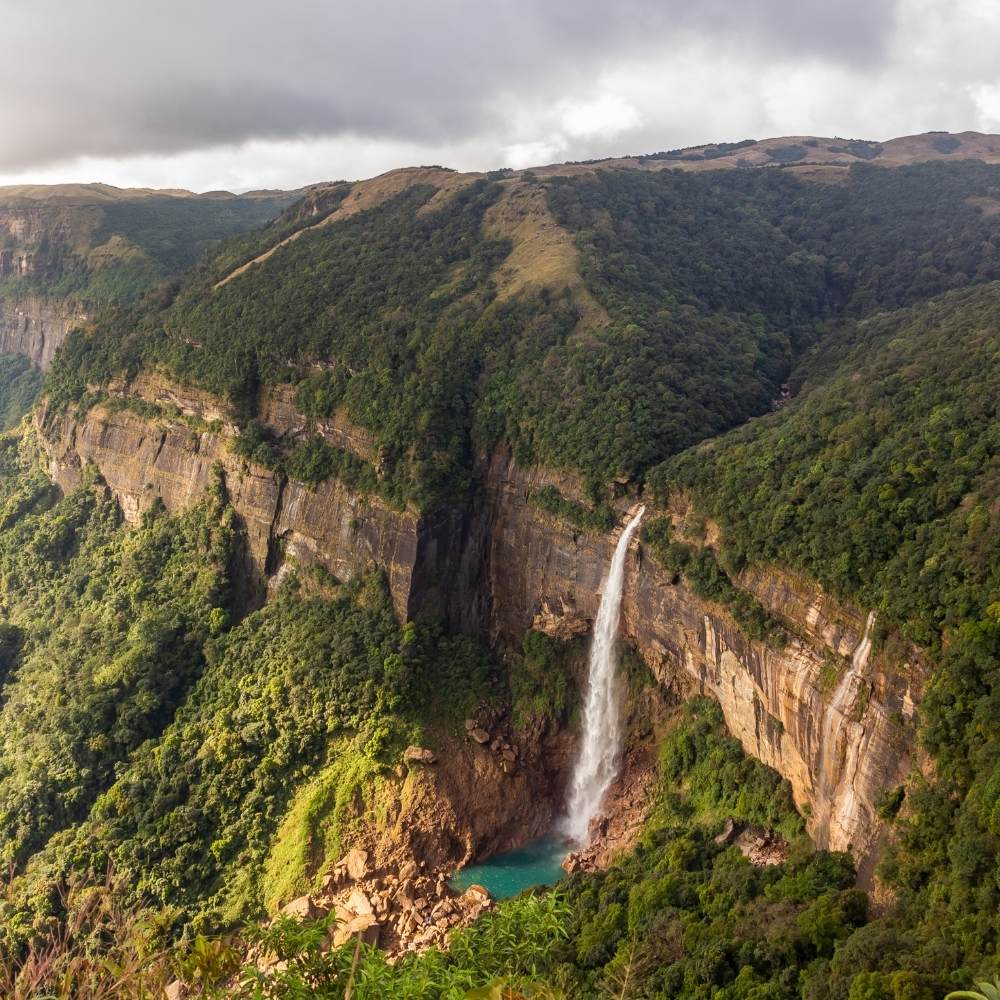
Meghalaya is one of the most under-visited and over-rewarding destinations in India. The name means 'Abode of Clouds' in Sanskrit, and the landscape lives up to it entirely: deep gorges, crystalline rivers, rolling green hills, and waterfalls that rank among the most powerful on the subcontinent.
The single most extraordinary experience in Meghalaya, and arguably in all of Northeast India, is the living root bridges of Cherrapunji and Mawlynnong.
The Khasi people of Meghalaya have, over centuries, guided the aerial roots of the Ficus elastica tree across streams and gorges, training them over bamboo and stone frameworks until they grow into fully load-bearing bridges. The Double Decker Living Root Bridge near Nongriat village, reached by approximately 3,500 steps from the road, is a two-hour descending walk and a two-hour climb back. It is one of the most remarkable natural and human creations in the world. Children who complete the trek are justifiably proud of themselves.
Dawki, on the border with Bangladesh, has a river so clear that boats appear to float in mid-air above the riverbed. The Umngot River at Dawki consistently produces photographs that people assume have been digitally manipulated. They have not. It is simply that clear.
Practical Details
- Nearest airport: Shillong Airport (IATA: SHL) with limited connections, or Guwahati Airport (IATA: GAU), approximately 100 km from Shillong
- The Double Decker Living Root Bridge trek requires good physical fitness and appropriate footwear. Not suitable for very young children or elderly visitors with mobility limitations
- Cherrapunji (Sohra) is one of the wettest places on earth. The nearby village of Mawsynram, just 15 km away, holds the Guinness World Record for the highest average annual rainfall, while Cherrapunji holds records for the highest rainfall in a single calendar month and a single year. Even outside peak monsoon months, carry waterproof gear.
South India: Backwaters, Hill Stations, and Green Landscapes
8. Kerala: Backwaters, Munnar, and Alleppey
- Ideal Season: October to March (coastal); March to May (Munnar)
- Best For: All family types, multi-generational travel, nature, wildlife, houseboat stays, tea estate walks, slow travel
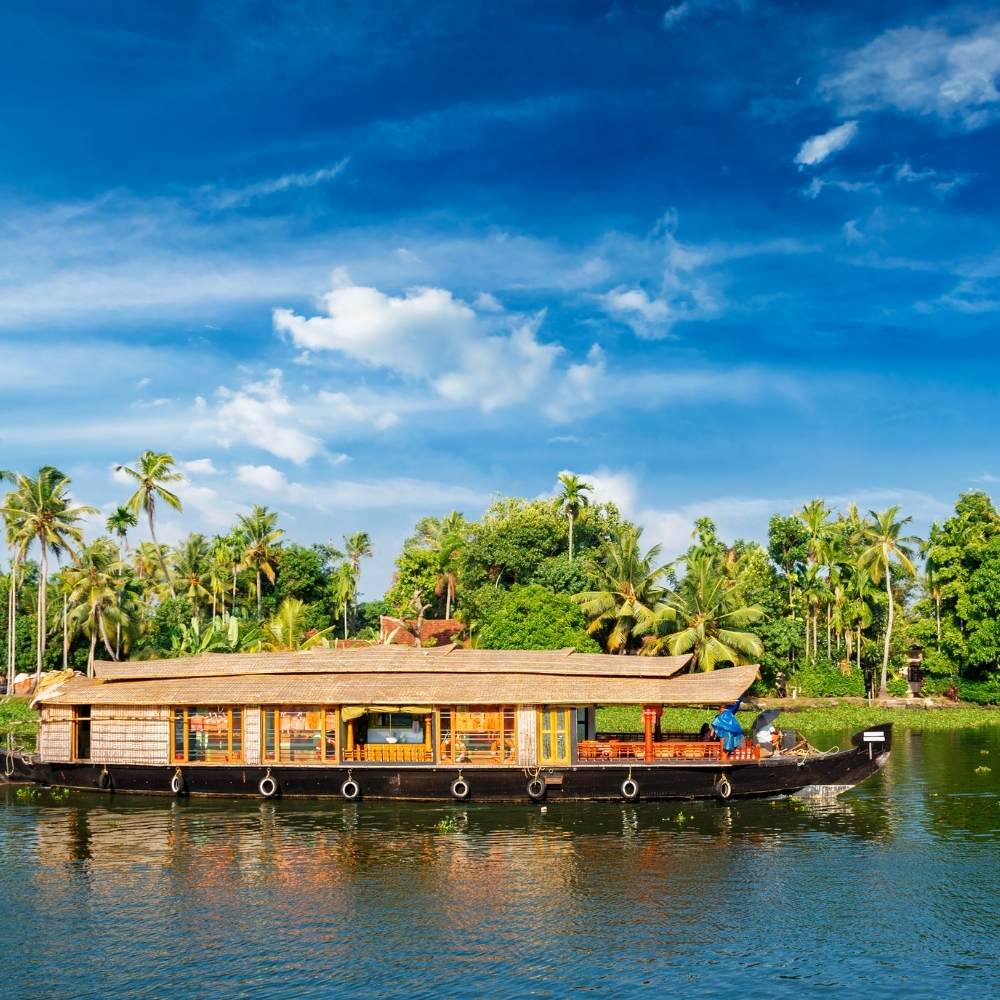
Kerala calls itself God's Own Country, and for a family holiday, the description holds. The state packs an extraordinary range of experiences into a compact, well-connected geography: tropical beaches, misty hill stations, dense wildlife reserves, and the famous backwaters.
The Kerala Backwaters (Alleppey/Kumarakom)
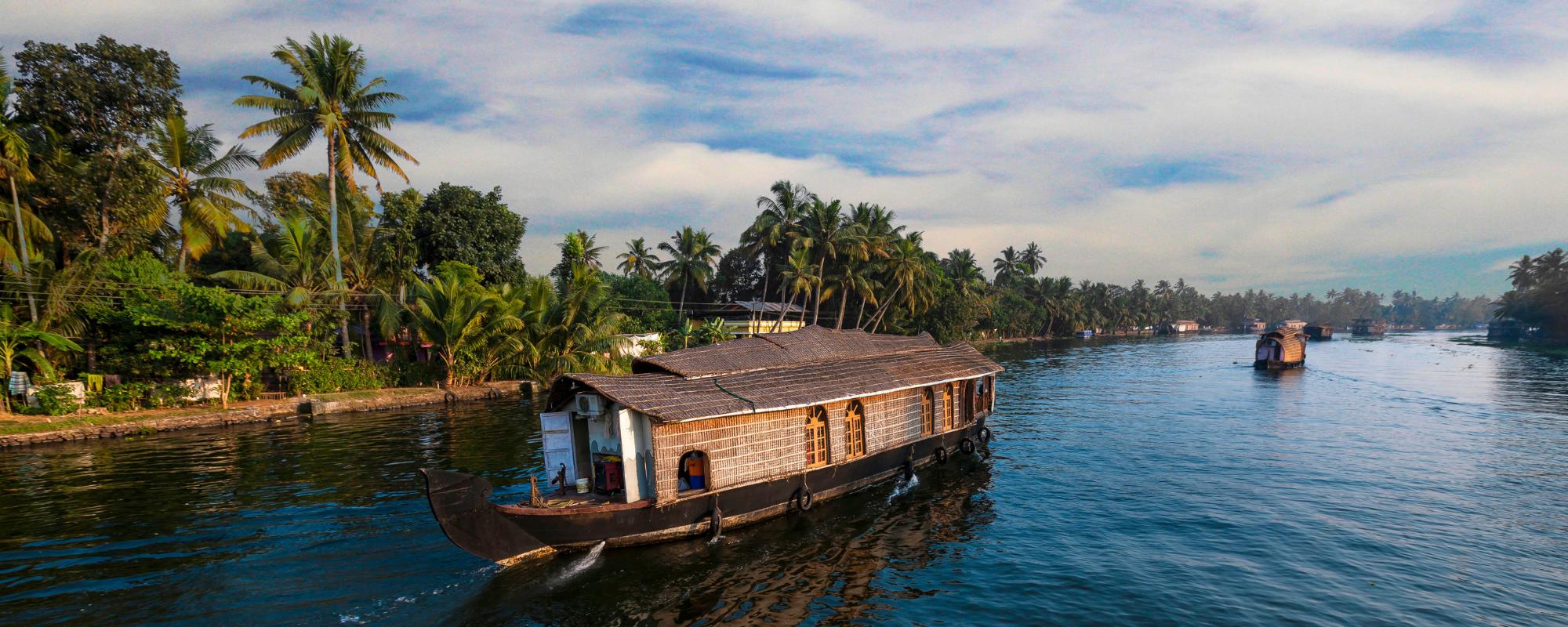
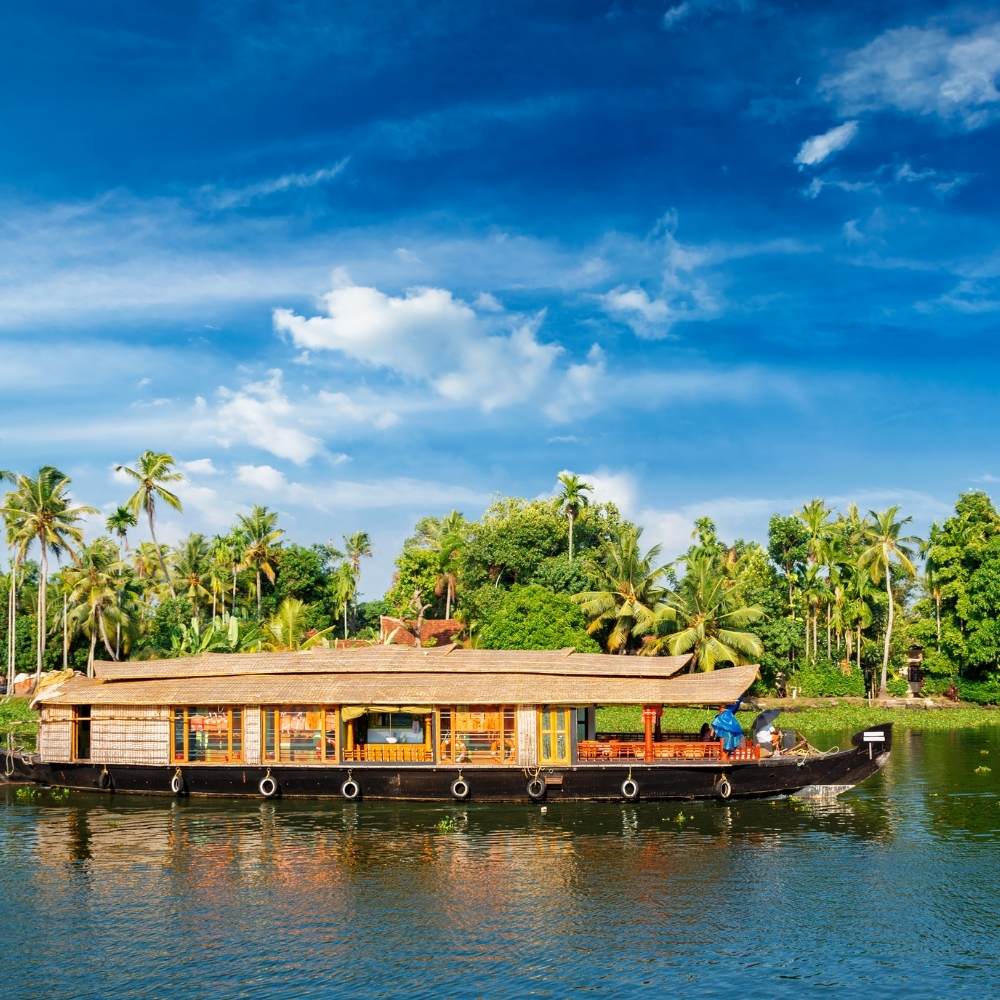
Kerala's backwaters are a network of interconnected lakes, rivers, estuaries, and canals that run parallel to the Arabian Sea coast across much of southern Kerala. Staying overnight on a traditional kettuvallam houseboat, complete with bedrooms, a kitchen, and a front deck overlooking the water, is the definitive Kerala family experience.
Children love the unhurried pace of houseboat travel. Villages, rice paddy fields, fishermen's nets, and coconut groves drift past while meals are prepared fresh on board by a resident cook. Alleppey (Alappuzha) is the main hub for houseboat bookings. Kumarakom offers a quieter, slightly more exclusive alternative.
Munnar (Hill Station)
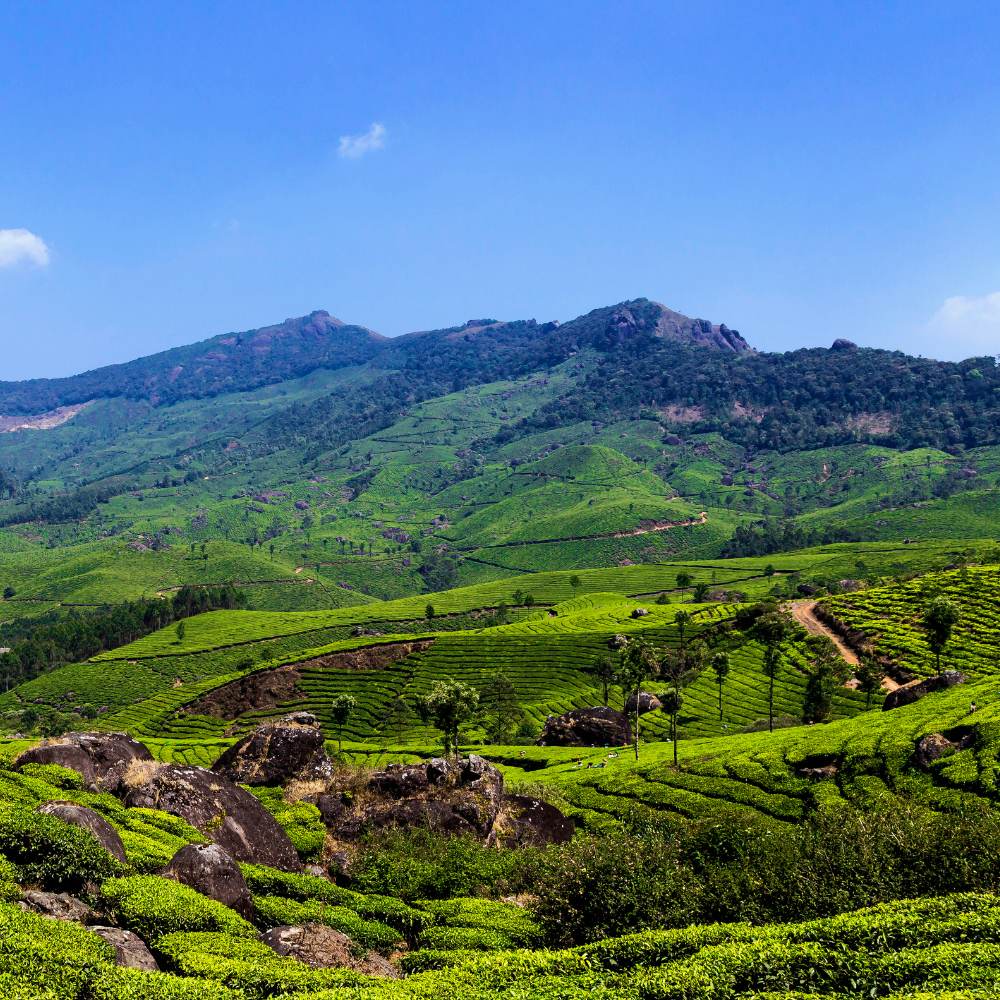
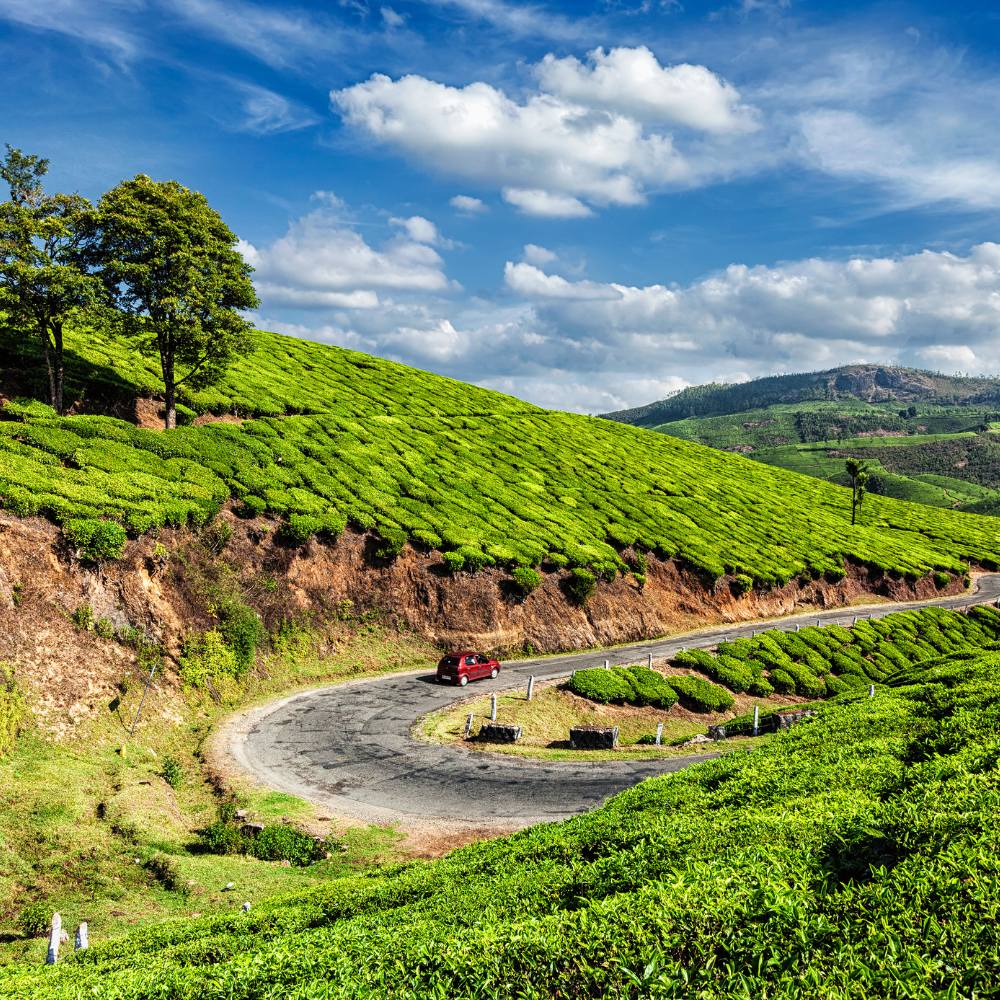
Munnar in the Idukki district sits at approximately 1,600 metres in the rolling tea estate landscape of the Western Ghats. The cool climate (10 to 25 degrees Celsius year-round), the visual drama of the tea-covered hillsides, and the accessibility of Eravikulam National Park make it a superb family hill station in South India.
Eravikulam National Park, 13 km from Munnar town, is home to the largest population of the endangered Nilgiri tahr. The park closes from February 1 to March 31 annually for the tahr calving season, reopening in April. The best time for tahr sightings is October to January or April to May.
9. Ooty and the Nilgiris
- Ideal Season: April to June, October to November
- Best For: Families from South India, multi-generational groups, UNESCO toy train, botanical gardens, tea estate walks
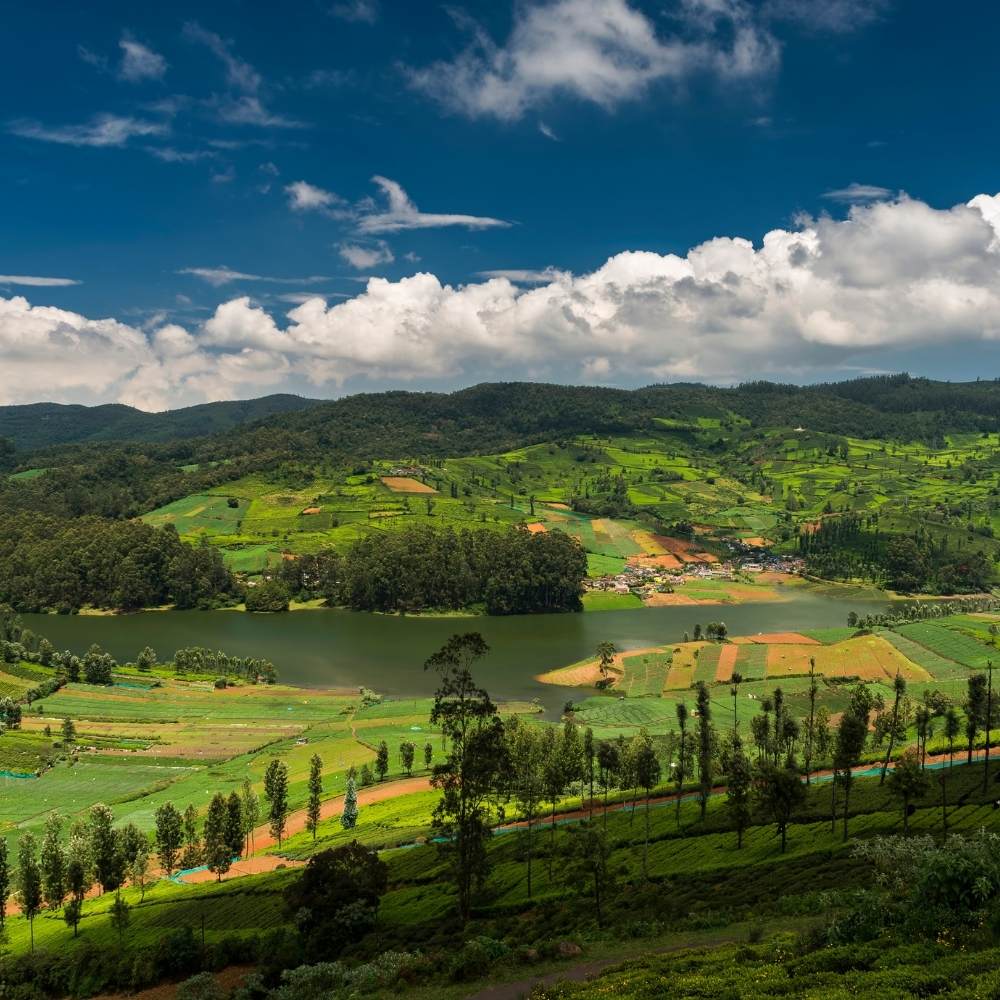
Ooty (Udhagamandalam) at 2,240 metres is the queen of South Indian hill stations and one of the most reliably enjoyable family destinations in the south. The combination of the Nilgiri Mountain Railway (another UNESCO World Heritage Site), the Ooty Botanical Gardens, Ooty Lake, and the surrounding tea estate landscape makes it a complete destination for families of all ages.
The Nilgiri Mountain Railway, operational since 1908, climbs from Mettupalayam in the foothills through 46 kilometres of extraordinary gradient terrain using a rack-and-pinion mechanism on the steepest sections. The journey takes approximately five hours and passes through dense shola forest, tea estates, and mountain views. Children find the rack-and-pinion sections, where the train visibly grips the track as it climbs, especially fascinating.
The Doddabetta peak at 2,637 metres, the highest in the Nilgiris, is a short drive from town. Nearby Coonoor, 19 km from Ooty, is quieter and offers excellent viewpoints and tea estate walks that are gentler on the legs than Ooty's busier centre.
Wildlife Destinations: Tiger Country
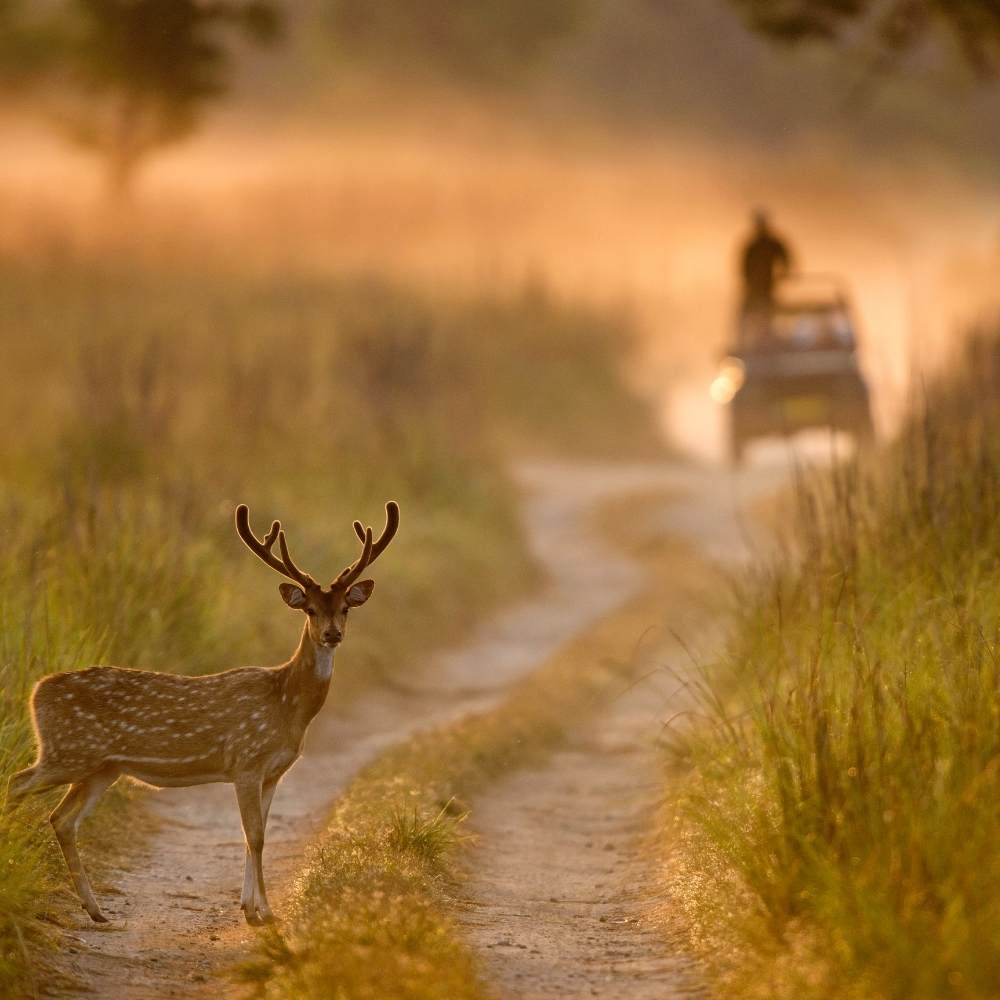
India has more wild tigers than any other country in the world, and a tiger safari is one of the most powerful wildlife experiences a family can have together. The best national parks operate strict jeep safaris with certified naturalist guides, and the chances of a sighting, while never guaranteed, are meaningfully high in India's best reserves.
10. Jim Corbett National Park
- Ideal Season: November to June (zone-dependent)
- Best For: Wildlife-focused families, older children (recommended 6+), tigers, elephants, birdwatching, Himalayan foothills landscapes
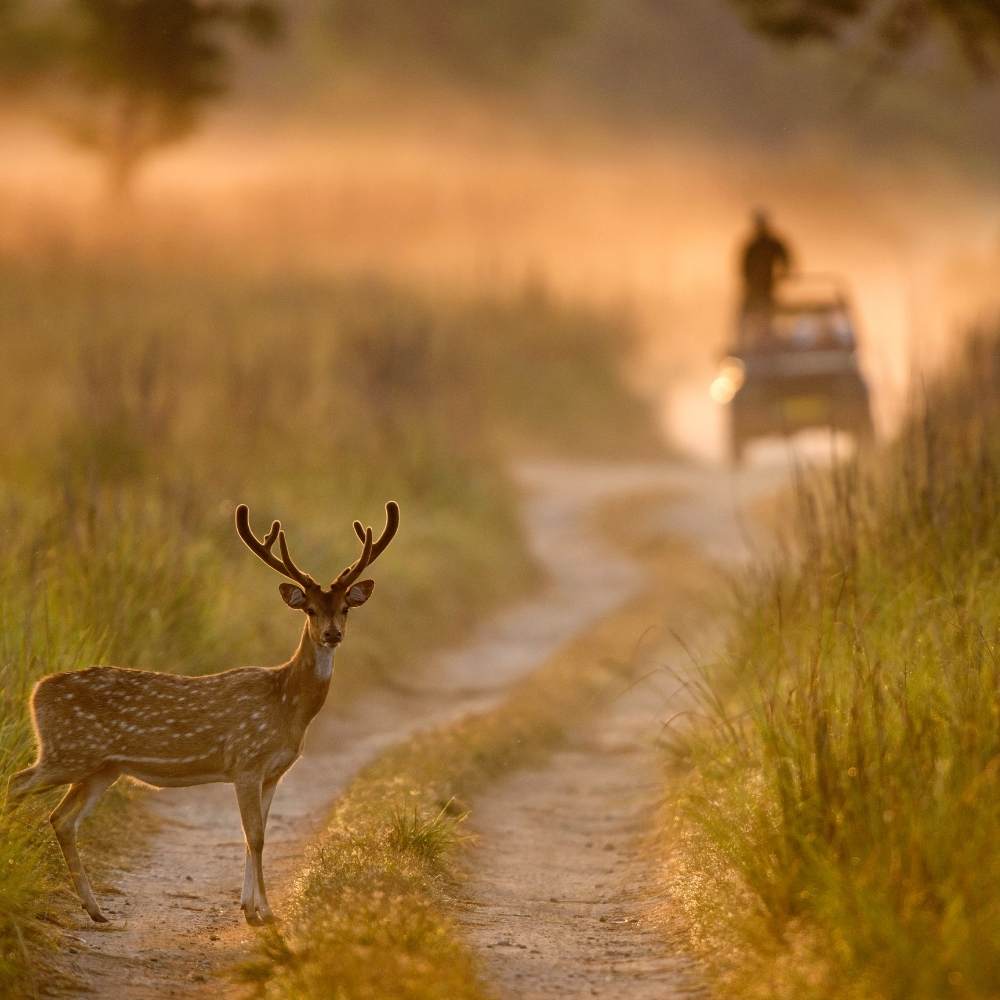
Jim Corbett National Park holds a special place in Indian conservation history. Established in 1936 as Hailey National Park, it was India's first national park and the first wildlife reserve to come under the ambit of Project Tiger, launched in 1973.
The park covers approximately 1,318 square kilometres across the foothills of the Himalayas in Uttarakhand, and the Ramganga River runs through its core, creating a rich ecosystem that supports Bengal tigers, Asian elephants, leopards, gharial crocodiles, and over 600 bird species.
The Dhikala zone, deep within the park and accessible only by staying at the Dhikala Forest Lodge (bookable through the Uttarakhand Forest Department), offers the finest wildlife experience. The floodplain chaurs, or grasslands, around Dhikala are where large concentrations of elephants and tigers are sighted. For families who can secure the relatively limited accommodation at Dhikala, it is a life-changing wildlife experience.
Practical Details
- Nearest airport: Pantnagar Airport (IATA: PGH), approximately 80 km from the park. Delhi (approximately 260 km) is the more common access point.
- Dhikala zone accommodation books up months in advance. Book through the Uttarakhand forest department website as soon as the dates are confirmed
- Younger children under 5 are generally not permitted in core zone jeep safaris. Verify current age restrictions before booking.
- The Jhirna zone is open year-round and is a good option for families who miss the main season window.
11. Ranthambore National Park
- Ideal Season: October to June (peak: March to May)
- Best For: Wildlife-focused families, tiger safaris, combining with Rajasthan heritage travel, and older children
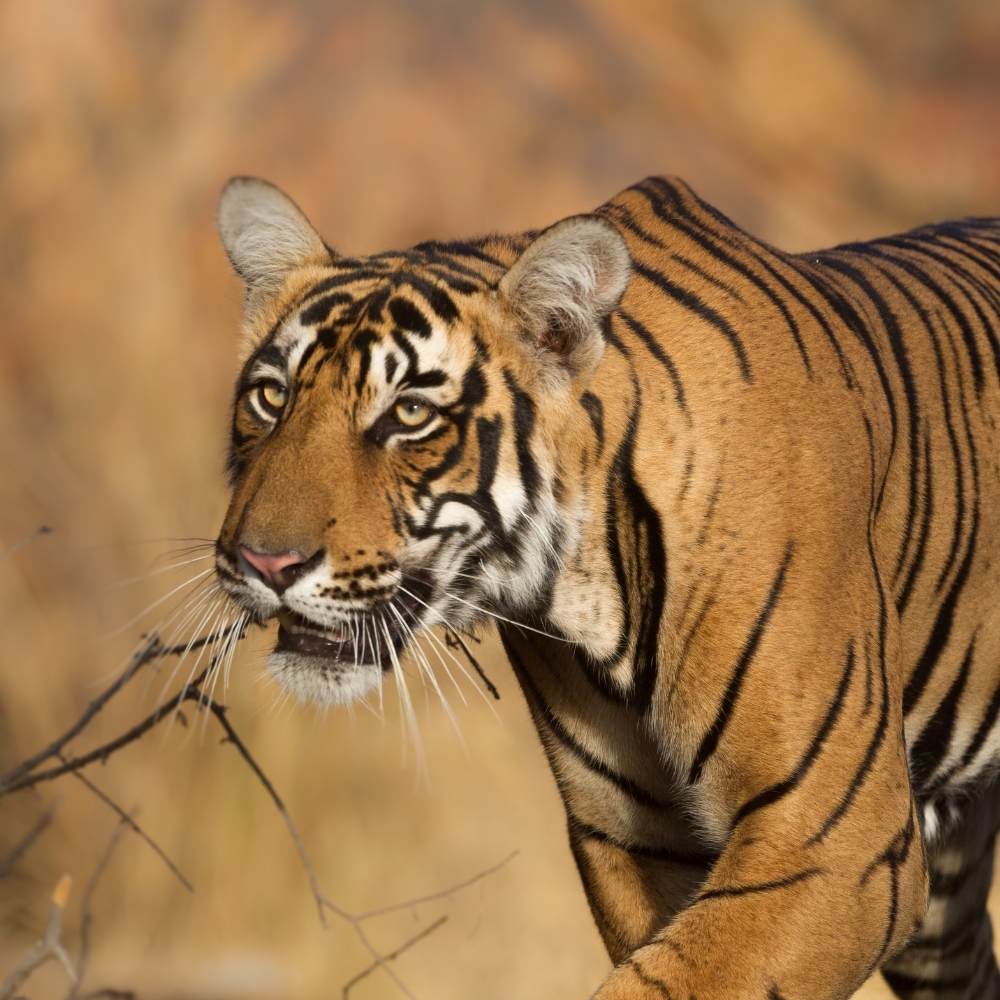
Ranthambore is the most famous tiger reserve in India and arguably the best place in the world to see tigers in the wild. The park's tigers are notably bold compared to other reserves, and sightings are reliably reported throughout the peak season.
What makes Ranthambore exceptional for families is the combination of wildlife viewing with the dramatic historical backdrop of the Ranthambore Fort, a 10th-century fortress within the park boundaries and listed as a UNESCO World Heritage Site as part of the Hill Forts of Rajasthan. The juxtaposition of Bengal tigers moving through a medieval fortress landscape is genuinely extraordinary.
Ranthambore is easily combined with Jaipur (approximately 160 km) or Agra (approximately 235 km), making it the ideal wildlife addition to a Rajasthan heritage itinerary.
Beaches: India's Coastline for Families
12. Goa
- Ideal Season: November to March
- Best For: Beach holidays, all ages, water sports (appropriate ages), seafood, Portuguese heritage, international families, UK and USA visitors
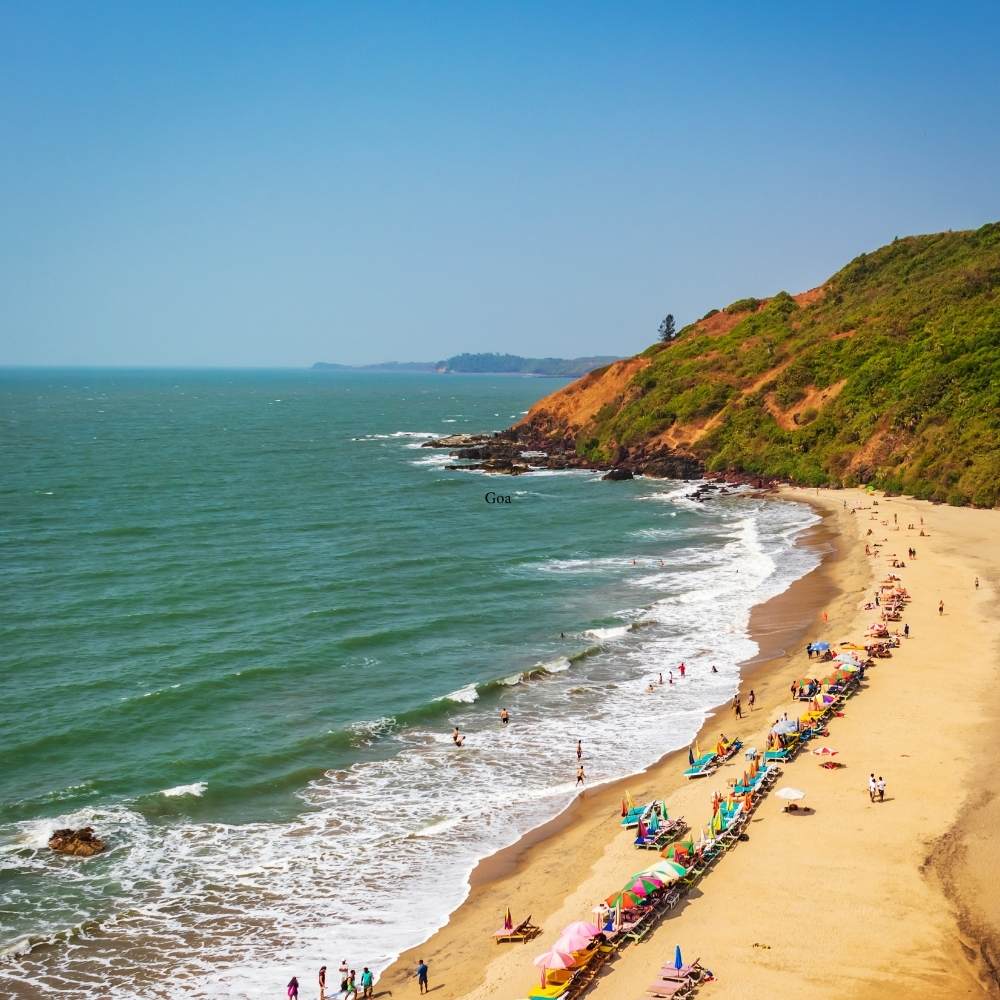
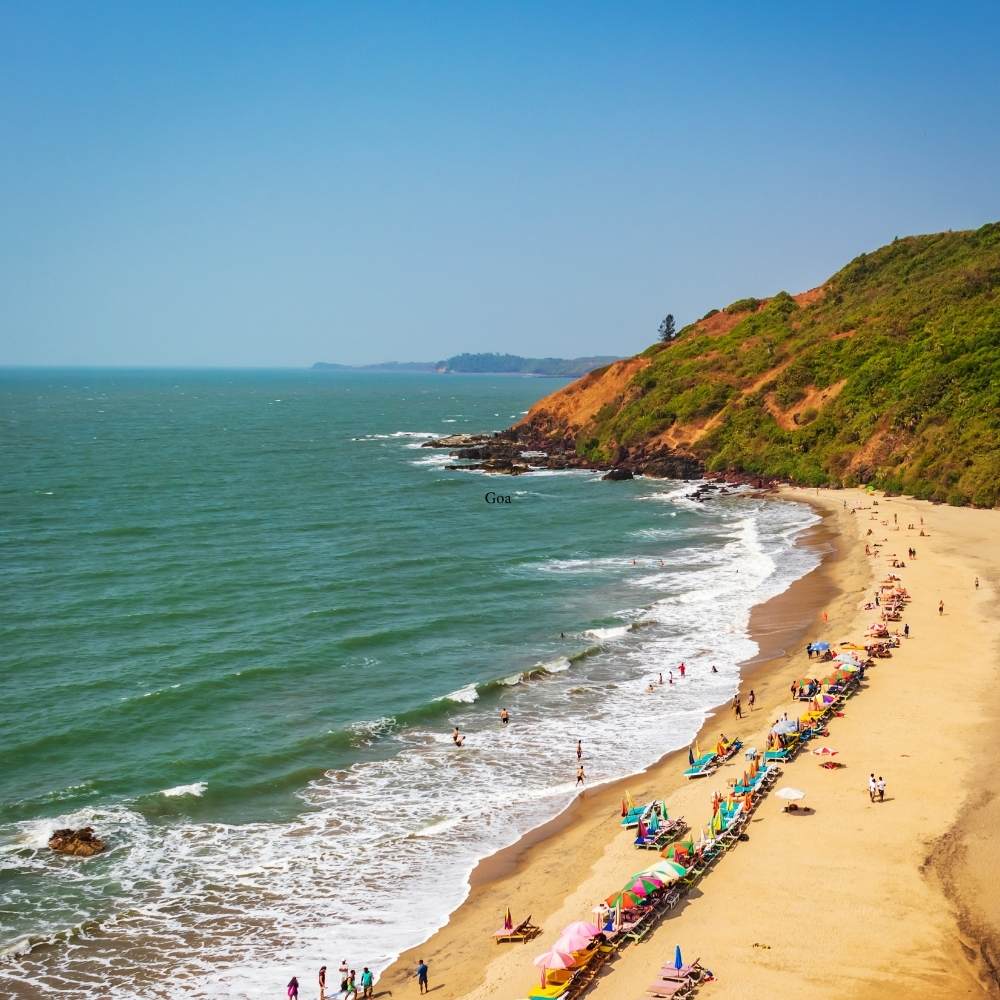
Goa is India's most internationally recognised beach destination and, when approached correctly, one of its best family holiday options. The key for families is choosing the right part of Goa.
South Goa is the better choice for families. The beaches here are quieter, wider, cleaner, and significantly less crowded than those in North Goa. Palolem Beach in Canacona, with its crescent-shaped bay and calm, shallow water, is one of the safest swimming beaches on the Indian coast and consistently excellent for families with young children. Colva, Benaulim, and Varca offer longer stretches of beach with good hotel infrastructure along the shore.
Beyond the beaches, Old Goa is home to some of the finest Portuguese Baroque architecture in Asia. The Basilica of Bom Jesus, a UNESCO World Heritage Site built between 1594 and 1605, houses the remains of St. Francis Xavier and is a genuinely beautiful, historically significant building that older children appreciate in context.
Practical Details
- Nearest airport: Goa International Airport, Dabolim (IATA: GOI). International connections from select UK airports seasonally; otherwise via Delhi or Mumbai. Manohar Airport (Mopa) is now operational in North Goa.
- Most beaches in South Goa are a 40- to 50-minute taxi ride from the airport.
- Book accommodation at least 6 to 8 weeks in advance for December and the New Year, when prices and demand peak significantly
Read also: 10 Best Beaches in South Goa for a Peaceful Getaway
Culture and Heritage: Rajasthan for Families
13. Rajasthan: Jaipur and Udaipur
- Ideal Season: October to March
- Best For: History and culture-focused families, heritage architecture, international visitors, all ages, multi-generational groups
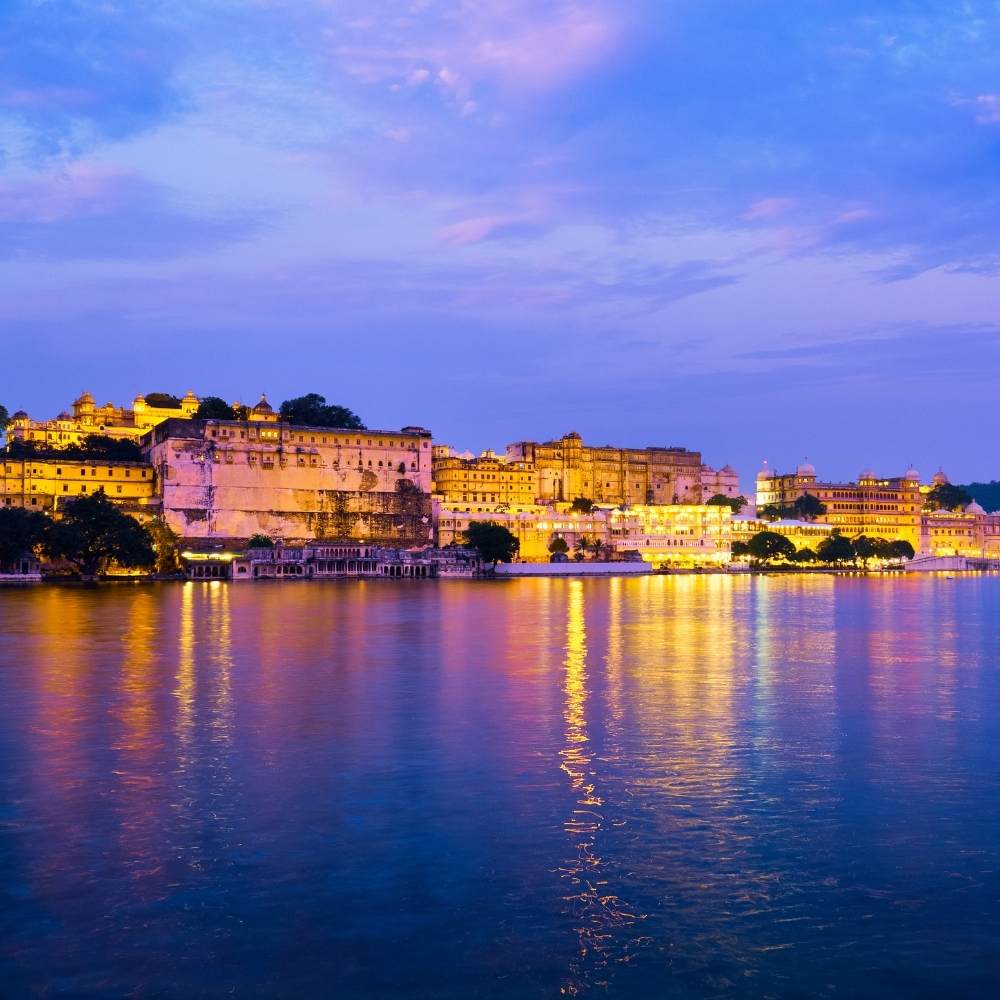
Rajasthan is India at its most visually overwhelming. The palaces, forts, desert landscapes, and markets of this ancient kingdom deliver a concentrated dose of Indian history, colour, and culture that no other region can match.
Jaipur: The Pink City
Jaipur was founded in 1727 by Maharaja Jai Singh II and was planned on a grid system inspired by ancient Vedic texts, making it one of the world's first planned cities. The entire old city was painted a distinctive terracotta pink in 1876 to welcome the Prince of Wales, and the tradition has been maintained ever since.
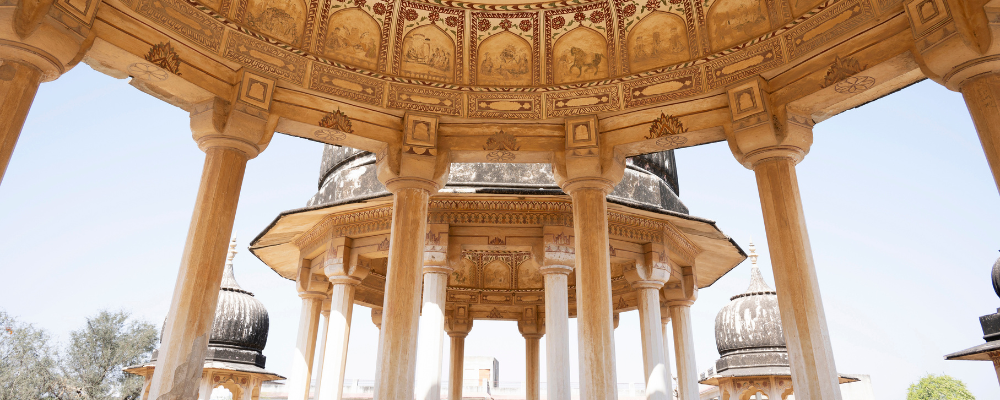
The Hawa Mahal (Palace of Winds), built in 1799 and featuring 953 small windows designed to allow royal women to observe street life below without being seen, is one of the most recognisable buildings in India. The Amber Fort (also written Amer Fort), 11 km from Jaipur, is a magnificent 16th-century Rajput hill fortress with marble-inlaid mirror rooms, sweeping ramparts, and views over the surrounding Aravalli hills. Both are essential stops.
Udaipur: The City of Lakes
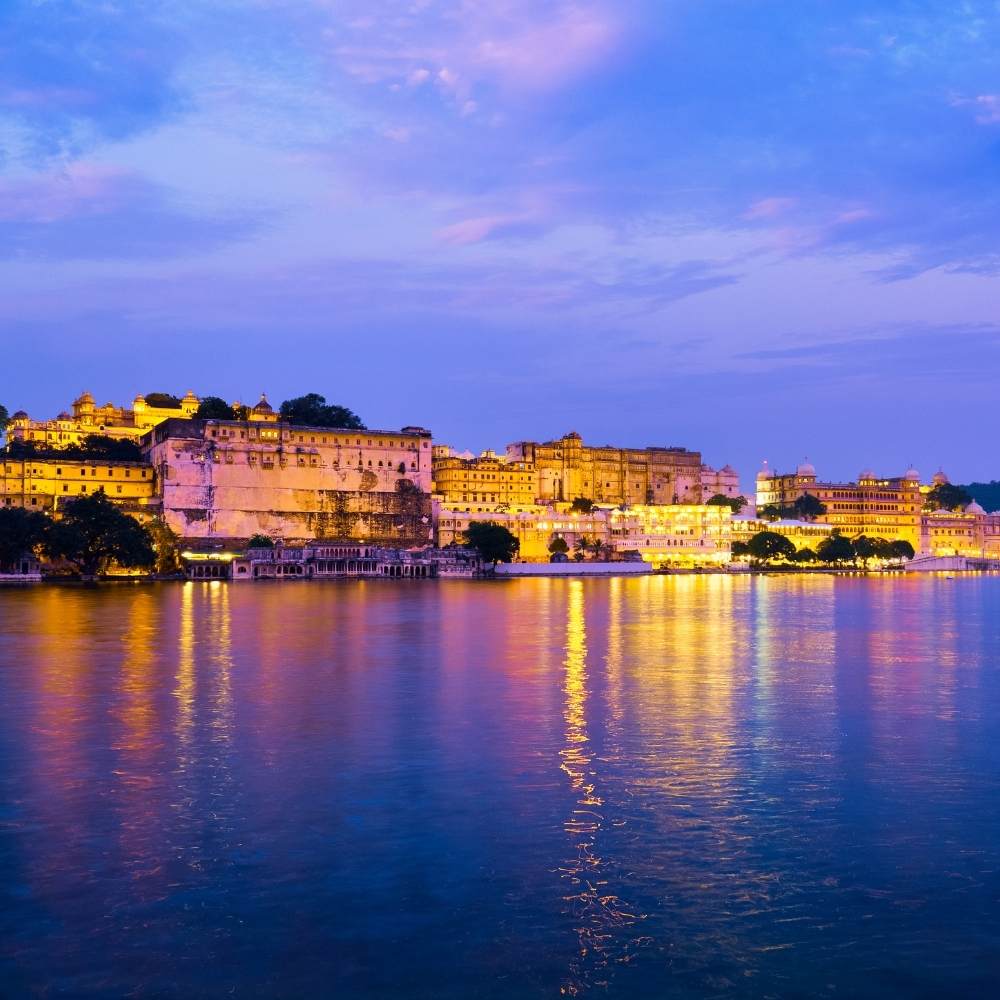
Udaipur is the most romantic city in India, and for families, it offers a refined, aesthetically extraordinary alternative to the busier Jaipur. The City Palace complex, built over 400 years from 1553 onwards by successive Maharanas of the Mewar dynasty, is the largest palace in Rajasthan and a genuinely absorbing museum of royal history.
Lake Pichola, at the city's heart, is best explored by boat. The sunset boat ride on Pichola, with the Lake Palace (Jag Niwas, now the Taj Lake Palace hotel) and the illuminated City Palace reflected in the water, is the defining visual memory of most Udaipur visits. The lake was created in the 14th century during the reign of Maharana Lakha of the Mewar dynasty.
Udaipur combines well with Ranthambore (approximately 5 to 6 hours by road) for a wildlife and heritage circuit that covers the very best of Rajasthan in 7 to 10 days.
Explore Rajasthan: 7-Day Luxury Tour to Rajasthan
Essential Tips for a Family Holiday in India
Health and Safety
- International families: consult a travel health clinic or GP 6 to 8 weeks before departure. Hepatitis A, Typhoid, and routine vaccines are generally recommended. The CDC India travel health page (cdc.gov) and NHS Fit for Travel (fitfortravel.nhs.uk) provide current guidance.
- Drink only bottled or reliably purified water throughout India. Apply this rule strictly for children.
- Carry a basic family medical kit: oral rehydration salts (ORS), antihistamine, paracetamol (appropriate child dosage), antiseptic cream, diarrhoea medication, and your children's regular prescriptions in sufficient quantity.
- Food from established restaurants and hotel kitchens is generally safe. Freshly cooked, piping hot food is always the safer choice in any destination.
Food and Children
- India is one of the most vegetarian-friendly countries in the world. South Indian cuisine, including dosas, idlis, and sambar, is well accepted by children.
- Most good restaurants in tourist areas offer both Indian and 'continental' menus. Plain rice, dal, and roti are universally available, and most children who try them enjoy them.
- Mango season (April to June across most of India) is a bonus that Indian families in particular plan around. Fresh mangoes at roadside stalls and in markets are a highlight for children.
Visas and Practical Logistics (For UK and USA Families)
- Most nationalities, including UK and US citizens, can apply for an India e-Visa online. Apply at least 4 to 7 days before travel. Processing is usually within 72 hours. Children require their own individual visa.
- Direct flights from the UK to India operate from London Heathrow to Mumbai, Delhi, Bengaluru, and Chennai. Flight time ranges from approximately 8.5 hours to Delhi and 9 hours to Mumbai, and up to 9.5-10 hours to Bengaluru and Chennai. From the USA, Air India operates Delhi and Mumbai connections from New York (JFK) and San Francisco; otherwise, one-stop routings via Gulf carriers are most common.
- Travel insurance is essential for travelling to India with children. Ensure the policy covers medical evacuation as well as standard trip disruption.
Best Time to Visit India: A Family Planning Guide
October to March: Best for Most Destinations
- Ideal for Goa, Rajasthan, Kerala (coastal), Agra, Ranthambore, and Delhi sightseeing
- Comfortable temperatures across most of the country
- Peak tourist season: book accommodation and transport 6 to 8 weeks in advance for December and January
March to May (Pre-Monsoon): Hill Stations and Wildlife
- Ideal for Shimla, Manali, Nainital, Ooty, Munnar, Darjeeling, and Jim Corbett
- Plains cities are hot, but hill stations remain comfortable. Wildlife parks are at peak visibility as water sources dry up.
- Indian school holiday season from mid-April: book well in advance. Major trains and hill station accommodation fill quickly
June to September: Monsoon Season
- The southwest monsoon brings heavy rainfall to most of India from June through September.
- Meghalaya and Kerala are dramatic during the monsoon, but travelling with young children in heavy rain requires planning.
- Ladakh remains largely dry during monsoon (it is in the rain shadow of the Himalayas) and is excellent in July and August.
- Most family-friendly beach destinations are not recommended during the monsoon due to rough seas and safety concerns.
Frequently Asked Questions
What is the best age for children to travel to India?
India is a rewarding destination for families with children of any age, but the experience varies greatly depending on age. Children under 3 can travel comfortably, though they benefit most from a single-base holiday (one houseboat, one beach resort) rather than a multi-city circuit. Children from 6 to 12 tend to have the most vivid and lasting memories of India: the colours, wildlife, markets, and food engage them actively. Teenagers often find Meghalaya, Ladakh, wildlife safaris, and Rajasthan heritage particularly impactful.
How long does a family holiday in India need to be?
A single-region family trip requires at least 7 to 10 days to be meaningful and unhurried. A two-region itinerary (such as Rajasthan plus a wildlife safari, or Kerala backwaters plus Munnar) works well in 10 to 14 days. Multi-region trips spanning north and south India are best planned over 3 weeks or more. Rushing India with children consistently produces a less happy result than slowing down and doing fewer things better.
Is India safe for family travel?
Yes. India receives tens of millions of domestic and international tourists every year, including large numbers of families. The primary practical concerns for family travel are food and water hygiene, heat management, and managing the stimulation of a busy and intense country for younger children. Standard health precautions (bottled water, sunscreen, insect repellent in forest areas) cover most risks. UK and US families should consult their country's Foreign Office or State Department travel advisory for current destination-specific guidance before booking.
What is the best destination for a first-time family visit to India?
For international families on their first trip to India, Goa or Kerala is the smoothest starting point. Both offer excellent tourism infrastructure, manageable logistics, and a gentler introduction to India than a busy cultural city. For Indian domestic families, the answer depends on region, season, and children's ages. Shimla or Manali in summer, Ooty or Coorg for South Indian families, and Goa or Kerala in winter are the most consistently successful first family trips.
How do I get around India with children?
India's domestic flight network has expanded significantly and is the most practical option for multi-city family itineraries. IndiGo, Air India, and other domestic carriers serve all major city pairs, often with multiple daily departures. For shorter distances, AC train travel is comfortable, scenic, and practical for children. Private car hire with a driver is the most flexible option for day trips and regional exploration, and is very cost-effective in India compared to self-drive rental. Indian Railways (irctc.co.in) is the official booking platform for trains.
Final Word: Why India Works So Well as a Family Destination
The thing about India is that it gives families something to talk about for years.
Not the resort pool or the theme park ride or the perfect beach photo, but the tiger that walked across the road at 6 AM with the sun just coming up. The bridge made of living roots held its weight above a forest stream. The houseboat cook let the children watch him prepare their dinner on a wood fire in the galley. The train that took five hours to climb a mountain, stopping at stations so small they had one bench and a flower pot.
For Indian families, this guide is a reminder that the most extraordinary holidays are sometimes the ones closest to home.
For families from the UK and USA, India is the long-haul destination that consistently exceeds expectations and produces exactly the kind of travel that shapes how children see the world.
Pick your region. Plan your pace. India will take care of the rest.