India is not just a destination; it is a sensory explosion. From the silent, snow-draped peaks of the Himalayas to the chaotic, spice-scented lanes of Old Delhi, the country offers a tapestry of experiences that few other nations can match. Whether you are seeking spiritual enlightenment, architectural wonder, or raw adventure, India’s diversity ensures there is something for every traveller.
In this guide, we dive into the top 10 best places to visit in India. We’ve structured this to provide the "ground truth", combining historical context with practical, boots-on-the-ground advice to help you navigate this incredible subcontinent with confidence.
Here Are the Top 10 Best Places to Visit in India for 2026
1. Delhi: The Dynamic Capital
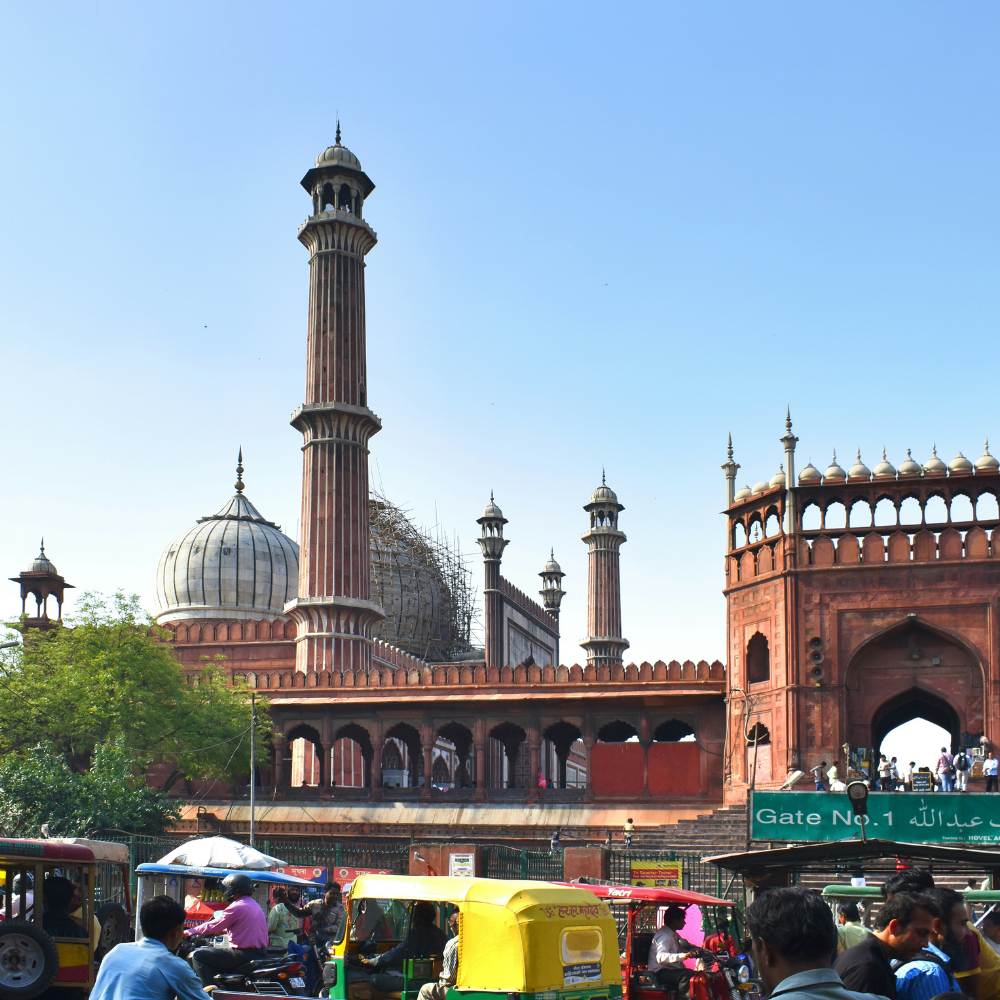
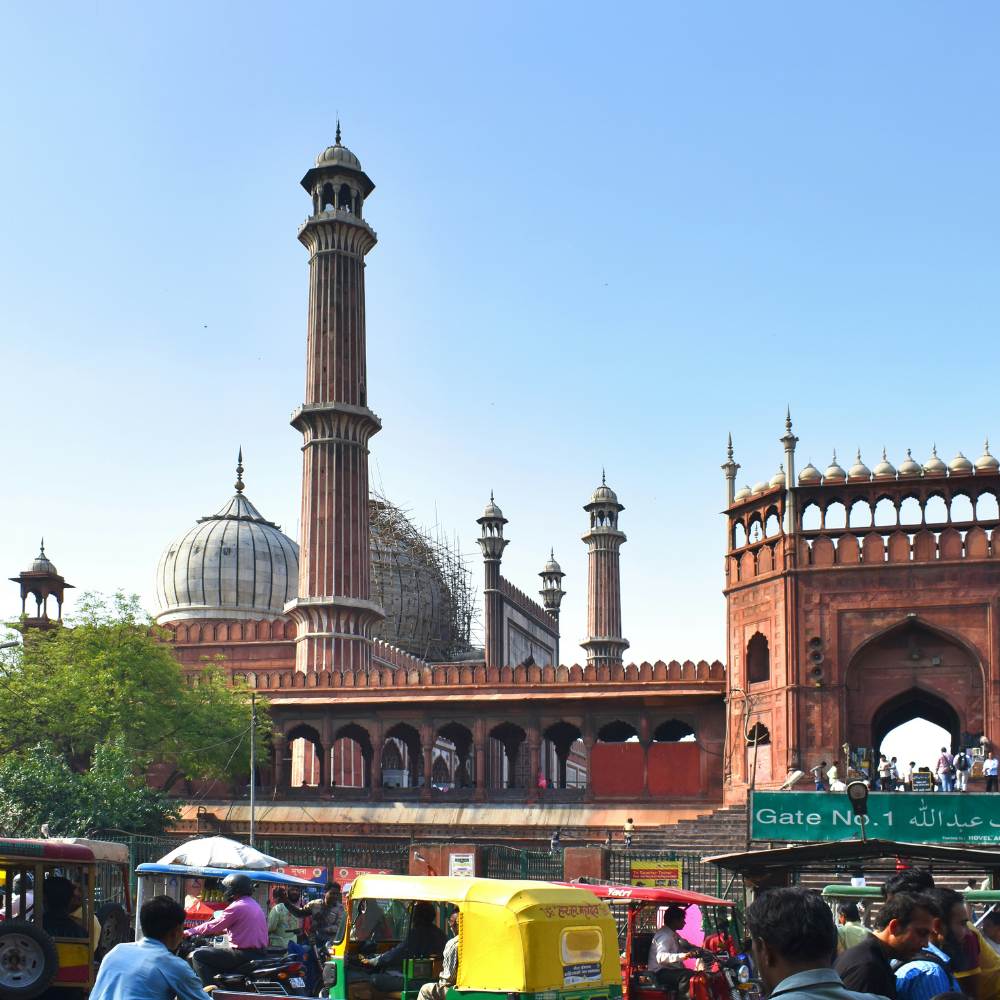
Delhi is the historical and political heart of India. It is a city of two halves: Old Delhi, a 17th-century Mughal enclave defined by narrow alleys and crumbling havelis, and New Delhi, the wide-avenued capital built by the British. This juxtaposition of the ancient and the ultra-modern is what makes Delhi the essential starting point for any Indian odyssey.
Top Attractions
- The Red Fort: A masterpiece of Mughal architecture and a UNESCO World Heritage site.
- Qutub Minar: A 73-meter-tall victory tower that dates back to the 12th century.
- Humayun’s Tomb: Often called the precursor to the Taj Mahal, this garden tomb is breathtaking at sunset.
- Chandni Chowk: The quintessential Indian market experience, chaotic, vibrant, and full of hidden culinary gems.
Travel Tips
- The Metro is Your Friend: To avoid the legendary Delhi traffic, use the Metro. It’s clean, efficient, and air-conditioned.
- Culinary Caution: While street food is tempting, stick to vendors with high local customer turnover to ensure freshness.
Also Read: Explore Delhi: Must-Visit Places in India’s Capital City
2. Agra: The Epitome of Mughal Grandeur
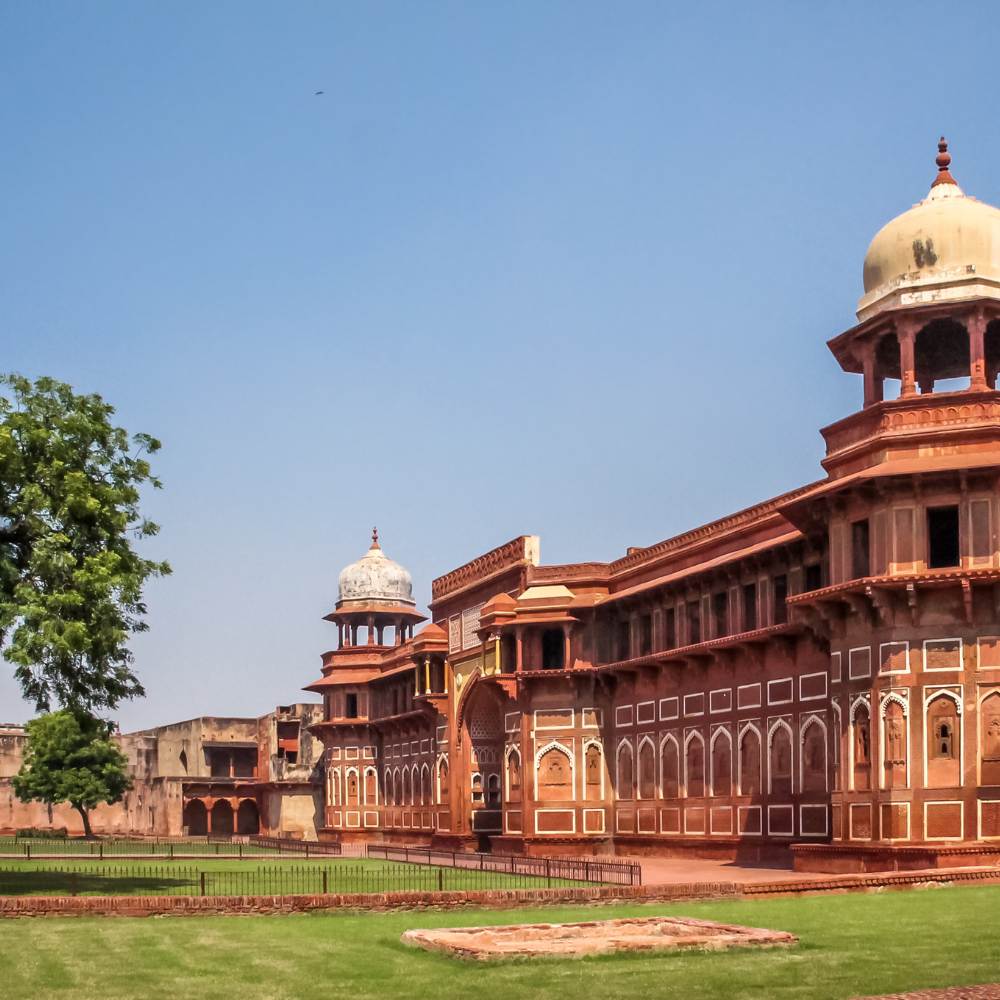
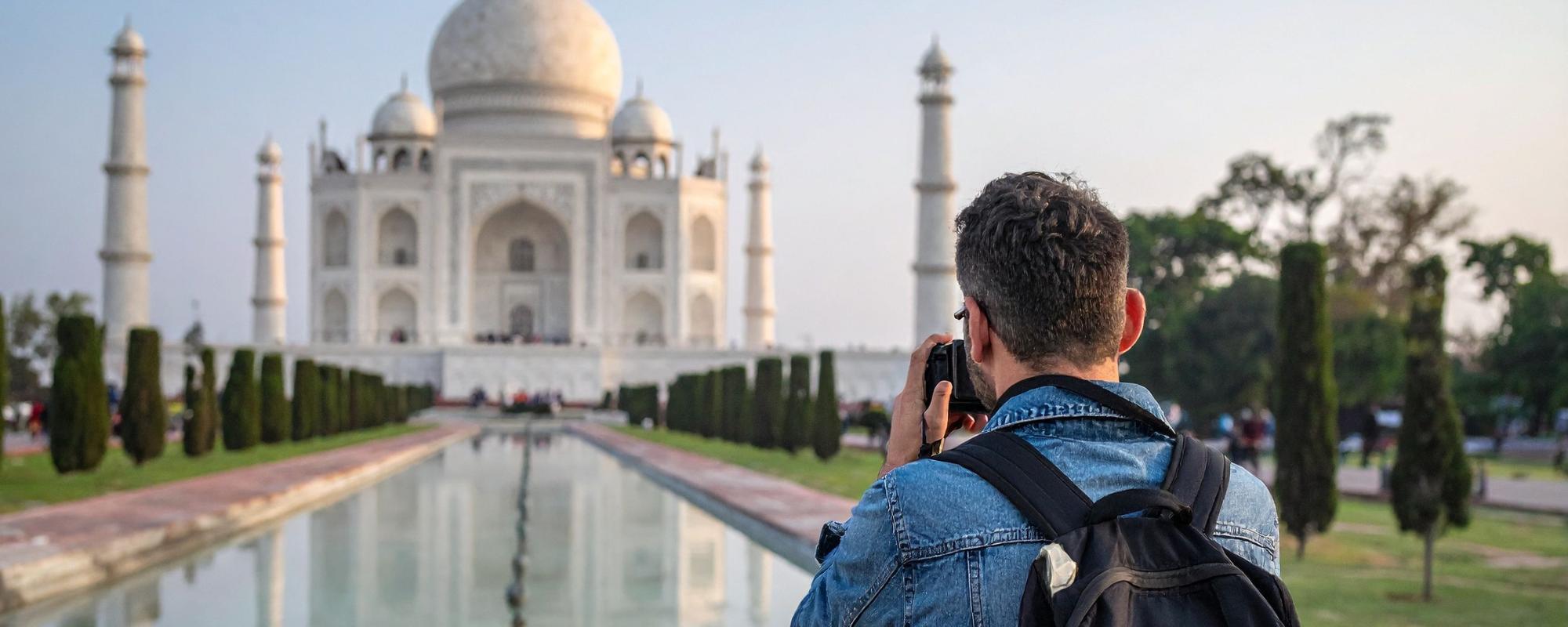
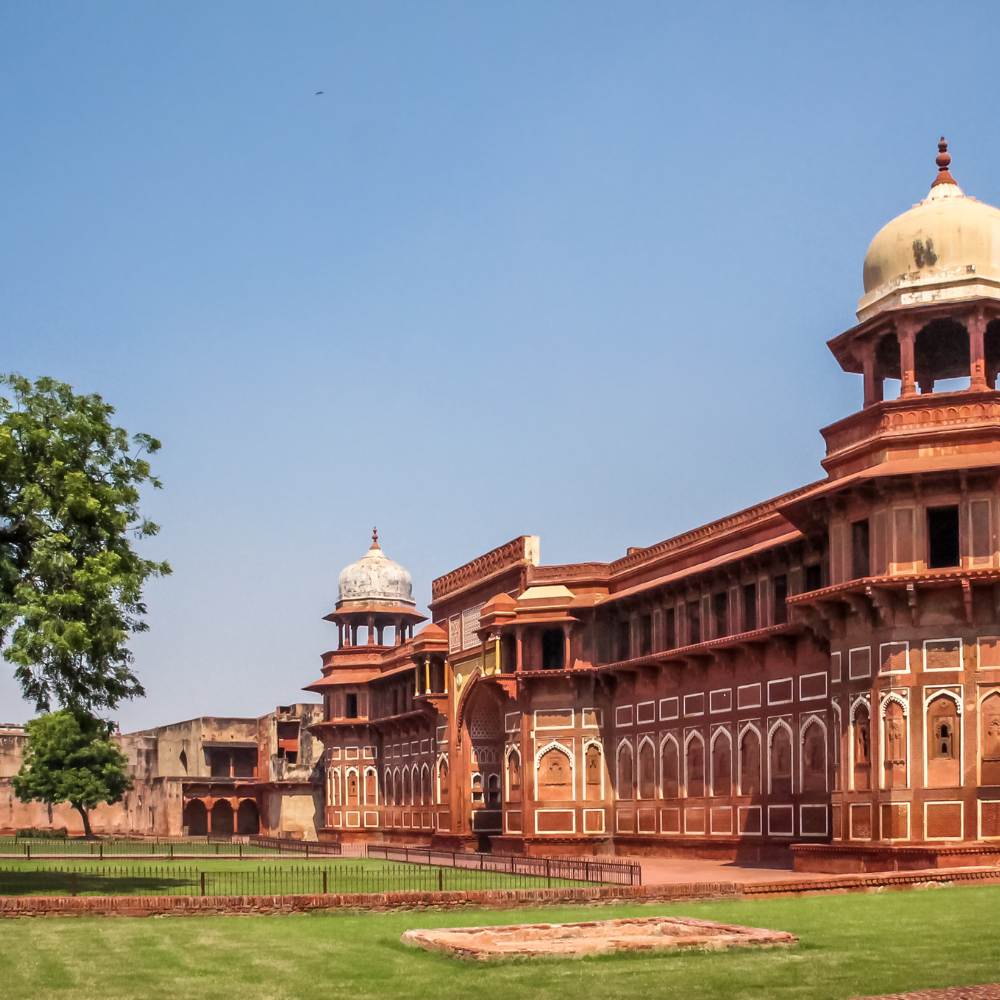
Agra is home to the world's most famous building, the Taj Mahal. However, the city is more than just a one-hit wonder. It served as the capital of the Mughal Empire for over a century, leaving behind a legacy of marble palaces and formidable red sandstone forts that dominate the landscape along the Yamuna River.
Top Attractions
- The Taj Mahal: Built by Emperor Shah Jahan in memory of his wife Mumtaz Mahal, it remains the ultimate symbol of love.
- Agra Fort: A massive fortress that served as the primary residence of the emperors until 1638.
- Itmad-ud-Daulah (The Baby Taj): A smaller, highly intricate tomb that features some of the finest marble inlay work in the country.
Travel Tips
- Friday Closure: Remember that the Taj Mahal is closed to the public every Friday.
- Beat the Crowds: Arrive at the ticket office at least 30 minutes before sunrise to be among the first through the gates. The morning light on the white marble is incomparable.
Read More: Best Tourist Places to Visit in Agra - A Memorable Journey
3. Jaipur: The Pink City
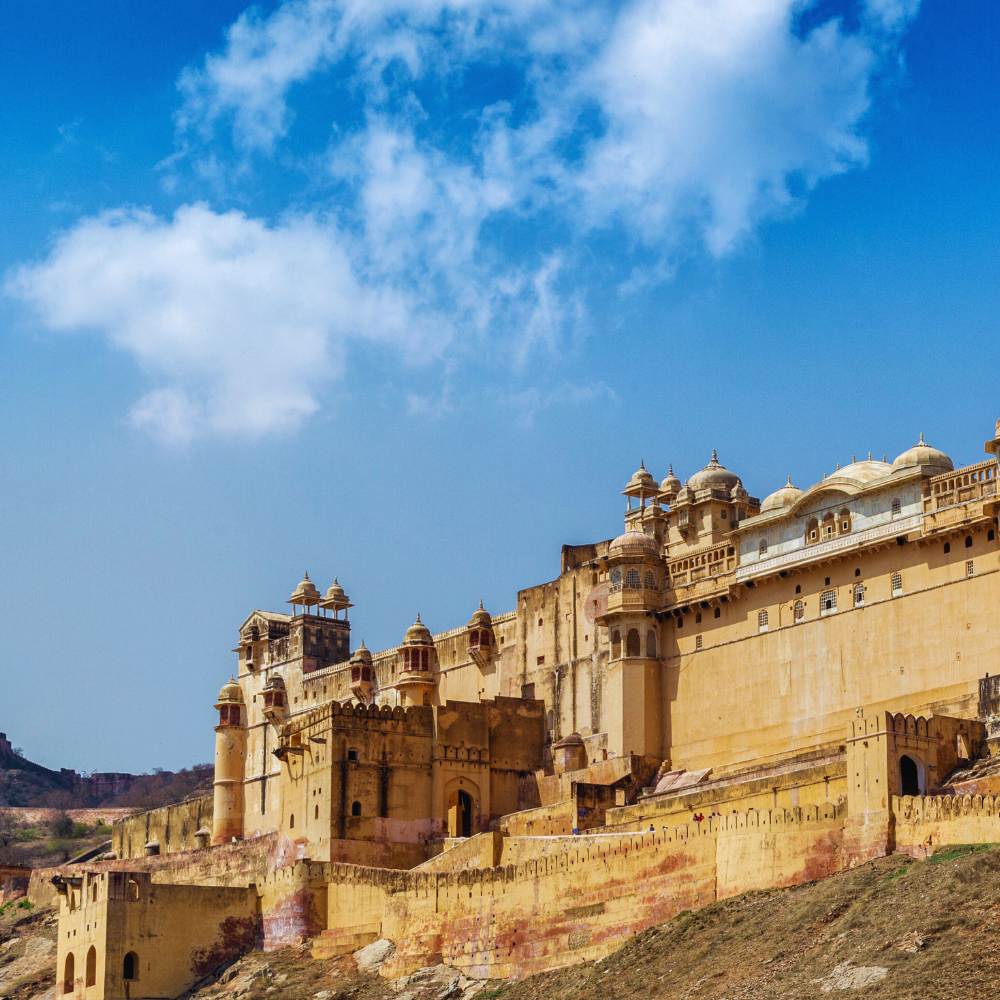
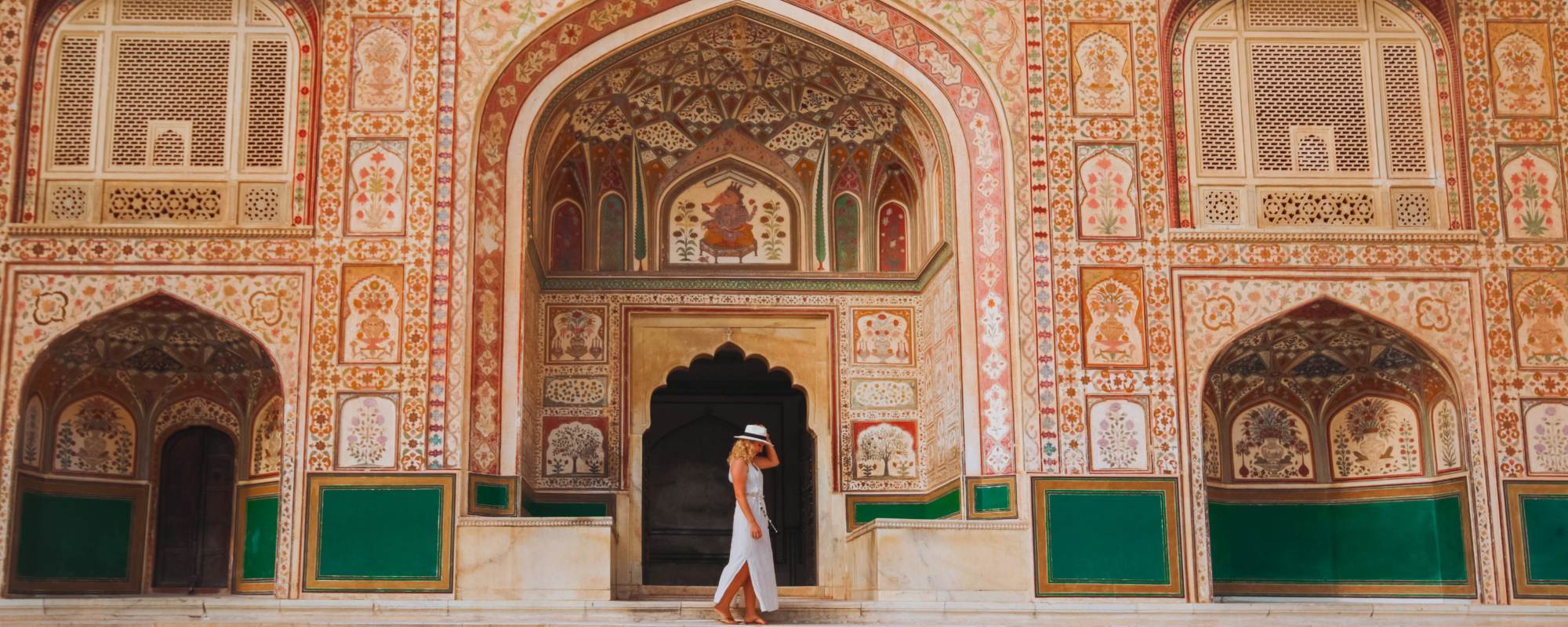
The capital of Rajasthan, Jaipur, is a city steeped in royal heritage. Founded in 1727, it was India's first planned city. In 1876, the entire city was painted pink to welcome the Prince of Wales, a tradition that is still observed in the old quarter to this day. Jaipur is the gateway to the desert and a hub for traditional arts and crafts.
Top Attractions
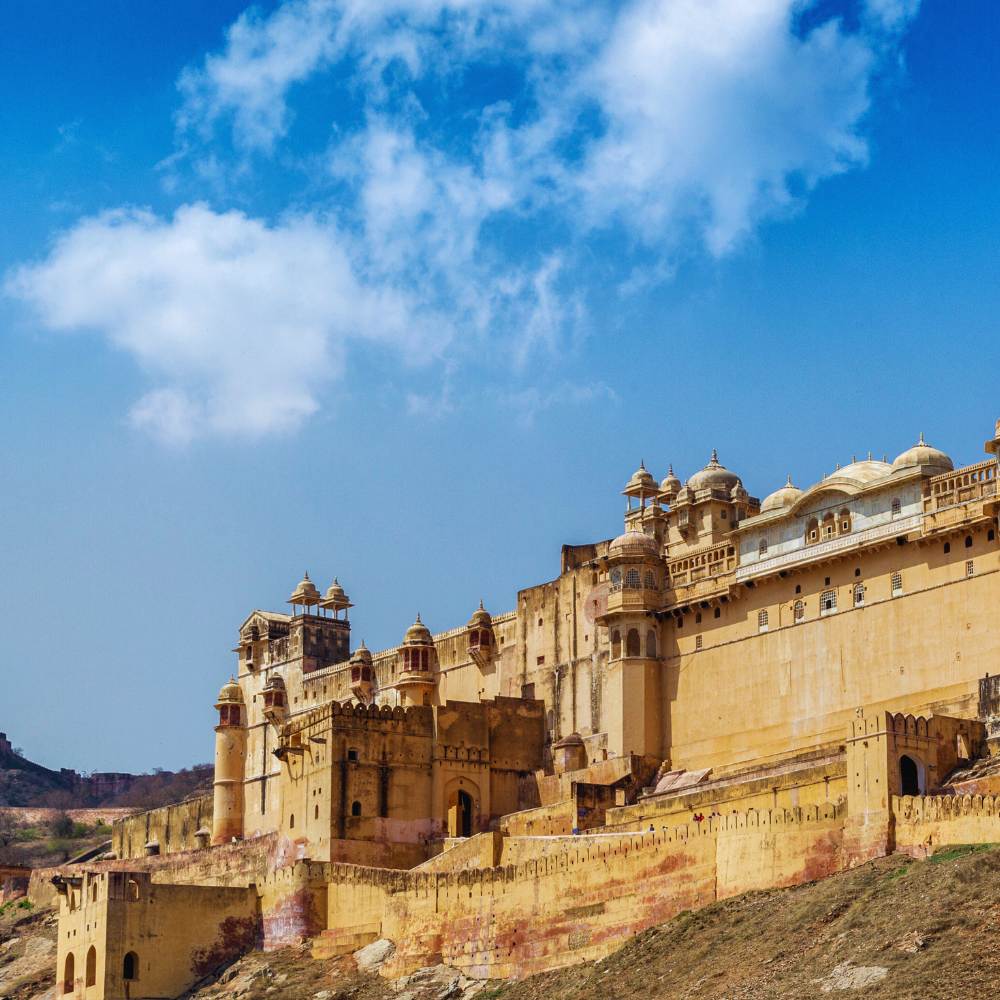
- Amer Fort: A stunning hilltop palace featuring the "Sheesh Mahal" (Mirror Palace).
- Hawa Mahal: Known as the "Palace of Winds," its unique facade allowed royal women to observe street life without being seen.
- City Palace: A living palace where the former royal family still resides in a private wing.
Travel Tips
- Shopping: Jaipur is the gemstone capital of the world. For high-quality textiles and blue pottery, head to Johari Bazaar.
- Transportation: For a more authentic experience, hire a "pink rickshaw"—an initiative that empowers local women drivers.
4. Udaipur: The Venice of the East
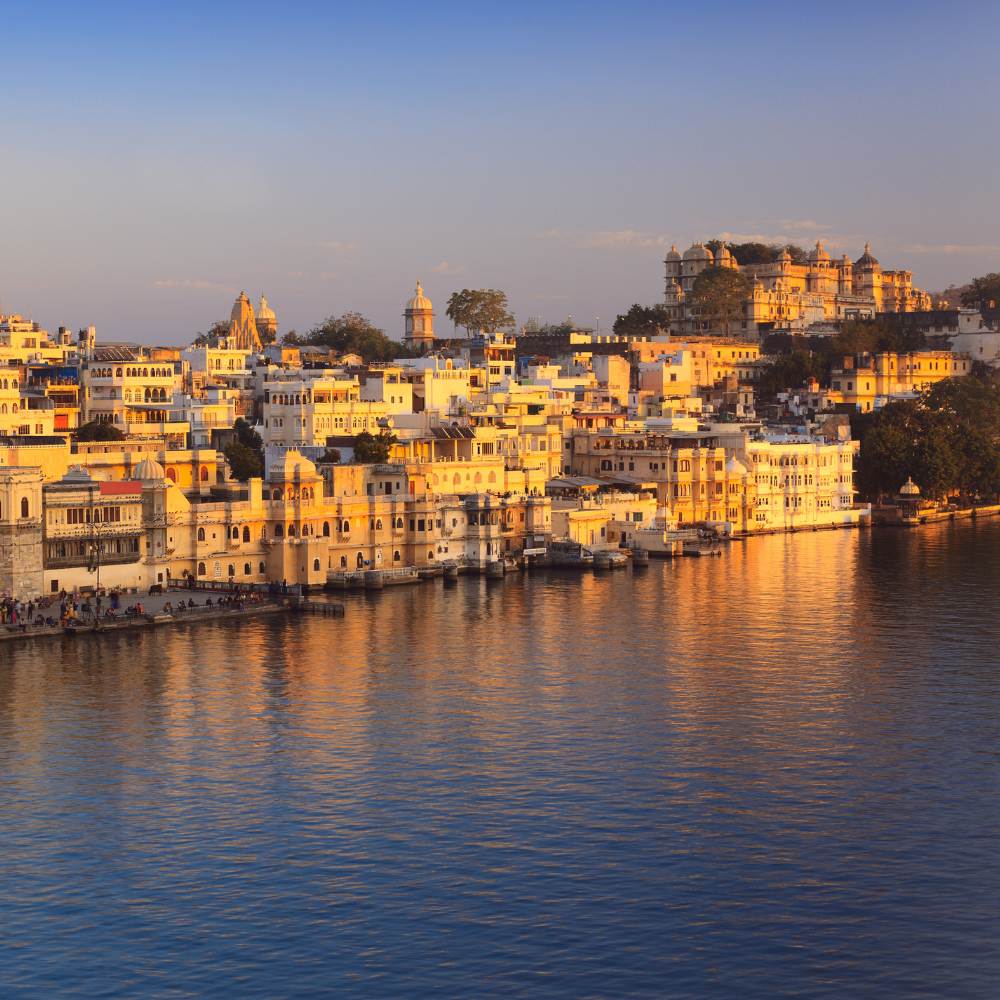
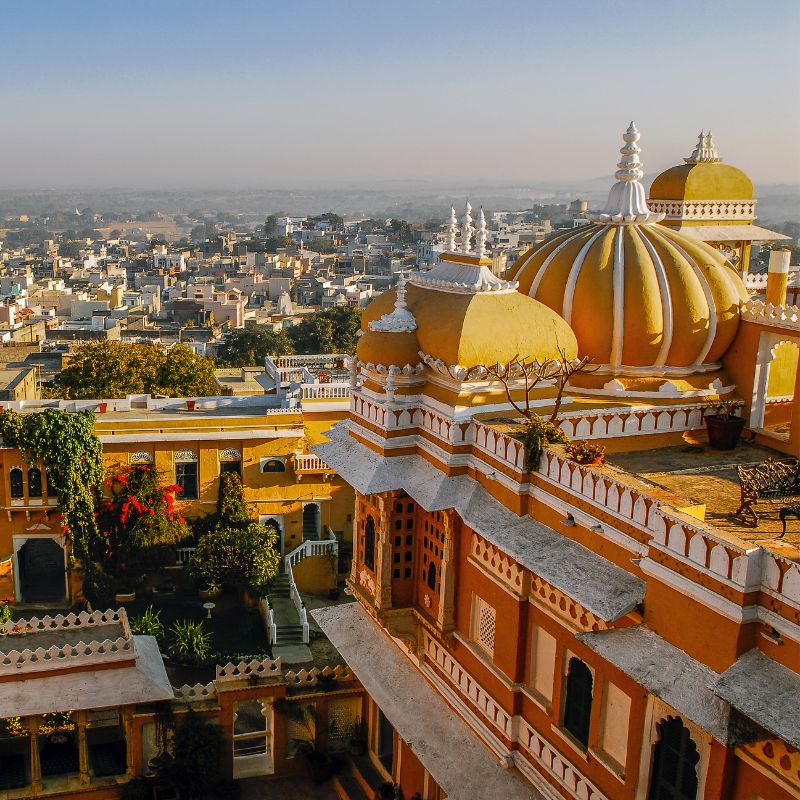
Udaipur is arguably the most romantic city in India. Set around a series of artificial lakes, the city is a white-marble dreamscape. The cooling breezes from the lakes and the surrounding Aravalli Hills provide a much-needed respite from the Rajasthani heat, making it a favourite for honeymooners and luxury travellers.
Top Attractions
- City Palace Complex: A massive assembly of palaces overlooking Lake Pichola.
- Lake Pichola: Take a sunset boat ride to view the Jag Mandir and the famous Lake Palace (now a luxury hotel).
- Saheliyon-ki-Bari: A beautiful garden built for the queen’s maidens, featuring fountains and marble elephants.
Travel Tips
- Dinner with a View: Book a rooftop table in the Lal Ghat area for a spectacular night view of the illuminated City Palace.
- Walking Tours: The Old City is best explored on foot, but be prepared for steep, narrow inclines.
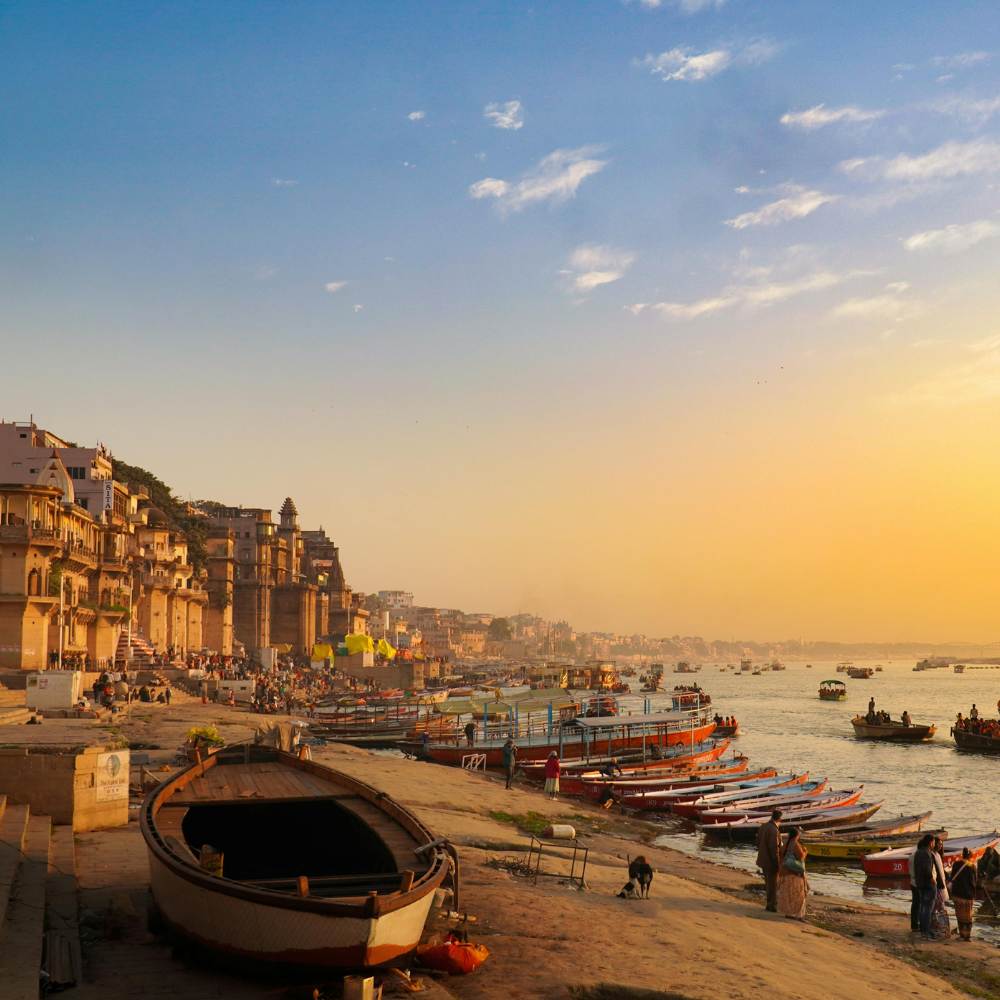
5. Varanasi: The Spiritual Soul
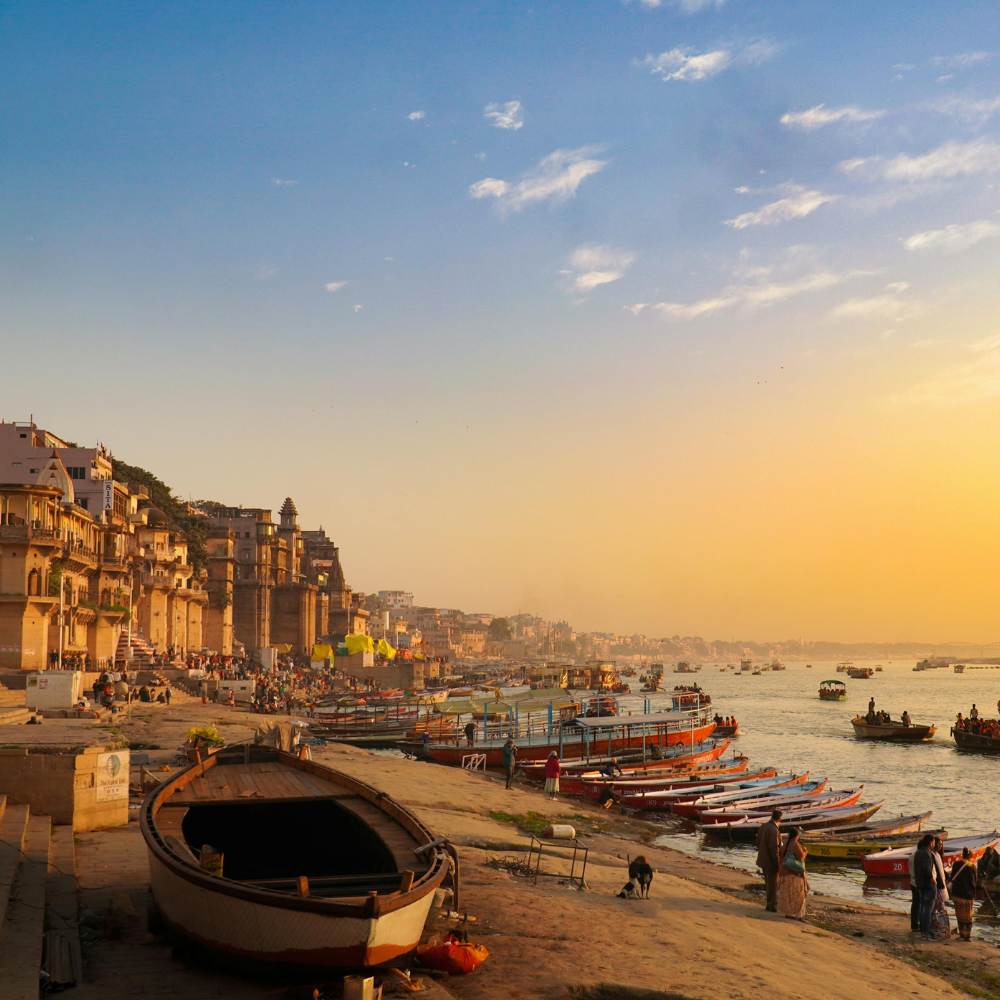
Varanasi is one of the oldest continuously inhabited cities on Earth. To Hindus, it is the holiest of cities. It is a place where life and death are visible in equal measure along the "Ghats" (steps leading to the river). The city is intense, spiritual, and deeply moving, offering a glimpse into the very core of Indian culture.
Top Attractions
- Dashashwamedh Ghat: The main ghat where the spectacular Ganga Aarti (prayer ceremony) takes place every evening.
- Kashi Vishwanath Temple: Dedicated to Lord Shiva, this temple is the spiritual anchor of the city.
- Sarnath: A short drive away, this is where Lord Buddha delivered his first sermon after attaining enlightenment.
Travel Tips
- The Morning Ritual: A sunrise boat ride is essential. It allows you to witness the city's rituals from a respectful distance.
- Respect the Dead: At the cremation ghats (Manikarnika), photography is strictly prohibited. Maintain a sombre and respectful demeanour.
Read More: Exploring Varanasi: A Guide for Luxury Travelers
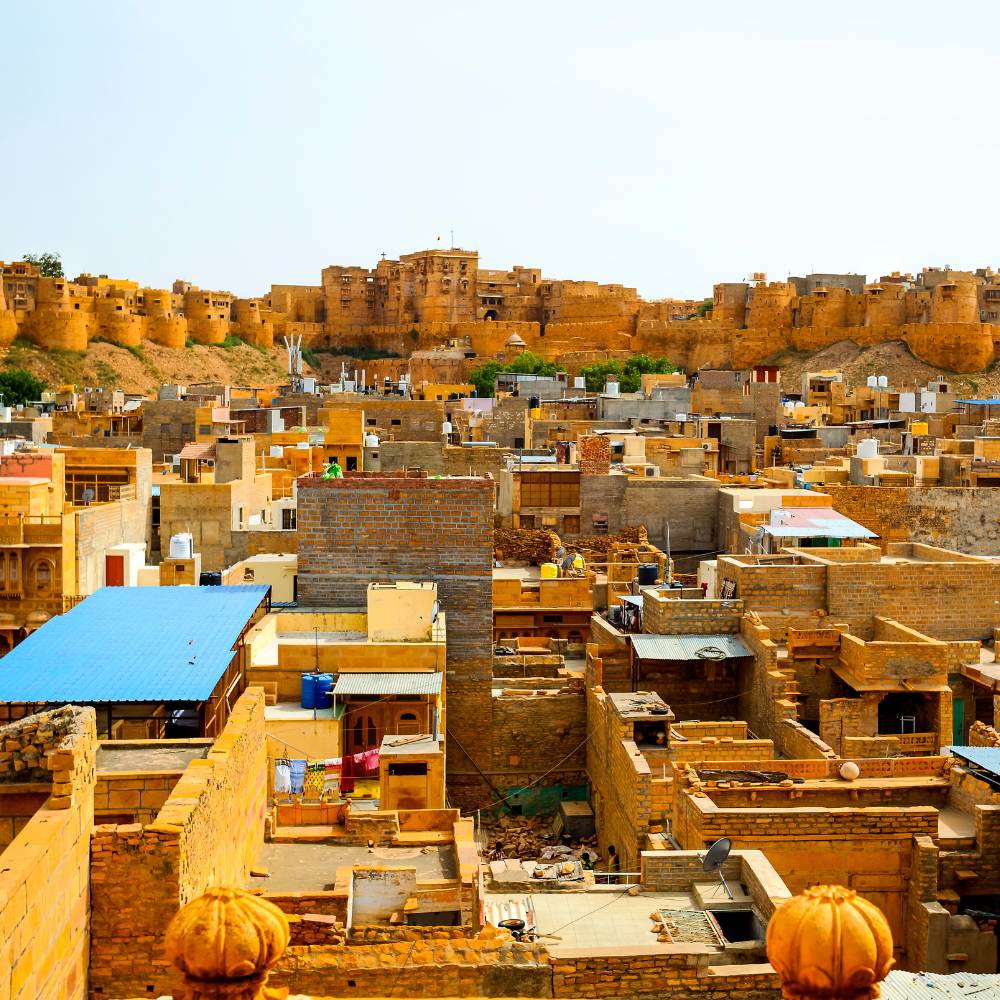
6. Jaisalmer: The Golden City
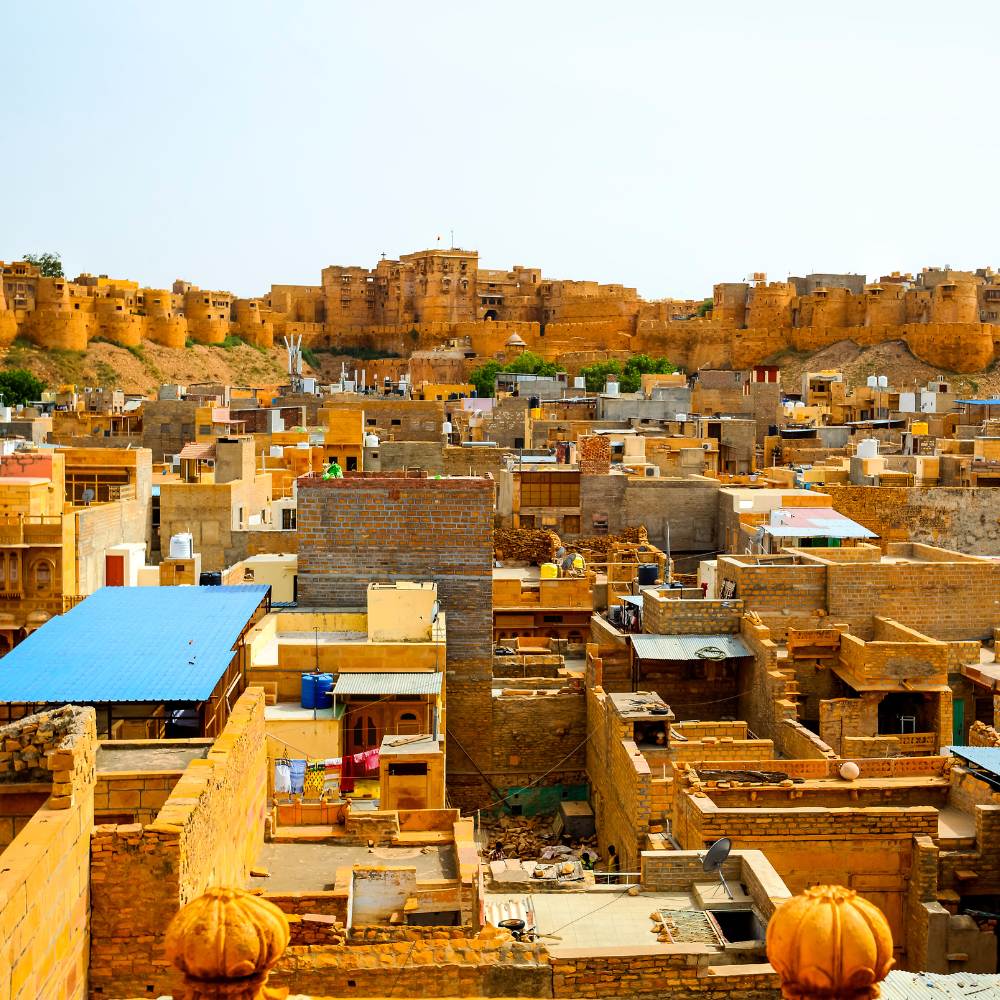
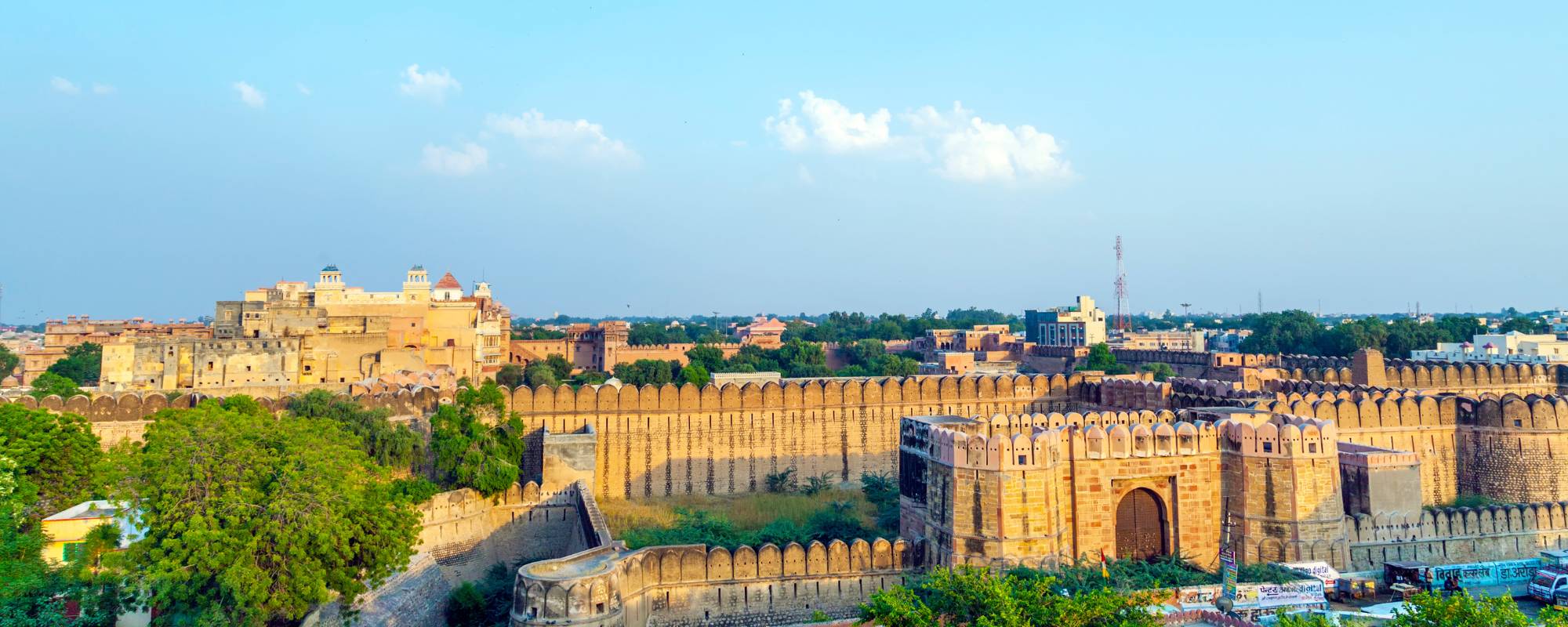
Rising from the heart of the Thar Desert, Jaisalmer is a golden sandstone fortress that seems like a mirage. Unlike most forts in India, Jaisalmer Fort is a "living fort"—nearly a quarter of the city's population still resides within its ancient walls, creating a vibrant, lived-in atmosphere.
Top Attractions
- Jaisalmer Fort: A UNESCO site featuring stunning Jain temples and merchant mansions.
- Patwon Ki Haveli: The largest and most intricate mansion in the city, famous for its stone lattice work.
- Sam Sand Dunes: The gateway to the desert, perfect for camel safaris and camping under the stars.
Travel Tips
- Desert Safety: If going on a desert safari, choose an operator that emphasises sustainability and animal welfare.
- Sun Protection: The desert sun is harsh; always carry high-SPF sunscreen and plenty of water.
Read Also: Jaisalmer Desert Festival - A cultural festival in Thar Desert
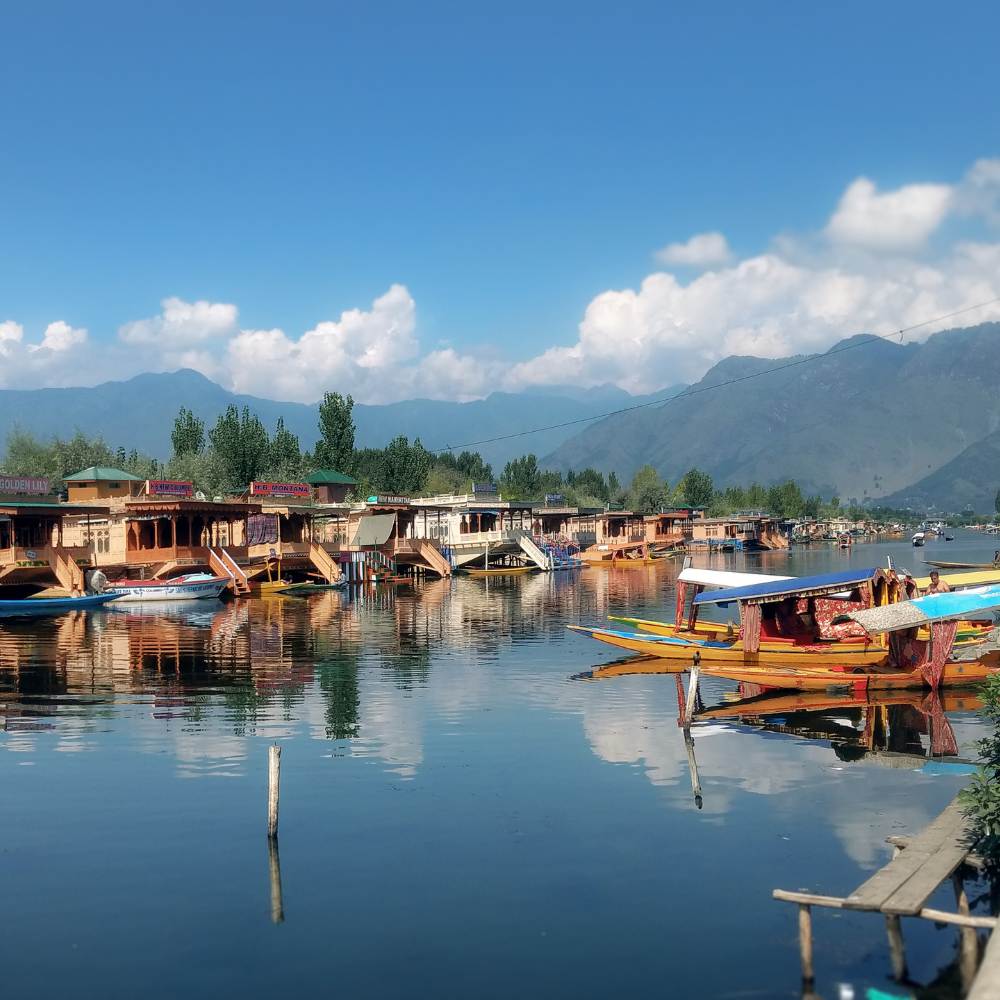
7. Srinagar: The Paradise of Kashmir
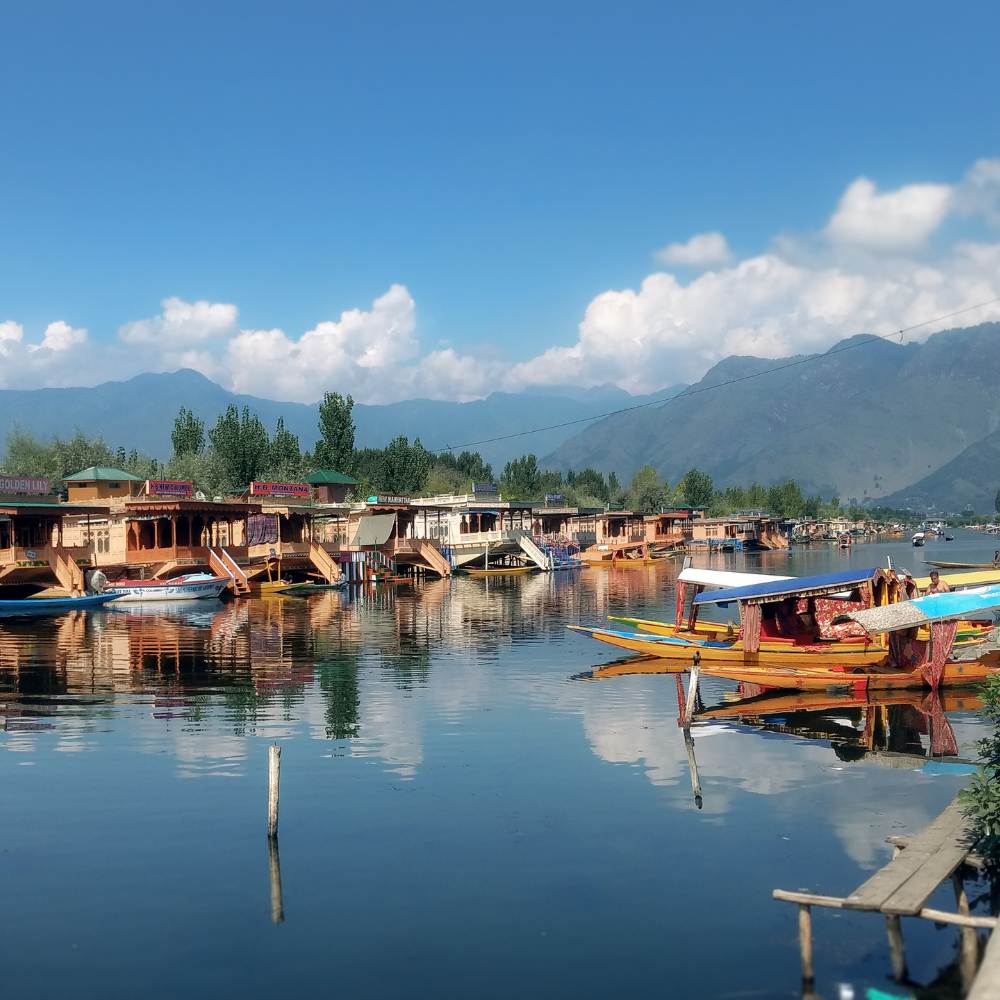
Kashmir has long been described as "Heaven on Earth," and Srinagar is its crowning jewel. With its alpine meadows, snow-capped peaks, and the serene Dal Lake, it offers a starkly different landscape from the rest of India. The culture here is a unique blend of Central Asian and Indian influences.
Top Attractions
- Dal Lake: Stay in a traditional carved cedarwood houseboat for a truly unique experience.
- Mughal Gardens: Visit Shalimar Bagh and Nishat Bagh, which represent the pinnacle of Mughal horticultural design.
- Shankaracharya Temple: Perched on a hill, it offers the best panoramic views of the city and the lake.
Travel Tips
- Shikara Rides: Negotiate the price of your boat ride beforehand to avoid confusion.
- Local Crafts: Kashmir is world-famous for its Pashmina shawls and hand-knotted carpets; always buy from reputable government-authorised emporiums.
Explore Kashmir: Heavenly Kashmir | 8 Day Luxury Trip to Kashmir
8. Ladakh: The Land of High Passes
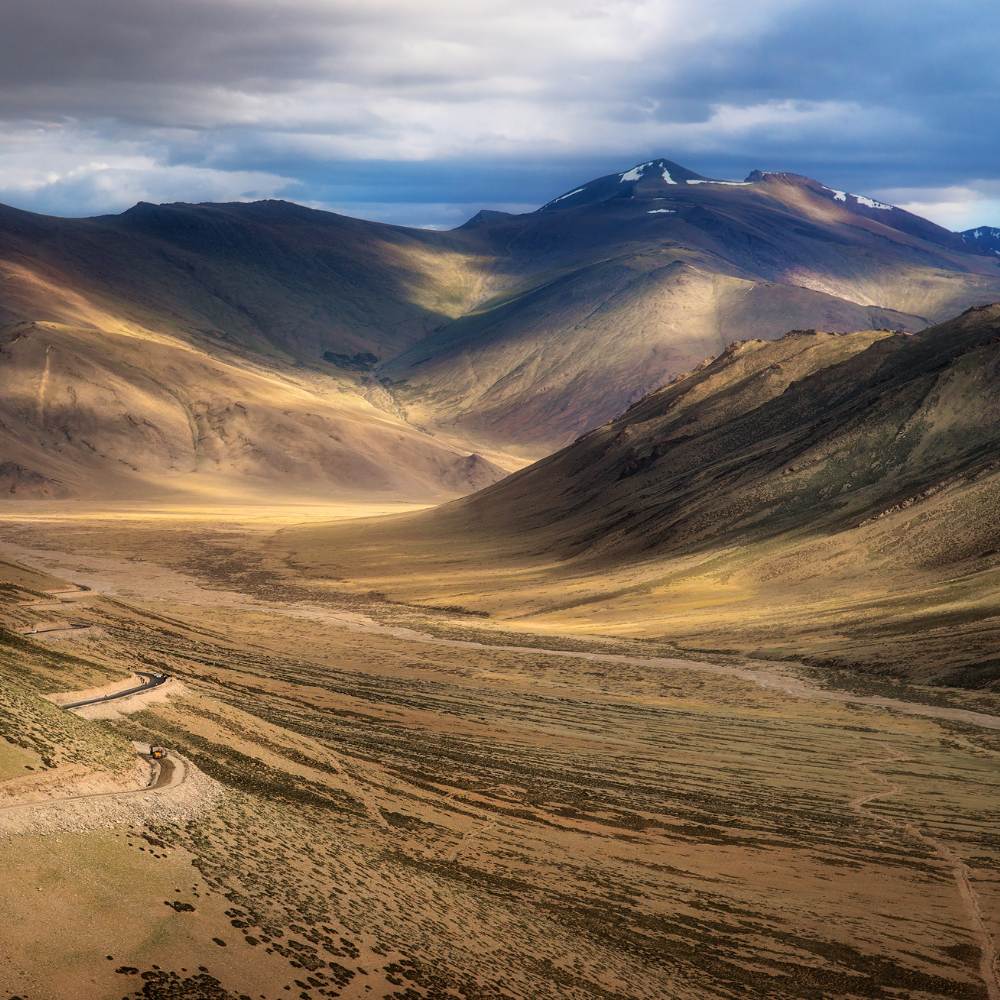
Ladakh is a high-altitude desert that feels more like Tibet than India. It is a land of stark, jagged mountains, turquoise lakes, and ancient Buddhist monasteries. For adventure seekers and photographers, Ladakh is the ultimate frontier.
Top Attractions
- Pangong Tso: A high-altitude lake that famously changes colour from deep blue to turquoise.
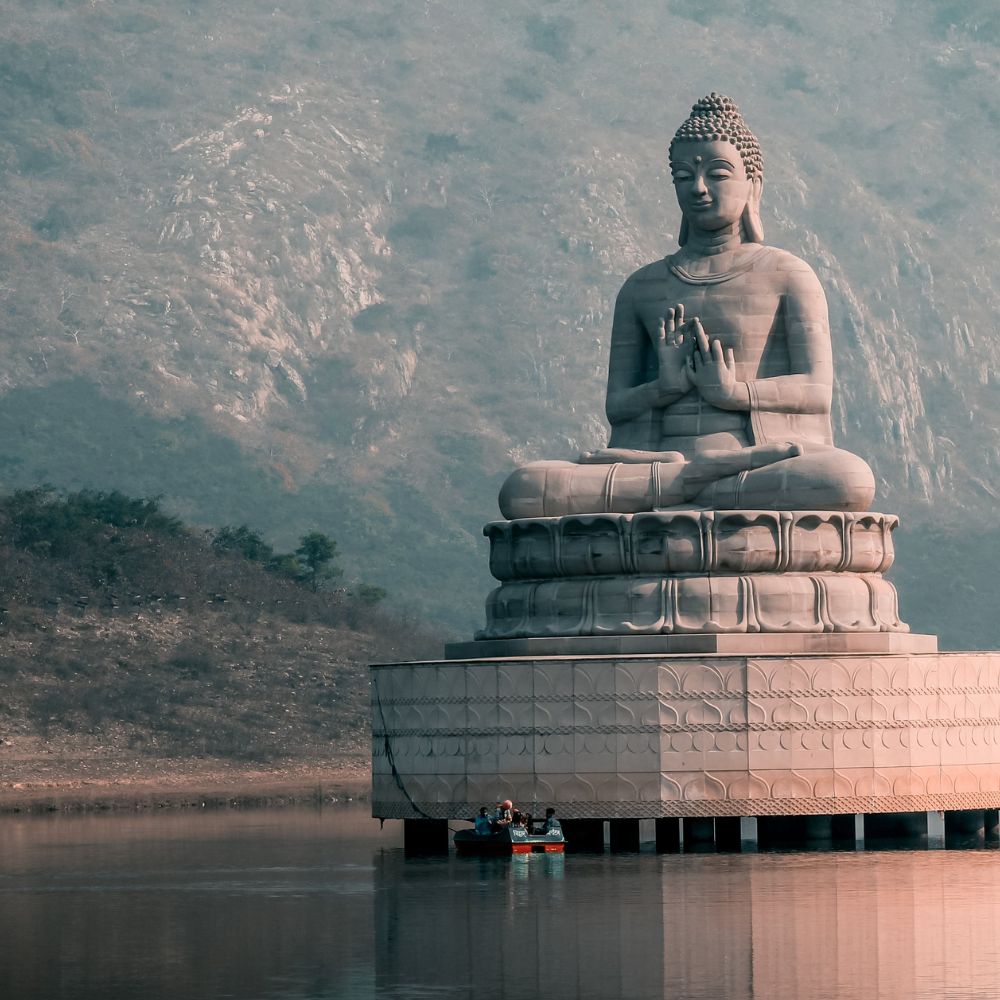
- Thiksey Monastery: A stunning 12-story complex that houses a 15-meter statue of the Maitreya Buddha.
- Nubra Valley: Known for its sand dunes and double-humped Bactrian camels.
Travel Tips
- Acclimatise First: Altitude sickness is a serious risk. Spend at least 48 hours in Leh resting before attempting any treks or high-altitude drives.
- Permits: Most areas in Ladakh require an Inner Line Permit (ILP), which can be arranged through local agents or online.
Explore Ladakh: 7 Day Ladakh Tour Package
9. Darjeeling: The Queen of Hills
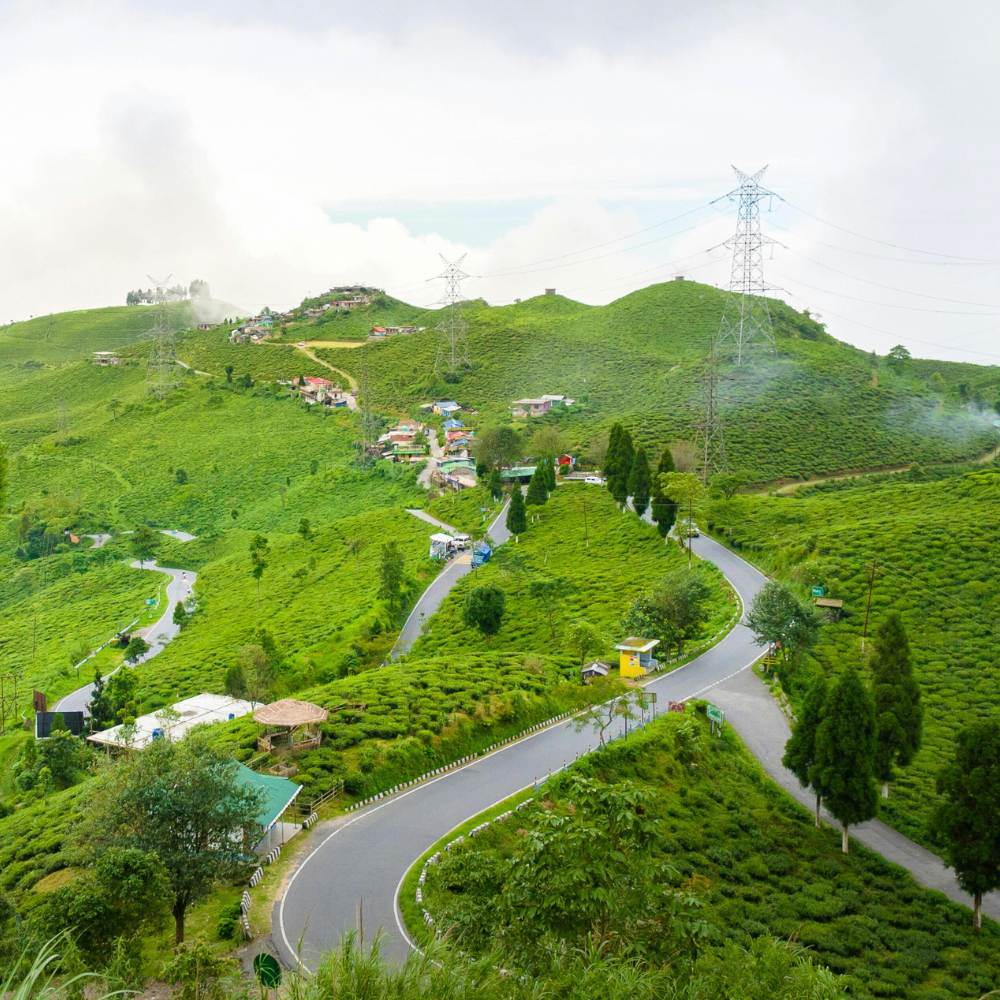
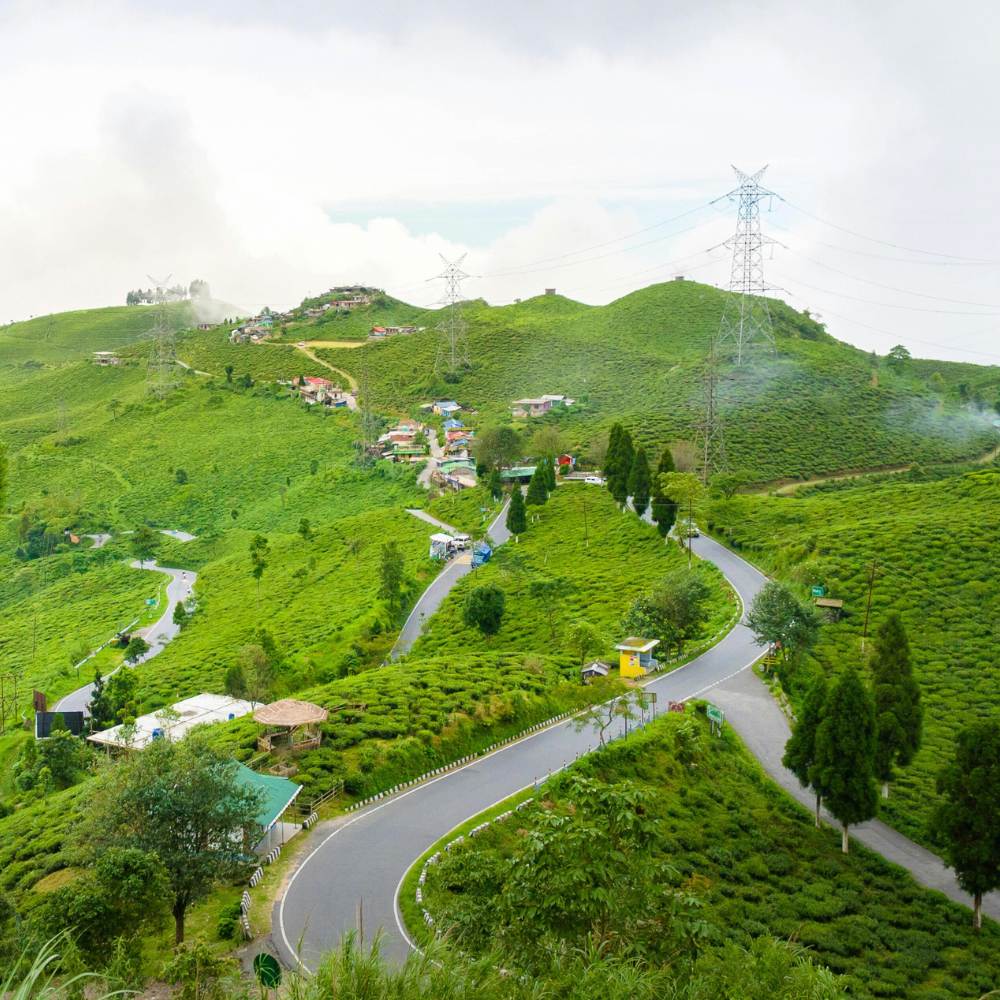
Nestled in the foothills of the Eastern Himalayas, Darjeeling is a colonial-era hill station famous for two things: its world-class tea and its view of Mount Kanchenjunga, the third-highest peak in the world. The town offers a cool, misty atmosphere and a unique blend of Nepali, Tibetan, and Bengali cultures.
Top Attractions
- Tiger Hill: The best spot for a panoramic sunrise over the Himalayas.
- The Toy Train: A UNESCO-listed narrow-gauge railway that chugs through the mist-covered mountains.
- Happy Valley Tea Estate: Learn how the "Champagne of Teas" is grown and processed.
Travel Tips
- Best Time for Views: October and November offer the clearest skies for mountain viewing.
- Pack Layers: Even in summer, the evenings in Darjeeling can be quite chilly.
10. Kasol: The Mini Israel of India
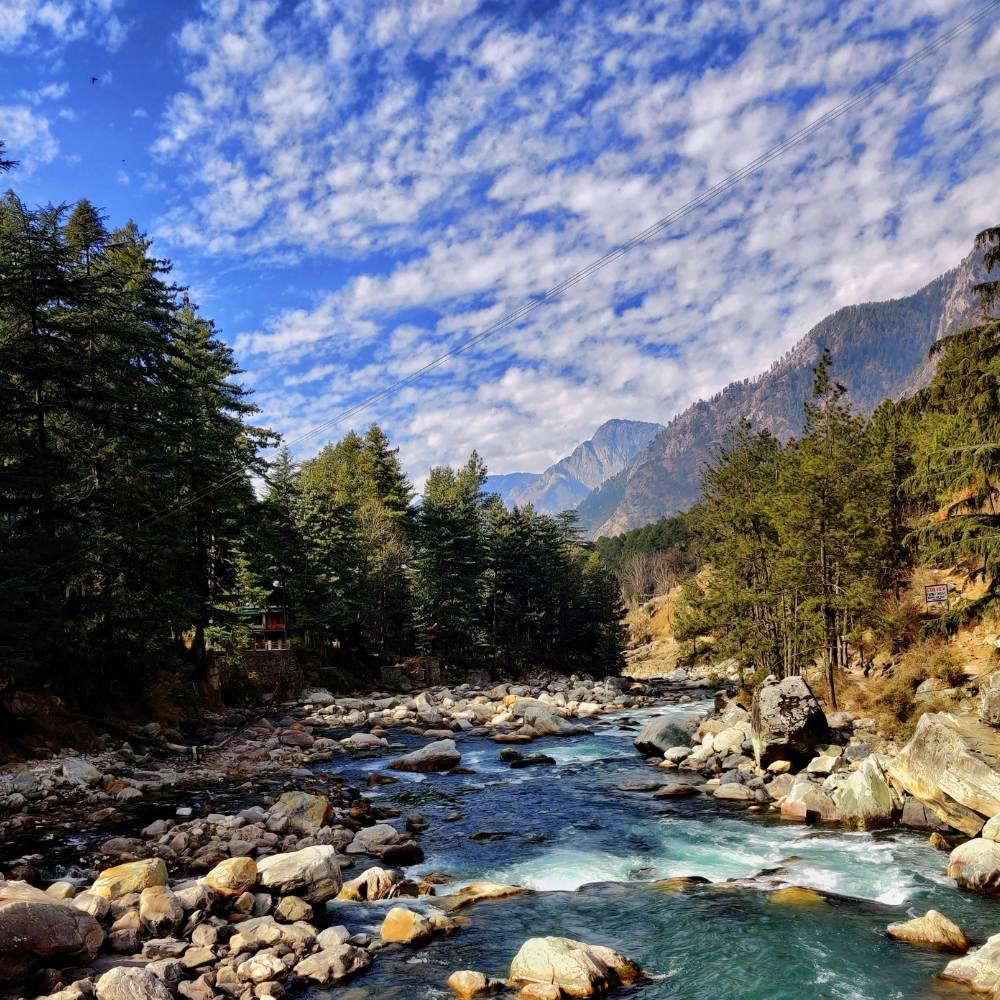
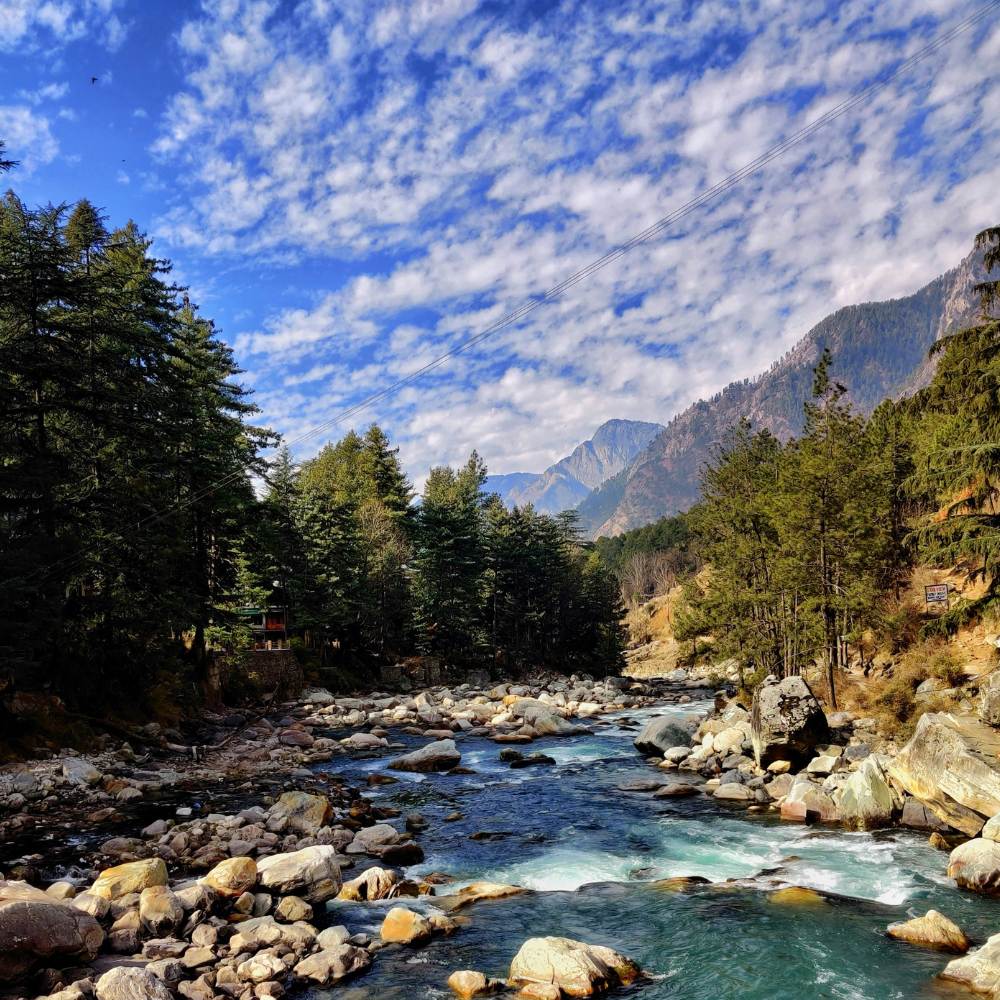
Kasol is a small village in the Parvati Valley of Himachal Pradesh that has become a hub for backpackers and nature lovers. It is known as "Mini Israel" due to the large number of Israeli travellers and the ubiquitous cafes serving Middle Eastern cuisine. It is the perfect base for exploring the rugged beauty of the Himalayas.
Top Attractions
- Parvati River: A serene spot for reflection and riverside strolls.
- Manikaran Sahib: A famous Gurudwara located over natural hot springs.
- Kheerganga Trek: A rewarding two-day trek that ends with a dip in a mountaintop hot spring.
Travel Tips
- Cash is King: ATMs in the Parvati Valley are notoriously unreliable; carry enough cash from Kullu or Bhuntar.
- Respect Local Customs: Villages like Malana have very strict social rules regarding touching residents or their property. Always ask before taking photos.
Frequently Asked Questions (FAQs)
1. What are the 10 best places to visit in India?
While "best" depends on your interests, these 10 offer the most iconic Indian experiences:
- Agra: To see the Taj Mahal.
- Jaipur: For royal forts and the "Pink City" charm.
- Varanasi: For a deep spiritual experience on the Ganges.
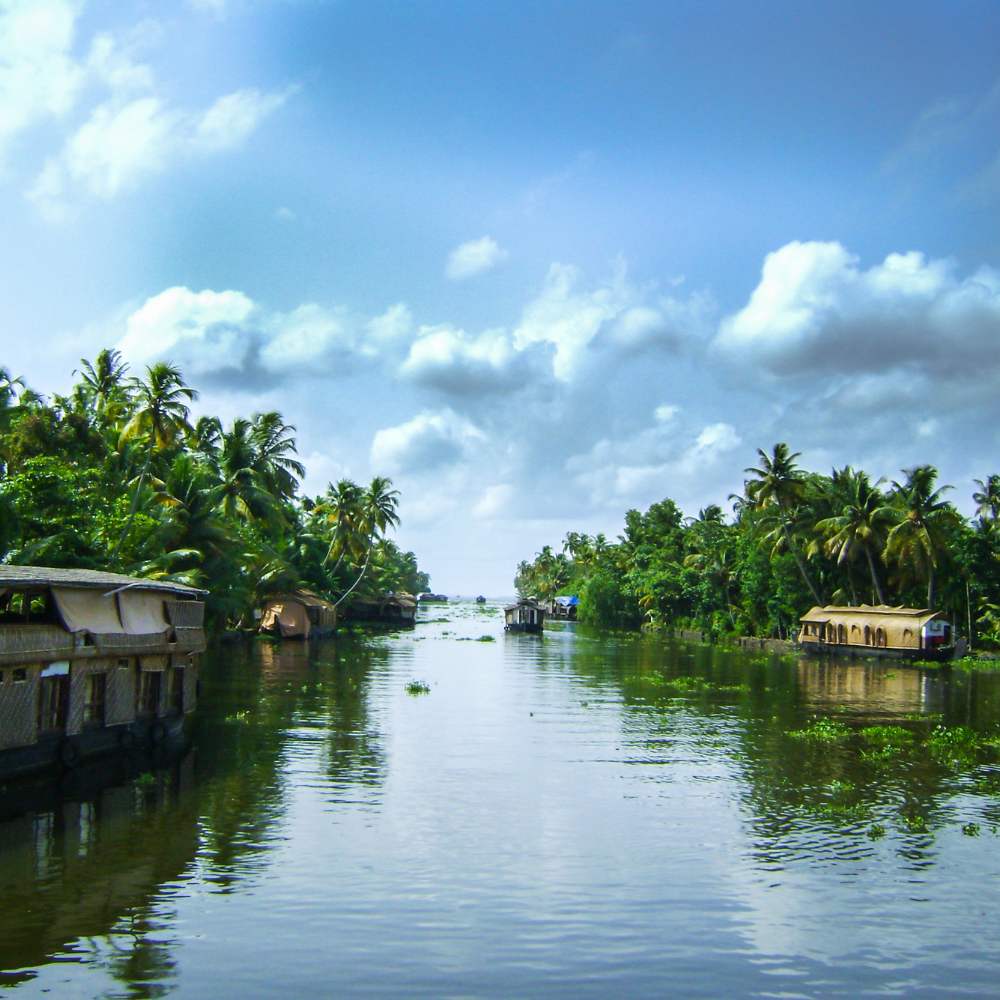
- Kerala (Backwaters): For relaxation on houseboats.
- Goa: For vibrant beaches and Portuguese heritage.
- Ladakh: For dramatic high-altitude desert landscapes.
- Udaipur: For lakeside romance and luxury palaces.
- Hampi: For surreal boulder-strewn landscapes and ancient ruins.
- Rishikesh: For yoga, spirituality, and adventure sports.
- Darjeeling: For tea plantations and Himalayan views.
2. Which place is best for a 7-day trip?
The Golden Triangle (Delhi, Agra, and Jaipur) is the absolute best choice for a first-time 7-day trip. It covers the most famous monuments and is well-connected by expressways and high-speed trains.
- Day 1-2: Explore the history and food of Delhi.
- Day 3-4: Witness the Taj Mahal and Agra Fort in Agra.
- Day 5-7: Discover the forts and bazaars of Jaipur, then return to Delhi.
3. When is the best time to visit India?
The winter season (October to March) is the best time to visit most of India (Delhi, Rajasthan, Goa, Kerala, and the South) because the weather is pleasant and dry.
- Himalayas (Ladakh/Spiti): Visit from June to September, as roads are blocked by snow during winter.
- Hill Stations (Shimla/Munnar): Visit in April to June to escape the heat of the plains.
4. Is India safe for solo female travellers?
Yes, but it requires a high level of situational awareness. Many women travel solo in India every year and have incredible experiences.
- Safest Cities: Mumbai, Pondicherry, Rishikesh, and Udaipur are often rated as the most comfortable for solo women.
- Pro-Tips: Stick to well-reviewed hostels or boutique hotels, avoid walking alone late at night in unfamiliar areas, and dress modestly (especially in religious sites) to blend in better and avoid unwanted attention. Use apps like Uber or Ola for tracked transport.
5. Which is the most visited destination in India?
Statistically, New Delhi remains the most visited city as it serves as the primary international gateway. However, for 2025 and 2026, Prayagraj (Uttar Pradesh) has seen record-breaking numbers due to the Maha Kumbh Mela, one of the world's largest spiritual gatherings. For consistent leisure travel, Agra (for the Taj Mahal) and Goa (for beaches) are perennial top-tier destinations.
Embodying the Spirit of "Atithi Devo Bhava"
India is a land that thrives on the philosophy of Atithi Devo Bhava-"the guest is God." While the vibrant colours, towering forts, and ancient temples are what bring travellers to India, it is the warmth and resilience of the people that often make them stay.
Whether you are navigating the high-speed pulse of Delhi or sitting in quiet contemplation by the Ganges in Varanasi, India, will challenge your perceptions and broaden your horizons. It is a country that doesn't just show you its sights; it invites you to experience its soul. As you plan your journey through these top 10 most visited places, remember to leave room for the unexpected, the unplanned conversations, the hidden street-food stalls, and the quiet moments of beauty that unfold between the famous landmarks. Incredible India awaits.