


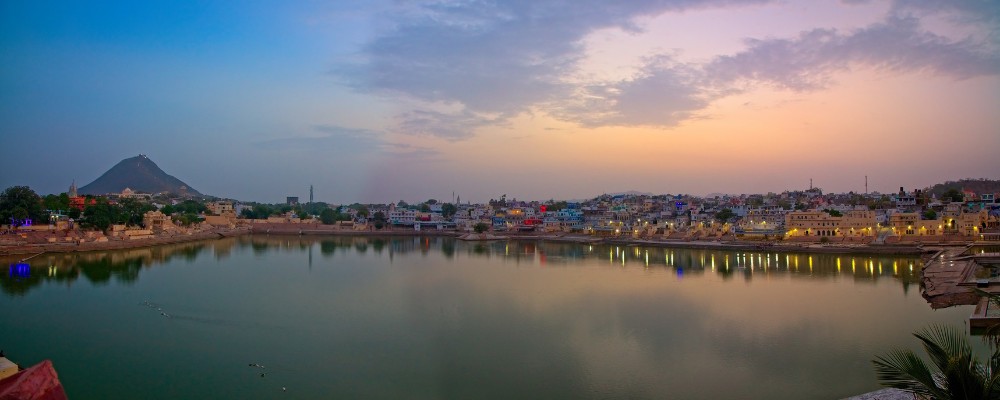
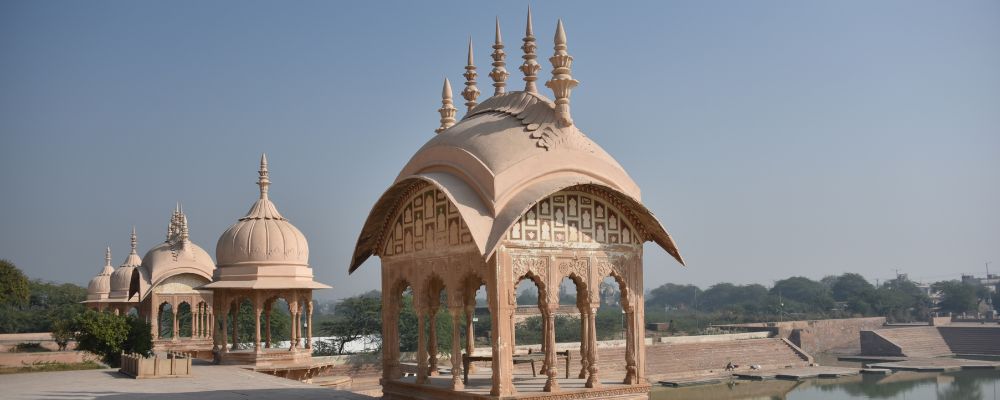
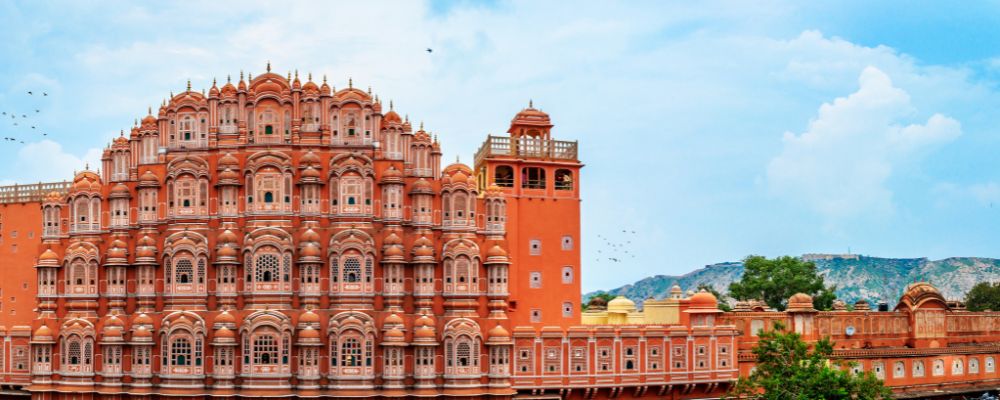
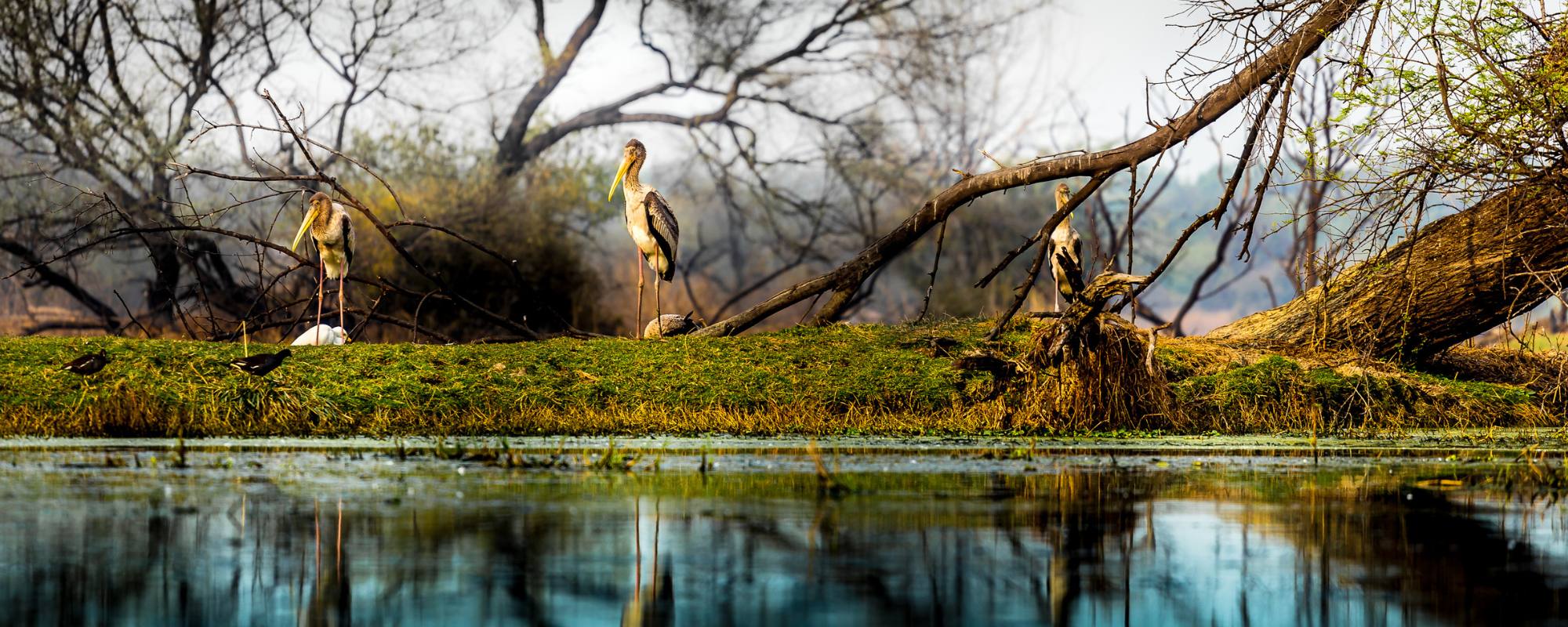
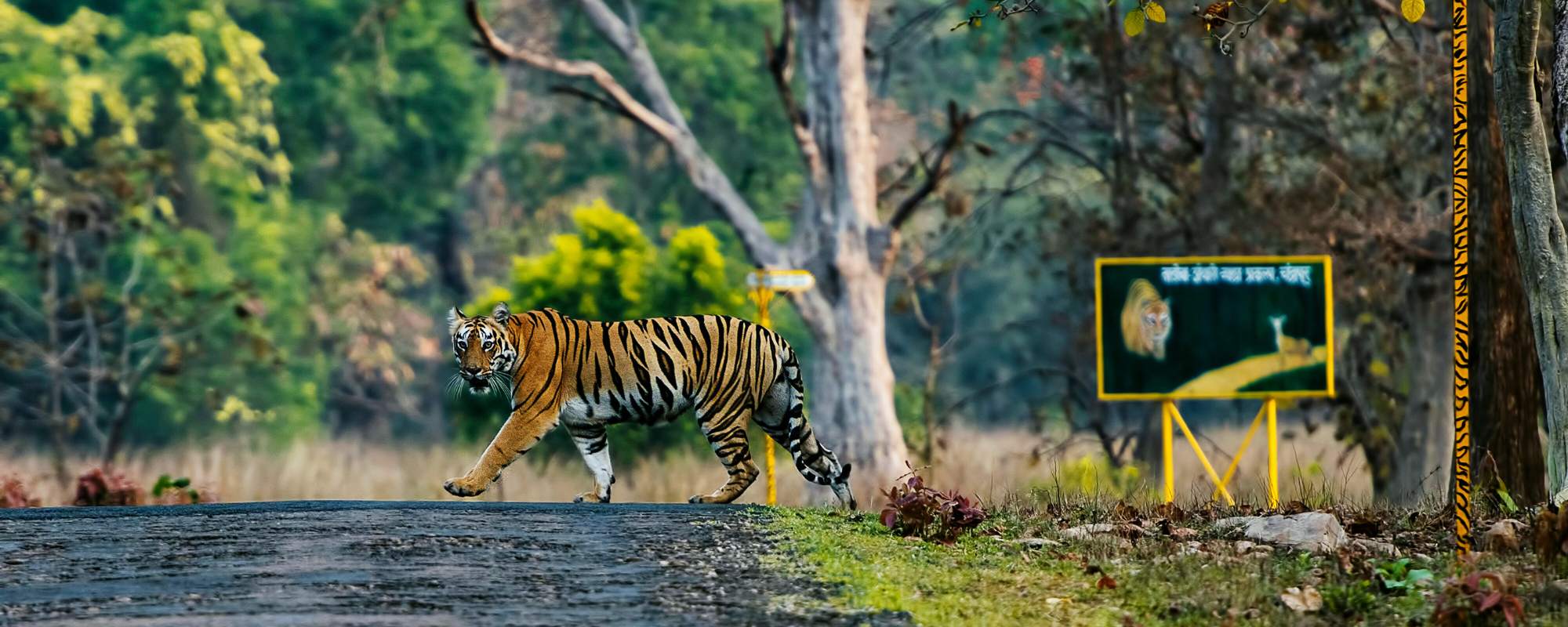



Bharatpur is "the bird city" in the far eastern part of Rajasthan state in India. It is also referred to as the "Eastern Gateway to Rajasthan". The city has other historic sites, but it’s best known for Keoladeo National Park, formerly known as Bharatpur Bird Sanctuary. It is a UNESCO World Heritage Site.

This man-made sanctuary was created 250 years ago, named after a Keoladeo (Shiva) temple within its boundaries. Initially, it was a natural depression and was flooded after the dam was constructed by the ruler of the princely state of Bharatpur between 1726 to 1763. The dam was created at the confluence of two rivers, Gambhir and Banganga. The park was a hunting ground for the kings of Bharatpur, a tradition dating back to 1850, and duck shoots were organized yearly in honor of the British viceroys. In one shoot alone in 1938, over 4,273 birds such as mallards and teals were killed by Lord Linlithgow, the Governor-General of India. Later in 1971, it was declared a protected sanctuary and a UNESCO World Heritage Site in 1985. Now it’s one of the world's best-known bird feeding and breeding grounds. Every year, thousands of migratory waterfowl from Afghanistan, Turkmenistan, China, and Siberia visit the park for wintering and breeding.

Bharatpur is drenched by its culture and the folklore can be heard from miles. Ruled in history by a myriad of rulers, from Jats to Nizams, to the British imperialists, Bharatpur has its own regal history, enshrined in places such as Lohagarh Fort, an exotic offbeat destination that serves tourists with authentic Rajasthani traditions.

Explore & Experience in Bharatpur -

EXPLORE (Places to visit in Bharatpur):

  • Keoladeo National Park (Bharatpur Bird Sanctuary)

  • Lohagarh Fort
  • Bankey Bihari Temple
  • Government Museum
  • Bharatpur Palace & Museum
  • Ganga Mandir
  • Laxman Mandir


EXPERIENCE (Things to do in Bharatpur):

  • Birdwatching at Keoladeo National Park

  • Rickshaw ride in Keoladeo National Park
  • Brij Mahotsav (Brij festival)
  • Village tour


Reach out to our Local Experts
Plan Your Bespoke Journey with Us

Fill in your details and one of our destination experts will get in touch with you. Our experts are dedicated to providing personalized assistance and insights, ensuring that all your queries are addressed and you receive the best possible guidance for your travel plans.


Checkout our
Latest Blogs
Choose from the best
Hotel Partners
Get our latest updates
Subscribe Our Newsletter

Stay Connected
FAQs
  • What draws visitors to Bharatpur?

    Keoladeo National Park (previously the Bharatpur Bird Sanctuary) is one of the best bird sanctuaries on Earth. It is also a UNESCO World Heritage Site and attracts keen birdwatchers and photographers from around the globe for its incredible bird density in such a concentrated space. Bharatpur also boasts history: its fortress, Lohagarh Fort, is one of only two or three Indian fortresses to have repelled British attacks in early 19th-century wars, and its location between Agra and Jaipur puts it at the heart of a key section of one of India’s busiest heritage trails.

  • Why does Keoladeo hold UNESCO status?

    A small, shallow natural depression at the eastern edge of Rajasthan, about 2 km south of Bharatpur town and 55 km west of Agra, covering some 29 km. Once a shallow marsh, it became the Maharajas of Bharatpur's waterfowl gun-shooting area from the 1850s, and was declared a bird sanctuary in 1956 and a National Park in 1982. It was awarded World Heritage status in 1985 in recognition of its unparalleled status as the world’s major winterING ground for migratory waterfowl on the Central Asian flyway and as a breeding ground for resident birds; some 370 species of birds are recorded; and it had, until recent times, been considered the wintering site of the Siberian Crane, now critically threatened.

  • When are the birds most active in Keoladeo?

    October to February is the most successful bird migration season, with visits from bar-headed geese, pintail, common pochard, ruddy shelduck, and many other species from the Siberian, Chinese, and Central Asian regions; strong counts in November and December can make it especially rewarding. It's a good breeding season for resident species between July and October, as painted storks, herons, egrets, cormorants, ibis and spoonbills breed in vast colonies, normally supporting in excess of twenty thousand nesting pairs annually. Birdwatching continues between March and June; since it's not peak migration season, it's less crowded but still enjoyable, with plenty of resident species to see and mammals still active.


  • What sets Keoladeo apart from India's other wildlife parks?

    No vehicles are allowed within the park: you'll roam on foot, by bicycle, or by local cycle rickshaws operated by trained local guides, offering a remarkably quiet, close-to-nature experience where the soundtrack is birdsong. The park is only 29 sq km, so an exceptional sighting could occur minutes from the gate, and the density of birds, especially in peak season, is among the highest in the world for any protected area. The rickshaw guides bring with them decades of experience in where to find nests and seasonal patterns, which can really shape your trip.


  • How many nights should I spend in Bharatpur?

    One to two nights. A single full day allows two sessions in the park, one early morning and one late afternoon, the most productive times for birdwatching. Serious birdwatchers stay two nights for four sessions across two days. Bharatpur also works very well as a single overnight stop on the Jaipur-Agra route, adding a nature-focused counterpoint to the architectural sightseeing on either side. With a car, a half-day excursion to Fatehpur Sikri, 40 km away, or to the Taj Mahal and Agra Fort, 55 km away, is easy to fit in.

  • What is the story behind Lohagarh Fort?

    Lohagarh (Iron Fort), an eighteenth-century fortification in the centre of Bharatpur city, was built by the city's founder, the Jat ruler Maharaja Suraj Mal, in 1730. The fort is well known in Indian history as one of the few Indian fortifications that withstood the British army's repeated attempts to gain access: during attacks by British forces from 1803 to 1805, there were four attempts, all unsuccessful, with significant damage to their forces. It wasn't until 1826, after a long siege resulting from an internal dispute over the Bharatpur royal family's accession to the throne, that it was conquered. Today, the Bharatpur Archaeological Museum is located at Lohagarh Fort and exhibits various sculptures, inscriptions, coins, and royal memorabilia.

  • Can Bharatpur be done as a day trip from Agra?

    At 55 km away and an hour's drive, it's one of the most accessible wildlife trips from any big Indian heritage city. Leaving a day early still gives you two to three hours on site during the most productive morning hours. However, serious birdwatching demands an overnight and has great appeal because of the incredible early-morning light in winter, which is otherwise inaccessible from Agra without an unearthly departure time. Stopping in Bharatpur on an itinerary between Jaipur and Agra adds real depth, when you might have expected only towns and cities.

  • Where should I stay near the park?

    The heritage option, Laxmi Vilas Palace-converted to a hotel in 1994, only 5 min from the park entrance, offers Bharatpur's most atmospheric setting, in extensive gardens; there is a period feel with relevant furnishings, a swimming pool and a spa. The Bagh is the smartest modern resort (2 km from the entrance), set in tranquil gardens. Amritara Chandra Mahal Haveli, a comfortable hotel with some Rajasthani flavour, is close to the park. Hotels nearest to the entrance, in fact, count for most here, at least for early morning visits.

  • What else is worth seeing near Bharatpur?

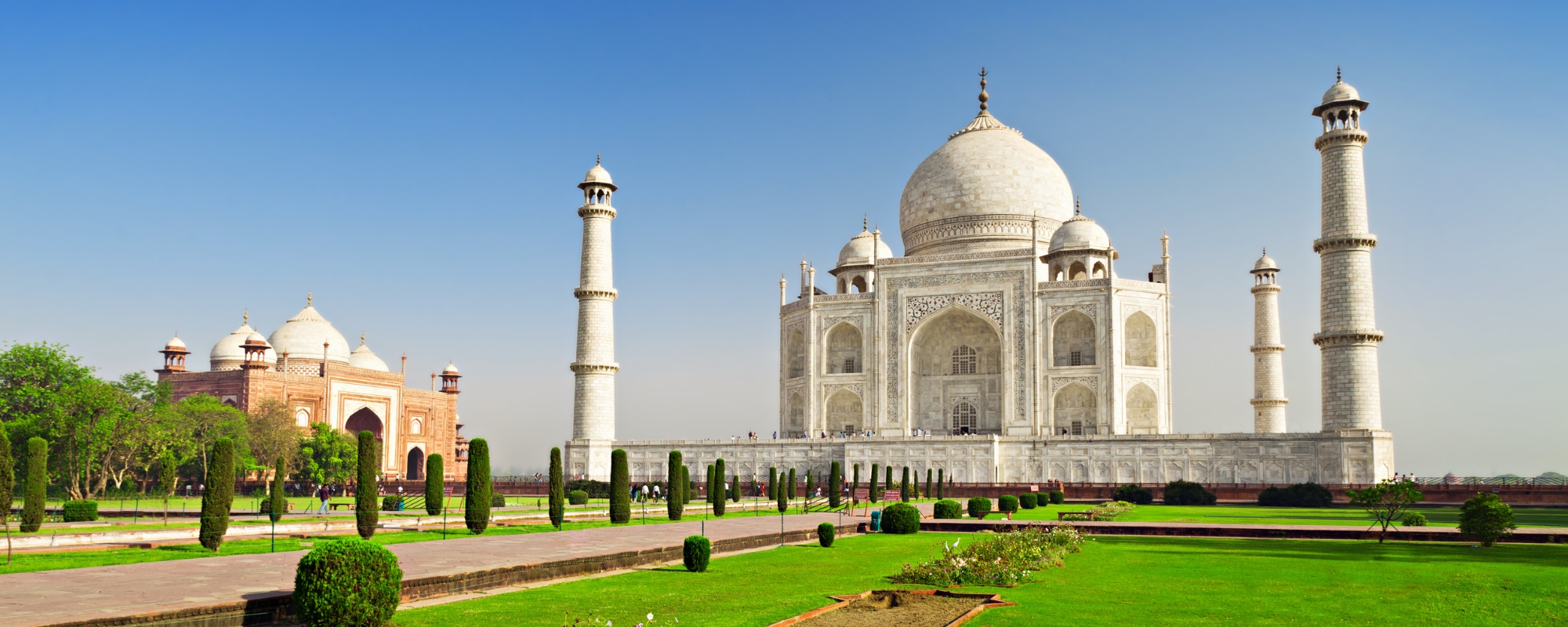
    Just over 40 km away, Fatehpur Sikri is India's best-preserved Mughal ghost capital, built by Akbar in 1571–85 and soon abandoned; its Jama Masjid, Diwan-i-Khas, Panch Mahal and Buland Darwaza are phenomenal; the whole complex is itself a UNESCO-listed site. The ubiquitous Taj Mahal, 55 km east, is a must for first-time visitors. The best-kept, most underrated palaces and gardens in Rajasthan are at Deeg (35 km east), from the same Jat rulers as Bharatpur Fort, with impressive fountains set up for monsoon days. You can explore fine decorated havelis around Karauli, about 115 km east, along with Kaila Devi Temple.


  • What should I bring or know before a day in the park?

    The park runs from sunrise to sunset year-round. Foreign visitor entry fees are separate from the compulsory guide or rickshaw charges at the gate. Since no motorised vehicles are allowed, hire a cycle-rickshaw with a trained guide, whose knowledge of current nesting activity is invaluable. Binoculars are essential, and a telephoto lens greatly improves photography. The paths are earthen and can be muddy after rain, so wear good walking shoes; there are no shops inside, so carry water. The best light for photography is the first two hours after sunrise from October to February.


Plan Your Trip