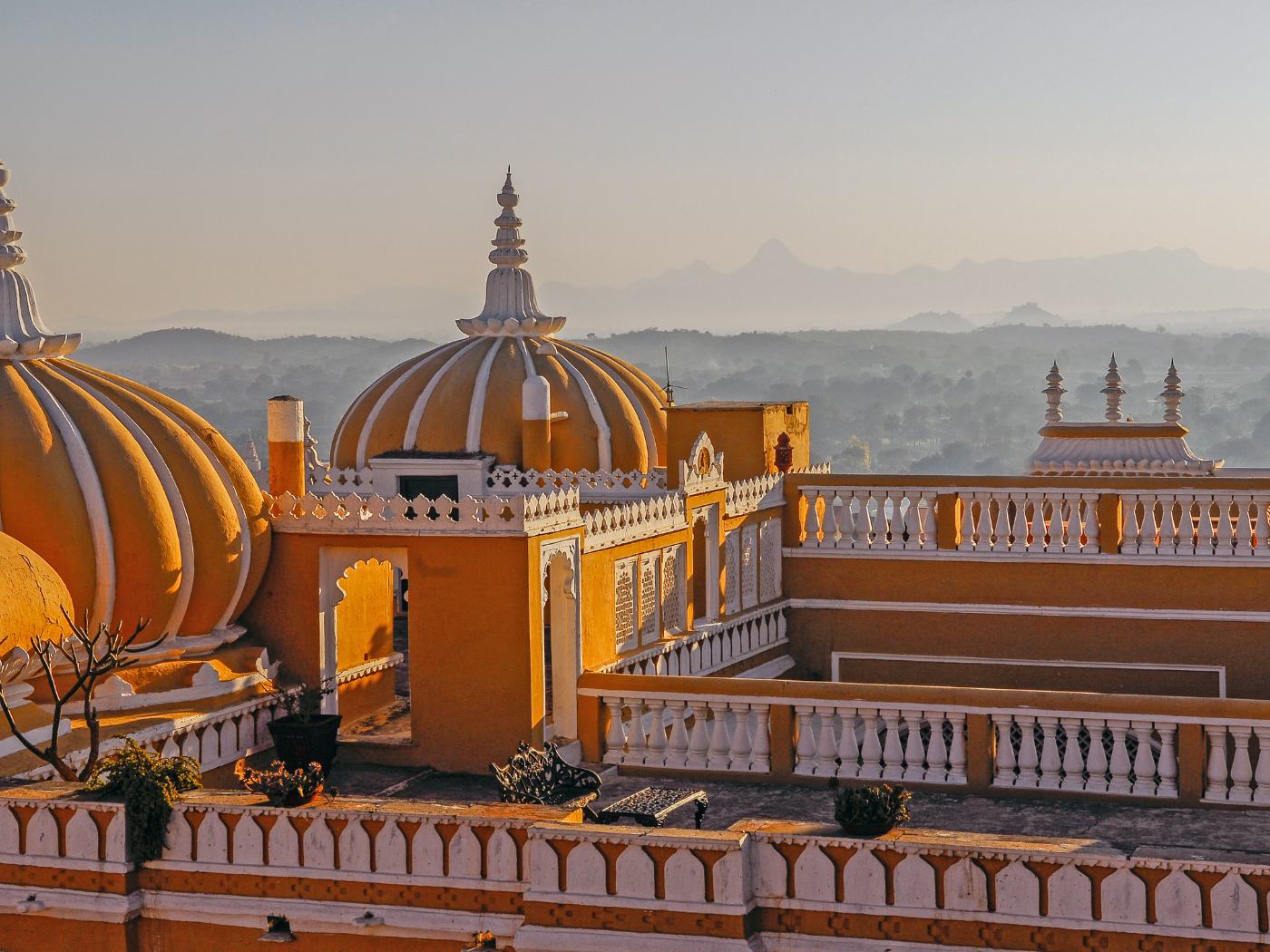
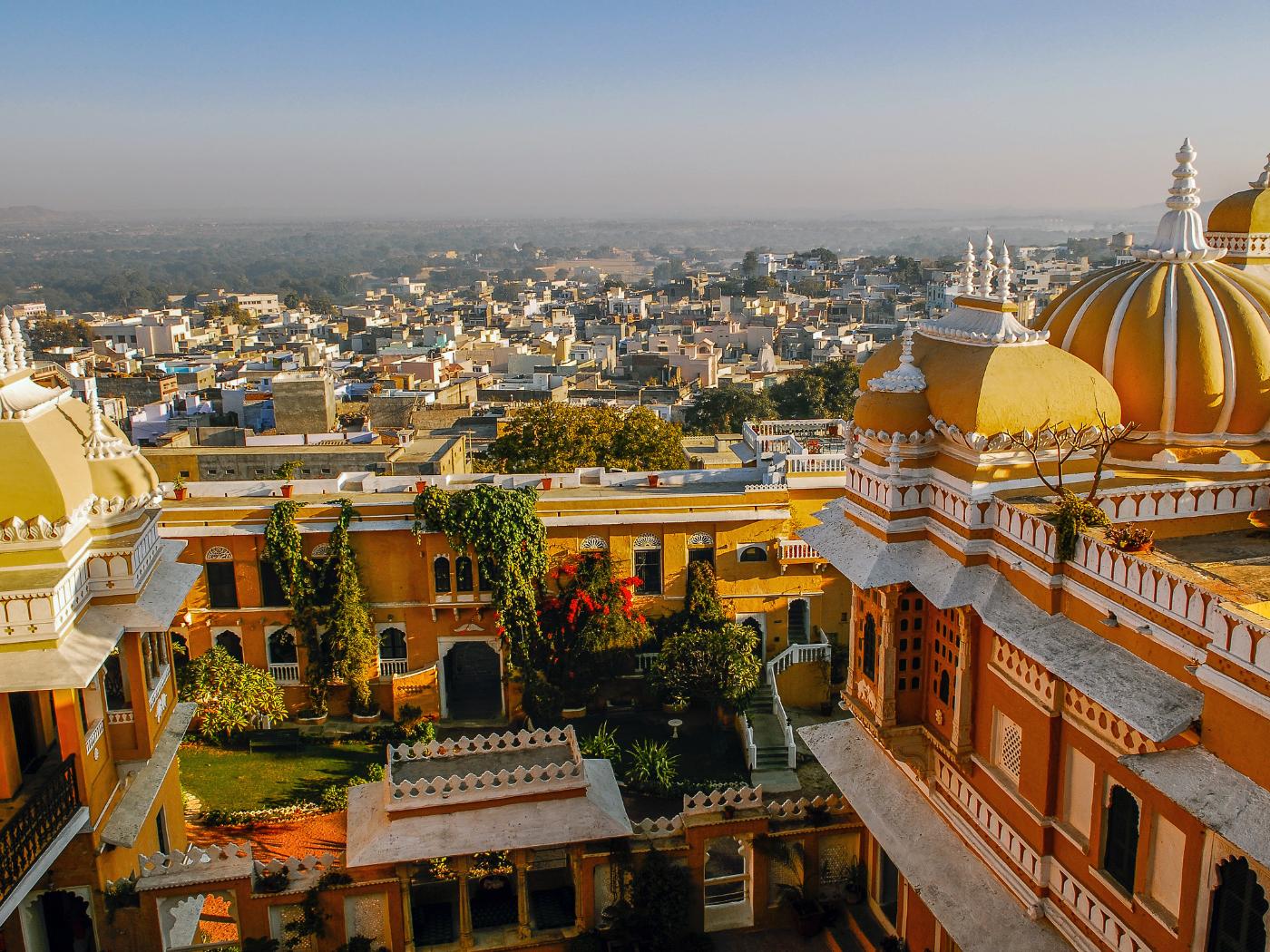
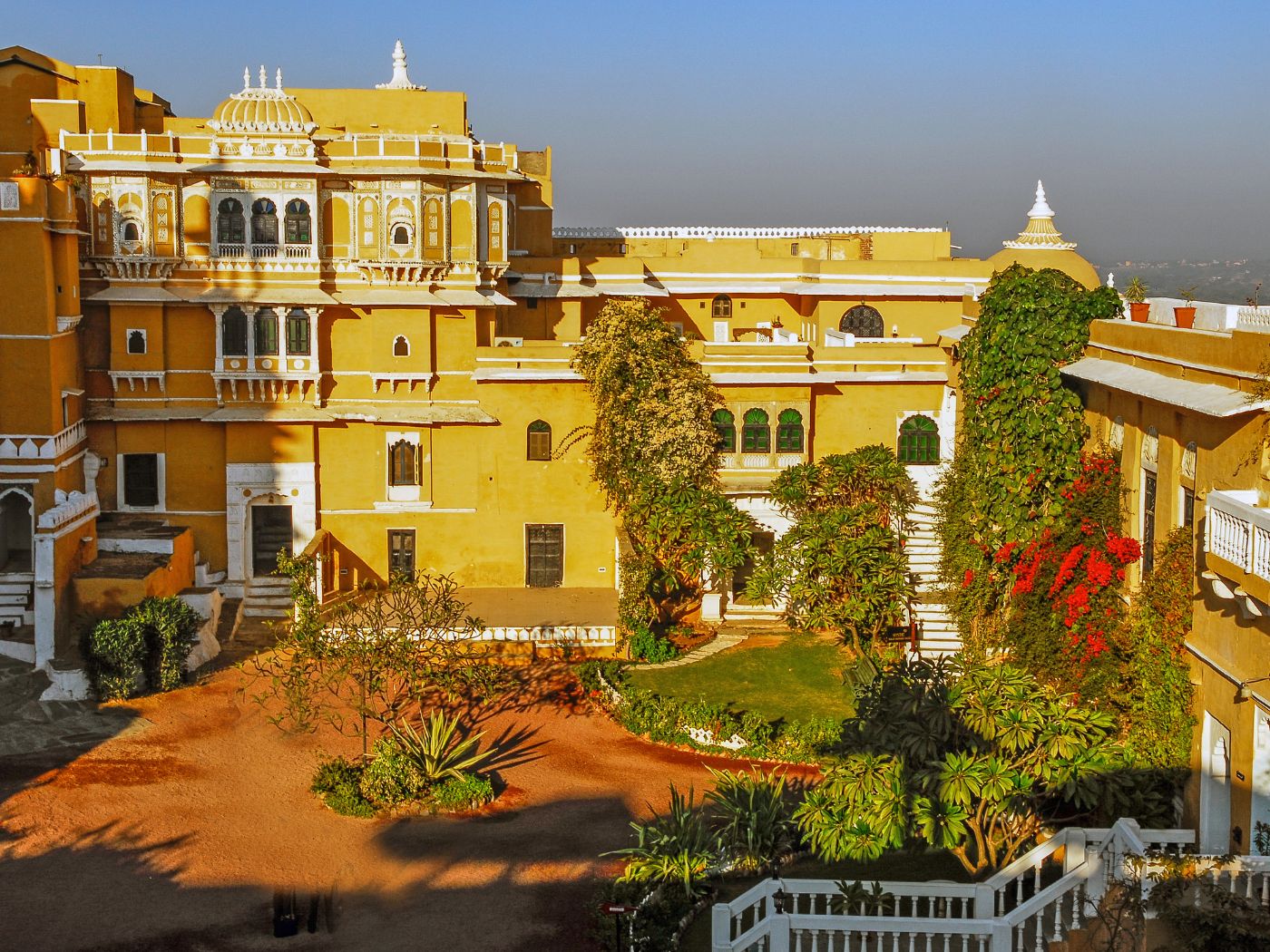
Also known as Devgarh, Deogarh is located 38 km northeast of Udaipur, a Jagir belonging to the Sangawat sub-clan of the Chundawat clan of the Sisodia Royal Family. The Rawat of Devgarh is one of 16 feudal barons privileged to wait on the Maharana of Udaipur (Mewar). The family's history begins with Rawat Chunda, whose son Rawat Kandhal produced Rawat Sanga Singh, the first king of Deogarh. Grand palaces, cultural customs, and ongoing regal influence in the town mirror its great legacy.

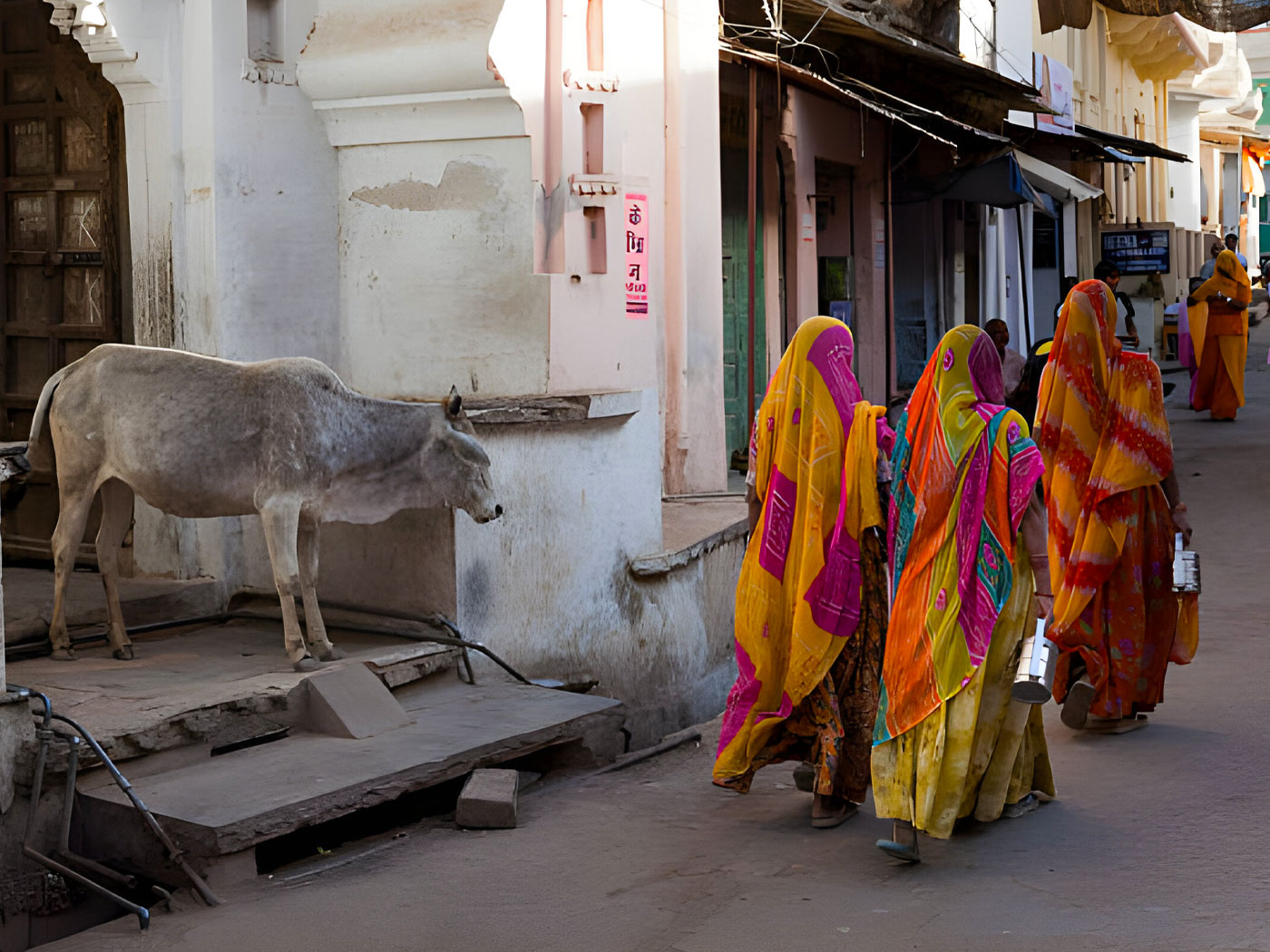
Deogarh has become a unique travel destination, largely unspoiled by mass tourism. Some of Rajasthan's most beautiful heritage resorts are here, many of which the former royal family still runs. These palatial properties still have old-world appeal and offer guests royal Rajasthani hospitality. The town is a fascinating destination because of its historic appeal, shown by its narrow roads and bustling local markets.

The Kunjbihari Mandir, a temple that fascinates guests not just for its religious importance but also for the sizable colony of bats living on top, sits near the centre of Deogarh. Next to the Charbhuja Temple, a revered pilgrimage site honouring Lord Vishnu, the antique clock tower remains a familiar sight in the local bazaar. As you stroll through the town, you see the harmonious fusion of old buildings and the energetic daily life of the local population.

One fantastic experience unique to Deogarh is the ancient meter-gauge rail trip from Deogarh to Marwar Junction. Constructed during the British era, this railroad line winds across the rocky slopes of Kali Ghati, providing excellent views of deep ravines, thick woods, and magnificent stone bridges. Tunnels line the route; some are masterpieces of colonial engineering. Travellers may spot leopards, deer, and other bird species that call the nearby sanctuary home along the trip. The vast plains of Marwar emerge as the train rises over the hills, producing a hypnotic contrast between the expansive vistas beyond and the rocky ground.

Deogarh still naturally combines history, culture, and beauty. Whether appreciating the majesty of its historical sites, meandering through its quaint bazaars, or setting off on a picturesque train journey into the Aravalli hills, guests discover themselves fully engaged in a Rajasthani experience. Time seems to slow down here, allowing visitors to fully enjoy its historical richness and the appeal of its surroundings.


Explorations & Experiences in Deogarh -

EXPLORE (Places to visit in Deogarh):

  • Deogarh Mahal
  • Baba Baidyanath Temple
  • Nandan Pahar
  • Taponath caves
  • Naulakha temple


EXPERIENCE (Things to do in Deogarh):

  • Stay at Deogarh Mahal Heritage Hotel
  • Village Safari
  • Village Walk
  • Rural train ride
  • Bird Watching
Reach out to our Local Experts
Plan Your Bespoke Journey with Us

Fill in your details and one of our destination experts will get in touch with you. Our experts are dedicated to providing personalized assistance and insights, ensuring that all your queries are addressed and you receive the best possible guidance for your travel plans.


Checkout our
Latest Blogs
Choose from the best
Hotel Partners
Get our latest updates
Subscribe Our Newsletter

Stay Connected
FAQs
  • What makes Deogarh worth seeking out beyond Rajasthan's better-known cities?

    Deogarh sits on NH 48 between Ajmer and Udaipur in the Rajsamand district, home to Deogarh Mahal, a hilltop palace built in 1670 and now a heritage hotel, still partly occupied by the Rawat family, who have lived there for over 350 years. Largely off the main tourist circuit, it offers an authenticity and unhurried pace that is increasingly rare, along with a genuine local miniature painting tradition and a narrow-gauge train safari through the Aravalli Hills, unlike anything else available in Rajasthan.

  • What is the history behind Deogarh Mahal and the Rawat family?

    Rawat Dwarka Das Ji of the Sangawat clan, a cadet branch of the Sisodia dynasty that ruled Mewar from Chittorgarh and Udaipur, built the palace in 1670. The Rawats of Deogarh held the status of umrao, one of the 16 most senior feudal barons attending the Maharana of Udaipur, and at their peak, their territory comprised roughly 210 villages. The palace's battlements, domes, and jharokha balconies reflect that status, and part of it remains the family home today, with the current generation personally managing the heritage hotel.

  • What is the Deogarh school of miniature painting?

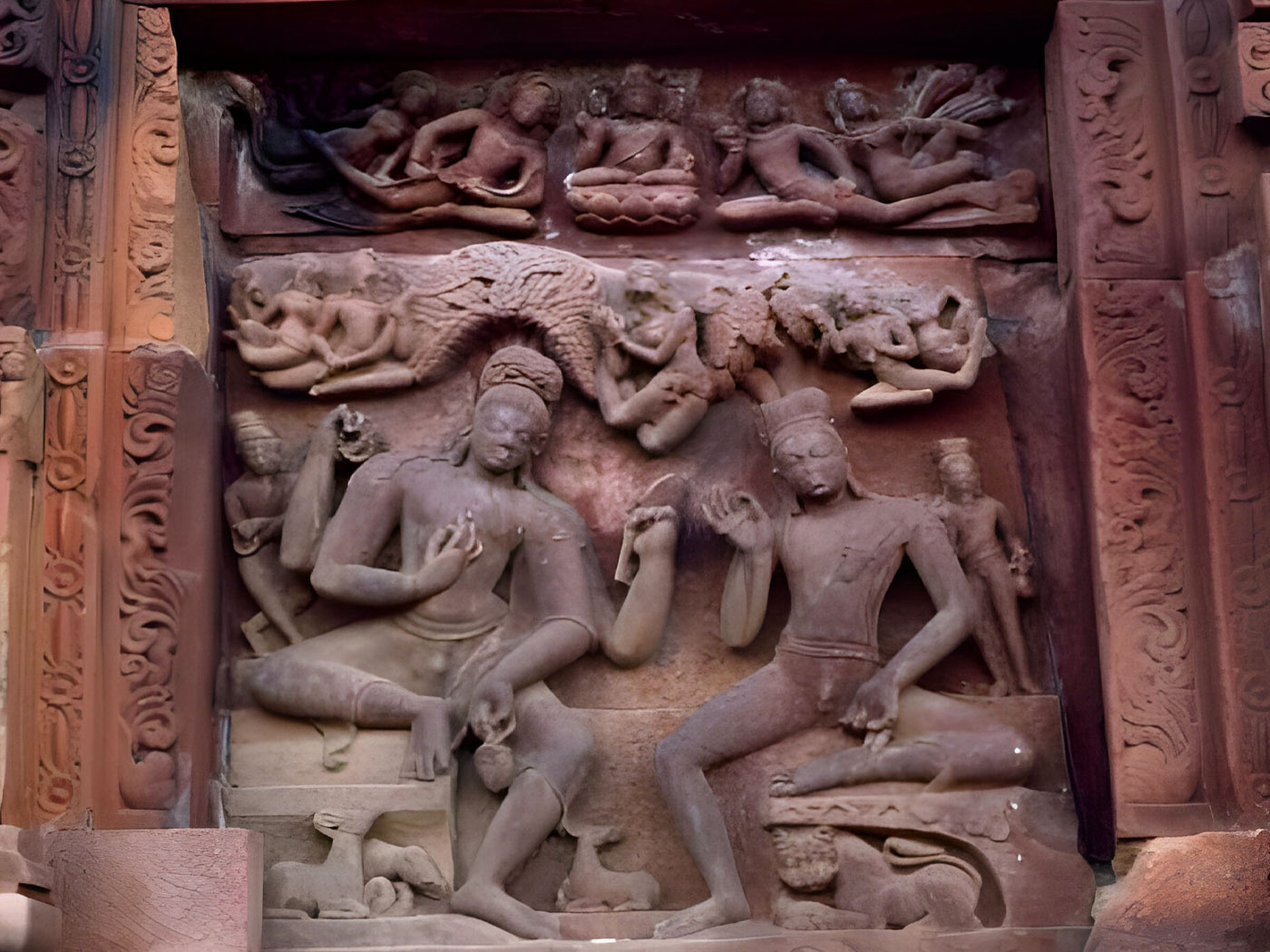
    A recognised regional school of Rajput miniature art that flourished here from the late 17th century under Rawat patronage, known for refined draughtsmanship and scenes of courtly life, hunting, and Hindu mythology, with examples now held in major museum collections internationally. Original frescoes and paintings survive on the walls of several rooms in the palace, and a resident miniature painter, continuing a family tradition for generations, works on site and welcomes visitors to watch and purchase directly.

  • What is the train safari, and does it live up to the description?

    It genuinely does. A narrow-gauge railway line winds through the Aravalli Hills here, passing through tunnels, over viaducts, and through remote villages accessible by no other means. The Deogarh Mahal team arranges guided excursions combining the train journey with village walks and local encounters along the route, an experience guests consistently single out as the most memorable part of their stay, unlike any other railway journey in Rajasthan.

  • What else is there to do at Deogarh Mahal?

    A daily historical tour at 5 in the afternoon introduces the layers of family history in each room and courtyard. Village walks through the town below are informal and genuinely welcoming, given the community's long familiarity with the hotel's guests. Horse riding, birdwatching at the nearby lakes (particularly rewarding in winter), and Ayurvedic massage round out the programme, alongside periodic gala evenings of Rajasthani folk music.

  • How many nights should Deogarh get?

    Two to three. The first day suits the palace tour, a village walk, and sunset from the terrace. The second is best for the train safari, which takes most of the morning, followed by lunch in the village and time with the miniature painter. A third day allows a horse ride and a visit to the Charbhuja Temple. The pace is intentionally slow, and guests who plan one night often extend their stay once they arrive.

  • When is the best time to visit?

    October to March, when the Aravalli Hills stay cooler and clearer than the open plains, is ideal for village walks, riding, and train journeys, with the views from the palace terraces sharpest from November to February. The Charbhuja Temple's major pilgrimage festival, held in the month of Bhadra (August or September), is worth timing for if it fits. Summer, April to June, warms considerably, though the elevation keeps Deogarh marginally cooler than the lowland desert cities.

  • How do I get to Deogarh, and where does it sit relative to Udaipur and Ajmer?

    Deogarh lies directly on the NH 48 highway between the two, roughly 130 km and two hours from Udaipur and 110 km and two hours from Ajmer, making it a natural overnight stop rather than a detour. Deogarh Madriya railway station, just outside town, sits on the Ajmer-Udaipur metre-gauge line, and the nearest airports are Udaipur, about 130 km away, and Jaipur, roughly 250 km away.

  • What is worth seeing near Deogarh?

    The Charbhuja Temple, roughly 20 km away, is one of Rajasthan's most important Vaishnavite pilgrimage sites, dedicated to a four-armed form of Vishnu. Kumbhalgarh Fort and its Wildlife Sanctuary, about 70 km away, make for a full-day trip. Nathdwara, 60 km south, is home to the celebrated Shrinathji Temple, one of India's most revered Vaishnavite shrines. Rajsamand Lake, built by Maharana Raj Singh in the 17th century, is one of Rajasthan's largest artificial lakes and an easy excursion.

  • How does Deogarh fit into a longer Rajasthan itinerary?

    Because it sits directly on the highway between Ajmer and Udaipur, it requires no detour, turning a two-hour transit into a genuinely memorable stop. For a full circuit from Delhi through Jaipur, Pushkar, and Ajmer before heading south, Deogarh is the natural midpoint on the way to Udaipur. Combined with Narlai and Ranakpur along the way from Jodhpur, it forms one of the most rewarding lesser-known routes through the Aravalli corridor.

Plan Your Trip