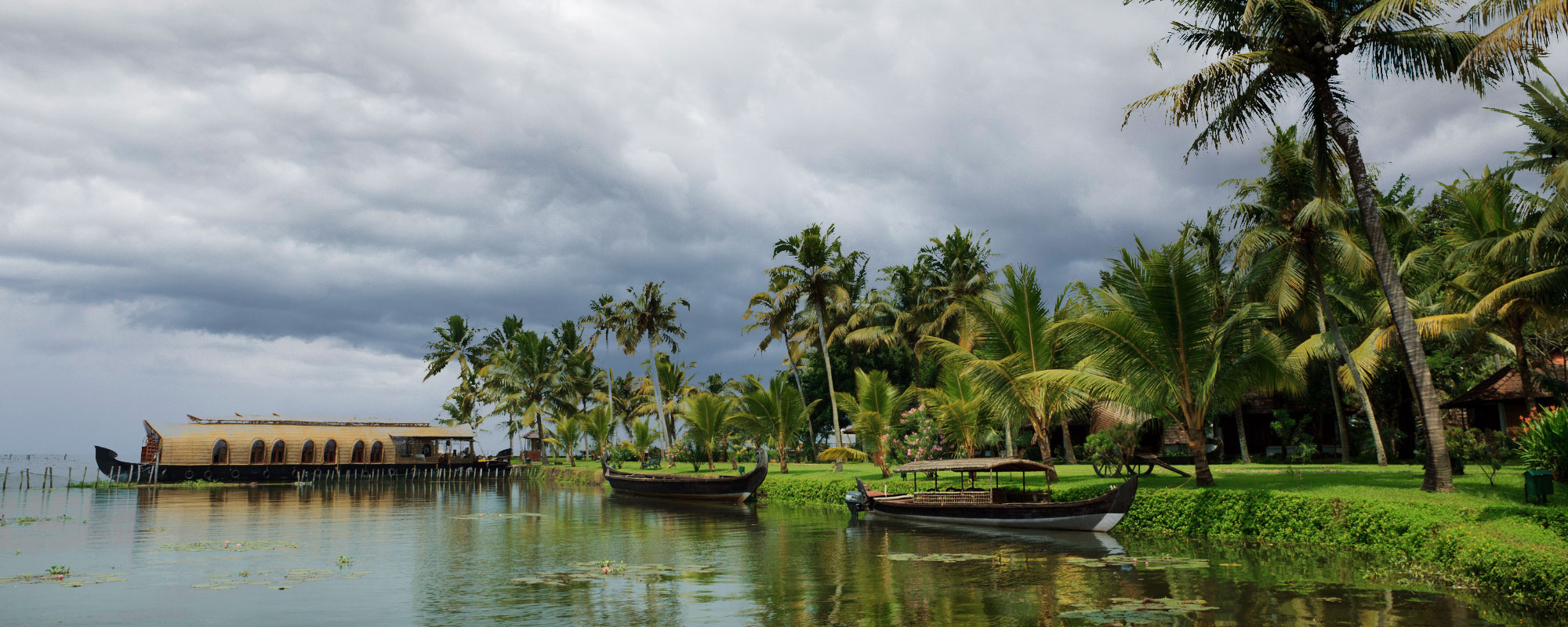
Monsoon in Kerala is not just a season—it's a transformation. As grey clouds tumble over the Western Ghats and the first rains fall, the parched earth turns green, and the backwaters swell with renewed energy. This is the time when Kerala truly lives up to its title: "God's Own Country."
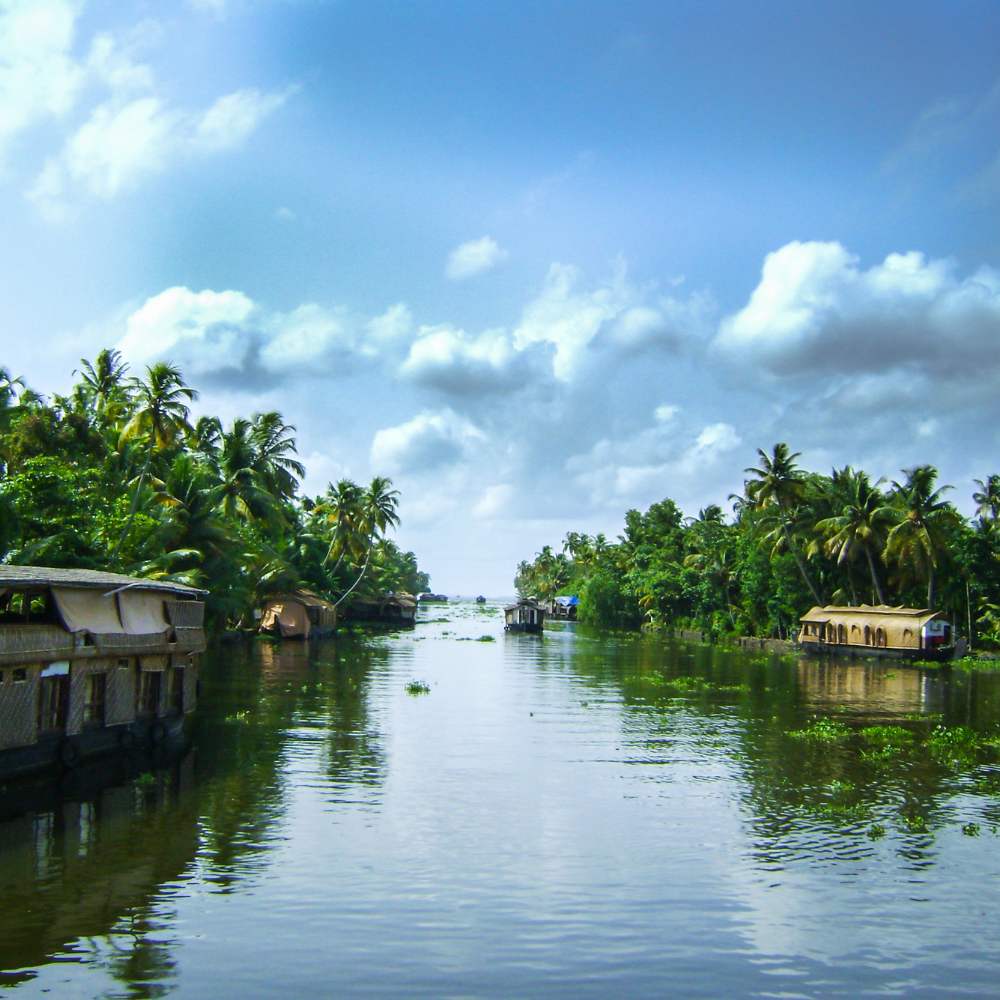
The backwaters—a vast interlinked network of lakes, canals, rivers, and inlets—form the heart of this transformation. During the dry months, they're calm and postcard-perfect. But come the monsoon, they morph into a vibrant, living water world. Palms sway over flooded fields, lotus flowers bloom again, and locals go about their day with a smile under umbrellas or on boats.
If you're the kind of traveler who loves atmosphere, authenticity, and fewer crowds, this season offers unmatched charm.
Let's explore six of the most beautiful backwater destinations in Kerala—each revealing its unique monsoon magic.
1. Alleppey (Alappuzha): The Icon of Rainy Romance
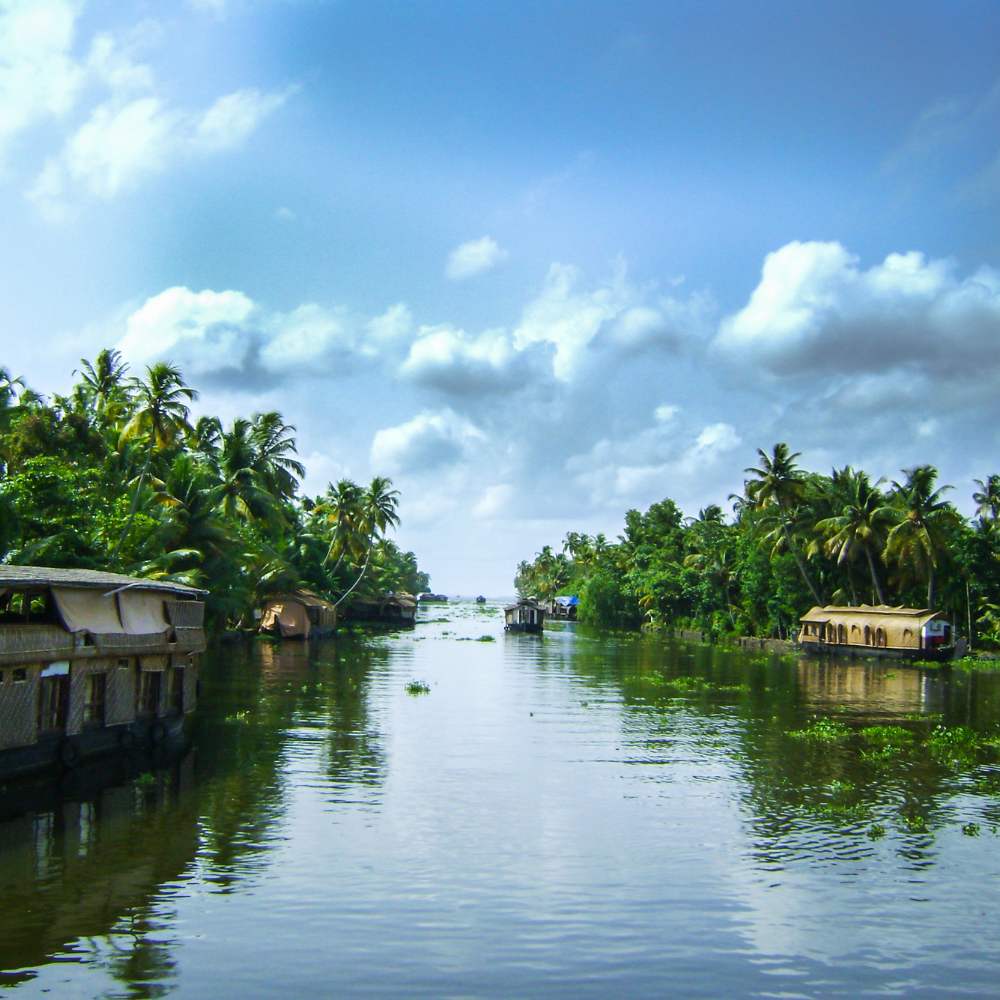
No conversation about Kerala's backwaters begins without Alleppey. Nicknamed the "Venice of the East," this district is best known for its network of canals, expansive paddy fields, toddy shops, and, of course, luxurious houseboats.
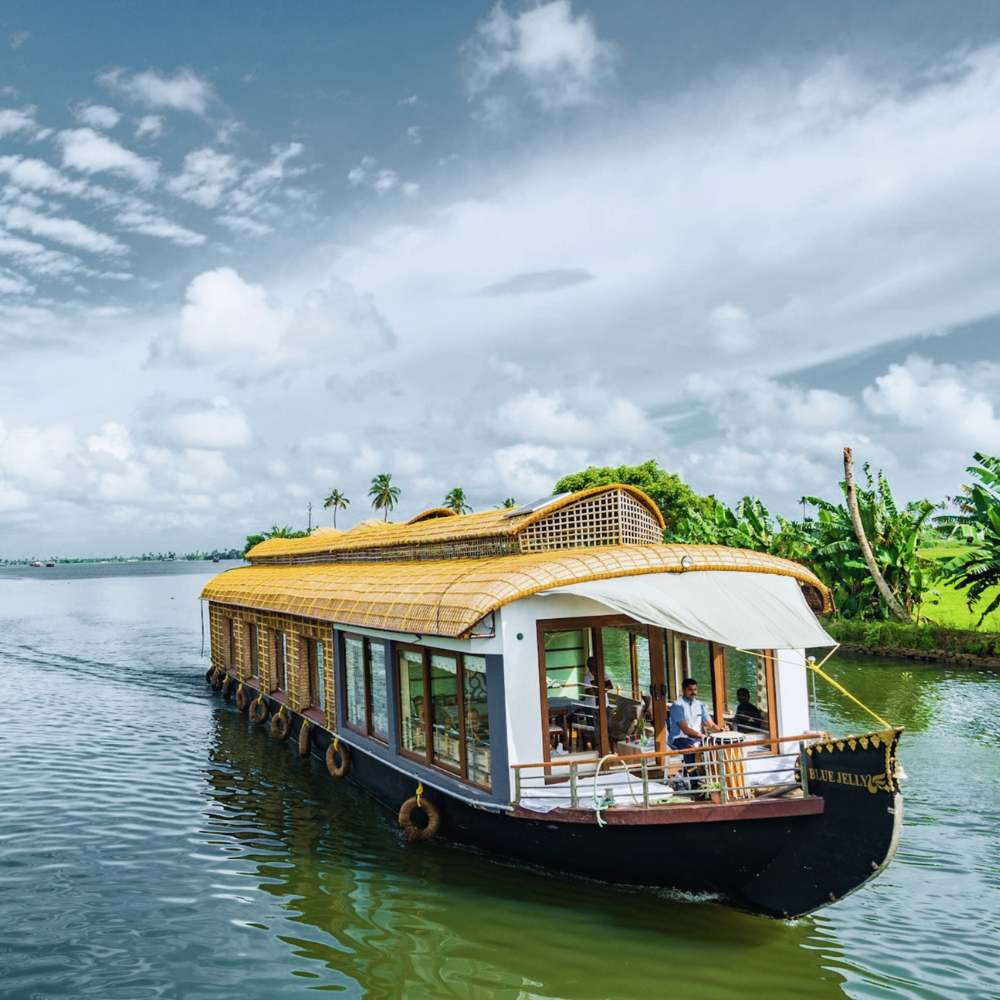
During the rains, the emerald canals turn into shimmering mirrors. Light Rain drizzling on the lake while you float in a traditional kettuvalam (houseboat) creates an almost cinematic experience. The skies are often cloudy, but the sunsets—when visible—are tinted with violet and gold.
Local rhythm in the rains:
Life doesn't stop when it rains. Locals paddle through the waterways, harvesting water lilies or commuting in wooden canoes. Toddy shops become warm shelters with spicy snacks and fresh palm liquor. The coconut palms lining the canals sway dramatically, adding texture to the view.
Top experiences:
- Overnight houseboat cruise with onboard meals and Rain tapping on the deck roof.
- Walk or cycle through villages like Kainakary to experience monsoon farming practices.
- Attend a boat race rehearsal if you're visiting in July/August.
2. Kumarakom: Wellness and Waterbirds in the Rain
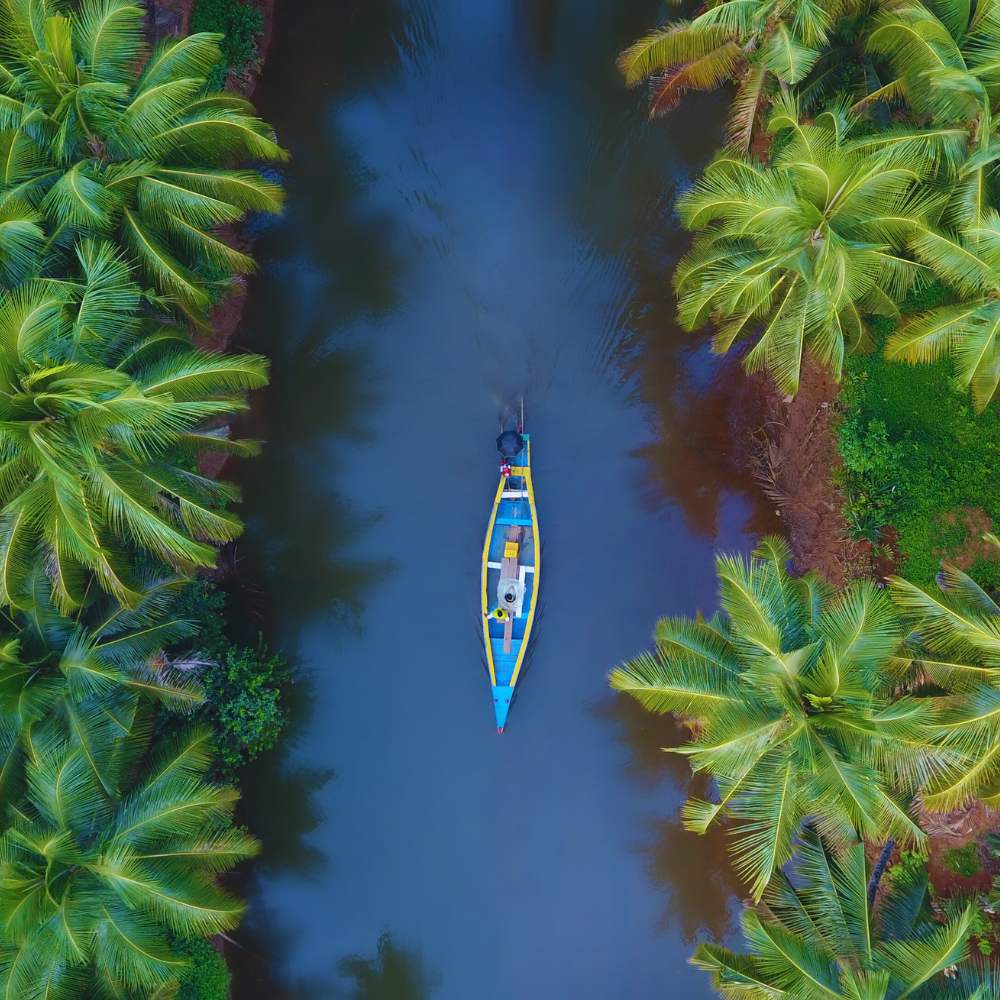
Kumarakom lies on the eastern edge of Vembanad Lake and offers a more peaceful, luxury-laced backwater experience. Known for its bird sanctuary and Ayurveda resorts, Kumarakom is especially vibrant in the rainy season.
The Kumarakom Bird Sanctuary comes alive with local and migratory birds. Egrets, herons, kingfishers, and even migratory Siberian storks may be spotted amidst the mist. The rains also recharge the surrounding canals, creating lush passageways for canoe rides.
Wellness in the wet season:
Many of Kumarakom's luxury resorts offer Ayurveda retreats specially curated for the monsoon season. According to traditional Ayurveda, this is the most effective time for detox as the body absorbs herbal oils better due to the humidity.
Top experiences:
- Ayurvedic Panchakarma treatment at certified retreats like Coconut Lagoon or Kumarakom Lake Resort.
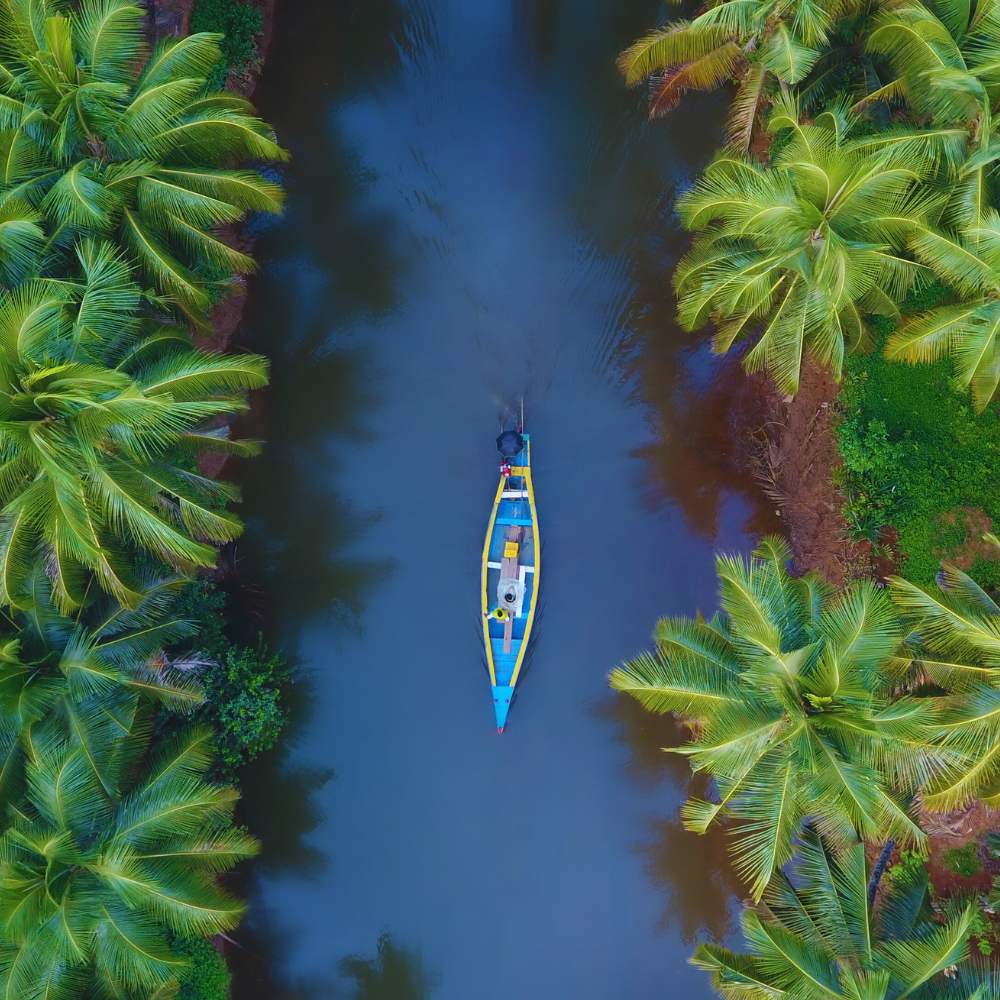
- Sunset canoe rides along canals flanked by floating lotus and lily blooms.
- Fresh karimeen (pearl spot fish) cooked in banana leaves—perfect for a rainy evening meal.
Read also: Best Places to Visit in India During Monsoon
3. Kuttanad: Kerala's Flooded Farmland Fantasy
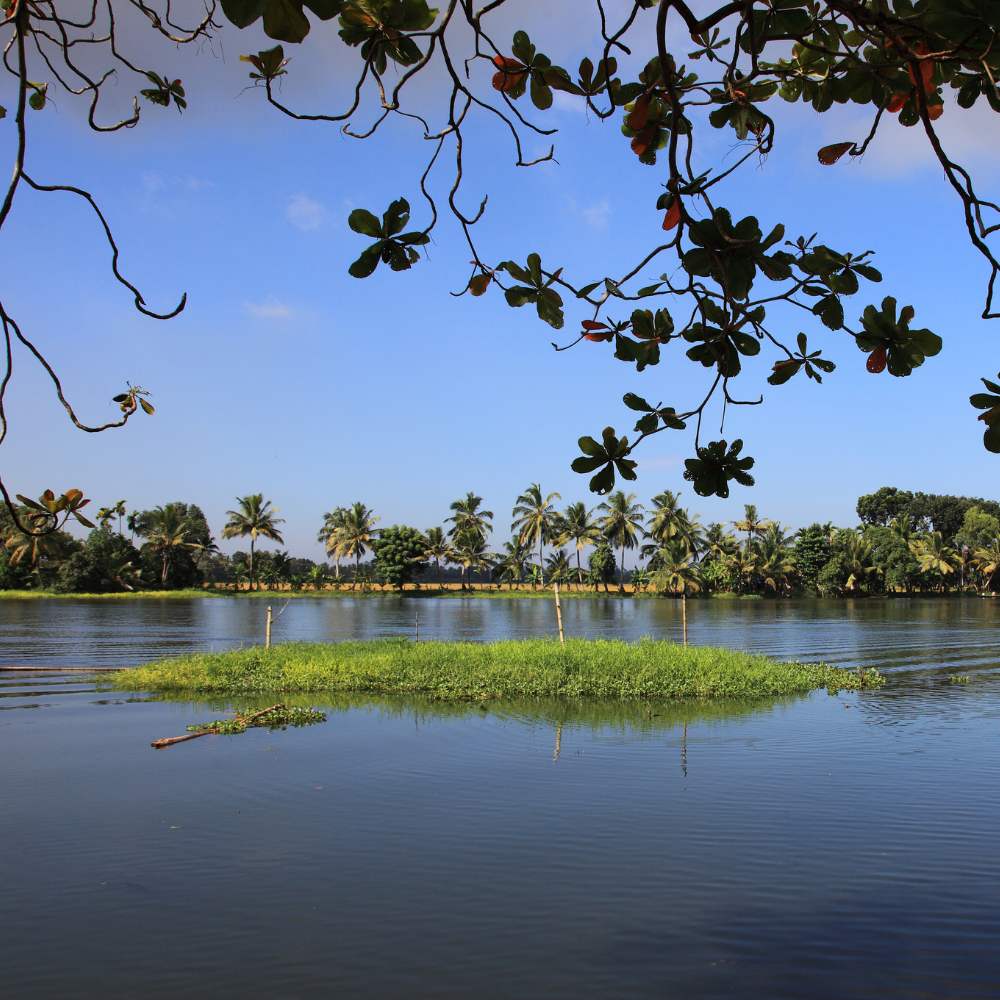
Kuttanad is a geographical marvel—one of the few places in the world where farming happens below sea level. This region spans parts of Alappuzha, Pathanamthitta, and Kottayam districts. It is often referred to as the "Rice Bowl of Kerala."
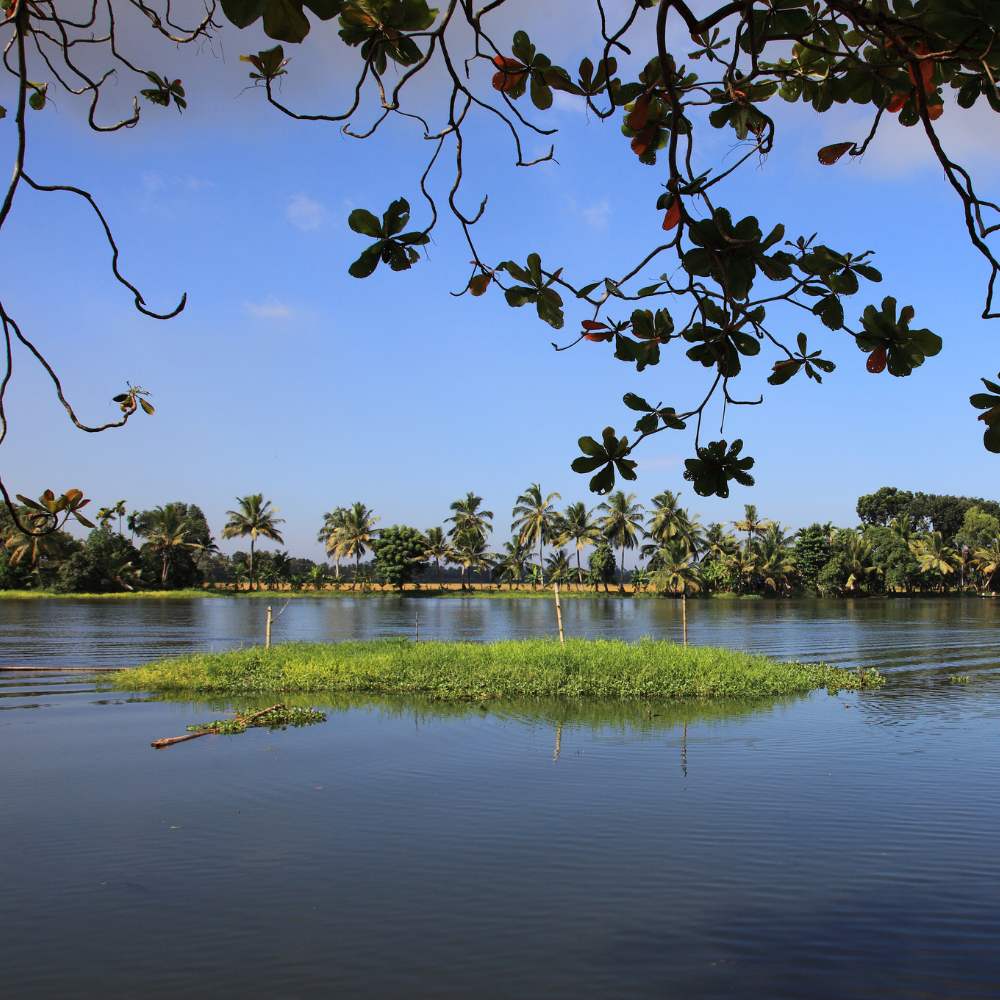
As the Rain pours, paddy fields get flooded, creating a surreal water landscape. Farmers wade through waist-high water, tending to crops adapted to the inundation. It's an unusual and stunning sight—rows of coconut trees standing in submerged fields under a rain-darkened sky.
A working ecosystem:
This isn't just for show. You'll see locals rowing to tend to their livestock, harvest snails for composting, and reinforce bunds (dykes) to protect land from overflowing water. Everything operates in harmony with nature's rhythms.
Top experiences:
- Village homestays in places like Nedumudi or Champakulam to observe agricultural life during the rains.
- Traditional boat ride through narrow water alleys used only by locals.
- Visit a local farm practicing Pokkali (saline-resistant rice) cultivation.
4. Ashtamudi Lake, Kollam: Eight Arms of Monsoon Tranquility

Ashtamudi, meaning "eight coned," refers to the eight branches or creeks of this massive lake in Kollam district. It's the second-largest lake in Kerala and less commercialized than Alleppey or Kumarakom.
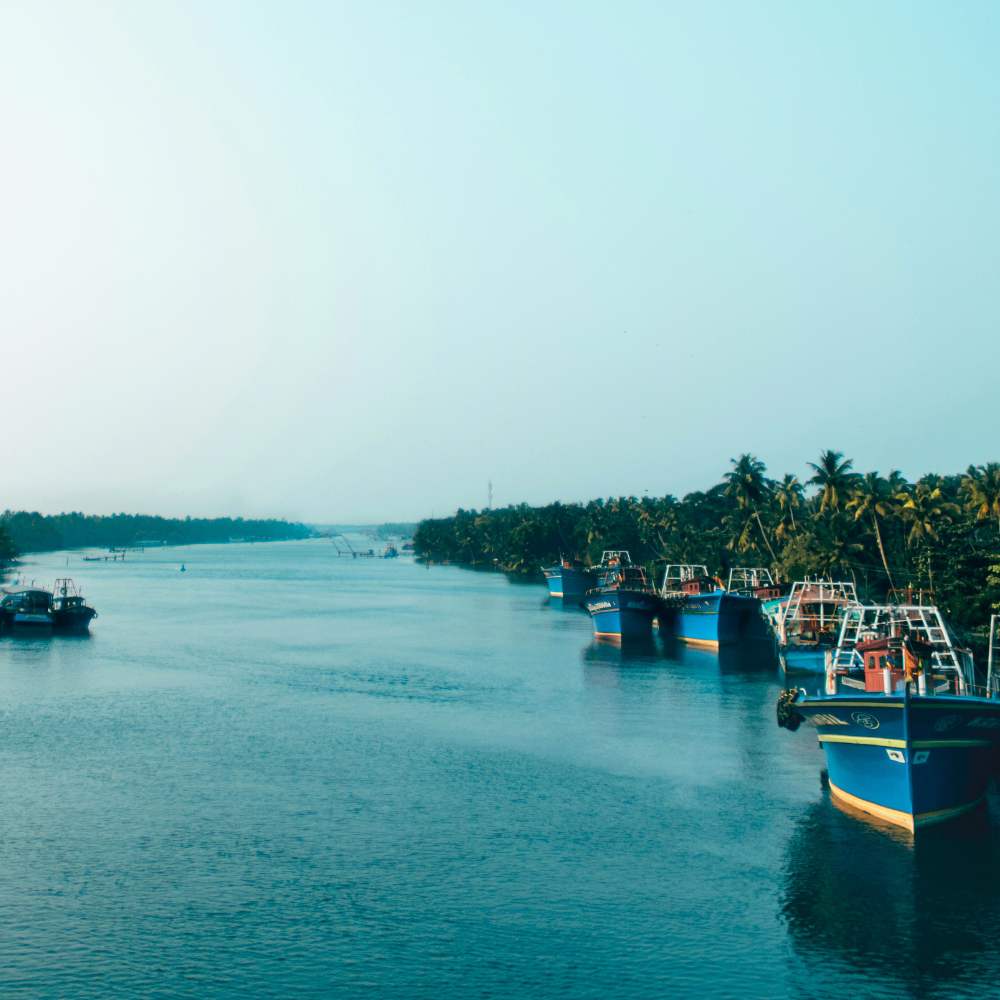
The interconnected waterways become broader and more vivid. Cloudbursts create ripples on the wide surface, while Chinese fishing nets continue to operate steadily along the banks. The ferry between Kollam and Munroe Island offers a window into real life unfolding on the water.
Local life and landscapes:
Fishing, coir-making, and cashew processing are active even during the rains. Narrow islets like Munroe Island become picture-perfect with backwater homes on stilts, moss-covered stone walls, and canoe taxis maneuvering through tight corners.
Top experiences:
- Ride the state-run ferry from Kollam to Alappuzha (8-hour journey, fewer tourists).
- Canoe through Munroe Island with a local guide who explains flora, fauna, and history.
- Stay in a traditional tharavadu (ancestral home) and watch the Rain fall over red-tile roofs.
5. Valiyaparamba – Kasaragod's Hidden Water Maze
In the far north of Kerala lies Valiyaparamba, a little-known stretch of backwaters that offers absolute solitude and authenticity. It lies 30 km from Bekal and is formed by four rivers converging into the Arabian Sea.
Unlike the south, this region receives more intermittent rains and experiences a mix of heavy showers and sunny spells. The contrast enhances the emerald tones of the surroundings. Valiyaparamba's backwaters are less disturbed, making them ideal for observing birds, crabs, and even otters.
A true off-grid retreat:
Few houseboats venture here, and even fewer tourists. It's common to go an hour without spotting another boat. Locals fish with hand nets or bamboo traps and sell fresh catch at floating fish markets.
Top experiences:
- Hire a canoe from local boatmen—no engines, just the sound of water and birds.
- Try coastal cuisine with influences from Karnataka, like neer dosa and coconut crab curry.
- Combine with Bekal Fort, one of Kerala's best-preserved coastal forts, surrounded by monsoon waves crashing against the shore.
6. Champakulam: Culture, Canals, and Snake Boats
Just 15 km from Alleppey, Champakulam is one of the oldest and most culturally significant villages in Kerala's backwater region. Famous for its religious harmony, traditional architecture, and boat-building legacy, Champakulam offers a rich experience during the monsoon.
This is where traditional snake boats (chundan vallams) are built and tested in preparation for the Champakulam Moolam Boat Race, one of Kerala's oldest. Even if you don't witness the race itself, you'll see young rowers practicing furiously in synchronized rhythm, Rain or shine.
Top experiences:
- Watch the boat race training from the canal bridges or riverside houses.
- Visit the Champakulam Church, built in AD 427, known for its heritage and monsoon-time rituals.
- Buy handcrafted wooden models of snake boats—a perfect cultural souvenir.
Read also: Top 10 Hill Stations in South India You Must Visit
Tips for Monsoon Travel in the Backwaters
- Best time to visit: June to early September. July and August see the heaviest rainfall, but also the most vibrant landscapes.
- What to carry: Light rain gear, sandals with grip, quick-dry clothing, insect repellent, and waterproof bags for electronics.
- Safety first: Always check houseboat operators' licenses. Avoid flooded inland areas unless guided by locals.
- Pack light, travel slow: Monsoon backwater travel is best enjoyed at a gentle pace. Float, observe, and absorb.
Conclusion
Kerala's backwaters during the monsoon aren't about "doing"—they're about being. Being in tune with nature, being present with local life, and being open to the unexpected moments the Rain brings. Every drop that falls on the lake, every ripple that stirs a boat, every steaming cup of tea in a stilted home is part of a larger rhythm—one that's ancient, slow, and deeply healing.
So, suppose you seek silence, storytelling skies, and the kind of beauty that arrives gently. In that case, monsoon in Kerala's backwaters awaits you.