India in summer: unforgettable for the right traveller.
Most people hear the phrase "India in summer" and picture extreme heat, crowded cities, and sweat-drenched streets. And for large parts of the plains, that reputation is entirely deserved. Between April and June, temperatures in cities like Delhi, Jaipur, and Ahmedabad regularly reach 42-45 degrees Celsius.
But India is one of the most geographically diverse countries on earth. While the plains bake, the Himalayas open up. High mountain passes that are buried under metres of snow through winter become accessible in May. Ladakh comes alive. Kashmir blooms. The hill stations of the south cool to their greenest and most beautiful.
For travellers who know where to go, India in summer is not a season to avoid. It is, in many ways, the best season of all.
This guide covers the top places to visit in India in summer 2026, organised by region, with practical details for travellers arriving from the UK, the US, or across India.
Why Summer Is Actually a Great Time to Travel in India
- High-altitude access: Mountain passes, including Rohtang La near Manali, which opens from late May, are accessible only in summer. High-altitude routes into Ladakh are most reliable between May and September. This is the only window to reach certain destinations.
- Wildlife visibility: As water sources dry up in forests, animals concentrate at remaining waterholes. Tiger sightings at Ranthambore, Kanha, and Corbett peak between March and May
- Island season: The Andaman and Nicobar Islands offer crystal-clear water and the best diving visibility between February and April, just before the monsoon arrives in May
Quick Reference: Top Summer Destinations in India 2026
North India
- Ladakh (Leh)
- Manali
- Srinagar and Gulmarg, Kashmir
- Shimla
- Spiti Valley
East and Northeast India
- Darjeeling
- Gangtok and Sikkim
South India
- Munnar
- Ooty and the Nilgiris
- Coorg
Islands
-
Andaman and Nicobar Islands
Offbeat Picks
- Tirthan Valley, Himachal Pradesh
- Kasauli, Himachal Pradesh
North India: The Himalayan Belt
The Himalayan belt is the engine of Indian summer tourism. As the plains heat up from April onward, millions of travellers head north and upward. The scale and variety here are staggering, from the rugged trans-Himalayan desert of Ladakh to the apple orchards of Kinnaur, the meadows of Kashmir, and the pine-covered ridges of Himachal Pradesh.
1. Ladakh (Leh)
Region: Union Territory of Ladakh
Ideal Months: May to September
Best For: High altitude adventure, Buddhist monasteries, road trips, photography, motorcycling, international travellers
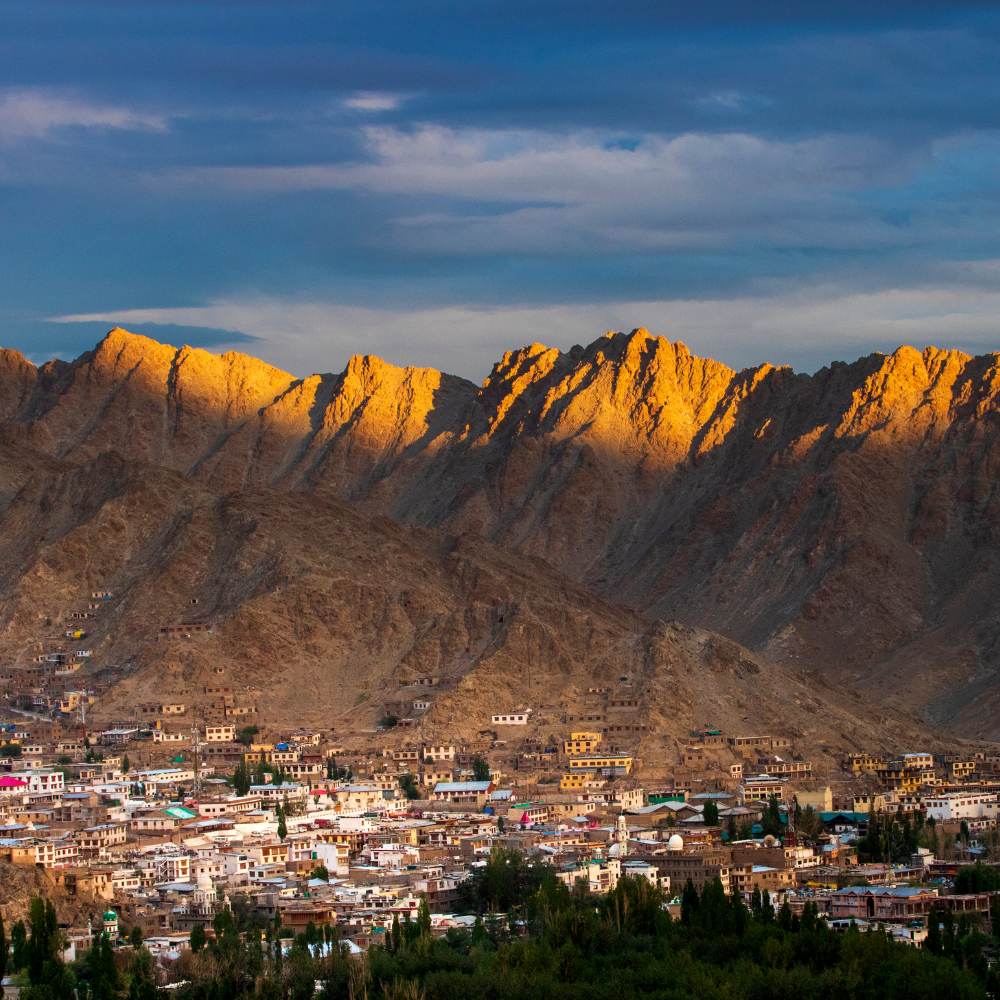
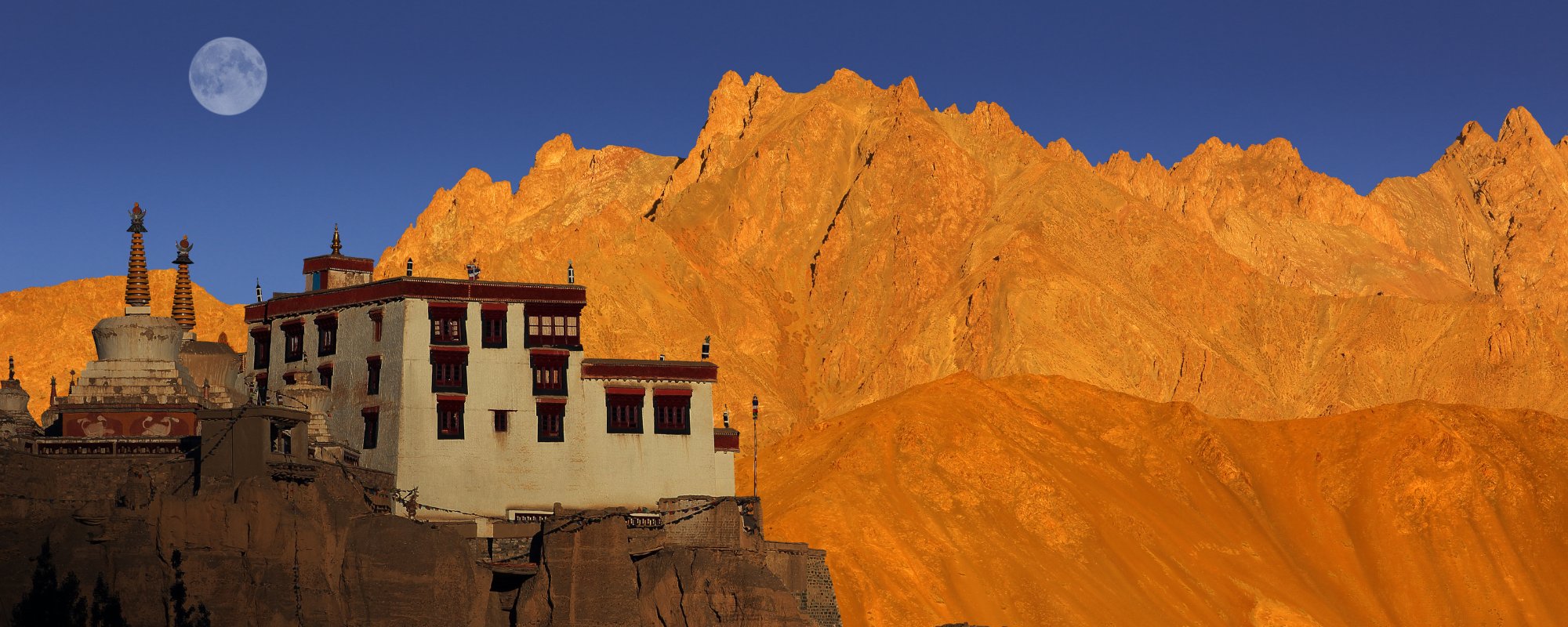
Ladakh is unreachable for most of the year due to snow-bound mountain passes. When accessible between May and September, it reveals stark high-altitude deserts, whitewashed monasteries, turquoise glacial lakes, and dramatic landscapes.
The Leh-Manali Highway opens in late May, and the Leh-Srinagar Highway opens from April. Ladakh highlights include Pangong Tso, Nubra Valley’s sand dunes and camels, and monasteries like Thiksey and Hemis.
Ladakh offers international visitors a dramatically different side of India—more Tibetan and Central Asian in feel than the rest of the country.
Practical Details
- Leh’s Kushok Bakula Rimpochee Airport (IATA: IXL) is the nearest airport. Direct flights from Delhi, Mumbai, and Srinagar are most frequent during the summer.
- On arrival in Leh, plan at least 2 days for acclimatisation to the altitude (3,524 metres) to avoid altitude sickness.
- Inner Line Permits (ILP) are needed for restricted regions, such as Pangong, Nubra, and Dah-Hanu, and can be obtained easily in Leh. Foreigners require a Protected Area Permit (PAP).
- Expect more visitors in July and August. June offers clearer roads and fewer crowds.
Explore ladakh: 7 Day Ladakh Tour Package
2. Manali
Region: Kullu district, Himachal Pradesh
Ideal Months: April to June
Best For: Families, couples, adventure, snow experiences, river rafting, first-time Himalayan visitors
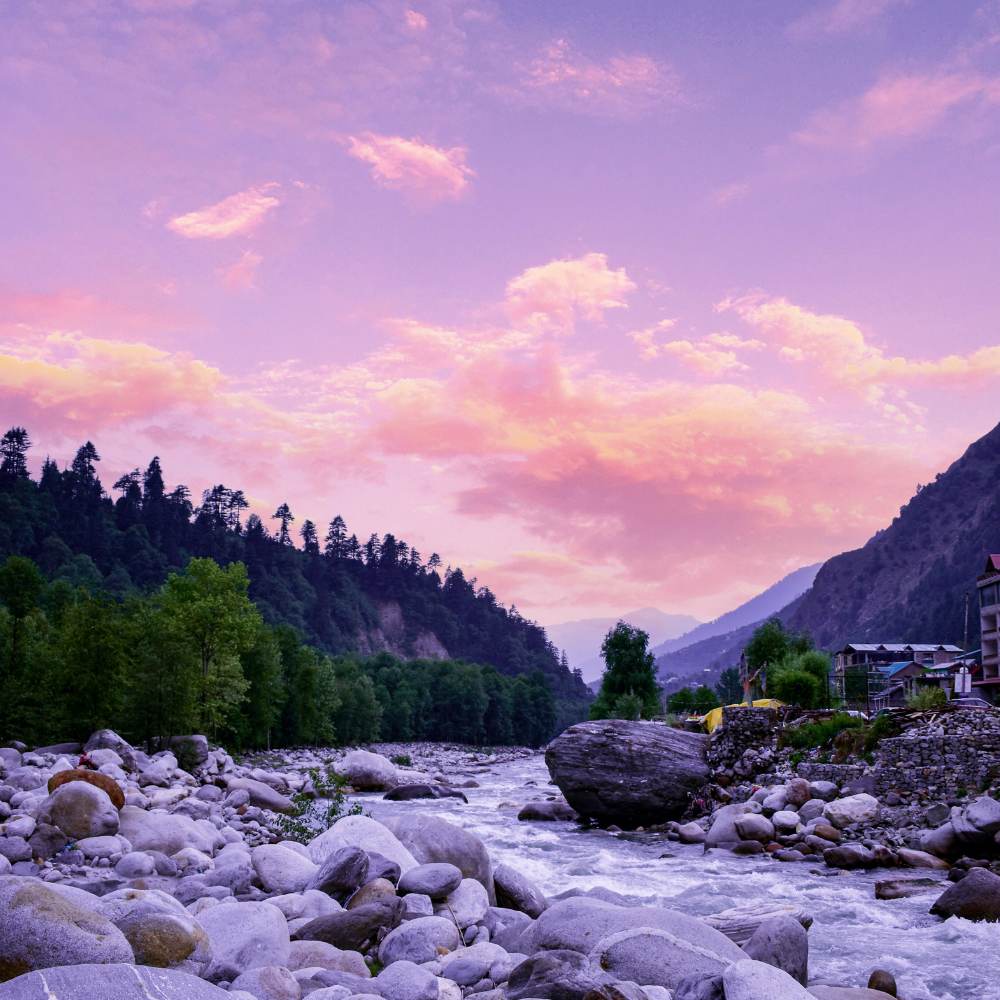
Manali, at 2,050 metres in the Kullu Valley, is India’s most popular Himalayan getaway, offering snow-capped peaks, green valleys, and Tibetan Buddhist culture in close proximity.
Solang Valley, 14 km north of Manali, offers summer snow activities for families. Rohtang Pass, at 3,978 m, is open from late May and is a top high-altitude stop. The 9-km Atal Tunnel, opened in October 2020 under the Pir Panjal range, gives year-round access to Lahaul Valley. Permits for Rohtang Pass must be booked in advance via the Himachal Pradesh government portal.
The Beas River is suitable for rafting from April to June. Old Manali has quieter accommodation and cafes overlooking the river.
Practical Details
- Bhuntar Airport (Kullu Manali Airport, IATA: KUU), about 50 km from Manali, has limited flights from Delhi during the tourist season.
- Volvo overnight buses, a popular choice, run daily from Delhi to Manali in approximately 14 hours.
- Rohtang Pass permits are limited each day. Reserve through the Himachal Pradesh online portal at least 2–3 days in advance in peak season.
- May and early June see the best balance of accessibility, weather, and manageable crowds before the peak July-August rush.
3. Srinagar and Gulmarg, Kashmir
Region: Union Territory of Jammu and Kashmir
Ideal Months: April to June
Best For: Honeymoons, families, houseboat stays, garden visits, alpine meadows, first-time international visitors
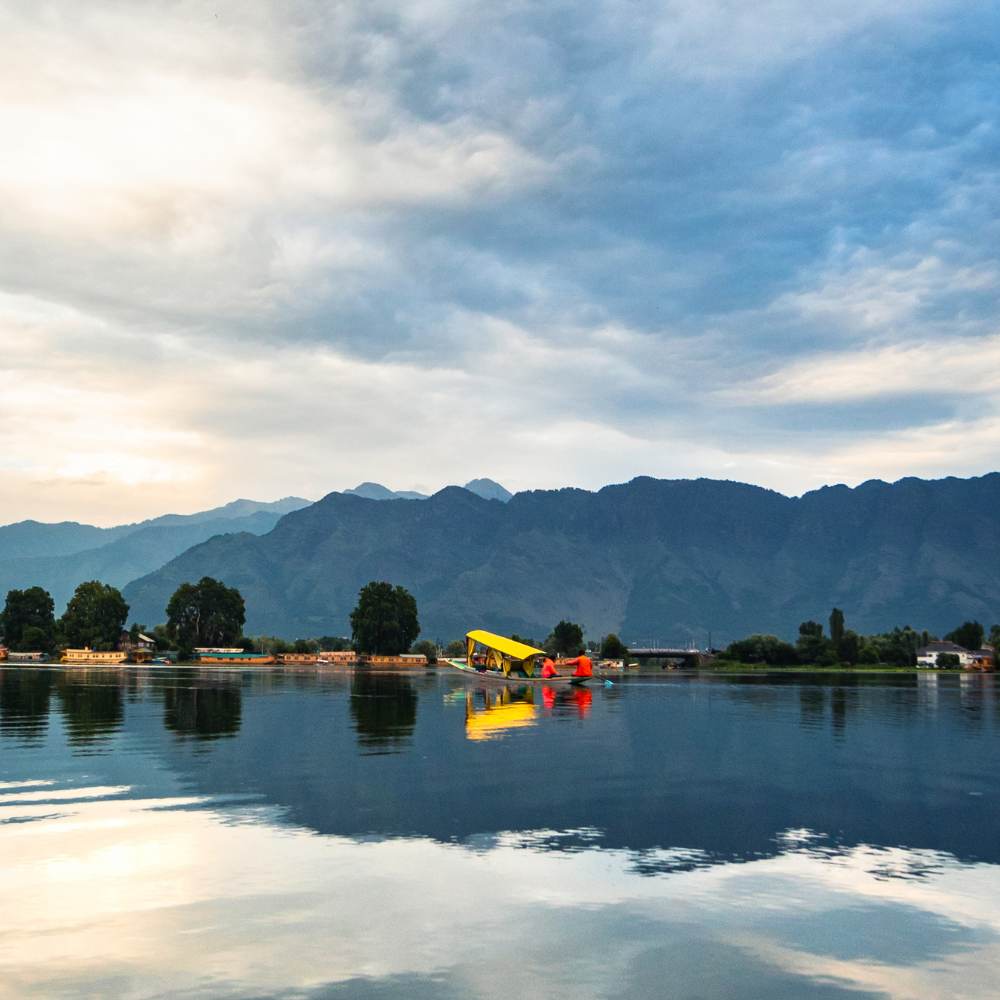
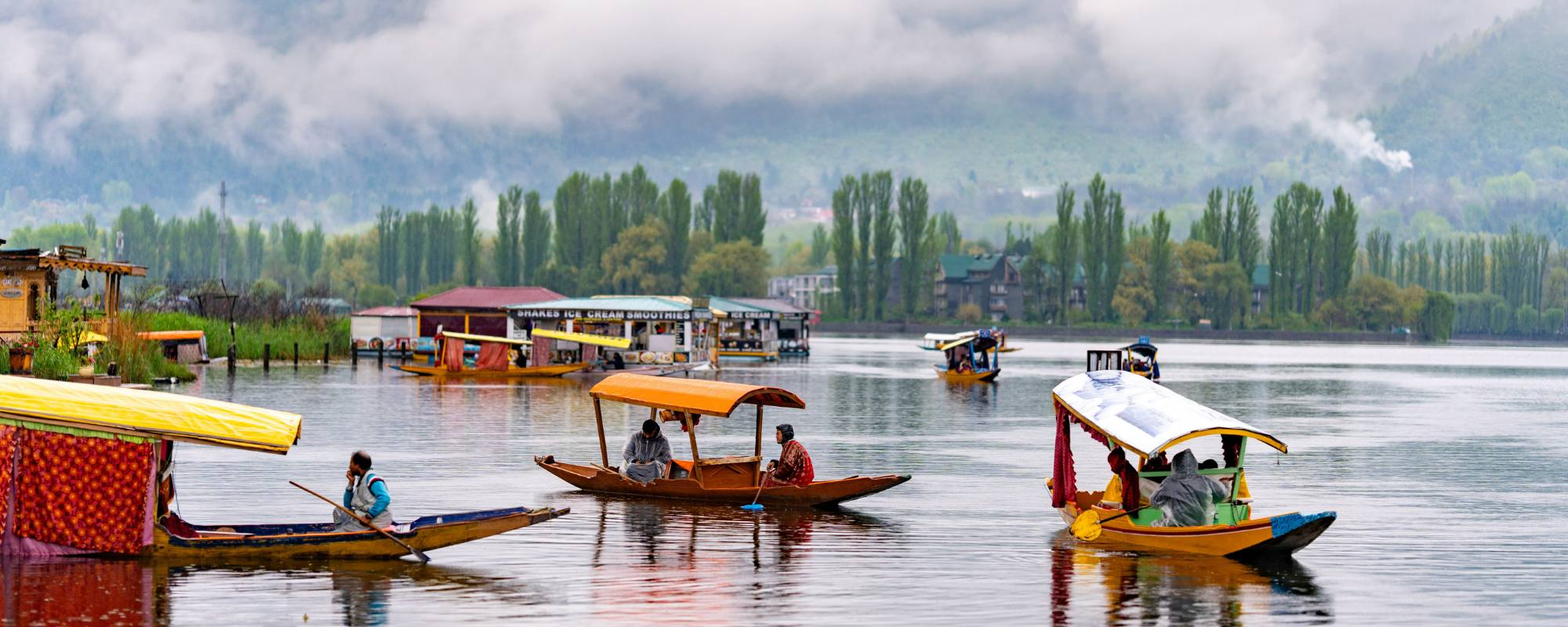
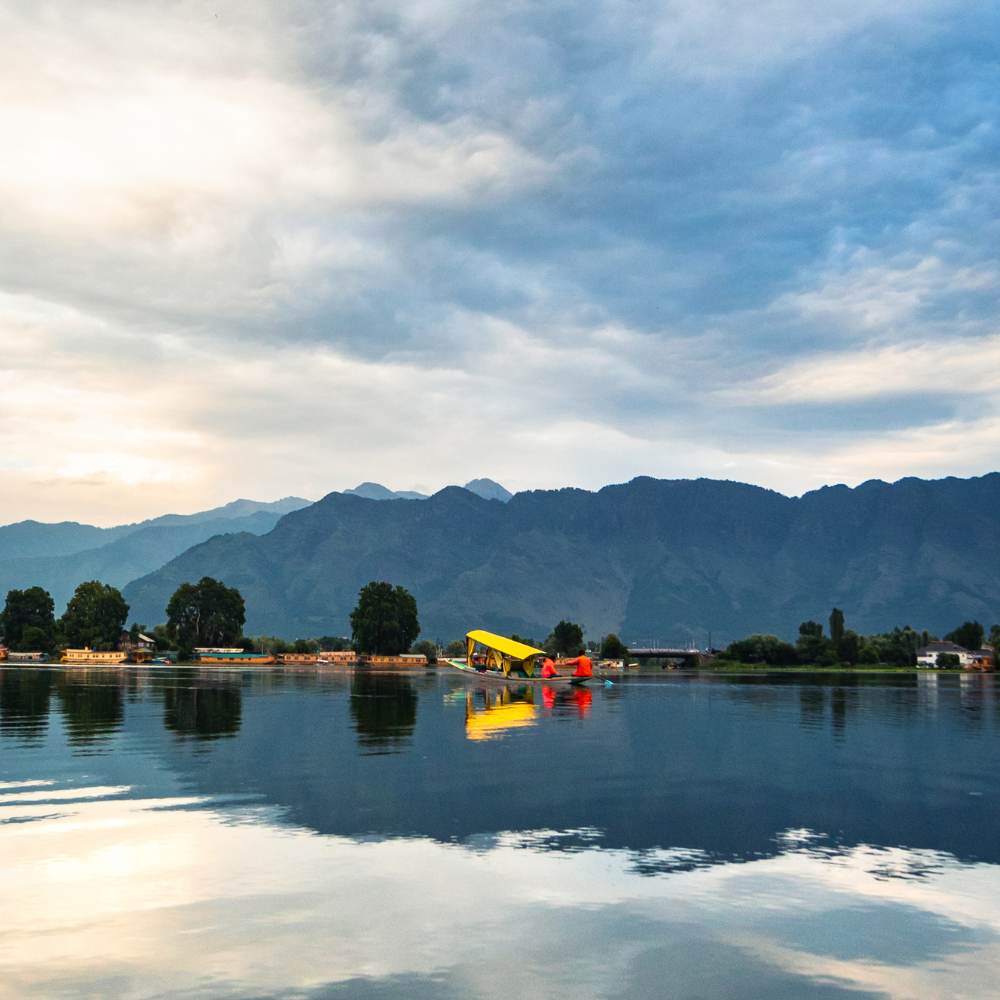
Kashmir in summer, at 1,600 metres, is vibrant with blooming Mughal gardens, wildflowers, and the scenic beauty of Dal Lake from April to June.
Srinagar’s houseboats on Dal Lake are iconic. Mughal gardens such as Shalimar and Nishat Bagh are most spectacular in April and May.
Gulmarg, 51 km from Srinagar at 2,650 metres, turns into wildflower meadows in summer. The Gulmarg Gondola offers April and May as ideal months to visit the Kashmir Valley. Sheikh ul-Alam International Airport (IATA: SXR) in Srinagar has direct flights from major Indian cities. International visitors connect via Delhi.
- Book Dal Lake houseboats directly with reputable operators. Check credentials and reviews before confirming.
- April and May are ideal months to visit the Kashmir Valley. June brings some pre-monsoon clouds.
- Check your country's travel advisories before visiting, as conditions can shift. Tourist areas have been safe recently.
4. Shimla
Region: Shimla district, Himachal Pradesh
Ideal Months: March to June
Best For: Families, colonial heritage, railway journeys, mall road culture, first-time hill station visitors, UK visitors
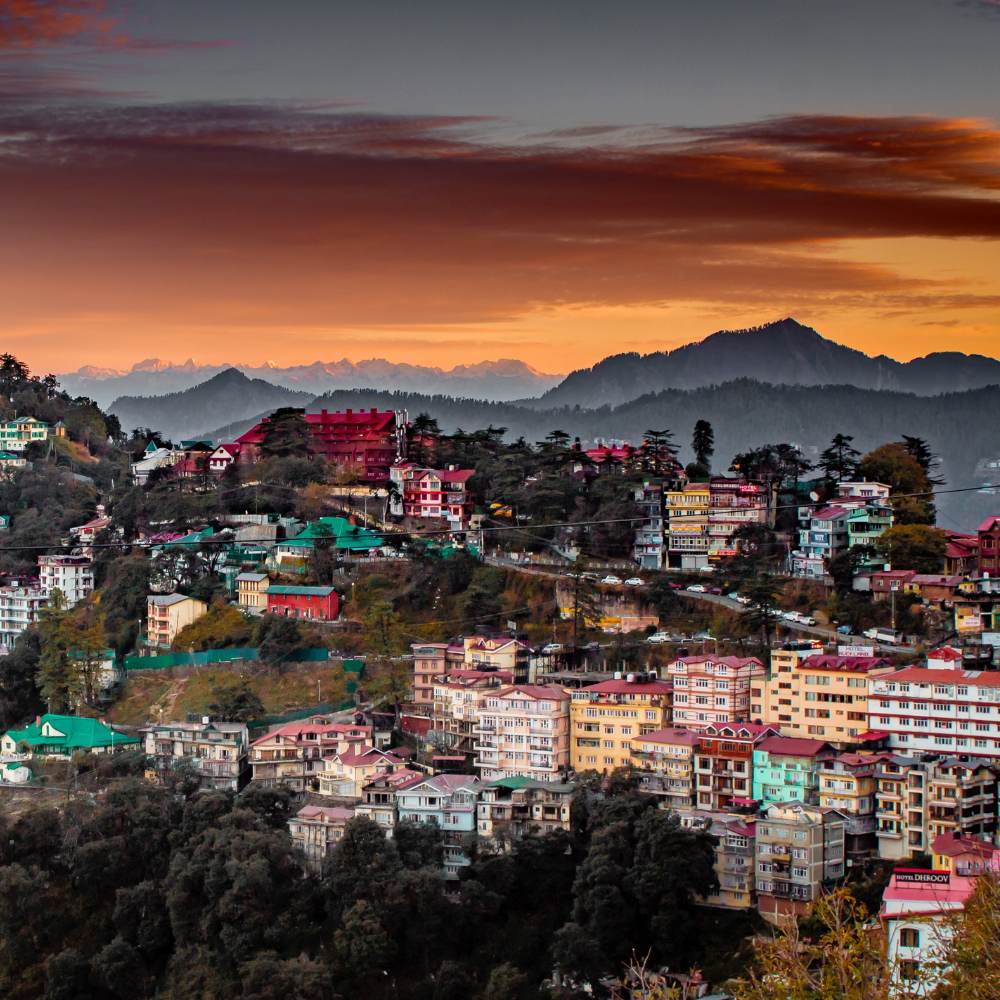
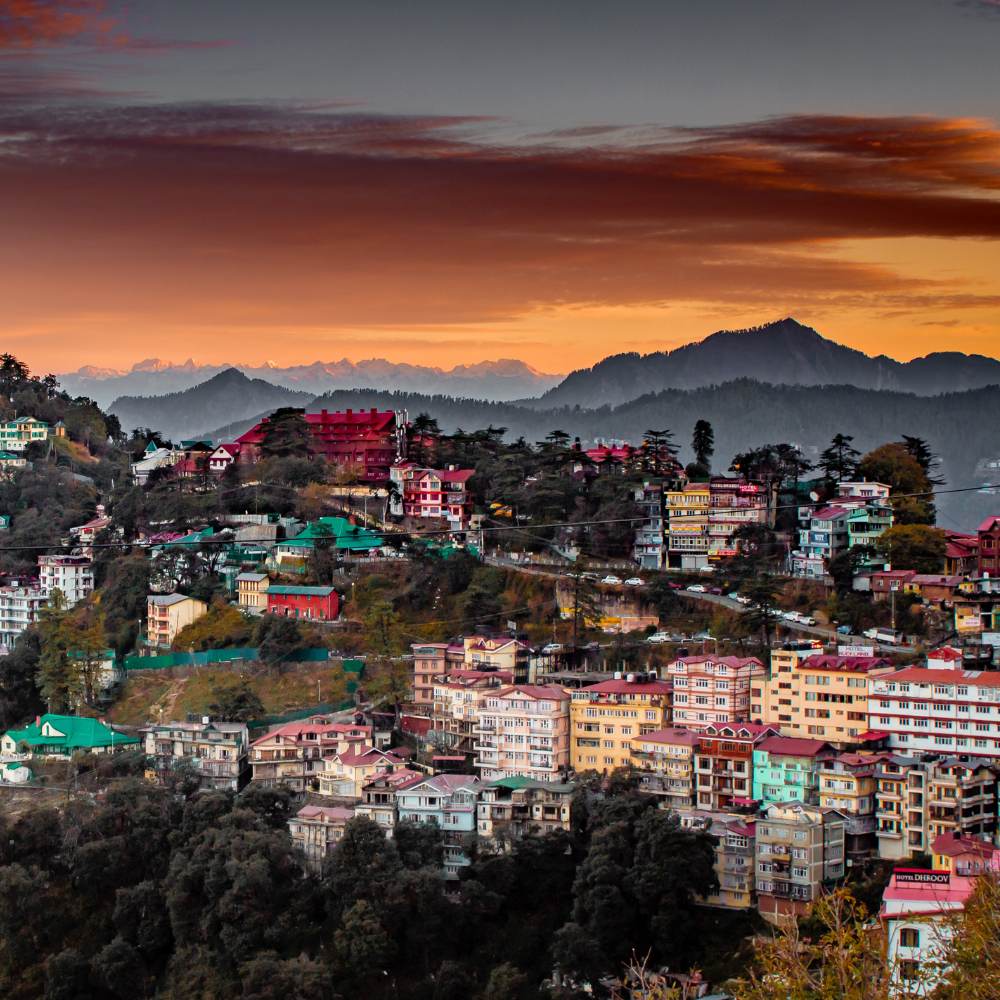
Shimla, once the British summer capital, retains colonial landmarks like the Viceregal Lodge, Christ Church, Gaiety Theatre, and the Kalka-Shimla Railway.
The Kalka-Shimla Railway, a UNESCO World Heritage Site, climbs 96 kilometres from the foothills town of Kalka to Shimla through 102 tunnels and across 864 bridges at a narrow gauge of 762 mm. The journey takes approximately five hours and passes through some of the most scenic hill terrain in the Shivalik range.
Shimla sits at 2,206 metres and remains pleasantly cool through India's summer months, while the plains far below regularly exceed 40 degrees Celsius. The Mall Road pedestrian promenade is the social hub of the town, and the nearby ridge viewpoint offers clear morning views of the snow-covered Himalayan peaks.
Practical Details
- Nearest airport: Shimla Airport (IATA: SLV) has limited connections. Most travellers fly to Chandigarh (approximately 120 km) or Delhi and proceed by road or rail.
- The Kalka-Shimla Railway departs from Kalka. Booking through irctc.co.in in advance is strongly recommended during peak season.
- Kufri, 13 km from Shimla, offers views of higher-elevation snow and nature walks through its wildlife park. Best visited in April and early May before the snow fully recedes.
5. Spiti Valley
Region: Lahaul and Spiti district, Himachal Pradesh
Ideal Months: June to September
Best For: Off the beaten path adventure, Buddhist heritage, high altitude villages, photography, experienced travellers
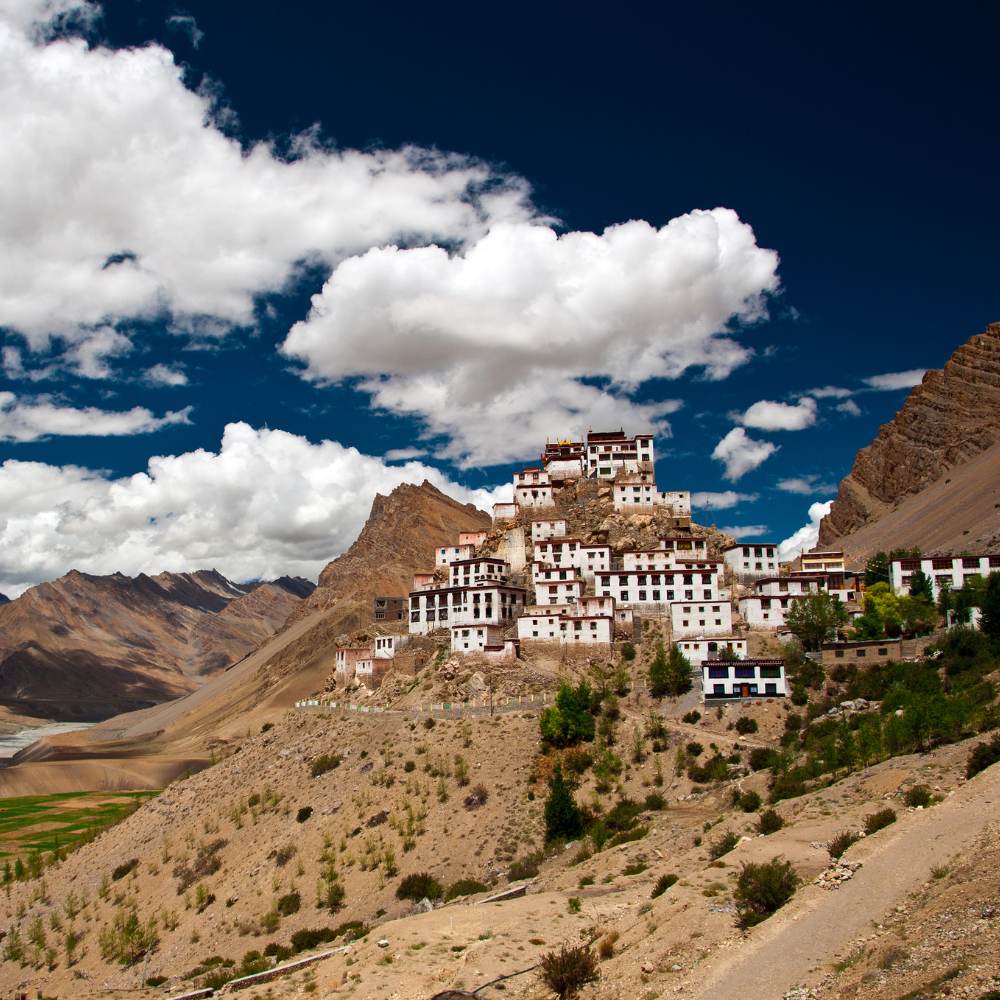
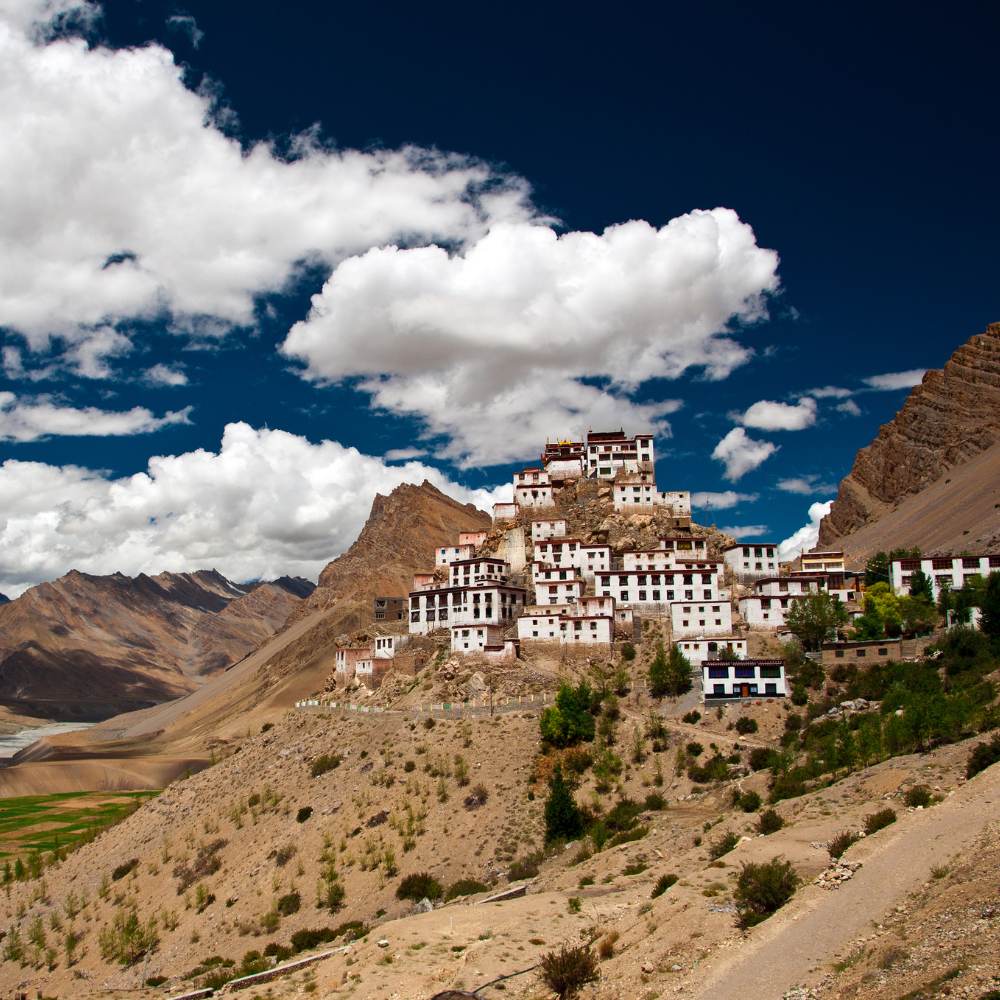
Spiti is one of the last truly remote destinations in India. A high-altitude cold desert at an average elevation of over 3,800 metres, it sits between the greater Himalayas and the Tibetan Plateau and is accessible only by two mountain road routes, both of which open seasonally from June.
Summer is the only viable window for most travellers. The Key Monastery, Tabo's ancient art (founded 996 CE), Komic (Asia's highest motorable village at 4,587 metres), Hikkim (home to the world's highest post office), the freshwater crescent of Chandratal Lake, and the extraordinary fossil fields around Langza are all at their most accessible from June through September.
Spiti rewards preparation and patience. Those who come ready for the altitude, the road conditions, and the remoteness find one of the most dramatically beautiful landscapes in all of Asia.
East and Northeast India
The eastern Himalaya and the hills of the northeast offer some of the most atmospheric summer destinations in India. The landscapes here are gentler and greener than the stark high desert of the northwest, and the cultural character is distinctly different: Buddhist, Sikkimese, and deeply influenced by the proximity to Bhutan, Tibet, and Nepal.
6. Darjeeling
Region: West Bengal
Ideal Months: March to May (pre-monsoon), October to November (post-monsoon)
Best For: Tea estates, Kanchenjunga views, UNESCO toy train, nature, wildlife, all traveller types
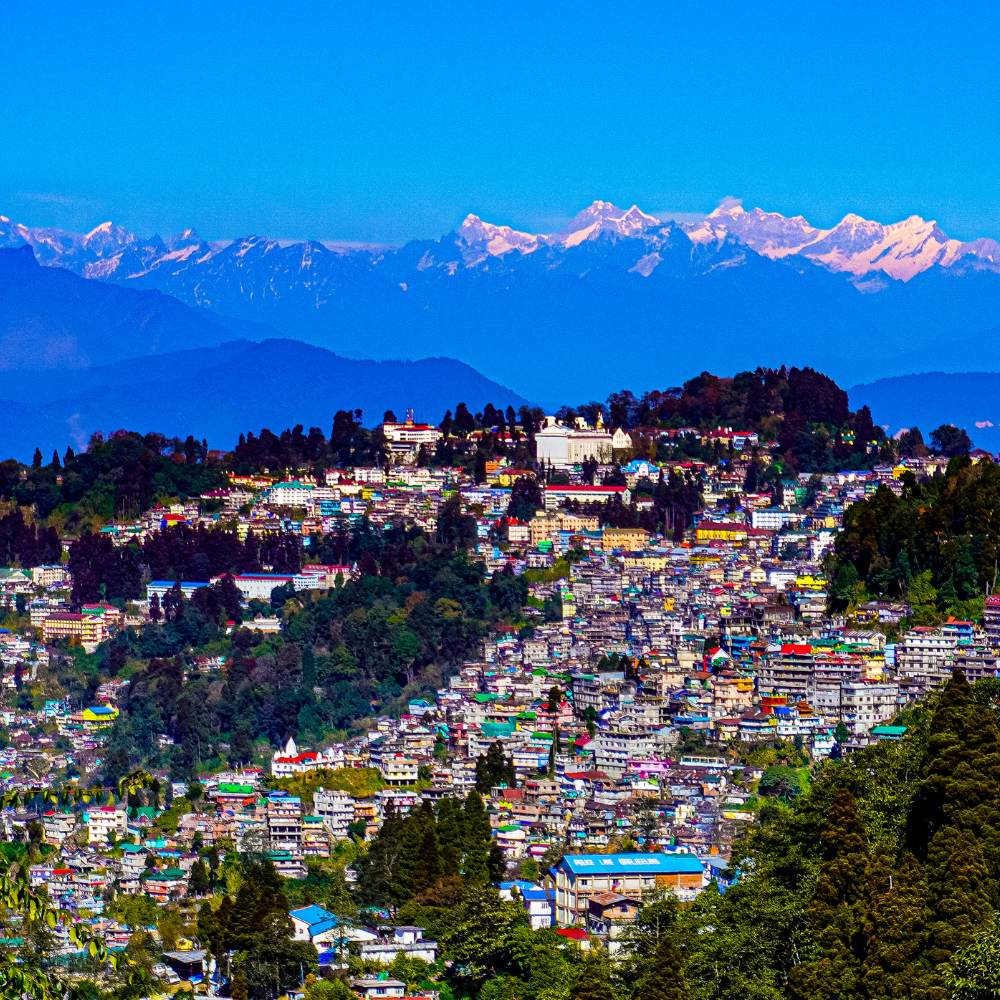
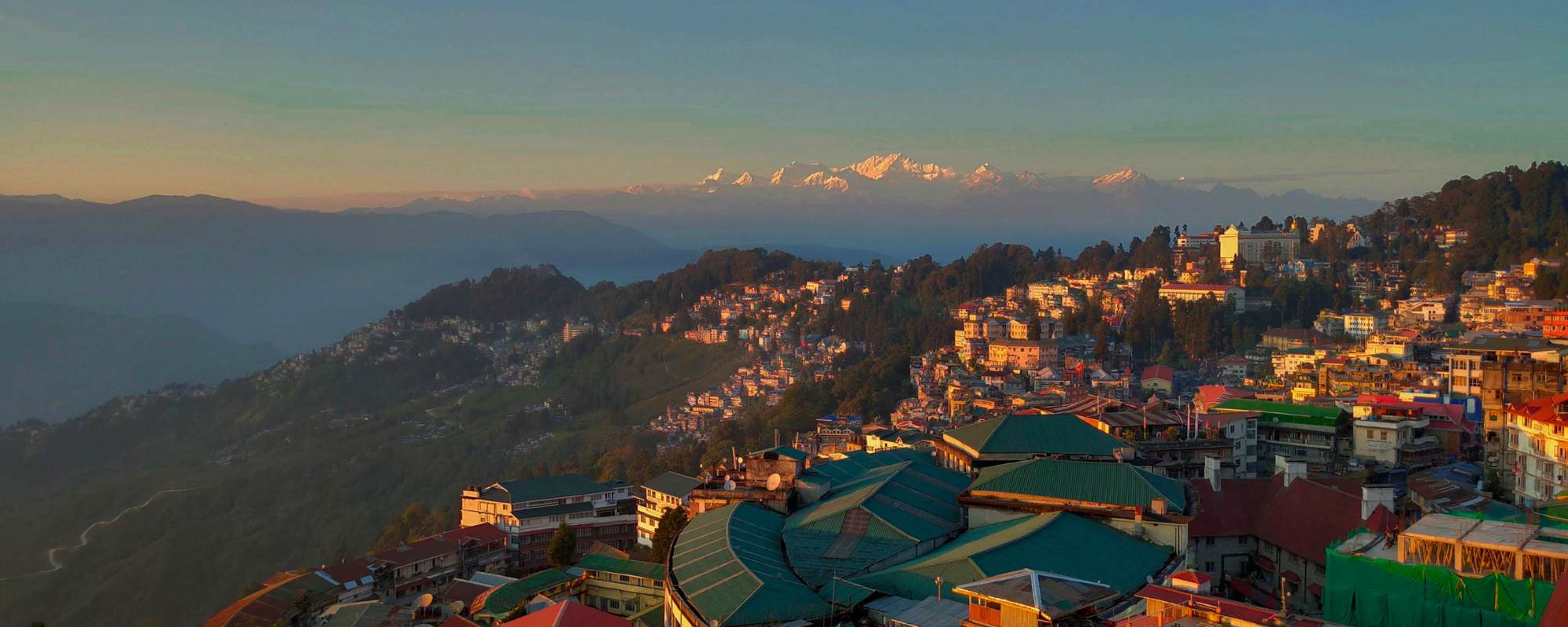
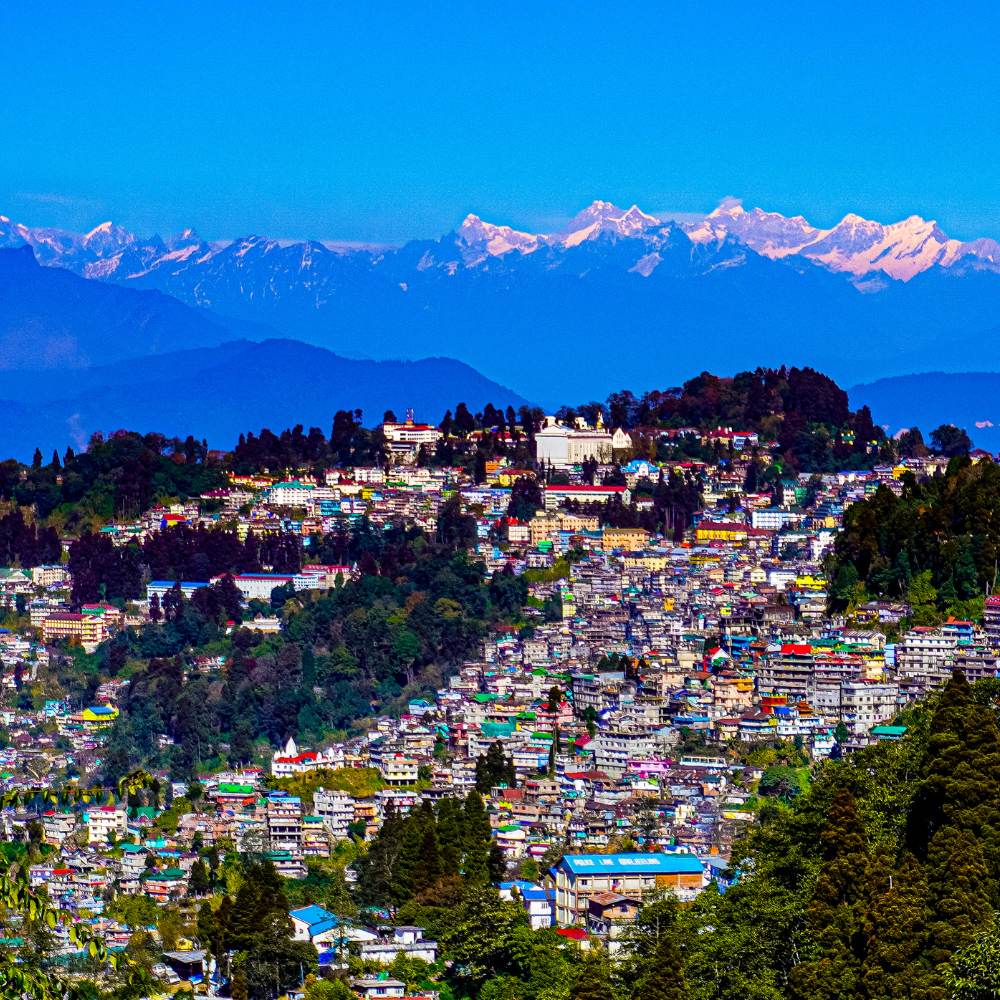
Darjeeling, at 2,042 metres in the eastern Himalaya, is at its finest in the pre-monsoon months of March, April, and May. The first flush tea plucking season runs from March through April, making this the best window for tea estate visits at Happy Valley and Makaibari. Rhododendrons bloom across the hillsides in March and April. The air is clear and the views of Mount Kanchenjunga at 8,586 metres, the third-highest peak in the world, are frequently spectacular.
The Darjeeling Himalayan Railway, a UNESCO World Heritage Site operational since 1881; the Padmaja Naidu Zoological Park (home to red pandas and snow leopards); the Tiger Hill sunrise viewpoint, and the trails of Singalila National Park make Darjeeling one of the most complete nature destinations in India.
Note: June marks the arrival of the southwest monsoon in Darjeeling, bringing heavy rainfall and reduced mountain visibility. Pre-monsoon visits (March to May) are strongly preferred for summer travel.
Explore More: Best Things to Do and Places to Visit in Darjeeling
7. Gangtok and Sikkim
Region: State of Sikkim
Ideal Months: March to May
Best For: Monasteries, rhododendron forests, Kanchenjunga views, honeymooners, clean mountain city experience
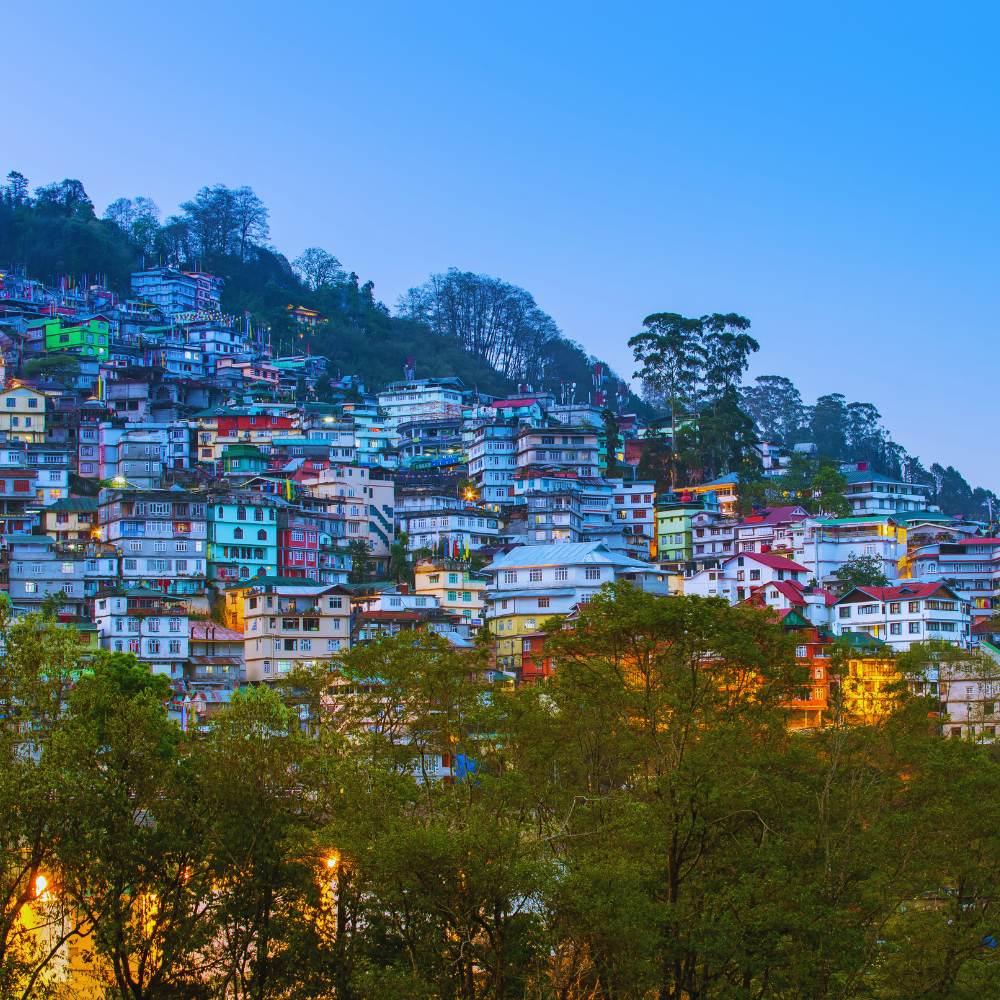
Sikkim is one of the smallest states in India and one of the most extraordinarily beautiful. Sharing borders with Nepal, Tibet, and Bhutan, it has a distinct character that blends Nepali, Tibetan, and Lepcha cultures into something entirely its own.
Gangtok, the capital, sits at approximately 1,650 metres and is one of the cleanest and most organised hill towns in the Himalayan region. The Rumtek Monastery, one of the most significant Kagyu Buddhist institutions outside Tibet, sits approximately 24 kilometres from Gangtok. Tsomgo Lake (Changu Lake), at 3,753 metres on the way to the Tibet border, is one of the most visited high-altitude lakes in the eastern Himalaya.
North Sikkim, accessible only with a permit, reveals a dramatically different landscape: high passes, glacial lakes, including the extraordinary Gurudongmar Lake at 5,183 metres (one of the highest lakes in the world), and the raw mountain wilderness approaching the Tibetan border.
Practical Details
- Nearest airport: Bagdogra Airport (IATA: IXB), approximately 125 km from Gangtok. Pakyong Airport (IATA: PYG) near Gangtok has limited connections.
- Inner Line Permits are required for North Sikkim and restricted border areas. Obtain in Gangtok
- Foreign nationals no longer require a Protected Area Permit (PAP) for general travel in Sikkim following its removal for most nationalities in 2014. However, restricted border areas, including Nathu La, Gurudongmar Lake, and parts of North Sikkim, require additional area-specific permits. Verify current requirements with the Bureau of Immigration or your nearest Indian embassy before travel.
South India: Where Summer Turns Green
South India is a revelation for summer travellers. While the coastal cities heat up, the Western Ghats hill stations cool down to a comfortable 15 to 22 degrees Celsius. The landscape turns an intense, deeply saturated green. Waterfalls begin to flow. Tea and coffee estates are lush and fragrant. South Indian summer is gentle, misty, and quietly beautiful.
8. Munnar
Region: Idukki district, Kerala
Ideal Months: March to May
Best For: Tea estate walks, cool climate, honeymooners, families, birdwatching, Eravikulam National Park
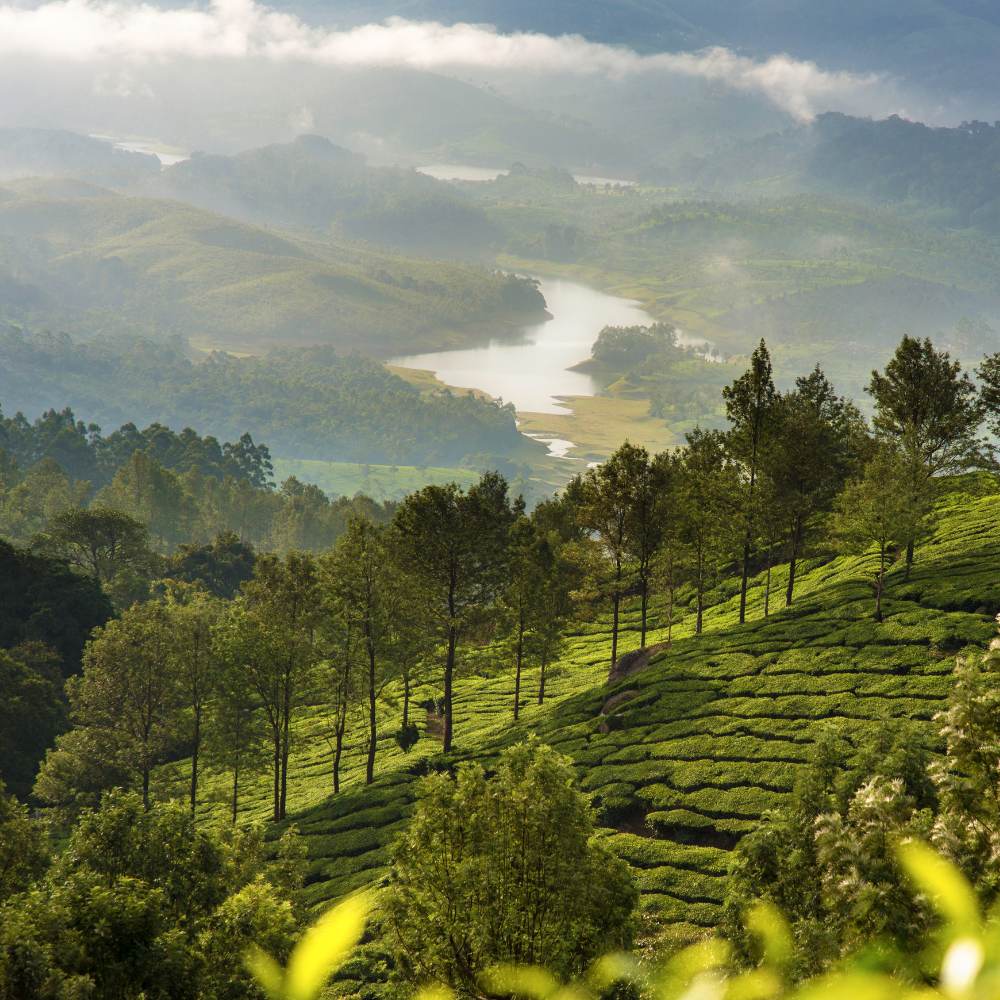
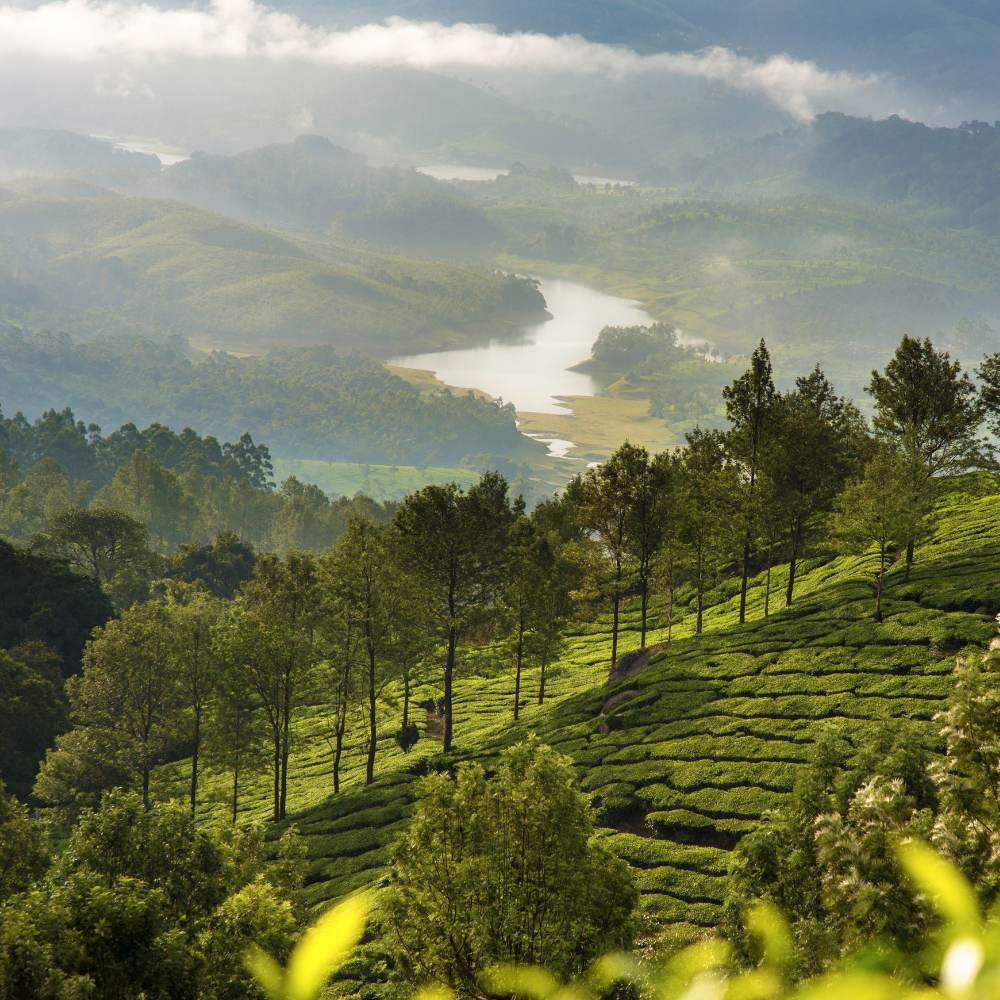
Munnar sits at approximately 1,600 metres in the Idukki district of Kerala, surrounded by the rolling green geometry of tea estates. It is the largest tea-growing area in South India, and the landscape here, with its low mist, manicured rows of tea bushes, and red laterite soil, is unlike anywhere else in the country.
Eravikulam National Park, approximately 13 kilometres from Munnar town and a 25-30-minute drive, is home to the largest population of the endangered Nilgiri tahr, a mountain ungulate found only in the Western Ghats. The park closes every year from February 1 to March 31 for the Nilgiri Tahr calving season. The best time to visit for tahr sightings is October to January, before the closure, or April and May immediately after reopening, when tahr calves are frequently visible near the road. The park is also one of the best places in India to see the Neelakurinji bloom, a mass flowering event that turns the hillsides a vivid violet-blue every twelve years, with the next occurrence expected in 2030.
Temperatures in Munnar during summer range from 10 to 25 degrees Celsius, providing genuine relief from the heat below on the Kerala coast.
9. Ooty and the Nilgiris
Region: Nilgiris district, Tamil Nadu
Ideal Months: April to June
Best For: Families, botanical gardens, UNESCO toy train, tea estates, Todas tribal culture
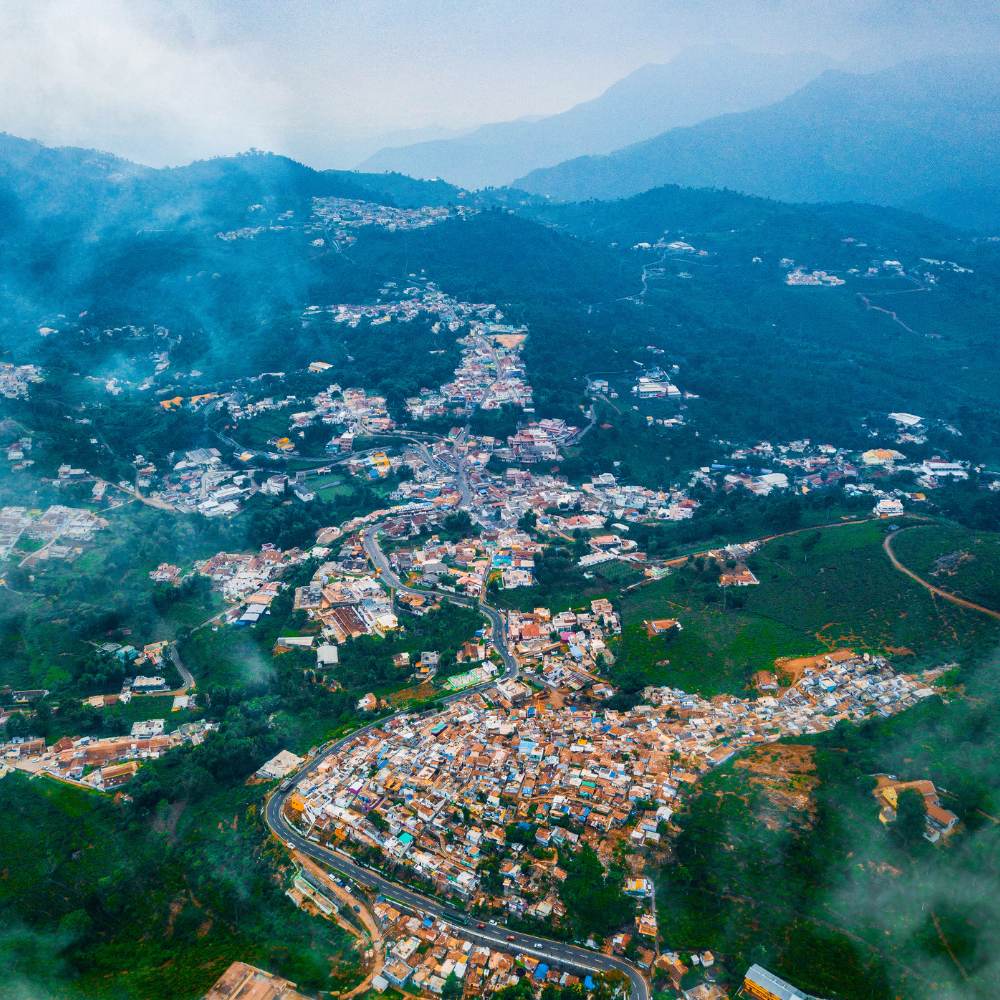
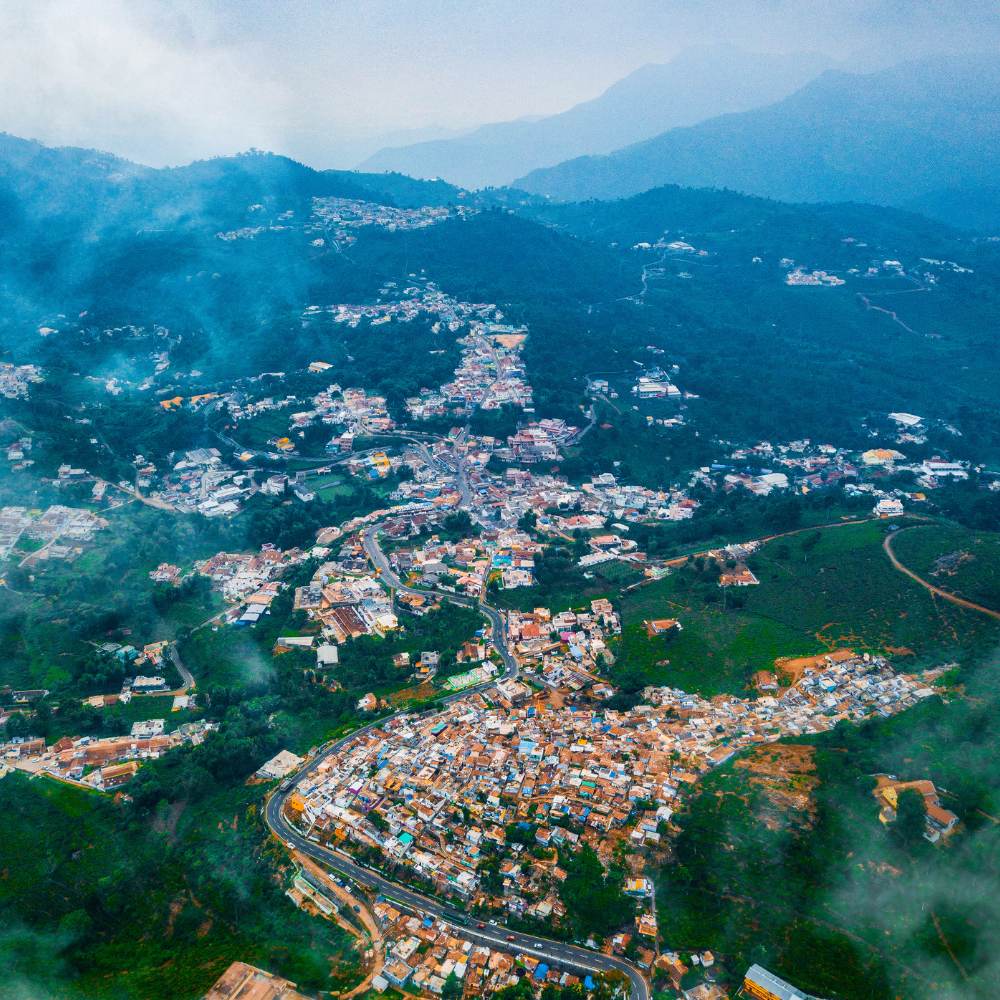
Ooty, or Udhagamandalam as it is formally known, sits at 2,240 metres in the Nilgiri Hills of Tamil Nadu and has been a major summer destination since British colonial times, when it served as the summer headquarters of the Madras Presidency.
The Nilgiri Mountain Railway, another UNESCO World Heritage Site operational since 1908, climbs from Mettupalayam in the foothills to Ooty through 46 kilometres of extraordinary gradient terrain, crossing 208 curves and 16 tunnels using a rack-and-pinion mechanism on the steepest sections. The journey takes approximately five hours and is considered one of the great railway experiences in Asia.
Ooty Botanical Gardens, established in 1848 by the Marquess of Tweeddale, maintains one of the most diverse plant collections in South India. The Doddabetta peak at 2,637 metres, the highest in the Nilgiris, offers wide views across the southern Deccan plateau on clear days. The nearby hill station of Coonoor, 19 kilometres from Ooty, is quieter and in many ways more charming.
10. Coorg (Kodagu)
Region: Kodagu district, Karnataka
Ideal Months: March to May
Best For: Coffee plantation walks, waterfalls, birding, romantic getaways, couples, nature retreats
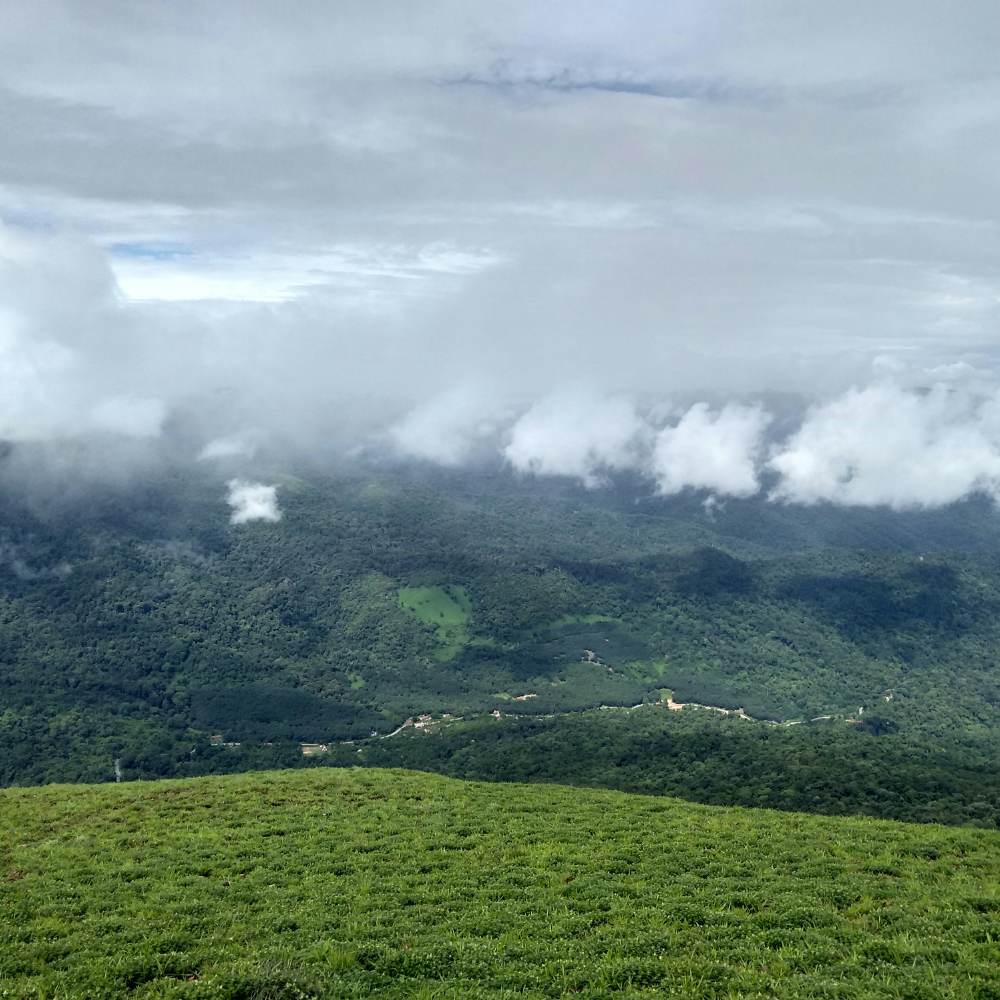
Coorg, officially known as Kodagu, is one of the most naturally beautiful districts in Karnataka. Often called the Scotland of India for its rolling mist-covered hills, this coffee and spice-growing region in the Western Ghats sits at elevations between 900 and 1,800 metres.
The coffee estates of Coorg are at their most fragrant from February to March during the jasmine-like bloom of the coffee flowers. By summer, the estates are in full leaf, providing a canopy of deep green through which estate walks are extraordinarily peaceful. The Abbey Falls and Iruppu Falls are at their most dramatic from May through July as pre-monsoon showers feed the rivers.
Nagarhole National Park, adjoining Coorg, is one of the finest wildlife reserves in South India and part of the larger Nilgiri Biosphere Reserve. Tiger, leopard, Asian elephant, gaur, and dholes can be spotted here on morning and evening safari drives between October and May.
Islands: The Andaman Window
11. Andaman and Nicobar Islands
Region: Union Territory of Andaman and Nicobar Islands
Ideal Months: October to April (avoid May onwards as monsoon arrives)
Best For: Scuba diving, snorkelling, pristine beaches, marine biodiversity, couples, divers, beach lovers from the UK and the USA
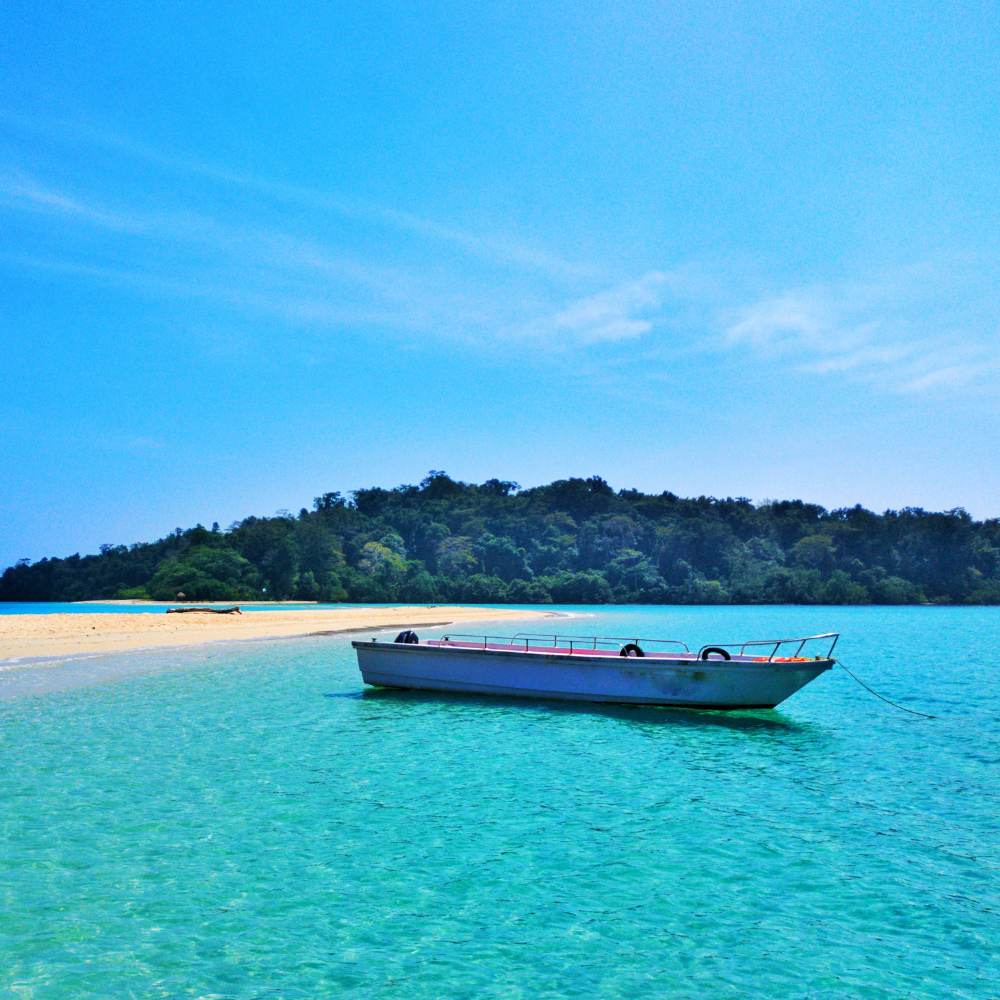
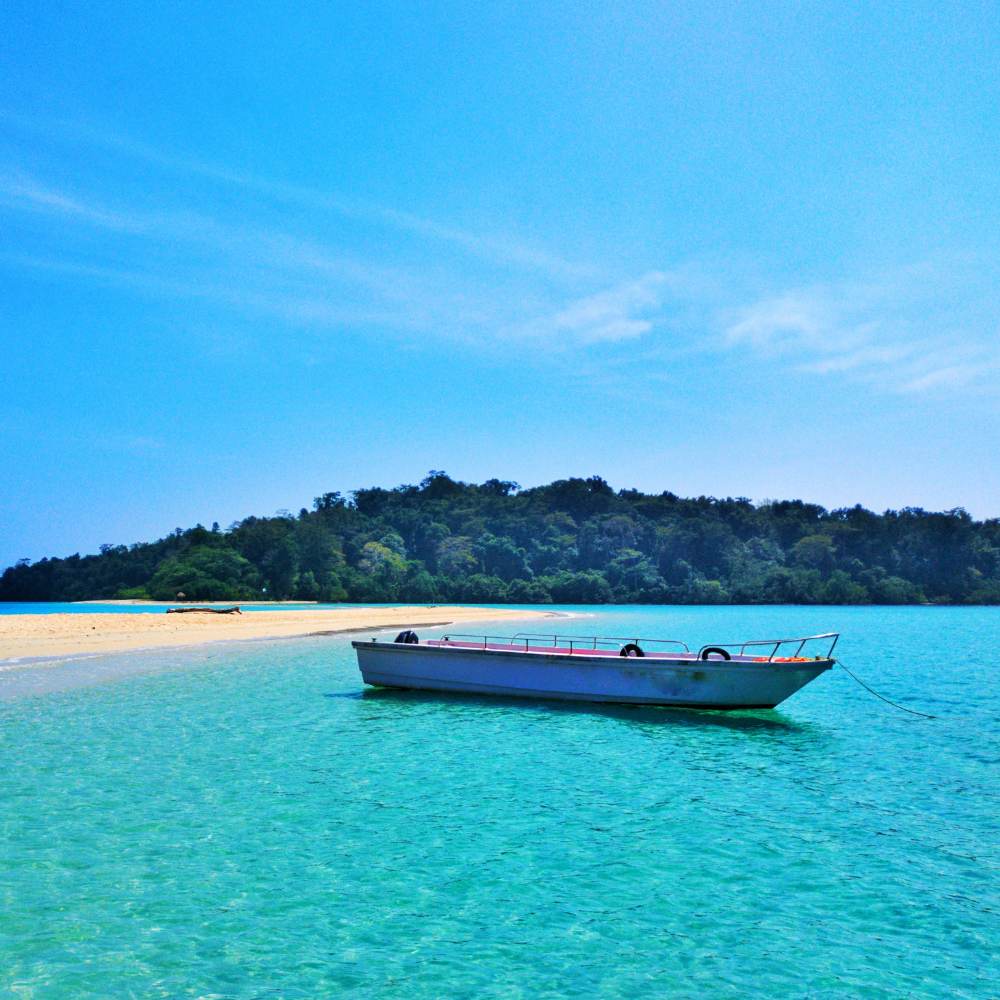
The Andaman and Nicobar Islands sit in the Bay of Bengal, approximately 1,200 kilometres from the Indian mainland, closer geographically to Myanmar and Thailand than to Chennai or Kolkata. These 572 islands, of which only 37 are inhabited, offer some of the most pristine marine environments in Asia.
Radhanagar Beach on Havelock Island (Swaraj Dweep) is consistently ranked among the finest beaches in Asia, with white sand, turquoise water, and a forest backdrop that makes it look almost too perfect. Elephant Beach, accessible by boat or trek from Havelock, has one of the most diverse coral gardens in India, making it the best snorkelling site in the archipelago.
The Andaman Islands are a critical point for summer travel: the monsoon arrives there earlier than anywhere else in India, typically by late April or early May. The prime window is October through March, with April being acceptable for some years but risky. Summer visitors from India hoping to include the Andamans in a May or June trip should plan carefully around this.
Practical Details
- Nearest airport: Veer Savarkar International Airport, Port Blair (IATA: IXZ). Flights from Chennai, Kolkata, Delhi, Mumbai, and Bengaluru operate year-round.
- Foreign nationals require a Restricted Area Permit (RAP) for the Andaman Islands. These are issued on arrival at Port Blair airport for most nationalities.
- Havelock Island (Swaraj Dweep) is reached by ferry from Port Blair. Government ferries take approximately 2 hours; private speed boats take approximately 1.5 hours.
Offbeat Summer Picks
For travellers who want to get beyond the most well-known names, these two destinations offer exceptional summer experiences with significantly fewer crowds.
12. Tirthan Valley
Region: Kullu district, Himachal Pradesh
Ideal Months: April to June
Best For: Trout fishing, river walks, Great Himalayan National Park, birding, slow travel, couples, solo travellers
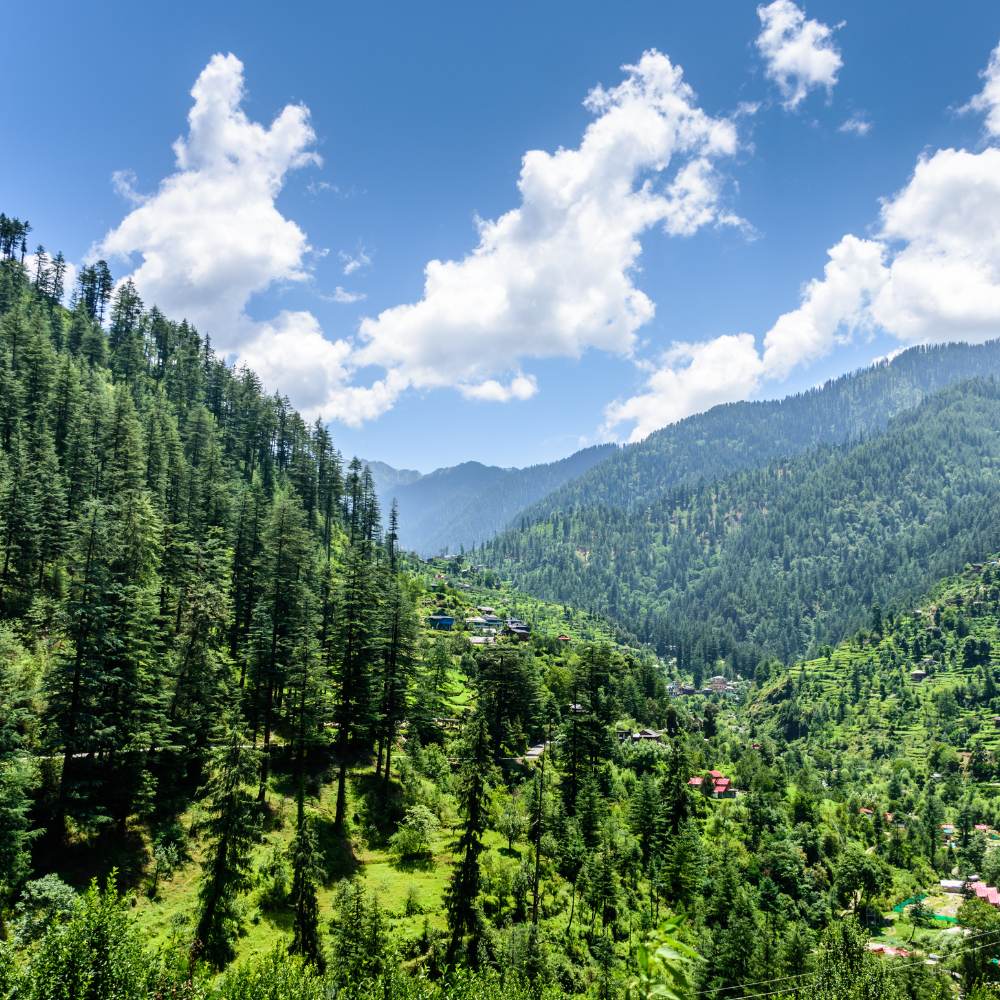
Tirthan Valley is one of Himachal Pradesh's best-kept secrets, and it remains that way largely because it sits off the main tourist highway into the hills. The Tirthan River, a clear, fast-flowing mountain stream, runs through a valley of apple orchards, oak and rhododendron forest, and traditional Himachali villages with almost no commercial development along its length.
The valley serves as the gateway to the Great Himalayan National Park, a UNESCO World Heritage Site inscribed in 2014 covering 754 square kilometres of largely undisturbed Himalayan wilderness. Trekking routes into the park reveal Himalayan brown bears, snow leopards, musk deer, and an extraordinary diversity of high-altitude bird species.
Tirthan is also one of the best places in Himachal Pradesh for trout fishing, with licensed fishing in designated stretches of the river available through the Himachal Pradesh Fisheries Department between March and June.
13. Kasauli
Region: Solan district, Himachal Pradesh
Ideal Months: March to June
Best For: Colonial charm, quiet walks, couples, long weekend escapes from Delhi, birdwatching, slow travel
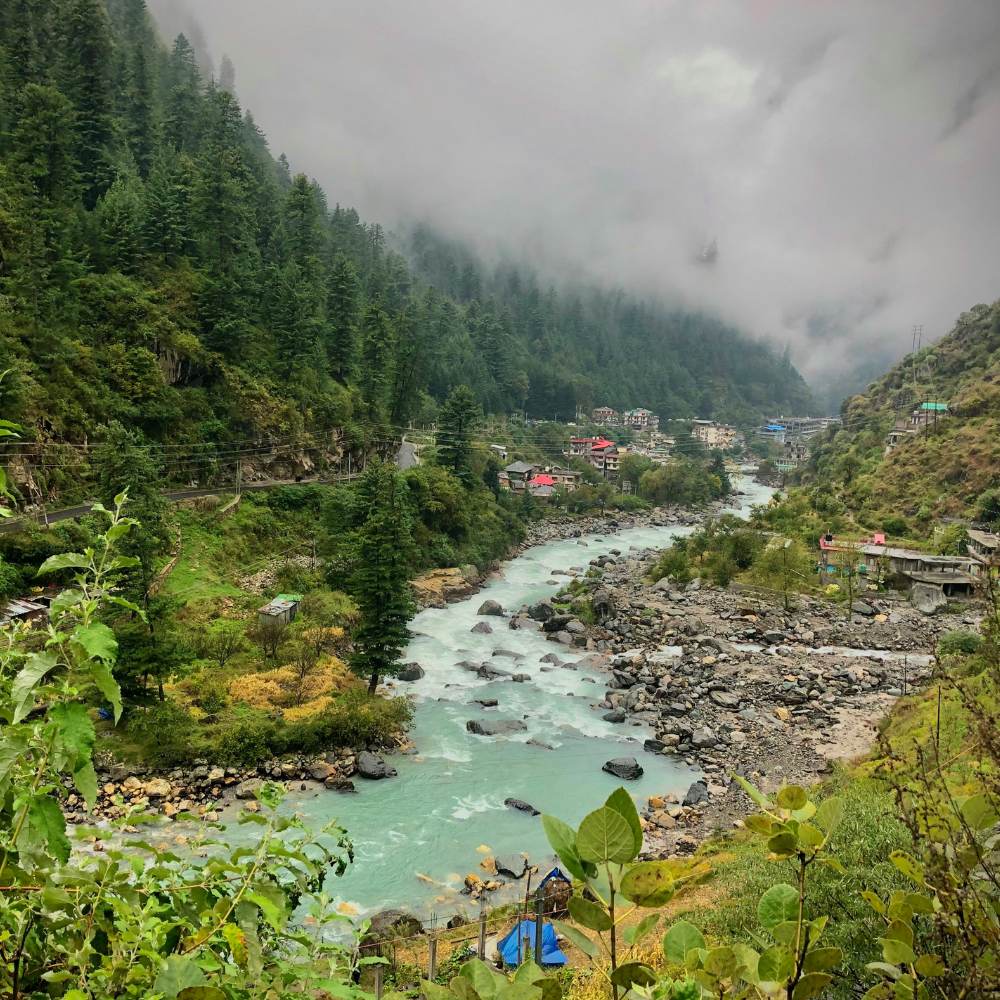
Kasauli is the hill station that Shimla forgot to tell anyone about. A small, quiet cantonment town at 1,795 metres in the Solan district, established by the British in 1842, it has barely changed in character since. Colonial bungalows sit behind stone walls draped in bougainvillaea. The Christ Church dates to 1853. Monkey Point, the highest point of the town, offers a panoramic view of the Sutlej River valley and, on very clear mornings, of Chandigarh far below.
Kasauli is two hours from Chandigarh and approximately five hours from Delhi. It receives a fraction of Shimla's visitor numbers despite being equally accessible. For travellers who want a genuine Himalayan hill station atmosphere without the crowds, Kasauli is the answer.
Month by Month: Where to Go and When
March to April
- Best for: Darjeeling (first flush tea, rhododendrons), Kashmir Valley (garden bloom), Munnar (pre-monsoon cool), Coorg (coffee flower season), Andaman Islands (last window before monsoon)
- Wildlife: Prime tiger and elephant spotting season at Ranthambore, Kanha, Jim Corbett, and Nagarhole
May to June
- Best for: Ladakh (opens May), Manali (Rohtang Pass opens), Srinagar and Gulmarg, Shimla, Spiti Valley, Ooty, Gangtok, Tirthan Valley, Kasauli
- Avoid: Darjeeling (monsoon arrives in June), Andaman Islands (monsoon arrives in May)
- High season begins: Book flights and accommodation for Manali, Srinagar, and Shimla at least 4 to 6 weeks in advance.
Frequently Asked Questions
Which is the coolest place in India during summer?
Ladakh and Spiti Valley record the lowest summer temperatures in India, with Leh ranging from 10 to 27 degrees Celsius in June and July. At village altitudes above 4,000 metres, nights remain below 5 degrees Celsius even in peak summer. Among more accessible destinations, Gulmarg in Kashmir and Ooty in Tamil Nadu both maintain pleasantly cool temperatures of 12 to 22 degrees Celsius through India's summer months.
What is the best hill station in India for summer 2026?
The answer depends on what you are looking for. For sheer mountain grandeur and adventure, Ladakh and Manali lead the list. For colonial heritage and railway journeys, Shimla and Darjeeling. For lush green landscapes and coffee culture, Coorg. For a quieter, undiscovered experience, visit Kasauli and Tirthan Valley. There is no single best hill station, but there is certainly one that matches your specific travel style.
Is it safe to travel to Ladakh and Kashmir in the summer of 2026?
Ladakh has consistently welcomed domestic and international tourists and is considered safe for travel. The primary considerations are altitude sickness (which requires careful acclimatisation), weather unpredictability on high mountain routes, and road conditions on passes. For Kashmir, most major tourist areas, including Srinagar, Dal Lake, Gulmarg, and Pahalgam, have been operating normally for travellers. International visitors should check their country's current Foreign Office or State Department travel advisory for up-to-date guidance before booking.
How far in advance should I book summer travel to India in 2026?
For peak summer destinations (Manali, Srinagar, Shimla, Ooty, Darjeeling), booking hotels and transport at least 4 to 6 weeks in advance is recommended, particularly for May and June when Indian school holidays drive significant domestic demand. For Ladakh, flights from Delhi to Leh fill quickly and should be booked 6 to 8 weeks in advance. For international travellers who need Indian visas, apply at least 4 to 6 weeks before travel.
What should I pack for a summer trip to India's hill stations?
Pack in layers regardless of your destination. Hill-station days can be warm, while evenings and nights turn cold quickly, particularly above 2,000 metres. Essentials include lightweight thermals, a fleece or wool mid-layer, a waterproof outer shell, sturdy walking shoes, high-SPF sunscreen (UV radiation intensifies at altitude), sunglasses, and a personal first aid kit. For Ladakh and Spiti, add altitude sickness medication and consult a doctor before departure.
Final Word: India in Summer Is Not What You Think
The instinct to avoid India in summer is understandable but wrong if you know where to look.
The Himalayas open their highest roads. The hill stations of the south cool to their most beautiful. The eastern mountains turn green and spectacular. And from the Bactrian camels of Nubra Valley to the lush coffee estates of Coorg at their deepest green, the experiences available between April and June are genuinely unique to this window.
For international travellers from the UK and the US, India's summer lines up perfectly with long break windows from April to August. For Indian domestic travellers, the school holiday period from May through June has historically driven the best of Indian summer travel, and the destinations on this list fully reward that instinct.
Pick your altitude. Pack your layers. India in summer is waiting.